How Much Weight a Brittany Drops in a Hard Season
It's a common worry for Brittany owners: you pour your heart into training and hunting, only to notice your athletic, energetic dog starts looking a bit gaunt by mid-season. The relentless demands of field work can take a toll, and seeing those ribs emerge can be alarming. This guide will walk you through understanding why Brittanys often drop weight during a hard hunting season and, more importantly, how to prevent it and keep them in peak condition.
The Relentless Energy Demands of a Hunting Brittany
When your Brittany is out in the field, it’s not just getting a leisurely stroll; it’s engaging in intense, prolonged exercise that burns a staggering amount of calories. Think about the sheer ground your dog covers – weaving through heavy cover, crashing through briars, pointing birds for minutes on end, and then retrieving. This isn't just physical exertion; it's mentally taxing too, requiring incredible focus and instinct.
Why the Calorie Burn Skyrockets in Season
A Brittany in full hunting mode is an athlete operating at peak performance, often for hours a day, several days a week. The energy expenditure is vastly different from a casual walk in the park. They are constantly moving, scenting, and reacting, using every muscle in their lean, powerful bodies. This high-intensity activity means their metabolic rate goes through the roof.
Consider a typical hunting day: your Brittany might cover ten to twenty miles, navigating challenging terrain, jumping fences, pushing through dense brush. Each of these actions requires fuel. Beyond just the physical movement, the excitement and mental engagement of the hunt also contribute to caloric burn. The adrenaline, the focus on birds, the constant decision-making about scent cones and wind direction – it all adds up. It's no wonder that many owners wonder How Much More a Brittany Eats in Hunting Season once the season kicks into gear.
Factors That Exacerbate Weight Loss
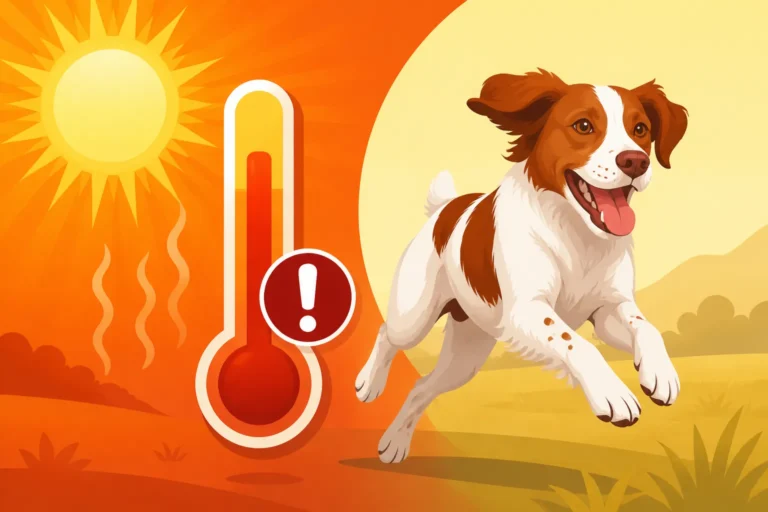
Several elements can make a Brittany more susceptible to significant weight loss during hunting season. Weather conditions play a huge role; hunting in cold temperatures requires more energy to maintain body heat, while working in warmer weather increases the risk of dehydration and heat stress, which can suppress appetite. The type of cover also matters – pushing through thick, tangled briars is far more energy-intensive than working open fields.
Stress, even the good kind like the excitement of the hunt, can also impact a dog's digestive system and energy utilization. Some dogs might become slightly picky eaters when they're overtired or overstimulated, making it harder for them to take in enough calories. Furthermore, minor injuries, even those you might not immediately notice, can cause discomfort that reduces a dog's drive to eat or impacts their ability to metabolize food efficiently. This is why careful observation and proactive care are so crucial.
Recognizing the Signs of Undue Weight Loss
It’s one thing to see your dog "lean out" a bit as they get fit, and another to watch them become alarmingly thin. Knowing the difference is key to intervening before it impacts their health and performance. Early detection of excessive weight loss allows you to adjust their care and nutrition promptly, keeping them healthy and strong throughout the season.
Visual and Palpable Cues of Underweight
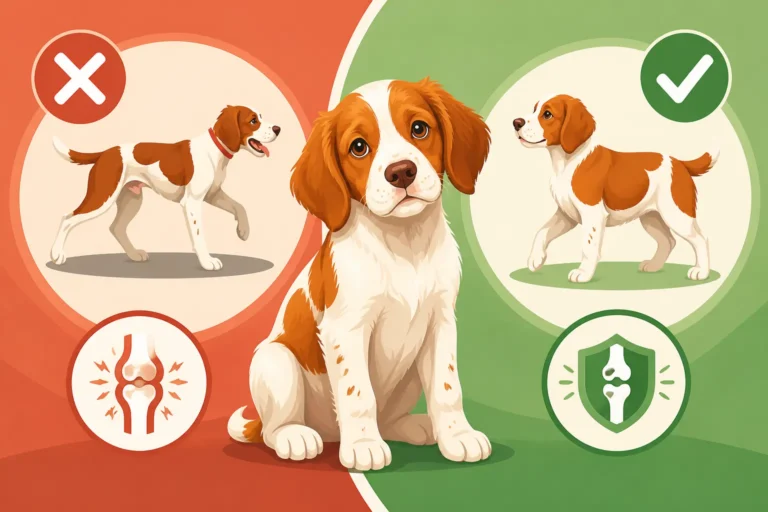
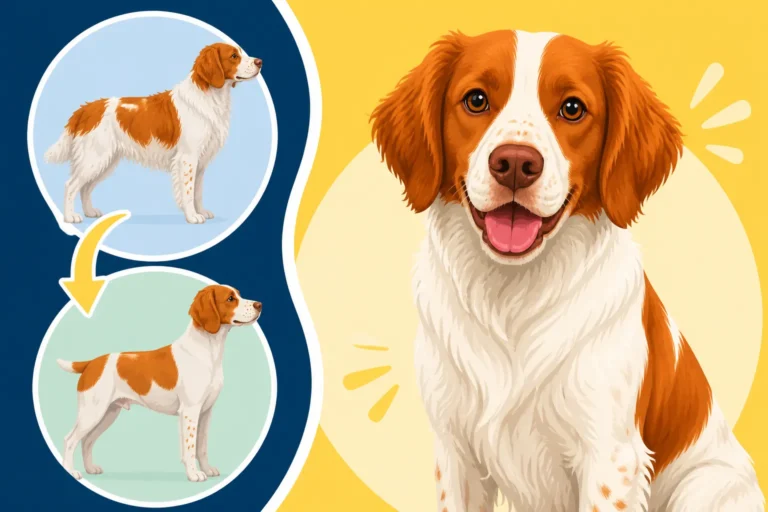
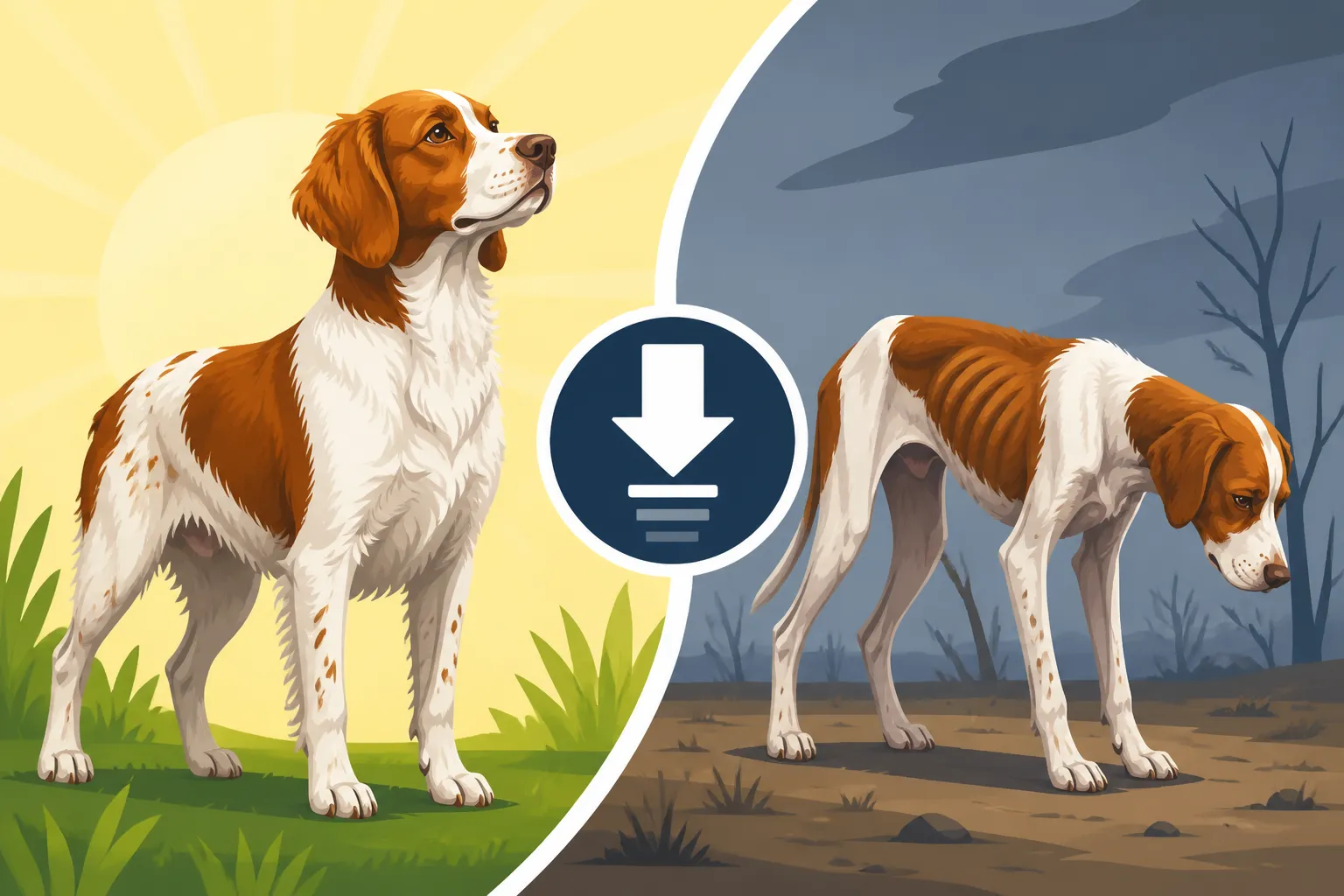
The most obvious sign of weight loss is visual: seeing ribs, hip bones, and vertebrae that were previously well-covered. While a fit Brittany should be lean, with a visible tuck-up and easily felt ribs, you shouldn't see their bones protruding sharply. You should be able to feel their ribs without pressing hard, but you shouldn't be able to see them distinctly from a distance.
Here's a quick guide to assessing your Brittany's body condition:
| Body Condition Score | Appearance (Visual) | Palpation (Feel) |
|---|---|---|
| Ideal | Ribs not visible, but easily felt. Obvious waist. | Ribs felt with slight pressure. Minimal fat cover. |
| Thin | Ribs, lumbar vertebrae, pelvic bones easily seen. | Ribs easily felt, little fat. Abdomen severely tucked. |
| Emaciated | All bones prominent from distance. No fat. | Ribs, spine, hip bones obvious with no fat cover. |
If your dog is consistently looking more like "Thin" or "Emaciated," it's time for action. Also pay attention to changes in their coat quality – a dull, dry, or excessively shedding coat can sometimes be a sign of nutritional deficiencies or stress. A simple digital dog scale, readily available on Amazon, can be a game-changer for monitoring subtle weight changes more accurately than just relying on your eyes. Knowing What an Adult Brittany Should Weigh can provide a good baseline.
Behavioral and Performance Indicators
Beyond physical appearance, your Brittany's behavior and performance in the field can signal inadequate caloric intake. A dog that is losing too much weight might show a noticeable drop in stamina. They might tire more quickly, lose their drive earlier in the day, or struggle to maintain their usual pace. Instead of holding a staunch point, they might creep, or seem less enthusiastic about retrieving.
You might also notice a general lethargy or reduced energy even when not hunting. They might be less eager to play, sleep more than usual, or seem less engaged around the house. If their drive and enthusiasm for the hunt, which is typically boundless for a Brittany, begins to wane, it's a significant red flag. These subtle changes can often appear before significant visual weight loss becomes apparent, so keen observation is vital.
Strategies to Prevent and Manage Seasonal Weight Drop
The good news is that preventing and managing weight loss in a working Brittany is entirely possible with proactive and thoughtful care. It’s not just about feeding more; it's about feeding smarter and ensuring all aspects of their well-being support their intense activity levels.
Adjusting Diet for Peak Performance
The cornerstone of preventing weight loss in a hard hunting season is nutrition. Your Brittany needs a diet specifically formulated for highly active dogs. This typically means a food with a higher fat and protein content than a maintenance diet. Look for foods labeled "performance," "sporting dog," or "active adult." Whether a Working Brittany Needs a Performance Food is a question many owners grapple with, and for most, the answer is a resounding yes. These specialized formulas pack more calories into each kibble, ensuring your dog gets enough fuel without having to eat an unmanageable volume of food.
When selecting a food, pay close attention to the guaranteed analysis. A performance food will generally have protein levels in the high 20s to low 30s percent and fat content in the high teens to low 20s percent. This is a noticeable step up from the typical 22-25% protein and 12-15% fat found in many standard adult dog foods. Some owners even explore fresh food options like Ollie if their dog struggles to maintain weight on kibble alone, as the higher moisture content and palatability can be beneficial, though you'll need to calculate the caloric density carefully. You might find a wider selection of high-calorie performance foods on sites like Chewy, offering convenient delivery to your door.
Increasing Caloric Intake Safely
Once you've chosen a suitable performance food, the next step is to gradually increase the amount you're feeding. Don't just dump more food in the bowl; introduce increases slowly over several days to avoid digestive upset. Divide their daily ration into two or even three meals, especially on hunting days. This can help prevent the feeling of being too full, improve digestion, and provide a steady energy supply. Feeding smaller, more frequent meals can also help mitigate the risk of bloat, a serious concern for deep-chested breeds like the Brittany, especially if they are gulping down a large meal before or after strenuous activity. Whether a Brittany Bloats is a real worry, so careful feeding practices are essential.
Beyond their regular kibble, consider adding calorie-dense supplements. Cooked, lean meat, eggs, or even a small amount of unseasoned cooked rice can boost calories. High-quality animal fats, like fish oil, can also be beneficial, providing concentrated calories and essential fatty acids for joint health and coat condition. Some owners add a tablespoon or two of plain canned pumpkin or sweet potato for extra nutrients and fiber, which can aid digestion. Always introduce new foods slowly and in small amounts to avoid upsetting your dog's stomach.
Hydration and Recovery
Nutrition isn't just about food; proper hydration is absolutely critical for performance and recovery. A well-hydrated dog is better able to regulate body temperature, transport nutrients, and flush out waste products from muscle exertion. Make sure fresh water is always available, especially in the field. Carry a portable water bowl and offer water frequently during breaks. How Much Water a Brittany Needs on a Hunt is often underestimated; they'll need significantly more than on a normal day.
Post-hunt recovery is just as important as pre-hunt conditioning. After a hard day, allow your Brittany to rest in a comfortable, quiet place. A warm, soft bed can do wonders for tired muscles. A gentle massage can also help improve circulation and reduce soreness. Ensure they get enough uninterrupted sleep, as this is when their body repairs and rebuilds. Remember that proper Conditioning a Brittany Before the Season Opens plays a huge role in their overall resilience and ability to handle the demands without excessive weight loss. If you find your dog is losing too much weight despite your best efforts, it might be time to discuss supplementation options or a different feeding strategy with your veterinarian.
Long-Term Nutritional Considerations for the Active Brittany
Managing weight during a hard hunting season isn't a one-time fix; it's an ongoing commitment that requires a holistic approach to your Brittany's care. Thinking long-term about their nutrition and overall health will ensure they remain a vibrant, high-performing companion for many seasons to come.
The Role of Protein and Fat
For a working Brittany, protein is essential for muscle maintenance and repair, especially after intense physical activity. You want a high-quality protein source that is easily digestible. Fat, on the other hand, is the primary fuel source for endurance work. It provides more than twice the calories per gram compared to protein or carbohydrates, making it crucial for sustained energy. A balanced performance diet will reflect this need, prioritizing both. What Protein Level Suits a Working Brittany is usually higher than average, supporting their athletic build and demanding lifestyle.
However, simply feeding high protein and fat isn't the whole story. The quality of these ingredients matters immensely. Look for animal-based protein sources listed as the first few ingredients, like chicken meal, lamb meal, or fish meal. Avoid foods with excessive fillers or ambiguous "meat by-products." These high-quality ingredients are not only more digestible but also provide a broader spectrum of essential amino acids and fatty acids.
Monitoring and Adjusting Throughout the Season
Weight management is a dynamic process. What works at the beginning of the season might need adjusting as the weather changes or as your dog's fitness level evolves. Regularly monitor your Brittany's body condition weekly. Feel their ribs, check their waist, and note any changes in their energy levels. If you notice they're starting to look too thin, don't wait to increase their food intake. Similarly, if they're gaining too much weight during the off-season, be prepared to scale back.
It's a delicate balance. Some Brittanys are naturally lean and will drop weight quickly, while others might maintain their weight more easily. Learning your individual dog's metabolism and energy needs is key. Don't be afraid to consult your veterinarian or a canine nutritionist, especially if you're struggling to keep weight on your dog. They can help you fine-tune their diet, suggest specific supplements, or rule out any underlying health issues that might be contributing to weight loss. Sometimes, a persistent weight issue can signal more than just calorie deficiency. If you find yourself in a situation where your dog is losing too much weight, knowing How to Put Weight Back on a Brittany effectively and safely is crucial.
Beyond Nutrition: Overall Health and Field Preparation
While diet is paramount, remember that a Brittany's overall health and preparedness contribute significantly to their ability to maintain weight and perform. Regular vet check-ups are important to ensure there are no parasites or other health issues draining their energy. What a Brittany's Field Injuries Cost in a Season can be substantial, highlighting the importance of preventative care and prompt treatment for any issues that arise. Ensuring proper care for issues like Why a Brittany's Ears Get Infected Every Season also indirectly impacts their energy and comfort.
Proper conditioning before the season even begins is vital. A fit dog is more efficient, burns calories more effectively, and is less prone to injury, which can interrupt their feeding routine. Gradually building up their stamina and muscle mass means they start the season strong and are better equipped to handle the demands without excessive strain. A well-conditioned dog will also typically recover faster, which allows them to get back to their normal eating habits quickly.
Ultimately, keeping your Brittany at an ideal weight throughout a hard hunting season is about careful observation, thoughtful dietary choices, and a commitment to their overall well-being. It’s a challenge, but a rewarding one that ensures your loyal companion can do what they love best, year after year.
Disclaimer
This article is for general informational purposes only and does not constitute professional advice. Laws, prices and regulations vary by location and change over time. Consult a qualified professional for guidance on your specific situation.