Whether a Brittany Needs a Neoprene Vest in Cold Water
There's a natural worry that creeps into every Brittany owner's mind when the ducks are flying or the late-season pheasants are holding tight in icy cover: how cold is too cold for my dog? Our Brittanys are tough, driven hunting machines, but they're not immune to the biting chill of winter water. This guide will walk you through understanding your Brittany's natural cold defenses, when a neoprene vest becomes a non-negotiable piece of gear, and how to choose and use one effectively to keep your loyal companion safe and warm in the field.
Understanding Your Brittany's Natural Defenses Against Cold Water
Our Brittanys are renowned for their boundless energy and willingness to plunge into any cover, be it thick brambles or freezing marsh water, in pursuit of game. They're built for active work, and their natural physiology offers a good degree of protection against the elements, but it's crucial to understand its limits.
The Brittany's Coat: More Than Just Pretty Feathering
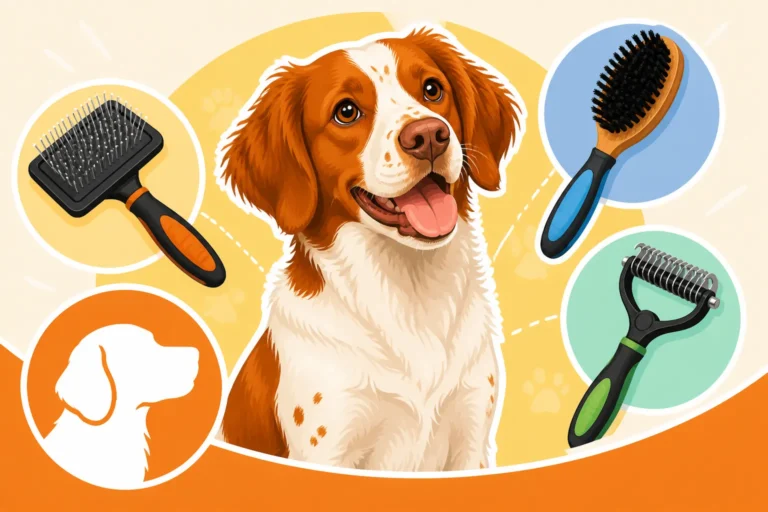
A Brittany's coat is truly a marvel of natural engineering, especially for a dog bred to work. They possess a dense, double coat that acts as a natural insulator. The soft, fluffy undercoat traps warm air close to the body, creating a thermal barrier, while the coarser, water-repellent outer coat helps shed moisture. You might have noticed how water often beads up on their back, preventing it from soaking straight through to the skin. This natural oiliness and texture are key to their cold tolerance.
The feathering on their legs, chest, and belly, while beautiful, also serves a functional purpose, offering additional protection to areas that might otherwise be exposed to cold water or abrasive cover. While it's not as thick as the main body coat, it provides an extra layer. However, this natural coat works best when it's dry and clean; if it's matted, dirty, or completely saturated for prolonged periods, its insulating properties diminish significantly. Many owners find themselves brushing out burrs after a hunt, which is not just for aesthetics but also to maintain the coat's effectiveness. For more on this, consider A Brittany's Coat Is Low Maintenance Until It Hits Cover or What a Brittany's Coat Is Like.
The Role of Body Fat and Metabolism
Beyond their coat, a Brittany's active metabolism plays a huge role in generating and maintaining body heat. These dogs are athletes, and when they're actively working—running, retrieving, breaking ice—their bodies are burning calories and producing a lot of warmth. This internal furnace is often enough to keep them comfortable in chilly air and even brief dips in cold water. Their lean, muscular build, coupled with adequate body fat reserves, also contributes to insulation.
However, this internal heat generation is highly dependent on continuous activity. A Brittany that is standing still for long periods in freezing water, or one that is exhausted, will quickly lose this advantage. Proper nutrition, especially a high-quality performance food, is vital to fuel this metabolic process, ensuring they have the energy reserves to stay warm. Feeding a Brittany That Runs Two Hours a Day delves into how their dietary needs change. Without sufficient caloric intake, they simply won't have the fuel to maintain their core temperature when pushing their limits in demanding conditions.
Individual Variability in Cold Tolerance
Just like people, not all Brittanys are created equal when it comes to tolerating cold. You might have two dogs from the same litter, and one seems unfazed by a frosty morning retrieve, while the other shivers visibly after just a few minutes in cold water. Factors such as age, overall health, body condition, and even genetics can influence an individual Brittany's cold tolerance. Puppies and senior Brittanys, for instance, often have a harder time regulating their body temperature. Caring for an Old Brittany highlights some of these considerations for older dogs.
A Brittany that is acclimated to cold weather, having spent time gradually building up tolerance during the season, will generally fare better than one suddenly plunged into extreme conditions. Similarly, a dog that is well-conditioned and physically fit will have better stamina and therefore better metabolic heat production than one that is out of shape. Paying attention to your individual dog's cues and past experiences is paramount; what one Brittany can handle comfortably, another might struggle with significantly.
When a Neoprene Vest Becomes Essential for Your Brittany
While your Brittany's natural attributes are impressive, there are definite limits to what they can withstand. Pushing these limits without proper protection can lead to serious health issues, most notably hypothermia.
Specific Scenarios for Cold Water Exposure
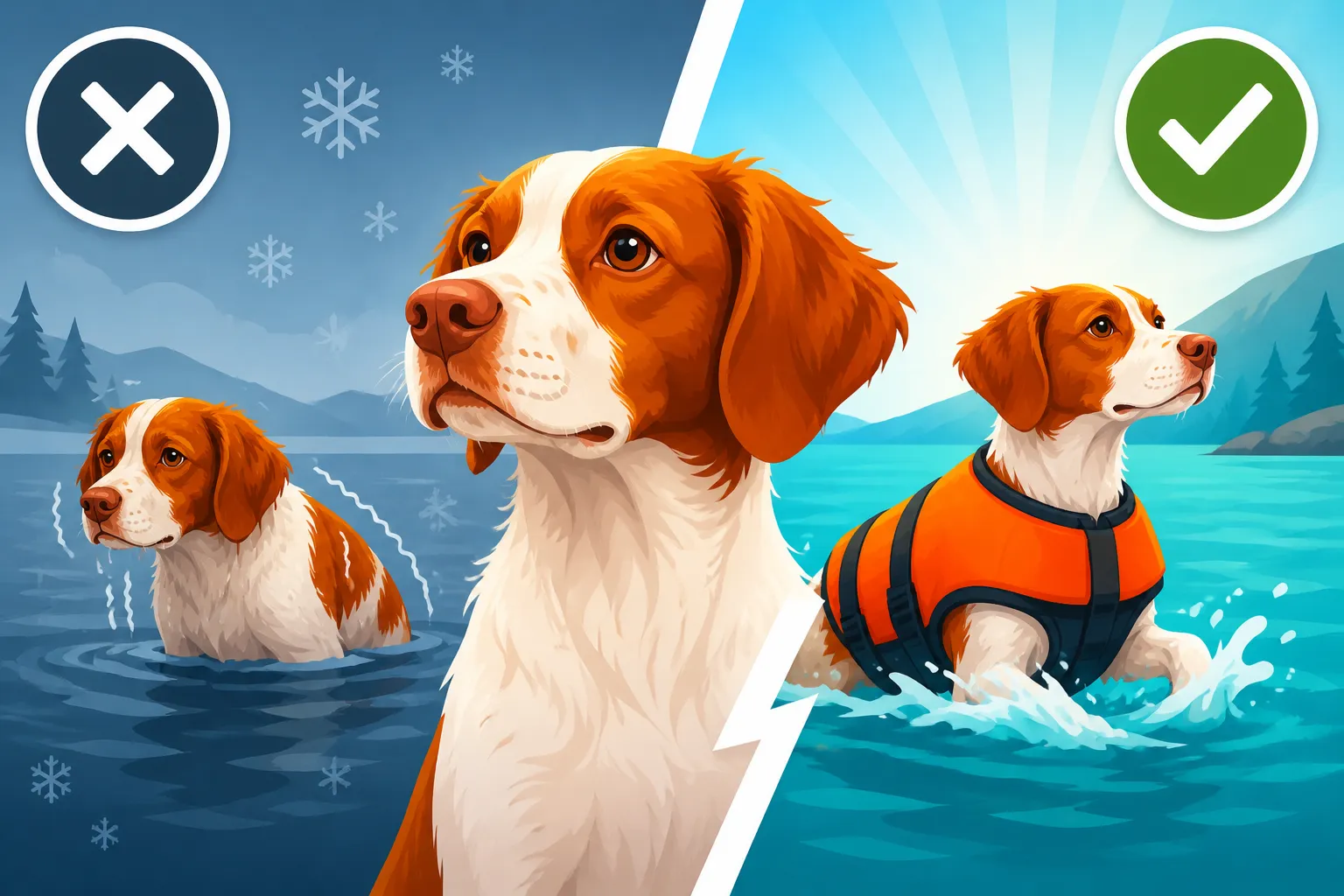
A neoprene vest moves from "nice-to-have" to "essential" when the mercury drops, and water work is involved. Think about duck hunting in late fall or winter, when your Brittany is repeatedly entering and exiting icy ponds, rivers, or marshes. Each retrieve means immersion in water that can be just above freezing, followed by exposure to cold air, which causes rapid evaporative cooling. This is a far cry from a quick splash on a warm summer day.
Consider hunting pheasants or grouse near wetlands where your dog might break through thin ice, or traverse frigid streams multiple times. Even upland hunting can present risks if there are unexpected water crossings or retrieves from icy puddles. Long waits in a duck blind where your dog is exposed to cold wind and damp ground, even if not fully submerged, can also make them vulnerable, especially if they are wet from a previous retrieve. These cumulative exposures chip away at their core temperature, and their natural defenses simply aren't enough to prevent a dangerous drop. This is precisely where a neoprene vest earns its keep, acting as a crucial barrier against the cold.
Recognizing the Signs of Hypothermia in Your Brittany
Hypothermia is a serious medical emergency where a dog's body loses heat faster than it can produce it, leading to a dangerously low core body temperature. It's not always obvious, especially with a high-drive Brittany that might try to push through discomfort. Early signs can be subtle: shivering, cold skin to the touch (especially ears and paws), lethargy, weakness, and a general lack of coordination. You might notice your dog moving slower than usual, seeming less keen, or having trouble responding to commands.
As hypothermia progresses, the signs become more severe: muscle stiffness, stumbling, dilated pupils, a slow and shallow respiratory rate, and even unconsciousness. If you suspect hypothermia, immediate action is vital. Get your dog out of the cold, dry them thoroughly, wrap them in warm blankets, and seek veterinary attention immediately. Prevention is always better than cure, and a neoprene vest is a key part of that preventative strategy when working in cold water. Knowing Signs a Brittany Is Overheating in the Field is important for warm weather, but understanding the signs of being too cold is equally critical.
The Benefits of a Well-Fitting Neoprene Vest
The primary benefit of a neoprene vest is thermal insulation. Neoprene, the same material used in wetsuits, traps a thin layer of water against the dog's body, which is then warmed by their body heat. This warmed water acts as an effective insulator, significantly reducing heat loss. This means your Brittany can spend longer periods in cold water with a much lower risk of hypothermia.
Beyond warmth, vests offer practical advantages. Many are brightly colored, increasing visibility in dense cover or low light, which is a huge safety factor when your dog is ranging far afield. They also provide a degree of buoyancy, which can be a lifesaver for an exhausted dog in deep water, or one that has broken through thin ice. Furthermore, a good quality vest can offer protection against scrapes, cuts, and punctures from sharp ice, submerged debris, or abrasive cover, which can be common The Injuries a Brittany Picks Up in the Field. It's an investment in your dog's safety, comfort, and performance, allowing them to focus on the hunt without battling the cold.
Choosing the Right Neoprene Vest for Your Hunting Companion
Selecting the perfect neoprene vest for your Brittany isn't just about grabbing the first one you see. It involves considering several factors to ensure maximum effectiveness, comfort, and durability in the field.
Key Features to Look For in a Vest
When you're sifting through options, whether on Chewy or browsing specialty hunting stores, prioritize vests made from high-quality neoprene, typically 3-5mm thick. This thickness provides ample insulation without restricting movement. Look for durable stitching, preferably reinforced, especially around seams and closures, as these areas take a lot of abuse. Flat-lock stitching is ideal as it minimizes chafing.
Consider the closure system. Heavy-duty zippers, Velcro, or a combination of both should be easy to operate even with cold, wet hands, but secure enough that they won't come undone in thick cover. Many vests also feature a sturdy grab handle on the back, which is incredibly useful for lifting your dog out of water, over obstacles, or into a truck. Reflective accents or bright colors (like blaze orange) are also a huge plus for visibility, especially during low-light conditions or if your dog ranges wide. Some vests even include extra padding on the chest to protect against ice and sharp objects.
Sizing and Fit: A Critical Consideration
A neoprene vest is only effective if it fits correctly. A vest that's too loose won't trap water efficiently and can shift, causing chafing or snagging. One that's too tight will restrict movement, especially around the chest and front legs, making retrieving and swimming uncomfortable or difficult. Always measure your Brittany carefully according to the manufacturer's instructions, typically around the broadest part of the chest and the base of the neck. Don't guess their size based on weight alone; chest girth is usually the most important measurement.
When trying on a vest, ensure your Brittany can move freely, run, jump, and swim without restriction. Check for any areas where the vest pinches or rubs, particularly under the armpits or around the neck. There should be enough room for comfortable movement, but it should feel snug, like a second skin. A proper fit ensures the vest stays in place, maximizes insulation, and prevents irritation during long days in the field. Think of it like your own hunting gear – if it doesn't fit right, it will detract from performance and comfort.
| Feature | Importance Level | Description |
|---|---|---|
| Neoprene Thickness | High | 3-5mm is ideal for cold water; ensures good insulation. |
| Durable Stitching | High | Reinforced, flat-lock seams prevent chafing and increase lifespan. |
| Closure System | High | Robust zippers/Velcro, secure but easy to operate. |
| Grab Handle | Medium | Useful for lifting dog, safety in water. |
| Visibility (Color) | High | Blaze orange/bright colors for safety in cover. |
| Chest Protection | Medium | Extra padding to shield against ice and debris. |
| Flexibility | High | Allows full range of motion for swimming and running. |
| Anatomical Cut | High | Designed for dog's body shape to prevent chafing and maximize coverage. |
Getting Your Brittany Used to Wearing a Vest
Introducing a neoprene vest to your Brittany should be a gradual process, especially if they're not accustomed to wearing apparel. Start by letting them wear it for short periods in a comfortable, familiar environment, like around the house or in the yard. Use positive reinforcement, offering treats and praise. The goal is for them to associate the vest with good things.
Once they're comfortable wearing it indoors, gradually introduce it during short walks or training sessions in milder weather. This allows them to get used to the feel and how it affects their movement without the added stress of cold water or a hunting scenario. Never force it, and always make the experience positive. Eventually, the vest will become just another part of their "uniform" for hunting, and they won't give it a second thought. This methodical introduction ensures that when the time comes to use it in serious conditions, your Brittany is ready and focused on the hunt, not on a strange piece of gear.
Beyond the Vest: Other Cold Water Safety Measures
While a neoprene vest is an excellent tool for protecting your Brittany in cold water, it's just one piece of a larger puzzle when it comes to ensuring their overall safety and well-being in challenging conditions. Comprehensive preparation and attentive care are equally vital.
Pre-Hunt Conditioning and Nutrition
A well-conditioned Brittany is a safer Brittany, especially when facing cold weather and strenuous activity. Proper conditioning throughout the off-season, including regular exercise that builds stamina and muscle, helps your dog better handle the demands of a hunt. A fit dog will maintain a higher core temperature due to their increased metabolic rate, and will be less prone to exhaustion, which is a major precursor to hypothermia. Conditioning a Brittany Before the Season Opens offers valuable insights into preparing your dog for the season.
Nutrition is another critical factor. A working Brittany needs a diet formulated for high energy and endurance. This means a quality performance dog food, which typically has higher protein and fat content than a standard maintenance diet. Brands like Ollie offer options tailored to active dogs, which can contribute to sustained energy release and internal heat generation. During the hunting season, you might even need to increase their caloric intake further, as discussed in How Much More a Brittany Eats in Hunting Season. Ensuring they are adequately fueled before and during a hunt is like providing their internal furnace with enough coal to keep burning. Dehydration can also hinder their ability to regulate temperature, so always have fresh water available, even in cold weather.
Post-Hunt Care for a Wet and Cold Brittany
The moments immediately following a cold water retrieve or a full day in icy conditions are just as important as the preparation. As soon as the hunt is over, or even during breaks, get your Brittany dry and warm. Have towels in the truck specifically for this purpose. A quick toweling off, especially of the ears, belly, and feathering, can make a huge difference in preventing evaporative cooling. A dry bed or mat in their crate or dog box, possibly with a warm blanket, will help them retain heat on the ride home.
If your Brittany is particularly chilled, a warm, high-calorie snack can help kickstart their metabolism and aid in warming up. Check their paws for ice balls, cuts, or abrasions, and their ears for moisture or debris, which can lead to infections. What to Do With a Brittany After Every Hunt provides a detailed checklist for post-hunt care. Ensuring they are thoroughly warmed up and dry before heading home or being left alone in a cold environment is crucial for their recovery and long-term health.
Monitoring Conditions and Knowing When to Call It a Day
No amount of gear or conditioning can fully override dangerously extreme conditions. As a responsible owner, you need to constantly monitor the weather conditions—air temperature, wind chill, water temperature—and, most importantly, your Brittany's behavior and energy levels. If you see signs of fatigue, shivering, or a decrease in drive, it's time to take a break or, if necessary, call off the hunt. Pushing a dog past its limits in cold weather is not only unproductive but extremely risky.
Have a plan for emergencies. Know where the nearest veterinary clinic is, and have a first aid kit specifically for your dog in your vehicle. Pay attention to forecasts, and if a sudden cold front or ice storm rolls in, consider if the hunt is truly worth the risk. Our Brittanys live to hunt and please us, and they often won't quit until they're physically unable. It's our job to be their advocate, to recognize their limits, and to prioritize their health and safety above all else. Sometimes, the best decision is to pack up, head home, and live to hunt another day.
Disclaimer
This article is for general informational purposes only and does not constitute professional advice. Laws, prices and regulations vary by location and change over time. Consult a qualified professional for guidance on your specific situation.