Why a Brittany’s Ears Get Infected Every Season
It’s incredibly frustrating when your beloved Brittany Spaniel seems to constantly battle ear infections, especially after a fantastic day out in the field or a refreshing swim. This isn't just a minor annoyance; it's a recurrent problem that can cause real discomfort and distress for your dog, often leading to costly vet visits and a lot of worry for you. This comprehensive guide will dive deep into why Brittanys are so prone to seasonal ear issues, how to spot the signs, and most importantly, how to tackle and prevent them effectively so your adventurous companion can stay happy and healthy.
Understanding the Brittany's Ear Anatomy: A Perfect Storm for Trouble
Brittanys are truly special dogs, known for their boundless energy, keen intelligence, and, let's be honest, those adorable, floppy ears. But those very ears, while undeniably charming, are also a significant anatomical factor in why our Brittanys often fall victim to recurring ear infections. It's a combination of their unique design and common genetic predispositions that sets the stage for trouble.
The "Drop Ear" Design and How it Traps Moisture
Unlike breeds with prick ears that stand erect, Brittanys have "drop ears," meaning their ear flaps hang down, covering the ear canal opening. This design, while providing a measure of protection from debris during hunts, also creates a warm, dark, and humid environment within the ear canal itself. Imagine trying to dry out a damp towel in a sealed, dark room – it’s a slow process, right? The same principle applies here. When your Brittany splashes through a stream, retrieves a bird from a pond, or even just runs through dew-laden grass, moisture can easily get trapped. This trapped moisture significantly alters the microclimate of the ear canal, turning it into an ideal breeding ground for bacteria and yeast, which thrive in such conditions. This natural predisposition is a major reason why a Brittany's drop ear traps water.
Furthermore, the shape of a dog's ear canal is also different from a human's. Instead of a relatively straight tube, a dog's ear canal has a vertical portion and then makes a sharp right-angle turn into a horizontal section before reaching the eardrum. This L-shaped structure further impedes airflow and drainage, making it difficult for trapped moisture and debris to exit naturally. For an active Brittany, whose ears might be constantly moving and flapping, this combination of the drop ear and the L-shaped canal is a primary anatomical challenge that owners must proactively manage to keep infections at bay.
The Hairy Ear Canal: An Invitation for Debris and Microbes
Beyond the floppy ear flap itself, many Brittanys also have a considerable amount of hair growing inside their ear canals. While some breeds are prone to this, it seems particularly prevalent and problematic in our spirited gundogs. This dense hair acts like a net, catching everything from dust and dirt to tiny bits of plant material and even the fine particles of pollen that float through the air during allergy season. Once this debris is caught, it mixes with ear wax and moisture, creating a sticky, matted mess deep within the ear canal.
This combination of trapped debris and hair further restricts air circulation, compounding the humidity problem initiated by the drop ear. It also provides more surfaces for bacteria and yeast to cling to and colonize. It's like having a clogged drain – eventually, things start to build up and get nasty. For a Brittany that spends significant time romping through fields and dense cover, this internal hair can quickly become a significant factor in recurrent infections. It’s crucial to understand this internal landscape to appreciate why regular, meticulous ear care is non-negotiable for these active dogs.
Why Brittanys Are Prone to Allergies Affecting the Ears
Many Brittany Spaniels, much like us, can suffer from environmental allergies, also known as atopy. These allergies often manifest as skin irritation and itchiness, and a common target area for these reactions is, you guessed it, the ears. When a Brittany encounters an allergen, whether it's pollen from ragweed, dust mites in the house, or even certain food ingredients, their immune system overreacts. This reaction often leads to inflammation, particularly in the delicate skin lining the ear canal.
This inflammation causes the skin to become red, itchy, and sometimes even thickened, which further narrows the ear canal and disrupts its natural protective barrier. The increased itchiness leads to more scratching and head shaking, which can cause trauma to the ear canal, creating microscopic abrasions that allow opportunistic bacteria and yeast to invade more easily. It's a vicious cycle: allergies cause inflammation, which makes the ear more susceptible to infection, which then exacerbates the inflammation and itchiness. When we talk about why a Brittany's ears get infected every season, seasonal allergies, whether to pollen or other outdoor triggers, are almost always a strong contributing factor. Understanding what a Brittany is most often allergic to can be a key step in managing chronic ear issues.
Common Culprits Behind Seasonal Ear Infections
While the Brittany's ear anatomy certainly sets the stage, several environmental and lifestyle factors actively contribute to the seasonal cycle of ear infections. These are the external triggers that often push an already susceptible ear over the edge, turning a potentially damp ear into a full-blown bacterial or yeast party.
Water, Humidity, and the Summer Swim Sessions
There's nothing quite like watching a Brittany enthusiastically dive into a pond or stream on a hot summer day, or powering through a marsh during an early season hunt. Their love for water is undeniable, and it’s a fantastic way for them to cool off and burn energy. However, this enjoyment comes with a significant caveat: water in the ears. As we've discussed, their drop ears and L-shaped canals are perfectly designed to trap moisture. When water gets deep into the ear canal, it doesn't evaporate easily.
This persistent dampness creates an ideal, humid environment where bacteria and yeast can proliferate rapidly. The natural defenses of the ear, such as the delicate balance of beneficial microbes and the protective layer of wax, can be overwhelmed by constant exposure to moisture. It’s not just swimming; even a rainy walk, running through wet grass, or a bath without proper drying can contribute to the problem. If your Brittany's ears aren't thoroughly dried after every single water exposure, you're essentially laying out the welcome mat for an infection. Knowing how to dry a Brittany's ears after water is arguably one of the most critical preventive measures you can take.
Environmental Allergens: Pollen, Dust, and Mold Cycles
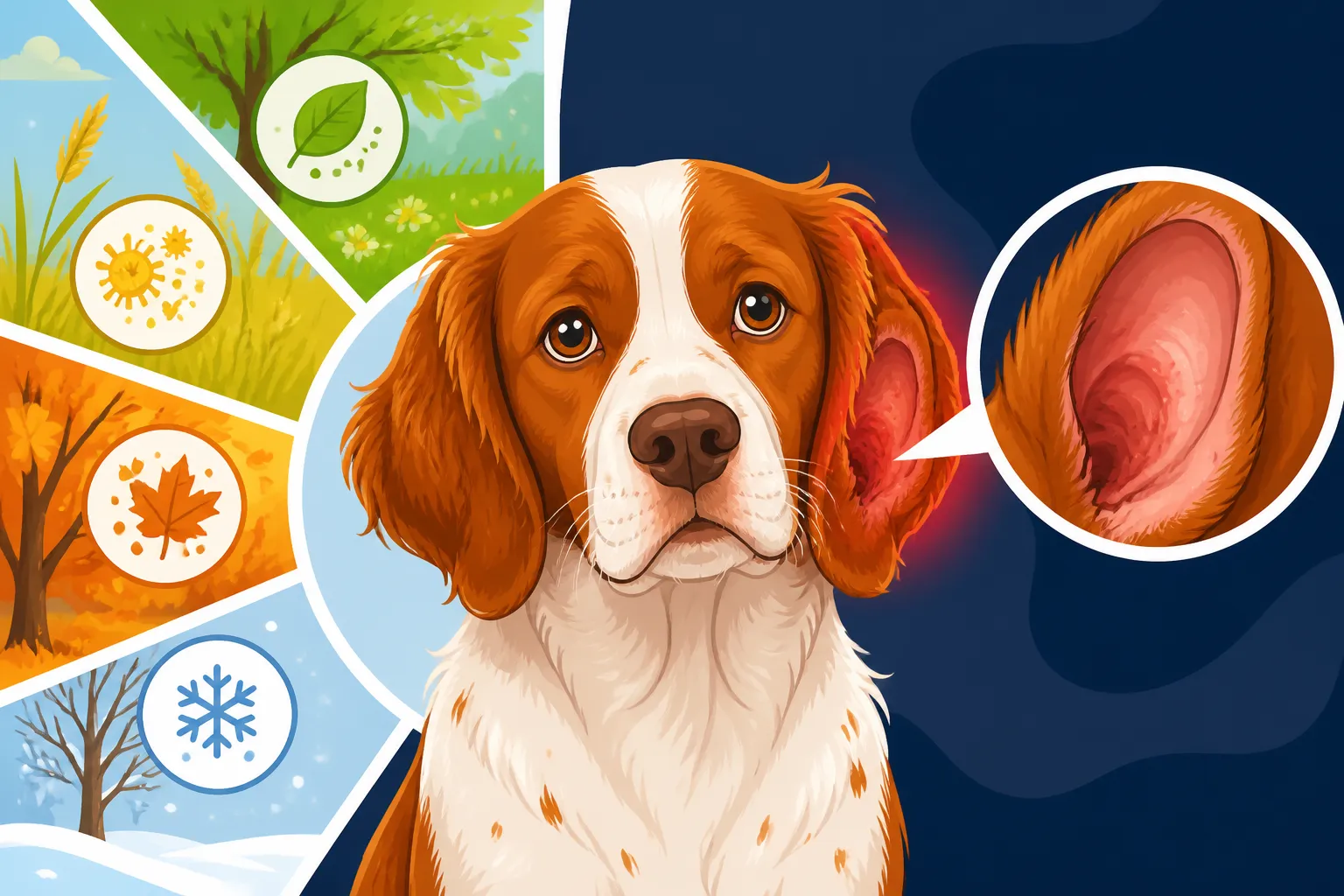
Just like humans, many Brittanys suffer from seasonal allergies to environmental triggers like pollen, dust mites, and mold spores. These allergies often follow seasonal patterns, explaining why your Brittany might get recurrent ear infections around the same time each year. Spring and fall, with their fluctuating pollen counts and increased humidity that fosters mold growth, are particularly notorious for triggering flare-ups.
When your Brittany inhales or makes contact with these allergens, their immune system goes into overdrive, releasing histamines and other inflammatory mediators. This systemic allergic reaction often manifests in the skin, with the ears being a prime target. The inflammation leads to increased redness, swelling, and itchiness within the ear canal. This irritated, inflamed tissue is far more susceptible to secondary infections by bacteria and yeast that are normally present in small, harmless numbers. It's not the pollen or dust mites directly causing the infection, but rather the allergic reaction they trigger, which then compromises the ear's natural defenses, paving the way for microbial invaders. If you notice your dog chewing their paws or rubbing their face more often during certain seasons, it’s a strong indicator that allergies are at play and are likely contributing to their ear woes. Addressing whether a Brittany gets skin allergies is essential for managing ear health.
Foreign Bodies: Seeds, Burrs, and Other Field Debris
For a Brittany, a day in the field means pushing through dense cover, tall grasses, and underbrush. While their coat is somewhat protective, their floppy ears are highly vulnerable to collecting all sorts of unwelcome hitchhikers. Grass seeds, foxtails, burrs, and other plant awns are particularly problematic. These tiny, barbed pieces of vegetation are notorious for working their way deep into the ear canal.
Once inside, they can cause immediate irritation, inflammation, and even puncture the delicate skin of the ear canal or eardrum. This trauma creates an entry point for bacteria and yeast, leading to rapid infection. The presence of a foreign body also triggers an inflammatory response as the body tries to dislodge it, further compounding the problem. It’s not uncommon for a Brittany to come home from a hunt with a foxtail buried so deeply that it requires veterinary removal. Even if not deeply embedded, the constant irritation from debris can lead to excessive scratching and head shaking, which further damages the ear and increases infection risk. This is why thorough post-hunt checks are critical – knowing how grass seeds get into a Brittany's ear can help you be more vigilant in your inspections.
Recognizing the Signs and Symptoms of an Ear Infection
Catching an ear infection early can make a world of difference in your Brittany’s comfort and the ease of treatment. Brittanys are notoriously tough dogs, and sometimes they try to hide their discomfort. However, if you know what to look for, both the subtle and obvious signs, you can often intervene before a minor irritation escalates into a severe, painful infection.
The Subtle Cues: Head Tilting and Increased Scratching
Sometimes, the initial signs of an ear infection are quite subtle and can be easy to miss if you're not paying close attention to your Brittany's daily habits. One of the earliest indicators is an increase in head shaking. It might start as just a few more shakes than usual after a nap or a vigorous play session. Your dog might also start scratching at their ears more frequently with a hind paw, or rubbing their head against furniture or the carpet. This isn't necessarily frantic scratching at first, but a persistent, low-level irritation.
Another subtle cue is a slight head tilt. Your Brittany might hold its head just a little off-center, favoring the affected ear. They might also become slightly less responsive to sounds from the side of the irritated ear. You might notice them rubbing their ear against your leg or hand, almost as if seeking relief or attention to the area. These small changes, especially if they become consistent over a day or two, are your dog's way of telling you something is amiss. Don't dismiss them as quirks; consider them early warnings. Learning signs a Brittany's ear is infected means paying attention to these small details.
Visible Changes: Redness, Swelling, and Discharge
As an ear infection progresses, the signs become more apparent and concerning. When you gently lift your Brittany's ear flap, you might notice visible changes to the ear canal opening. The skin may appear redder than usual, perhaps even inflamed or swollen, especially around the entrance to the canal. The inside of the ear flap itself might also show signs of irritation or a rash.
A tell-tale sign of infection is discharge. This can range from a slightly increased amount of waxy buildup, which might be darker than normal (dark brown or black, often indicative of yeast), to a foul-smelling, yellowish, or greenish pus (more typical of bacterial infections). The smell can be quite potent and unpleasant, often described as sweet and yeasty, or deeply musty and fetid. If you observe any of these visible changes or detect an unusual odor, it's a strong indication that an infection is taking hold and requires prompt veterinary attention. Early intervention can prevent the infection from traveling deeper into the ear or becoming chronic.
Behavioral Shifts: Pain, Irritability, and Reluctance to Be Touched
When an ear infection becomes painful, your Brittany's behavior will often change significantly. They might become unusually sensitive around their head and ears. What was once an enjoyable ear scratch might now elicit a flinch, a growl, or even a snap – completely out of character for your typically amiable companion. They may cry out when the affected ear is touched or even when they shake their head.
You might also notice them being generally more withdrawn, lethargic, or irritable. They may not want to play as much, their appetite might decrease, or they might seem restless, constantly trying to find a comfortable position. The pain can make them less tolerant of other pets or even children. In severe cases, they might walk in circles, or appear disoriented due to inner ear involvement affecting their balance. Any drastic change in your Brittany's temperament or energy levels, especially when combined with other ear-related symptoms, should be a red flag. This pain can be quite intense, so understanding how a Brittany hides pain and recognizing these behavioral shifts is paramount for their well-being.
The Veterinary Diagnosis Process and What to Expect
When you suspect an ear infection, a trip to the veterinarian is essential. Self-treating can be dangerous, as different types of infections require different medications, and improper treatment can lead to chronic issues or even hearing loss. Your vet has the tools and expertise to accurately diagnose the problem and prescribe the most effective course of action.
Physical Examination and Otoscopic Inspection
Your vet will start with a thorough physical examination of your Brittany, paying close attention to the ears, head, and neck. They will gently palpate the ear canal and base of the ear to check for pain, swelling, or heat. They’ll also carefully observe for any discharge, odor, or external lesions.
The next crucial step is an otoscopic examination. Using an otoscope, which is a lighted instrument, the vet can look deep into your Brittany’s ear canal. This allows them to assess the severity of inflammation, identify any foreign bodies (like those pesky grass seeds), check for ruptured eardrums, and determine the amount and type of discharge. This visual inspection is critical for understanding the extent of the problem and guiding further diagnostic steps. Sometimes, the ear canal can be so swollen and painful that a full otoscopic exam might require sedation, especially if your Brittany is in significant discomfort. This initial examination helps determine the best approach, whether it's simply a cleaning and topical medication or if more intensive diagnostics are needed.
Cytology and Culture: Identifying the Specific Invaders
One of the most important diagnostic tools for ear infections is cytology. This involves taking a swab of the discharge from deep within the ear canal. The sample is then placed on a slide, stained, and examined under a microscope. This allows the vet to identify the specific types of organisms present – whether it's primarily bacteria, yeast (like Malassezia), or a combination of both. Different shapes and sizes of bacteria can indicate different bacterial species, which helps guide antibiotic selection.
In more stubborn or recurrent cases, a culture and sensitivity test might be performed. This involves sending a swab to a laboratory where the organisms are grown on a petri dish. Once identified, they are tested against various antibiotics to see which ones are most effective at killing them. This "sensitivity" testing is invaluable for guiding treatment, especially if previous antibiotics haven't worked or if the infection is resistant. It takes a few days to get results back from a culture, but it can be a game-changer for chronic infections. Your vet may prescribe a broad-spectrum medication in the interim. This detailed approach ensures that your Brittany receives targeted treatment, improving the chances of a quick and complete recovery.
Ruling Out Underlying Conditions: Allergies and Thyroid Issues
Ear infections, especially recurrent ones, are often a symptom of an underlying health problem rather than a standalone issue. Your vet will always consider these possibilities. As discussed earlier, allergies are a primary suspect. If cytology and culture reveal a pattern of yeast or specific bacteria commonly associated with allergies, your vet might recommend further investigation into your Brittany’s diet or environmental triggers. This could involve trying a novel protein diet, conducting allergy testing, or implementing environmental controls. Many pet insurance providers, such as Healthy Paws, offer coverage for diagnostic tests and ongoing treatment for chronic conditions like allergies, which can be a huge help to owners facing recurring issues.
Another less common but important underlying condition to rule out is hypothyroidism. While not as direct a cause as allergies, an underactive thyroid can weaken the immune system and lead to changes in skin and coat health, making your Brittany more susceptible to chronic infections, including those in the ears. If other symptoms of low thyroid are present (like lethargy, weight gain, or poor coat quality), your vet might recommend a blood test to check your Brittany's thyroid levels. Addressing what a Brittany's yearly bloodwork should cover is a topic worth discussing with your vet, as it can help catch these issues early. Treating the underlying cause is crucial for preventing future ear infections and promoting overall health.
Effective Treatment Strategies for Brittany Ear Infections
Once your veterinarian has made a diagnosis, they will prescribe a specific treatment plan tailored to the type and severity of your Brittany's ear infection. It’s absolutely vital to follow these instructions precisely, even if your dog seems to be improving, to ensure the infection is fully cleared and to prevent resistance or recurrence.
Cleaning Protocols and Topical Medications
The first step in treating most ear infections is a thorough cleaning of the ear canal, often performed by your vet. This removes built-up wax, discharge, and debris, allowing topical medications to penetrate effectively. Your vet may use a specialized ear cleaner and gentle flushing techniques. For home care, they will likely prescribe a medicated ear cleaner and a topical medication – usually drops or an ointment.
These topical medications typically contain a combination of ingredients: an antibiotic to kill bacteria, an antifungal to combat yeast, and an anti-inflammatory (often a corticosteroid) to reduce swelling and pain. Examples of common active ingredients include gentamicin, miconazole, and betamethasone. It's crucial to administer these drops exactly as directed, usually once or twice a day for a specified duration, typically 7 to 14 days. Make sure the medication reaches deep into the ear canal by gently massaging the base of the ear after application. Consistency is key; stopping treatment too early, even if the ear looks better, can lead to a rebound infection or foster antibiotic resistance. Your vet will often want to recheck the ear after the course of treatment to ensure the infection is completely resolved.
Oral Medications: Antibiotics, Antifungals, and Anti-inflammatories
In cases of severe, deep-seated, or chronic ear infections, topical medications alone may not be sufficient. Your veterinarian might prescribe oral medications to tackle the infection systemically. If a bacterial infection is identified, a course of oral antibiotics will be given. These could include common antibiotics like amoxicillin-clavulanate (Clavamox), cephalexin, or doxycycline, chosen based on the cytology or culture results. It's vital to complete the entire course of antibiotics, even if your Brittany seems perfectly fine after a few days, to eradicate all bacteria and prevent resistant strains from developing.
For severe yeast infections, oral antifungal medications such as ketoconazole or fluconazole might be prescribed. These work systemically to combat the yeast overgrowth from the inside out. In situations where there is significant pain and inflammation, oral anti-inflammatory drugs, often corticosteroids like prednisone, may be prescribed for a short period. These help to quickly reduce swelling, alleviate discomfort, and open up the ear canal, making it easier for topical medications to work. Your vet will weigh the benefits against any potential side effects, particularly with steroids. This multi-pronged approach often yields the best results for stubborn infections.
Addressing Chronic Issues: Long-Term Management and Advanced Treatments
For Brittanys plagued by chronic, recurring ear infections, the treatment plan extends beyond just clearing the current flare-up. The focus shifts to long-term management and identifying the root cause. This often involves a detailed investigation into allergies – whether food or environmental. Working with your vet on a comprehensive allergy management plan, which might include dietary changes, antihistamines, immunotherapy (allergy shots or drops), or even prescription allergy medications like Apoquel or Cytopoint, can significantly reduce ear inflammation and subsequent infections. Pet health insurance providers like Healthy Paws often cover ongoing treatments for chronic conditions once a diagnosis is established, which can ease the financial burden of managing long-term issues.
In rare and extremely severe cases of chronic ear disease that don't respond to conventional medical management, surgical intervention might be considered. Procedures like a Total Ear Canal Ablation (TECA) involve surgically removing the entire ear canal, leaving only the inner ear intact. This is a drastic measure, usually reserved for dogs with intractable pain, complete ear canal stenosis (narrowing), or cancerous growths, as it results in permanent hearing loss in the affected ear. However, for a dog suffering endlessly, it can be a life-changing procedure that eliminates chronic pain and infection. These decisions are made in close consultation with a veterinary specialist, considering your Brittany's quality of life.
Prevention is Key: Keeping Your Brittany's Ears Healthy All Season Long
Preventing ear infections is far better than treating them, both for your Brittany’s comfort and your peace of mind. For a breed as active and predisposed as the Brittany, a proactive and consistent preventive care routine is non-negotiable. It’s about creating an environment where those opportunistic microbes can’t thrive.
Regular Cleaning and Drying After Outdoor Activities
This is perhaps the most crucial step in preventing seasonal ear infections. After every swim, bath, or even a long walk in damp grass or humid conditions, take the time to thoroughly dry your Brittany’s ears. A soft towel can absorb most of the surface moisture, but for deeper drying, a cotton ball or a specific ear-drying solution (recommended by your vet) can be very effective. Gently wipe the visible parts of the ear canal opening.
Beyond drying, regular cleaning with a vet-approved ear cleaner is essential. How often a Brittany's ears should be checked and cleaned depends on the individual dog and their activity level, but generally, a quick check daily and a thorough cleaning once a week or every two weeks during active seasons is a good starting point. If your Brittany swims frequently, a drying solution after each swim is highly recommended. The goal is to keep the ear canal dry and clean, preventing the buildup of wax, debris, and moisture that can lead to infection. Remember, preventing ear infections is a continuous effort, especially if you have a working Brittany.
Dietary Management and Allergy Control
If your Brittany experiences recurrent ear infections, especially in conjunction with other skin issues or itching, dietary management and allergy control become paramount. Discussing potential food allergies with your vet is a good first step. They might recommend a prescription hypoallergenic diet or a novel protein diet trial for several weeks to see if symptoms improve. This involves feeding a protein source your dog has never encountered before (e.g., duck, venison, or kangaroo) to eliminate common allergens.
For environmental allergies, working with your vet on an allergy management plan is key. This could involve identifying specific triggers through allergy testing and then pursuing immunotherapy (allergy shots or drops) which can desensitize your Brittany over time. In addition, managing the home environment by using air purifiers, vacuuming frequently, and washing bedding can reduce exposure to dust mites and pollen. During high pollen seasons, wiping your Brittany down with a damp cloth after outdoor excursions can also help remove allergens from their coat before they can migrate to the ears. Proactive allergy management, often supported by pet insurance plans like Healthy Paws, can significantly reduce the inflammation that makes ears susceptible to infection.
Routine Veterinary Check-ups and Proactive Care
Even with diligent home care, routine veterinary check-ups are an indispensable part of preventing and managing ear infections. Your vet can perform thorough otoscopic exams that you can't replicate at home, catching subtle changes before they escalate. They can also offer tailored advice based on your Brittany's specific history and lifestyle.
Consider regular ear checks as part of your Brittany's overall wellness routine. During these visits, discuss any concerns, even minor ones, about ear health. Your vet can recommend the best ear cleaners and drying solutions for your dog, demonstrate proper cleaning techniques, and guide you on when to seek professional help. If your Brittany is a working dog, remember that how often a working Brittany gets an ear infection can be higher, making these proactive checks even more crucial. Being proactive by addressing any potential issues early and maintaining open communication with your vet is the best way to ensure your Brittany's ears remain healthy and infection-free for many seasons to come.
Debunking Myths and Misconceptions About Brittany Ear Care
When it comes to ear care, there's a lot of information floating around, and not all of it is accurate or beneficial for your Brittany. Separating fact from fiction is essential to provide the best possible care and avoid practices that could actually worsen ear problems.
The Truth About Ear Hair Plucking
One common misconception among dog owners, particularly those with breeds prone to ear infections like Brittanys, is that routine plucking of ear hair is always necessary to prevent infections. The idea is that removing hair improves airflow and reduces debris accumulation. However, the truth is more nuanced, and for many Brittanys, routine plucking can actually do more harm than good.
While some breeds with extremely dense hair growth deep within the ear canal might benefit from professional trimming or selective plucking, for most Brittanys, excessive plucking can irritate the delicate skin lining the ear canal. Each plucked hair follicle can create a tiny open wound, which then becomes an easy entry point for bacteria and yeast, paradoxically increasing the risk of infection. Furthermore, the trauma of plucking itself can lead to inflammation and pain. Instead of routine plucking, focus on regular cleaning with a vet-approved solution, which helps break down wax and remove loose hair and debris naturally. If your vet specifically recommends hair removal for your Brittany due to extreme overgrowth, it should always be done by a professional who can assess the specific needs of your dog's ear and minimize trauma. Always discuss whether plucking a Brittany's ear hair stops infections with your vet before attempting it yourself.
When Is It More Than Just an Ear Infection?
It's easy to fall into the trap of thinking "it's just another ear infection" when your Brittany has recurring issues. However, it's vital to remember that persistent ear problems are often a symptom, not the primary disease. If your Brittany is getting ear infections repeatedly, especially in the same ear, it's a strong indication that there's an underlying issue that needs to be addressed.
Beyond allergies and hypothyroidism, other potential underlying causes can include immune-mediated diseases, polyps or tumors within the ear canal, or even foreign bodies that have been lodged deeply and weren't initially removed. Sometimes, a chronic bacterial infection can lead to calcification and narrowing of the ear canal (stenosis), making it even harder to treat and predisposing it to further infections. If your Brittany's ear infections are not responding to standard treatment, or if they recur shortly after treatment stops, it's time for a deeper investigation with your vet. This might involve advanced imaging like X-rays or a CT scan, referral to a veterinary dermatologist, or even specialist ear procedures. Don't simply treat the symptom; push for a diagnosis of the root cause.
The Importance of Consistency and Patience
Managing a Brittany prone to ear infections requires a significant commitment to consistency and a good deal of patience. There's no magic bullet that will instantly cure chronic ear problems, especially if allergies or other underlying conditions are at play. Regular, diligent ear cleaning and drying, even when your Brittany's ears look perfectly healthy, are your best line of defense. Skipping a few days, especially after a swim or a wet outdoor adventure, can quickly undo weeks of good preventive care.
Treatment, when necessary, also demands consistency. Administering drops or oral medications exactly as prescribed for the full duration is non-negotiable. Stopping early because the ear looks better can lead to a quick relapse, potentially with a more resistant infection. Furthermore, understanding that managing underlying allergies or conditions is a marathon, not a sprint, is key. It might take time, dietary trials, or different medications to find the right balance for your Brittany. Frustration is normal when dealing with recurring health issues, but remember that your Brittany relies on you to be their advocate. Consistent care, patience, and close collaboration with your veterinarian are your most powerful tools in keeping those sensitive Brittany ears healthy and happy.
| Factor | Impact on Brittany's Ears | Prevention/Management Strategy |
|---|---|---|
| Drop Ear Anatomy | Traps moisture and reduces airflow. | Regular drying after water exposure, occasional cleaning. |
| Hairy Ear Canal | Collects debris, restricts airflow, provides growth surface. | Regular cleaning, professional trimming if excessive and vet-advised. |
| Water/Humidity | Creates ideal breeding ground for bacteria/yeast. | Thorough drying immediately after water exposure. |
| Environmental Allergens | Causes inflammation, itchiness, compromising ear's defenses. | Allergy management (diet, meds, immunotherapy), wipe down after outdoors. |
| Foreign Bodies | Causes irritation, trauma, and direct entry for infection. | Post-outing ear checks, careful inspection after fields. |
| Underlying Conditions | (e.g., Hypothyroidism) Weakens immune system, affects skin. | Routine vet check-ups, bloodwork (e.g., thyroid panel) to diagnose. |
Disclaimer
This article is intended for informational purposes only and does not constitute veterinary medical advice. Always consult with a qualified veterinarian for any health concerns or before making any decisions about your Brittany Spaniel's medical care.