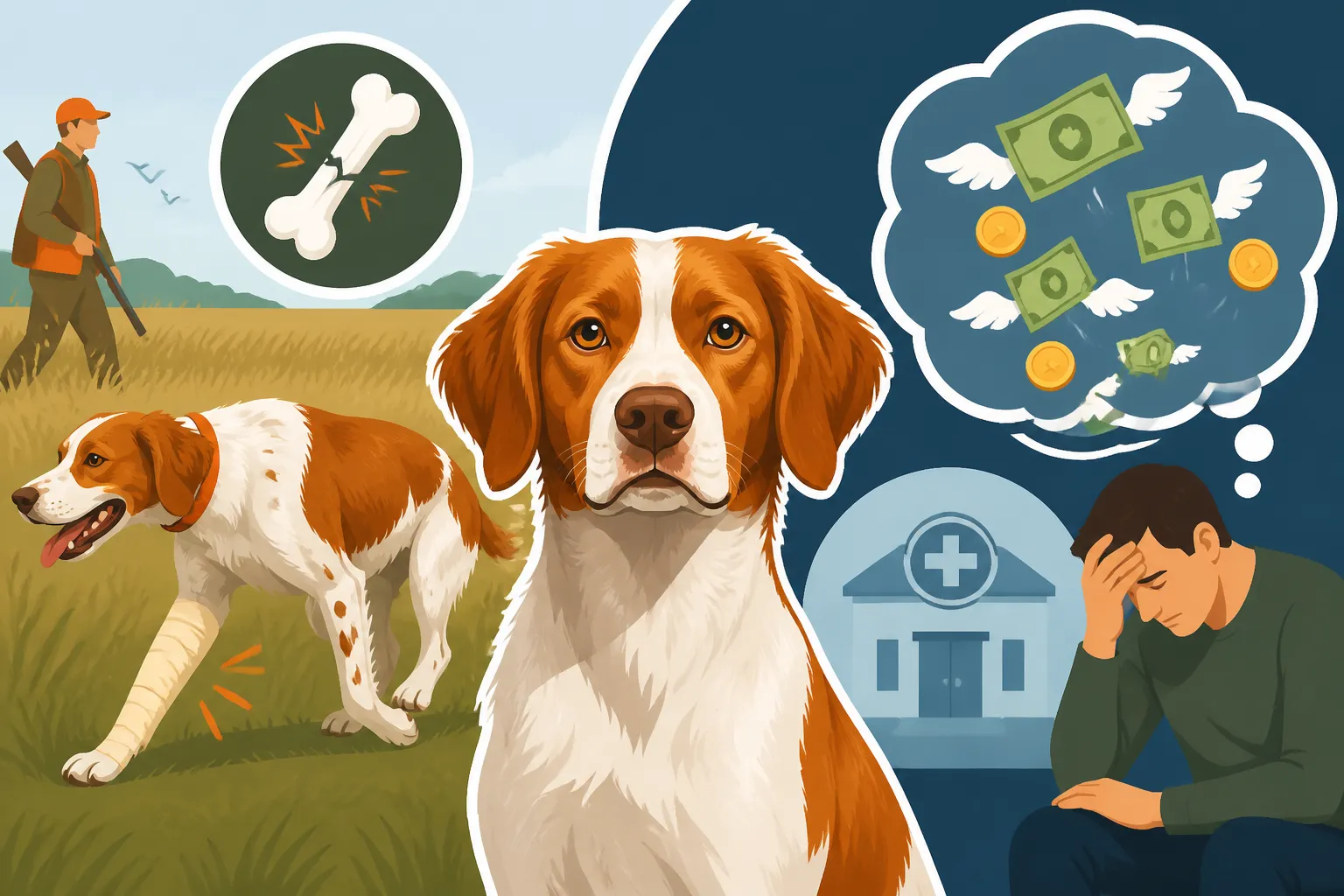
What a Brittany’s Field Injuries Cost in a Season
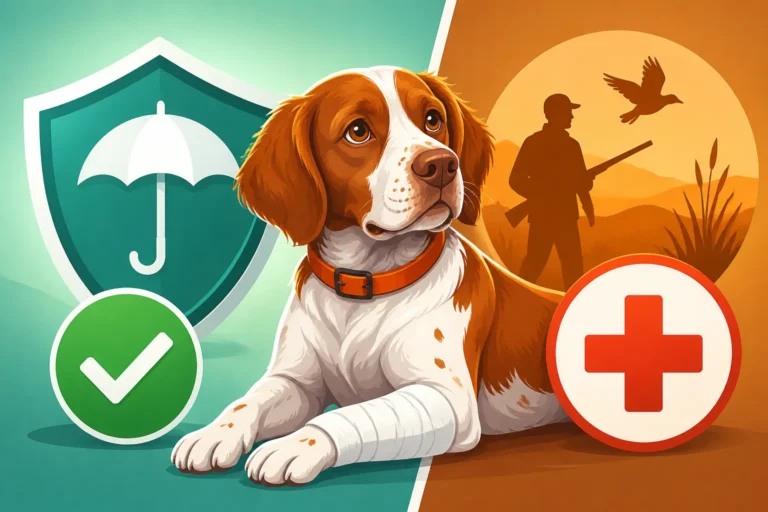
It's a familiar knot in the stomach any seasoned Brittany owner knows: the quiet drive home after a fantastic day in the field, only for a routine post-hunt check to reveal a deep gash, a weeping paw pad, or a suspicious ear infection. Our spirited, tireless Brittanys live for the hunt, but that same drive and athleticism can lead them into some costly predicaments. This guide isn't here to scare you, but to give you a realistic look at the financial impact of common field injuries your Brittany might pick up over a hunting season, from immediate vet bills to the often-overlooked costs of recovery and prevention.
The Immediate Sting of Common Field Injuries
When your Brittany is out there quartering a field or busting through heavy cover, they're not thinking about thorns or barbed wire. They're driven by instinct, and sometimes, that leads to scrapes, cuts, and worse. The immediate cost of these injuries can hit your wallet hard and fast.
Paw Pad Lacerations and Abrasions
Those tough, leathery paw pads that carry our Brittanys across miles of varying terrain are surprisingly vulnerable. A sharp rock, a jagged stubble field, or even just repeated friction on rough ground can lead to tears, punctures, or severe abrasions. I’ve seen Brittanys come back with pads so raw you could barely touch them.
The moment you notice a limp or a tender paw, your heart sinks. Small nicks might just need a good cleaning, an antiseptic spray, and a few days of rest, but a deep laceration often means a trip to the vet. They'll need to thoroughly clean the wound, which might require a light sedative if your dog is in pain or prone to squirming. Often, these wounds can’t be stitched cleanly because of the constant movement and pressure on the pads, leading to a more complex bandaging and healing process. Antibiotics are almost always prescribed to prevent infection from the dirt and bacteria your dog picked up in the field. Pain medication will be necessary to keep your Brittany comfortable and encourage them to stay off the injured paw. The initial consultation, cleaning, sedation, bandaging supplies, and medications can quickly add up, easily becoming a multi-hundred dollar bill for just one torn pad.
Cuts, Scrapes, and Punctures from Cover
Heavy cover is a Brittany’s playground, but it's also rife with hidden dangers. Barbed wire fences, sharp broken branches, and even tough briars can inflict nasty cuts. Sometimes, these are superficial scrapes that you can clean and treat at home with a good dog-specific antiseptic. But other times, you’ll find a gash that clearly needs more than an at-home bandage.
A deep cut, especially if it’s on a joint, near an artery, or involves muscle, is an urgent veterinary matter. Your vet will need to assess the depth, look for foreign bodies, and decide if stitches or staples are required. If the wound is deep and dirty, it might need flushing and sometimes a drain put in place to prevent abscess formation. The location of the cut can also complicate things; a wound on the chest or abdomen is far more concerning than one on a leg. The cost here varies wildly: a simple superficial staple might be relatively inexpensive, but a deep laceration requiring extensive cleaning, suturing under sedation, and follow-up care can be a substantial expense. Always remember that even a seemingly small puncture wound can be deep and introduce serious infection, so prompt veterinary attention is crucial.
Ear Trauma and Foreign Objects
A Brittany's beautiful, long, floppy ears are perfect for framing their intelligent gaze, but they are also magnets for trouble in the field. Grass seeds, foxtails, and other plant awns can work their way into the ear canal, causing immense irritation, pain, and eventually, infection. I’ve seen a Brittany become almost frantic with discomfort from a tiny foxtail burrowing into their ear.
The first signs might be excessive head shaking, pawing at the ear, or a foul odor. If you suspect something is lodged deep inside, it’s a vet visit without question. Trying to remove it yourself can push it further in or cause damage. Your veterinarian will likely need to sedate your Brittany to get a good, clear look down the ear canal with an otoscope and extract the foreign body. This procedure, including the sedation, examination, and removal, can be costly. Post-removal, your Brittany will likely need ear drops—antibiotics, anti-inflammatories, or antifungals—to treat any secondary infection or irritation. Sometimes, if the foreign body has been in there for a while, it can even perforate the eardrum, leading to more complex and expensive treatments. For more on this, you might find our article on What Removing a Foxtail From a Brittany's Ear Costs helpful.
Understanding the Veterinary Care Spectrum for Hunting Dogs
When a field injury occurs, the journey from initial concern to full recovery often involves a range of veterinary services, each contributing to the overall cost. It’s not just the immediate fix; it’s the whole package of care.
Emergency vs. Routine Care
The urgency of a field injury often dictates the initial cost. A minor scrape found during a weekday check-up might fall under routine care, but a severe laceration or a dog suddenly unable to bear weight often means an emergency visit. Emergency veterinary clinics charge higher rates for after-hours or weekend services, which is a necessary reality given the specialized staffing and equipment they maintain around the clock.
If your Brittany suffers a severe injury on a Saturday night, you're looking at emergency exam fees on top of any procedures. This could be hundreds of dollars just for the initial assessment before any treatment even begins. Compare that to a scheduled appointment during regular business hours where the exam fee might be considerably less. Beyond the initial emergency, there will almost certainly be follow-up appointments. These checks are crucial to ensure healing, remove stitches, and adjust medications. Each follow-up adds to the total bill, though typically at a lower cost than the emergency visit. It’s a cascading cost that builds up, rather than a single lump sum.
Diagnostic Tools and Procedures
Sometimes, the visible injury is just the tip of the iceberg. What looks like a simple limp could be a strained muscle, a sprain, or even a hairline fracture. To truly understand the extent of the damage, your vet might need to employ diagnostic tools.
X-rays are a common first step, especially for suspected bone injuries, joint issues, or to locate foreign bodies that aren't visible externally. The cost of radiographs can vary based on the number of views needed and whether sedation is required for a clear picture. For very deep punctures, or if a foreign object has migrated, more advanced imaging like ultrasound might be suggested. Blood work is often run to check for infection, assess general health before sedation, or monitor for systemic issues. Each of these diagnostic steps adds significantly to the overall bill. If a foreign body is deep, a more invasive procedure, potentially even surgery, could be needed to remove it safely. For insights into how painful joint issues can be, you can look at Signs a Brittany's Hips Hurt, even if it's not field-related, the diagnostic costs can be similar for any internal injury.
The Hidden Costs of Recovery and Prevention
The financial impact of a field injury doesn’t stop when you leave the vet clinic. The recovery period itself can incur further costs, and there’s also the often-underestimated value of preventative measures.
Medication and Post-Care Supplies
After the initial vet visit, your Brittany will almost certainly come home with a regimen of medications. This typically includes antibiotics to fight or prevent infection, anti-inflammatory drugs to reduce swelling and pain, and sometimes stronger pain relief. The cost of these medications can be significant, especially for larger dogs like Brittanys, as dosages are based on weight. A full course of antibiotics might last 10-14 days, and pain medication could be needed for even longer.
Beyond oral medications, you might need topical ointments, special cleaning solutions for wounds, and bandages or wraps that need regular changing. And let’s not forget the dreaded "cone of shame" – an Elizabethan collar – which is crucial to prevent your Brittany from licking, chewing, or otherwise interfering with their stitches or wound. While seemingly minor, the recurring cost of these supplies can add up over a weeks-long recovery period. Many pet owners find a good online retailer like Chewy invaluable for stocking up on these kinds of post-care supplies.
Rest, Rehabilitation, and Missed Training
One of the most frustrating "hidden" costs for any active dog owner, especially those with working Brittanys, is the need for restricted activity and the potential for rehabilitation. A torn pad or a strained muscle isn't just a physical wound; it's a disruption to your dog's entire routine. Your high-energy Brittany will need enforced rest, often for weeks, which can be a challenge for both of you.
This enforced rest means you might miss critical training opportunities, especially if you're working towards a specific hunt test or field trial season. It can also mean losing conditioning, requiring a slow, careful re-introduction to exercise once healed. In some cases, particularly with joint or muscle injuries, your vet might recommend physical therapy or hydrotherapy to aid in recovery and prevent compensatory injuries. These specialized rehabilitation services come with their own professional fees, adding another layer to the cost. The emotional toll of seeing your driven Brittany frustrated by inactivity, and the setback to their training progression, while not monetary, is a significant part of the hidden cost. We've certainly discussed the importance of conditioning in Whether a Working Brittany Wears Its Joints Out, and recovery affects that significantly.
Preventative Measures that Save Money
While injuries can feel inevitable, investing in preventative measures can significantly reduce the likelihood and severity of field-related incidents, ultimately saving you money in the long run. Think of it as insurance for your peace of mind and your wallet.
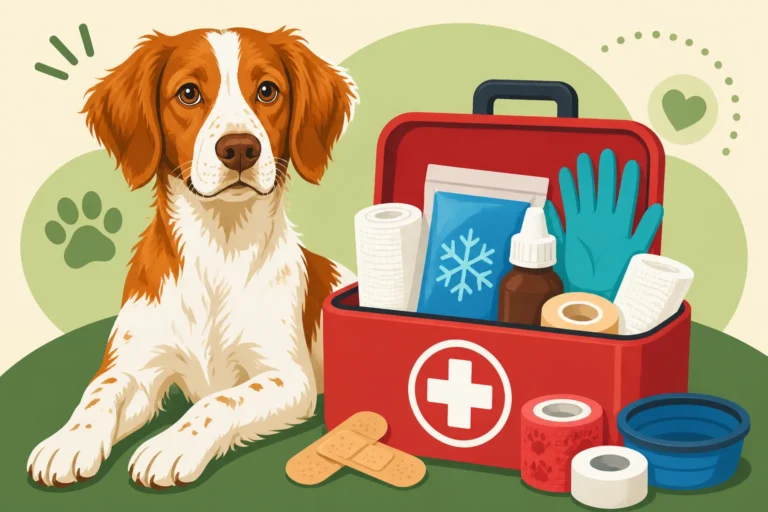
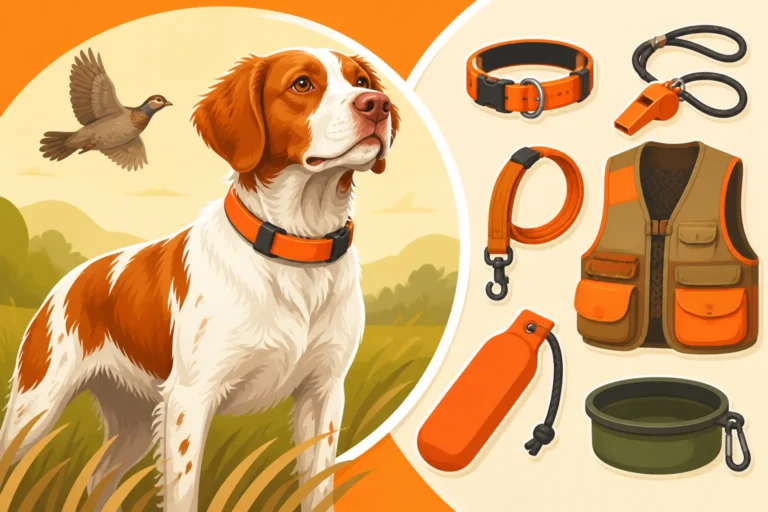
One of the best preventative investments is a quality set of hunting boots for your Brittany. While some dogs take time to adjust, boots can protect paw pads from sharp stubble, rocks, and ice, preventing cuts and abrasions. Similarly, a durable blaze orange vest or chest protector can shield your dog from minor scrapes and punctures, not to mention making them more visible. Regular grooming is another crucial preventative measure; keeping feathering trimmed, especially on the belly and legs, can reduce the number of burrs and foxtails your dog picks up, and makes post-hunt checks easier. A well-stocked first aid kit kept in your truck or vest is essential for immediate field care, allowing you to clean and cover minor wounds before they become major problems. Companies like Chewy offer excellent selections of these preventative and first-aid items, making it easy to prepare for the season. For more on what to pack, check out What a First Aid Kit for a Brittany Should Hold.
Managing Ongoing Health Issues from Field Injuries
Sometimes, a field injury isn't a one-and-done event. It can lead to long-term health complications that require ongoing management, turning a seasonal expense into a recurring one.
Chronic Conditions from Trauma
A severe field injury, especially one involving joints or bones, can unfortunately predispose your Brittany to chronic conditions down the line. A significant sprain or fracture might heal, but it could lead to the early onset of arthritis in that joint. This means your Brittany might need ongoing medication, such as NSAIDs (non-steroidal anti-inflammatory drugs), joint supplements, or even periodic injections, for the rest of their life.
Similarly, repeated ear trauma or infections caused by foreign bodies can alter the ear canal, making your Brittany more susceptible to future ear infections. This then becomes a cycle of vet visits for cleaning, medication, and management, adding consistent costs to your annual budget. These chronic issues not only affect your dog's comfort and quality of life but also represent a continuous financial outlay that far surpasses the initial injury cost. It’s a tough pill to swallow when you realize one bad day in the field could impact the next several years. If you're concerned about joint health, our article The Age a Brittany Gets Arthritis offers valuable information on managing these conditions.
Behavioral Changes and Impact on Future Hunting
Beyond the physical and financial costs, a significant injury can sometimes lead to behavioral changes in your Brittany. A dog that experienced extreme pain or a traumatic event in the field might become hesitant, less confident, or even develop an aversion to certain types of cover or hunting situations.
This can manifest as a decreased drive, reluctance to enter dense brush, or even a general anxiety about hunting. Rebuilding that confidence takes time, patience, and often, additional training. This might mean working with a professional trainer, which is another significant expense. More importantly, it can diminish the joy of hunting for both you and your dog, impacting the very reason you have a Brittany. While harder to quantify in dollars, the impact on your dog’s spirit and your shared passion is a real, albeit intangible, cost.
Financial Planning for a Brittany's Hunting Season
Given the potential costs, it's wise to approach a hunting season with a financial plan for your Brittany’s health. Being prepared can alleviate a lot of stress when an injury inevitably occurs.
Pet Insurance Considerations
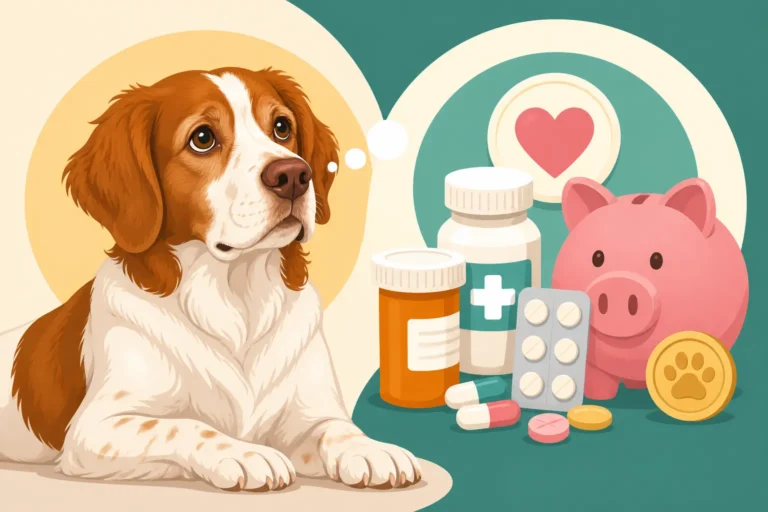
For many Brittany owners, pet insurance can be a financial lifesaver when unexpected injuries or illnesses strike. While you pay a monthly premium, it can offset a significant portion of a large veterinary bill. Policies typically cover accidents and illnesses, which would include most field injuries. When considering pet insurance, pay close attention to the deductible (how much you pay before coverage kicks in), the reimbursement percentage (what percentage of the vet bill the insurer pays), and the annual limits.
Some plans might have specific exclusions or higher deductibles for accident-only coverage, while others offer more comprehensive plans that cover everything from routine care to major surgeries. It's important to research thoroughly and choose a plan that fits your budget and risk tolerance. Companies like Healthy Paws are popular choices among active dog owners because they tend to offer strong accident and illness coverage. While it's an upfront cost, the peace of mind knowing you're covered for a significant injury can be invaluable. Our guide Whether Insurance Covers a Brittany's Hunting Injuries can offer more detail on this important topic.
Budgeting for the Unexpected
Even with pet insurance, it’s a smart move to have a dedicated emergency fund for your Brittany. Insurance often has deductibles and might not cover 100% of the bill, and some costs (like certain preventative supplies) are typically out-of-pocket. Setting aside a small amount each month into a "Brittany Emergency Fund" can build a cushion for those unexpected vet visits.
Consider the annual cost of routine preventative care: vaccinations, parasite prevention, and annual check-ups. On top of that, budget for potential injury care. Having a clear idea of what common injuries might entail financially can help you estimate. Regularly stocking your first aid kit, as mentioned earlier, is a proactive step that can save a trip to the vet for minor issues. Think about the potential for specialized diets during recovery, perhaps from a brand like Ollie, if your vet recommends it to support healing. A realistic budget helps you enjoy the season more, knowing you’re prepared for whatever your intrepid Brittany might encounter.
Summary of Potential Field Injury Costs
To give you a clearer picture, here's a table outlining some common field injuries and the shape of their associated costs. Remember, these are general indications, and actual costs can vary wildly based on your location, your vet's fees, the severity of the injury, and whether an emergency visit is necessary.
| Injury Type | Initial Vet Actions | Estimated Cost Impact (Shape) | Common Additional Costs | Potential Long-Term Costs |
|---|---|---|---|---|
| Paw Pad Laceration/Abrasion | Exam, cleaning, sedation (if needed), bandaging, antibiotics, pain meds | Moderate to Significant | Follow-up visits, bandage changes, e-collar, special booties | None typically, unless severe trauma leads to limping/gait change |
| Deep Cut/Laceration | Exam, cleaning, sedation, stitches/staples, antibiotics, pain meds | Moderate to Significant | Follow-up visits, drain removal, e-collar | Scar tissue, restricted movement if near joint, nerve damage |
| Foxtail/Foreign Body in Ear | Exam, sedation, extraction, ear cleaner, ear medication | Moderate | Follow-up exams, additional ear medication | Chronic ear infections, eardrum damage (rare) |
| Sprain/Strain (Limping) | Exam, pain meds, anti-inflammatories, x-rays | Moderate to Significant (with x-rays) | Rest, recheck exams, joint supplements (long-term) | Early onset arthritis, compensatory lameness |
| Minor Scrape/Thorn | At-home cleaning, antiseptic, monitoring | Minimal (at-home care) | None | None |
As you can see, the costs associated with your Brittany’s field injuries aren’t just a singular event. They can be a complex and varied financial journey.
Conclusion: Balancing Adventure and Preparedness
Owning and hunting with a Brittany is a truly rewarding experience. These dogs are built for the field, full of zest and an unyielding desire to hunt. But that very spirit of adventure means they are inevitably going to encounter hazards. The financial costs of field injuries are a realistic part of owning a hunting dog.
By understanding the common types of injuries, the spectrum of veterinary care, the hidden costs of recovery, and the importance of both preventative measures and financial planning like pet insurance or an emergency fund, you can face the hunting season with greater confidence. It’s about balancing your Brittany’s boundless energy and desire to work with your responsibility to keep them safe and healthy. Being prepared ensures that you can provide the best possible care, allowing your beloved Brittany to recover quickly and get back to doing what they love most – finding those birds.
Disclaimer
This article is for general informational purposes only and does not constitute professional advice. Laws, prices and regulations vary by location and change over time. Consult a qualified professional for guidance on your specific situation.