Whether a Wet Brittany Gets Hot Spots
Oh, the dreaded hot spot! If you've ever had a Brittany, especially one that loves to dive into every puddle, marsh, or pond it finds, you've probably worried about these nasty, rapidly appearing skin infections. It's a genuine frustration for many of us, turning a joyful romp in the water into a potential veterinary visit. This guide is all about tackling that very common problem: whether a wet Brittany gets hot spots, why they're so prone to them, and what you can do to prevent and treat them effectively.
Understanding Hot Spots on a Brittany
It’s easy to dismiss a little patch of itchy skin, but with a Brittany, that can escalate into a full-blown hot spot in a matter of hours. These aren't just minor irritations; they're painful, quickly spreading, and often deeply uncomfortable for your dog.
What Exactly is a Hot Spot?
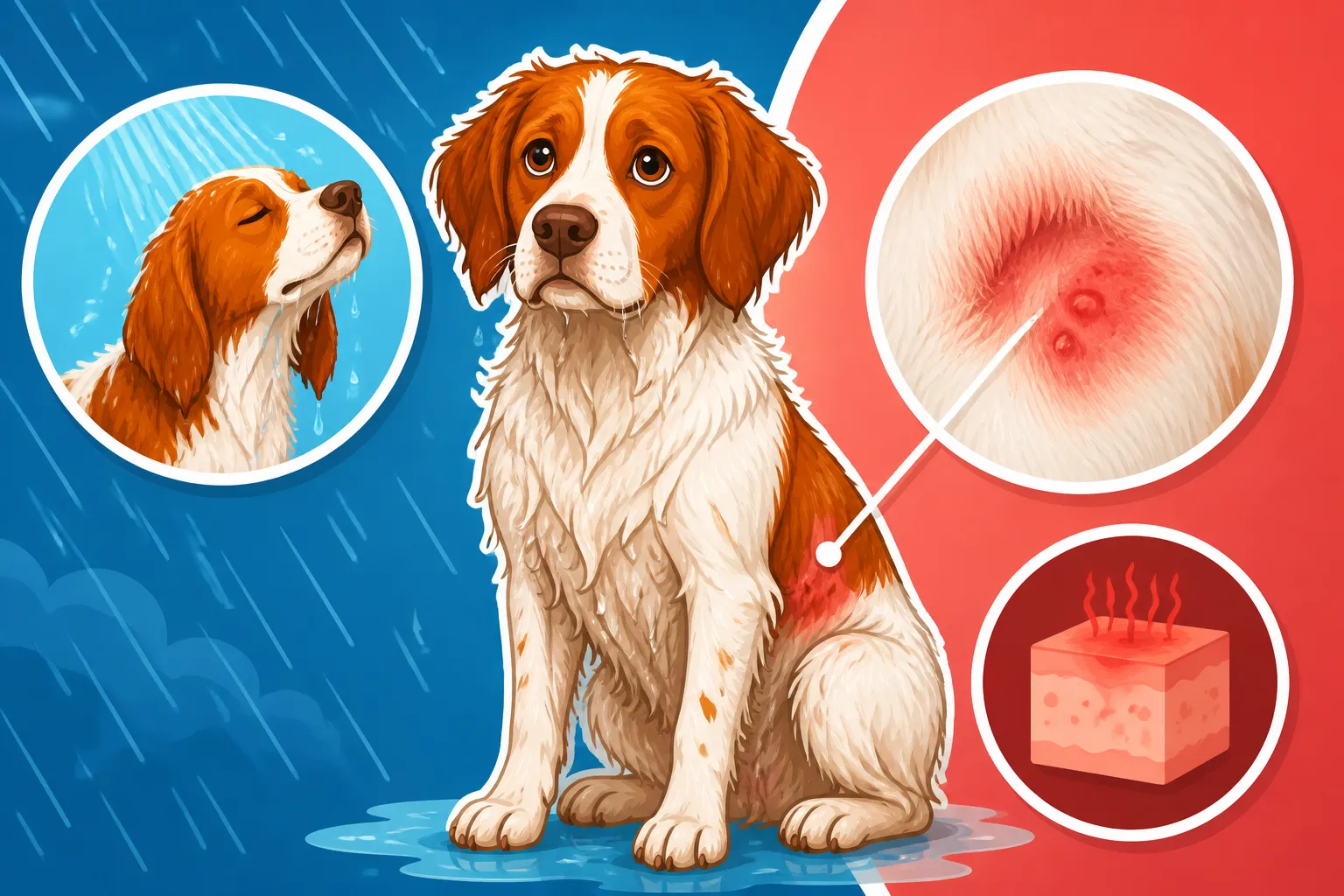
Scientifically, hot spots are known as acute moist dermatitis. The name pretty much says it all: they're sudden, inflamed, wet patches on the skin. You'll typically notice a red, oozing lesion that feels warm to the touch and often looks like a raw, weeping sore. What starts as a small, seemingly insignificant itch can quickly grow to cover several inches in diameter, especially if your Brittany keeps licking, scratching, or chewing at it. The problem is that a small irritation, combined with moisture, creates a perfect breeding ground for bacteria. Your dog's natural skin bacteria, normally harmless, seize the opportunity to multiply rapidly, leading to infection and intense inflammation. The pain and itchiness can be so severe that your otherwise stoic Brittany might vocalize, become restless, or avoid being touched in the affected area.
Why Wet Coats are a Major Culprit
The link between a wet coat and hot spots is undeniable, particularly for a breed like the Brittany. Imagine a warm, damp towel left crumpled in a humid bathroom – it's going to get funky fast. The same principle applies to your Brittany's coat. When their fur, especially the denser parts, stays wet for too long, it creates an ideal, occlusive environment for bacteria and yeast to thrive. This is why we often see hot spots pop up after a long day in the duck blind, a swim in the lake, or even just a particularly dewy morning hunt. The moisture gets trapped against the skin, and with the dog's body heat, it becomes a literal petri dish. It's not just standing water either; running through tall, wet grass for hours can have the same effect. The combination of sustained dampness and friction from movement can quickly break down the skin's natural barrier, inviting infection.
Other Factors That Contribute to Hot Spots
While wetness is a huge factor, it's rarely the only one. Hot spots are often multifactorial, meaning several things conspire to create the perfect storm.
- Allergies: This is a big one. Dogs with underlying allergies – whether to food, environmental pollens, or flea bites – often have itchier, more sensitive skin to begin with. A minor allergic reaction might prompt excessive scratching, which then damages the skin. Add moisture to that broken skin, and boom, hot spot. If your Brittany is prone to Whether a Brittany Gets Skin Allergies, you'll need to be extra vigilant.
- Parasites: Fleas, ticks, and mites can cause intense localized itching. A single flea bite can trigger a cascade of scratching that opens the skin to infection. Regular, effective parasite prevention is crucial.
- Poor Grooming/Matting: Mats in the coat trap moisture, debris, and parasites, and they prevent air circulation to the skin. This creates a perpetually damp and dirty environment, ripe for hot spots. We’ll talk more about how a Brittany's coat requires specific attention.
- Underlying Skin Issues: Conditions like seborrhea or other dermatological problems can make a Brittany's skin more susceptible. Even a small cut or scrape that goes unnoticed can become a hot spot if it's kept moist.
- Behavioral Licking: Sometimes, dogs lick excessively out of boredom, anxiety, or pain (even from something like an arthritic joint). If that licking area stays wet and irritated, it can turn into a hot spot without any initial skin breach.
It's important to remember that while these factors contribute, wetness almost always acts as an accelerator, turning a minor irritation into a major problem.
The Brittany's Unique Susceptibility to Hot Spots
Brittanys are glorious dogs, perfectly built for the field, but some of their wonderful traits also make them more prone to certain issues, including hot spots. Their coat and their active lifestyle are at the top of that list.
The Double Coat and Dense Feathering
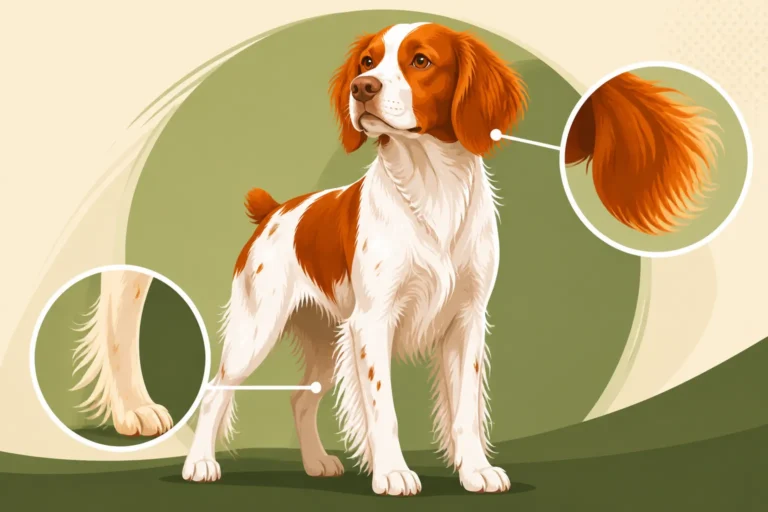
Take a good look at your Brittany's coat. It's not just pretty; it's functional. What a Brittany's Coat Is Like reveals that they have a dense, usually wavy or flat, double coat designed to protect them from the elements – harsh weather, brambles, and cold water. This coat, however, is a double-edged sword when it comes to moisture. The outer guard hairs repel some water, but the soft, thick undercoat absorbs and traps a lot of it, holding it close to the skin.
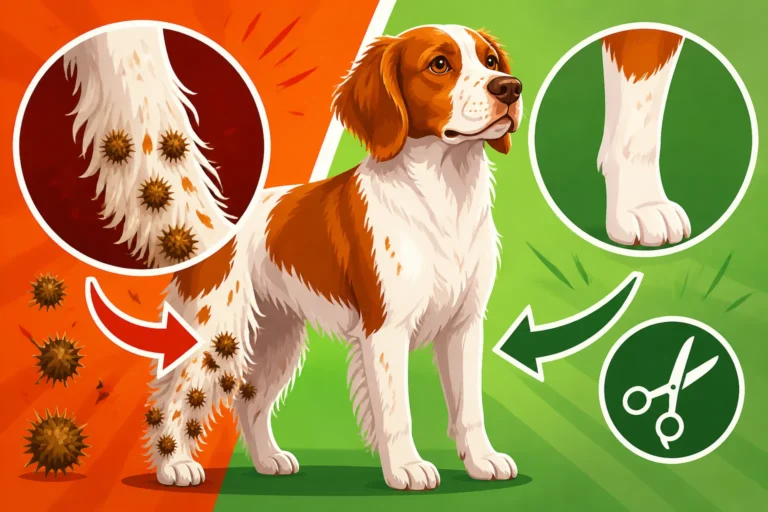
Then there's the feathering. Those beautiful, longer hairs on their legs, belly, chest, and ears are prime candidates for trapping moisture, burrs, and debris. Imagine your Brittany romping through a marsh. Water soaks into that feathering and stays there, creating damp pockets in areas that don't get much air circulation. The skin under these areas—armpits, groin, behind the ears, and even under the tail—is particularly vulnerable. These are often the first places you'll discover a burgeoning hot spot, hidden beneath a curtain of wet hair.
Active Lifestyle and Water Exposure
Let's be real: Brittanys are working dogs. They aren't content to be couch potatoes. Their passion for hunting means they are regularly exposed to environments that are hot spot magnets. Think about a typical hunting day:
- Marshy Terrain: Wading through shallow water and dense, wet vegetation.
- Pond Retrieves: Repeatedly plunging into water to retrieve ducks or training bumpers. Whether a Brittany Needs a Neoprene Vest in Cold Water speaks to their water work.
- Dewy Fields: Running for hours through tall, moisture-laden grass in the early morning.
- Sweat and Heat: Even without standing water, intense physical activity in warm weather causes them to sweat, and that moisture, combined with friction from movement, can irritate the skin.
This constant exposure to moisture, often combined with friction from movement and potential minor abrasions from cover, significantly increases their risk. It’s part and parcel of owning such an athletic and enthusiastic hunting companion.
How Long a Brittany's Coat Stays Damp
Unlike a short-coated breed like a Doberman or a German Shorthaired Pointer, a Brittany’s coat takes a long time to dry naturally. Even after towel-drying, that dense undercoat can remain damp for hours, especially in humid conditions or if the dog is then crated or resting indoors without good airflow. A quick splash in a puddle might not be an issue, but a full immersion or prolonged exposure to wetness is a different story. If your Brittany comes out of a pond and then curls up in its crate for the ride home, that warm, damp environment is a hot spot ticking time bomb. This extended drying time means you have a critical window to intervene and ensure their skin is truly dry.
Recognizing and Preventing Hot Spots After a Wet Outing
The key to managing hot spots is vigilance and proactive care. They develop so quickly that a "wait and see" approach usually means you're waiting for it to get worse.
Early Signs to Watch For
You know your dog best. Pay attention to subtle changes in behavior and appearance, especially after they've been wet.
- Excessive Licking or Chewing: This is often the very first sign. Your Brittany might suddenly start obsessively licking or chewing a specific spot, even if there's no visible lesion yet. It could be a shoulder, a hip, a paw, or behind an ear.
- Matted or Clumped Fur: The hair over a developing hot spot will often become matted or sticky due to the oozing fluid. This is a huge red flag.
- Redness and Inflammation: If you part the fur, you might see skin that is unusually red, inflamed, or slightly swollen. It might feel warmer than the surrounding skin.
- Sudden Sensitivity or Pain: Your Brittany might flinch or whine when you touch a particular area, or even act defensive. They might avoid certain positions or activities because of the discomfort.
- Hair Loss: As the lesion progresses, the hair over the affected area will often fall out, revealing a raw, angry patch of skin.
If you notice any of these signs, don't delay. The sooner you act, the easier it is to manage.
Immediate Post-Wetness Care
This is where you become your Brittany's first line of defense.
- Thorough Drying is Non-Negotiable: After any significant water exposure – whether it's a swim, a bath, or a hunt in the rain – you must dry your Brittany thoroughly. Don't just towel-dry the surface. Get deep into the undercoat. Use absorbent towels, and consider a forced-air pet dryer (like those available on Amazon or Chewy) if your dog tolerates it. These blowers are far more effective than human hair dryers, pushing water out of the coat without excessive heat. Pay special attention to the feathering on legs, belly, and ears.
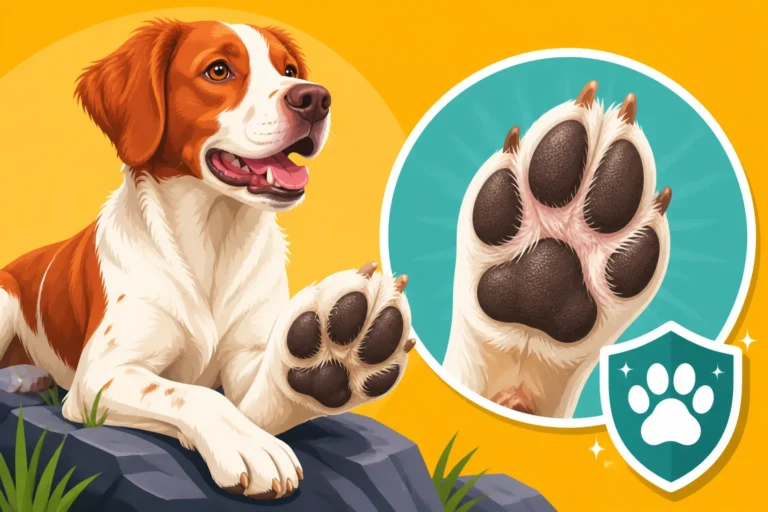
- Check Every Crevice: As part of your What to Check on a Brittany After Every Outing routine, systematically check your Brittany from head to tail. Lift their ears and examine the skin, particularly since Why a Brittany's Ears Get Infected Every Season is another common issue. Check armpits, groin, between toes, and under the tail. Feel for any dampness, warmth, or irritation.
- Ear Care: Brittany ears, with their long, pendulous nature, are particularly prone to trapping moisture and developing infections, which can sometimes lead to hot spots on the ear flap itself. After swimming, make sure to follow advice on How to Dry a Brittany's Ears After Water. A drying solution specifically formulated for dog ears can be a lifesaver.
Regular Grooming as a Preventive Measure
Good grooming habits are your secret weapon against hot spots.
- Consistent Brushing: Regular brushing, especially during shedding season and after outdoor adventures, helps remove loose hair, prevents mats, and improves air circulation to the skin. How Often a Brittany Needs Brushing is an important routine to establish.
- Manage Feathering: While beautiful, a Brittany's feathering can become a mat magnet and trap moisture. Many owners opt to strategically trim the feathering on the belly, armpits, and even the "pants" to reduce matting and improve airflow. This doesn't mean shaving your dog, but a tidy trim can make a big difference. Discuss Whether a Brittany's Feathering Should Be Trimmed with a groomer or experienced Brittany owner.
- Dematting: If mats do form, address them immediately. Gently work them out with a comb and detangling spray, or carefully cut them out with blunt-nosed scissors if they're too tight. Matted fur will lead to skin problems.
- Clean Ears: Keeping ears clean and dry is vital. Regular cleaning helps remove wax and debris that can contribute to infections. How Often a Brittany's Ears Need Cleaning should be part of your routine.
Addressing Underlying Issues
As discussed earlier, hot spots often have root causes beyond just wetness.
- Flea and Tick Prevention: Maintain a consistent, veterinarian-recommended flea and tick prevention program. This is non-negotiable for a hunting dog.
- Allergy Management: If you suspect allergies are contributing, work with your vet to identify triggers and implement a management plan. This might involve dietary changes (some premium dog foods, like those found on Chewy or Ollie, offer hypoallergenic options), antihistamines, or other medications.
- Veterinary Check-ups: Regular vet visits ensure that any underlying skin conditions or health issues are identified and treated early.
Here’s a quick overview of prevention and early intervention:
| Action | Purpose | Frequency | Key Areas for Brittany |
|---|---|---|---|
| Thorough Drying | Remove moisture, prevent bacterial growth | After every wet outing | Ears, feathering, belly, armpits |
| Daily Body Check | Early detection of redness, licking, mats | After every outing, daily | All over, especially hidden spots |
| Regular Brushing | Prevent mats, improve air circulation, remove debris | 2-3 times/week, daily in season | Feathering, dense coat areas |
| Feathering Trimming | Reduce matting, increase airflow, reduce debris trapping | As needed (every 4-6 weeks) | Belly, legs, armpits, ears |
| Ear Cleaning/Drying | Prevent ear infections and adjacent hot spots | Weekly, after swimming | Inside ear canal, ear flap |
| Parasite Prevention | Eliminate biting irritants that trigger scratching | Monthly/quarterly as directed | Whole body |
Treating Hot Spots Once They Appear
Despite your best efforts, sometimes a hot spot still pops up. When it does, quick action is essential to prevent it from spiraling out of control.
First Aid at Home
If you catch a hot spot very early and it's small, you might be able to manage it at home. This is for minor, localized spots, not large or rapidly worsening lesions.
- Clip the Hair: This is the most crucial first step. Use electric clippers (not scissors, as you risk cutting the inflamed skin) to carefully shave all the hair from and around the hot spot, creating a margin of at least an inch of healthy skin. This allows air to reach the lesion, helps it dry out, and makes it easier to clean and treat. It will look worse before it looks better, but it's essential.
- Gently Cleanse: Once clipped, clean the area with a mild antiseptic solution. A chlorhexidine-based wash (available at pet stores or Amazon) or even a dilute povidone-iodine solution works well. Avoid alcohol, which can sting and dry out the skin too much. Pat, don't rub, dry.
- Apply a Topical Treatment: After cleaning and drying, you can apply a veterinarian-approved topical hot spot spray or cream. These often contain mild astringents to dry the lesion, antiseptics to kill bacteria, and sometimes a corticosteroid to reduce inflammation and itching. Be careful not to use human products without veterinary guidance, as some ingredients can be toxic if licked.
- Prevent Licking: Your Brittany will want to lick it. Licking will only make it worse, reintroducing bacteria and preventing healing. An Elizabethan collar (e-collar or "cone of shame") is often necessary. You can find comfortable options on Chewy or Amazon. Make sure it's worn consistently until the area is dry and healing.
- Keep It Dry and Clean: Continue to clean and treat the area daily. Keep your Brittany as dry as possible, avoiding baths or swimming until it's fully healed. Ensure the area gets good airflow.
Remember, having a What a First Aid Kit for a Brittany Should Hold ready can make this process much smoother when time is of the essence.
When to See the Vet
Sometimes, home care isn't enough, or the hot spot is simply too severe for a DIY approach. Don't hesitate to contact your veterinarian if:
- The Hot Spot is Large or Rapidly Spreading: If it's bigger than a quarter, or growing noticeably within a few hours, it needs professional attention.
- It's Deeply Infected or Oozing Heavily: Excessive pus, a foul odor, or very deep lesions indicate a significant bacterial infection that likely requires systemic antibiotics.
- Your Brittany is in Severe Pain: If your dog is lethargic, has a fever, or is clearly distressed by the pain, a vet visit is essential. They may need pain medication.
- It's Not Improving with Home Treatment: If after 24-48 hours of diligent home care, the hot spot isn't showing signs of drying out and healing, it's time to call the pros.
- The Hot Spot is on the Face or Near the Eyes: These sensitive areas require expert care to prevent complications.
Your vet will likely clip the area (even if you've already tried), thoroughly clean it, and prescribe oral antibiotics to combat the infection from the inside out. They might also give a corticosteroid injection or oral steroids to quickly reduce the inflammation and itching, providing much-needed relief to your dog.
Long-Term Management
Once a hot spot has healed, the work isn't over. The goal is to prevent recurrence.
- Identify and Address Triggers: Work with your vet to figure out why your Brittany is getting hot spots. Is it allergies? Fleas? Certain types of cover? Managing these underlying issues is key. This might involve dietary changes, allergy testing, or environmental modifications.
- Maintain Excellent Hygiene: Consistent grooming, regular checks after outdoor activities, and immediate attention to any dampness are paramount.
- Supplementation (if recommended by vet): For dogs with chronic skin issues, supplements like omega-3 fatty acids (fish oil) can improve skin barrier function and reduce inflammation.
- Seasonal Vigilance: Be extra careful during warm, humid months or periods of high activity and water exposure. This is when Brittanys are most vulnerable.
Owning a Brittany means accepting their boundless energy and love for the outdoors, but it also means being proactive about their health. With careful attention to drying, grooming, and early detection, you can keep those pesky hot spots at bay and ensure your bird dog stays comfortable and ready for the field.
Disclaimer
This article is for general informational purposes only and does not constitute professional advice. Laws, prices and regulations vary by location and change over time. Consult a qualified professional for guidance on your specific situation.