What an Adult Brittany Should Weigh
One of the most common questions I get from fellow Brittany owners is about weight. It's tricky, right? You've got these incredibly active dogs, and sometimes it feels like they're either perpetually lean, or they suddenly pack on a few pounds quicker than you can say "bird dog." Trying to figure out what an adult Brittany should weigh can be a real head-scratcher because there's such a fine line between a healthy, athletic build and being either too thin or carrying too much. This guide is all about cutting through that confusion, helping you understand the ideal weight for your Brittany, and giving you practical ways to keep them in peak condition.
Understanding the Brittany Breed Standard for Weight
When we talk about an "ideal" weight, it's easy to jump straight to a number on the scale. But with Brittanys, it's so much more nuanced than that. Their breed standard gives us a framework, but it's important to remember that every dog is an individual.
Official AKC and French Standards for Size
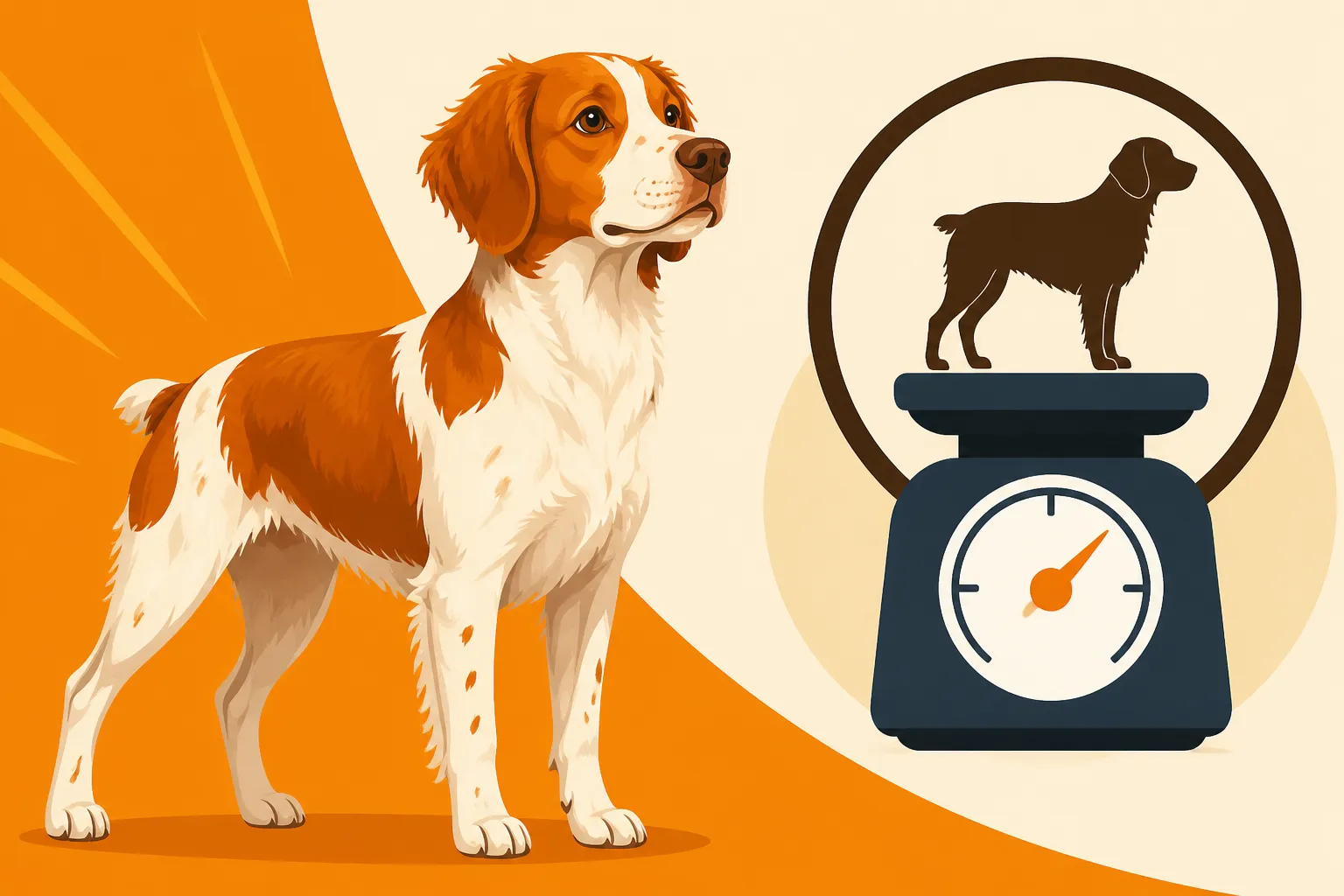
The official breed standards, both from the American Kennel Club (AKC) and the French Epagneul Breton club, provide guidelines on height and a corresponding weight range. For American Brittanys, the standard typically calls for dogs standing between 17.5 and 20.5 inches at the shoulder. The weight is usually proportional to height, falling roughly between 30 and 40 pounds. Females tend to be on the lower end of both height and weight, while males lean towards the higher end.
It's important to remember these are guidelines. A dog that's 20 inches tall and built heavily will naturally weigh more than a dog of the same height with a finer bone structure. These standards are meant to describe a dog built for endurance and agility in the field, not a heavy, bulky animal. The French Brittany, or Epagneul Breton, tends to be a bit smaller and more compact overall, often weighing slightly less, though still within a similar range proportionate to their height. Their standard might call for a dog between 19.3 and 20.5 inches for males, and 18.9 to 20.1 inches for females, with weight typically ranging from 30 to 40 pounds. The key takeaway here is balance and athleticism rather than a specific number.
Why the "Spaniel" Misnomer Matters for Perceived Weight
For years, the breed was officially known as the "Brittany Spaniel," a name that, while historically linked, really doesn't do justice to their true nature or build. The "spaniel" part was dropped by the AKC in 1982 to better reflect that they are, first and foremost, a pointing breed. This might seem like a small detail, but it profoundly affects how people perceive their ideal weight.
When people hear "spaniel," they often picture a smaller, more compact, and sometimes stockier dog like a Cocker or a Springer. These breeds, while also energetic, tend to have a different body type. A Brittany, however, is built for covering ground quickly and efficiently, with a strong, lean, and athletic frame. They need to be light on their feet, able to spring into action, and maintain endurance for hours in the field. If you’re expecting a chunky spaniel, you might inadvertently think your lean Brittany is too thin, when in reality, they're probably at their ideal working weight. Understanding that they are a pointing breed through and through helps us appreciate their naturally agile and well-muscled physique.
Factors Influencing a Brittany's Ideal Weight
Just like with people, there's no single magic number for a Brittany's ideal weight. Several factors play a significant role in determining what's truly healthy for your individual dog.
Age and Life Stage: From Puppyhood to Senior Years
A Brittany's weight journey starts from the moment they're born and changes dramatically throughout their life. A growing puppy will have a different weight and body composition than a fully mature adult, and an older dog will again present different considerations.
As puppies, Brittanys grow at a rapid rate, but it's crucial that this growth isn't too fast. Overfeeding a puppy, especially with high-calorie foods, can lead to excessive weight gain that puts undue stress on their developing joints. We want a lean, steady growth, allowing their bones and ligaments to develop properly. Around 12 to 18 months, most Brittanys will reach their full height, but they might continue to fill out with muscle mass for another year or so. When a Brittany Puppy Moves to Adult Food is a key transition period where careful monitoring of weight is essential. Once they hit their prime adult years (roughly 2-7 years old), their weight should stabilize, reflecting their consistent activity level and diet. As they approach their senior years, typically after age ten, metabolism slows down, and activity levels often decrease. It's common for senior Brittanys to lose some muscle mass, which can naturally decrease their weight, or conversely, if their diet isn't adjusted, they can easily gain weight. Monitoring What Changes in an Aging Brittany is vital to ensure their comfort and health in their golden years.
Sex and Individual Build Variations
Beyond age, a dog's sex and inherent genetic build also contribute significantly to their ideal weight. As mentioned earlier, male Brittanys generally tend to be larger and heavier than females. They often have a broader chest, a more substantial head, and heavier bone structure, leading to a higher healthy weight range. Females, while just as athletic and capable, are typically more refined in build, standing a bit shorter and weighing a few pounds less.
However, even within the same sex, there's a good deal of individual variation. You might have two male Brittanys, both within the breed standard for height, but one is naturally more heavily boned and muscular, while the other is lighter and more agile. Both can be perfectly healthy and at their ideal weight, even if their numbers on the scale differ. This is why looking at your dog's overall body condition, rather than just a number, is so important. A well-bred Brittany should always exhibit an athletic build, regardless of subtle differences in bone structure.
Activity Level and Working Status
This is perhaps the most significant factor for a breed like the Brittany. These dogs were bred to be active, intelligent, and tireless bird dogs. Their ideal weight is intimately tied to their activity level and whether they're a dedicated hunting companion or a well-exercised family pet.
A Brittany that spends countless hours in the field, quartering through heavy cover, pointing birds, and making retrieves, will naturally be incredibly lean and muscular. Their body fat percentage will be very low, and their muscles will be well-defined. For these working dogs, carrying even a few extra pounds can hinder their performance and put them at risk for injury or overheating. How Much More a Brittany Eats in Hunting Season is a testament to the calories they burn, and their weight will reflect this high energy output. On the other hand, a Brittany that lives primarily as a family companion, even if regularly exercised, might carry a tiny bit more fat and slightly less defined muscle simply because their activity isn't as intense or sustained as a full-time gun dog. The key is consistent, vigorous exercise that keeps them fit and trim. An under-exercised Brittany will almost certainly struggle with weight gain, regardless of their diet. It's about finding that sweet spot where your Brittany is energetic, agile, and has the stamina for whatever adventures you throw their way.
How to Assess Your Brittany's Body Condition
Forget the scale for a moment. The best way to know if your Brittany is at a healthy weight is to use your eyes and your hands. Veterinarians and experienced dog handlers use a method called Body Condition Scoring (BCS), which is much more informative than just a number.
The Rib Test: Feeling for Those Ribs (But Not Seeing Them All)
The "rib test" is a classic and highly effective way to gauge your Brittany's body condition. You want to be able to feel their ribs easily, but not have them prominently visible or sticking out.
To perform the rib test, simply run your open palms along your Brittany's sides, starting behind their shoulders and moving towards their tail. You should be able to feel each individual rib bone distinctively, almost like feeling the knuckles on your hand, but they shouldn't feel sharp or completely devoid of covering. There should be a thin layer of muscle and fat over them, providing a smooth but defined contour. If you have to press hard to feel the ribs, or if you can't feel them at all, your Brittany is likely carrying too much weight. Conversely, if their ribs are clearly visible without even touching them, or if they feel very sharp and prominent, your dog is likely too thin. How to Feel a Brittany's Ribs is a skill every owner should master, as it's a quick, everyday check to ensure they're staying in shape.
The Tuck and Waistline: What to Look For from Above and Side
Beyond the ribs, examining your Brittany's waistline and abdominal tuck provides further clues about their body condition. These visual cues are especially helpful for breeds like the Brittany that are naturally lean.
When you look at your Brittany from directly above, you should see a distinct "waist" where the body narrows behind the rib cage and before the hips. This should not be a straight line from chest to hips, and certainly not wider at the waist than the rib cage. The waist should be noticeably narrower. Then, look at your Brittany from the side. You should observe an "abdominal tuck" – the belly should rise upwards from the bottom of the rib cage to the groin area, rather than hanging low or being parallel to the ground. A good tuck indicates a lean body and strong abdominal muscles. If your Brittany looks like a sausage from above, or if their belly sags or hangs down from the side, they are likely overweight. A working Brittany, especially one in peak condition, will have a very pronounced waist and tuck, showcasing their athleticism.
Using a Body Condition Score (BCS) Chart
While the rib test and visual assessment are great, a Body Condition Score (BCS) chart offers a more standardized and objective way to evaluate your dog's weight. These charts typically use a scale of 1 to 5 or 1 to 9, with accompanying descriptions and illustrations for each score.
A common 9-point scale might look something like this:
- 1-3 (Underweight): Ribs, spine, and pelvic bones very prominent; severe abdominal tuck; no discernible body fat. This indicates malnourishment or severe illness.
- 4-5 (Ideal Weight): Ribs easily palpable with minimal fat covering; waist easily observed from above; abdominal tuck present. This is where you want your Brittany to be – lean and athletic.
- 6-7 (Overweight): Ribs difficult to feel under a moderate fat covering; waist barely discernible or absent; slight abdominal tuck.
- 8-9 (Obese): Ribs not palpable; no waist or abdominal tuck; heavy fat deposits over the spine and tail base; distended abdomen.
Using a BCS chart allows for a more consistent assessment and can help you communicate your observations clearly with your veterinarian. Many veterinary clinics have these charts readily available, and you can also find them online from reputable sources. It's a great tool to visually compare your dog to various examples and determine where they fall on the spectrum.
The Dangers of Underweight and Overweight Brittanys
Maintaining an ideal weight isn't just about aesthetics; it's profoundly linked to your Brittany's overall health, longevity, and ability to do what they love – whether that's tearing through the fields or playing fetch in the yard. Both extremes on the weight spectrum pose significant risks.
Risks of Being Underweight for an Active Breed
While it might seem less common in a high-energy breed, an underweight Brittany faces serious health challenges, especially given their active nature. Brittanys are built for stamina and power, and being too thin compromises both.
An underweight Brittany will lack the necessary energy reserves for sustained activity. In the field, this means reduced endurance, quick fatigue, and an inability to perform to their potential. Beyond performance, being underweight can signal or lead to a compromised immune system, making them more susceptible to infections and illnesses. Their bodies simply don't have the resources to fight off pathogens effectively. They may also suffer from a dull coat, brittle nails, and generally poor body condition. Underlying health issues, such as parasites, digestive disorders, or other medical conditions, can cause a Brittany to be Whether a Brittany Can Be Too Thin. It's crucial to consult your vet if your dog is noticeably thin, eating well, and still not gaining weight, as it could be a sign of something more serious. We want our Brittanys to be lean, yes, but not emaciated or lacking in muscle mass.
The Serious Health Consequences of an Overweight Brittany
The risks associated with an overweight Brittany are even more widespread and insidious. Excess weight puts strain on virtually every system in their body, significantly impacting their quality of life and potentially shortening their lifespan.
One of the most immediate and visible impacts is on their joints. Brittanys, like many active breeds, can be prone to conditions like hip or elbow dysplasia. Carrying extra pounds significantly exacerbates these issues, leading to increased pain, inflammation, and the accelerated development of arthritis. Imagine trying to run and jump with a heavy backpack on all day – it's the same for your dog. Beyond joint problems, overweight Brittanys are at a much higher risk for metabolic diseases such as diabetes, heart disease, high blood pressure, and certain types of cancer. Their respiratory system can also be compromised, leading to exercise intolerance and difficulty breathing, especially in warmer weather. Their natural agility, speed, and endurance, which are hallmarks of the breed, diminish dramatically. Signs a Brittany Is Overweight might include panting excessively, struggling to keep up on walks, difficulty jumping into the car, or simply showing a noticeable layer of fat over their ribs and spine. Addressing excess weight is one of the most impactful things you can do to ensure your Brittany lives a long, healthy, and happy life.
Maintaining a Healthy Weight for Your Brittany
Keeping your Brittany at their ideal weight is an ongoing commitment that involves a thoughtful approach to nutrition, consistent exercise, and regular veterinary oversight.
Tailoring Nutrition to Your Brittany's Needs
Feeding your Brittany isn't a one-size-fits-all endeavor. Their diet needs to be carefully tailored to their age, activity level, and individual metabolism. High-quality dog food is paramount, providing all the necessary nutrients without excessive fillers.
When choosing food, look for reputable brands that list a named meat source as the first ingredient. Active Brittanys, especially working dogs, often thrive on foods formulated for active or performance breeds, which typically have higher protein and fat content. However, for a less active pet, these foods can lead to weight gain. Pay close attention to the feeding guidelines on the bag, but remember these are just starting points. Your dog’s actual caloric needs might be slightly more or less. How Many Cups a Day an Adult Brittany Eats will vary greatly based on their food's caloric density and their activity. It’s usually best to feed twice a day to help regulate metabolism and prevent bloating, rather than one large meal. Measure food accurately with a measuring cup, don't just eyeball it. Treats should be healthy and given in moderation, and remember to factor them into your dog's daily caloric intake. If you're looking for quality food options or need bulk supplies for your active Brittany, online retailers like Chewy and Amazon offer a vast selection, often with subscription services for convenience. Another great option for fresh, human-grade food is Ollie, which can be particularly beneficial for dogs with sensitivities or those needing carefully controlled portions.
The Role of Consistent Exercise and Activity
Brittanys are not couch potatoes by nature. They are bundles of energy, and providing them with adequate, consistent exercise is critical to maintaining a healthy weight and mental well-being.
Daily exercise isn't just about a quick walk around the block. For a Brittany, this means vigorous activity that allows them to run, explore, and expend their boundless energy. Think long walks, runs (once their growth plates have closed), fetching games, or, ideally, regular opportunities for off-leash running in a safe, enclosed area. For working Brittanys, this is often built into their training and hunting regimen. For pets, consider activities like dog sports (agility, flyball, scent work), hiking, or even regular trips to a dog park if your dog enjoys social interaction. Even in the off-season, How Much Exercise a Brittany Needs Off Season is still substantial to keep them conditioned. A bored or under-exercised Brittany isn't just prone to weight gain; they're also likely to develop destructive behaviors due to pent-up energy. Consistency is key – short bursts of activity occasionally won't replace daily, sustained exercise.
Regular Vet Checks and Monitoring
Your veterinarian is your most valuable partner in maintaining your Brittany's healthy weight. Regular check-ups provide an opportunity for professional assessment and guidance.
During your How Often a Brittany Needs a Wellness Exam, your vet will weigh your dog, perform a physical examination, and assess their Body Condition Score. They can offer objective advice on diet, exercise, and any necessary adjustments. Don't hesitate to discuss any concerns you have about your Brittany's weight, whether they seem too thin or are starting to pack on pounds. They can help you determine the right caloric intake for your specific dog, recommend appropriate food, and rule out any underlying medical conditions that might be affecting their weight. They can also provide guidance on safe exercise routines and strategies for weight management. Keeping a consistent record of your Brittany's weight at home, perhaps monthly, can help you spot trends and make proactive adjustments before minor issues become major problems.
Here’s a quick overview of Brittany weight management:
| Aspect | Underweight Brittany | Ideal Weight Brittany | Overweight Brittany |
|---|---|---|---|
| Appearance | Ribs, spine, hip bones very visible; severe tuck. | Ribs easily felt, not seen; distinct waist & tuck. | Ribs hard to feel; no waist/tuck; bulging abdomen. |
| Energy | Low stamina, tires quickly, lethargic. | High stamina, agile, energetic. | Low energy, reluctant to move, heavy panting. |
| Health Risks | Weak immune system, poor performance, nutrient deficiencies. | Optimal health, good joint support, longer lifespan. | Joint pain, arthritis, diabetes, heart disease, reduced lifespan. |
| Diet Tips | High-quality, calorie-dense food; multiple small meals; vet consultation. | Balanced diet for activity level; measured portions. | Reduced calories, high-fiber, low-fat food; measured portions; fewer treats. |
| Exercise Tips | Moderate, consistent activity to build muscle; monitor fatigue. | Daily vigorous exercise (running, hunting, playing). | Increased gentle exercise; avoid overexertion initially; vet guidance. |
| Monitoring | Daily body checks; regular vet visits to rule out illness. | Monthly body checks; annual vet wellness exams. | Weekly body checks; regular vet check-ins for weight loss plan. |
Disclaimer
This article is for general informational purposes only and does not constitute professional advice. Laws, prices and regulations vary by location and change over time. Consult a qualified professional for guidance on your specific situation.