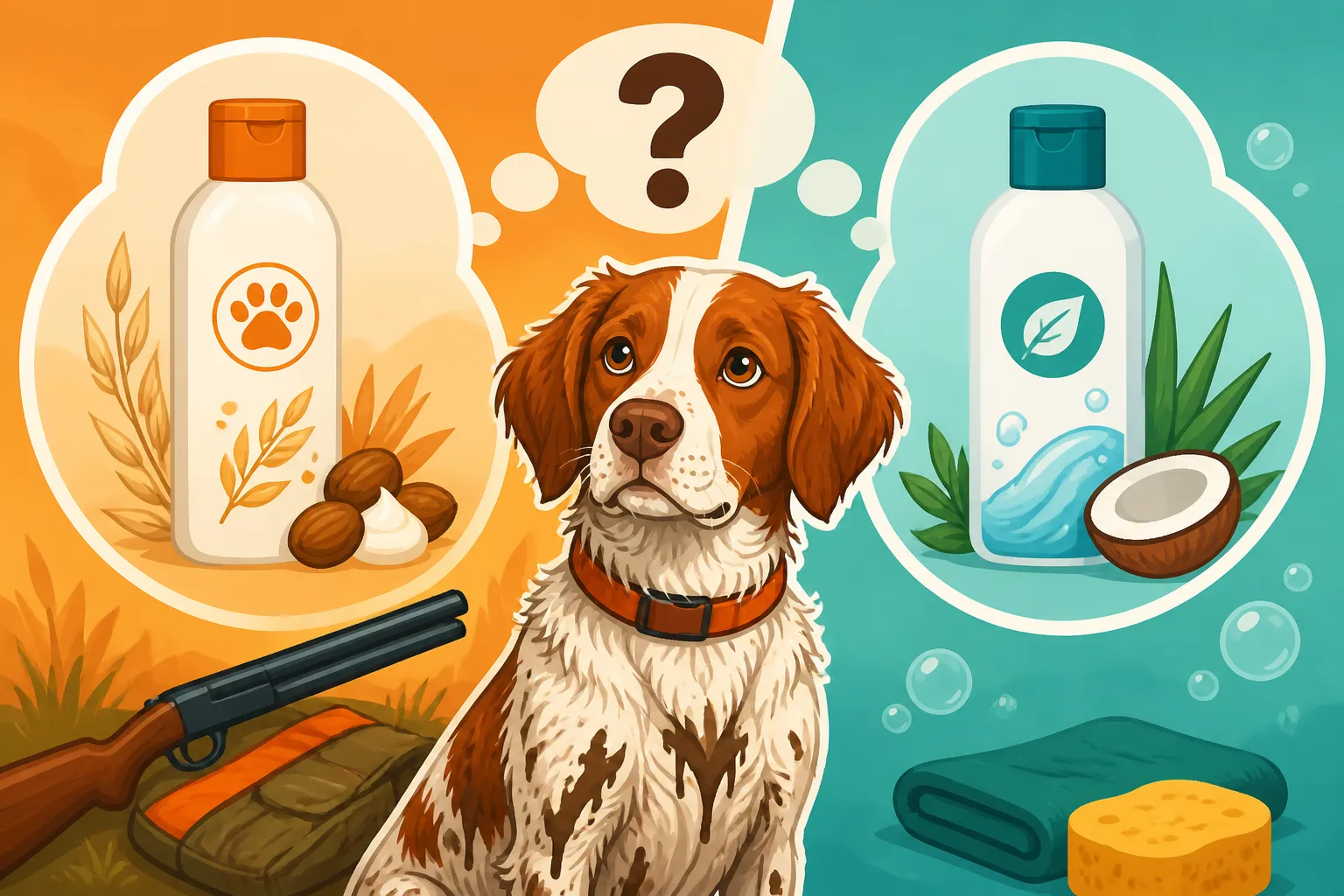
Which Shampoo Suits a Brittany After a Hunt
After a long day of navigating dense cover, splashing through marshy terrain, or kicking up dust in dry fields, your beloved Brittany often comes home looking less like a noble bird dog and more like a walking collection of nature's finest debris. Mud, burrs, strange smells, and bits of leaf become a natural part of their post-hunt ensemble, leaving you wondering how to get them clean without stripping their coat or irritating their sensitive skin. This comprehensive guide will help you navigate the world of dog shampoos to find the perfect cleansing solution for your hard-working Brittany after a hunt.
Understanding Your Brittany's Post-Hunt Needs
Bringing your Brittany home after a successful hunt is always a joy, but the aftermath can be a bit of a challenge. Their unique coat, their vigorous activity, and the environments they explore mean their bathing needs are often different from a pampered lapdog.
The Battle Against Mud, Dirt, and Debris
Brittanys are truly built for the field, and their beautiful coats reflect that. However, this also means they are incredibly efficient at collecting every piece of mud, dirt, and debris imaginable. Think about it: they are low to the ground, they crash through thickets, and their eagerness means they don't shy away from a good wallow. Their dense double coat, combined with those glorious featherings on their legs, chest, and ears, acts like a magnet for everything the outdoors has to offer. You might think you've brushed out all the burrs, only to find another handful emerge during bath time, stubbornly clinging to their silky undercoat.
When your Brittany is a mud monster, a quick rinse often isn't enough. The dirt works its way deep, becoming embedded and potentially leading to skin issues if left unaddressed. Not only is it frustrating to have a perpetually dusty or muddy dog tracking grime through your home, but it's also not ideal for your Brittany's skin health. The sheer volume of foreign material can cause irritation, matting, and even hide small injuries or parasites. It's a real chore, and it can feel like an uphill battle trying to get them truly clean, especially if you're battling a full-body coating of thick, wet mud. This is why a shampoo specifically formulated to cut through heavy soil and rinse cleanly is so crucial. For more on managing their fur, check out The Feathering on a Brittany's Legs and Ears.
Addressing Field Odors and Skin Irritants
Beyond the visible dirt, there's the inevitable "field smell." Whether it's the damp, musky odor from a dip in a marsh, the faint scent of animal tracks they've rolled in, or simply the accumulation of sweat and outdoor elements, Brittanys can come home smelling… well, like they've had a grand adventure. These odors aren't just unpleasant; they can be a sign of bacteria or yeast thriving in a damp, dirty coat, which can lead to skin problems.
Hunting environments also expose your Brittany to a myriad of potential skin irritants. Certain plants, pollens, or even microscopic organisms in stagnant water can cause itching, redness, or allergic reactions. A good post-hunt shampoo needs to do more than just clean; it should also help neutralize odors effectively without just masking them, and ideally, contain ingredients that soothe any minor skin irritation before it becomes a bigger problem. Ignoring these factors can lead to persistent scratching, hot spots, or more serious dermatological issues down the line, turning their post-hunt comfort into a perpetual itch. This is part of What to Do With a Brittany After Every Hunt to ensure their comfort and health.
Preserving Coat Health and Skin Barrier
One of the biggest pitfalls when bathing an active dog is inadvertently damaging their coat and skin with harsh products. Your Brittany's coat, while resilient, relies on natural oils to maintain its health, shine, and protective qualities. Using a shampoo that's too strong, or designed for human use, can strip these essential oils, leading to dry, flaky skin, a dull coat, and even increased shedding. A compromised skin barrier is more susceptible to environmental irritants, allergens, and infections.
Brittanys, like many sporting breeds, can have sensitive skin, and constant exposure to the elements coupled with frequent bathing (which might be necessary during hunting season) demands a thoughtful approach. The goal isn't just to get them clean, but to ensure their skin remains hydrated and their coat healthy and supple. This means choosing products that cleanse gently while supporting the skin's natural defenses, rather than eroding them. Over time, neglecting this balance can lead to a host of problems that can impact their comfort and even their performance in the field. Understanding What a Brittany's Coat Is Like helps in making informed decisions about its care.
Key Ingredients to Look For in a Brittany's Shampoo
When you're sifting through the seemingly endless options for dog shampoo, it's easy to get overwhelmed. But for a hunting Brittany, focusing on specific ingredients can make all the difference in keeping their skin and coat in prime condition.
Gentle Cleansers and Moisturizing Agents
The foundation of any good shampoo for a hunting dog is its ability to clean effectively without being overly harsh. Look for shampoos that boast "sulfate-free" formulas. Sulfates, while great at creating mountains of lather, can be extremely drying to a dog's skin and coat. Instead, opt for products with natural, milder cleansing agents derived from sources like coconut or palm, such as cocamidopropyl betaine or sodium coco-sulfate. These still get the job done, lifting away dirt and grime, but they do so with a much lighter touch.
Beyond cleansing, moisturizing ingredients are paramount, especially if your Brittany is bathed frequently during hunting season. Ingredients like colloidal oatmeal, aloe vera, and glycerin are superstars in this regard. Colloidal oatmeal is renowned for its soothing properties, helping to calm irritated skin and reduce itchiness. Aloe vera is a natural moisturizer and anti-inflammatory, perfect for minor nicks or scratches your dog might pick up in the field. Glycerin is a humectant, meaning it draws moisture from the air into the skin, helping to keep it hydrated and prevent dryness. These components work together to ensure that while the dirt is washed away, essential moisture is locked in, preventing that uncomfortable post-bath dryness and flakiness. Many excellent options with these ingredients can be found easily on platforms like Chewy or Amazon, giving you a wide selection.
Natural Conditioners and Detanglers
A Brittany's feathering is magnificent, but it's also a magnet for burrs, twigs, and mats. After a long day in the field, this feathering can be a tangled mess. This is where natural conditioners and detanglers come into play. Ingredients like shea butter, argan oil, jojoba oil, and silk proteins are incredibly beneficial. Shea butter and argan oil are rich in fatty acids and vitamins, providing deep nourishment to the hair shaft, making it smoother and more resilient. Jojoba oil mimics the natural sebum of the skin, helping to balance oil production and provide non-greasy moisture.
Silk proteins help to strengthen the hair, reduce breakage, and create a protective barrier that can make the coat feel softer and easier to comb. These conditioning agents are not just for aesthetics; they are functional. By smoothing the hair cuticles, they make it much harder for burrs to latch on and easier to brush out any existing tangles without causing pain or damaging the coat. A good conditioner or a 2-in-1 shampoo with potent conditioning agents can significantly cut down on your post-bath detangling time, turning a dreaded chore into a more manageable task. This is especially true for the areas Where a Brittany's Feathering Grows most prominently.
Soothing and Anti-Inflammatory Components
Hunting dogs are exposed to a lot in the environment, from rough terrain to various plants and insects. This can sometimes lead to minor skin irritations, redness, or itchiness. Shampoos that include soothing and anti-inflammatory ingredients can provide immense relief. Again, colloidal oatmeal is a standout here, creating a protective barrier on the skin and easing irritation. Other excellent options include chamomile and calendula extracts, both known for their calming and anti-inflammatory properties.
Chamomile can help reduce redness and soothe itchy skin, while calendula promotes healing and reduces inflammation. Ingredients like tea tree oil, in very diluted forms suitable for dogs, can offer mild antiseptic benefits, though caution should be exercised to ensure it's specifically formulated for canine use and not too concentrated. For Brittanys prone to seasonal allergies or general skin sensitivities, having these soothing components in their shampoo can be a game-changer, turning bath time into a therapeutic experience rather than just a cleaning session. They can help address potential issues before they escalate, providing comfort to your active companion. If you notice persistent itching or redness, it's worth considering Whether a Brittany Gets Skin Allergies as a potential cause.
Ingredients to Steer Clear Of for Your Brittany
Just as important as knowing what to look for is knowing what to avoid. Some common shampoo ingredients can be detrimental to your Brittany's skin and coat health, especially for a dog that's frequently exposed to the elements and might need regular bathing.
Harsh Chemicals and Artificial Fragrances
The biggest culprits in drying out your dog's skin and causing irritation are often harsh chemicals. As mentioned earlier, sulfates (like Sodium Lauryl Sulfate or Sodium Laureth Sulfate) are aggressive detergents that strip away natural oils, leaving the skin dry, itchy, and vulnerable. Over time, this can lead to flakiness, excessive scratching, and a dull, brittle coat. Parabens, which are preservatives used to extend shelf life, have raised concerns due to potential links with hormonal disruption in both humans and animals, and it's generally best to avoid them when possible. Phthalates are another group of chemicals sometimes found in fragrances and plastics that can also be endocrine disruptors.
Artificial fragrances, while making your dog smell "clean" to us, are often a cocktail of undisclosed chemicals. These can be major irritants for a dog's sensitive skin and respiratory system. Dogs' noses are far more powerful than ours, and what smells pleasant to you might be overwhelmingly strong and irritating to your Brittany. These fragrances can cause allergic reactions, contact dermatitis, and simply mask underlying odors without truly neutralizing them. If a shampoo relies heavily on a strong artificial scent, it's often a red flag, suggesting it might be trying to cover up less-than-ideal ingredients or simply overwhelm your senses rather than truly clean and soothe. Opt for shampoos with natural, subtle scents derived from essential oils (again, dog-safe and diluted) or, even better, unscented formulas.
Dyes and Unnecessary Additives
When you pick up a bottle of bright blue or green dog shampoo, stop and ask yourself: "Why is this colored?" The answer, almost always, is pure aesthetics for the human buyer. Dyes add absolutely no benefit to your Brittany's coat or skin. In fact, they are unnecessary chemicals that can be potential irritants or allergens. Your dog doesn't care if their shampoo matches your bathroom decor, and their coat certainly doesn't need to be dyed to be clean. These artificial colors can exacerbate skin sensitivities, especially in dogs already prone to itching or dryness.
Similarly, be wary of shampoos with a long list of unpronounceable ingredients that seem to have no clear purpose. While some complex formulations are genuinely beneficial, many mass-market shampoos include fillers, excessive lathering agents, or other additives that offer no real advantage to your dog and could potentially cause issues. The simpler the ingredient list, often the better, especially when it comes to the core cleansing and conditioning components. Focus on shampoos with transparent ingredient lists where you can identify the purpose of each component. Your Brittany deserves a clean that's effective and gentle, not one that's simply visually appealing in the bottle.
Different Types of Shampoos for Specific Post-Hunt Challenges
The best shampoo for your Brittany isn't always a one-size-fits-all solution. Depending on the nature of their hunt – how muddy, how smelly, how tangled – you might need different tools in your grooming arsenal.
Everyday Gentle Shampoos for Regular Grime
For those hunts where your Brittany comes home with typical dirt, dust, and maybe a few manageable burrs, a gentle, everyday dog shampoo is your go-to. These shampoos are formulated to cleanse effectively without stripping the coat of its natural oils. Look for pH-balanced formulas, as a dog's skin pH is different from a human's, and using human shampoo can disrupt their skin barrier. Gentle shampoos often contain mild, plant-derived cleansers and boast moisturizing ingredients like aloe vera or oatmeal. They're perfect for routine post-hunt baths or even more frequent washing during peak season when your dog is in the field several times a week.
The key here is consistency. Using a high-quality, gentle shampoo regularly helps maintain coat health and prevents dirt from accumulating too deeply. Many reputable brands offer excellent gentle shampoos, often readily available online. For instance, you can find a wide array of options on Chewy or Amazon, making it easy to keep your stock replenished. These types of shampoos will leave your Brittany feeling clean, smelling fresh, and with a soft, healthy coat, ready for their next adventure without unnecessary irritation.
Deodorizing Shampoos for Stinky Situations
Let's face it, sometimes Brittanys come home with more than just dirt – they come home with smells. Whether they've discovered a particularly pungent patch of marsh, rolled in something unidentifiable (and probably disgusting), or just have that deep, damp "dog" smell after hours of exertion, a regular shampoo might not cut it. This is when a dedicated deodorizing shampoo becomes indispensable.
These shampoos are specifically formulated with ingredients designed to neutralize odors rather than just covering them up with strong perfumes. Common odor-fighting ingredients include baking soda, activated charcoal, or specific enzymatic odor eliminators. Baking soda works by absorbing odors, while activated charcoal effectively traps odor molecules. Enzymatic formulas break down the organic matter causing the smell. When your Brittany is genuinely stinky, a deodorizing shampoo can be a lifesaver, ensuring they're welcome back inside the house without everyone holding their breath. Just remember to always follow the product's instructions, as some may require a longer soak time to be truly effective. After dealing with a particularly rank smell, you might even consider a double shampoo to ensure all traces are gone.
Hypoallergenic and Medicated Options for Sensitive Skin
Some Brittanys are just more prone to skin sensitivities, allergies, or even specific dermatological conditions. For these dogs, a standard shampoo, even a gentle one, might not be enough or could even exacerbate their issues. This is where hypoallergenic or medicated shampoos come in. Hypoallergenic shampoos are designed to minimize the risk of allergic reactions by excluding common irritants like dyes, artificial fragrances, and harsh preservatives. They often feature extra soothing ingredients like colloidal oatmeal and essential fatty acids to support skin health.
If your Brittany suffers from specific skin conditions like yeast infections, bacterial dermatitis, or severe itching, your veterinarian might recommend a medicated shampoo. These can contain active ingredients like chlorhexidine (antibacterial/antifungal), miconazole (antifungal), or coal tar/salicylic acid (for flaky, oily skin). These aren't just cleaning agents; they're therapeutic treatments designed to address and manage specific skin problems. It's crucial to use medicated shampoos exactly as prescribed by your vet, including frequency and contact time, to ensure their effectiveness. Never self-diagnose or use human medicated shampoos on your dog, as the formulations and active ingredient concentrations are entirely different. When considering their skin, remember Whether a Brittany Gets Skin Allergies can be a factor in shampoo choice.
Detangling Shampoos and Conditioners for Burrs and Mats
The Brittany's flowing feathering is beautiful, but after a day crashing through heavy cover, it can become a matted, burr-laden nightmare. Trying to comb out dry, tangled feathering is painful for your dog and frustrating for you. This is where detangling shampoos and, more importantly, a good conditioner are absolutely essential.
Detangling shampoos typically contain silicone-based ingredients or natural oils that help to smooth the hair cuticle, making it slicker and less prone to tangling. However, a dedicated detangling conditioner applied after shampooing is often even more effective. These products are formulated to hydrate and lubricate the hair, allowing burrs and mats to slide out more easily with minimal pulling. Ingredients like dimethicone, various plant oils (argan, coconut, jojoba), and silk proteins are common. After lathering and rinsing with a detangling shampoo, generously apply the conditioner, working it thoroughly into all the feathered areas. Let it sit for a few minutes before rinsing. This extra step will dramatically reduce the time and struggle involved in brushing out your Brittany's coat and removing embedded debris. For a deep dive into getting out those stubborn plant hitchhikers, refer to How to Get Burrs Out of a Brittany's Coat.
The Post-Hunt Bathing Routine: More Than Just a Dip
Getting your Brittany clean after a hunt involves more than just dunking them in the tub. A systematic approach will make the process easier, more effective, and more comfortable for your dog, while also helping to preserve their coat and skin health.
Pre-Bath Preparation and Initial Cleaning
Before your Brittany even steps foot in the bath, some crucial preparation steps can save you a lot of grief. First, give them a thorough brush-down. This initial brushing helps remove loose dirt, shed hair, and any easy-to-reach burrs and twigs. If you skip this, all that loose debris will just get wet and become harder to remove later. Pay special attention to their feathering on their legs, chest, and ears, as these are prime collection zones. You might even want to use a de-shedding tool to reduce the amount of hair that will inevitably clog your drain.
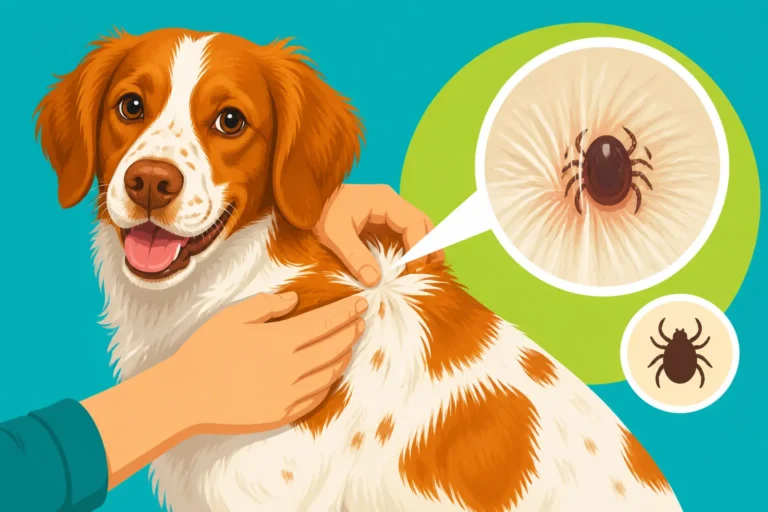
After brushing, it's wise to give your Brittany a good initial rinse with plain lukewarm water, ideally outdoors with a hose sprayer if the weather permits. This helps wash away the surface layer of mud and dirt, giving you a cleaner slate to work with. While rinsing, take a moment to perform a quick visual inspection. Check their paws for cuts or embedded debris, look for ticks or foxtails hidden in their fur, and gently feel for any new lumps or bumps. This pre-bath check is a critical part of What to Check on a Brittany After Every Outing to catch any issues early. Trying to examine a matted, muddy dog is much harder than a damp, pre-rinsed one.
Proper Application and Rinsing Techniques
Once your Brittany is pre-brushed and pre-rinsed, it's time for the shampoo. Always use lukewarm water – never hot, as it can be uncomfortable and dry out their skin, and never ice-cold, which can cause them to shiver excessively. Start by thoroughly wetting their entire coat. Then, apply a generous amount of your chosen dog-specific shampoo, working it into a lather. Begin at the neck and work your way down their back, sides, and legs. Pay extra attention to the areas that collect the most dirt: their belly, legs, and feathering. Gently massage the shampoo into their skin to help dislodge embedded dirt and provide a soothing sensation.
Be extremely careful around their face, ears, and eyes. Use a damp washcloth to gently wipe their face, avoiding getting shampoo directly into their eyes. When washing around their ears, fold the ear flap down over the ear canal to prevent water and shampoo from entering, which can lead to infections. For more on this, consult Keeping Water Out of a Brittany's Ears. The most critical step is rinsing. You must rinse thoroughly, even if you think you've rinsed enough. Leftover shampoo residue can cause skin irritation, itching, and dullness. Rinse, rinse again, and then rinse one more time, until the water runs completely clear and their coat feels squeaky clean, not slick. It's often helpful to follow up with a good conditioner, especially on the feathering, allowing it to sit for a few minutes before its final, thorough rinse.
Drying and Post-Bath Care
After a thorough rinse, the drying process is just as important as the washing itself. First, allow your Brittany to shake as much water off as they like (preferably while you're standing clear!). Then, use absorbent towels to blot and rub their coat dry. Pay extra attention to their feathering and undercoat, which can hold a lot of moisture. If the weather is warm, you can let them air dry partially outdoors, but ensure they don't roll in any new dirt.
In cooler weather or if you want them completely dry, a low-heat pet-specific blow dryer can be a godsend. Human blow dryers can get too hot and burn their skin, so opt for one designed for animals. Keep the dryer moving constantly to prevent hot spots. While drying, use a wide-tooth comb or slicker brush to gently work through their feathering, continuing to detangle as the hair dries. This helps prevent mats from forming as the coat dries and allows you to find any remaining burrs. Once completely dry, give them a final brush to ensure their coat is smooth and free of tangles. After all that work, your Brittany deserves a nice, cozy spot to rest, especially after an intense hunt and a bath. This drying process is a good way to help them recover, as detailed in How to Cool a Brittany Down After a Run.
Long-Term Coat Health and Beyond the Bath
Bathing is certainly a key part of maintaining your Brittany's health, especially during hunting season, but it's one piece of a larger puzzle. A holistic approach ensures their coat and skin remain vibrant and resilient year-round.
Regular Grooming Habits and Nutritional Support
The care for your Brittany's coat extends far beyond bath time. Regular grooming is essential, even if they haven't just returned from a muddy excursion. Daily or at least every-other-day brushing helps to remove loose hair, prevent mats, distribute natural oils, and stimulate blood flow to the skin. This is particularly important for Brittanys with their significant feathering. A slicker brush followed by a metal comb can work wonders in keeping their coat healthy and tangle-free. This routine attention helps you stay on top of any potential issues, such as dry patches, fleas, or new bumps, before they become serious. Consistent brushing also helps to manage shedding, which Brittanys certainly do, even if it's not as dramatic as some other breeds. For tips on managing their fur, refer to How Often a Brittany Needs Brushing and How Much a Brittany Sheds.
Furthermore, diet plays a crucial role in the health and luster of your Brittany's coat and skin. A high-quality dog food, rich in essential fatty acids like Omega-3 and Omega-6, is fundamental. These fats contribute to skin hydration, reduce inflammation, and promote a shiny, healthy coat. Look for foods that list real meat as the first ingredient and avoid excessive fillers. Sometimes, a veterinarian might recommend supplements like fish oil capsules to boost their intake of these beneficial fatty acids. Just like for humans, what goes into your Brittany's body directly impacts their outer appearance and overall well-being. A nutritious diet is their first line of defense against dry skin, dull fur, and a host of other health issues.
Professional Advice and When to Seek It
While you can handle most of your Brittany's grooming needs at home, there are times when professional advice or assistance is invaluable. If, despite your best efforts with appropriate shampoos and regular grooming, your Brittany still suffers from persistent itching, redness, flaky skin, hair loss, or unusual odors, it's time for a visit to the veterinarian. These could be signs of underlying allergies, fungal infections, bacterial infections, or even hormonal imbalances that require medical treatment. Your vet can accurately diagnose the problem and prescribe specific medicated shampoos, oral medications, or dietary changes.
Similarly, if your Brittany's feathering becomes severely matted, or if you're struggling with embedded foreign objects that you can't safely remove, a professional groomer can be a great resource. They have specialized tools and experience to safely and painlessly remove severe mats, often saving your dog a lot of discomfort. Groomers can also offer advice on coat maintenance, recommend specific products, or even provide sanitary trims that can help keep certain areas cleaner and less prone to matting. Don't hesitate to lean on these professionals; they are there to help ensure your Brittany remains happy, healthy, and comfortable, ready for every adventure the field offers. Regular wellness exams, as outlined in What a Brittany Needs Its Whole Life, are also key to addressing any issues early.
Comparison of Shampoo Types for Brittanys
To help you make an informed decision, here's a quick overview of different shampoo types and their ideal use cases for your Brittany.
| Shampoo Type | Best For | Key Ingredients to Look For | Key Ingredients to Avoid | Pros | Cons |
|---|---|---|---|---|---|
| Gentle Everyday | Regular dirt, dust, maintenance | Oatmeal, Aloe Vera, Glycerin | Sulfates, artificial dyes/fragrances | Cleans without stripping, maintains coat health, pH-balanced | May not tackle extreme odors or specific skin issues |
| Deodorizing | Strong odors (marsh, "mystery rolls") | Baking soda, activated charcoal, enzymes | Harsh perfumes (masking, not neutralizing) | Effectively neutralizes deep-set odors, leaves fresh scent | Can sometimes be less moisturizing than gentle formulas |
| Hypoallergenic/Sensitive | Dogs with allergies, itchy or reactive skin | Colloidal oatmeal, aloe, fatty acids | Dyes, perfumes, sulfates, common allergens | Minimizes irritation, soothes sensitive skin, free of irritants | May not have strong deodorizing power, specific needs may require vet input |
| Detangling/Conditioning | Matted feathering, burr removal, dry coats | Shea butter, argan oil, silicones | Alcohol (drying), harsh cleansers | Eases brushing, adds moisture, prevents future tangles | Can sometimes leave a slight residue if not rinsed thoroughly |
| Medicated | Specific skin conditions (vet-prescribed) | Chlorhexidine, miconazole, salicylic acid | Anything not prescribed by vet | Treats underlying skin infections/issues, highly effective | Must be vet-prescribed, specific usage instructions, can be drying |
Disclaimer
This article is for general informational purposes only and does not constitute professional advice. Laws, prices and regulations vary by location and change over time. Consult a qualified professional for guidance on your specific situation.