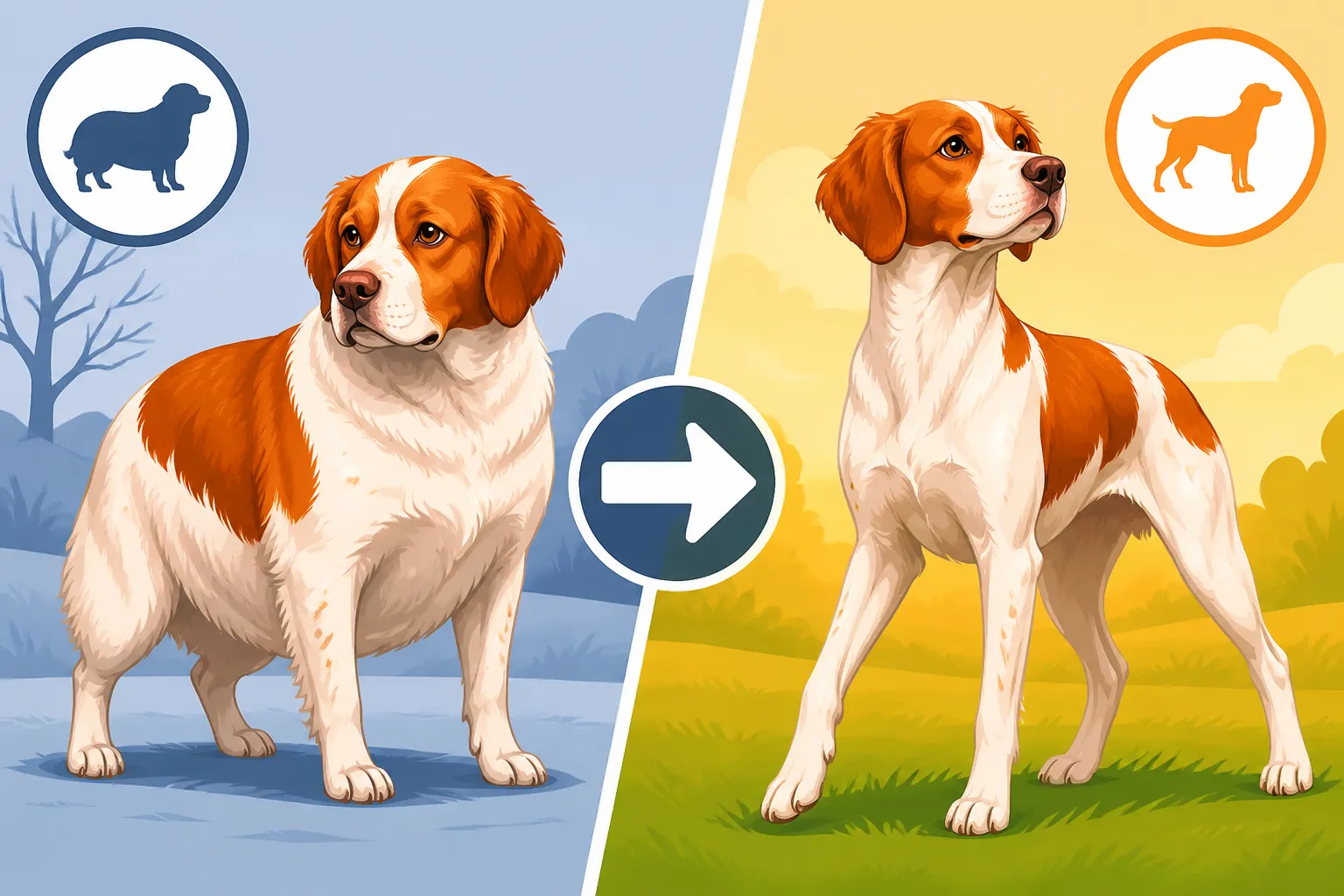
Whether a Brittany Loses Weight Over a Season
It's a question that weighs on every bird hunter's mind as the season gears up, and even more so as it wears on: will my beloved Brittany lose too much weight out there? It's a genuine concern because these dogs are athletes, bred to run, point, and retrieve all day long, often in challenging conditions. This guide will walk you through why Brittanys are prone to seasonal weight loss, how to spot it, and crucially, how to keep your hunting partner in peak condition from opening day to the very last retrieve.
The Demands of a Hunting Season on a Brittany's Metabolism
Let's be honest, hunting season isn't just a leisurely stroll for our Brittanys; it's an Olympic marathon spread across weeks and months. The sheer physical output required means their bodies are working overtime, burning through calories at an incredible rate. Understanding this fundamental truth is the first step to managing their weight.
Why Brittanys Burn So Many Calories
Brittanys are, by nature, high-energy dogs. They're bred for endurance and a relentless drive in the field, which means they're expending vast amounts of energy with every cast, point, and retrieve. Think about a typical hunt: they might cover miles of varied terrain, from dense cover to open fields, often at a full gallop. This isn't just a physical workout; it's a mental one too, as they use their keen sense of smell and intelligence to locate birds and respond to your commands.
The metabolic demands during a hunting season are significantly different from their off-season routine. Even a Brittany that gets plenty of exercise in the off-season, like daily runs or long walks, isn't typically pushing themselves for hours on end, multiple days a week, with the same intensity. This sustained, high-level activity means their bodies are constantly tapping into energy reserves. They are truly The Brittany Is One of the Healthiest Sporting Breeds, but even the healthiest athlete needs proper fueling to maintain condition.
The Impact of Cold Weather and Heavy Cover
Beyond the sheer act of running, the environment itself adds to the caloric burn. Imagine your Brittany pushing through heavy brambles or tall prairie grass, using their entire body to navigate the cover. This isn't like running on a flat, even surface; it requires extra effort, muscle engagement, and often, more resistance against their bodies. Every duck and dodge, every leap over a downed log, burns more energy.
Then there's the cold. Even in early season, mornings can be brisk, and as the season progresses into late fall and winter, the temperatures drop significantly. When a Brittany is working in cold weather, their body needs to burn extra calories just to maintain its core temperature. This thermoregulation is an unseen energy drain, adding to the already high demands of the hunt. If they're retrieving from icy water, as many Brittanys are keen to do, that caloric expenditure skyrockets. It's a double whammy: intense physical activity combined with environmental stressors, both of which chew through their energy stores.
Recognizing and Preventing Weight Loss
It's easy to get caught up in the thrill of the hunt, but keeping a vigilant eye on your Brittany's physical condition is paramount. A healthy weight isn't just about aesthetics; it's about performance, injury prevention, and overall well-being. Letting your dog get too thin can compromise their immune system and leave them vulnerable to illness and injury.
Signs Your Brittany Is Losing Too Much Weight
The first step is knowing what a healthy Brittany should look like and feel like. They should be lean and athletic, but not bony. You should be able to easily feel their ribs when you run your hands along their sides, but you shouldn't see them distinctly protruding. Similarly, their spine and hip bones should be palpable but not sharply visible. A common mistake is to judge solely by sight; the feathering on a Brittany can sometimes hide early signs of weight loss.
Beyond the visual, pay attention to their energy levels outside of the hunt. Are they unusually lethargic at home? Are they taking longer to recover after a day in the field? These can be subtle cues that their body is struggling to keep up with the demands. A good practice is to routinely check their body condition score (BCS). This is a standardized way to assess a dog's fat reserves.
Here’s a simplified Body Condition Score chart you can use:
| Score | Appearance | Palpation (Ribs, Spine, Hips) | Action Needed |
|---|---|---|---|
| 1 | Ribs, spine, pelvic bones easily visible from distance; no discernible fat | Easily felt, prominent, no muscle mass | Too Thin: Vet consultation, immediate diet increase |
| 2 | Ribs easily visible; top of vertebrae visible; obvious waist | Easily felt with minimal fat cover | Underweight: Increase food intake, monitor closely |
| 3 | Ribs palpable with slight fat cover; waist apparent | Easily felt, minimal fat cover | Ideal Weight: Maintain current diet and exercise |
| 4 | Ribs palpable with difficulty; no abdominal tuck | Difficult to feel under moderate fat cover | Overweight: Reduce food, increase exercise (off-season) |
| 5 | Ribs not palpable; heavy fat deposits | Cannot be felt under thick fat cover | Obese: Vet consultation, strict diet, exercise |
For a hunting Brittany, you want to aim for a strong 3, maybe a very lean 3 verging on 2 as the season progresses, but never a true 1 or 2. Remember, How Much Weight a Brittany Drops in a Hard Season can be significant, so early detection is key.
Adjusting Diet to Meet Seasonal Demands
Once you've identified that your Brittany is burning more than they're taking in, it's time to adjust their diet. This isn't just about feeding more food; it's often about feeding different food that is richer in calories, particularly from fat and protein. Many owners switch to a high-performance dog food specifically formulated for active working dogs. These formulas typically have higher fat content, which is a concentrated source of energy, and increased protein to support muscle maintenance and repair.
Consider how much more your Brittany needs. How Much More a Brittany Eats in Hunting Season compared to the off-season can be substantial. Instead of just adding an extra scoop to their regular meal, you might need to adjust their entire feeding strategy. This could mean splitting their daily caloric intake into two or even three meals a day, rather than one large meal, to aid digestion and sustained energy release. Some hunters feed a small, easily digestible meal a few hours before a hunt, and then the main meal after the hunt to replenish depleted stores. Products from brands like Chewy or Ollie often offer specific performance formulas or even custom meal plans that can be incredibly helpful for managing these nutritional needs. You can find high-quality performance foods readily available through these retailers, offering various protein and fat percentages.
Beyond the main meals, don't underestimate the power of healthy, high-calorie snacks. Small amounts of cooked meat, a bit of cottage cheese, or specially formulated high-energy bars can provide crucial boosts. What Protein Level Suits a Working Brittany is important, as adequate protein helps repair muscles torn down during strenuous activity. It's about giving them the fuel they need when they need it most.
The Importance of Consistent Monitoring and Veterinary Care
Maintaining optimal weight throughout the hunting season isn't a "set it and forget it" task. It requires consistent effort, observation, and sometimes, the professional guidance of your veterinarian. Don't wait until your Brittany looks gaunt to take action; proactive care makes all the difference.
Regular Weigh-Ins and Physical Checks
Making regular weigh-ins a routine part of your hunting season prep and ongoing management is crucial. Before the season starts, get a baseline weight when your Brittany is in optimal condition. Then, check their weight weekly or bi-weekly throughout the season. This allows you to catch any downward trends early, before they become problematic. A simple bathroom scale can work if your dog is small enough to hold, or a visit to your vet or a local pet store that offers a dog scale can be done quickly.
Beyond the scale, continue with those hands-on physical checks. Feel for their ribs, spine, and hip bones. Look at their coat quality and overall demeanor. Does their muscle tone still feel firm, or do they feel softer than usual? These are all indicators of their general health and whether their diet is sufficient. A preseason vet check is highly recommended to ensure your Brittany is fit for the rigors ahead. Whether a Brittany Needs a Preseason Vet Check can identify any underlying issues that might make them more susceptible to weight loss or other health complications. Your vet can give you specific advice on calorie intake and suitable supplements for your individual dog.
When to Consult Your Vet About Weight Loss
While some weight loss is expected given the intense physical demands of hunting, excessive or sudden weight loss is always a cause for concern. If your Brittany is dropping weight rapidly despite increased food intake, or if they appear lethargic, have changes in appetite, or show other signs of illness, it’s time to call the vet. This isn't just about fueling; it could point to an underlying medical issue that needs attention.
Conditions like intestinal parasites, dental problems, or even more serious metabolic issues such as What Hypothyroidism Does to a Brittany can all contribute to unexplained weight loss. Sometimes, the intense activity of hunting can exacerbate a pre-existing, undiagnosed condition. Your veterinarian can perform a thorough examination, including blood work or fecal tests, to rule out any medical causes. They can also offer tailored dietary advice, recommend specific supplements, or suggest strategies to boost calorie intake safely and effectively. Never hesitate to seek professional advice if you’re worried about your dog's condition; early intervention is always best.
Strategies for Maintaining Optimal Condition
Keeping your Brittany in top shape throughout a demanding hunting season goes beyond just increasing their kibble. It involves a holistic approach that considers their hydration, recovery, and even supplementary nutrition on the go.
Hydration and Field Nutrition
One of the most overlooked aspects of maintaining a hunting dog's condition is hydration. Dehydration can quickly diminish performance and overall health. Your Brittany is working hard, panting to cool down, and losing fluids. They need access to fresh water frequently, not just at the beginning or end of the day. Carry plenty of water and a collapsible bowl whenever you're out in the field. What a Brittany's Field Water Setup Costs is minimal compared to the benefits of proper hydration. On a long day, they might need several liters of water.
In addition to water, consider easily digestible, high-energy snacks for brief breaks in the field. These aren't meant to replace meals, but rather to provide quick glucose and fat boosts to keep their energy levels up. Small pieces of dried meat, a handful of performance kibble, or even specialized energy bars for dogs can be invaluable. It's often recommended to avoid feeding large amounts of food during a hunt to prevent digestive upset or discomfort, but small, frequent, high-value treats can make a big difference. Many hunters find products on Amazon, for example, that are designed as portable, high-energy dog treats perfect for throwing in a vest pocket.
Rest and Recovery
Just like human athletes, Brittanys need adequate rest and recovery to maintain their condition. Pushing them too hard, day after day, without sufficient downtime, can lead to burnout, muscle fatigue, and ultimately, weight loss and increased risk of injury. Ensure your Brittany has comfortable, warm, and quiet places to rest and sleep when they're not in the field. This might mean a cozy spot in your home, or a well-ventilated, insulated dog box in the truck that is removed from noise and commotion.
Don't underestimate the power of off-days. If you've had a particularly strenuous hunt, allow your Brittany a day or two of lighter activity to recuperate. This allows their muscles to repair, their energy stores to replenish, and their mental state to reset. Remember, How Long a Brittany Can Hunt in a Day is not unlimited, and respecting their physical limits is key to a long, healthy hunting career. Ensuring they get quality sleep is also vital; this is when their bodies do most of their repair work. A well-rested Brittany will have better focus, more stamina, and will be better equipped to absorb nutrients from their food.
Disclaimer
This article is for general informational purposes only and does not constitute professional advice. Laws, prices and regulations vary by location and change over time. Consult a qualified professional for guidance on your specific situation.