Why the AKC Dropped Spaniel From the Brittany’s Name in 1982
The American Kennel Club officially dropped spaniel from the Brittany name in 1982 because pointing dogs differ from flushing spaniels.

The American Kennel Club officially dropped spaniel from the Brittany name in 1982 because pointing dogs differ from flushing spaniels.

The history of the Brittany dog breed traces its roots back to the peasants and poachers of northwestern France.

Post-hunt care for a Brittany prevents injuries and infections by checking for injuries, debris, ticks, and overheating.

Brittany spaniel coat maintenance routines require brushing two to three times weekly because dense cover creates tangles and traps burrs.

Brittany dog temperament and sensitivity explain why traditional harsh training methods fail and compassionate strategies succeed.

American and French Brittanys differ in hunting range, with American dogs casting 100 to 300 yards while French dogs work closer.

Brittany Spaniel breeding goals, working traits, and heritage explain why field-bred puppies cost more than show-bred ones.

Brittany Spaniel purchase prices range from eight hundred to three thousand dollars based on pedigree and breeder reputation.

Hip screening for Brittany Spaniels transforms breed health by reducing joint problems and safeguarding future mobility.

The Brittany dog health profile explains vigor, longevity, responsible breeding practices, and genetic testing for hip dysplasia.

The Brittany will likely remain a working breed if breeders and owners maintain its hunting instincts and abilities.

Brittany owners deciding whether to repeat the breed choose based on daily energy demands and close household bonds.

Multiple Brittanys require separate training, exercise, and veterinary care, doubling daily responsibilities for owners.

Common myths about Brittany dog behavior, exercise needs, and hunting styles clarify what owners often misunderstand.

The Brittany dog has strong roots in France and varying popularity across Europe based on local hunting traditions.
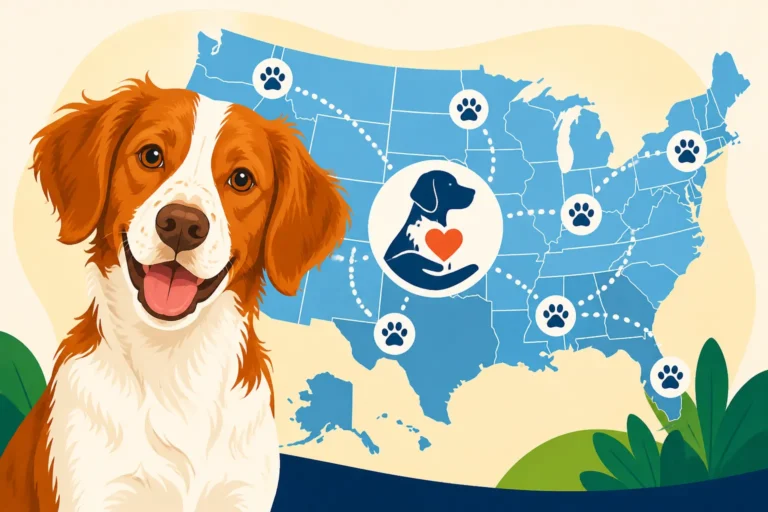
The Brittany Rescue Network provides national reach through volunteers and foster homes, but local service levels vary by region.

The American Brittany Club health program supports breed screening and records, but does not guarantee puppy health.

Brittany breeder availability depends on regional distribution, occasional litters, and specific puppy preferences.

American Kennel Club Brittany registrations typically reach several thousand dogs a year, though these figures exclude unregistered puppies.

Brittany crosses and their unpredictable traits, explained through common parent breeds and observed behaviors.