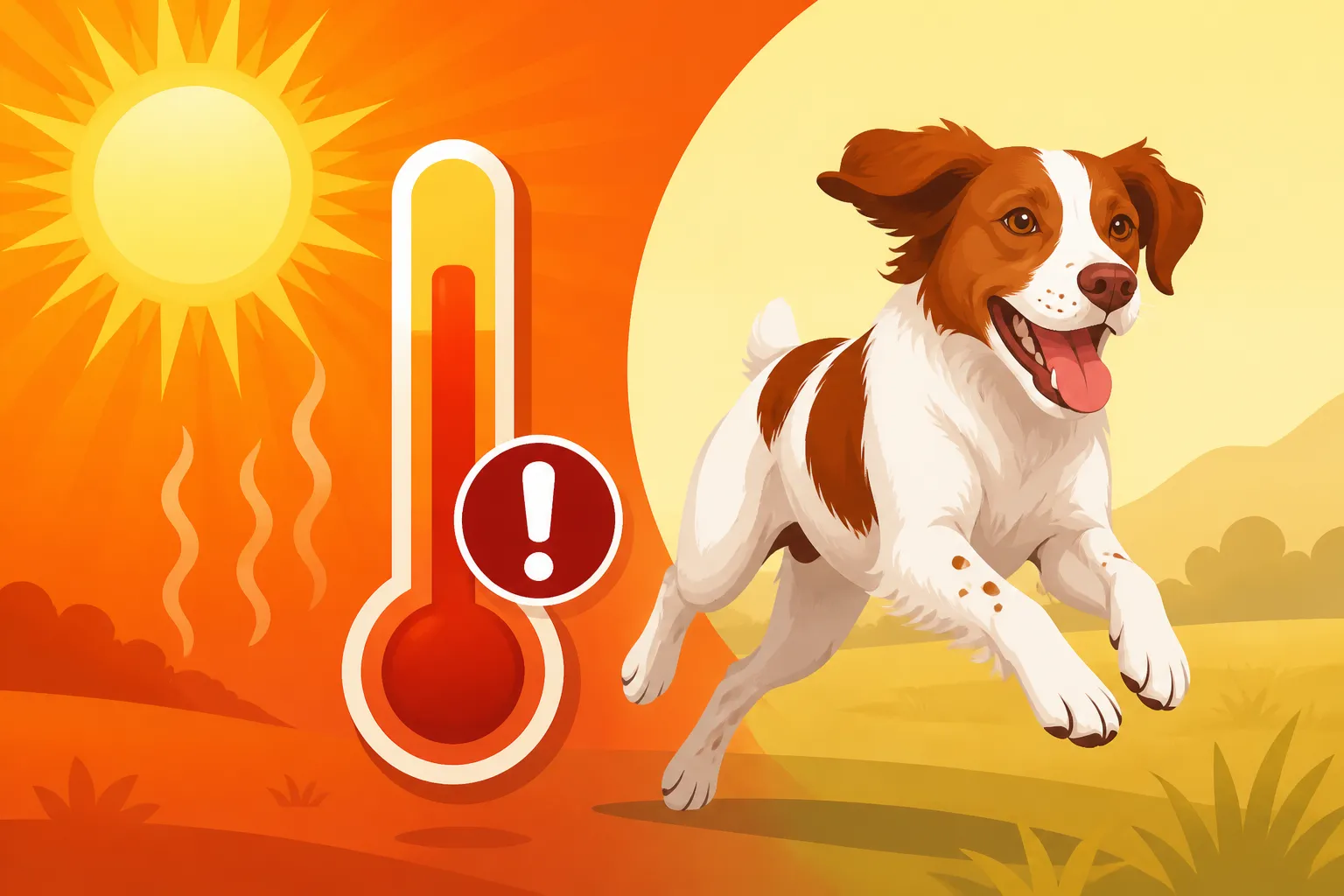
What Temperature Is Too Warm to Run a Brittany
It's a familiar scenario for any Brittany owner: the hunting season is calling, the birds are out, and your energetic companion is practically vibrating with anticipation. But what if the air itself feels heavy, thick with humidity, and the sun is beating down with an intensity that makes you sweat just standing still? Deciding when it's genuinely too warm to run your Brittany can be a life-or-death decision, and this guide will walk you through understanding the risks, recognizing the signs, and implementing strategies to keep your beloved hunting partner safe and sound, even when the mercury climbs.
The Real Dangers of Overheating in Brittanys
When we talk about "too warm," we're not just talking about your dog being a little uncomfortable. We're talking about a serious, rapid decline in their health that can lead to permanent damage or even be fatal. Brittanys are tough, driven dogs, and their incredible desire to hunt can sometimes override their natural instincts to slow down, making them particularly vulnerable to heat-related illnesses.
Why Brittanys Are Prone to Overheating
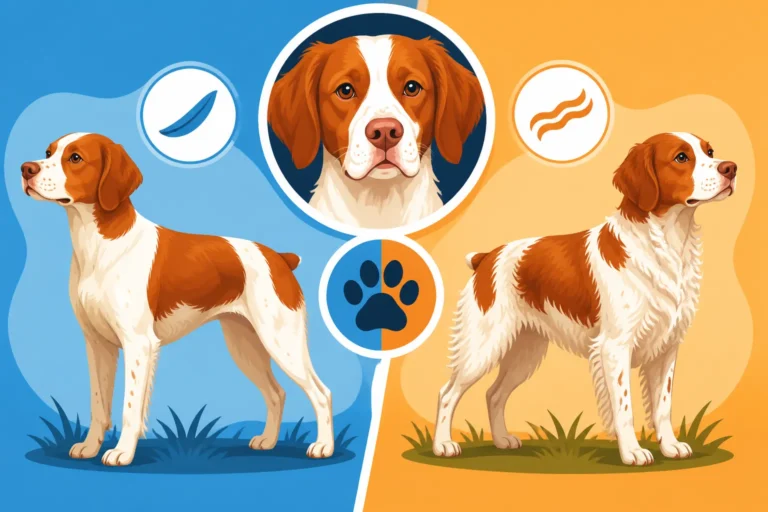
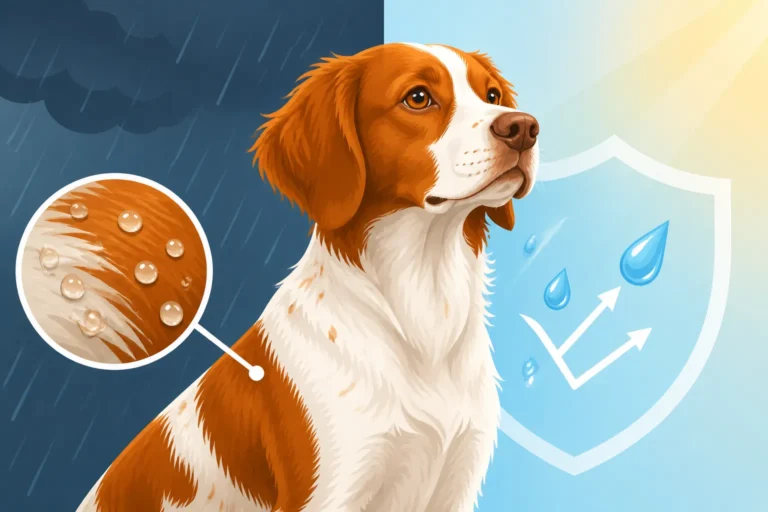
Brittanys, like many active sporting breeds, generate a significant amount of body heat when they're running and working hard. Unlike humans who sweat across most of their skin, dogs primarily cool themselves through panting and through sweat glands in their paw pads. This mechanism is far less efficient, especially when the ambient temperature is high, or worse, when humidity is also elevated. Imagine trying to cool yourself down by exhaling hot air into an already hot, humid environment – it just doesn't work well. Their dense coats, while great for protection in brush, can also trap heat against their bodies. Plus, their boundless energy and prey drive mean they often push themselves past sensible limits, especially when they're on a hot scent. They are simply not built for sustained high-intensity work in hot conditions, and expecting them to perform as they would on a crisp autumn morning is a recipe for disaster.
Recognizing the Early Signs of Heat Stress
It’s absolutely crucial to catch heat stress early, before it escalates into something far more dangerous. Your Brittany might not just collapse dramatically; the signs can be subtle at first, especially if they're focused on a bird. Pay close attention to changes in their behavior and physical state. Excessive panting, for instance, is normal after a good run, but if it becomes rapid, shallow, and persistent even after a short rest, it’s a red flag. Their gums might appear a darker red than usual, or even pale in more severe cases. Keep an eye out for a glazed or anxious look in their eyes. They might start slowing down, appearing lethargic, or even stumbling slightly, which is very uncharacteristic for such an agile breed. Some dogs will seek shade more frequently or refuse to take water, which is another concerning sign. Don't dismiss these minor changes; they are your dog's way of telling you they're in trouble. Regularly checking their behavior and physical responses to the conditions is part of What to Check on a Brittany After Every Outing.
The Scary Progression to Heatstroke
If early heat stress signs are missed or ignored, a Brittany can quickly progress to heatstroke, a medical emergency. At this stage, their body temperature has risen to dangerously high levels, often exceeding 105 degrees Fahrenheit. The symptoms become much more severe and alarming. You might see heavy, uncontrolled drooling, vomiting, or diarrhea. Their gums could turn bright red, purple, or even bluish as their circulation struggles. Muscle tremors, uncoordinated movements, or even seizures can occur. In the worst cases, they may collapse, become unresponsive, or fall into a coma. The brain and internal organs can suffer irreversible damage, leading to kidney failure, liver damage, or heart problems. This is why vigilance is paramount; waiting until your Brittany shows severe heatstroke symptoms means you're already in a desperate race against time to save their life and prevent lasting harm. You also need to know Signs a Brittany Is Overheating in the Field to prevent disaster.
Understanding Safe Temperature Zones for Running
Figuring out what constitutes "too warm" isn't as simple as just looking at the thermometer. Several environmental factors play a significant role, and what might be acceptable on one day could be deadly on another.
Ambient Temperature vs. "Feels Like" Temperature
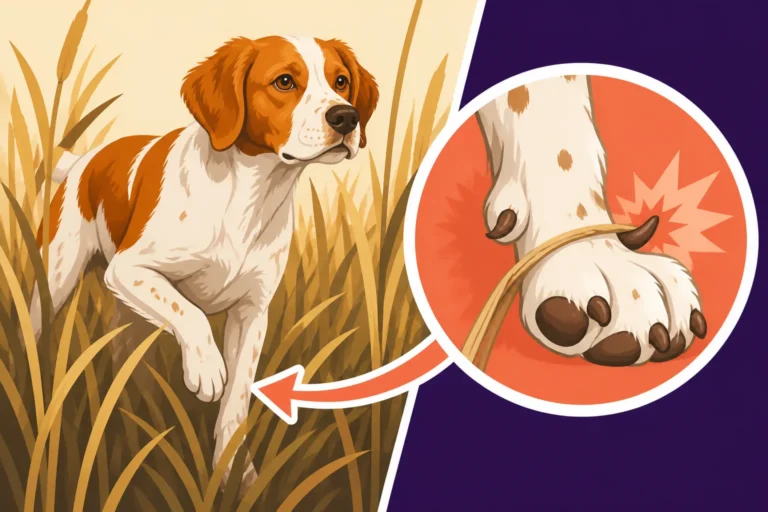
The number on your car's dashboard or weather app is just the ambient air temperature. While important, it doesn't tell the whole story. The "feels like" temperature, which often accounts for humidity, is a much better indicator of how your Brittany will actually experience the heat. High humidity prevents dogs from efficiently cooling themselves through evaporation from their respiratory tract. On a 75-degree day with 90% humidity, your dog will struggle far more than on an 85-degree day with 20% humidity. The trapped moisture in the air means their panting is less effective, making it harder for their bodies to dissipate heat. Always check both the temperature and the humidity before heading out. Consider the surface temperature, too; asphalt and rocky terrain can absorb and radiate heat at much higher temperatures than the air, potentially burning paw pads and adding to the overall heat load on your dog. This is why How to Keep a Brittany Warm and Cool in the Field requires consideration of multiple factors.
Factors Beyond Temperature That Impact Safety
Beyond temperature and humidity, several other factors can significantly impact your Brittany's ability to cope with heat.
- Sun Exposure: Direct sunlight dramatically increases heat absorption. Open fields with no shade are far more dangerous than areas with ample tree cover. The intensity of the sun is highest between 10 AM and 4 PM.
- Airflow/Wind: A gentle breeze can help with evaporative cooling, but stagnant air makes it much harder for heat to escape your dog's body.
- Activity Level and Duration: A short, low-intensity walk might be fine in conditions where an hour-long, high-intensity hunt would be catastrophic. The longer and harder your Brittany works, the more heat their body generates and the more critical it is to manage their cooling.
- Dog's Fitness and Acclimatization: A dog that is accustomed to working in warmer temperatures and is in peak physical condition will handle the heat better than an unfit or unacclimatized dog. However, even the fittest dog has limits. Puppies and senior dogs are also more vulnerable. A topic like Caring for an Old Brittany highlights the increased vulnerability of older dogs to environmental stresses.
- Hydration Status: A well-hydrated dog has a better chance of regulating its body temperature. Dehydration severely compromises their cooling mechanisms.
Calculating the Heat Index for Your Dog
While there isn't a universally recognized "canine heat index" formula, you can create your own mental calculation to assess risk. A common rule of thumb many experienced handlers use is the "Temperature + Humidity" rule. Add the air temperature (in Fahrenheit) to the relative humidity percentage.
- Under 120: Generally safe for exercise, but always monitor.
- 120-140: Proceed with extreme caution. Shorten exercise, seek shade, provide constant water, and monitor very closely.
- Over 140: High risk. It's generally too dangerous for strenuous exercise. Consider postponing your hunt or significantly altering your plans.
Let's look at some examples:
| Air Temperature (°F) | Relative Humidity (%) | Heat Index Score | Risk Level | Recommended Action |
|---|---|---|---|---|
| 70 | 30 | 100 | Low | Generally safe, regular monitoring. |
| 75 | 50 | 125 | Moderate | Exercise with caution, frequent breaks, shade, ample water. |
| 80 | 60 | 140 | High | Strenuous activity not recommended. Very short outings, early morning/late evening only. |
| 85 | 70 | 155 | Very High | Avoid exercise. Stay indoors in air conditioning. |
This table is a general guide. Your Brittany's individual health, age, fitness, and coat type also factor in. Always err on the side of caution. If there's any doubt, it's always better to stay home or opt for a less strenuous activity during the coolest part of the day.
Practical Strategies for Managing Heat Risk
Knowing the risks is one thing; actively managing them in the field is another. With proper planning and adjustments, you can still enjoy time outdoors with your Brittany without putting them in harm's way.
Adjusting Your Hunting Schedule and Location
The most straightforward way to mitigate heat risk is to choose your timing and terrain wisely. During warmer months, plan your hunts for the early morning hours, right as the sun is coming up, or in the late evening as it begins to set. These times offer significantly cooler temperatures and often lower humidity. Avoid midday hunting entirely when the sun is at its peak and surface temperatures are highest. Consider the type of cover you'll be working. Thick, open fields under a relentless sun can quickly become ovens. Opt for areas with dense tree cover that provide natural shade and often cooler microclimates. Hunting near water sources, like streams or marshes, can also provide opportunities for your dog to cool off, but be mindful of water quality and potential hazards like Giardia. Remember, a common mistake is overdoing it on an early season hunt, where the dog isn't yet fully conditioned for the heat, leading to problems like Whether a Brittany Overheats on an Early Season Hunt.
Hydration is Non-Negotiable
Water is your Brittany's best friend in warm weather. You must provide access to fresh, cool water constantly. Bring more water than you think you'll need – for both you and your dog! A collapsible water bowl is an essential piece of gear, and don't rely solely on natural water sources in the field unless you are certain of their safety and cleanliness. Offer water frequently, even if your dog doesn't seem to be asking for it. Some handlers even mix a little electrolyte solution into their dog's water for longer, hotter days, but always introduce new supplements slowly to avoid stomach upset. For longer hauls, a hydration pack for yourself that dispenses water for your dog can be incredibly convenient. Companies like Chewy and Amazon offer a fantastic array of portable water bottles and bowls that make field hydration easy. Ensuring your dog drinks enough is crucial, as is knowing How Much a Brittany Should Drink on a Hunt.
Essential Gear for Hot Weather Hunting
Equipping yourself with the right gear can make a world of difference in your Brittany's comfort and safety.
- Cooling Vests/Bandanas: These can be soaked in water and then placed on your dog. They work by evaporative cooling, much like a swamp cooler.
- Protective Boots: While traditionally used for rough terrain, boots can also protect paw pads from scorching hot surfaces, preventing burns that can contribute to overall discomfort and heat load.
- GPS Collar: In dense cover, if your dog gets lost or shows signs of distress, a GPS collar can help you locate them quickly, which is paramount when time is of the essence. Many reputable brands offer durable, reliable options.
- First Aid Kit: Always carry a well-stocked first aid kit specifically for your dog. This should include items for cleaning and bandaging minor cuts, as well as an instant cold pack for emergencies. Knowing What a First Aid Kit for a Brittany Should Hold is critical for any outing.
- Plenty of Water: As mentioned, this is not optional. Consider a dog-specific water bottle from brands available on Amazon, or even a water bladder for yourself that allows for easy dispensing for your dog.
- Shade Cloth or Tarp: If you're going to be stationary for a period, a small shade cloth can create an impromptu cool zone for your dog to rest.
- High-Quality Performance Food: During strenuous activity, especially in demanding conditions, your Brittany needs optimal nutrition. Brands like Ollie offer fresh, balanced meals that can support their energy needs, ensuring they are fueled for their work without compromising their health.
What to Do If Your Brittany Overheats
Despite your best efforts, sometimes a Brittany can still become overheated. Knowing exactly what to do in those terrifying moments can significantly impact the outcome.
Immediate First Aid Steps
If you suspect your Brittany is overheating, every second counts.
- Stop Activity Immediately: Get your dog out of the sun and into the coolest, shadiest spot you can find.
- Provide Water: Offer small amounts of water, but don't force it down them if they're struggling to swallow.
- Initiate Cooling: This is the most critical step.
- Start by pouring cool (not ice cold) water over their head, neck, armpits, and groin area. These are areas where major blood vessels are close to the surface, allowing for rapid cooling.
- Use wet towels or bandanas. Keep them wet and re-wet them frequently.
- If available, use a fan to increase evaporative cooling.
- Do not use ice water or immerse them in ice baths. This can cause the blood vessels to constrict, trapping heat inside their core, and can also lead to dangerous shock.
- Check their temperature rectally if you have a thermometer. Aim to bring their temperature down to around 102-103°F. Once it reaches this point, stop active cooling to prevent hypothermia.
- Seek Veterinary Attention: Even if your dog seems to recover quickly, a vet visit is essential. Overheating can have delayed effects on internal organs that aren't immediately apparent.
When to Rush to the Vet
You should contact your veterinarian immediately and get your Brittany to an emergency clinic as quickly as possible if:
- They show any signs of severe heatstroke, such as collapse, seizures, unresponsiveness, or heavy vomiting/diarrhea.
- Their body temperature doesn't come down after 10-15 minutes of active cooling.
- They seem to recover but then become lethargic, weak, or show any lingering signs of distress.
- You notice any neurological symptoms, like disorientation or wobbly gait, even after initial cooling.
A quick response from you and professional veterinary care are the best combination for a positive outcome. Make sure you know the location and phone number of the nearest emergency vet clinic, especially if you're hunting in an unfamiliar area. Knowing The Injuries a Brittany Picks Up in the Field also includes understanding when to seek immediate professional help.
Preventing Future Incidents
Learning from an overheating scare is vital. Review your previous outing: what factors contributed to the situation? Was it the time of day, the intensity of the work, lack of water, or perhaps the dog's conditioning?
- Acclimatization: Gradually expose your Brittany to warmer temperatures and increased activity levels over several weeks before a demanding season starts. Don't expect them to go from couch potato to field dog overnight. Understanding How Much a Brittany Should Drink on a Hunt and How to Condition a Brittany Before Opening Day are part of this prevention.
- Monitor Weather Closely: Always check forecasts for temperature, humidity, and heat index before planning any outdoor activity.
- Frequent Breaks: Build in regular, forced rest breaks in the shade, even if your dog seems eager to keep going.
- Hydration Stations: Set up multiple water points or carry extra water bottles strategically.
- Never Leave in a Car: This is non-negotiable. Even on a mild day, a car's interior can reach deadly temperatures in minutes.
- Know Your Dog: Every Brittany is an individual. Some might be more tolerant of heat than others. Pay attention to your dog's cues and adjust accordingly.
Ultimately, your Brittany relies on you to make smart decisions for their safety. Their drive to hunt is immense, but their ability to regulate their body temperature in extreme conditions is limited. Prioritize their well-being above all else, and you'll ensure many more safe and enjoyable seasons together.
Disclaimer
This article is for general informational purposes only and does not constitute professional advice. Laws, prices and regulations vary by location and change over time. Consult a qualified professional for guidance on your specific situation.