How Much Water a Brittany Needs on a Hunt
It’s a heart-stopping moment for any Brittany owner out in the field: your dog is working hard, nose to the ground, but the sun is beating down, and you suddenly wonder if they’ve had enough to drink. The truth is, managing your Brittany’s hydration during a hunt isn't just about tossing them a bowl of water when they look thirsty; it's a critical, proactive effort to ensure their health, performance, and safety. This guide will walk you through understanding exactly how much water your tireless hunting companion needs, why it's so vital, and practical ways to keep them well-hydrated from sunup to sundown.
The Critical Role of Hydration for Your Hunting Brittany
When you see your Brittany relentlessly quartering a field, that burst of energy and keen focus comes at a cost, especially in terms of fluid loss. Hydration isn't just about preventing thirst; it's the bedrock of their entire physiological function during strenuous activity.
Why Water Is Non-Negotiable for Working Dogs
Imagine running a marathon without a single sip of water – impossible, right? For our Brittanys, a day in the field is often equivalent to multiple human marathons, especially when they're truly "on." Their bodies are constantly working to maintain core temperature, transport nutrients, and remove waste products. Water is the primary coolant for their internal engine. Unlike us, who sweat all over, dogs primarily cool themselves through panting. This process, while incredibly effective, expends a tremendous amount of moisture.
Without adequate water, your dog's blood volume decreases, making their heart work harder to pump thicker blood. Their body struggles to dissipate heat, leading rapidly to overheating, and their muscles can't function efficiently. What might start as mild dehydration can quickly escalate into a dangerous, life-threatening situation. When a Brittany gets hot and dehydrated, their ability to scent, point, and retrieve diminishes significantly, and their very life can be at risk. This is why hydration isn't a suggestion; it’s an absolute necessity. You'll want to be on the lookout for Signs a Brittany Is Overheating in the Field to prevent a serious situation.
Recognizing the Early Signs of Dehydration
The tricky thing about dehydration is that by the time you see obvious signs, your Brittany is likely already in a moderately dehydrated state, which is far from ideal in the field. Brittanys are tough, driven dogs, and they often try to push through discomfort. This means you have to be vigilant and know the subtle cues.
Early signs might include gums that feel tacky or sticky to the touch rather than moist and slippery. You can also gently pinch a fold of skin on their neck or back; if it's slow to snap back into place, taking more than a couple of seconds, it’s a sign of reduced skin elasticity due to fluid loss. Their eyes might appear a little dull or slightly sunken. You might also notice a decrease in their energy or enthusiasm, a subtle change in their gait, or a reduced interest in their surroundings. Don't wait for them to collapse or refuse to move. Proactive hydration means observing these subtle shifts and addressing them immediately, rather than waiting for a full-blown emergency.
Factors Influencing Your Brittany's Water Needs in the Field
There's no single "magic number" for how much water your Brittany needs because their requirements are dynamic, changing based on a variety of internal and external factors. Understanding these variables is key to tailoring your hydration strategy.
Environmental Conditions: Heat, Humidity, and Wind
The weather plays a huge role in how quickly your Brittany loses fluids. On a hot, sunny day, especially with high humidity, their body has to work overtime to stay cool. Panting becomes less efficient at dissipating heat when the air is already saturated with moisture. This means they'll be working harder to cool down, leading to increased water loss. A brisk wind can also accelerate evaporative cooling, which sounds good in theory, but it can also dry out their mucous membranes faster, increasing overall fluid expenditure.
Conversely, a cooler, crisp day might seem less demanding, but a high-intensity hunt can still lead to significant water loss. Always err on the side of caution. If it's warm enough that you're sweating, your Brittany is likely losing even more fluid, panting away. Knowing What Temperature Is Too Warm to Run a Brittany is crucial, but even below that threshold, water is paramount.
Intensity and Duration of the Hunt
This is perhaps the most obvious factor. A casual stroll through a local park won't demand the same hydration as an all-day pheasant hunt across varied terrain. Brittanys are high-energy dogs, bred to cover ground and work birds. A Brittany that is quartering a field, making multiple points, and retrieving fallen game is burning through calories and fluids at an incredible rate.
Consider the difference between a two-hour morning hunt and a six-hour expedition that spans the heat of midday. The longer and more intense the activity, the more frequently and thoroughly your dog will need to rehydrate. Don't assume that because they had a big drink before the hunt, they're set for hours. Their working metabolism requires constant replenishment, particularly on those long days where they might be out for How Long a Brittany Can Hunt in a Day.
Your Brittany's Individual Metabolism and Health
Just like people, every dog is an individual. Some Brittanys naturally have a higher metabolism, leading them to pant more and therefore lose more water. Age also plays a significant role. Younger, exuberant dogs might be less mindful of their thirst, while older Brittanys might have underlying health conditions that affect their kidney function or overall hydration. A senior Brittany, for instance, may need more frequent, smaller amounts of water to stay adequately hydrated. Caring for an Old Brittany involves paying extra attention to their needs.
Their overall fitness level is also a factor. A well-conditioned Brittany that’s been gradually brought into shape through a program like How Many Weeks a Brittany Needs to Get Fit might handle a day in the field slightly better than a dog that's not as fit, but this doesn't reduce their fundamental water requirement. Always observe your dog's specific needs, not just general guidelines.
Practical Strategies for Hydrating Your Brittany During a Hunt
Now that we understand the "why," let's dive into the "how." Keeping your Brittany well-hydrated in the field requires proactive planning and consistent effort.
Planning for Water Stops and Carrying Sufficient Supply
This is where preparation pays off. Before you even head out, scout your hunting area for known, safe water sources. Are there clean streams or ponds? Or is it primarily dry terrain? If natural sources are unreliable or questionable, you must carry enough water for yourself and your dog. A good rule of thumb is to carry at least twice as much water as you think you’ll need for your dog, especially on warmer days or longer hunts.
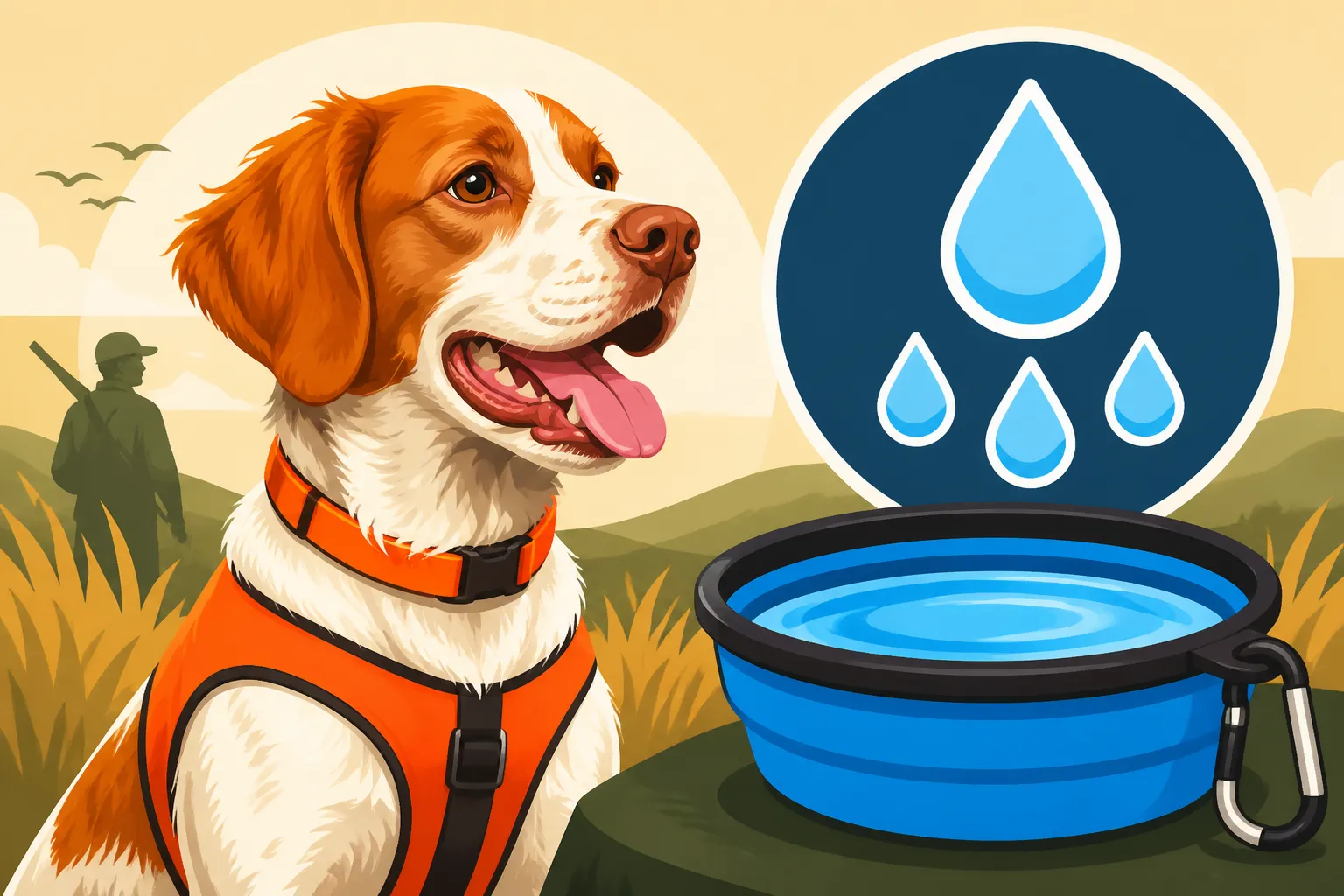
There are many fantastic portable water solutions available. Collapsible silicone bowls are lightweight and packable, perfect for quick water breaks. You can find excellent options on sites like Chewy or Amazon. Some dog owners also use hydration packs designed for canines, allowing the dog to carry some of its own water, though this needs to be introduced slowly to ensure comfort. Don't forget to consider how to keep the water from freezing in cold weather or staying cool in hot weather. A thermos for warm water or an insulated bottle for cold water can make a huge difference. Investing in a proper What a Brittany's Field Water Setup Costs is a non-negotiable part of your hunting gear budget.
Encouraging Your Brittany to Drink Regularly
Brittanys, with their intense prey drive, can sometimes be so focused on the hunt that they ignore their own thirst cues. It's up to you to intervene. Don't wait for your dog to pant excessively or slow down. Offer water proactively every 15-30 minutes during intense activity, or at every break you take.
Make it an enforced stop: call your dog in, leash them, and present the water. Don't just set it down and hope they drink. Encourage them gently. If your dog is reluctant to drink plain water, a trick many seasoned hunters use is to add a tiny splash of low-sodium chicken broth or a bit of unflavored Pedialyte to the water. This can make it more appealing. Just be careful not to overdo it, as too much flavor can sometimes cause digestive upset. After a really hard run, getting cool water into them is part of How to Cool a Brittany Down After a Run effectively.
Considering Electrolytes and Hydration Supplements
For especially long, strenuous hunts, or in particularly hot and humid conditions, plain water might not be enough to replenish everything your Brittany loses. When dogs pant and sweat (though not like us), they don't just lose water; they also lose vital electrolytes like sodium, potassium, and chloride. These minerals are crucial for nerve function, muscle contraction, and maintaining fluid balance.
Electrolyte supplements, often available as powders that mix into water, can be beneficial. They help the body absorb water more efficiently and replace lost salts, aiding in faster recovery and preventing fatigue. However, they should be used judiciously and according to product instructions, as too many electrolytes can also be harmful. Consult your vet before adding any new supplement to your dog's regimen. Some high-quality performance dog foods, such as those from companies like Ollie, are formulated to support active dogs, and some even have added electrolytes or nutrients that aid hydration and recovery. Look for products specifically designed for working or athletic dogs, as they are often balanced to address these needs.
Common Hydration Mistakes and How to Avoid Them
Even experienced hunters can make mistakes when it comes to canine hydration. Being aware of these common pitfalls can help you keep your Brittany safe and performing at their best.
Relying Solely on Natural Water Sources
It's tempting to think that a fresh-looking stream or a clear pond will suffice for your dog's water needs. While some natural sources can be fine, relying solely on them is a significant risk. Natural water sources, especially stagnant ponds, puddles, or slow-moving streams, can harbor a host of nasty parasites and bacteria. Giardia, leptospirosis, and other waterborne illnesses are a real concern and can quickly derail your dog's health, leading to severe gastrointestinal issues or worse.
Imagine your Brittany contracting Whether a Brittany Gets Giardia From Field Water or needing a Whether a Brittany Needs a Leptospirosis Shot because of contaminated water. It's a costly and distressing situation. Always carry your own clean water, or at the very least, use a portable filter designed for canine use if you absolutely must draw from a natural source. Your dog’s health is worth the extra effort of bringing bottled water.
Underestimating Water Needs
One of the biggest mistakes owners make is assuming their Brittany will "tell them" when they're thirsty. As mentioned, Brittanys are incredibly driven and stoic. Their instincts tell them to push through and keep working, even when their body is screaming for a break and a drink. By the time they stop, refuse to work, or actively seek water, they are likely already significantly dehydrated and well into a deficit.
The responsibility for hydration falls squarely on the owner. You need to be the one dictating water breaks, observing conditions, and ensuring regular intake. This means carrying more water than you think you need, offering it frequently, and sometimes even gently coaxing your dog to drink. Think of it less as a break and more as a crucial performance enhancer, as important as their hunting vest or e-collar.
Post-Hunt Hydration and Recovery
The hunt isn't over when you're back at the truck. Your Brittany's body has just endured a significant physiological event, and recovery starts the moment they stop working. Just as you might grab a sports drink after a long run, your dog needs continued hydration and nourishment to recover fully.
Provide fresh, clean water in the truck and at home. Don't let them gulp down massive amounts all at once, as this can sometimes lead to bloat, but ensure constant access. Many owners offer a small, easily digestible meal along with water shortly after a hunt, perhaps an hour or so after the most intense activity has ceased. This helps to restore glycogen stores and aid in muscle repair. Consider Whether a Brittany Should Be Fed After a Hunt Instead to align with their post-exertion needs. Their body will continue to process fluids and nutrients for hours after the activity, so ongoing hydration is critical for preventing stiffness, promoting recovery, and getting them ready for the next outing.
Here’s a general guide to estimated water needs, but always remember to adjust based on your specific dog and conditions:
| Activity Level & Conditions | Estimated Water Needed Per Hour (approx.) | Notes for Brittany Owners |
|---|---|---|
| Light Activity, Cool Day | 0.5 – 1 cup | Gentle walk, scouting, minimal bird contact. Still requires regular checks. |
| Moderate Activity, Mild Day | 1 – 2 cups | Steady quartering, some points, occasional retrieves. Offer water every 20-30 min. |
| High Activity, Mild Day | 2 – 3 cups | Continuous running, many points/flushes, heavy retrieving. Crucial to offer water every 15-20 min. |
| High Activity, Warm/Humid Day | 3 – 4+ cups | Intense hunting in challenging conditions. Shorten hunt duration. Offer water every 10-15 min. Consider electrolytes. |
Remember, these are rough estimates. A Brittany often drinks How Much Water a Brittany Drinks a Day in normal circumstances, but hunting significantly increases this. Always observe your individual dog and adjust accordingly.
Disclaimer
This article is for general informational purposes only and does not constitute professional advice. Laws, prices and regulations vary by location and change over time. Consult a qualified professional for guidance on your specific situation.