What Protein Level Suits a Working Brittany
Figuring out the right diet for your hard-working Brittany can feel like navigating a maze of conflicting advice and endless dog food options. You want to make sure your energetic companion has all the fuel and building blocks they need to perform in the field and bounce back quickly, but how do you really know if their protein intake is hitting the mark? This guide will cut through the noise, explaining exactly why protein is so vital for a working Brittany and what specific levels to look for to keep them in peak condition.
Understanding Your Working Brittany's Energy Demands
A Brittany isn't just a pet; it's a finely tuned athlete, and its body operates on a different level compared to a dog whose main activity is lounging on the couch. Their genetics and breeding history predispose them to high activity, keen senses, and a relentless drive in the field. This athletic lifestyle means their nutritional requirements are significantly different, especially when it comes to macronutrients like protein.
The Metabolism of a Field Dog
Think about the sheer amount of energy your Brittany expends during a day of hunting. They're covering miles, often at a brisk pace, navigating challenging terrain, scenting birds, going on point, and retrieving. This isn't just a casual walk; it's a high-intensity, stop-and-go workout that taps into various energy systems. Their metabolism is constantly working to fuel these bursts of activity and sustain their endurance over hours. Unlike a sedentary dog that primarily burns fat for low-level activity, a working Brittany rapidly depletes glycogen stores and constantly needs to repair and build muscle tissue.
This heightened metabolic rate means they require a steady supply of nutrients to prevent muscle breakdown and ensure efficient energy production. If they're not getting enough, especially protein, their performance will suffer, and their recovery time will increase. You might notice them tiring more quickly, losing enthusiasm in the field, or even struggling to maintain their weight despite seemingly adequate food portions. It's a clear sign that their internal machinery isn't getting the right fuel.
How Energy is Expended During a Hunt
A typical hunting day for a Brittany isn't a marathon; it's a series of sprints, sudden stops, intense scenting, and explosive pushes through cover. They're constantly transitioning between aerobic and anaerobic states. For example, a dog ranging wide and quartering through open fields is primarily using aerobic pathways, sustained by fat and carbohydrate stores. But when they lock up on point, then burst forward to follow a flushed bird, or plunge into heavy cover to retrieve, that's anaerobic effort – a quick, powerful expenditure of energy that demands rapid glucose availability and leads to micro-tears in muscle fibers.
These repeated cycles of intense activity and recovery put immense stress on their muscles and joints. Protein isn't just about big muscles; it's fundamental for enzyme production, hormone regulation, and even immune function, all of which are critical for an animal under physical stress. Without sufficient, high-quality protein, their ability to perform optimally, recover effectively, and maintain a robust immune system can be severely compromised. You'll want to think about their diet not just in terms of calories, but in terms of the specific macronutrients that support this kind of demanding physical output. Many owners quickly realize that standard "adult maintenance" formulas simply don't cut it once the season starts.
The Role of Protein in a Brittany's Diet
Protein is far more than just "meat" in your dog's bowl. It's an indispensable macronutrient, the fundamental building block for nearly every cell and function in your Brittany's body. For a working dog, its importance is amplified due to the constant physical demands placed on their system. Understanding its multifaceted role helps us appreciate why selecting the right protein level is non-negotiable for their health and performance.
Building and Repairing Muscle Tissue
Every time your Brittany bounds through a field, points a bird, or executes a powerful retrieve, their muscles are working hard. This intense activity, especially over hours, inevitably leads to microscopic damage or "micro-tears" in muscle fibers. Protein provides the essential amino acids necessary to repair these damaged tissues and build new, stronger ones. Without adequate protein, your dog's body simply can't mend itself efficiently, leading to prolonged soreness, reduced strength, and an increased risk of injury.
Imagine your Brittany coming back from a long day in the field, tired but happy. Their body immediately begins the recovery process. Amino acids from the protein they've consumed are rushed to the muscles to start rebuilding. If their diet is lacking in quality or quantity of protein, this repair work is slow and incomplete. This isn't just about aesthetics; strong, healthy muscles are crucial for agility, power, and preventing fatigue, allowing your Brittany to keep up their exceptional performance day after day.
Sustaining Energy and Preventing Muscle Loss
While carbohydrates and fats are primary energy sources, protein also plays a critical role in sustained energy, particularly during prolonged activity when other fuel sources might be depleted. When your Brittany is working hard for hours, and their glycogen stores (carbohydrates) start to run low, their body can convert amino acids from protein into glucose through a process called gluconeogenesis. This is vital for maintaining blood sugar levels and preventing a complete energy crash.
More importantly, sufficient protein intake helps prevent muscle catabolism, which is the breakdown of existing muscle tissue for energy. If your dog isn't getting enough dietary protein, their body will start to "eat" its own muscle to get the amino acids it needs. This results in muscle loss, decreased strength, and an overall decline in physical condition, something no owner of a working Brittany wants to see. Whether a Brittany Loses Weight Over a Season is often directly linked to insufficient protein and calorie intake to match their expenditure. Providing a consistent supply of quality protein ensures they maintain their lean muscle mass, even during demanding periods.
Essential Amino Acids: The Building Blocks
Not all proteins are created equal. The true value of a protein source lies in its amino acid profile, specifically the presence and balance of essential amino acids. These are amino acids that your Brittany's body cannot synthesize on its own and must obtain from their diet. Think of them as the specific LEGO bricks required to build various structures. If you don't have enough of the right bricks, you can't complete the model, no matter how many other bricks you have.
High-quality animal proteins like chicken, beef, lamb, fish, and eggs are considered "complete proteins" because they provide all the essential amino acids in the right proportions for dogs. Plant-based proteins, while beneficial, often lack one or more essential amino acids when fed alone. For a working Brittany, ensuring they receive a diet rich in complete, highly digestible proteins is paramount. This guarantees their body has all the necessary building blocks for muscle repair, growth, immune function, and overall health. When you're looking at food labels, focus on named animal protein sources as the first few ingredients.
Recommended Protein Levels for Working Brittanys
When you're feeding a working Brittany, you're not just throwing kibble in a bowl; you're fueling an athlete. The standard recommendations for an average house pet often fall short of what a dog burning through hundreds, if not thousands, of calories in a day truly needs. Let's dig into what those protein levels should look like.
General Guidelines vs. Working Dog Needs
For an average adult dog with a moderate activity level, most reputable dog food brands recommend a minimum crude protein content of around 18-25% on a dry matter basis. This range is usually sufficient for maintaining basic body functions and moderate muscle mass. However, your working Brittany is far from average. They're engaging in high-intensity, prolonged activity that demands much more from their body.
For a true working Brittany, especially during hunting season or intensive training, you should be looking for a dog food with a significantly higher protein percentage. Many experts and performance dog food manufacturers suggest a range of 28-35% crude protein, and sometimes even higher for extremely active dogs or during peak season. This elevated protein level helps to meet the increased demands for muscle repair, recovery, and preventing muscle catabolism. Without it, you might find your dog lagging, struggling to recover, or losing condition. This is why specialized "performance" or "sporting dog" formulas exist, specifically designed for these demanding needs.
Factors Influencing Protein Needs
It's not a one-size-fits-all number when it comes to protein. Several factors can influence your Brittany's specific requirements:
- Activity Level and Intensity: This is the biggest driver. A Brittany that's hunting three days a week during peak season will need more protein than one that's enjoying off-season hikes. The type of terrain (dense cover versus open fields) and weather conditions also play a role.
- Age: Younger, growing Brittanys and senior working dogs may have different needs. Puppies need higher protein for development, while older working dogs might benefit from higher protein to combat age-related muscle loss, though their overall calorie needs might decrease. What an Aging Brittany Needs Fewer Calories is a good read on this.
- Individual Metabolism: Just like people, some dogs have faster metabolisms than others. You might have two Brittanys working side-by-side, and one maintains weight effortlessly while the other struggles. This individual variability means you need to observe your dog closely.
- Climate and Environment: Dogs working in very cold conditions burn more calories to stay warm, increasing overall energy and nutrient demands. Similarly, working in heat can also stress the body, affecting hydration and nutrient utilization.
- Health Status: Any underlying health issues, recovery from injury, or even stress can impact nutrient absorption and requirements. Always consult your vet if your dog has specific health concerns.
Interpreting Dog Food Labels
Understanding dog food labels is crucial for making informed decisions. The protein percentage listed on the bag is typically "guaranteed analysis" on an "as fed" basis, meaning it includes moisture. To get a more accurate comparison, especially when comparing dry kibble to wet food or fresh food, you need to calculate the "dry matter basis" (DMB).
Here's how to calculate Dry Matter Basis:
- Find the guaranteed analysis for protein and moisture on the label.
- Subtract the moisture percentage from 100% to get the dry matter percentage.
- Divide the protein percentage by the dry matter percentage, then multiply by 100 to get the protein DMB.
For example, if a food lists 25% crude protein and 10% moisture:
- Dry matter: 100% – 10% = 90%
- Protein DMB: (25 / 90) * 100 = 27.7%
This calculation helps you truly compare the nutritional value. Additionally, look beyond just the percentage. The source of the protein is equally, if not more, important. The first few ingredients should be named animal proteins (e.g., "chicken meal," "deboned lamb," "salmon"), not vague terms like "meat by-products" or excessive plant-based fillers. For a working Brittany, digestibility and bioavailability are key. You want to make sure the protein they're eating can actually be used by their body efficiently. When researching brands, looking for options on platforms like Chewy or Amazon allows you to compare nutritional labels side-by-side, read reviews, and often see the dry matter analysis provided by other users or the manufacturers themselves.
| Brittany Activity Level | Recommended Crude Protein (Dry Matter Basis) | Example Scenario |
|---|---|---|
| Low (Senior/Inactive) | 18-22% | Retired companion dog, light walks. |
| Moderate (Off-Season) | 25-28% | Regular walks, occasional retrieving practice. |
| High (Pre-Season/Light Hunting) | 28-32% | Daily conditioning runs, weekend training, early season hunting. |
| Very High (Peak Hunting) | 32-35%+ | Multiple days of intense hunting per week, field trials. |
Remember, these are general guidelines. Always observe your dog's condition, energy levels, and stool quality, and adjust as needed. How Much an Adult Brittany Eats will also be a factor here, as higher activity naturally means more food and thus more protein, assuming the food is formulated correctly.
Choosing the Right Food and Monitoring Your Brittany's Health
Selecting the right dog food for your working Brittany isn't a decision to be taken lightly. Their diet is the foundation of their performance, health, and longevity. Beyond just looking at protein percentages, you need to consider the quality of the ingredients and how your individual dog responds to the food.
High-Quality Protein Sources
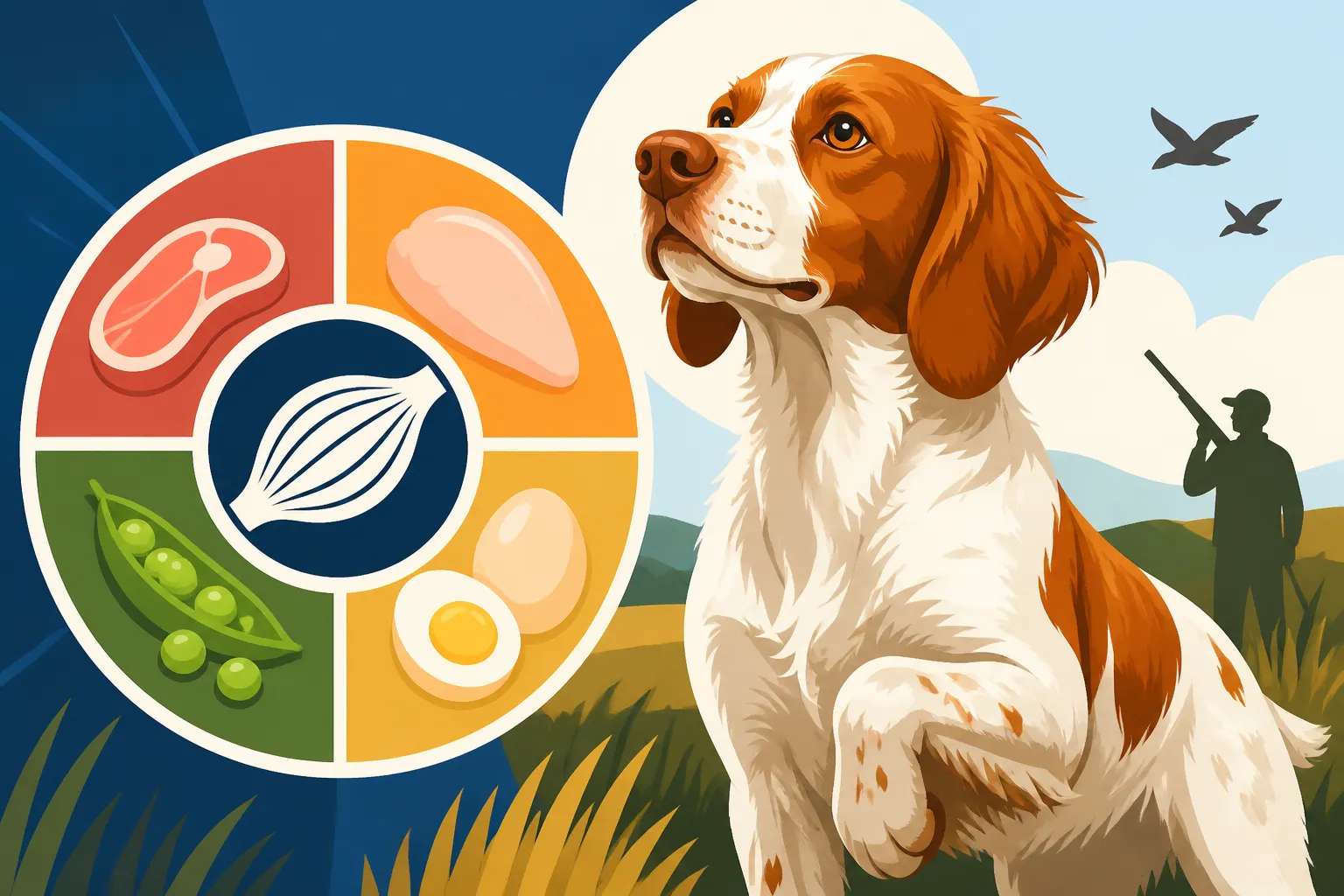
When we talk about high-quality protein, we're primarily referring to animal-based proteins. These sources offer a complete amino acid profile, meaning they contain all the essential amino acids your Brittany needs in the right balance. Look for foods where a named meat source is the first ingredient, and ideally, several meat-based ingredients are within the top few.
Excellent protein sources include:
- Poultry: Chicken, turkey, duck (often in the form of whole meat, meal, or eggs).
- Red Meats: Beef, lamb, venison (again, whole meat or meal).
- Fish: Salmon, tuna, whitefish (great for omega fatty acids too).
- Eggs: A fantastic, complete protein source.
Meat meals (e.g., "chicken meal," "lamb meal") are often superior to whole meats listed first because the moisture has been removed before processing, resulting in a more concentrated protein source. A food might list "chicken" as the first ingredient, but after cooking, much of that water weight is gone, meaning the actual protein contribution from that ingredient might be less than "chicken meal." Brands like Purina Pro Plan Sport or Eukanuba Premium Performance are often popular choices among sporting dog owners due to their high protein and fat content specifically formulated for active dogs. Some owners even supplement with fresh, human-grade food options like those from Ollie, which offers carefully portioned meals with high-quality, recognizable ingredients, making it easier to control specific nutrient intake for their working dog.
Beyond protein, a working Brittany's diet should also be rich in healthy fats (around 18-22% crude fat, dry matter basis) for sustained energy and healthy skin/coat, and contain complex carbohydrates for quick energy bursts and replenishment. Don't forget the importance of proper hydration; How Much Water a Brittany Drinks a Day directly impacts their ability to process these nutrients.
When to Consult a Vet or Canine Nutritionist
Even with all the information in the world, your Brittany is an individual, and sometimes their dietary needs might require professional guidance. There are several situations where a consult with your veterinarian or a board-certified veterinary nutritionist is highly recommended:
- Persistent Weight Issues: If your Brittany is consistently too thin despite adequate feeding, or if they struggle to gain weight during the off-season or lose too much during hunting season, it's time for a professional assessment. How to Put Weight Back on a Brittany often involves dietary changes, but underlying health issues need to be ruled out first. Conversely, if they're overweight, a professional can help formulate a plan to safely reduce calories while maintaining muscle.
- Digestive Upset: Chronic diarrhea, vomiting, or excessive gas after a diet change could indicate an intolerance or allergy, or simply that the food isn't agreeing with their system.
- Performance Decline: If your typically energetic Brittany is consistently lagging in the field, showing signs of premature fatigue, or not recovering well after exercise, their diet could be a factor.
- Specific Health Conditions: Dogs with kidney disease, certain metabolic disorders, or those recovering from significant injury might require highly specialized diets that balance protein and other nutrients carefully. Never guess in these situations; veterinary guidance is essential.
- Aging Working Dogs: As Brittanys age, their metabolism, activity level, and organ function change. What Changes in an Aging Brittany can include reduced caloric needs, but often a continued need for high-quality protein to maintain muscle mass. A vet can help you adjust their diet appropriately.
A professional can help you evaluate your dog's current diet, perform necessary diagnostic tests, and formulate a personalized nutritional plan. They can also provide guidance on appropriate supplements, if any, and help you navigate the vast array of commercial dog foods to find the best fit for your unique working Brittany. Remember, your Brittany's diet is a powerful tool in keeping them healthy, happy, and performing at their best for years to come.
Disclaimer
This article is for general informational purposes only and does not constitute professional advice. Laws, prices and regulations vary by location and change over time. Consult a qualified professional for guidance on your specific situation.