Whether Swimming Conditions a Brittany
Many Brittany owners grapple with finding effective, low-impact ways to keep their energetic dogs in peak physical condition, especially outside of hunting season or when dealing with sensitive joints. It's a common concern that high-impact activities might wear them out prematurely, yet these dogs demand rigorous exercise. This guide will explore whether swimming is a viable and beneficial conditioning method for your Brittany, detailing its advantages, how to introduce it safely, and how to make it a regular part of your dog's fitness routine.
The Undeniable Benefits of Swimming for Brittany Conditioning
When we think of conditioning a Brittany, our minds often jump to long runs in the field, roading, or intense bird work. While these are certainly crucial for a bird dog, they also put considerable impact and strain on joints, especially as a dog ages or if they have underlying orthopedic issues. This is where swimming truly shines as a fantastic alternative or complement to traditional training. It offers a unique set of advantages that can keep your Brittany fit, strong, and mentally engaged without the wear and tear.
Low-Impact, Full-Body Workout
One of the greatest gifts swimming offers is its low-impact nature. Imagine the sheer joy of seeing your Brittany paddle with all its might, expending boundless energy, without the concussive force on their hips, knees, and ankles. For a breed that can be prone to conditions like hip dysplasia, a non-weight-bearing exercise like swimming is invaluable. It allows them to use their full range of motion in their limbs, stretching and strengthening muscles without the grind. It's like a natural physical therapy session every time they hit the water. This can be particularly beneficial for dogs recovering from minor injuries or The Age a Brittany Gets Arthritis, offering a gentle path back to fitness.
This aspect is critical not just for older dogs, but for young, growing puppies too. While you want to encourage natural movement and muscle development, you also need to be mindful of When a Brittany's Growth Plates Close. Over-stressing developing joints can lead to problems down the road. Swimming allows puppies to build muscle and cardiovascular endurance safely, laying a strong foundation for a lifetime of activity. It engages every major muscle group, from their powerful hindquarters propelling them through the water to their front legs steering and supporting, and even their core stabilizing their body.
Beyond the obvious muscle groups, swimming also works the often-neglected smaller stabilizing muscles around the joints, which are crucial for agility and preventing injuries in the field. Think about the way your Brittany navigates uneven terrain, making quick pivots and stops. Strong, well-conditioned stabilizing muscles help protect those joints. Swimming helps build this comprehensive strength, making your Brittany more resilient for their demanding work.
Building Stamina and Muscle Without Stress
Brittanys are athletes, pure and simple. They need incredible stamina to hunt all day, covering miles of varied terrain. Swimming is a phenomenal way to build that cardiovascular endurance. The resistance of the water means they're working harder than they would on land, even at a slower pace, but without overheating as quickly. A ten-minute swim can be as metabolically demanding as a much longer run, but with far less strain. This efficiency is a game-changer when you're trying to How to Keep a Brittany Fit in Summer or during periods where high temperatures make strenuous land exercise risky.
The constant resistance of the water builds lean muscle mass more effectively than many land-based exercises alone. Have you ever noticed how defined a swimmer's muscles are? The same principle applies to dogs. Every stroke works the muscles against the water, leading to strong, resilient muscle fibers. This isn't just about looking good; it's about functional strength that translates directly to better performance in the field, helping your Brittany power through heavy cover, jump obstacles, and retrieve birds with ease.
Moreover, swimming is excellent for recovery. After a strenuous hunting weekend, a gentle swim can help flush lactic acid from tired muscles, promoting faster recovery and reducing stiffness. It's an active recovery method that keeps the blood flowing without adding more stress. Think of it as a moving massage for their hard-working bodies. This makes it an ideal activity to weave into an offseason conditioning program or as part of a post-hunt routine.
Mental Stimulation and Heat Management
Beyond the physical benefits, swimming offers fantastic mental stimulation. For an intelligent breed like the Brittany, engaging their minds is just as important as exercising their bodies. The novelty of the water, the chase of a floating toy, or even just the sensory experience of paddling can be incredibly enriching. It provides a different kind of challenge than scent work or pointing birds, tapping into their natural instincts in a unique way.
During the warmer months, when your Brittany is still bursting with energy but the pavement is scorching and the air is thick, swimming becomes an essential tool for How to Cool a Brittany Down After a Run. Overheating is a serious concern for active dogs, and a dip in cool water can rapidly bring down their core body temperature, preventing dangerous situations. Always ensure your Brittany has access to plenty of fresh water to drink, especially after any exercise, including swimming. How Much a Brittany Should Drink on a Hunt isn't just about avoiding dehydration; it's crucial for their overall health and thermoregulation.
A cool swim isn't just about preventing heatstroke; it's about sustained activity. When it's hot, a Brittany might tire out quickly on land, but in the water, they can often enjoy a longer, more invigorating workout thanks to the cooling effect. This means they get to burn off more energy, stay mentally engaged for longer, and feel great doing it. Just be mindful that even in water, prolonged extreme exertion can lead to issues, so always supervise and watch for signs of fatigue.
Safely Introducing Your Brittany to the Water
While many Brittanys take to water like, well, a dog to water, it's not a given for every individual. Some might be hesitant, others overly enthusiastic to the point of being unsafe. A proper, gradual introduction is key to fostering a love for swimming and ensuring their safety around water throughout their lives. Rushing the process can create fear or dangerous habits.
Starting Small and Building Confidence
The first step is to choose a safe, calm body of water. A shallow, gently sloping lake shore, a kiddie pool in the backyard, or even a bathtub can be ideal starting points. Avoid strong currents, steep drop-offs, or areas with heavy boat traffic initially. The goal is to make the experience positive and stress-free. Start by simply wading in yourself, encouraging your Brittany to join you with praise and high-value treats. Don't force them. Let them explore the shallow edges at their own pace.
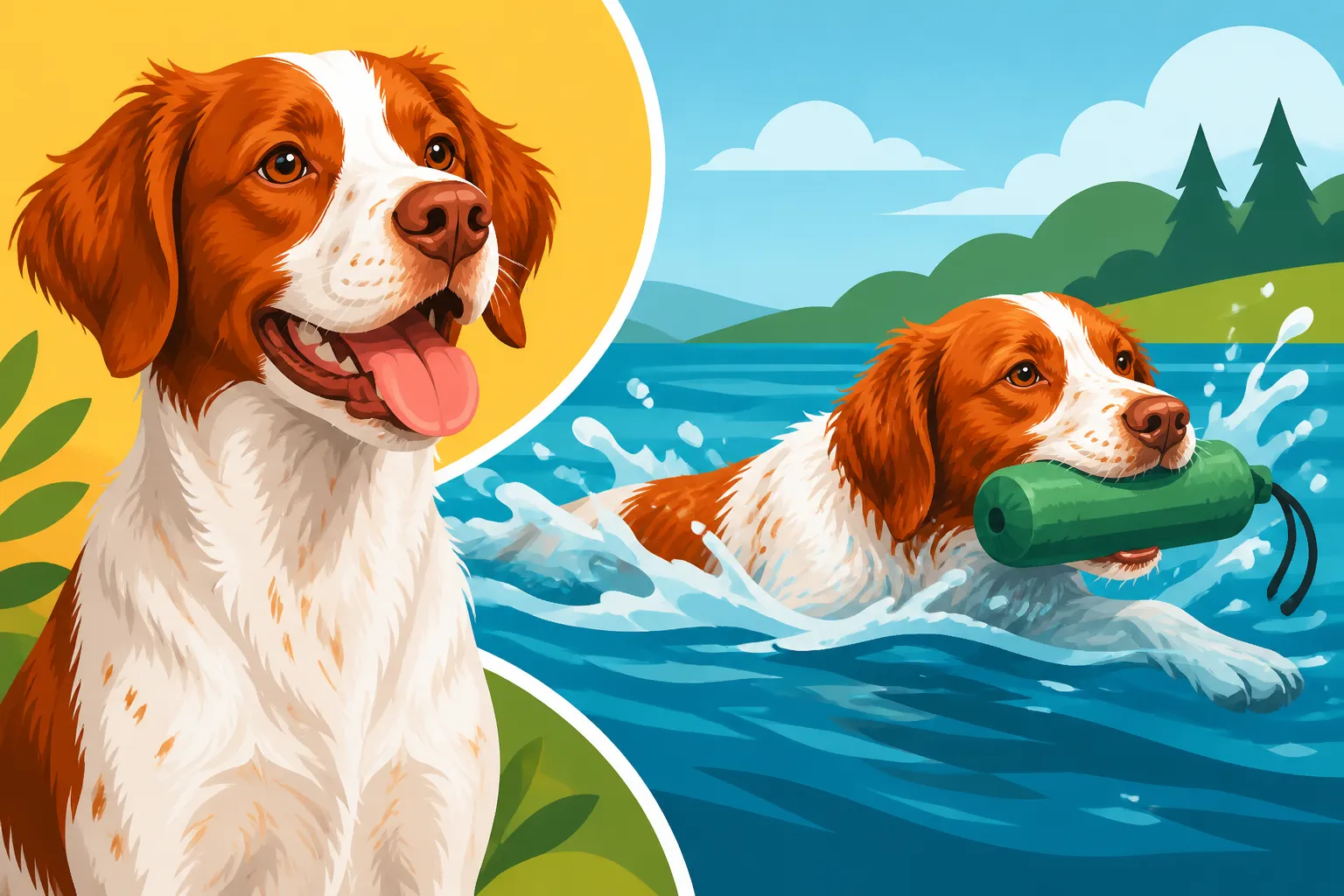
Once they're comfortable with wading, introduce a favorite floating toy. Toss it just a few feet into the water, encouraging them to retrieve it. This taps into their natural prey drive and makes the water a fun, rewarding place. If they're hesitant, you can use a long line or a safety vest with a handle to gently guide them, but always allow them to feel in control. Many Brittanys, with their thick double coats, find natural buoyancy, but a vest can provide an extra layer of confidence and safety, especially for beginners. You can find excellent options on Amazon or Chewy.
Never throw your Brittany into the water or force them to swim. This can create a lifelong fear and aversion. Instead, make it a game, a positive association. Short, frequent sessions are far more effective than one long, stressful one. Build their confidence in stages, celebrating every small victory, from dipping a paw to taking their first tentative paddle strokes. This patient approach will pay dividends in their willingness to swim throughout their lives.
Essential Safety Gear and Supervision
Even for experienced swimmers, safety gear and constant supervision are non-negotiable. A well-fitting dog life vest is paramount, especially if you're in open water, strong currents, or if your Brittany is new to swimming. The vest provides buoyancy, helps keep their head above water, and often has a handle on the back, which is incredibly useful for lifting them out of the water or guiding them if they get into trouble. Always ensure the vest fits snugly and doesn't chafe.
Beyond the vest, consider other practical items. A long lead can be helpful for initial training in larger bodies of water, allowing you to guide and recall your dog without entering deep water yourself. A whistle can also be a valuable tool for recall, especially when their ears are underwater and they can't hear your voice as clearly. And of course, always have fresh drinking water available on shore. While they're in the water, they'll inevitably ingest some of it, but giving them fresh water to drink prevents them from gulping too much lake or river water, which can lead to stomach upset or even more serious issues like giardia. Whether a Brittany Gets Giardia From Field Water is a real concern in many natural water sources.
Never leave your Brittany unsupervised near water, even for a moment. Accidents can happen quickly. They could get tangled in underwater debris, get caught in a current, or simply become exhausted. Be mindful of their energy levels and call it quits before they're overtired. If you're near a dock or boat, teach them how to safely enter and exit the water. Not all boats or docks have easy ramps for dogs, so practicing how they get back to safety is crucial.
Post-Swim Care to Prevent Issues
After a refreshing swim, the care routine is almost as important as the swim itself. Brittanys have wonderful, thick coats and those adorable drop ears, both of which can unfortunately harbor moisture and lead to problems if not properly attended to. Their A Brittany's Coat Is Low Maintenance Until It Hits Cover – and water!
The most critical post-swim step is thoroughly drying their ears. Why a Brittany's Drop Ear Traps Water is due to their design, creating a warm, moist environment perfect for yeast and bacteria to flourish. Gently clean and dry the ear canal with a vet-approved ear cleaner and cotton balls. Never use cotton swabs deep in the canal. How Often a Brittany's Ears Should Be Checked is something you'll want to do regularly, and definitely after every water adventure. Products specifically designed to dry ears can also be beneficial in preventing Why a Brittany's Ears Get Infected Every Season. You can find these at pet supply stores or online at places like Chewy.
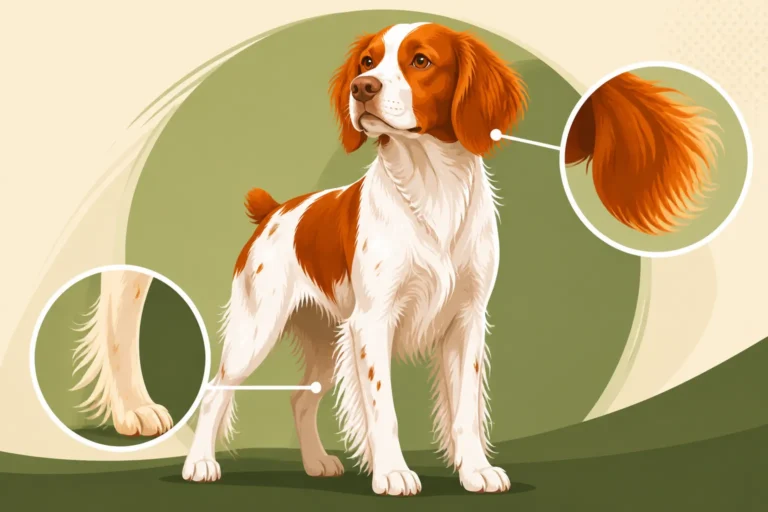
Beyond the ears, give their entire coat a good towel dry. While Whether a Brittany's Coat Repels Water to some extent, they still get quite soaked. Pay special attention to their feathering, which can trap more moisture and develop hot spots. A quick brushing can also help distribute oils and prevent matting. For Brittanys who swim frequently, consider a good quality shampoo that is gentle on their skin, especially if you rinse them off after murky or salty water. Regularly check their paws for any debris or irritations, and inspect their skin for any rashes or hot spots that might be developing.
Integrating Swimming into Your Brittany's Fitness Regimen
Once your Brittany is a confident and enthusiastic swimmer, it's time to think about how to best integrate this fantastic exercise into their overall conditioning program. Swimming shouldn't necessarily replace other forms of exercise entirely, but it can certainly become a powerful cornerstone, especially when combined intelligently with land-based activities.
Determining Frequency and Duration
The ideal frequency and duration of swimming sessions will depend on your Brittany's age, current fitness level, and overall conditioning goals. For a young, healthy Brittany in peak condition during the off-season, two to three vigorous swim sessions a week, each lasting 20-30 minutes, can be excellent for maintaining muscle tone and cardiovascular fitness. These sessions should involve active swimming, such as retrieving toys or swimming laps, rather than just leisurely dips.
For an older Brittany or one with joint issues, shorter, more frequent sessions might be better. A 10-15 minute gentle swim every other day could provide therapeutic benefits and maintain mobility without overexertion. Always listen to your dog. Look for signs of fatigue – lagging behind, slowing strokes, excessive panting, or losing interest in toys. It's always better to end a session a little early and leave them wanting more, rather than pushing them to exhaustion. Consistency is often more important than intensity when it comes to conditioning.
During hunting season, swimming can be used as a supplementary activity or for active recovery. A short, refreshing swim the day after a long hunt can help with muscle soreness, while a swim a day or two before a hunt can give them an extra boost of stamina without the impact. Just make sure they have ample time to dry thoroughly before heading out to the field again to avoid skin issues.
Combining Swimming with Other Activities
Swimming is a fantastic component of a well-rounded conditioning program, but it's rarely sufficient on its own for a versatile hunting dog like the Brittany. Their hunting work requires specific muscle groups and movements that are best conditioned on land. Think of swimming as building a robust engine and chassis, while land training hones the specific handling and agility skills.
Consider a routine where swimming days alternate with land training days. For example, your Brittany might have a long run or bird work session one day, followed by a swim the next. This allows different muscle groups to recover while still providing a challenging workout. Combining swimming with activities like roading or running alongside a bike (once they are fully mature and properly conditioned) can create a truly elite athlete. Just be cautious with Whether a Brittany Can Be Conditioned on Hard Roads too frequently, as this can be tough on pads and joints over time.
A balanced approach helps ensure your Brittany is conditioned for all aspects of their work. They need the explosive power for retrieves, the sustained endurance for long hunts, and the agility for navigating cover, all while maintaining healthy joints. A mix of swimming, varied land exercise, and sport-specific training provides the most comprehensive fitness.
| Exercise Type | Primary Benefit(s) | Impact Level | Suitable For | Notes for Brittanys |
|---|---|---|---|---|
| Swimming | Cardiovascular endurance, full-body muscle building, joint health, cooling | Low | All ages, dogs with joint issues, hot weather | Excellent for off-season and recovery; crucial post-swim ear care |
| Running/Roading | Cardiovascular endurance, leg strength, stamina | Medium-High | Healthy, mature dogs | Great for building field endurance; monitor paw pads |
| Field Work/Hunting | Sport-specific skills, stamina, mental engagement, agility | Medium-High | Working dogs | Most effective for actual hunting fitness; can be seasonal |
| Hiking | Varied terrain conditioning, balance, muscle strength, mental stimulation | Medium | Most ages | Good for building leg strength and agility; check for burrs |
| Fetch (short bursts) | Explosive speed, agility, play | Medium | Most ages | Great for quick energy release; avoid repetitive hard stops |
Observing Progress and Adjusting the Routine
The key to any successful conditioning program is continuous observation and flexibility. Your Brittany will tell you how they're doing if you pay close attention. Are they swimming with more vigor? Are they covering distances more easily? Do they seem less tired after a session? These are all positive indicators of improved fitness. How Long a Brittany Takes to Settle After a Run or swim can also give you clues about their recovery and conditioning.
Conversely, watch for signs that the routine might be too much. Are they reluctant to enter the water? Do they seem overly tired or stiff the next day? Are their pads or skin showing irritation? If so, it might be time to reduce the intensity, duration, or frequency of their swims. Just like human athletes, dogs need rest and recovery, and overtraining can lead to injury or burnout. If your Whether an Aging Brittany Still Wants to Hunt, they might need adjustments to their swimming routine too, opting for gentler, shorter sessions.
Don't be afraid to experiment with different locations or types of water (lakes, ponds, supervised pools) to keep things interesting. Sometimes a change of scenery can reignite enthusiasm. Always prioritize safety and enjoyment, and remember that conditioning is a journey, not a destination. Adjust your Brittany's swimming regimen as their needs, age, and external factors like weather change throughout the year.
Addressing Common Swimming Concerns for Brittanys
While swimming is a fantastic exercise, it's not without its potential downsides, especially for a breed with characteristics like the Brittany's long, feathered ears and active lifestyle. Being proactive about these concerns can prevent them from becoming serious problems and ensure that swimming remains a positive experience for your dog.
Preventing Ear Infections and Skin Irritations
The number one concern for swimming Brittanys is undoubtedly ear infections. Their lovely drop ears, combined with the presence of ear hair, create a perfect warm, moist, dark environment for bacteria and yeast to thrive. It’s not just about drying the outer ear; it’s about ensuring the ear canal is dry and clean. Keeping Water Out of a Brittany's Ears is easier said than done, but diligent post-swim care is your best defense.
After every swim, you absolutely must use an ear-drying solution. There are many excellent veterinary-approved products on the market, some of which you can easily order from Ollie or Amazon. These solutions often contain ingredients that help acidify the ear canal, creating an environment less hospitable to pathogens, and evaporative agents to remove moisture. Apply it generously according to the product's directions, and then gently massage the base of the ear to work it in before letting your Brittany shake it out. This routine, combined with regular How Often a Brittany's Ears Need Cleaning, is paramount. If you notice any redness, foul odor, excessive shaking, or scratching, it's time for a vet visit.
Skin irritations, like hot spots, can also be an issue, especially in their feathered areas or if their coat isn't dried properly. Hot spots are acute moist dermatitis – essentially, a rapidly spreading bacterial skin infection. They thrive in damp, warm conditions. After a swim, make sure to thoroughly towel-dry your Brittany, paying special attention to their armpits, groin, and under their long feathering. If you notice any redness or irritation, a quick rinse with fresh water and thorough drying can often prevent it from escalating.
Water Quality and Contaminants
Not all water is created equal, and being mindful of where your Brittany swims is crucial for their health. Lakes, ponds, and rivers can harbor various contaminants that range from irritating to life-threatening. Blue-green algae (cyanobacteria) is a serious concern, producing toxins that can be fatal if ingested. Always check local advisories, and if the water looks murky, has a strange odor, or visible green film, keep your Brittany out.
Other risks include parasites like Giardia, Leptospirosis bacteria, and various other pathogens. While Whether a Brittany Needs a Leptospirosis Shot is a conversation to have with your vet, it's particularly important for dogs that frequently swim in natural waters. Ingesting too much stagnant pond water can also lead to gastrointestinal upset. It's always a good practice to offer your dog fresh water immediately after they come out of natural swimming sources to encourage them to drink less of the potentially contaminated water.
Saltwater can also be dehydrating and irritating to the skin and pads. If your Brittany swims in the ocean, a thorough rinse with fresh water afterward is highly recommended to remove salt and prevent skin and coat dryness. Similarly, chlorinated pool water can dry out their skin and coat, so a fresh water rinse after a pool swim is a good habit.
Paws, Pads, and Other Considerations
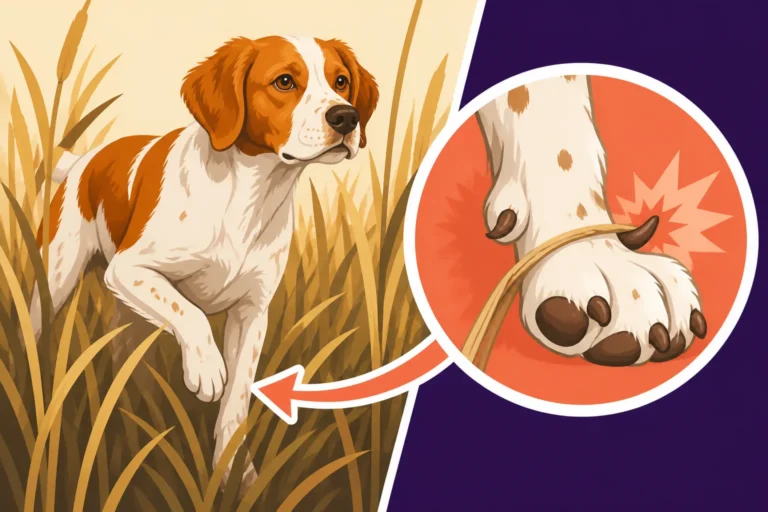
A Brittany's paw pads are tough, but they're not invincible, especially after prolonged exposure to water. Water can soften the pads, making them more susceptible to cuts, abrasions, or tearing on rough surfaces. Always inspect your Brittany's paws thoroughly after a swim, especially if they’ve been scrambling on rocks or uneven ground to exit the water. Look for cuts, scrapes, or embedded debris. How Often a Brittany's Pads Should Be Checked is something you should integrate into your regular grooming routine, but it becomes even more vital after water activities.
Consider the temperature of the water. While swimming is great for cooling down, extremely cold water can pose a risk of hypothermia, especially for smaller Brittanys or during cooler weather. If your Brittany will be retrieving in cold water, Whether a Brittany Needs a Neoprene Vest in Cold Water is a valid consideration to help maintain their core body temperature. Conversely, very warm, stagnant water can also be dangerous as it can increase the risk of algal blooms and bacterial growth.
Finally, ensure your Brittany knows how to exit the water safely, especially if you're at a pool or a lake with steep banks. If there are no shallow entry points, teach them where a ramp or steps are. Some dogs can panic if they can't find an easy way out, leading to exhaustion. As responsible owners, we need to anticipate these challenges and prepare our beloved Brittanys for them.
Disclaimer
This article is for general informational purposes only and does not constitute professional advice. Laws, prices and regulations vary by location and change over time. Consult a qualified professional for guidance on your specific situation.