The Age a Brittany Gets Arthritis
It's a bittersweet moment for any Brittany owner when you start to notice that boundless energy just isn't quite so boundless anymore. Those lightning-fast turns in the field become a little more hesitant, or getting up from a nap takes a bit more effort. We all dread the day our beloved hunting companions show signs of aging, and for many, the first big concern is arthritis. This guide is here to walk you through when you might expect to see arthritis rear its head in your Brittany, what those early signs look like, and most importantly, how we can help them navigate this common challenge with grace and comfort, ensuring their golden years are as comfortable as possible.
Understanding Arthritis in Your Brittany
Arthritis, or osteoarthritis, is a progressive and degenerative joint disease that affects countless dogs, including our beloved Brittanys. It’s essentially the slow, painful breakdown of cartilage in the joints, leading to inflammation, stiffness, and chronic pain. While it's often associated with old age, it's not simply "wear and tear." There are underlying factors that can hasten its onset and severity.
What Arthritis Actually Is
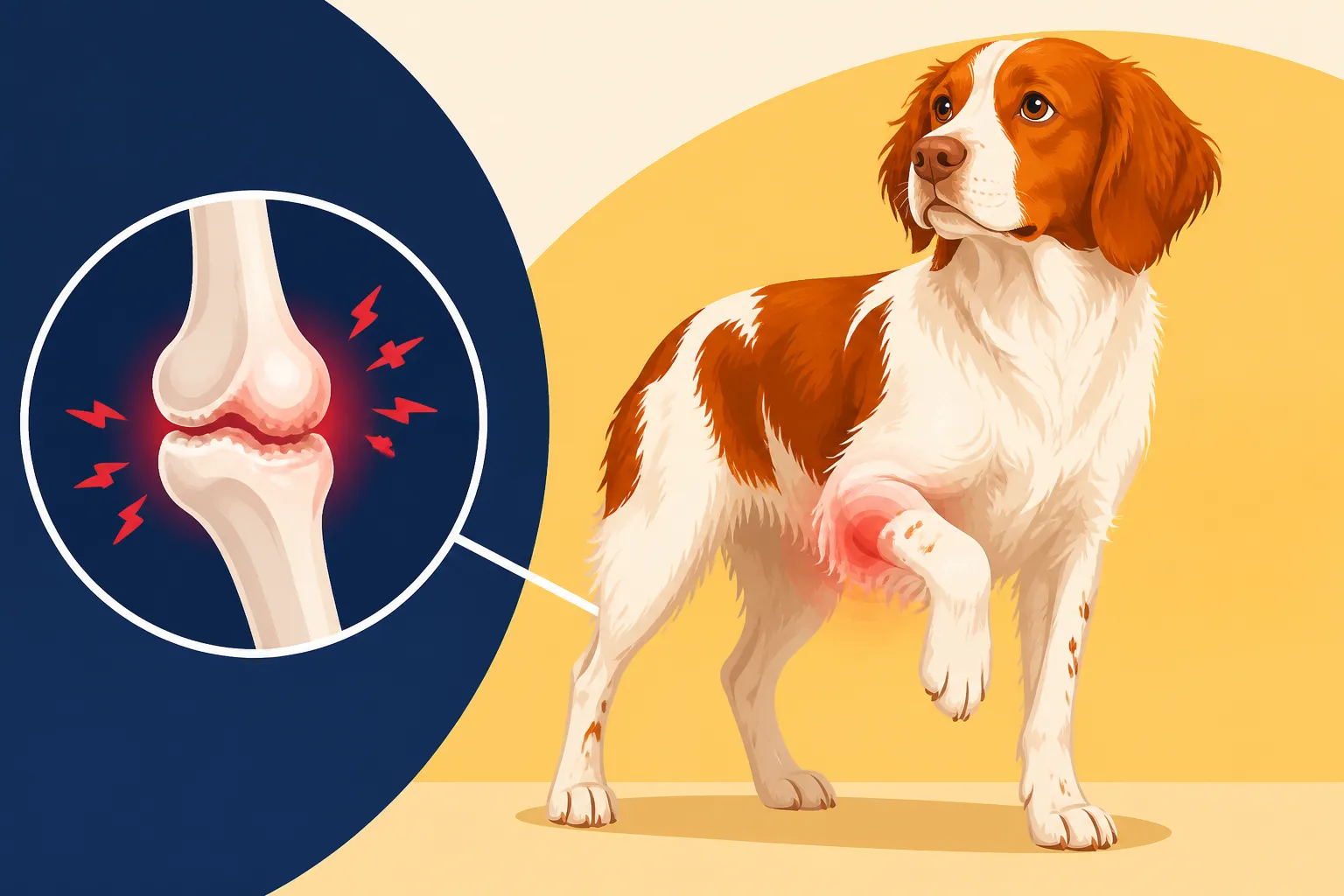
Imagine the cartilage in your dog's joints as a smooth, slippery cushion that allows bones to glide past each other without friction. In a dog with arthritis, this cartilage begins to thin and fray. When this protective layer deteriorates, the bones start to rub, causing pain, inflammation, and even bone spurs to form as the body tries to stabilize the joint. This inflammation further damages the joint, creating a vicious cycle of pain and degeneration. It can affect any joint, but you’ll most commonly see it in the hips, elbows, knees, and spine of a Brittany.
Unlike an acute injury that heals, arthritis is a chronic condition that worsens over time. Our goal as owners isn't to cure it, but to manage the pain, slow its progression, and maintain our dog's quality of life for as long as possible. Understanding the disease helps us be more proactive in its detection and management, ensuring our active Brittanys can continue to enjoy their lives.
When Brittanys Typically Show First Signs
For many Brittany Spaniels, the first subtle signs of arthritis tend to appear as they enter their senior years, typically between 8 and 10 years old. This aligns with the general timeline for many medium-sized, active breeds. However, it's really important to understand that this isn't a hard and fast rule. Some Brittanys, especially those with pre-existing conditions like hip or elbow dysplasia, might show signs much earlier, sometimes even in their middle age, around 5 or 6 years old. This is a tough reality for owners who expect a long, active life.
Genetics play a significant role, and a lifetime of high-impact activities like hunting, agility, or competitive field trials can also contribute to earlier onset. A Brittany that has spent years pounding the pheasant fields or navigating dense cover might show signs of joint stiffness before a more sedentary companion. It’s not that their working life causes arthritis, but rather that the intense physical demands can exacerbate any underlying joint weaknesses, leading to symptoms appearing sooner. Regular veterinary check-ups, even for seemingly healthy middle-aged Brittanys, can sometimes catch subtle changes before they become obvious problems. It’s much easier to manage early on.
Why Some Brittanys Get It Earlier
It can be incredibly frustrating to see your beloved Brittany struggling with joint pain while their littermate or other dogs of similar age seem perfectly fine. Several factors can predispose a Brittany to developing arthritis earlier in life. One of the most significant is congenital or developmental orthopedic conditions. For instance, if your Brittany has How Common Hip Dysplasia Is in Brittany Spaniels or elbow dysplasia, even if it's mild, the abnormal joint structure means there's already increased wear and tear on the cartilage from a young age. This inevitably accelerates the arthritic process.
Past injuries are another major culprit. A torn cruciate ligament that was surgically repaired, an old fracture, or even a repetitive strain injury from intense training or hunting can leave a joint vulnerable to early arthritis. The body attempts to heal itself, but the joint may never regain its original perfect smoothness and stability, leading to chronic inflammation.
Obesity also plays a critical role. Carrying extra weight puts immense stress on a dog’s joints, forcing them to bear more load than they were designed for. This accelerates cartilage degradation and inflammation. Even a few extra pounds can make a huge difference, especially for a breed as active as the Brittany. Lastly, nutrition during puppyhood can affect joint development; rapid growth due to overfeeding or an imbalance of nutrients in large-breed puppy foods can sometimes contribute to orthopedic issues that predispose a dog to early arthritis.
Recognizing the Subtle Signs of Arthritis
Brittanys are incredibly stoic animals, often keen to please and with a high pain tolerance, especially when there's a bird involved! This means they can be masters at hiding their discomfort, making it particularly challenging for owners to spot the early signs of arthritis. It’s easy to dismiss a slight limp or a bit of slowness as just a normal part of getting older, but recognizing these subtle cues is crucial for early intervention.
Early Behavioral Changes to Watch For
The first indicators of arthritis in your Brittany might not be overtly physical. Instead, you might notice changes in their behavior or routine. They might be less enthusiastic about activities they once loved. Perhaps they hesitate before jumping into the truck for a hunt, or they're slower to greet you at the door. You might see a change in their play style – less running, more gentle nudging, or shorter play sessions.
They might also choose different resting spots, seeking out softer beds or avoiding cold, hard floors. Some dogs become a little grumpy or less tolerant of being touched, especially around their hindquarters or specific joints. You might observe them licking or chewing at a particular joint more often, a self-soothing behavior. Pay close attention if your Brittany, who usually loves to join you on long walks, starts lagging behind or wants to cut the walk short. These aren't just signs of What Changes in a Brittany After Ten, but potential indicators of discomfort that warrant a closer look.
Physical Clues of Joint Discomfort
While behavioral changes can be subtle, physical signs often become more apparent as arthritis progresses. Look for stiffness, especially after resting or first waking up. Your Brittany might take a few steps that look stiff and uncoordinated before loosening up. You might notice a slight limp or a change in their gait, perhaps favoring one leg or taking shorter, choppier steps. Watch them climb stairs; they might struggle, skip steps, or become hesitant.
Their muscles might start to atrophy around affected joints, making one limb look thinner than the other. For instance, if hip arthritis is present, you might see a noticeable loss of muscle mass in their hind legs. Conversely, other muscles might become overdeveloped as they compensate for the weaker, painful joint. Some dogs might even develop a hunched posture. When you gently palpate their joints, you might feel warmth, swelling, or even hear a slight clicking or grinding sound, known as crepitus. These are all definitive signs that something is amiss, signaling that it's time to investigate further into Signs a Brittany's Hips Hurt.
Differentiating from Other Aches and Pains
It’s easy to confuse the general slowing down of The Age a Brittany Is Considered Senior with the specific pain of arthritis. While an aging dog naturally loses some spring in their step, persistent stiffness, lameness, or visible discomfort goes beyond normal aging. For example, a dog with general muscle soreness from an intense day in the field might recover in a day or two, but arthritic pain is chronic and recurring.
Sometimes, other conditions can mimic arthritis. Neurological issues, like intervertebral disc disease (IVDD) in the spine, can cause hind-end weakness or pain that looks similar to severe hip arthritis. Certain infections or even some cancers can also cause limping or lameness. That's why a thorough veterinary examination is so crucial. A vet can differentiate between these possibilities through a physical exam, gait analysis, and diagnostic imaging like X-rays. Don't self-diagnose; always consult with your veterinarian to get an accurate diagnosis and appropriate treatment plan for your Brittany.
Proactive Management and Support for Arthritic Brittanys
Receiving an arthritis diagnosis for your Brittany can feel disheartening, but it’s far from a death sentence. With proactive management and a multi-faceted approach, you can significantly improve your dog’s comfort and quality of life. The key is to work closely with your veterinarian to develop a tailored plan that addresses their specific needs and the severity of their condition.
Veterinary Diagnosis and Treatment Options
The first step is a definitive diagnosis by your vet. This usually involves a physical examination, palpation of joints, gait analysis, and X-rays to visualize the joints and assess cartilage damage, bone spurs, or other abnormalities. Once arthritis is confirmed, your vet will discuss various treatment options. These often include non-steroidal anti-inflammatory drugs (NSAIDs) like Rimadyl or Galliprant, which are highly effective at reducing pain and inflammation. However, long-term use requires regular monitoring of kidney and liver function through What a Brittany's Yearly Bloodwork Should Cover.
Beyond NSAIDs, other medications might be prescribed, such as gabapentin for neuropathic pain or amantadine for chronic pain management. Injectable treatments like Adequan or Librela can also be beneficial. Adequan helps stimulate cartilage repair and lubrication, while Librela is a newer monoclonal antibody injection that targets nerve growth factor, a key mediator of pain. Discuss with your vet which options are best suited for your Brittany. Remember, some of these treatments, especially newer ones, can be costly, so having pet insurance from a provider like Healthy Paws can significantly ease the financial burden over the long term.
Lifestyle Adjustments at Home
Managing arthritis extends far beyond medication; it's about making thoughtful adjustments to your Brittany’s daily life at home. Keeping your Brittany at a healthy weight is paramount. Even a few extra pounds put significant stress on already painful joints. Work with your vet to determine the ideal weight for your dog and adjust their diet accordingly.
Provide comfortable, orthopedic bedding that supports their joints and keeps them off cold, hard floors. Ramps or pet stairs can be invaluable, preventing painful jumps into and out of cars, onto furniture, or up stairs. Consider non-slip rugs on slick floors to prevent slips and falls that can exacerbate joint pain. During colder months, consider a dog coat to keep their muscles warm, as cold can worsen stiffness. For a working Brittany, ensure they have ample warm-up and cool-down periods before and after activity.
Regular, gentle exercise is still important, but it needs to be modified. Avoid high-impact activities like intense fetching or long, strenuous hunts. Instead, opt for shorter, more frequent walks on soft surfaces, or consider swimming, which provides excellent non-weight-bearing exercise. Just be sure to dry their ears thoroughly afterward to prevent infections!
Nutritional Support and Supplements
Nutrition plays a supportive role in managing arthritis. While no food can cure arthritis, certain ingredients can help reduce inflammation and support joint health. Many premium dog foods now offer "joint support" formulas that include ingredients like glucosamine, chondroitin, and omega-3 fatty acids. These supplements are believed to help maintain cartilage integrity and reduce inflammation.
Beyond specialized foods, your vet might recommend specific joint supplements. Whether a Brittany Needs Joint Supplements is a common question, and for arthritic dogs, the answer is often yes. Glucosamine and chondroitin are widely used, often in combination. Omega-3 fatty acids, particularly EPA and DHA found in fish oil, have powerful anti-inflammatory properties. Green-lipped mussel extract is another popular option known for its joint-supportive compounds.
When choosing supplements, always opt for reputable brands and discuss them with your veterinarian. Not all supplements are created equal, and dosages need to be appropriate for your dog's size and condition. Some dogs respond better to certain combinations than others, so it might take a bit of trial and error to find what works best for your Brittany.
| Symptom Category | Early Arthritis Signs | Advanced Arthritis Signs |
|---|---|---|
| Activity Level | Slight hesitation before jumping/running, shorter play | Reluctance to move, difficulty rising, avoiding stairs |
| Gait/Movement | Mild stiffness after rest, subtle limp | Pronounced lameness, stiff or wobbly gait, dragging paws |
| Behavioral | Less enthusiastic, seeking softer resting spots | Whining/growling when touched, lethargy, irritability |
| Physical | Occasional licking at a joint, minor muscle loss | Visible muscle atrophy, swollen/warm joints, crepitus |
| Pain Response | Mild discomfort on palpation | Vocalization or snapping when affected joint is touched |
Living a Full Life with an Arthritic Brittany
An arthritis diagnosis doesn't mean the end of your Brittany's active, joyful life. It simply means you'll need to adapt and commit to providing them with the best possible care to keep them comfortable and engaged. Our Brittanys live for activity and companionship, and our goal is to preserve that spark for as long as we can.
Keeping Your Brittany Active Safely
For a breed like the Brittany, known for its incredible drive and athleticism, the idea of restricting activity can be heartbreaking. However, safe activity is essential, not just for their physical health but also for their mental well-being. Regular, moderate exercise helps maintain muscle mass, supports joint health, and prevents stiffness. The key is moderation and smart choices.
Instead of long, intense runs, opt for multiple shorter walks throughout the day. Explore new, gentle walking paths on soft ground, avoiding pavement or steep inclines. Swimming is an excellent, low-impact exercise that allows them to use their muscles without putting stress on their joints. You might also consider canine physical therapy, which can include hydrotherapy, therapeutic exercises, and massage to build strength and flexibility. Even if Whether an Aging Brittany Still Wants to Hunt, you might need to limit their time in the field or choose less challenging terrain to prevent overexertion and pain. Focus on quality, not quantity, of activity.
The Role of Regular Vet Checks
Once your Brittany has been diagnosed with arthritis, regular veterinary check-ups become even more critical. These aren't just for vaccine boosters anymore. Your vet will want to monitor the progression of the arthritis, assess the effectiveness of current treatments, and make adjustments as needed. They'll perform physical exams, check joint mobility, and discuss any changes you've observed at home.
These visits are also crucial for monitoring any potential side effects from long-term medication, such as NSAIDs. Regular blood tests ensure that your Brittany's organs are handling the medication well. Your vet might also suggest periodic re-evaluations, including X-rays, to get a clearer picture of the joint health over time. This ongoing partnership with your vet is invaluable in navigating the complexities of chronic pain management and ensuring your Brittany remains as comfortable and mobile as possible. It also gives you a chance to discuss other aspects of Caring for a Brittany Past Ten.
The Emotional Impact on Owners
Let's be honest, watching our dogs age and face challenges like arthritis can take an emotional toll on us, their human companions. We see them, our once tireless companions, struggling with movements that used to be second nature. It's okay to feel sad, frustrated, or even guilty, wondering if there was something more you could have done. Many owners find themselves asking Whether an Aging Brittany Loses Muscle and feeling powerless.
It’s important to remember that arthritis is a common part of aging for many dogs, and you are doing everything you can to manage it. Focus on what you can do: provide comfort, manage pain, offer love, and adjust their routine to suit their capabilities. Celebrate the good days, and be patient and understanding on the tough ones. Your Brittany still thrives on your companionship and attention, even if their physical abilities have changed. Embrace the quieter moments, the gentle cuddles, and the joy they still bring into your life. The bond you share remains unbreakable, regardless of physical limitations.
Disclaimer
The information provided in this guide is for general informational purposes only and does not constitute veterinary advice. Always consult with a qualified veterinarian for any health concerns or before making any decisions about your Brittany's medical care or treatment plan.