Whether a Brittany Can Be Too Thin
It's a common worry for many Brittany owners, especially those with active dogs who seem to burn through calories faster than you can feed them. You watch them eat, you see them run, and then you look at their lean frame and wonder: is my Brittany too thin, or are they just built that way? This guide dives deep into understanding what a healthy Brittany truly looks like, how to identify if your companion is indeed underweight, and the steps you can take to ensure they maintain optimal health and condition.
The Brittany's Ideal Physique: Lean, Not Lanky
Brittanys are a sporting breed, bred for agility, speed, and endurance in the field. This means their natural build is lean and athletic, quite different from some other breeds that carry more bulk or a heavier coat that can obscure their true condition. It's easy to mistake a healthy, athletic Brittany for one that's too thin, especially if you're used to dogs with a bit more cushion.
Defining "Lean" for a Brittany
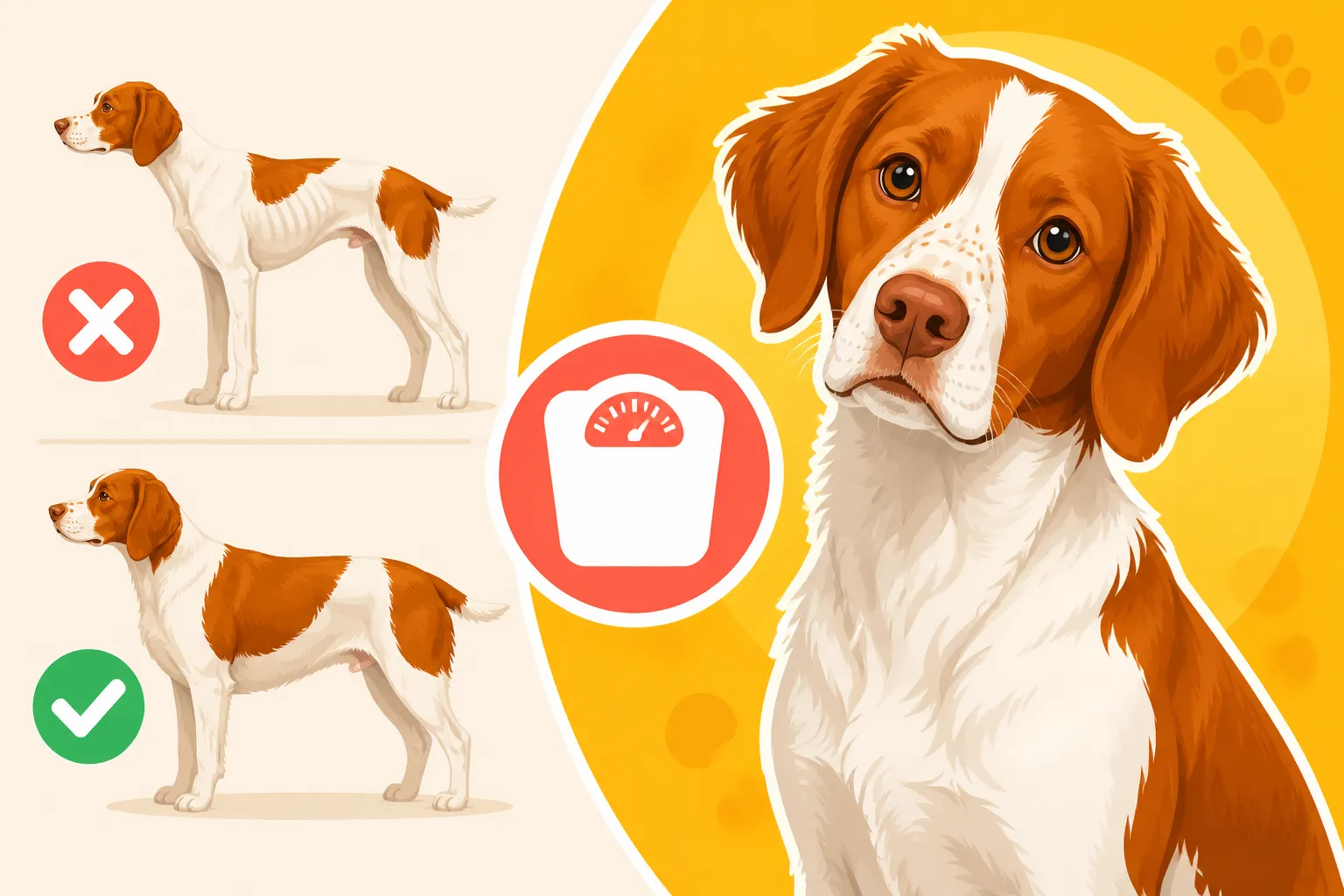
A healthy Brittany should have a well-muscled, athletic build, but without excess fat. You should be able to easily feel their ribs without seeing them sharply protruding. When viewed from above, there should be a distinct waistline, narrowing behind the ribs. From the side, their abdomen should tuck up slightly, rather than hanging low or being perfectly straight with the chest. Their bone structure is moderate, not heavy, and their muscles should feel firm and well-developed. This lean physique is what allows them to cover ground effortlessly and maintain stamina during long hunts.
However, there's a fine line between lean and genuinely lanky or underweight. A truly healthy Brittany isn't fragile or bony. They should have a resilient spring in their step and bright, clear eyes. Their coat, while not thick, should be shiny and healthy, without excessive shedding or dryness. If you're ever in doubt, observing other healthy, active Brittanys, perhaps at a local field trial or dog park, can give you a better visual benchmark.
Visual Cues of Healthy Weight
Think of a Brittany in peak condition as an athlete. You wouldn't expect a marathon runner to carry a lot of extra weight, and the same goes for a bird dog. When your Brittany is at a healthy weight, their ribs are palpable with gentle pressure, similar to feeling the back of your hand. You should feel bone, but with a thin layer of muscle and fat over them, not skin stretched directly over sharp edges. Their spine and hip bones should also be easily felt, but again, not visibly jutting out.
Their muscles, particularly over their hindquarters and shoulders, should be clearly defined and firm. The tail base should be smooth, with no bony protrusions. A healthy Brittany will also have an energetic demeanor and a keen interest in their surroundings, which often translates to bouncing enthusiasm when it's time for a walk or a hunt. Their overall appearance should be one of vitality and strength, not weakness or emaciation. How to Feel a Brittany's Ribs offers a more detailed guide on assessing this key area.
Recognizing When Your Brittany Is Truly Underweight
While a lean physique is desirable for a Brittany, there are clear signs that indicate they've crossed the line into being truly underweight. It’s not just about looking skinny; it’s about a lack of proper body fat and muscle mass that can impact their health, energy levels, and overall well-being. Knowing these indicators can help you intervene before more serious issues arise.
The Body Condition Score: A Practical Guide
Veterinarians and dog nutritionists often use a Body Condition Score (BCS) chart, typically on a scale of 1 to 9 (with 5 being ideal), to objectively assess a dog's weight. For a Brittany, an ideal BCS would typically fall between 4 and 5. A score of 1 or 2 clearly indicates an underweight dog.
| BCS Score | Description | What You See on a Brittany | What You Feel on a Brittany |
|---|---|---|---|
| 1 (Emaciated) | Ribs, lumbar vertebrae, pelvic bones, and all bony prominences are evident from a distance. No discernible body fat. Obvious loss of muscle mass. | Every rib, spine vertebra, and hip bone is sharply visible. Severe abdominal tuck. | Ribs, spine, and hip bones are extremely prominent with no fat or muscle cover. |
| 2 (Very Thin) | Ribs, lumbar vertebrae, and pelvic bones easily visible. No discernible body fat. Minimal loss of muscle mass. | Ribs, spine, and hip bones are very easily seen. Significant abdominal tuck. | Ribs, spine, and hip bones are easily felt and appear sharp. Very minimal fat cover. |
| 3 (Thin) | Ribs easily palpable and may be visible. Top of lumbar vertebrae visible. Pelvic bones becoming prominent. Obvious waist. Minimal abdominal fat. | Ribs are easily seen, spine might be slightly visible. Waist is extremely pronounced, abdominal tuck is evident. | Ribs are felt with almost no fat cover. Spine and hip bones are prominent. |
| 4 (Underweight/Lean) | Ribs easily palpable with minimal fat covering. Waist easily noted when viewed from above. Abdominal tuck apparent. | Ribs are easily felt but not highly visible. Clear waistline and abdominal tuck. This is often the low end of a healthy working Brittany. | Ribs are easily felt with a slight padding. Spine and hip bones are felt but not sharp. |
| 5 (Ideal) | Ribs palpable without excess fat covering. Waist observed behind ribs when viewed from above. Abdominal tuck in profile. | Ribs are felt but not seen. Distinct waist and abdominal tuck. This is the goal for most Brittanys. | Ribs are felt with a thin layer of fat. Spine and hip bones are smooth. |
A Brittany with a BCS of 1, 2, or 3 is definitely too thin and requires attention. If you're unsure about scoring your dog, your veterinarian can provide the most accurate assessment.
Beyond the Ribs: Other Indicators
While feeling the ribs and observing the waistline are crucial, other signs can confirm your suspicion that your Brittany is too thin. Look at their overall coat condition; an underweight dog may have a dull, dry, or sparse coat, even if it's typically What a Brittany's Coat Is Like. Their eyes might lack the usual sparkle, appearing sunken or tired. You might also notice a decrease in energy levels, even for a breed known for boundless stamina. They might tire more easily during walks or hunts, or simply seem lethargic at home.
Another subtle sign can be a lack of interest in food, despite needing calories. Or, conversely, they might be ravenously hungry all the time but still not gaining weight. You might also observe changes in their stool, such as loose stools or an increase in volume, which could indicate poor nutrient absorption. If your Brittany is constantly shivering, even in moderate temperatures, it could be a sign they lack the insulating fat necessary to regulate their body temperature. These combined observations paint a fuller picture than just a quick glance.
Untangling the Reasons Behind Unwanted Weight Loss
Figuring out why your Brittany is too thin can feel like detective work. There isn't always one obvious culprit, and often, it's a combination of factors. Their high energy, coupled with potential underlying health issues, can make maintaining an ideal weight a constant balancing act. It’s important not to jump to conclusions but rather to systematically consider all possibilities.
High Metabolism and Activity Levels
Brittanys are renowned for their incredible energy and high metabolism. They are built to run and hunt for hours, and this genetic predisposition means they burn a significant number of calories just going about their day. A dog that is truly working in the field, clocking in miles of running, pointing, and retrieving, might require a surprising amount of food to simply maintain their weight. If your Brittany is very active – daily long runs, hiking, intense training sessions, or regular hunting – their caloric needs will be much higher than a more sedentary companion dog. How Much More a Brittany Eats in Hunting Season is a testament to this fact.
Even if they aren't a dedicated hunting dog, a Brittany that gets ample exercise, which they absolutely need for their mental and physical well-being, will naturally be lean. The frustration comes when you feel like you're feeding them enough, yet they're still dropping weight. This is where calculating their actual caloric expenditure, not just their intake, becomes vital. What might seem like a lot of food for another breed could simply be maintenance for a high-drive Brittany.
Dietary Deficiencies and Poor Absorption
Sometimes, the issue isn't how much you're feeding, but what you're feeding, or how well your Brittany is processing it. A diet that is too low in calories, protein, or fat might not be meeting the demands of their active lifestyle. Performance dog foods, often higher in these key nutrients, are specifically formulated for dogs with elevated energy requirements. Whether a Working Brittany Needs a Performance Food delves deeper into this. If your Brittany is eating a generic adult dog food, it might simply not be nutrient-dense enough.
Even with the right food, some dogs struggle with absorption. This could be due to food sensitivities, digestive upset, or an imbalance in their gut microbiome. You might notice soft stools, frequent gas, or even vomiting if their digestive system isn't happy. Certain ingredients in dog food can also cause issues. Brands like Ollie, which offers fresh, human-grade dog food, might be an option if you suspect ingredient sensitivities or poor nutrient utilization from traditional kibble. It's about finding a food that not only provides the necessary calories but also ensures those calories are actually being used by their body.
Underlying Health Issues and Parasites
Perhaps the most concerning reason for unexplained weight loss is an underlying health condition. Parasites, both internal (like worms or giardia) and external (severe flea or tick infestations), can steal nutrients and cause weight loss. It’s crucial that your Brittany is on a regular deworming schedule and appropriate flea/tick prevention. Whether a Brittany Gets Giardia From Field Water highlights a common parasite concern for active dogs.
Beyond parasites, a host of medical conditions can manifest as weight loss. These include dental problems that make eating painful, kidney disease, liver disease, thyroid issues (Signs a Brittany's Thyroid Is Low), diabetes, inflammatory bowel disease, or even certain cancers. Sometimes, the weight loss is the first and most obvious symptom before other clinical signs appear. This is why a vet visit is paramount if you've ruled out diet and activity levels as the primary cause. Stress or anxiety can also play a role, as a constantly stressed dog may have a higher metabolic rate or reduced appetite.
Strategic Nutritional Adjustments to Help Your Brittany Gain Weight
Once you've identified that your Brittany is indeed too thin and, ideally, consulted with your vet to rule out medical issues, the next step is to adjust their diet. This isn't just about dumping more food in their bowl; it's about making smart, targeted changes to safely and effectively help them put on healthy weight.
Boosting Caloric Intake Safely
The primary goal is to increase the total calories your Brittany consumes each day, but gradually. A sudden drastic increase can lead to digestive upset. Start by increasing their current food amount by about 10-20% and observe their digestion and weight over a week or two. If they tolerate it well and are still not gaining, you can incrementally increase it further. Instead of just more volume, consider adding calorie-dense supplements or foods.
High-quality protein and healthy fats are your friends here. You can look for performance dog foods that are naturally higher in these. Some owners find success adding specific toppers to their regular kibble, such as cooked lean meats (chicken, turkey), eggs, cottage cheese, or a small amount of plain canned pumpkin or sweet potato (for healthy carbs and fiber). Fish oil supplements can also add healthy fats and calories, beneficial for coat health too. Many reputable pet supply stores, like Chewy, offer a wide array of high-calorie supplements specifically designed for weight gain in active dogs.
Choosing the Right Food and Feeding Schedule
The type of food matters immensely. As mentioned, a high-quality performance or all-life-stages food with a good balance of protein, fat, and carbohydrates is often best for an underweight Brittany. Look for ingredients where meat is the first listed item, and avoid fillers. How Much an Adult Brittany Eats provides general guidelines, but an underweight dog will likely need more than the average.
Consider feeding more frequent, smaller meals throughout the day rather than one or two large ones. This can aid digestion and ensure better nutrient absorption, especially for a dog with a high metabolism. For instance, instead of two large meals, try three smaller meals. For working dogs, splitting their daily ration into a morning meal, a midday snack, and an evening meal can prevent them from feeling too full before exercise while ensuring a steady energy supply. Some owners even leave a small bowl of dry kibble out for "free feeding" throughout the day, though this isn't always suitable for all dogs or households.
Supplementation and Hydration Considerations
Beyond just food, targeted supplementation can play a role. Probiotics can support gut health and improve nutrient absorption, which is crucial if digestive issues are contributing to the weight loss. Discuss these with your vet before introducing them. Digestive enzymes might also be recommended in some cases. As mentioned, fish oil is an excellent source of healthy fats and omega-3s, which are beneficial for skin, coat, and joint health, and add calories.
Don't overlook hydration. While water itself doesn't contain calories, proper hydration is essential for all bodily functions, including digestion and metabolism. Ensure your Brittany always has access to fresh, clean water, especially if they are very active. Consider adding water to their kibble or offering low-sodium broths to encourage intake. For dogs that are reluctant to drink enough, a water fountain can sometimes entice them. Many specialized dog bowls and hydration solutions can be found on Amazon.
When to Seek Veterinary Guidance for Weight Concerns
While adjusting diet and monitoring activity is a great first step, persistent weight loss or the presence of other concerning symptoms warrants a trip to the veterinarian. It's always better to be safe than sorry, and a professional diagnosis can alleviate worry and guide effective treatment.
Preparing for Your Vet Visit
When you call to make the appointment, explain your concerns about your Brittany's weight loss. This helps the clinic staff understand the urgency and allocate appropriate time for the visit. Before you go, gather as much information as possible:
- Dietary History: What food are you currently feeding? How much? How often? Have you changed foods recently? Any treats or supplements given?
- Activity Level: Describe your Brittany's typical daily exercise routine and any recent changes.
- Weight History: If you have records of previous weights, bring them. Note any estimated weight loss over what period.
- Symptoms: List any other symptoms you've noticed – changes in appetite, thirst, urination, bowel movements, energy levels, coat condition, or behavior.
- Preventative Care: When was their last deworming? What flea/tick prevention are they on? Are they up to date on vaccinations?
- Recent Stressors: Have there been any major changes in the home environment that could cause stress?
This detailed information will be invaluable to your vet in narrowing down potential causes.
Diagnostic Tests and Treatment Options
During the visit, your veterinarian will perform a thorough physical exam, checking your Brittany's mouth, teeth, coat, skin, and feeling their abdomen. They will assess their Body Condition Score and discuss your observations. Based on this, they may recommend various diagnostic tests.
Common tests include a fecal exam to check for intestinal parasites, and bloodwork (What a Brittany's Yearly Bloodwork Should Cover) to evaluate organ function (kidney, liver), screen for diabetes, and check thyroid levels. Depending on initial findings, further tests like urinalysis, abdominal X-rays, or ultrasound might be suggested. Once a cause is identified, the vet will outline a treatment plan, which could range from specific medications for parasites or other illnesses, to a prescription diet, or a detailed nutritional strategy. This personalized plan is crucial for your Brittany's recovery and long-term health.
Long-Term Management and Monitoring for a Healthy Weight
Helping your Brittany regain lost weight is one thing, but maintaining a healthy weight long-term requires ongoing vigilance and commitment. Brittanys, with their active nature, often need continuous monitoring and adjustment of their care to keep them in prime condition throughout their lives.
Consistent Tracking and Adjustments
Once you've started a new feeding regimen or treatment plan, it's essential to track your Brittany's progress. Weigh them regularly, ideally once a week initially, and keep a log. Don't rely solely on the scale; continue to regularly assess their Body Condition Score by feeling their ribs, spine, and hip bones. Take pictures from the side and above every few weeks to visually track changes.
Be prepared to make further adjustments. If they're gaining too quickly, slightly reduce portions. If progress is slow, or they plateau, consider another small increase in calories or consult with your vet again. Remember that factors like activity level, weather (dogs burn more calories to stay warm in cold weather), and age can all influence caloric needs. What works one month might need tweaking the next. How to Put Weight Back on a Brittany provides more specific strategies for this process.
Maintaining Condition Through Life Stages
A Brittany's nutritional needs aren't static; they change throughout their life. A growing puppy, a high-energy adult in the prime of their hunting career, and a senior dog all have different dietary requirements. Young, rapidly growing Brittanys need adequate nutrition for proper development without growing too quickly, which can stress joints. Active adults, especially during hunting season, will require substantially more calories than in the off-season. How Much More a Brittany Eats in Hunting Season is a crucial read for those with working dogs.
As your Brittany ages and enters their senior years, their metabolism might slow down, or they might become less active, meaning their caloric needs could decrease. However, some older dogs might also have health issues that lead to weight loss, such as dental pain or reduced nutrient absorption. The Twelve to Fourteen Years a Brittany Gets outlines their lifespan, and understanding these stages is key. Regular veterinary check-ups are vital to ensure their diet and health plan are always appropriate for their current life stage and activity level. For instance, Whether an Aging Brittany Needs Fewer Calories might be a consideration, but it depends entirely on their individual health.
Disclaimer
This article is for general informational purposes only and does not constitute professional advice. Laws, prices and regulations vary by location and change over time. Consult a qualified professional for guidance on your specific situation.