Whether a Brittany Gets Giardia From Field Water
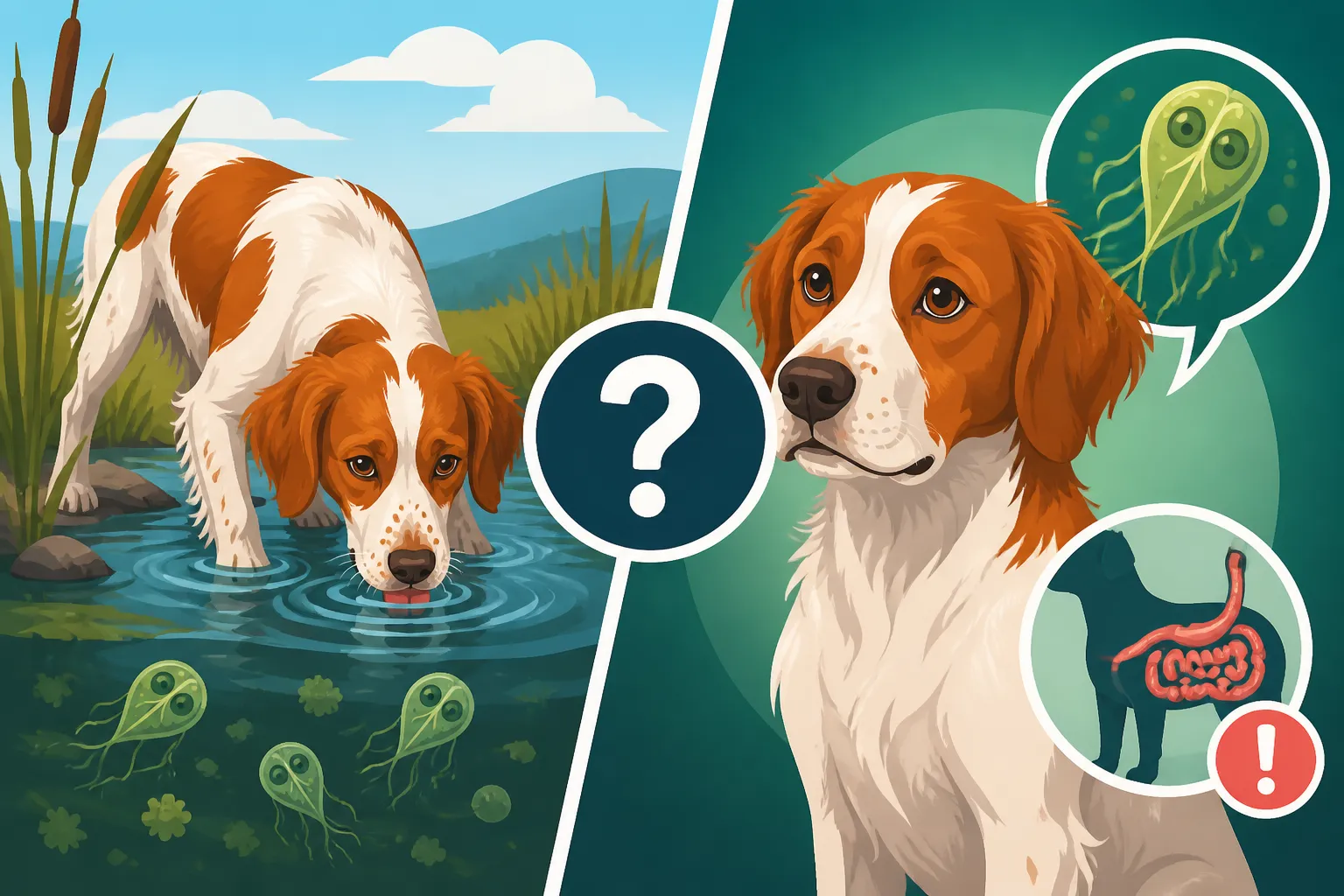
It's a familiar sight for any Brittany owner: your energetic companion, nose to the ground, suddenly laps enthusiastically from a muddy puddle, a stagnant ditch, or a seemingly pristine stream during a field excursion. While it seems harmless, this innocent drink can expose your beloved dog to a nasty intestinal parasite called Giardia, leading to uncomfortable and potentially serious health issues. This guide will walk you through everything you need to know about Giardia, why field water poses a risk, how to spot the signs, and most importantly, how to keep your Brittany safe and healthy.
The Unseen Threat Lurking in Field Water: What is Giardia?
You might hear the term "Giardia" thrown around at the dog park or by fellow hunters, often with a shudder. But what exactly is this tiny organism that causes so much trouble, and how does it end up in the very water your Brittany loves to drink? It’s not just an inconvenience; it’s a legitimate concern for active dogs who spend time outdoors.
Demystifying This Common Intestinal Parasite
Giardia is a microscopic, single-celled parasite that lives in the intestines of many animals, including dogs, cats, wildlife, and even humans. It’s not a worm, nor is it bacteria or a virus. Instead, it’s a protozoan parasite that exists in two forms: a fragile, actively swimming form (trophozoite) that lives in the gut, and a hardy, resistant cyst form that is shed in feces. It’s these tough little cysts that are the real problem, as they can survive for weeks or even months in cold, moist environments.
When your Brittany ingests these cysts, they travel to the small intestine, where they "hatch" into the active trophozoite form. These trophozoites then attach to the intestinal lining, interfering with nutrient absorption and potentially causing inflammation and damage. The severity of the illness, known as giardiasis, can vary greatly depending on your dog's immune system, the number of cysts ingested, and other factors. Some dogs show no signs at all, quietly shedding cysts and acting as carriers, while others can become severely ill, experiencing significant discomfort and dehydration.
How Giardia Cysts Contaminate Water Sources
The primary way Giardia spreads is through the fecal-oral route. This means an infected animal sheds cysts in its stool, and another animal (or human) then ingests those cysts, usually through contaminated food or water. In the wild, this cycle is incredibly common. Think about it: deer, elk, beavers, muskrats, cattle, and even wild birds can carry Giardia. When these animals defecate near or in natural water sources like streams, rivers, ponds, and puddles, they contaminate the water with these highly infectious cysts.
The problem is exacerbated in areas with heavy wildlife traffic or where domesticated animals, including other dogs, might frequent. A popular hiking trail with a convenient stream crossing, for instance, could be a hotbed for Giardia. Even seemingly clean, fast-flowing water isn't immune. A single contaminated stool deposited upstream can send countless cysts downstream, ready to infect the next thirsty animal. Rain can also wash fecal matter from the ground into low-lying areas, turning puddles into potential infection zones. This is why just avoiding stagnant water isn't enough; all natural water sources should be viewed with a degree of suspicion when it comes to your dog's health.
Why Your Brittany is Especially Vulnerable to Field Water Risks
Brittanys are, by nature, active and inquisitive dogs, bred for a love of the outdoors and an undeniable drive to hunt. These very qualities, unfortunately, can put them at a higher risk for encountering Giardia in their environment. It’s not about their breed specifically being weaker, but rather their inherent tendencies and lifestyle choices that increase their exposure.
The Allure of Puddles and Streams for an Active Hunting Dog
Any Brittany owner knows their dog has an insatiable curiosity and a tireless work ethic in the field. They'll push through dense cover, splash through marshes, and follow scent trails across varied terrain. When they're working hard, especially on a warm day or during a long training session, they get thirsty. Extremely thirsty. To them, a puddle or a stream isn't a potential health hazard; it's a welcome source of refreshment. They’re not discerning; they’re just trying to quench their thirst and cool down.
This natural inclination to drink whatever water source they come across is a major risk factor. Unlike us, they don't carry a portable water bottle and bowl everywhere. They rely on what's available. Whether it's a glistening puddle after a rain shower, a slow-moving creek, or the still water of a pond, it all looks like fair game to a panting, hard-working Brittany. Plus, many Brittanys love water, period! They'll happily wade, swim, and play, incidentally ingesting water as they go. This makes it challenging to prevent exposure entirely, especially if you're out for an extended period, perhaps for a hunting trip or a vigorous hike.
You might be wondering, "How much water a Brittany drinks on a hunt?" The answer is often "a lot!" and if those sources are contaminated, the risk compounds quickly.
Understanding Your Brittany's Risk Factors
Beyond their natural thirst and love for the outdoors, several factors can increase a Brittany's risk of developing giardiasis or experiencing more severe symptoms:
- Immature or Compromised Immune Systems: Puppies and very young dogs are generally more susceptible to Giardia infections and often show more severe clinical signs. Their immune systems haven't fully developed the defenses needed to fight off the parasite effectively. Similarly, older Brittanys or those with underlying health conditions, whose immune systems might be weaker, could also be at higher risk. For example, if your Brittany has an immune-mediated condition or is on certain medications, their ability to ward off parasites might be reduced. It's always wise to be extra vigilant with these dogs. You might want to review What Changes in an Aging Brittany to understand general health shifts.
- High-Traffic Areas: Hunting preserves, popular dog parks, kennels, and areas frequented by many dogs or wildlife create environments where Giardia cysts are more likely to be present in the soil and water. The more animals, the higher the chance of contamination.
- Exposure to Feces: While directly eating feces is gross, it's also a direct route to infection. Brittanys, with their keen noses, sometimes investigate or accidentally consume contaminated material during their field explorations.
- Grooming Habits: Brittanys are generally clean dogs, but after a roll in something questionable or a wade through muddy water, they'll often lick their paws and coat. If their fur has Giardia cysts on it, self-grooming can easily lead to ingestion. This is a common, often overlooked, route of infection.
It's a tricky balance between letting your Brittany enjoy their natural instincts and protecting them from these hidden dangers. Understanding these risk factors is the first step towards creating a safer environment for them.
Recognizing the Signs and Seeking Timely Treatment
Even with the best preventative measures, sometimes a Brittany will still pick up Giardia. The key then becomes recognizing the symptoms early and getting prompt veterinary care. You know your dog best, and any change in their usual demeanor or habits warrants attention.
What to Look For: Common Giardia Symptoms in Brittanys
The most classic symptom of Giardia in dogs is diarrhea. This isn't always a dramatic, watery event; it can range from soft, foul-smelling stools to intermittent episodes of watery diarrhea. Often, the stool might appear greasy or have a pale, mucus-like appearance, sometimes described as "cow pie" consistency. The diarrhea can be chronic, meaning it comes and goes, or it can be acute and sudden. This intermittent nature can sometimes make diagnosis difficult, as owners might dismiss a few days of soft stool as a minor dietary upset.
Other common symptoms include:
- Weight Loss: Because Giardia interferes with nutrient absorption in the intestines, dogs, especially puppies or those with chronic infections, might start losing weight despite eating normally. They're just not getting the full nutritional benefit from their food.
- Vomiting: While less common than diarrhea, some Brittanys may experience occasional vomiting, especially if the intestinal irritation is severe.
- Dehydration: Persistent diarrhea and vomiting can quickly lead to dehydration, which can be a serious concern, particularly for active dogs. Keep a close eye on their energy levels and gum color.
- Poor Coat Condition: A dull, dry coat can be another sign of malabsorption and nutritional deficiencies stemming from the parasitic infection.
- Lack of Energy or Lethargy: If your usually high-energy Brittany seems unusually tired, unwilling to play, or less enthusiastic about walks, it could be a sign of illness, including Giardia.
It’s important to remember that some dogs, particularly healthy adult Brittanys, might be asymptomatic carriers. They show no signs of illness but can still shed Giardia cysts and infect other animals. This is why regular fecal exams are so important, especially for dogs in active outdoor environments. If you ever notice changes in your Brittany's stool or behavior, it’s always best to consult your veterinarian. For a broader perspective on health checkups, you might find it helpful to read about How Often a Brittany Needs a Wellness Exam.
The Diagnostic Process and Available Treatments
If you suspect your Brittany has Giardia, a visit to the veterinarian is crucial. Diagnosing Giardia isn't always straightforward. A fecal sample is needed, but unlike some other parasites, Giardia cysts are shed intermittently, meaning they might not be present in every sample. Your vet might recommend submitting multiple fecal samples over several days to increase the chances of detection. They will typically perform a fecal flotation test, sometimes in conjunction with a direct smear, and often a more sensitive ELISA test (enzyme-linked immunosorbent assay), which detects Giardia antigens in the stool, regardless of whether cysts are currently being shed.
Once diagnosed, your vet will prescribe appropriate medication. The most common medications used to treat Giardia in dogs are:
- Fenbendazole (Panacur): This is a dewormer that is effective against Giardia and other intestinal parasites. It's usually given orally once a day for 3-10 days.
- Metronidazole (Flagyl): An antibiotic with antiprotozoal properties, metronidazole is also commonly used to treat Giardia, typically for 5-7 days. However, it can sometimes have side effects like appetite loss or neurological issues in some dogs.
Sometimes, a combination of both medications is prescribed for more stubborn cases. It's vital to follow your vet's instructions precisely and complete the entire course of medication, even if your dog's symptoms improve quickly. A follow-up fecal test might be recommended a few weeks after treatment to ensure the infection has been cleared.
Beyond medication, supportive care is often important, especially if your Brittany is experiencing dehydration or significant gastrointestinal upset. Your vet might recommend a bland diet, probiotics, or even subcutaneous fluids in more severe cases. Remember, treating Giardia promptly not only helps your dog feel better but also reduces the risk of them shedding cysts and infecting others. When considering the unexpected costs of such treatments, having pet insurance like Healthy Paws can certainly provide peace of mind. The financial aspect of unexpected illness can be daunting, and knowing you have support helps you focus on your dog's recovery.
Proactive Steps to Protect Your Brittany in the Field
Protecting your Brittany from Giardia is an ongoing effort, especially for dogs that spend a lot of time outdoors. It involves a combination of smart hydration strategies, environmental awareness, and consistent veterinary care. It's about being prepared and minimizing risk wherever possible.
Best Practices for Hydration on the Hunt
The single most effective way to prevent Giardia infection from field water is to control what your Brittany drinks. This means actively providing safe, clean water at all times, especially when out in nature.
- Carry Your Own Water: This is non-negotiable for any outdoor adventure with your Brittany. Always bring a generous supply of fresh, potable water from home and a portable bowl. A collapsible silicone bowl is lightweight and easy to carry. Even if you think you'll be near a "safe" water source, it's better to be prepared.
- Offer Water Frequently: Don't wait for your Brittany to show signs of extreme thirst. Offer water breaks regularly, especially during vigorous activity or in warm weather. This proactive approach helps prevent them from becoming desperate enough to seek out questionable sources.
- Train a "Leave It" Command: A strong "leave it" command can be incredibly useful for preventing your Brittany from drinking from puddles or stagnant water. Practice this command extensively at home and in controlled environments, gradually introducing distractions. While it might not stop them 100% of the time, it can significantly reduce opportunistic drinking.
- Consider a Backpack for Your Dog: If you're on a long hike, your Brittany can carry some of their own water in a purpose-built dog backpack. Brands like Ruffwear and Kurgo make durable options that distribute weight evenly. This can free up space in your own pack and ensure enough water for both of you.
By consistently providing clean water, you dramatically reduce the chances of your Brittany ingesting Giardia cysts. It takes discipline, but it's one of the most important preventative measures you can take.
Mitigating Exposure to Contaminated Water
Beyond carrying your own water, there are other strategies to minimize your Brittany's exposure to potentially contaminated sources.
- Be Mindful of Water Sources: Try to steer your Brittany away from stagnant puddles, slow-moving ditches, and areas where wildlife or other dogs frequently gather. Fast-flowing rivers or streams might seem safer, but as discussed, they can still carry cysts from upstream. When in doubt, assume any natural water source is potentially contaminated.
- Avoid Dog Parks After Heavy Rain: Heavy rainfall can wash Giardia cysts from contaminated soil into puddles and low-lying areas in dog parks. It might be best to wait for these areas to dry out completely before letting your Brittany run freely.
- Clean Up After Your Dog: This isn't just good etiquette; it's a critical step in preventing the spread of Giardia. Always pick up your dog's feces promptly and dispose of it properly. If your dog is shedding Giardia cysts, cleaning up their waste prevents them from contaminating the environment for other animals. This is especially vital in shared outdoor spaces.
- Regular Grooming and Paw Cleaning: After returning from the field, especially if your Brittany has waded through water or mud, give their paws and lower legs a good rinse. This helps remove any Giardia cysts that might be clinging to their fur, preventing them from ingesting them during self-grooming. A quick wipe-down with a damp towel can make a big difference.
A comprehensive approach to prevention, combining hydration management with environmental awareness, is your best defense against Giardia.
The Role of Routine Veterinary Care and Prevention
Your veterinarian is your most valuable partner in keeping your Brittany healthy and free from parasites. Regular check-ups and specific preventative measures play a crucial role.
- Annual Fecal Exams: Even if your Brittany isn't showing symptoms, routine annual (or even semi-annual, for highly exposed dogs) fecal exams are important. Remember, asymptomatic carriers can shed Giardia, and a fecal exam can catch it early, allowing for treatment before it causes severe illness or spreads. This is a standard part of what a Brittany's yearly bloodwork should cover and wellness checks.
- Deworming Protocols: Discuss a deworming schedule with your vet. While many common dewormers don't target Giardia specifically, some, like fenbendazole, do. Your vet can recommend a protocol that makes sense for your Brittany's lifestyle and exposure level.
- Vaccination Considerations: There was once a Giardia vaccine available, but it is no longer widely used or recommended by most veterinary organizations due to questionable efficacy in preventing infection or reducing shedding. Your vet can advise you on the most current recommendations for your area and your dog's risk profile.
- Maintaining a Strong Immune System: A healthy dog is better equipped to fight off infections. Ensure your Brittany is on a high-quality diet, gets regular exercise (like the appropriate amount of activity discussed in Whether an Aging Brittany Still Wants to Hunt), and maintains a healthy weight. Stress can also impact the immune system, so try to minimize major stressors where possible.
- Pet Insurance: Unexpected illnesses like Giardia, especially if they become chronic or lead to secondary complications, can result in significant veterinary bills. Having pet insurance can help mitigate these costs. Companies like Healthy Paws offer comprehensive coverage that can include diagnosis and treatment for parasitic infections, providing financial relief during stressful times. Just be sure to read the policy details to understand what's covered.
By working closely with your vet and being diligent about preventative care, you can significantly reduce the risk of your Brittany contracting Giardia and ensure they remain healthy for all their field adventures.
| Giardia Prevention Strategy | Description | Key Action for Brittany Owners |
|---|---|---|
| Hydration Control | Always provide safe, clean drinking water. Avoid natural sources. | Carry ample fresh water and a portable bowl on all outings. |
| Environmental Avoidance | Steer clear of stagnant water, high-traffic dog areas after rain, and visible feces. | Keep your Brittany on a leash near questionable water; use "leave it." |
| Hygiene Practices | Prevent ingestion of cysts from fur; clean up waste to prevent environmental contamination. | Rinse paws/legs after outings; promptly bag and dispose of all feces. |
| Routine Vet Care | Regular fecal exams and appropriate deworming protocols. | Schedule annual fecal exams with your veterinarian. |
| Immune Support | A healthy diet and lifestyle contribute to a robust immune system. | Feed high-quality food; ensure adequate exercise and rest. |
Disclaimer
This article is intended for informational purposes only and does not constitute veterinary advice. Always consult with a qualified veterinarian for any health concerns or before making any decisions about your Brittany's care.