How Much a Brittany Should Drink on a Hunt
It's a scene every Brittany owner knows well: your dog is out in the field, nose to the ground, boundless energy driving them through cover, completely oblivious to their own needs. We worry constantly about their safety and performance, and a huge part of that is making sure they stay properly hydrated. Figuring out exactly how much water a Brittany should drink on a hunt can feel like a guessing game, but this guide is here to walk you through the specifics, helping you keep your hunting partner healthy and happy.
Understanding Hydration Needs on a Hunt
Our Brittanys are incredible athletes, bred for endurance and drive. But that same drive can sometimes lead them to push past their limits, especially when it comes to something as fundamental as drinking water. Their hydration needs aren't static; they shift dramatically based on environmental factors and the intensity of their work. Ignoring these nuances can lead to serious health issues, from dehydration to a lesser-known but equally dangerous condition: water intoxication.
Factors Influencing Water Intake
Think of your Brittany's body as a finely tuned engine. Just like an engine needs fuel and coolant, your dog needs food and water to operate efficiently. When they're actively hunting, their metabolism is kicked into high gear, generating heat and burning through energy stores. This increased activity directly impacts their need for water.
First and foremost is the ambient temperature. On a cool, crisp autumn morning, their water requirements will be different than on a warm, early-season day. As temperatures rise, dogs pant more to dissipate heat, which means they lose more moisture through respiration. Humidity also plays a role here; high humidity makes it harder for panting to effectively cool them, increasing their risk of overheating and therefore, their need for more water. Imagine yourself working hard on a humid day – you feel the need to drink much more, right? It's similar for our dogs.
Then there's the intensity and duration of the hunt. A leisurely walk-up hunt for a couple of hours is far different from an all-day push through thick cover, covering miles of ground. The harder your Brittany works, the more calories they burn, and the more water their muscles and organs demand to function correctly and to help cool their core temperature. A dog working tirelessly on point, covering open fields, then plunging into a cattail marsh, is going to use a lot more energy and thus, a lot more water than one on a casual stroll. You might also notice that the terrain itself, whether it's soft grass, hard stubble, or rocky ground, affects how hard they work and consequently their hydration needs. You want to avoid issues like a Brittany getting exertional rhabdomyolysis, which is often exacerbated by dehydration.
Signs of Dehydration in a Brittany
Recognizing dehydration early is absolutely crucial. Our Brittanys are masters at masking discomfort, especially when they're in their element, driven by scent and instinct. It's up to us to be vigilant and know the subtle, and not-so-subtle, signs that they need water. The consequences of severe dehydration can be devastating, leading to organ damage or even heatstroke.
One of the first things to look for is loss of skin elasticity. Gently pinch a fold of skin on their neck or back, lift it slightly, and then release it. If your Brittany is well-hydrated, the skin should snap back almost immediately. If it takes a moment to return to its normal position, that's a red flag. The longer it takes, the more dehydrated they are. Another critical area to check is their gums. Healthy gums should be moist and pink. If they appear dry, tacky, or pale, your dog is likely dehydrated. You can also press your finger against their gum; a healthy gum should blanch (turn white) and then return to pink within a second or two. A slower return indicates poor circulation, a sign of dehydration.
Beyond these physical checks, pay close attention to their behavior and energy levels. While a Brittany typically has boundless energy, an unusually sluggish or lethargic dog in the field, one that seems less interested in birds or struggles to keep pace, could be dehydrated. Excessive panting, even when resting, and sunken eyes are later, more severe signs. They might also have a dry nose. While some dogs naturally have drier noses, a persistently dry, warm nose during activity is concerning. Sometimes, you might even notice a change in their urine – it could be darker and more concentrated. Being proactive with hydration checks is a key part of how to cool a Brittany down after a run or during an intense hunt, preventing these more serious symptoms from ever appearing.
Risks of Over-Hydration
While dehydration gets a lot of attention, and rightly so, it's also important to understand that you can have too much of a good thing. Water intoxication, or hyponatremia, is a dangerous condition that occurs when a dog drinks an excessive amount of water too quickly, especially water with very low salt content. This dilutes the electrolytes in their body, particularly sodium, leading to a dangerous imbalance. This is less common in a controlled field environment but can happen if a dog gulps down huge amounts of water after being extremely thirsty, or if they're playing in water and ingesting large volumes inadvertently.
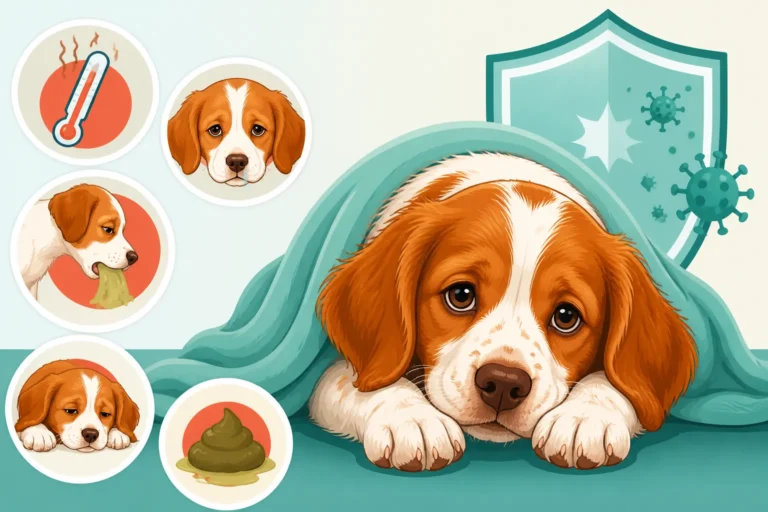
The symptoms of water intoxication can initially mimic some aspects of dehydration or general fatigue, which makes it particularly tricky. Look for bloating, vomiting, lethargy, staggering, dilated pupils, and excessive salivation. In severe cases, it can progress to tremors, seizures, and even coma, as the brain cells swell due to the electrolyte imbalance. It's a serious medical emergency that requires immediate veterinary attention. This is why carefully managing water intake is important, especially after intense exertion, and why a good pet insurance provider like Healthy Paws can be a lifesaver in unexpected emergencies.
To avoid this, it’s not just about giving water, but giving it smartly. Don't let your dog gulp down half a gallon of water in one go after an hour of hard running. Instead, offer smaller amounts more frequently. This allows their body to absorb the water properly without overwhelming their system and diluting essential electrolytes. It's about finding that sweet spot of consistent, moderate hydration rather than infrequent, massive gulps.
Practical Hydration Strategies in the Field
Knowing the science behind hydration is one thing, but implementing effective strategies in the chaotic, exciting environment of a hunt is another. Brittanys are often so consumed by the hunt that they won't stop to drink on their own, even if a water source is nearby. It's our responsibility as their hunting partners to enforce hydration breaks and provide accessible, safe water. This proactive approach is the best defense against both dehydration and over-hydration.
Pre-Hunt Hydration Protocols
Hydration for a hunt doesn't start when you hit the field; it begins much earlier. A well-hydrated dog before the hunt even begins has a significant advantage and a better buffer against the demands of the day. Think of it like pre-loading your car with gas before a long trip.
In the 24 hours leading up to a hunt, ensure your Brittany has constant access to fresh water at home. Don't just fill the bowl once; check it frequently, especially if it's warm or they've been active. You can also incorporate wet food into their diet or add a little extra water to their dry kibble to boost their baseline hydration. Some owners even give a small amount of electrolyte solution (specifically formulated for dogs, not human sports drinks) mixed with water a few hours before the hunt to get a head start, though this should be discussed with your vet.
On the morning of the hunt, before heading out, give them a good opportunity to drink. A full bowl of fresh water offered at least an hour before you leave allows their body to absorb it properly without the urge to urinate immediately upon arrival. Avoid letting them gulp down a huge amount right before getting in the truck, as this can sometimes lead to an upset stomach or the need for an immediate potty break once you're out. Proper pre-hunt care, including ensuring they are well-rested and fed adequately (consider how much more a Brittany eats in hunting season), sets the stage for optimal performance and safety.
Water Break Frequency and Volume
This is where the art and science of field hydration truly come together. There's no one-size-fits-all answer, as conditions vary so wildly. However, a general rule of thumb is frequent, smaller water breaks rather than infrequent, large ones.
For most average conditions (moderate temperatures, typical hunting intensity), aim for a water break every 20-30 minutes. If the weather is hot, humid, or your Brittany is working exceptionally hard in dense cover, you might need to increase that to every 15-20 minutes. The key is consistency. Don't wait until they're visibly lagging or showing signs of dehydration. By then, you're playing catch-up.
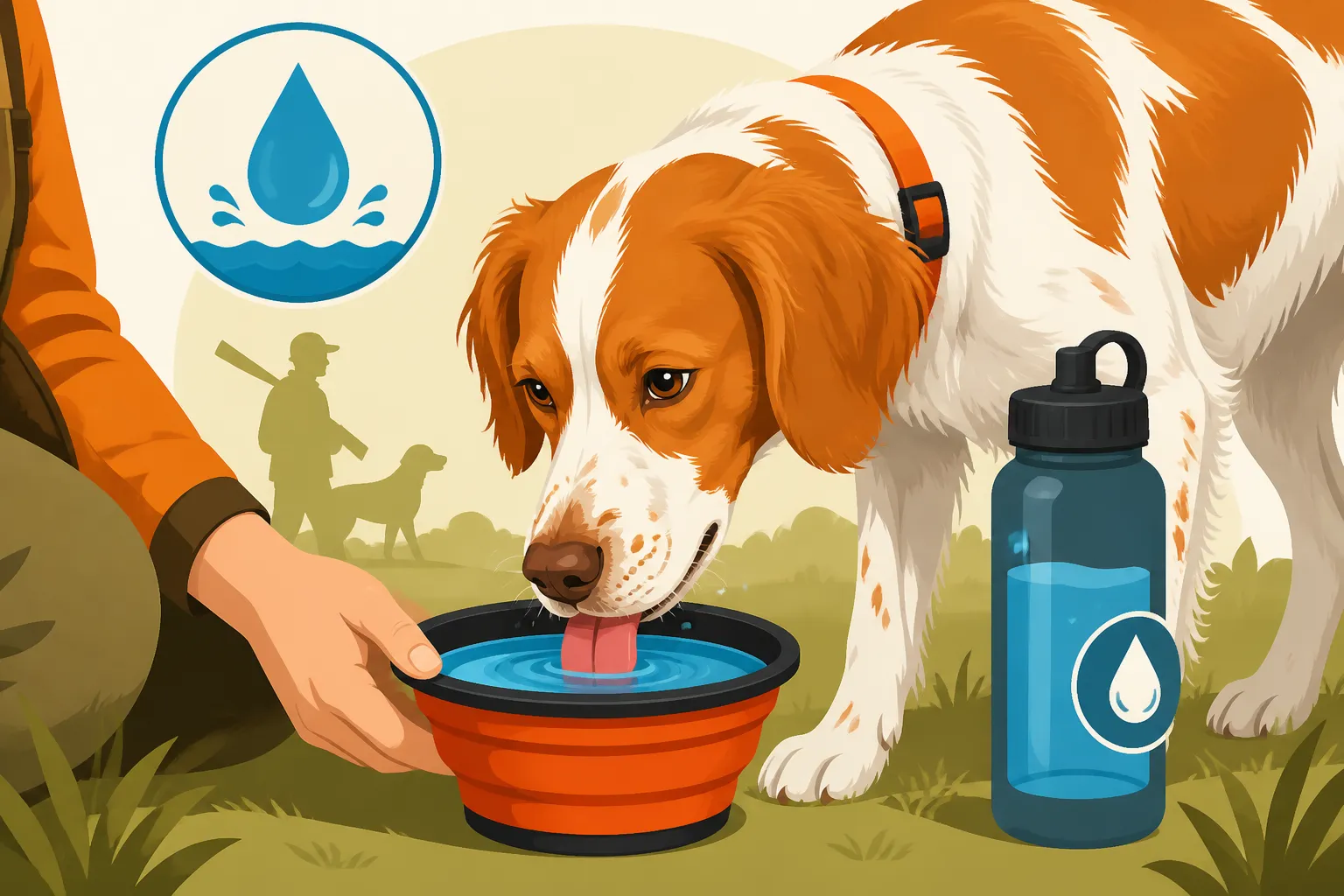
During these breaks, offer a reasonable amount of water. For an adult Brittany, 4 to 8 ounces (about 1/2 to 1 cup) at each break is a good starting point. Watch how they drink – if they lap it up quickly and want more, offer a bit more, but don't let them drain your entire water supply in one go. If they seem hesitant, encourage them gently. Some dogs need a moment to reorient themselves from the excitement of the hunt. You might find that carrying a designated water bottle and collapsible bowl, part of a good Brittany's field water setup, makes these breaks easier and more consistent. It’s also important to make sure the water is clean and fresh; avoiding stagnant puddles or questionable sources helps prevent issues like your Brittany getting Giardia from field water.
| Environmental Conditions | Activity Level | Suggested Water Break Frequency | Suggested Volume Per Break (approx.) |
|---|---|---|---|
| Cool (below 50°F / 10°C) | Moderate | Every 45-60 minutes | 4-6 oz (1/2 – 3/4 cup) |
| Moderate (50-70°F / 10-21°C) | Moderate | Every 30-45 minutes | 6-8 oz (3/4 – 1 cup) |
| Moderate (50-70°F / 10-21°C) | High / Intense | Every 20-30 minutes | 8-10 oz (1 – 1.25 cups) |
| Warm (70-85°F / 21-29°C) | Moderate | Every 20-30 minutes | 8-12 oz (1 – 1.5 cups) |
| Warm (70-85°F / 21-29°C) | High / Intense | Every 15-20 minutes | 10-16 oz (1.25 – 2 cups) |
| Hot (above 85°F / 29°C) | Any | Consider resting / shorter hunt | As much as they'll take, frequently |
Note: These are general guidelines. Always observe your individual Brittany and adjust based on their specific needs and the exact conditions.
Carrying and Administering Water Effectively
You can have all the knowledge in the world about canine hydration, but if you don't have the right tools and a practical system for administering water, it's all for naught. Getting water to your Brittany efficiently in the field is key, especially when they're eager to get back to the hunt.
First, portable water containers are non-negotiable. Many hunters opt for sturdy plastic or stainless steel bottles that hold 32-64 ounces (1-2 liters) of water per dog. For longer hunts or multiple dogs, you might need a dedicated water pack or even a small cooler in your vehicle for refills. Remember, you need enough water for yourself too, so factor that in! A popular option for administering water is a collapsible silicone bowl. These are lightweight, easy to clean, and pack down small. Some clever designs even integrate the bowl directly into a water bottle. Brands like Ruffwear and Kurgo offer excellent portable hydration solutions that stand up to rugged field use.
When it's time for a break, find a safe, shaded spot if possible. Call your Brittany in, praise them, and take a moment to perform a quick check for ticks, burrs, or any minor scrapes (it's wise to carry a basic first aid kit for a Brittany). Offer the water calmly. Some dogs will eagerly drink; others might need a gentle coaxing. Don't rush them, but also don't let them linger endlessly. Once they've had their fill (remember, small amounts, frequently), put the bowl away and get ready to continue. If your Brittany is very focused, a brief sit-stay command before offering water can help them transition from "hunt mode" to "drink mode" more effectively. This systematic approach not only keeps them hydrated but also reinforces their obedience and your bond.
Post-Hunt Recovery and Hydration
The hunt might be over, but your Brittany's body is still in recovery mode. Just like an athlete, they need a proper cool-down and replenishment strategy to prevent soreness, fatigue, and potential health issues. Post-hunt hydration and nutrition are just as vital as in-field management, ensuring they bounce back quickly for the next adventure.
Rehydrating Safely After the Hunt
Once you're back at the truck or home, your Brittany will likely be very thirsty. It's tempting to let them guzzle down an entire bowl of water, but a little restraint here goes a long way. After intense exercise, their body is still working hard, and suddenly flooding their system can lead to discomfort, vomiting, or, in rare cases, even water intoxication if they drink an extreme amount of plain water very quickly.
Instead, offer small to moderate amounts of water every 15-30 minutes for the first hour or two after the hunt. Continue to check their gums for moisture and their overall demeanor. If they seem excessively tired or still very hot, continue with these measured water offerings and monitor them closely for signs of overheating in the field. You can also offer water with a few ice cubes in it to make it more appealing and help cool them internally, but avoid letting them chew on large chunks of ice immediately after exertion, as this can be too much of a shock to their system.
Consider adding a specialized canine electrolyte solution to their water. These solutions help replenish not just water, but also essential minerals like sodium, potassium, and chloride that are lost through sweat and panting. These electrolytes are critical for nerve function, muscle contraction, and maintaining proper fluid balance. Always use products specifically designed for dogs and follow the manufacturer's instructions carefully. This is an area where investing in good quality, purpose-made products makes a difference, and having pet insurance from a company like Healthy Paws can help manage costs if unexpected health issues arise from extreme conditions.
Monitoring Intake and Urination
The true measure of successful hydration isn't just how much water you offered, but how well your Brittany absorbed and utilized it. Monitoring their water intake and subsequent urination patterns after a hunt provides valuable insights into their hydration status and overall kidney function.
Once you're home, ensure a fresh bowl of water is always available, but continue to observe how much they drink. In the hours following a strenuous hunt, it's normal for them to drink more than usual. Pay attention to the frequency and volume of their urination. A well-hydrated dog will urinate regularly, and their urine should be a pale yellow or straw color. If their urine is dark yellow or orange, it's a strong indicator that they are still dehydrated and need more fluids. Infrequent urination or straining to urinate could indicate a different issue entirely and warrant a call to your vet.
It's also important to consider their appetite. Sometimes, a dog that is still dehydrated might be reluctant to eat. Once they are properly rehydrated, their appetite should return to normal. If your Brittany continues to be lethargic, refuses to drink or eat, or shows any persistent signs of illness after the hunt, don't hesitate to contact your veterinarian. Early intervention is always best, and having peace of mind that a significant portion of unexpected vet bills could be covered by a provider like Healthy Paws is invaluable. Regularly scheduled wellness exams, as part of caring for a Brittany past ten or at any age, also help establish a baseline for their normal hydration and overall health.
Electrolytes and Supplements
As mentioned, plain water is crucial, but for a working Brittany, especially on multi-day hunts or in challenging conditions, electrolytes and certain supplements can give them an edge in recovery and sustained performance.
Electrolyte supplements for dogs come in various forms – powders, gels, or liquid additives for water. They are designed to replace minerals lost during intense activity. Choosing one that is balanced and made specifically for canines is essential, as human sports drinks can contain ingredients harmful to dogs or have electrolyte ratios that aren't appropriate. Look for products from reputable brands that focus on canine athletic performance. These can be particularly beneficial for dogs that are working in very warm weather or dogs that tend to lose a lot of fluids through panting.
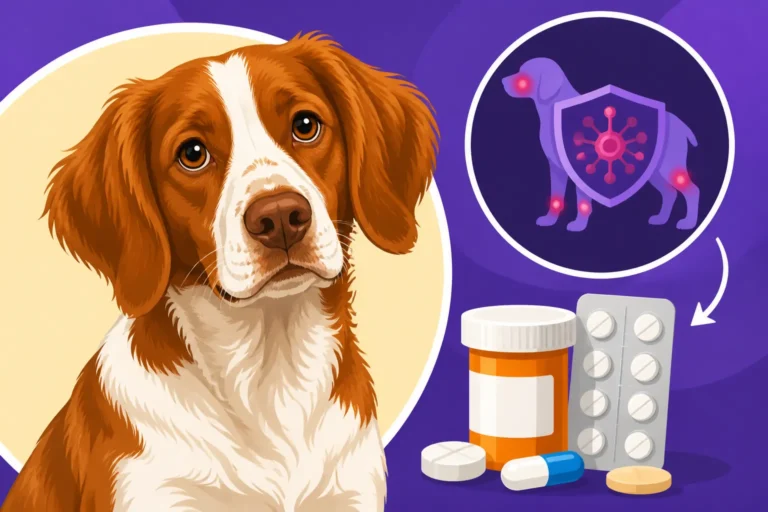
Beyond electrolytes, some owners consider joint supplements to support the wear and tear of hunting on their Brittany's active body. Ingredients like glucosamine, chondroitin, and MSM can help maintain cartilage health and reduce inflammation, which indirectly supports their ability to stay active and recover. While these don't directly impact hydration, a healthy, pain-free dog is more likely to drink adequately and maintain its overall well-being. Always consult with your veterinarian before introducing any new supplements into your Brittany's diet to ensure they are appropriate for your dog's specific health needs and don't interact negatively with any existing conditions or medications.
Disclaimer
The information provided in this article is for general educational purposes only and is not a substitute for professional veterinary advice. Always consult with a qualified veterinarian regarding your Brittany's specific health and hydration needs, especially if you have concerns about dehydration, water intoxication, or any other medical condition.