Whether a Brittany’s Dewclaws Catch in Cover
It’s a common worry for any Brittany owner who spends time in the field: those pesky dewclaws. You’re out there, your dog is working hard, diving into thick cover, and suddenly you hear a yelp or notice a limp. Often, the culprit is a torn or caught dewclaw, turning a great day afield into a trip to the vet. This guide will help you understand your Brittany’s dewclaws, why they pose a unique challenge in dense vegetation, and how you can prevent injuries and care for them when issues arise, ensuring your hunting companion stays sound and comfortable.
Understanding Your Brittany's Dewclaws
Before we can dive into prevention and care, it's essential to understand what dewclaws actually are and their role, or lack thereof, in your Brittany's active life. Many new owners, especially if they haven't had a sporting breed before, might not even notice them until there's a problem.
What Are Dewclaws, Anyway?
Think of dewclaws as the canine equivalent of our thumbs, but often much higher up on the leg and sometimes, especially on the rear legs, not even fully attached by bone. On the front legs, they're typically located on the inside of the leg, just above the paw, and are usually well-formed with a bone and joint connection. These front dewclaws can provide a surprising amount of grip and stability, particularly when a dog is running at speed, turning sharply, or trying to climb a slippery bank. They act almost like an extra digit, helping to brace the carpal joint. For a dog that needs to maneuver quickly in rough terrain, like a Brittany quartering a field, these front dewclaws do play a subtle, supportive role.
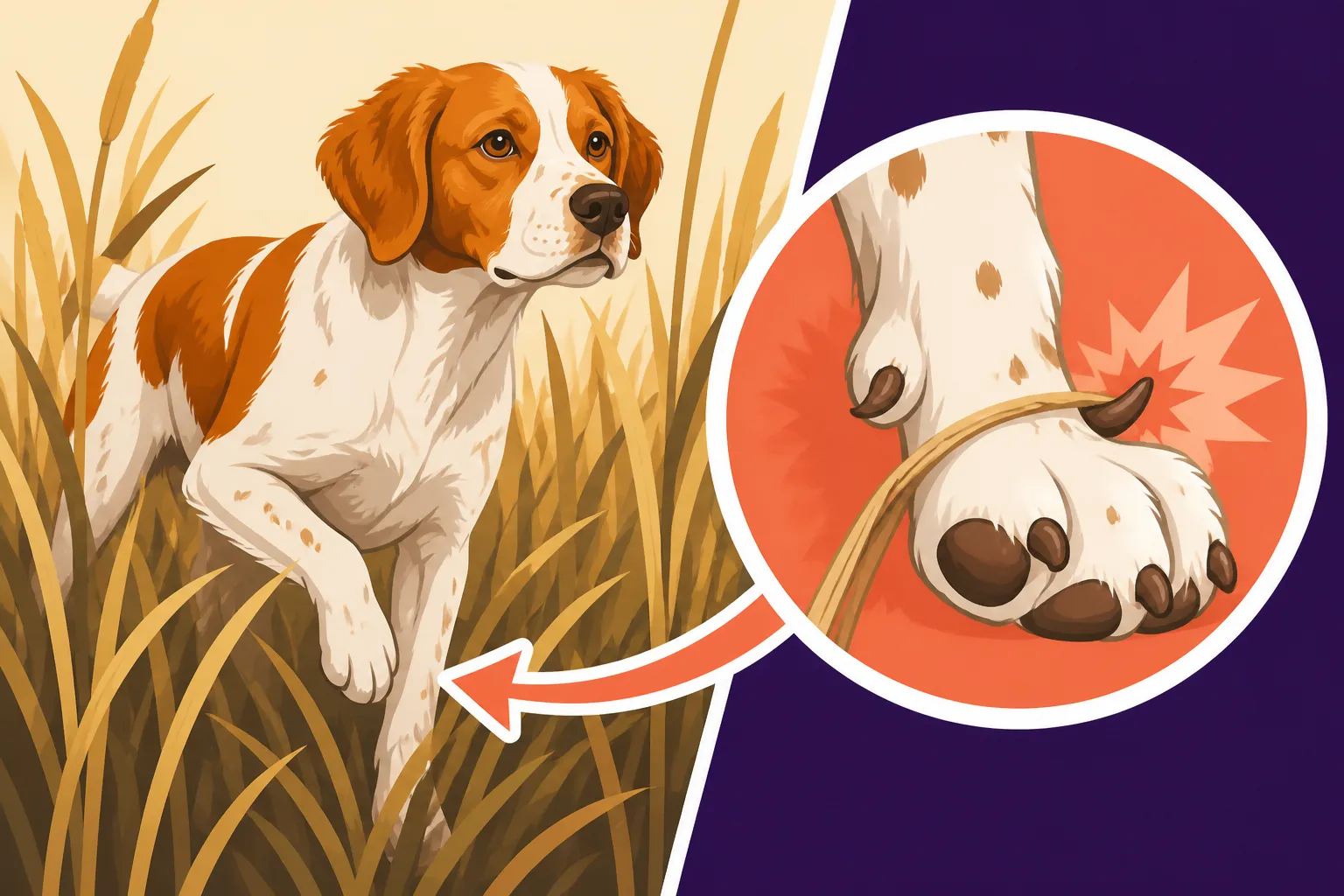
However, the rear dewclaws are a different story. Many breeds don't have them at all, and when Brittanys do, they are often loosely attached by skin and tissue rather than bone. This lack of a solid skeletal connection is precisely what makes them so vulnerable. Without the structural integrity of a joint, they can flop and twist, making them far more prone to catching and tearing. It's almost like having a small, untethered nail on the side of their leg, just waiting for the wrong bush or branch to snag it.
The Difference Between Front and Rear Dewclaws
As mentioned, the distinction between front and rear dewclaws is crucial for understanding injury risk. Your Brittany's front dewclaws are generally more robust. They are typically articulated, meaning they have a bone connection to the leg, similar to their other toes. This makes them less likely to tear completely off, though they can still be scraped, jammed, or have the nail torn if not kept trimmed. When a Brittany makes a sharp turn or pushes off for a leap, those front dewclaws can indeed make contact with the ground, providing some additional traction and preventing torsion on the lower leg.
Rear dewclaws, on the other hand, are often vestigial and poorly attached. Many breeds naturally lack them entirely, and when they are present on a Brittany, they are frequently what we call "loose" or "floating" dewclaws, connected only by skin. Because they hang freely and don't typically touch the ground or bear weight, they serve no functional purpose for a working dog. Instead, they become a liability, catching on underbrush, barbed wire, or even just dense grass. Some Brittanys might even have double rear dewclaws, though this is less common and often considered a fault in the breed standard for American Brittanys, while it's sometimes seen and accepted in other breeds. It’s these unattached rear dewclaws that cause the most grief in the field.
Why Dewclaws Can Be a Problem in the Field
The very nature of a Brittany's work – busting through heavy cover, crashing into briar patches, and navigating tangled woods – puts dewclaws at high risk. Imagine running full tilt through a dense thicket of blackberry brambles or a field full of stiff, dried sunflower stalks. Those sharp, unyielding obstacles are just waiting to catch anything protruding from your dog's leg.
A dewclaw, especially a long, untrimmed one, acts like a fish hook. It snags on branches, thorny bushes, tall grass, or anything that can get behind it and pull. When this happens, it can result in a painful tear, a broken nail, or in severe cases, the dewclaw being ripped completely off. This isn't just a minor scrape; these injuries can bleed profusely, become easily infected, and sideline your dog for weeks. The pain can be intense, and it can create a fear response in some dogs, making them hesitant to plunge into the cover they love. For a serious hunter, a dewclaw injury isn't just an inconvenience; it can mean the premature end of a hunting trip or even a season.
Preventing Dewclaw Injuries in Cover
Prevention truly is the best medicine when it comes to dewclaws. A proactive approach can save your Brittany a lot of pain and you a lot of worry (and vet bills!). Regular maintenance and careful preparation before hitting the field are key.
Keeping Dewclaws Trimmed and Healthy
This is, by far, the most critical step in preventing dewclaw injuries. Just like your Brittany’s other nails, dewclaws grow continuously. Because they often don't make contact with the ground, they don't wear down naturally like the main paw nails do. A long dewclaw nail is far more likely to get caught or to grow so long that it curls into the paw pad, causing another type of painful injury.
You should trim your Brittany's dewclaws every week or two, or at least as often as you trim their other nails. If you're using standard clippers, be careful not to cut into the quick, which is the pink, sensitive part of the nail that contains nerves and blood vessels. If you’re unsure, just take off a tiny bit at a time. Many owners find a Dremel-style rotary tool even better for dewclaws, as it allows for a smoother, shorter trim without the crushing sensation of clippers, which some dogs dislike. Regular trimming keeps the nail short, strong, and less likely to snag or tear. Don't forget to inspect them each time for any signs of cracking, splitting, or inflammation around the base. You want that nail to be blunt and neat, not a sharp, curving hook. Proper nail care, especially for dewclaws, is a fundamental part of A Brittany's Feet Over a Long Season.
Protecting Dewclaws During Hunts
Sometimes, even with meticulous trimming, the cover is just too thick or abrasive, or your Brittany is exceptionally enthusiastic. That's when external protection can be a lifesaver. Dog boots are an excellent option for protecting all four paws, and by extension, the front dewclaws. Good quality hunting boots, which you can find on sites like Chewy or Amazon, will cover the dewclaw area on the front legs, preventing snags and abrasions. They also protect the main pads from cuts on stubble or frozen ground, which is another common field injury addressed in Whether a Brittany Needs Boots in the Field.
Another effective method, particularly for rear dewclaws that boots might not cover well or for dogs who just won't tolerate boots, is veterinary tape. You can wrap the dewclaw snugly, but not tightly, against the leg. This essentially secures the dewclaw to prevent it from flapping around and catching on obstacles. Use self-adhering veterinary wrap, which sticks to itself without pulling on your dog's fur. Practice this at home first to ensure you can apply it correctly and that it stays put during activity without cutting off circulation. Always remove the tape after each hunt to prevent skin irritation or moisture buildup. This simple step can significantly reduce the risk of a tear, especially when your Brittany is plunging into dense cover like cattails or heavy briars.
Navigating Different Types of Cover
While you can't control the environment your Brittany hunts in, understanding different types of cover can help you anticipate risks and adjust your dog's work. Thick, thorny cover like multiflora rose, hawthorn, or dense blackberry brambles are notorious for catching dewclaws and tearing pads. If you know you're heading into such areas, prioritize protection. Old crop fields with stiff, woody stubble (like corn or sunflower stalks) are also hazardous, as the rigid material can easily get behind a dewclaw.
Wet conditions can also contribute to problems. When your dog's fur and skin are damp, they can become softer and more susceptible to injury, and mud can cause tape or boots to lose adhesion. After a retrieve from water, always check your Brittany, not just for overall well-being, but for any signs of dewclaw irritation or new snags. What a Brittany Needs Within an Hour of a Hunt often includes a thorough inspection, and dewclaws should be a focal point. Being mindful of the terrain and its potential hazards, and adjusting your dog's protection accordingly, can make a world of difference in preventing injuries.
| Dewclaw Type | Location | Bony Attachment | Function | Injury Risk in Cover | Protection Strategy |
|---|---|---|---|---|---|
| Front Dewclaws | Inner front leg, above paw | Usually Yes | Traction, stability in turns | Moderate | Trim regularly, dog boots |
| Rear Dewclaws | Inner rear leg, above paw | Often No (Floating) | Little to none | High | Trim regularly, tape securely |
Addressing Dewclaw Injuries When They Happen
Despite your best efforts, sometimes injuries still occur. Knowing how to recognize a problem and what steps to take can prevent minor issues from escalating into major health concerns. Being prepared with a basic first-aid kit in your truck or vest is non-negotiable for any hunting dog owner.
Recognizing a Caught or Torn Dewclaw
The first sign of a dewclaw injury is often an abrupt change in your Brittany's behavior in the field. They might yelp, stop abruptly, start favoring a leg, or hold it up. If you notice your dog licking or chewing excessively at their leg, especially the dewclaw area, it's a strong indicator something is wrong.
Visually inspect the dewclaw immediately. Look for blood, even a small amount. A torn dewclaw can bleed quite a bit due to the blood vessels in the quick. You might see a nail that is bent at an odd angle, partially ripped away, or completely missing. The skin around the dewclaw might be red, swollen, or appear lacerated. Sometimes, the entire dewclaw pad might be hanging by a thread of skin. Even if it's not bleeding heavily, any significant damage means it needs attention. Don't assume your tough Brittany isn't in pain; they are known for their stoicism, but a dewclaw injury is genuinely uncomfortable.
First Aid for a Dewclaw Injury
If you find a dewclaw injury in the field, your immediate goal is to control bleeding and prevent infection. First, assess the severity. For minor scrapes or a partially torn nail that's still mostly attached, you can often provide field first aid. Gently clean the area with sterile saline solution or clean water from your dog's water bottle. Apply direct pressure with a clean cloth or gauze to stop any bleeding. A small amount of styptic powder or cornstarch can also help clot the blood if the nail itself is torn.
Once bleeding is controlled, apply an antiseptic wipe or spray to the wound. Then, cover it with a non-stick gauze pad and secure it with self-adhering veterinary wrap. The goal is to keep it clean and protected until you can get to a vet if necessary. For a completely avulsed (ripped off) dewclaw or a deep laceration around the area, focus on stopping the bleeding and protecting the wound, then head directly for veterinary care. Remember that a basic What a First Aid Kit for a Brittany Should Hold is a must-have for every hunt.
When to See the Vet
While minor nicks and scrapes can often be managed at home, there are definite signs that warrant a trip to the veterinarian. Any injury that causes profuse or persistent bleeding needs professional attention. If the dewclaw is completely ripped off, leaving an open wound, or if there's a deep laceration around the base of the dewclaw, your vet will need to clean it thoroughly, likely prescribe antibiotics to prevent infection, and potentially suture the wound.
Signs of infection, such as swelling, redness, pus, foul odor, or excessive pain when touched, also mean it's time for the vet. If your Brittany is severely lame, not putting any weight on the leg, or seems unusually distressed, don't delay. An untreated or improperly healed dewclaw injury can lead to chronic pain, recurring infections, or scar tissue that continues to cause problems. Sometimes, even what appears to be a simple tear can be more complicated, especially if debris has entered the wound. Your vet can properly assess the damage, clean it thoroughly, and provide the best course of treatment for a full recovery.
The Debate: Should Dewclaws Be Removed?
The question of dewclaw removal is a long-standing debate among dog owners, breeders, and veterinarians, particularly concerning working dogs like Brittanys. There are valid arguments on both sides, and the best decision for your dog often depends on their lifestyle and your personal experience.
Pros and Cons of Dewclaw Removal
The primary argument for removing dewclaws, especially the loosely attached rear dewclaws, is injury prevention. For a Brittany that spends significant time crashing through dense cover, removing these non-functional appendages eliminates a major source of potential harm. A torn dewclaw is painful, costly to treat, and can take your dog out of commission for several weeks. Many breeders opt to remove dewclaws on puppies shortly after birth, typically within the first few days, when the procedure is relatively simple and causes minimal discomfort. This preventative measure ensures the dog never faces the risk of a field injury related to dewclaws.
However, there are also arguments against routine removal. For the front dewclaws, which often have a bone and joint attachment, removal is a more invasive surgical procedure. Some argue that these front dewclaws actually provide crucial stability to the wrist joint when dogs are running or turning at high speeds, acting like an extra digit for traction. Removing them could, theoretically, increase the risk of other joint injuries. Additionally, any surgical procedure carries risks, including infection, anesthesia complications, and pain. Many dogs go their entire lives with intact dewclaws without a single incident, particularly if they are diligently maintained by their owners through regular trimming. The question often boils down to balancing the risk of a dewclaw injury against the risks and potential drawbacks of elective surgery.
Timing and Procedure for Removal
If you decide on dewclaw removal for your Brittany, the timing is critical. For unattached rear dewclaws, the procedure is simplest and least invasive when performed on puppies around 3-5 days old. At this age, the nerves are not fully developed, the puppy is still very small, and the connection is primarily tissue-based, making it a quick snip and suture. The recovery is usually very fast. Most reputable breeders will have already removed rear dewclaws (and often front ones) before you even bring your puppy home, particularly if they are breeding for hunting lines. Always ask your breeder about their dewclaw policy when selecting a puppy.
Removing front, attached dewclaws on an adult dog is a more significant surgical procedure. It requires general anesthesia and a recovery period similar to other minor surgeries. It's not a decision to be taken lightly and should only be done after careful consultation with your veterinarian, weighing the individual risks and benefits for your specific dog. Some owners consider it for an adult dog that has experienced recurrent dewclaw injuries, but for many, diligent trimming and protective measures are preferred over elective surgery later in life. This decision might also tie into discussions about other elective surgeries, such as Whether a Brittany Should Be Neutered Late, where timing and health considerations are paramount.
Living With Intact Dewclaws
For many Brittany owners, living with intact dewclaws is perfectly manageable and doesn't pose an ongoing problem, provided they commit to regular maintenance. The key, as we've emphasized, is consistent trimming. Making dewclaw trimming a part of your weekly grooming routine, just like checking ears (which is important for a Brittany because Why a Brittany Gets Ear Infections) or brushing their coat, will go a long way.
If your Brittany has front dewclaws that seem to provide some functional benefit, or if you simply prefer not to put your dog through an elective surgical procedure, then protective gear is your friend. High-quality dog boots or careful taping before every hunt can offer excellent protection. Just remember that no single solution is perfect; it’s a combination of consistent care, watchful observation, and adapting your approach based on your dog's individual needs and the hunting environment. You want your Brittany to be confident and comfortable in the field, not hesitant due to fear of injury.
Disclaimer
This article is for general informational purposes only and does not constitute professional advice. Laws, prices and regulations vary by location and change over time. Consult a qualified professional for guidance on your specific situation.