How to Condition a Brittany in Hot Weather
As Brittany owners, we all want our tireless companions to be in peak physical condition, ready for the field or a long hike. But when the mercury starts to rise, pushing your beloved Brittany to train can quickly turn from a beneficial activity into a dangerous gamble. Many of us have felt that nagging worry, looking at the heat index and wondering, "Is it too hot?" This guide is here to help you navigate those tricky warm weather months, providing practical strategies to condition your Brittany safely and effectively, without risking their health.
The Hidden Dangers of Hot Weather Training for Your Brittany
It's a common misconception that all dogs handle heat the same way, or that if we feel okay, our dogs do too. For a high-energy, driven breed like the Brittany, this couldn't be further from the truth. Their enthusiasm can often override their instinct for self-preservation, pushing them past safe limits.
Why Brittanys Struggle in the Heat
Brittanys, with their dense coats and incredible drive, are built for covering ground, often in cooler temperatures. While their medium size and relatively open nostrils give them a slight advantage over brachycephalic (short-nosed) breeds, they still rely primarily on panting to cool down. When the air temperature is high, especially combined with humidity, panting becomes far less effective because there's less of a temperature difference between their body and the air to facilitate heat exchange. Their internal engine is always running hot, and they can't shed that heat as efficiently as we can sweat. You might think a little run in 80-degree weather is fine, but for your Brittany, it's like asking them to run a marathon in a fur coat. Understanding What Temperature Is Too Warm to Run a Brittany is crucial for their safety.
Furthermore, their instinct to please and their sheer love for their work can make them push through discomfort. They often won't show obvious signs of distress until they are already in trouble. It’s up to us, their human partners, to be vigilant and set appropriate boundaries, even when they’re begging for "just one more retrieve." Their energy and prey drive, while admirable, can be their downfall in oppressive heat.
Recognizing the Warning Signs of Overheating
Spotting the signs of an overheated Brittany early can be the difference between a quick cool-down and a trip to the emergency vet. It’s not always obvious, especially with their typical exuberance. Beyond excessive panting, which is normal for exercise, look for changes in the quality of the panting – it might become more labored, rapid, or noisy, almost like they're struggling to catch their breath. Their gums might appear a darker red than usual, or even pale or bluish in severe cases.
Other red flags include lethargy, stumbling, or a general lack of coordination. They might look confused or disoriented. Vomiting or diarrhea can also occur, and in extreme cases, they might collapse or even have seizures. Pay close attention to their body language. Are they still eager to retrieve, or are they lagging behind, seeking shade, or even refusing commands? Any deviation from their normal behavior during or after exercise in warm weather should be a cause for immediate concern. Learning Signs a Brittany Is Overheating in the Field will equip you with critical knowledge.
Understanding Heat-Related Illnesses
Overheating isn't just "getting a bit too warm"; it can escalate rapidly into serious, life-threatening conditions. The most common and severe is heatstroke, where the dog’s core body temperature rises to dangerous levels, leading to organ damage, kidney failure, brain swelling, and disseminated intravascular coagulation (DIC), a severe bleeding disorder. This isn't just uncomfortable; it's an emergency.
Beyond heatstroke, Brittanys can also suffer from exertional rhabdomyolysis, a breakdown of muscle tissue caused by extreme exertion, especially in hot conditions. This condition is incredibly painful and can lead to kidney damage. Whether a Brittany Gets Exertional Rhabdomyolysis is a serious consideration for active dogs. Even less severe heat stress can lead to gastrointestinal upset, dehydration, and a general feeling of misery that takes days to recover from, impacting their training progress and overall well-being. Preventing these issues starts with understanding their severity.
Smart Strategies for Cooler Workouts
When the sun is blazing, throwing caution to the wind is simply not an option. Conditioning your Brittany in hot weather demands a strategic approach, focusing on timing, location, and moderation. You can still maintain their fitness, but you have to be smarter about how you do it.
Timing is Everything: Early Mornings and Late Evenings
This is perhaps the simplest yet most effective strategy. Avoid the hottest parts of the day entirely. This means no mid-day runs, no afternoon training sessions, and definitely no field work between 10 AM and 5 PM on warm days. Instead, embrace the dawn and dusk. The coolest part of the day is typically just before and right after sunrise. The ground has had all night to cool down, and the air temperature is at its lowest.
Similarly, late evening, after the sun has set and the asphalt and concrete have had a chance to radiate away some of the day's absorbed heat, can be another window. However, evenings can often remain humid, so always factor in humidity levels, not just temperature. A thermometer might read 75 degrees, but 90% humidity makes it feel and act like 90 degrees on your dog's ability to cool itself. Adjusting your schedule is not just a suggestion; it's a vital safety measure.
Seeking Shade and Water Sources
When you plan your conditioning route, prioritize shaded areas. Forests, trails with dense tree cover, and even the shadow cast by large buildings can offer a surprising reprieve from direct sunlight. Direct sun exposure significantly increases a dog's body temperature, even on moderately warm days. If you’re training in an open field, ensure there's a shaded rest area you can frequent, or even bring your own pop-up canopy for breaks.
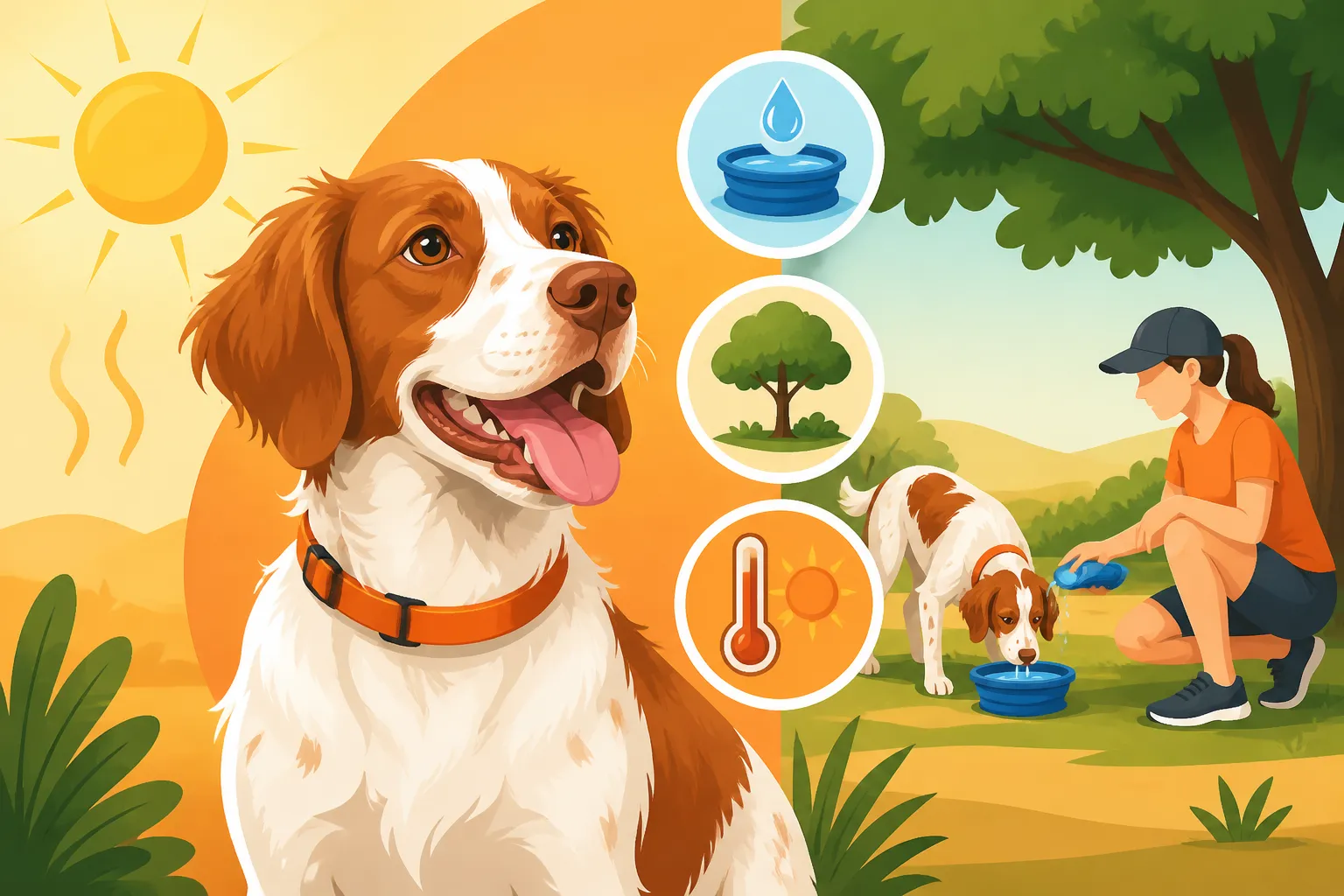
Access to water is equally, if not more, important. Choose locations with natural streams or ponds where your Brittany can cool off by wading or swimming, assuming the water quality is safe. If not, you must carry ample water. This isn't just about offering a sip here and there; it’s about ensuring constant hydration and opportunities for external cooling. Remember, How Much a Brittany Should Drink on a Hunt is often more than you think, especially when it's warm.
Adjusting Intensity and Duration
In hot weather, you simply cannot ask your Brittany to perform at the same level as in cooler conditions. You need to significantly dial back the intensity and duration of your workouts. Instead of long, sustained runs, opt for shorter, more frequent bursts of activity with ample rest breaks in between. Think short retrieves, short quartering drills, or brisk walks rather than prolonged roading or continuous field work.
Reduce the overall time spent exercising. A 30-minute session on a hot day might be equivalent to an hour on a cool day in terms of physiological stress. Watch your dog closely for any signs of fatigue or overheating, and always err on the side of caution. If they seem to be struggling, stop immediately. It’s far better to cut a session short and have a healthy dog than to push too far and face a medical emergency. You're building fitness over weeks, not in a single session, so remember that How Many Weeks a Brittany Needs to Get Fit requires consistency, not brute force in adverse conditions.
Hydration and Nutritional Support are Non-Negotiable
Proper hydration and nutrition become absolutely paramount when conditioning your Brittany in hot weather. Just like human athletes, their bodies need the right fuel and sufficient water to perform and recover safely in challenging conditions.
Keeping Your Brittany Hydrated Before, During, and After Exercise
Hydration starts long before you head out the door. Ensure your Brittany has constant access to fresh, cool water throughout the day. Consider adding water to their food or offering ice cubes as treats to boost their intake. Before a hot weather workout, offer a good drink of water about 30 minutes prior.
During the activity, you need to be proactive about offering water. Don't wait for them to seem thirsty; by then, they might already be dehydrated. Carry a portable water bowl and plenty of water – more than you think you’ll need. For instance, brands like Chewy offer a wide selection of collapsible bowls and hydration packs, making it easy to carry water on trails. Stop frequently for water breaks, even if it means interrupting a training session. After the workout, ensure they have unlimited access to water and encourage them to drink. You can even add a bit of unflavored electrolyte solution to their water if they've been working particularly hard, but always check with your vet first.
Fueling for Performance in Warm Conditions
A Brittany expends a tremendous amount of energy, and even more so when its body is working overtime to stay cool. Providing adequate nutrition is key to sustained performance and quick recovery. If your Brittany is highly active, especially in hunting season, they likely need a high-quality performance dog food with a good balance of protein and fat. Whether a Working Brittany Needs a Performance Food is a question many owners face, and the answer is usually yes if they are truly working hard. These specialized formulas provide concentrated calories in smaller portions, which can be easier for dogs to digest before or after activity.
Some owners even explore fresh food options, like those offered by Ollie, believing the higher moisture content and less processed ingredients contribute to better hydration and overall health. Whatever food you choose, ensure it's a reputable brand. During intense conditioning, monitor your Brittany's weight; it's not uncommon for active dogs to lose weight over a season, and you need to adjust their food intake accordingly. Ensure they are getting enough quality calories to support their energy demands without overfeeding them, which can lead to other health issues.
Essential Gear for Hot Weather Hydration
Being prepared with the right gear can make all the difference. Beyond a sturdy leash and collar, here’s what you should consider for hot weather conditioning:
- Portable Water Bowls/Bottles: Collapsible silicone bowls are lightweight and easy to carry. Water bottles with integrated dog bowls are also very convenient. You can find many options on Amazon.
- Cooling Vests or Bandanas: These products are designed to keep your dog's core temperature down. You wet them, and as the water evaporates, it draws heat away from your dog's body. Some even have reflective properties to deflect sun.
- Insulated Water Bottles/Coolers: To keep your dog's water truly cool for longer periods, especially on extended outings.
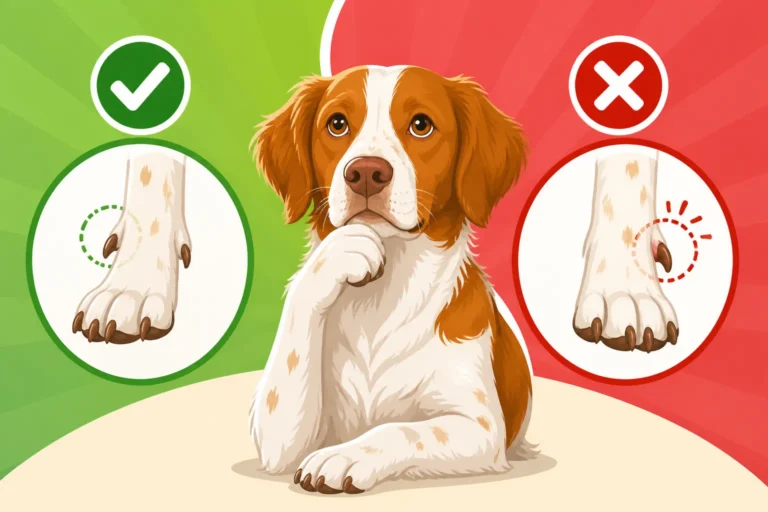
- Paw Protection: Hot asphalt, sand, or rocky terrain can severely burn your Brittany's paw pads. Consider paw wax or even dog boots for extreme conditions. Whether a Brittany's Pads Burn on Hot Ground is a serious concern, and protective measures are vital.
- First Aid Kit: Always carry a basic first aid kit equipped for heat-related issues, including items to help cool your dog.
| Item | Purpose | Usage Tip |
|---|---|---|
| Portable Water Bowl | Ensures hydration on the go | Always have full, cool water available; offer frequently. |
| Cooling Vest/Bandana | Reduces core body temperature | Wet thoroughly and wring out; re-wet as it dries. |
| Paw Wax / Dog Boots | Protects pads from hot surfaces | Apply wax before outings; use boots on extremely hot or rough terrain. |
| Insulated Water Bottle | Keeps water cool longer | Fill with ice and water before leaving home. |
| Shade Shelter (pop-up) | Provides immediate relief from direct sun | Essential for open field training. |
| Small Towel | For quick cooling/drying | Wet with cool water and drape over neck/chest during breaks. |
Having these items readily available will make your hot weather conditioning sessions much safer and more comfortable for your Brittany. Consider a proper What a Brittany's Field Water Setup Costs for more organized field trips.
Creative Ways to Maintain Fitness Indoors and Out
When outdoor conditions are simply too extreme, you don't have to put your Brittany's fitness on hold. There are plenty of creative, safe ways to keep them conditioned, both in and out of the water. This also addresses the broader topic of How to Keep a Brittany Fit in Summer.
Water Workouts and Swimming
Water is your best friend when it comes to hot weather conditioning. Swimming is an excellent, low-impact full-body workout that allows your Brittany to cool down simultaneously. Most Brittanys are natural swimmers and love the water, whether it's a lake, a pond, or even a large kiddie pool in your backyard.
Start slowly if your dog isn't accustomed to swimming, ensuring they feel secure. A dog life vest can be a great investment, especially for beginners or for long sessions, providing buoyancy and a handle for you to guide them. Throw retrieving dummies into the water to encourage them to swim. Even wading in cool water can help regulate their body temperature after a light walk. Just be sure to thoroughly dry their ears afterward to prevent infections.
Brain Games and Indoor Conditioning
Mental stimulation is just as important as physical exercise for a Brittany, and it can be done safely indoors when temperatures soar. Puzzle toys, KONGs stuffed with frozen treats, and scent work games engage their minds and burn energy without elevating their body temperature. Teach them new tricks, practice obedience commands, or set up an indoor "agility course" with household objects.
Indoor conditioning can also include short bursts of fetch in a cool basement, treadmill training (with proper introduction and supervision), or even simply doing short obedience drills with high-value treats. These activities may not replicate the cardiovascular workout of a long field run, but they keep your Brittany engaged, reinforce good behavior, and prevent boredom, which can lead to destructive habits.
Conditioning Pads for Hot Surfaces
While not strictly an "alternative workout," conditioning your Brittany's paw pads is essential for any outdoor activity, especially in warmer months. Hot pavement and rough terrain can quickly wear down and even burn delicate pads. Start toughening their pads well before hunting season by gradually increasing their exposure to varied, firm surfaces like concrete sidewalks or gravel paths during cooler parts of the day.
There are also paw balms and waxes, often found at pet supply stores like Chewy, that can help create a protective barrier and moisturize pads to prevent cracking. Remember that even with conditioned pads, extremely hot surfaces are dangerous. Always test the ground yourself by placing the back of your hand on it for 5-7 seconds. If it's too hot for your hand, it's too hot for your Brittany's paws. Learning How to Toughen a Brittany's Pads should be part of your year-round routine.
What to Do in a Heat Emergency
Despite all precautions, sometimes the unexpected happens. Knowing exactly what to do if your Brittany shows signs of overheating is critical. Immediate action can save their life.
Immediate First Aid for an Overheated Brittany
If you suspect your Brittany is overheating, your first priority is to cool them down immediately and safely.
- Stop Activity and Get to Shade: As soon as you see warning signs, halt all exercise and move your dog to the coolest, shadiest spot available.
- Apply Cool Water: Do not use ice water directly, as it can cause peripheral vasoconstriction (narrowing of blood vessels), trapping heat in the core and potentially leading to shock. Instead, use cool (not freezing) water. Soak towels and drape them over their neck, armpits, groin, and paw pads. You can also wet their entire body, paying special attention to areas with less fur. A garden hose on a gentle setting can be effective.
- Offer Small Amounts of Water: If they are conscious and able to swallow, offer small sips of cool water. Do not force them to drink.
- Increase Airflow: Use a fan if one is available. The evaporative cooling effect is vital. If in a car, turn on the air conditioning.
- Monitor Temperature (if possible): If you have a rectal thermometer, check their temperature. A dog's normal temperature is between 101 and 102.5 degrees Fahrenheit. If it's above 104, it's an emergency.
- Call Your Vet: Even if your dog seems to be recovering, call your veterinarian immediately. Heatstroke can have delayed and serious complications.
Remember, the goal is gradual cooling. Over-cooling too quickly can be just as dangerous as the heat itself. For detailed steps, refer to How to Cool a Brittany Down After a Run.
When to Seek Veterinary Care
If your Brittany’s temperature remains high despite your efforts, if they are unresponsive, collapsing, having seizures, or if their condition is worsening, do not hesitate. This is a life-threatening emergency, and every minute counts. Get them to the nearest veterinary emergency clinic as quickly and safely as possible.
Even if your Brittany seems to recover well after initial cooling, a vet visit is still highly recommended. Heatstroke can cause internal damage that isn't immediately apparent. Your vet can perform blood tests to check for organ damage (especially to the kidneys and liver), monitor for complications like DIC, and ensure they are fully rehydrated. They might also need intravenous fluids, medication, or ongoing supportive care. Being proactive and having your vet's emergency number readily available, along with the location of the nearest emergency clinic, is a crucial part of responsible hot weather conditioning.
Disclaimer
This article is for general informational purposes only and does not constitute professional advice. Laws, prices and regulations vary by location and change over time. Consult a qualified professional for guidance on your specific situation.