How Often a Brittany’s Ears Should Be Checked
One of the most common frustrations for any Brittany owner is dealing with those beautiful, floppy ears. They're magnets for moisture, debris, and all sorts of trouble, often leading to recurring infections that can make your otherwise happy-go-lucky companion miserable. Understanding how often a Brittany's ears should be checked is absolutely critical to staying ahead of these issues, catching problems early, and ensuring your dog lives a comfortable, healthy life without constant ear irritation.
The Unique Vulnerability of Brittany Ears
Brittany Spaniels, with their energetic personalities and love for the outdoors, are unfortunately predisposed to ear problems. It’s not just bad luck; it’s a combination of their physical anatomy and their adventurous spirit. Many owners find themselves in a constant battle against ear infections, wondering why their Brittany seems to suffer more than other breeds.
Why Their Anatomy Poses a Challenge
Think about the structure of a Brittany's ear. Unlike breeds with upright ears, the Brittany has long, pendulous ears that hang down, effectively sealing off the ear canal from fresh air circulation. This creates a warm, dark, and often moist environment – essentially a perfect breeding ground for bacteria, yeast, and other microscopic invaders. Humidity and lack of airflow are the archenemies of a healthy ear canal, and a Brittany’s ear leather provides an ideal blanket for this unwelcome party. This anatomical design means that moisture, whether from a bath, a swim, or even just heavy morning dew, can get trapped deep inside the ear, lingering and causing irritation long after other parts of the dog have dried.
Furthermore, the ear canal itself in Brittanys, like many other dog breeds, isn't a straight shot. It has a vertical and a horizontal component, creating a kind of L-shape. This makes it incredibly difficult for debris, foreign bodies, or pus to drain out naturally. Instead, everything tends to collect at the bend, allowing infections to fester and build up pressure, which can be incredibly painful for your dog. It's a design flaw, in a way, but one we as owners have to constantly manage. This combination of a floppy ear flap and a convoluted canal is a major reason why Why a Brittany's Drop Ear Traps Water is such a common concern for breed enthusiasts.
The Role of Their Active Lifestyle
Beyond anatomy, a Brittany's active, outdoor lifestyle significantly increases their risk of ear issues. These are dogs bred for the field, for busting through dense cover, and for fearlessly retrieving from water. Every time they plunge into a pond, trek through tall grass, or nose their way through brush, their ears are exposed to moisture, dirt, seeds, and even tiny parasites. Imagine a day of hunting in a marshy field; their ears are constantly getting wet, collecting mud, and potentially scraping against abrasive vegetation. This constant exposure can lead to micro-abrasions inside the ear canal, making it even easier for opportunistic bacteria or yeast to take hold.
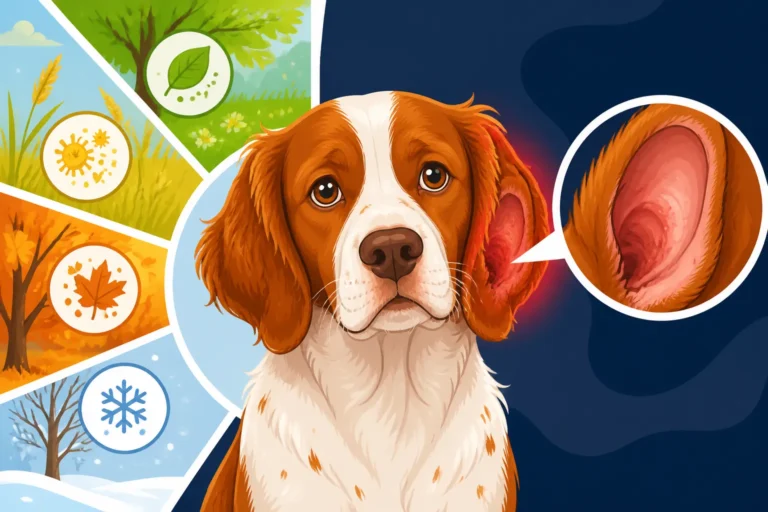
Consider a Brittany that loves to swim – which many do! While swimming is fantastic exercise, it introduces a significant amount of water into those already vulnerable ear canals. Without proper drying, that moisture sits there, incubating problems. Even simple things like a walk in a damp forest can introduce grass seeds or foxtails that, once lodged, can burrow deeper into the ear canal, causing severe pain and infection. It's a double-edged sword: you want your Brittany to enjoy their natural instincts, but you also have to be hyper-vigilant about the consequences of that enjoyment on their ears. This is why understanding Why a Brittany's Ears Get Infected Every Season is essential for proactive care.
Establishing a Baseline: Daily Checks and Early Warning Signs
Many owners only think about ear checks when a problem is visibly present. However, for a Brittany, proactive and consistent monitoring is your best defense against serious issues. Establishing a baseline for what a healthy ear looks like for your dog is the first crucial step.
What a "Normal" Brittany Ear Looks Like
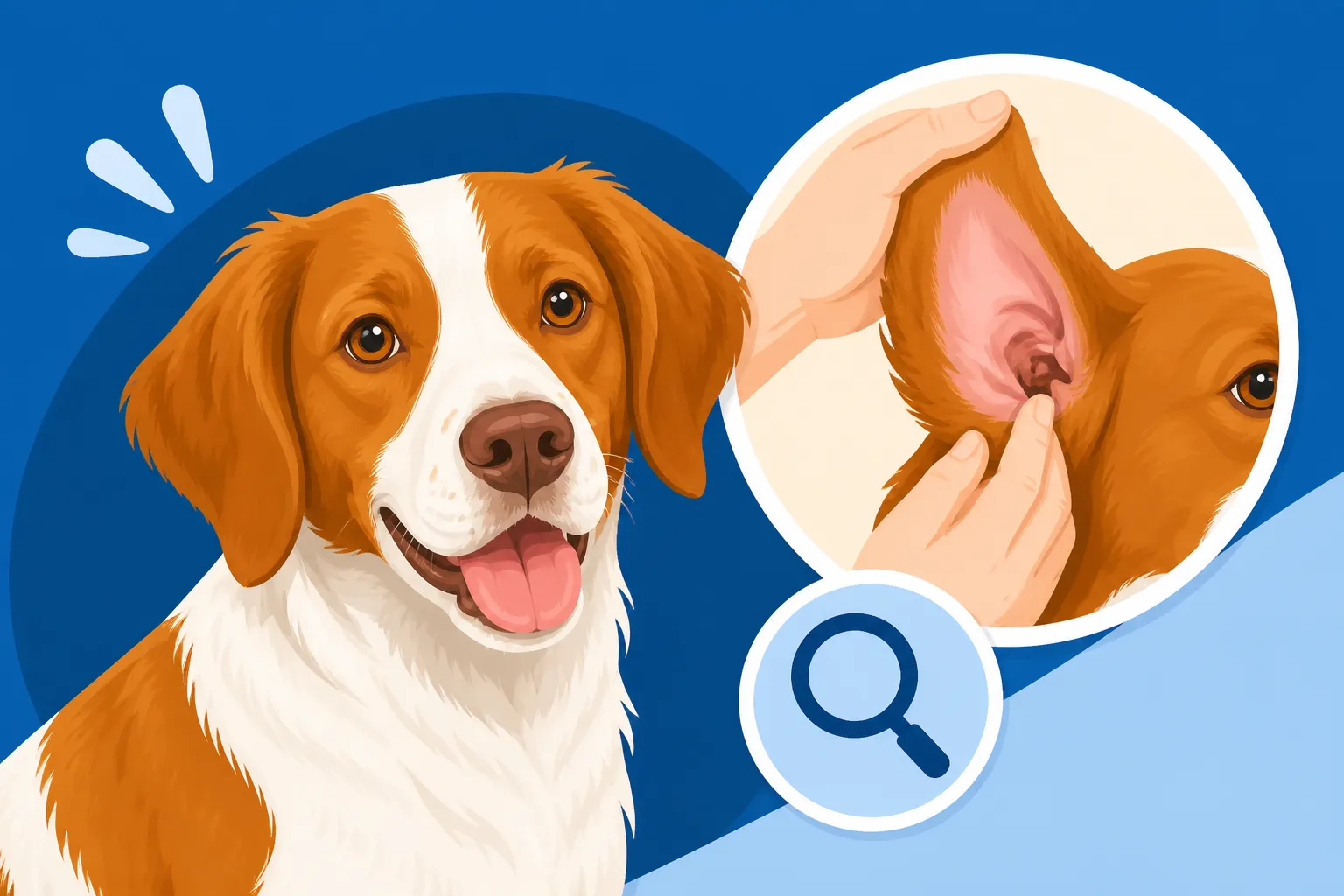
A healthy Brittany ear, both inside and out, should generally be clean, dry, and free of any strong odor. When you gently lift the ear flap, the skin on the underside should be a light pink color, consistent with the skin on their belly or inner thigh. There should be minimal to no visible wax or discharge. A very small amount of light brown or reddish-brown waxy residue in the outer ear canal is usually normal – think of it like human earwax, it's there to protect the ear. However, this should be sparse, not copious, and certainly not accumulating in clumps. The hair inside the ear canal, while present, shouldn't be so dense that it completely obstructs your view into the canal's opening.
It's also important to observe your Brittany's behavior. A dog with healthy ears won't be scratching at them excessively, shaking their head frequently, or rubbing their ears on furniture or the ground. They shouldn't be yelping or flinching when you touch their ears. Take a moment each day, perhaps during a cuddle or grooming session, to just lift their ears, take a sniff, and glance inside. This quick, low-stress check helps you identify what's normal for them, so any deviation will immediately stand out. This routine makes it easier to notice subtle changes before they become full-blown problems.
Red Flags You Should Never Ignore
While a little normal earwax is fine, there are several clear red flags that signal something is wrong and warrants closer attention or a vet visit. The most obvious sign is an unpleasant odor emanating from the ear. Healthy ears don't smell; infected ears often have a strong, yeasty, or even rotten smell that's hard to ignore. Another major indicator is excessive ear scratching, head shaking, or rubbing. If your Brittany is constantly pawing at an ear or tilting their head to one side, it's a sure sign of discomfort.
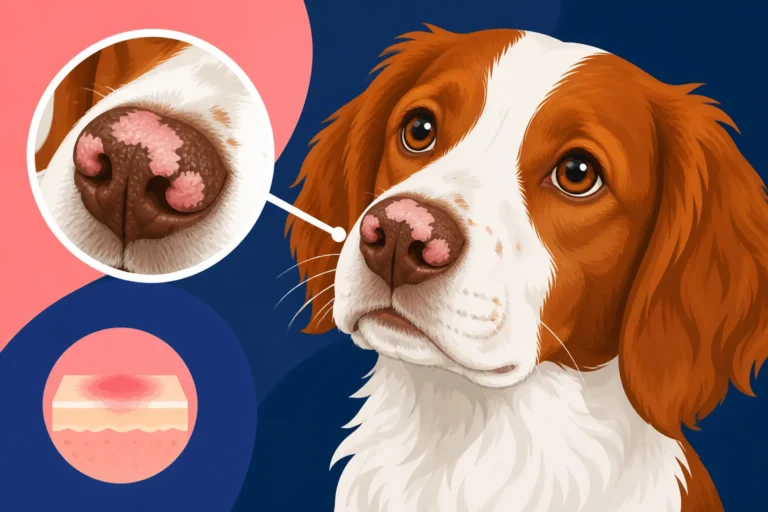
Visually, look for redness or swelling inside the ear flap or around the ear canal opening. This indicates inflammation. You might also notice an increase in ear discharge. While a small amount of light wax is normal, dark brown, black, yellow, or greenish discharge, especially if it's thick, pus-like, or has a texture reminiscent of coffee grounds (often indicative of ear mites), is definitely a problem. If you touch the ear and your dog yelps, flinches aggressively, or pulls away, it suggests pain and tenderness, which are hallmarks of an active infection. These are all signs that you need to investigate further, and often, Signs a Brittany's Ear Is Infected points to the need for professional intervention. Don't procrastinate on these signs; early treatment can prevent more severe complications and significant discomfort for your beloved companion.
Routine Maintenance and Proactive Prevention
Regular, gentle ear care is arguably the most impactful thing you can do for your Brittany's ear health. It’s not just about treating problems; it’s about preventing them from ever taking hold. This routine care should become as natural as feeding them or taking them for a walk.
Weekly Cleaning and Drying Protocols
For most Brittanys, especially those without current ear issues, a weekly ear check and gentle cleaning is a good baseline. This involves carefully lifting the ear flap and using a vet-recommended ear cleaner. Do not use cotton swabs, alcohol, or hydrogen peroxide. Cotton swabs can push debris deeper into the ear canal, and harsh chemicals can irritate the delicate skin. Instead, apply a small amount of liquid ear cleaner designed for dogs into the ear canal, then gently massage the base of the ear for 20-30 seconds. You’ll often hear a squishy sound, which means the cleaner is working its way around. After massaging, let your Brittany shake their head – this helps dislodge debris. Then, use a soft cotton ball or a piece of gauze wrapped around your finger to gently wipe away any visible cleaner and loosened debris from the outer ear and the visible parts of the canal. You’re not trying to clean deep inside; you’re just cleaning what you can easily see.
Drying is equally, if not more, important, especially after any water exposure. If your Brittany has been swimming, had a bath, or was out in heavy rain, drying their ears thoroughly immediately afterward is non-negotiable. Use a soft towel to dry the outer ear flap. For inside the ear, you can gently place a corner of a paper towel or cotton ball just inside the opening of the ear canal to absorb moisture – again, do not push it deep. Some owners even use a low-setting hairdryer held at a safe distance to gently dry the inner ear, but be very careful not to burn the delicate skin or frighten your dog. This quick post-water routine can make a world of difference in preventing the moist environment that yeast and bacteria love. For more detailed instructions, consider reading How to Dry a Brittany's Ears After Water.
Seasonal Adjustments for Hunters and Swimmers
If your Brittany is a dedicated hunter or a frequent swimmer, your ear care routine needs to be ramped up significantly. For these active dogs, a weekly check often isn't enough; daily checks after every outing are highly recommended during peak seasons. After every hunt, especially if it involved dense cover, water, or muddy conditions, perform a thorough ear inspection. Look for grass awns, burrs, or ticks that might have found their way into the ear flap or even just inside the canal opening. These foreign bodies can quickly lead to irritation and infection if not removed promptly.
Consider specialized ear care products for working dogs. Some commercial ear wipes are designed for quick, on-the-go cleaning and drying after field sessions. You might also want to consult your vet about specific ear drying solutions that can be safely used more frequently. For hunters, some even advocate for thinning the hair around the ear canal opening to improve airflow, although this should always be done cautiously and preferably with vet guidance, as excessive plucking can sometimes cause micro-traumas that ironically lead to infection. The goal is to keep those ears as dry and clear as possible, reflecting the increased exposure they face. This extra vigilance during hunting season or frequent swimming activities can save you a lot of heartache and vet bills.
When to Escalate to a Vet Visit
Despite your best efforts with routine care, there will be times when a Brittany's ear problems warrant professional medical attention. Knowing when to stop trying home remedies and head to the veterinarian is crucial for your dog's health and comfort.
Persistent Symptoms and Worsening Conditions
If you've noticed any of the "red flag" symptoms – persistent odor, excessive scratching, head shaking, redness, swelling, or abnormal discharge – and these symptoms don't resolve within 24-48 hours of your intensified home care, it's time to call the vet. It's especially important not to delay if the symptoms are severe, such as your dog crying out in pain when their ear is touched, or if the ear appears significantly swollen or produces copious amounts of pus. These could indicate a severe infection, a foreign body lodged deep in the canal, or even a ruptured eardrum, all of which require immediate professional diagnosis and treatment.
Another reason to seek vet care is if you've treated an ear infection in the past and the current symptoms are similar or recurring frequently. Recurrent ear infections can be a sign of underlying issues, such as allergies, thyroid problems, or even a resistant strain of bacteria that requires a different course of treatment. A veterinarian can perform an otoscopic exam to look deep into the ear canal, take a swab for cytology (examining cells under a microscope) to identify the type of infection (bacterial, yeast, or mites), and prescribe the appropriate medication. They might also suggest further diagnostics like allergy testing or blood work to rule out systemic causes. Ignoring persistent or worsening symptoms not only prolongs your dog's suffering but can also lead to chronic ear problems, hearing loss, or even spread the infection to the middle or inner ear, which are much harder to treat.
Understanding the Costs and Benefits of Professional Care
While the thought of another vet bill might make you groan, investing in professional care for ear problems is almost always worth it in the long run. The immediate benefit is accurate diagnosis and effective treatment, which quickly alleviates your Brittany's pain and discomfort. A veterinarian can precisely identify what's causing the infection and prescribe targeted medications, whether it's antibiotics, antifungals, corticosteroids to reduce inflammation, or antiparasitics for mites. Without this precise diagnosis, you're essentially guessing with over-the-counter remedies, which can be ineffective, delay proper treatment, and even exacerbate the problem.
Furthermore, untreated or poorly treated ear infections can lead to chronic conditions that are far more expensive and challenging to manage down the road. This can include ear canal stenosis (narrowing), permanent hearing loss, or even surgical intervention in severe cases of chronic infection or ear hematomas from excessive scratching. While a typical vet visit for an ear infection might cost anywhere from $50 to $200 for the exam, diagnostics, and medication, chronic issues can easily run into the hundreds or even thousands of dollars. This is where pet insurance, like a plan from Healthy Paws, can be an absolute lifesaver. Policies from providers like Healthy Paws can help cover a significant portion of these unexpected veterinary expenses, giving you peace of mind and ensuring you can always provide the best care without financial strain. It’s definitely worth looking into, especially with a breed prone to these kinds of recurring issues. For a general overview of expenses, it's helpful to know What a Brittany's Field Injuries Cost in a Season, which can sometimes include neglected ear issues that escalate.
Long-Term Ear Health Strategies for Brittanys
Beyond immediate care and vet visits, a holistic approach to your Brittany's overall health plays a significant role in preventing recurring ear issues. Addressing underlying causes and making informed decisions can lead to a lifetime of healthier ears.
Diet, Allergies, and Their Impact on Ear Health
Many chronic ear infections in Brittanys aren't just about trapped moisture; they're often a symptom of underlying allergies. Food allergies and environmental allergies (atopy) are incredibly common in dogs, and one of their primary manifestations is itchy skin, which often includes the ears. If your Brittany suffers from recurrent ear infections despite diligent cleaning and drying, it's highly probable that allergies are at play. Certain food ingredients, like common proteins such as chicken or beef, or grains like corn or wheat, can trigger an inflammatory response that leads to a cycle of ear infections. Environmental allergens like pollen, dust mites, or molds can also cause this reaction.
Working with your veterinarian to identify and manage allergies is paramount. This might involve a food elimination trial, where your dog is fed a novel protein or hydrolyzed protein diet for several weeks to see if symptoms improve. For environmental allergies, your vet might recommend allergy testing (either blood tests or intradermal skin tests) to pinpoint specific triggers. Management could include antihistamines, omega-3 fatty acid supplements (which can help reduce inflammation), or even immunotherapy (allergy shots or drops) tailored to your dog's specific allergens. Improving their overall skin and immune health through proper nutrition and allergy management can drastically reduce the frequency and severity of ear infections. Ensuring your Brittany's diet is top-notch can indirectly impact their ear health, so understanding Whether a Brittany Gets Skin Allergies is vital.
Genetic Predispositions and Breeding Considerations
While not as widely publicized as hip dysplasia or C3 deficiency, there can be a genetic component to ear health in Brittanys. Some lines may be predisposed to developing more wax, having narrower ear canals, or having a weaker immune response to common pathogens, making them more susceptible to chronic infections. While you can't change your dog's genetics, being aware of a predisposition can help you be even more diligent with preventive care. If you're acquiring a puppy, asking breeders about the ear health history of the dam and sire, and their respective lines, isn't unreasonable. A responsible breeder will be transparent about any recurring health issues in their dogs, including ear problems.
For breeders, actively selecting for good ear health can contribute to the overall well-being of the breed. This means observing adult dogs for chronic ear issues, and if a dog consistently suffers from severe, recurring infections without clear environmental or allergic causes, it might be a consideration in breeding decisions. While there isn't a specific genetic test for "ear infection proneness," a holistic approach to breeding for good overall health, including robust immune systems and appropriate ear conformation, is part of responsible practices. Ultimately, ensuring your Brittany comes from a line with sound health can provide a better foundation for their lifelong well-being, reducing the chances of dealing with constant ear struggles.
Daily, Weekly, or "As Needed": A Practical Guide to Ear Checks
So, how often should you really check your Brittany's ears? The answer isn't a simple one-size-fits-all, but rather a dynamic schedule based on your dog's individual needs, activity level, and health history.
| Activity Level / Health Status | Recommended Check Frequency | Key Actions During Check |
|---|---|---|
| Low Activity / Indoor Dog | Weekly | Lift ear, sniff, quick visual scan for wax/redness. |
| Moderate Activity / Occasional Swimmer | 2-3 times per week, plus after every water exposure | Thorough visual, sniff test. Gentle drying after water. |
| Active Hunter / Frequent Swimmer | Daily, after every outing | Meticulous check for foreign bodies, redness, moisture. Thorough drying. |
| History of Chronic Infections / Allergies | Daily, even if inactive | Close inspection for any discharge, odor, swelling. Follow vet's specific instructions. |
| Showing Active Symptoms (scratching, odor) | Multiple times daily (monitor), immediately consult vet | Do not attempt deep cleaning; observe for changes, seek professional diagnosis. |
This table provides a general framework, but always remember to use your senses. If something looks or smells off, investigate. If your Brittany starts shaking their head more, scratching, or seems sensitive around their ears, don't wait for the scheduled check; address it immediately. Early intervention is always the most effective way to manage ear health in this wonderful, active breed. And remember, when those unexpected vet visits crop up due to an ear issue, having pet insurance like Healthy Paws can really soften the financial blow, allowing you to prioritize your dog's comfort and recovery.
Disclaimer
The information provided in this article is for educational and informational purposes only, and does not constitute veterinary advice. Always consult with a qualified veterinarian for any health concerns or before making any decisions related to your pet's medical care.