Whether a Brittany Points Naturally
One of the most exciting and perhaps nerve-wracking moments for any new Brittany owner, especially those dreaming of hunting birds, is wondering if their spirited little companion will actually point. It's a common misconception that all pointing breeds simply do it without any help, leading to a lot of confusion and even frustration when a puppy doesn't immediately lock onto a robin in the backyard. This guide will delve deep into the natural pointing instincts of the Brittany Spaniel, explaining what that really means, how to recognize it, and how you can gently encourage this incredible innate ability without stifling your sensitive dog's spirit.
The Instinctive Point: What It Means for a Brittany
When we talk about a "natural point" in a Brittany, we're not talking about something you teach them from scratch like "sit" or "stay." Instead, it's a hardwired, genetic trait that manifests as an automatic response to the scent of game. This is why Brittanys are so beloved in the field – they're born with the desire and the physical mechanics to find and indicate birds. However, the expression of this natural point can vary wildly from dog to dog, and it certainly needs careful nurturing to become the reliable, stylish point we all admire. It's a dance between nature and nurture, where your role is to refine what's already inside your dog.
The Genetic Blueprint of a Pointer
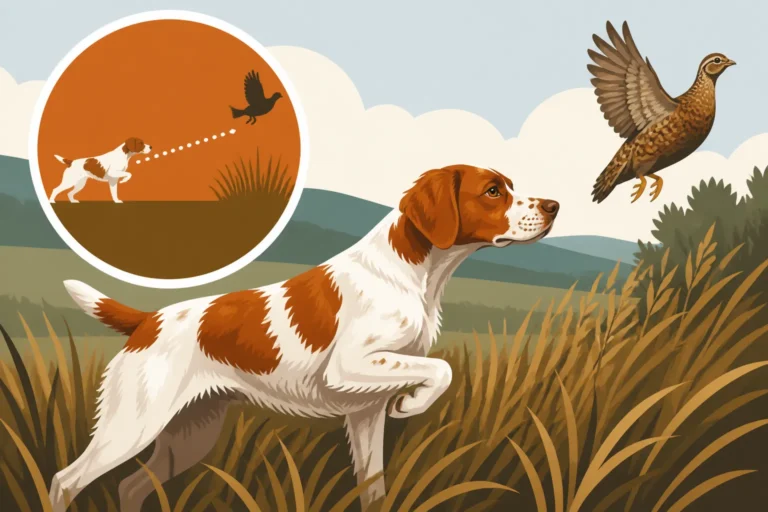
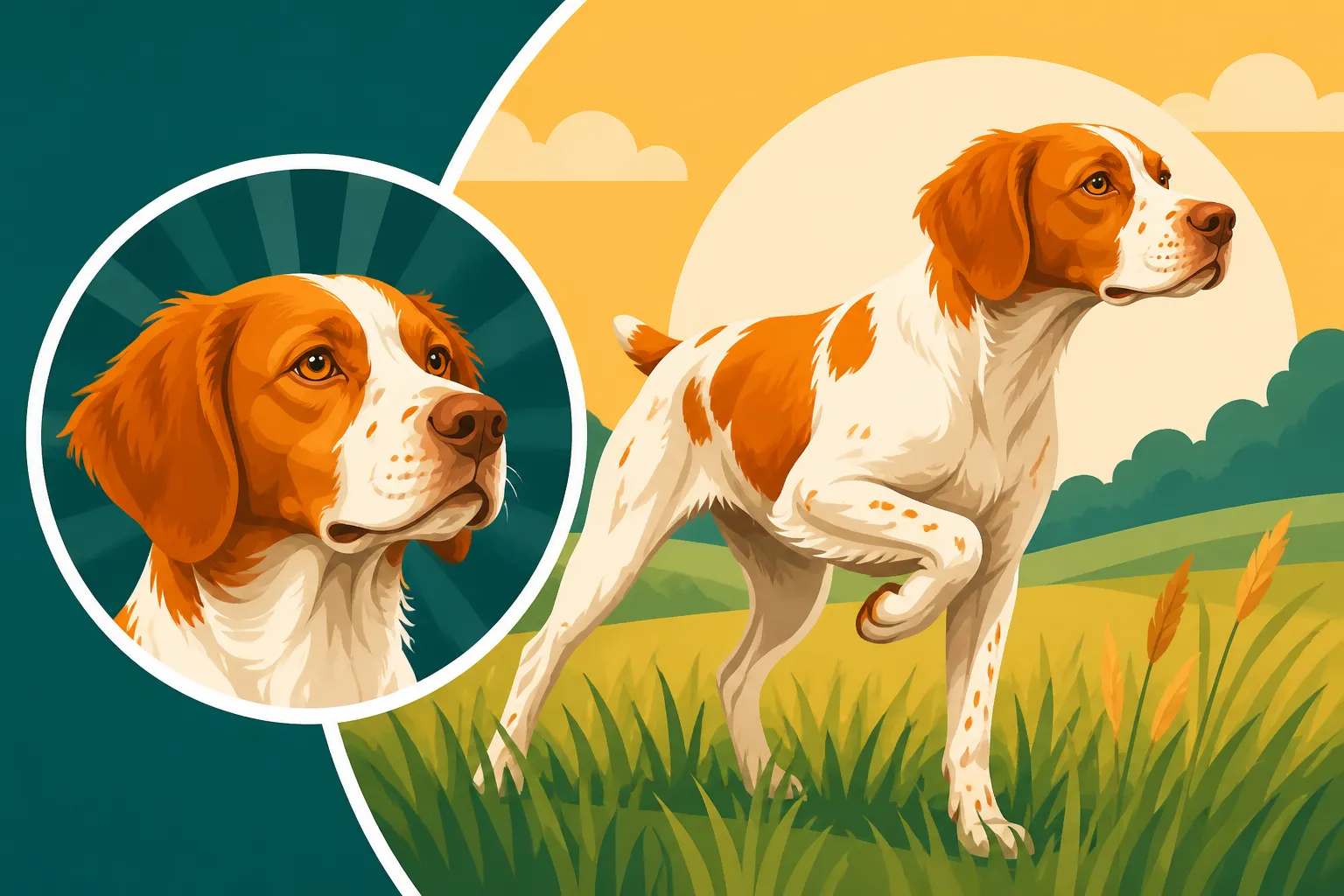
Imagine generations of selective breeding, with hunters choosing the dogs that instinctively froze when they caught the scent cone of a bird. That's how the Brittany's pointing instinct was honed. It's an involuntary pause, a sudden halt in motion, body rigid, nose directed towards the scent, and often one front paw lifted. This "point" is essentially an inherited hunting strategy: rather than pouncing or chasing, the dog holds still, allowing the hunter to move into position.
For Brittanys, this genetic blueprint is incredibly strong. They are, after all, a pointing breed through and through, even if the "spaniel" was dropped from their American name. Their entire being is geared towards finding and indicating game. What you'll typically see in a Brittany is often described as an "intense" point. Their tail might be stiff, their body taut, and their focus absolute. It's not a relaxed pose; it's a moment of pure, frozen concentration. Some Brittanys might have what's called a "soft point" initially, where they might not be as rock-solid, perhaps a little hesitant, or even creep a bit. This doesn't mean their instinct is weak; it just means they might need a bit more confidence-building and repetition to solidify that natural inclination into a statuesque pose. It's all about bringing out that internal drive in a calm, encouraging way that doesn't overwhelm their sensitive nature. Remember, The Brittany Is the Softest of the Pointing Breeds, and harsh methods can easily shut them down.
Early Signs of Pointing Instinct in Puppies
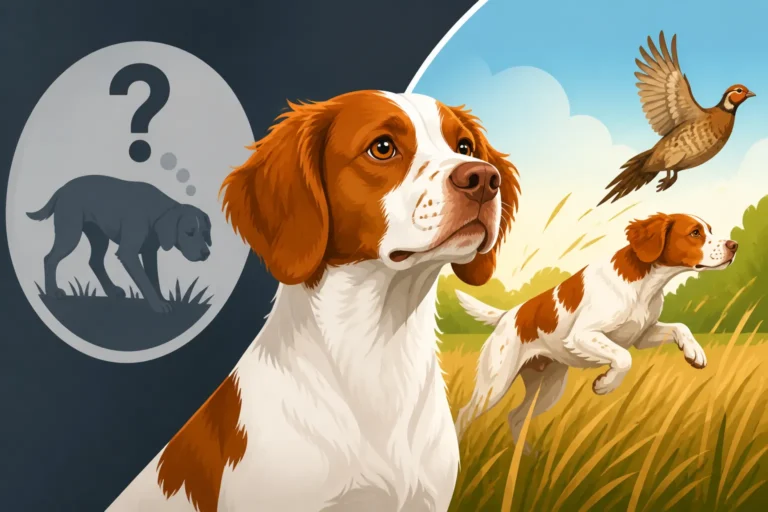
It's truly a marvel to witness the pointing instinct emerge in a young Brittany. Often, it begins subtly, long before they ever encounter a game bird. You might notice your little pup, perhaps around 8 to 12 weeks old, suddenly freeze and stare intently at something in the environment. It could be a butterfly fluttering past, a squirrel scampering up a tree, or even a dust bunny drifting across the living room floor. Their head might lower, their tail might stiffen, and they'll become absolutely motionless, nose quivering slightly as they process the scent or movement.
These are your first clues, your sneak peek into the amazing hunter they're destined to become. I've seen puppies point at toys, at a leaf blown by the wind, or even at a piece of kibble dropped on the floor. It's not always a perfect, textbook point, but the intent is there. It’s that momentary, instinctive pause before they then, invariably, break the point and pounce or try to catch whatever it is. The key here is observation and positive reinforcement, even if it's just a soft "good dog" and a quiet stroke. Don't try to force them into a longer point or correct them for breaking it at this early stage. This is pure, unadulterated instinct shining through. You're just observing and gently affirming their natural curiosity. Many breeders will introduce puppies to a wing on a string or a pigeon in a pen around this age, and you can see the magic happen right before your eyes. This early exposure helps them connect that instinct to actual bird scent. How a Brittany Puppy Shows Its First Point details what these early displays can look like.
Nurturing the Natural Point: Enhancing What's Already There
While the pointing instinct is innate, it's not a fully formed skill right out of the gate. Think of it like a child's natural talent for music – they might have perfect pitch, but they still need lessons and practice to become a virtuoso. Your Brittany needs your guidance to channel that raw instinct into a refined, reliable point. This nurturing process is crucial for developing a confident and effective bird dog. It’s about building a strong foundation of positive experiences that reinforce their natural tendencies without ever making them feel pressured or confused.
Controlled Introductions to Birds
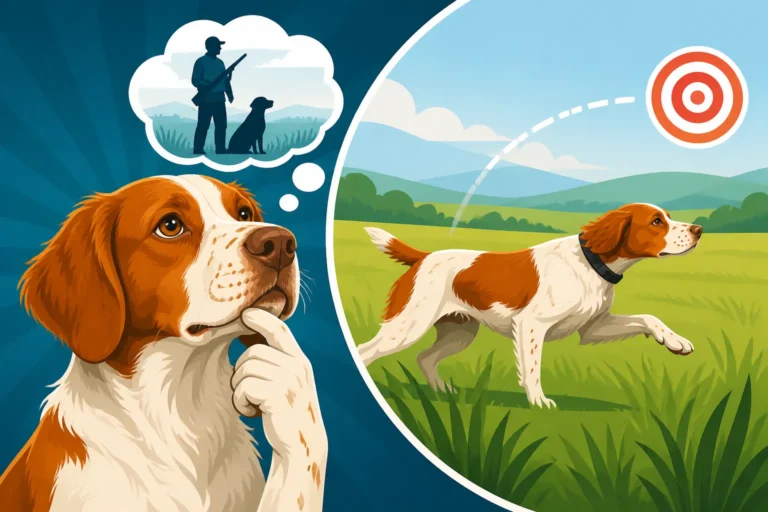
The first few introductions to actual birds are incredibly important for solidifying your Brittany's natural pointing ability. You want to create an environment where the puppy can encounter a bird, point it, and have a positive, low-pressure experience. Starting with live birds, like pigeons or quail, in a controlled setting is ideal. A flight pen or a large, fenced yard works well. You might use a remote bird launcher or simply place a bird under a net or a trap so it can be released without surprising the pup.
When introducing your pup, keep it calm and positive. Let them discover the bird at their own pace. You might see that instinctive freeze, nose working furiously, tail stiffening. This is the moment to praise quietly and let them hold that point for a few seconds. Then, the bird can be flushed (by you or a launcher), and you can allow a brief chase to satisfy their prey drive, but not to the point of turning it into a flushing game. The goal is for them to associate the scent and sight of a bird with that specific, frozen posture. Repetition in these controlled settings helps them understand their role. A check cord is an invaluable tool here. It allows you to manage the situation without interrupting their natural behavior, gently guiding them if they try to rush in or giving you a way to recall them if they get too far ahead. This is a critical step in When a Brittany Puppy Should Meet Its First Bird.
Avoiding Common Pitfalls that Diminish Pointing
It’s easy to inadvertently undermine a Brittany’s natural pointing instinct, especially if you’re new to gun dog training. One of the biggest mistakes is allowing a puppy to continually "bump" or "flush" birds directly without holding a point. If a young dog learns that the quickest way to interact with a bird is to rush in and make it fly, they'll prioritize that chasing behavior over the point. While a short, celebratory chase can be good after a bird is flushed for them, consistent self-flushing teaches them the wrong lesson.
Another common pitfall is over-correction, especially with such a sensitive breed. Brittanys thrive on praise and positive reinforcement, not harsh commands or physical reprimands. If a puppy tries to creep forward on point, a gentle, consistent "whoa" and a light pressure on the check cord is far more effective than shouting or jerking. A harsh correction can cause a Brittany to become "dog-shy" on birds, meaning they might hesitate to point or even avoid birds altogether out of fear of being corrected. You could inadvertently create a dog that runs away from birds instead of pointing them, or one that becomes so worried about doing the "wrong" thing that they lose their drive. Remember, your Brittany wants to please you, but they are also incredibly soft and can be easily discouraged. What Happens When You Shout at a Brittany covers just how detrimental harsh corrections can be for this breed. Focus on encouragement and clear, calm communication.
The Nuances of a Brittany's Pointing Style
Just like individual artists might have their own brushstrokes, Brittanys can exhibit slight variations in their pointing style. While the core instinct is universal within the breed, factors like their specific lineage (American vs. French Brittany) and the training emphasis they receive can influence how that point looks and feels in the field. Understanding these nuances helps you appreciate your dog's unique qualities and tailor your training approach.
American vs. French Brittany Pointing
It's true that the American Brittany and the French Brittany (Epagneul Breton) have evolved along slightly different paths, and this can sometimes be reflected in their hunting and pointing styles. The American Brittany, particularly those from field trial lines, has often been bred for a wider, faster range, covering expansive ground in search of birds. This often means they might point with incredible intensity, sometimes at a greater distance, making a grand, statuesque picture in the vast open fields. Their point is typically bold and decisive, covering more ground to find game.
The French Brittany, on the other hand, is often bred for a closer working style, better suited for a walking hunter in denser cover. While their point is just as natural and intense, it might manifest in a more contained, methodical manner, perhaps with a slightly lower head or a more tucked-in posture as they meticulously work scent in thick brush. Both types possess that powerful instinct to point, but the expression can reflect their traditional working environments. Neither is "better," just different, and both are magnificent to watch in their element. An American Brittany Ranges Wide and a French One Stays Close goes into more detail about these differences in range and how they might influence a dog's working style.
Steadiness and Holding Point
Here's where "natural" meets "trained." While a Brittany is born with the instinct to point, they are not born with the discipline to hold that point until you arrive, flush the bird, and shoot, and then remain steady while the bird falls. That kind of unwavering steadiness – "steady to wing and shot," or even "steady to fall" – is a trained behavior that builds upon the natural point.
Teaching steadiness involves slowly extending the duration of the point, starting with simple commands like "whoa." This command, when taught correctly, means "freeze, do not move." You apply it when your dog is on point, gently reinforcing it with a check cord if they try to move. The goal is for them to understand that holding their position is paramount once they've found a bird. This process requires patience, consistency, and a deep understanding of positive reinforcement. If rushed or handled harshly, a sensitive Brittany might become confused or even "blinky" on point, meaning they might dart in and out or become hesitant. A well-trained Brittany will hold that point, sometimes for minutes, until you walk in, flush the bird, and even retrieve it. It's a testament to both their natural ability and your dedication to training. For more on this critical skill, check out Teaching a Brittany Whoa.
When a Point Isn't Obvious: Troubleshooting and Patience
It's easy to get discouraged if your Brittany isn't pointing like a seasoned pro right away, especially when you hear stories of pups locking up on birds from day one. But remember, every dog is an individual, and the manifestation of a natural point isn't always a dramatic, rock-solid freeze. Sometimes, it's more subtle, or it requires a bit more coaxing to fully develop. Patience and careful observation are your most valuable tools here.
Recognizing a "Soft" or Creeping Point
Not every Brittany is going to hit point like a statue from the start. Some might display a "soft" point, which can be less intense, perhaps with a slightly relaxed tail or a less rigid body posture. Others might have a tendency to "creep," meaning they slowly inch forward on point, trying to get closer to the bird rather than holding staunchly. This isn't necessarily a flaw in their instinct; it's often a sign of high prey drive coupled with a lack of understanding of what's expected of them. They want the bird, and their instinct is driving them to get closer.
If your Brittany is creeping, it's crucial to address it gently and consistently. This is where your check cord really comes in handy. As soon as you see them start to creep, a calm "whoa" and a very gentle, upward lift on the check cord can help them halt their forward motion. The idea is to teach them that the point is the objective, not the flush. You want to praise them the moment they stop moving, even if it's only for a second. With repetition, they'll start to associate the "whoa" with holding their position and realize that holding steady gets them praise, while moving forward results in a gentle correction. It's a delicate balance because you don't want to extinguish their drive, just refine its expression. A creeping point is often just an eager puppy. For more insights on this behavior, read Why a Brittany Creeps on Point.
The Role of Environment and Exposure
Sometimes, a Brittany's pointing instinct might seem absent simply because they haven't had the right kind of exposure. If a puppy has only ever chased backyard squirrels or played with squeaky toys, they might not have had the opportunity to connect their inherent drive with the specific scent and behavior of a game bird. A lack of early, positive bird exposure can mean the instinct remains dormant or is expressed in ways you don't immediately recognize as a "point."
Furthermore, the environment itself plays a huge role. Running a dog in an open field where birds are scarce might not trigger the same intensity as a field rich with pheasant or quail. Dogs need opportunities to engage with what they were bred to do. If you suspect your Brittany's point isn't developing, consider increasing their exposure to live birds in controlled settings. This could mean working with a local bird club, finding a trainer with access to birds, or raising a few pigeons or quail yourself. Consistency in these exposures, along with patience, will often bring that latent pointing instinct to the forefront. It's not about forcing it, but about providing the ideal conditions for it to flourish.
Training Tools and Resources to Support Natural Instincts
Even though the pointing instinct is natural, you're not expected to simply throw your Brittany into a field and hope for the best. Thoughtful training and the right tools can significantly help your dog channel their innate abilities into effective hunting behaviors. These resources are designed to guide, not to replace, their natural talents.
Essential Gear for Pointing Development
When you're working to develop your Brittany's natural point, a few key pieces of gear can make all the difference, helping you communicate with your dog and manage training scenarios effectively.
- Check Cord: This is arguably the most fundamental tool. A long, light rope (20-30 feet is common) attached to your dog's collar gives you control without being physically close. It's essential for teaching "whoa," preventing your dog from self-flushing, and gently guiding them back if they range too wide. You can find a good quality, durable check cord on Amazon.
- Bird Bag/Vest: Carrying training birds (like pigeons or quail) securely and humanely is important. A good bird bag keeps them calm until they're ready for release.
- Bird Launchers/Traps: These allow you to control when and where a bird flushes, creating repeatable scenarios for your dog to point and hold steady. Some are remote-controlled, adding another layer of realism to training.
- Whistle: A whistle provides a consistent, clear sound that carries over distance, perfect for recall or directing your dog in the field. It’s less emotive than your voice.
These tools are not about creating the instinct, but about refining its expression and ensuring safety and control during training. They help you shape the natural point into a useful one for hunting.
Structured Training Programs
While many Brittany owners successfully train their dogs themselves, leveraging structured training programs or professional guidance can be incredibly beneficial. These programs provide a systematic approach to developing pointing skills, often starting with foundational obedience and then moving into bird work.
- Puppy Classes: Even before serious bird work begins, a good puppy class can instill confidence, basic obedience, and crucial socialization skills. These are vital for a well-rounded bird dog. Whether a Brittany Needs Puppy Class is a question many new owners ask, and the answer is almost always yes. These classes often focus on positive reinforcement, which is perfect for a Brittany's sensitive temperament.
- Online Training Resources: For those who prefer to learn at home or need a flexible schedule, online programs can offer step-by-step guidance. Brands like BAXTER & Bella offer comprehensive online puppy and dog training programs that can lay a fantastic foundation for future bird work, teaching impulse control, recall, and focus – all critical for a pointing dog. While not specific to pointing, a dog with a solid obedience base will be much easier to transition into specialized bird training.
- Professional Gun Dog Trainers: If you hit a roadblock or want to ensure your Brittany reaches its full potential, a professional gun dog trainer specializing in pointing breeds is an invaluable resource. They have the experience, facilities, and access to birds to bring out the best in your dog. They can recognize subtle cues, troubleshoot issues like creeping or soft points, and guide you both through advanced steadiness.
No matter the route you choose, a structured approach ensures that your Brittany learns progressively and builds confidence, allowing their natural pointing ability to shine through in a controlled and effective manner.
Beyond the Point: Other Natural Abilities
The pointing instinct is undoubtedly a hallmark of the Brittany, but it's far from their only natural talent. These dogs are truly versatile, equipped with a suite of abilities that make them exceptional hunting companions and beloved family members. Understanding these additional strengths further illuminates what makes the Brittany such a special breed.
Natural Retrieve and Soft Mouth
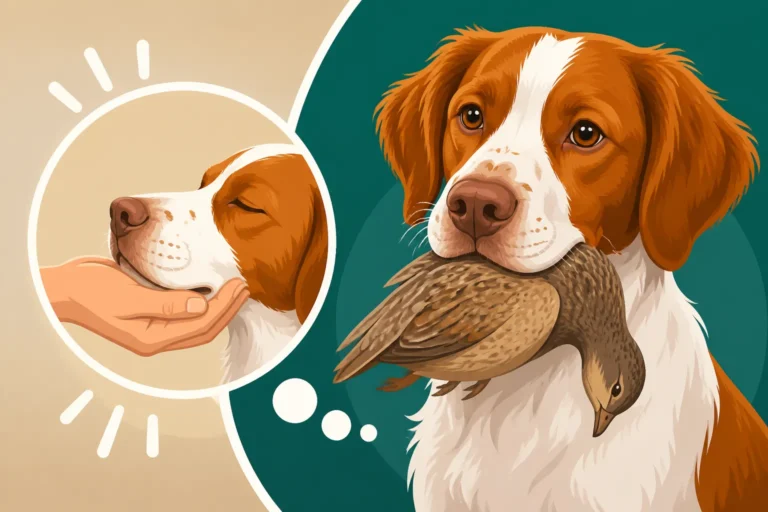
Many Brittanys also possess a strong natural retrieve, meaning they instinctively pick up and carry objects, often bringing them back to you. This is another highly desirable trait for a gun dog, as it means they're not just finding the birds, but also bringing them to hand after the shot. Just like pointing, while the desire to retrieve might be natural, the discipline of a polished retrieve (retrieving to hand, not dropping the bird, not playing with it) is taught.
Coupled with this is the concept of a "soft mouth." A soft-mouthed dog retrieves game gently, without crushing or damaging it. Brittanys are generally known for having soft mouths, which is crucial for preserving game. You don't want a dog that brings back a mangled bird. While training can certainly help reinforce gentle retrieving, a dog with a truly soft mouth has a natural inclination to carry objects carefully. This instinct is a huge advantage for hunters, ensuring that the bird they worked so hard to find and retrieve is brought back in prime condition. Whether a Brittany Retrieves Naturally discusses this in more detail. Even if a Brittany has a soft mouth, some might still need force fetch training to ensure a consistent, reliable retrieve every single time. Whether a Brittany Needs Force Fetch can shed light on this aspect.
Scenting Ability and Bird Drive
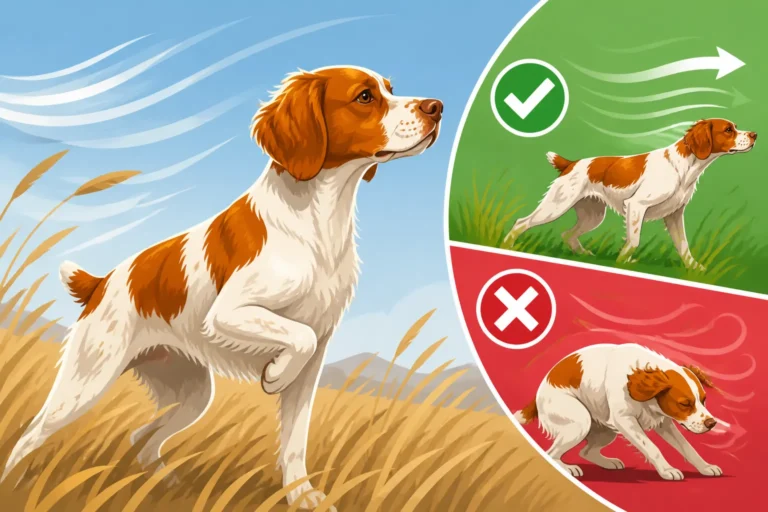
Beneath every great point lies an even greater nose. Brittanys possess an exceptional sense of smell, which is the primary tool they use to locate birds. Their instinctual drive to find game, often referred to as "bird drive," is incredibly powerful. They aren't just looking for birds; they are actively, passionately hunting for them, using air currents and ground scent to pinpoint their quarry.
This acute scenting ability, combined with their relentless energy and desire to please, is what makes them such effective pointing dogs. They'll methodically work cover, quartering the field with purpose, constantly processing scent information until that tell-tale moment when they lock onto a bird. This inherent drive is the engine that powers their entire hunting performance. It's not something you teach; it's something you guide and harness. Many Brittanys live to hunt, and this passion is deeply ingrained in their genetic makeup, making them a joy to watch in the field.
Here's a quick look at the journey from instinct to trained performance:
| Trait Aspect | Natural Instinct (Innate) | Trained Behavior (Learned) |
|---|---|---|
| Pointing | Freezing upon scenting game | Holding point staunchly until released |
| Retrieve | Picking up and carrying objects | Retrieving to hand, on command, gently |
| Steadiness | N/A | Remaining motionless during flush, shot, and fall |
| Range | Inherent tendency to hunt wide or close | Adjusting range to cover and hunter's pace |
| Scenting | Acute sense of smell, desire to find game | Methodical quartering patterns, working wind |
| Temperament | Soft, eager to please, high energy | Responding calmly to commands, impulse control |
Disclaimer
This article is for general informational purposes only and does not constitute professional advice. Laws, prices and regulations vary by location and change over time. Consult a qualified professional for guidance on your specific situation.