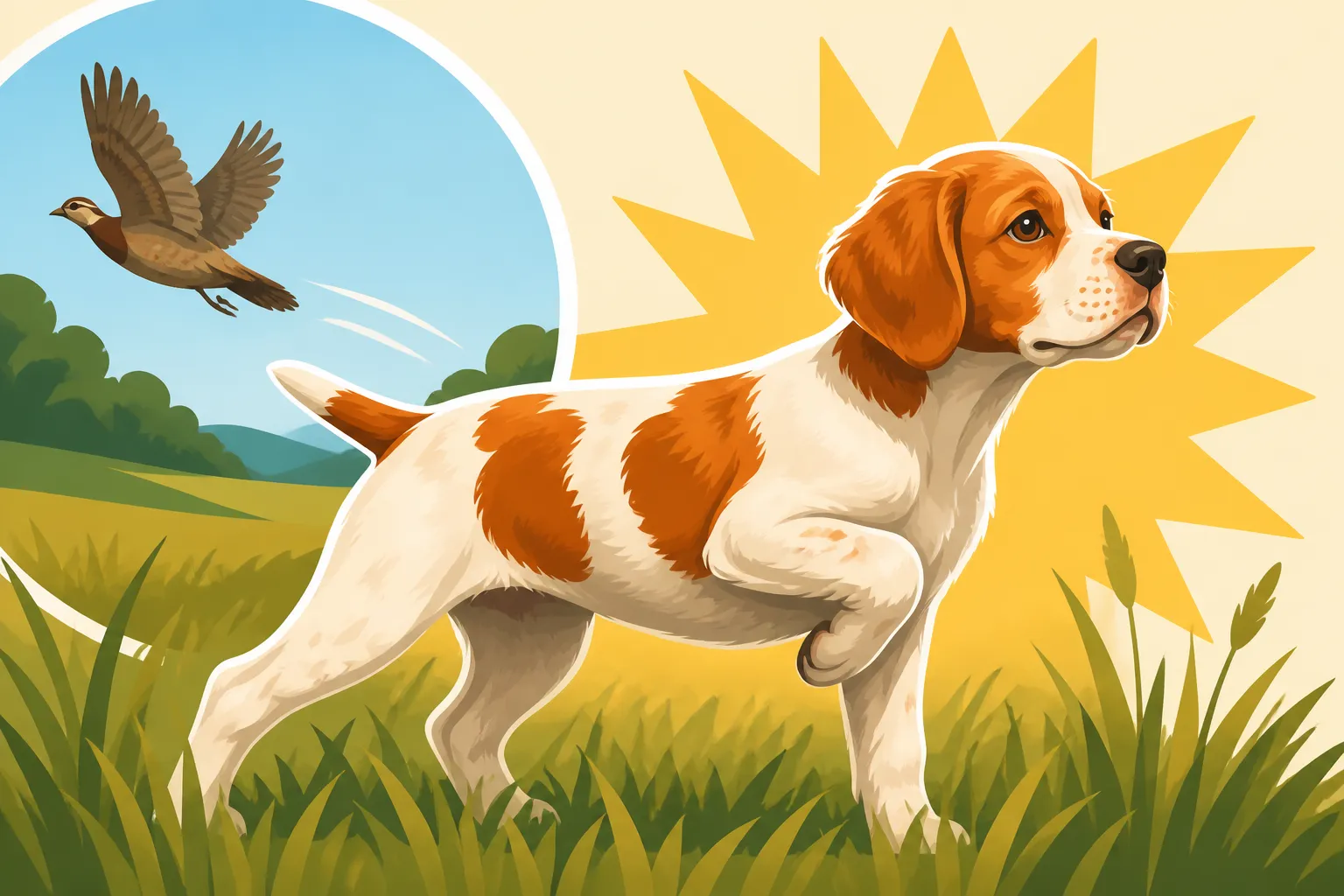
How a Brittany Puppy Shows Its First Point
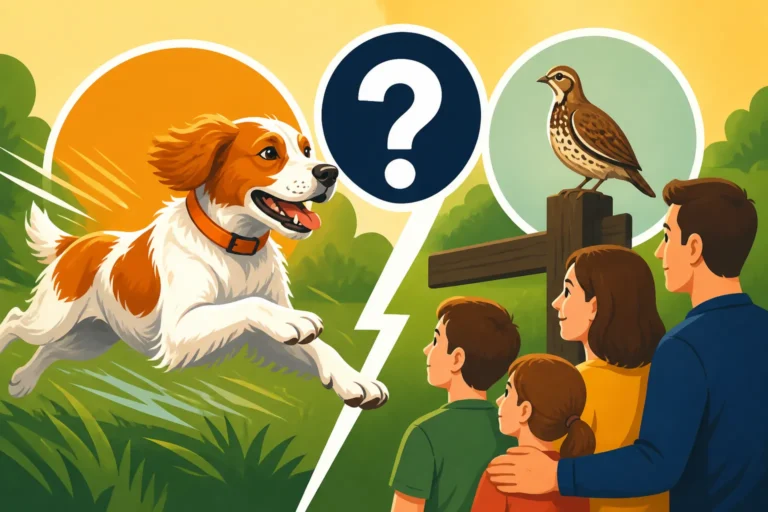
As a new Brittany owner, it's completely natural to wonder when and how your adorable, energetic puppy will start showcasing the breed's famous pointing instincts. Many owners spend hours observing their pups, hoping to catch that first glimpse of the inherent talent that makes Brittanys such incredible bird dogs. This guide will walk you through what those early pointing behaviors look like, when to expect them, and how you can gently encourage this amazing natural ability in your young companion.
Understanding the Brittany's Instinctive Point
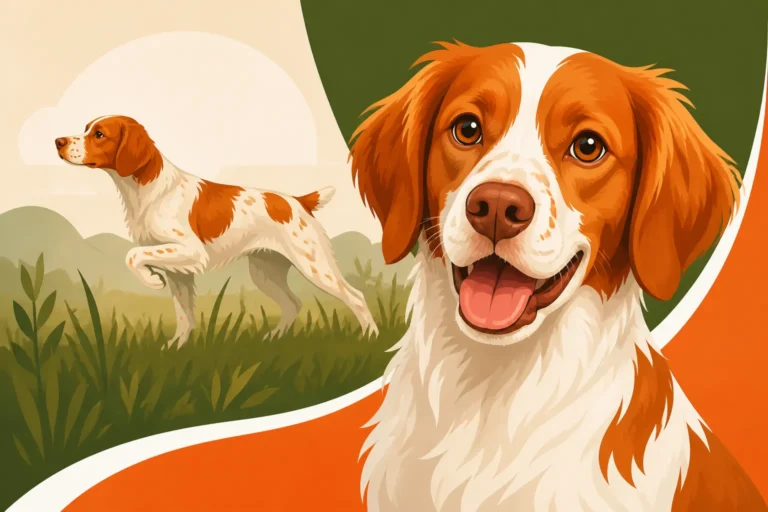
The Brittany isn't just a pretty face; they are purpose-bred bird dogs, and their pointing instinct is deeply ingrained in their DNA. It's not something you typically "teach" a Brittany in the same way you teach "sit" or "stay." Rather, it's a natural behavior that emerges as they develop, given the right circumstances and exposure. For new owners, understanding this fundamental aspect of the breed is key to appreciating their potential.
The Genetic Drive to Point
Imagine centuries of selective breeding, focusing on dogs that would stop, rigid and alert, when they scented game. That's the legacy every Brittany puppy carries. Their ancestors were masters of finding and indicating birds, allowing hunters to approach and flush. This isn't a learned trick; it's an inherited predisposition, a powerful behavioral pattern that helps them fulfill their role as a hunting partner. This genetic programming means that even a Brittany raised solely as a family pet, without ever seeing a game bird, might still exhibit pointing behavior when confronted with something novel and interesting in their environment. It’s part of Whether a Brittany Points Naturally.
It’s important to remember that while the drive is there, its expression can vary. Some puppies are incredibly bold and pronounced in their first points, practically locking up like statues. Others might be more subtle, a slight stiffening, an intense gaze, or a slow, deliberate approach that culminates in a soft point. There's no single "correct" way for it to appear initially, just as there's no single timeline. Understanding this variability helps manage expectations and reduces frustration if your pup isn't an overnight pointing prodigy.
What "Pointing" Really Means for a Puppy
For a young Brittany puppy, "pointing" isn't necessarily about birds or hunting in the early stages. It's an intense focus and freeze response to something that has captured their curiosity and predatory instinct. Think about a cat stalking a toy mouse – that focused, low crouch before the pounce. A puppy's point is similar, but instead of pouncing, they freeze to observe, to process, and to indicate. It’s a moment of pure concentration, driven by an instinct to locate and hold.
This early pointing behavior often serves as a precursor to more refined bird-dog skills. It's their brain's way of saying, "Aha! Something interesting is here, and I need to stop and investigate it intensely." You might see it directed at a blowing leaf, a butterfly, a dust bunny moving across the floor, or even another family pet. The object isn't as important as the intense, focused reaction the puppy exhibits. This innate drive is what makes them such effective bird dogs, capable of using their incredible nose and natural intelligence to locate game.
Early Signs: When and How a Puppy First Points
Catching a Brittany puppy's first point can be like catching a fleeting moment – if you blink, you might miss it. It’s rarely a grand, dramatic pose right out of a field trial poster. Instead, it’s often subtle, almost accidental, and usually occurs when the pup is least aware of being observed. Knowing what to look for and the typical age range can help you identify these precious early indicators.
The Age of First Glimmers
Most Brittany puppies will start showing some form of pointing instinct between 8 weeks and 6 months of age, though some might display it even earlier or a bit later. It's often sparked by novel stimuli in their environment. For instance, a four-month-old puppy might be trotting through the yard, suddenly catch a whiff of a bird that just flew by, and freeze, head low, tail stiff. It’s not a trained response; it’s a genetic switch flipping on. This initial display might be very brief, lasting only a second or two before their puppy brain takes over and they decide to investigate or pounce.
These early points are often characterized by an almost involuntary reaction. The puppy might be startled by a rustle in the bushes, or the scent of something new, and their instinct takes over. Don't expect perfection, or even consistency, at this stage. It's a developmental milestone, much like a human baby's first steps – a little wobbly, maybe brief, but undeniably a step in the right direction. Patience and observation are your best tools during this exciting period, as you try to discern the earliest signs.
Subtle Body Language Before a Full Point
Before a full, staunch point, a Brittany puppy will often exhibit a series of subtle body language cues that indicate their focus is shifting. Look for a sudden halt in movement, an intense stare directed at a specific spot, and a slight stiffening of their body. Their tail, which is usually a blur of happy motion, might become rigid and held parallel to the ground, or even slightly above it, but not usually flagging or tucked. Their head might lower slightly, nose pointed directly at the intriguing scent or sight.
Their ears might perk up, swiveling to catch every sound, and their pupils might dilate with concentration. Sometimes, a subtle quiver runs through their body as they hold their position, completely locked on. It's a moment of supreme concentration, where the outside world seems to fade away for them. These aren't just playful freezes; there's an undeniable intensity in their gaze and posture that differentiates it from simply pausing or looking around. Pay close attention to these nuances, as they are the building blocks of a true point.
Common Scenarios for a Puppy's First Point
Brittany puppies are naturally curious and driven by scent, so their first points can happen in a variety of situations, sometimes in the most unexpected places. It’s not always about finding a pheasant in a field; often, it’s something far more mundane that sparks that ancient instinct. Recognizing these common scenarios can help you appreciate your puppy's developing skills.
Pointing Household Objects and Pets
It's quite common for a Brittany puppy to "point" at things around the house before they ever see a real bird. This could be a dust bunny skittering across the floor, a housefly buzzing near a window, or even a toy that has rolled into an interesting corner. The core instinct is to locate and indicate something unusual or moving. Many owners report their puppies pointing at the family cat or a guinea pig, freezing in that characteristic stance before gently approaching or breaking the point to play.
These household "points" are fantastic indicators of their inherent talent. While they might seem cute or even silly, they demonstrate that the wiring is there, ready to be channeled. Don't discourage these behaviors; instead, observe them, praise your puppy gently for their focus, and understand that they're practicing a fundamental skill. It’s a sign that their bird dog brain is actively engaging with their environment, making connections and honing those primal instincts. For guidance on early training, programs like BAXTER & Bella can offer insights into harnessing natural drives.
First Encounters with Feathers or Live Birds
The most exciting scenario for many Brittany owners is seeing their puppy's first point on actual bird scent or a live bird. This often happens during carefully managed introductions, such as with a bird wing on a string or a controlled release of a pigeon or quail. When a Brittany puppy encounters the powerful scent of a game bird, it often triggers an undeniable, almost automatic response. They might lock up, nose twitching, tail rigid, completely captivated by the new sensation.
These early bird encounters are invaluable. They confirm the puppy's natural ability and ignite their passion for game. For more details on this, you might find When a Brittany Puppy Should Meet Its First Bird and Whether a Brittany Points a Wing on a String particularly helpful. It’s a profound experience to witness, as you see hundreds of generations of selective breeding culminate in that precise, instinctual freeze. Whether it's a preserved bird wing retrieved from a hidden spot, or a supervised interaction with a flight bird, these moments are foundational for their development as a hunting companion. A good source for training equipment like bird dummies and launchers, useful for these introductions, can often be found on platforms like Amazon.
Encouraging and Nurturing the Natural Point
While the pointing instinct is innate in a Brittany, it still benefits from a supportive environment and gentle encouragement. You're not "teaching" them to point, but rather helping them understand what that intense focus on game is all about and how to refine it into a useful hunting skill. It's about building confidence and association.
Creating a Stimulating Environment
A stimulating environment is crucial for a developing Brittany puppy. This doesn't mean constant excitement, but rather opportunities for exploration, scent work, and varied experiences. Regular walks in safe, natural areas where they can encounter different scents and textures will awaken their senses. Introduce them to different terrains—grassy fields, light cover, wooded areas—to broaden their sensory world. Give them scent-rich toys or even old socks with a few drops of game bird scent to pique their interest.
Puzzle toys that involve sniffing out treats are also wonderful for engaging their minds and noses. Remember that a well-socialized puppy is often a more confident one, so expose them to new sights, sounds, and friendly people and dogs. This comprehensive exposure helps build a well-rounded dog ready to engage with the world, including discovering and indicating game. Consider enrolling in Whether a Brittany Needs Puppy Class for structured socialization.
Introducing Controlled Bird Encounters
Once your puppy shows a general interest in scent and novel objects, you can start with controlled bird introductions. This is where you leverage their natural curiosity and desire to interact. Start with a thawed bird wing from a species they might encounter in the field (quail or pheasant wings are great). Hide it slightly in some light cover and let your puppy discover it. Watch their reaction. Do they approach cautiously? Do they freeze? Praise them calmly and enthusiastically for showing interest. This gentle pressure-free introduction ensures a positive association with birds.
As they gain confidence, you can progress to using a fishing pole with a bird wing attached, allowing you to move the "bird" and observe their pointing stance. Always keep these sessions short, positive, and end on a high note. The goal isn't to force a point, but to allow the natural instinct to surface and be reinforced. Remember, you're nurturing their inherent drive, not commanding it. For further reading, How a Brittany Finds Its First Bird provides great context.
Common Misconceptions and What Not to Do
When you're dealing with an instinct as powerful as pointing, it's easy for well-meaning owners to fall into common traps that can inadvertently stifle or damage a puppy's natural drive. Understanding what to avoid is just as important as knowing what to do.
Avoiding Undue Pressure
One of the biggest mistakes owners make is putting too much pressure on a young Brittany puppy. They are known to be The Brittany Is the Softest of the Pointing Breeds, and harsh corrections or forceful training methods can quickly extinguish their natural enthusiasm. If your puppy doesn't point perfectly the first time it encounters a bird wing, that's okay! Don't scold them or try to physically put them into a pointing stance. This can create negative associations with birds and even make them hesitant to engage.
Instead, focus on making every interaction positive and rewarding. Let them explore, make mistakes, and discover at their own pace. A puppy that feels confident and safe is far more likely to freely express its natural instincts. Pressure at a young age can lead to a dog that's "bird shy" or hesitant to point, which is the opposite of what you want. Think of it as a delicate flame you're trying to nurture, not a switch you're trying to force on.
Distinguishing Play from a True Point
It can sometimes be tricky to tell the difference between a puppy engaging in playful stalking behavior and a true, instinct-driven point. Both involve focus and often a pause, but the intensity and purpose are different. Playful stalking might involve a lot of wiggling, tail flagging, or a quick pounce followed by rolling around with the object. A true point, even a nascent one, has a distinct rigidity and stillness. The puppy is stopping to evaluate, not just pausing before a playful attack.
The table below highlights some key differences to help you discern between the two:
| Characteristic | Playful Stalking | Instinctive Point |
|---|---|---|
| Body Posture | Low crouch, wiggling, anticipation of pounce | Stiff, rigid, often head low, tail firm |
| Eye Gaze | Focused but often breaks, playful intensity | Intense, unblinking, locked onto the target |
| Tail Action | Wags, flags, or low and loose | Stiff, often parallel to ground or slightly raised |
| Duration | Brief pause before action, or continuous movement | Can hold for several seconds, almost frozen |
| Response to Distraction | Easily distracted by handler or other stimuli | Highly focused, less responsive to distractions |
| Overall Demeanor | Excited, bouncy, eager for interaction | Serious, concentrated, almost primal |
Learning to read these subtle cues will make you a more effective and understanding handler. If you're ever unsure, err on the side of gentle encouragement rather than correction. This will preserve your puppy's enthusiasm and allow their instincts to flourish naturally. Online resources, such as those provided by BAXTER & Bella, can further clarify these behavioral nuances through video examples and expert guidance, helping you build a stronger bond and understanding with your Brittany. How Long a Brittany's Training Session Should Be might also be a good read to ensure you keep these sessions positive and brief.
Cultivating Focus and Bird Drive
Beyond merely identifying the first point, the journey of owning a Brittany is about cultivating that raw instinct into a refined skill. It's about building a strong foundation of trust and understanding, ensuring that your dog is not only capable but eager to work with you in the field. This long-term approach honors their heritage and maximizes their potential.
Building Positive Associations
Every interaction your Brittany puppy has with birds or bird-related objects should be a positive one. This means avoiding anything that could scare them or create an aversion. Never force a bird on them, and always ensure that early introductions are in safe, controlled environments. When they show even the slightest interest or a soft point, offer gentle praise and perhaps a small, high-value treat. The goal is for your puppy to associate birds with excitement, reward, and a fulfilling activity. This positive reinforcement approach is far more effective than any harsh methods, especially given What a Brittany's Temperament Is Really Like.
Think of it as building a passion project for your dog. If they love what they're doing, they'll be more engaged and more likely to develop their skills. Over time, as their confidence grows, you'll see those brief, hesitant points transform into staunch, confident holds. This is the magic of working with a Brittany—witnessing their innate abilities blossom with your guidance.
Progressive Field Exposure
As your Brittany puppy matures and consistently shows interest in bird scent, you can gradually introduce them to more realistic field scenarios. This means moving from a bird wing on a string in the backyard to controlled releases of live birds in actual cover. Start with softer-mouthed birds like pigeons or quail, which are less intimidating than larger game birds like pheasants. Always use a check cord, easily obtainable from retailers like Amazon, to maintain control and prevent chasing, which can quickly turn a pointer into a flusher.
The aim is to allow them to find and point the bird, letting their natural instincts take over. Don't rush to flush the bird; give them time to "own" the point. This builds confidence and reinforces the idea that their job is to hold the bird, not catch it. As they get older and more experienced, you can introduce them to different types of cover and varying wind conditions, helping them refine their hunting style. Ultimately, the goal is a calm, confident, and reliable bird dog, fulfilling the potential that makes the Brittany breed so legendary, contributing to Why the Brittany Holds the Dual Champion Record.
Disclaimer
This article is for general informational purposes only and does not constitute professional advice. Laws, prices and regulations vary by location and change over time. Consult a qualified professional for guidance on your specific situation.