Whether a Brittany Needs Puppy Class
Bringing home a Brittany puppy is an incredibly exciting time, full of wagging tails and boundless energy, but it often comes with a heap of questions, especially around training. One of the most common dilemmas new owners face is whether a puppy class is a luxury or a necessity. Many of us wonder if we can just figure it out on our own or if shelling out for formal classes is truly worth it. This guide will help you navigate that decision, exploring the unique needs of a Brittany pup and the real benefits (and alternatives) of group puppy instruction.
Understanding the Unique Needs of a Brittany Puppy
Brittanys are not just any dogs; they are intelligent, sensitive, and brimming with an insatiable drive to explore and hunt. These inherent traits shape how they learn, interact, and develop, making early training and socialization particularly important. Understanding these characteristics is the first step in deciding the best path for your new companion.
The Brittany Temperament: Smart, Sensitive, and Energetic
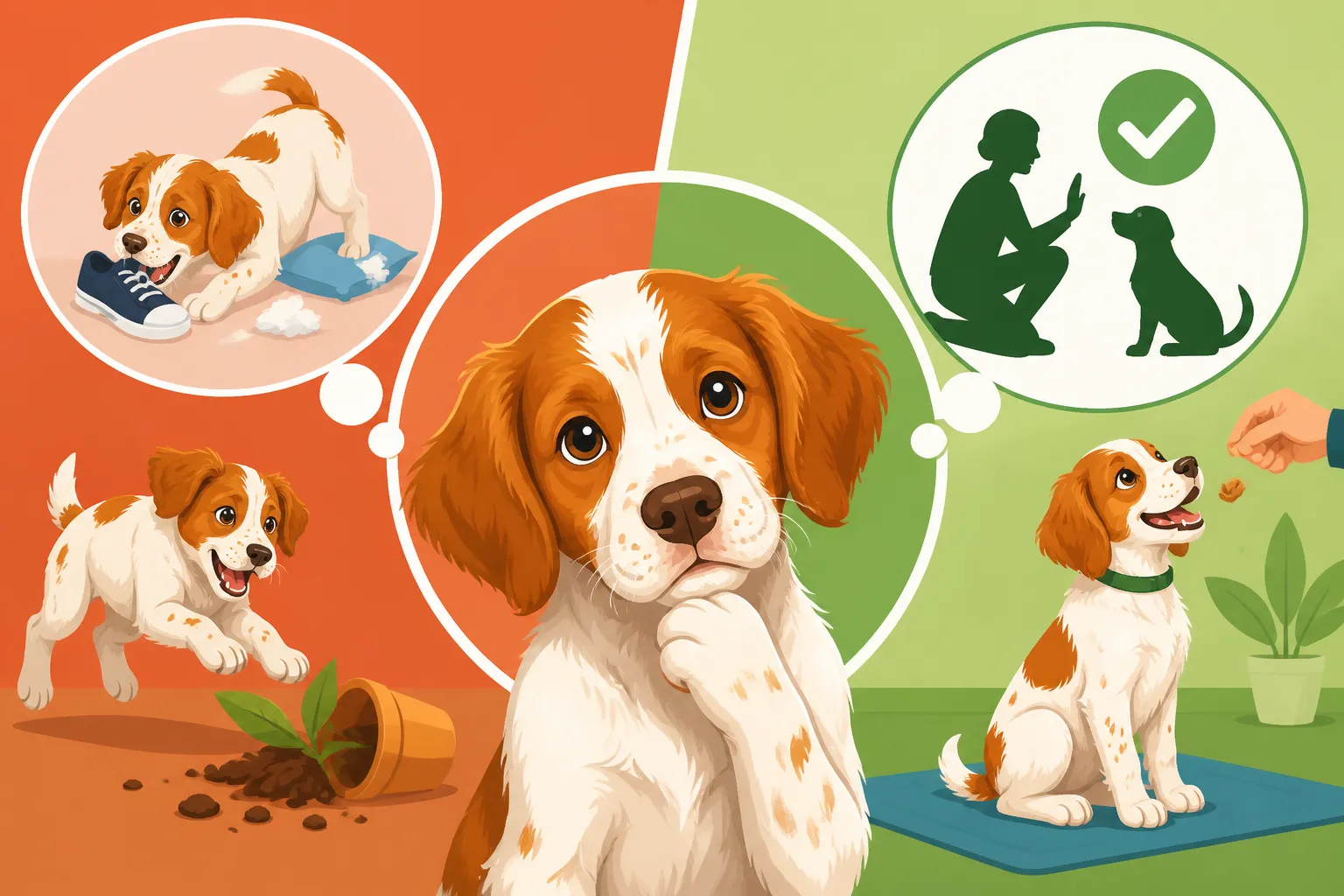
If you've spent any time around a Brittany, you'll know they're often described as "soft" – not in a delicate physical sense, but in their responsiveness to correction and their eagerness to please. They are highly intelligent and incredibly biddable, meaning they genuinely want to work with you and learn. This is a huge asset in training, as they pick up new commands and concepts remarkably quickly. However, this sensitivity also means they can be easily discouraged or overwhelmed by harsh methods or overly stern tones. A sharp word or a heavy hand can make a Brittany shut down, leading to a loss of confidence and a breakdown in the owner-dog bond. Their incredible energy, on the other hand, means they need a productive outlet for their brains and bodies. Without proper mental stimulation and physical exercise, that intelligence and energy can quickly turn into destructive behaviors, like chewing on furniture or digging up the yard. It's a delicate balance: providing enough challenge without being too harsh. What a Brittany's Temperament Is Really Like delves deeper into these personality traits, which are so central to how they interact with the world and how best to train them.
Early Socialization and Critical Development Stages
The period from roughly 3 to 16 weeks of age is often referred to as the "critical socialization window" for puppies. During this time, a puppy's brain is like a sponge, soaking up every new experience and forming associations that will last a lifetime. Positive exposure to a wide variety of sights, sounds, smells, people, and other dogs during this period helps create a well-adjusted, confident adult dog. For a Brittany, with its innate curiosity and potential for high prey drive, controlled and positive socialization is paramount. Without it, a puppy might become timid or fearful of novel situations, or even develop reactive tendencies towards other dogs or strangers later in life. Imagine a Brittany who spooks at the sound of a plastic bag rustling, or one that becomes anxious in a busy park – these are often the unfortunate results of inadequate early socialization. Puppy classes offer a structured, safe environment where these crucial introductions can happen under the watchful eye of experienced instructors, ensuring that experiences are positive and beneficial. This controlled exposure builds resilience and teaches appropriate social cues, which are invaluable for a breed destined to be out in the world, whether in the field or simply on a family hike. Whether a Brittany Puppy Should Be Socialized Heavily further explores the importance of this early exposure.
Benefits of a Structured Puppy Class for Brittanys
Enrolling your Brittany puppy in a formal class goes beyond just teaching "sit" and "stay." It's an investment in their overall development, providing a foundation for good behavior, confidence, and a strong relationship between you and your dog.
Foundations of Obedience and Good Manners
A well-run puppy class focuses on teaching basic obedience commands like sit, down, stay, come, and walking politely on a leash. While these might seem simple, they are the building blocks for a lifetime of good behavior. For a smart and eager-to-please breed like the Brittany, these lessons often click quickly, especially when taught with positive reinforcement. But perhaps even more importantly, puppy classes don't just teach the dog; they teach the owner. You'll learn how to effectively communicate with your Brittany, how to use treats and praise, and how to read your dog's body language. This human-side education is crucial, because a Brittany thrives on clear, consistent direction. Without it, even the most intelligent dog can become confused or develop undesirable habits. Instructors in a good class can also offer practical advice for common puppy challenges, such as nipping, jumping up on people, and the sometimes exasperating journey of house training. Having an expert guide you through these early hurdles can save you a lot of frustration and set your Brittany up for success. Knowing how to efficiently communicate and manage these early stages contributes significantly to a smoother path to a well-mannered adult dog. We want our Brittanys to be welcome everywhere, and a solid foundation in manners makes all the difference. How Fast a Brittany Housetrains offers more insights into managing that particular puppy challenge.
Socialization Beyond the Home Environment
While you can certainly expose your Brittany to new things at home, a puppy class provides a unique and invaluable socialization opportunity. It's a controlled melting pot of different breeds, sizes, and temperaments of puppies, all learning to interact appropriately. Your Brittany will encounter playful nipping, shy greetings, and boisterous wrestling, all under supervision. This helps them develop crucial "doggy social skills" that they can't fully learn from just their littermates or adult dogs at home. Beyond other puppies, a class introduces your Brittany to a variety of new people – men, women, children, people with hats or glasses, all moving and sounding differently. This broad exposure is vital for preventing shyness or fearfulness towards strangers, especially for a sensitive breed. They'll also experience new environments, sounds (like dropped objects or loud voices), and textures (different flooring, mats), which further builds their resilience and adaptability. Think of it as a comprehensive immersion program that broadens your pup's world in a safe, positive way. This structured exposure helps ensure your Brittany grows into a confident, friendly companion, rather than one who might be overly timid or reactive in novel situations.
Building Confidence and a Strong Owner-Dog Bond
The positive reinforcement methods typically employed in puppy classes are fantastic for building a Brittany's confidence. Every successful command, every calm interaction, and every playful moment reinforces that learning is fun and rewarding. This positive feedback loop encourages your Brittany to engage, try new things, and trust your guidance. When a puppy feels secure and understands what is expected of them, their confidence soars. Moreover, working together through these early training challenges strengthens the bond between you and your Brittany. You become their trusted leader, their source of fun, and their protector in new situations. This shared experience fosters a deep connection that makes future training easier and your life together more harmonious. Brittanys are often very people-oriented dogs; they thrive on interaction and affection. A puppy class capitalizes on this natural inclination, turning learning into a shared adventure. Imagine the pride you'll feel when your Brittany confidently navigates a new environment or perfectly executes a "come" command amidst distractions – these moments solidify your partnership. This strong, positive bond is a cornerstone for a happy, well-adjusted Brittany, and it can help mitigate common issues like separation anxiety because they trust you and feel secure. Whether a Brittany Is Clingy Like a Vizsla explores the nature of their attachment, and how a strong, confident bond is beneficial for both dog and owner.
| Feature | Puppy Class (Group) | Private Training | DIY Home Training |
|---|---|---|---|
| Socialization | Excellent: Controlled interaction with diverse puppies and people. | Limited: Focused on dog-owner bond; owner must seek outside socialization. | Requires significant owner effort to arrange diverse, safe social encounters. |
| Basic Obedience | Structured curriculum, hands-on guidance from instructor. | Tailored curriculum, intensive one-on-one instruction. | Relies on owner's research and ability to apply methods consistently. |
| Problem Solving | General advice for common issues; peer learning. | Specific solutions for individual behavioral challenges. | Requires owner to diagnose and research solutions independently. |
| Cost | Moderate (package deal, per class). | High (per session, often intensive). | Low (cost of treats, equipment, time). |
| Flexibility | Fixed schedule, limited makeup options. | Highly flexible, tailored to owner's schedule. | Fully flexible, fits owner's availability. |
| Instructor Support | Immediate feedback, demonstrations, group Q&A. | Direct, personalized attention and coaching. | No direct instruction; relies on external resources. |
| Confidence Building | Positive reinforcement, success in group setting, social confidence. | Personalized success, builds strong owner-dog bond. | Owner-dependent success, may miss out on social confidence. |
Alternatives to Puppy Class and Cost Considerations
While puppy classes offer immense benefits, they aren't the only route to raising a well-adjusted Brittany. Life happens, schedules conflict, and budgets vary. It's important to know your options and understand the commitment each alternative requires.
DIY Socialization and Training at Home
For various reasons, some owners may decide against formal puppy classes. Perhaps there aren't any good quality classes available locally, or their schedule simply doesn't permit it. In such cases, a dedicated owner can absolutely provide effective socialization and training at home, but it requires conscious effort and consistency. The key is to actively seek out diverse, positive experiences for your Brittany puppy. This means exposing them to different sights, sounds, surfaces, and people in a controlled manner. Take them for short, positive car rides, introduce them to vaccinated, friendly adult dogs one-on-one, walk them in busy (but not overwhelming) public places like parks or pet-friendly stores (carrying them if they haven't completed their vaccinations), and let them hear various household noises. You can even play sound effect recordings of thunder or fireworks at a low volume to desensitize them.
For training, there's a wealth of information available online through reputable trainers' websites, YouTube channels, and books. You'll need to be diligent about researching positive reinforcement methods, practicing regularly, and troubleshooting challenges as they arise. Investing in high-quality training treats and a good clicker can make a big difference. For example, Chewy offers a wide selection of training treats that your Brittany will love, making those home sessions much more engaging. The biggest challenge with DIY is often consistency and knowing if you're doing things correctly. Without an experienced instructor, it can be hard to gauge progress or identify subtle behavioral cues. It requires self-discipline and a proactive approach to ensure all aspects of socialization and obedience are covered comprehensively.
Private Training and One-on-One Guidance
If group classes don't fit your lifestyle or if your Brittany has very specific needs, private training is an excellent alternative. A professional dog trainer can come to your home or meet you at a neutral location, offering one-on-one instruction tailored precisely to your puppy's temperament and your family's goals. This can be particularly beneficial for very shy puppies who might be overwhelmed in a group setting, or for puppies exhibiting early signs of a specific behavioral challenge that needs immediate, focused attention.
The main advantage is the personalized attention; the trainer can observe your interactions, provide instant feedback, and adjust their methods on the spot. They can also address specific issues unique to your home environment, like counter surfing in your kitchen or polite greetings with your mail carrier. However, private training often comes with a higher price tag per hour compared to group classes. While a single session might seem affordable, multiple sessions quickly add up. You'll need to weigh this against the deep, personalized expertise you receive. It's an investment, but for many, the targeted guidance can be incredibly effective. If you're considering this route, research local trainers carefully, ensure they use positive reinforcement methods, and ask for references. What a Professional Gun Dog Trainer Charges for a Brittany offers some context on the costs associated with specialized training, though puppy-specific private sessions might differ slightly.
Financial Outlay for Puppy Classes vs. Long-Term Benefits
Let's be realistic: adding a new puppy to your family comes with costs. From the initial purchase price to food, vet visits, and supplies, it adds up. Puppy classes represent another line item, and prices can vary widely depending on your location, the reputation of the facility, and the length of the program. A typical puppy class might range from a few hundred dollars for a 4-6 week course. While this might seem like a chunk of change upfront, consider it an investment in your Brittany's future and your peace of mind.
Think about the potential costs down the line if your Brittany develops behavioral issues due to a lack of proper socialization or training. A dog with severe anxiety, reactivity, or aggression might require extensive, expensive behavioral modification training, sometimes involving veterinary behaviorists, which can cost significantly more than a puppy class. Pet insurance, like that offered by Healthy Paws, can certainly help with unexpected medical bills or accidents, but behavioral therapy costs are often a separate consideration and rarely cover preventative training like puppy classes. A well-socialized, well-trained dog is generally a happier, healthier dog, less prone to stress and more able to adapt to new situations. This reduces the likelihood of costly behavioral interventions later. Moreover, a good diet, such as that provided by companies like Ollie, contributes to a puppy's overall health and brain development, which supports their ability to learn effectively in any training environment. Investing in proper early training and care is truly investing in a longer, more joyful life with your Brittany. What a Brittany Costs Over Its Lifetime illustrates how these various expenses accumulate, highlighting the value of preventative measures like good training.
Ultimately, whether a puppy class is right for your Brittany depends on your individual circumstances. There's no single right answer, but understanding the options and the profound impact early training and socialization have on this magnificent breed will help you make the best decision for your new best friend.
Disclaimer
This article is for general informational purposes only and does not constitute professional advice. Laws, prices and regulations vary by location and change over time. Consult a qualified professional for guidance on your specific situation.