What Happens When You Shout at a Brittany
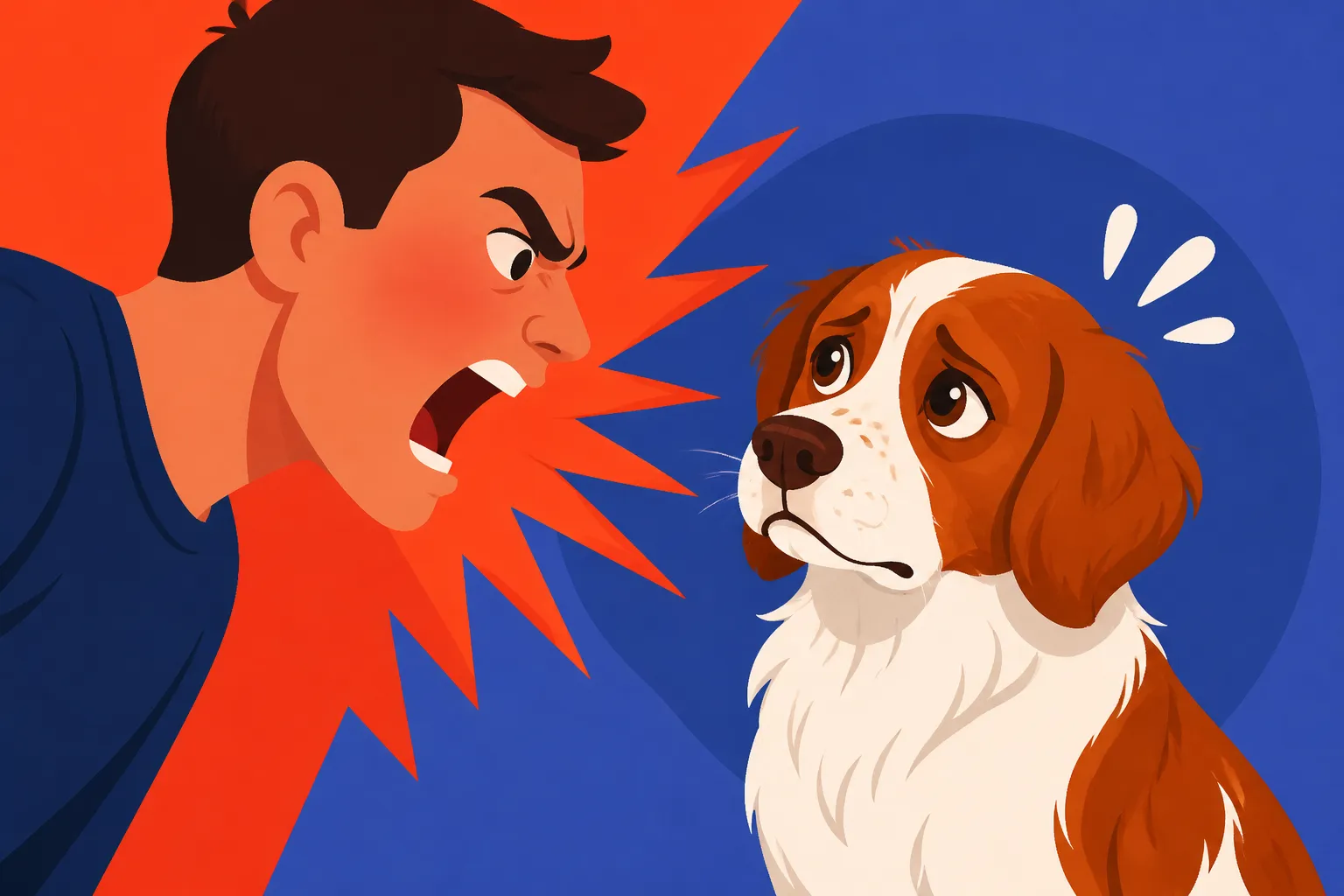
It's easy to get frustrated when your Brittany isn't listening, especially when you feel like you've repeated yourself a hundred times. A sharp, loud correction might seem like the quickest way to get their attention and stop an unwanted behavior in the moment. However, Brittanys are incredibly sensitive souls, and shouting at them can do far more harm than good, deeply impacting their trust, their willingness to learn, and the overall bond you share. This guide will explore exactly why harsh vocal corrections are detrimental to your Brittany's training and well-being, and how to foster a stronger, more positive relationship instead.
The Brittany's Sensitive Nature
Brittanys are not like some other breeds that might brush off a stern word. They are renowned for their gentle dispositions, intelligence, and eagerness to please. However, this very nature makes them particularly susceptible to negative training methods. Understanding this inherent sensitivity is the first step towards building a successful and happy relationship.
Why a Brittany Is Called Soft
You'll often hear experienced Brittany owners or trainers describe the breed as "soft." This isn't a judgment of their resilience in the field, where they are incredibly tough and tenacious. Instead, it refers to their emotional and mental makeup. A Brittany takes corrections deeply to heart. They are thinkers, highly attuned to their handler's tone and body language. If you raise your voice, even if it's not truly angry, a Brittany can perceive it as a severe reprimand or even a threat. This often leads to a withdrawal, not a correction of the behavior.
Imagine a child who is trying their best but makes a mistake and is met with a loud, angry shout. They might stop what they're doing immediately, but not because they understand why it was wrong, but because they're afraid of the shout itself. Brittanys react similarly. They associate the unpleasant sound and feeling with the entire situation, including you, rather than just the specific action. For a breed so eager to please and work cooperatively, this can be incredibly damaging to their motivation and confidence. It's why consistent, calm, and positive reinforcement is so crucial. If you've ever wondered Why a Brittany Is Called Soft, this sensitivity is a key part of it.
How Sensitive a Brittany Is to Correction
Their sensitivity means that what might be considered a mild correction for a tougher breed can be devastating for a Brittany. A firm "No!" delivered with a harsh tone can be as impactful as a physical correction to some Brittanys. They are so eager to maintain harmony and connection with their people that any perceived displeasure from you can be profoundly upsetting. This isn't to say they can't handle boundaries or clear expectations; quite the opposite. They thrive on clear communication, but that communication needs to be delivered in a way that doesn't damage their trust.
When a Brittany is corrected harshly, their natural inclination is often to shut down or avoid the situation entirely. This isn't defiance; it's a defensive mechanism. They might refuse to engage, offer submissive behaviors, or simply wander off. This makes training incredibly difficult because a dog that is afraid or confused cannot learn effectively. Instead of understanding what you want them to do, they only learn what not to do out of fear, which can suppress natural behaviors like enthusiastic retrieving or bold pointing in the field. This unique temperament truly sets them apart and requires a thoughtful approach to training. How Sensitive a Brittany Is to Correction is perhaps the most important trait to remember when working with this breed.
Immediate Reactions to Harsh Corrections
When you shout at a Brittany, the immediate response is rarely the desired one. Instead of instantly understanding and ceasing the behavior, you're more likely to see signs of distress, fear, or confusion. These reactions can be subtle or overt, but they all signal that your message isn't being received in a productive way.
Freezing or Fleeing
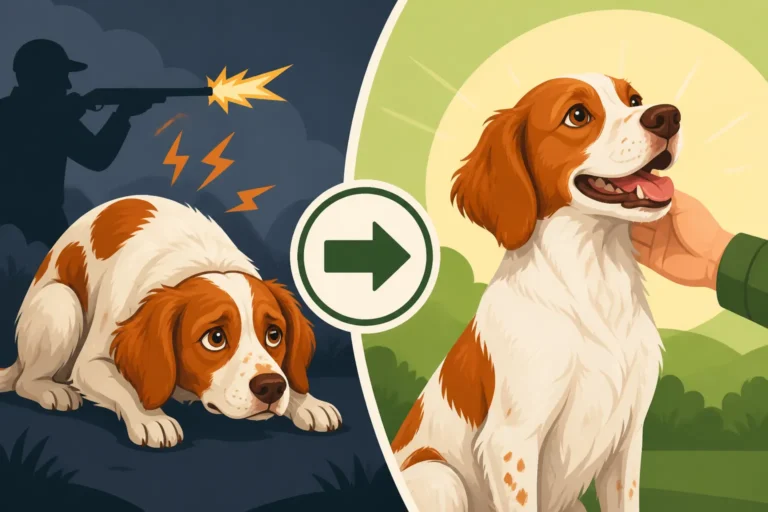
One of the most common immediate reactions you'll observe in a Brittany when shouted at is either freezing in place or attempting to flee the situation. A dog that freezes might crouch low, avoid eye contact, tuck their tail, or even lower their ears flat against their head. They become stiff, suddenly still, as if hoping to become invisible. This isn't compliance; it's a fear response. They are literally paralyzed by anxiety, unsure of what to do to make the unpleasant sound stop. Their mind isn't processing the command; it's focused on self-preservation.
Alternatively, some Brittanys will try to escape the negative interaction altogether. They might bolt away, run into another room, or hide under furniture. This is particularly problematic if you're trying to train recall or work with them in an open field. If a dog associates your voice with fear, their instinct will be to get away from you, not come closer. This flight response can be dangerous, especially if it leads them to run into traffic or get lost in unfamiliar territory. You are effectively teaching them that your voice is a signal to disengage, which is the opposite of what you want in a working or companion dog.
Submissive Urination and Physical Cues of Distress
Beyond freezing or fleeing, a Brittany might display other clear physical signs of distress. Submissive urination is one such behavior, often seen in puppies or very sensitive adult dogs. This isn't done out of spite or to be "naughty"; it's an involuntary physical reaction to extreme fear or anxiety, an attempt to signal appeasement and de-escalate what they perceive as a threatening situation. It's heartbreaking to witness and a stark indicator that your method of correction is causing significant emotional harm.
Other physical cues of distress include excessive licking of lips, yawning (when not tired), panting (when not hot or exerted), a rapid heart rate, trembling, or even drooling. Their body language will typically be closed and withdrawn: head lowered, tail tucked tightly between the legs, rounded back, and avoiding eye contact. Their eyes might dart around nervously, showing the whites of their eyes (often called "whale eye"). These are all signals that your dog is deeply uncomfortable and distressed by your vocal tone. They are not learning from the experience; they are simply enduring it, and potentially internalizing a negative association with you and the training process. Whether a Brittany Reads Your Mood is evident in how quickly they pick up on these cues.
Long-Term Behavioral Impacts
The immediate reactions to shouting are certainly concerning, but the long-term impacts can be even more detrimental to your Brittany's overall well-being and your relationship. Consistent harsh corrections can erode trust, stifle natural behaviors, and even lead to more serious behavioral problems.
How Long a Brittany Remembers a Bad Session
Brittanys are intelligent dogs with excellent memories, especially when it comes to experiences that evoke strong emotions. Unfortunately, this means they tend to remember negative interactions vividly. A single bad training session, particularly one involving shouting or harsh treatment, can linger in their memory for a very long time. They might not remember the exact command you were trying to teach, but they will certainly remember the feeling of fear, anxiety, or confusion associated with it. This can create a lasting aversion to the training location, the specific task, or even the person who delivered the harsh correction.
This memory can make it incredibly difficult to re-engage them in similar situations. For example, if a Brittany was repeatedly shouted at for breaking point, they might become hesitant to point at all, or creep on birds out of fear of making a mistake. It’s not uncommon for a Brittany to carry the memory of a harsh correction for weeks, months, or even years, influencing their willingness to participate. How Long a Brittany Remembers a Bad Session emphasizes the importance of making every interaction positive and constructive.
Whether a Brittany Sulks
Yes, Brittanys absolutely can "sulk" in response to harsh treatment, although it's more accurately described as a form of emotional withdrawal or subdued behavior rather than intentional pouting. When a Brittany feels unjustly corrected, or if the interaction was particularly frightening, they might become quiet, distant, and less enthusiastic. They might ignore you, avoid coming close, or simply lie down with a dejected posture. This isn't defiance; it's their way of expressing their distress and processing the negative experience.
A sulking Brittany is a disheartened Brittany. Their natural exuberance and eagerness to please diminish, replaced by a quiet resignation. This can manifest in them being less playful, less responsive to their name, or generally less engaged with the family. It's a clear sign that the bond of trust has been strained. It's crucial to understand that they aren't being stubborn; they are emotionally affected, and this "sulking" period is their coping mechanism. Understanding Whether a Brittany Sulks can help you recognize the emotional toll of harsh corrections.
Development of Fear or Avoidance
Repeated shouting or harsh corrections fundamentally change a Brittany's perception of its environment and its relationship with humans. Instead of viewing the world as a place for exploration and learning, they may start to see it as unpredictable and potentially threatening. This can lead to a general state of anxiety, fear, or hyper-vigilance. They might become fearful of sudden movements, loud noises, or even specific objects associated with past negative experiences. This can escalate into reactivity, where they bark, growl, or lunge out of fear, rather than aggression.
In the long term, a Brittany that has been consistently shouted at may develop an avoidance personality. They learn that the best way to avoid punishment is to simply not engage. This means they might become difficult to train, not because they are unintelligent or stubborn, but because they are terrified of making a mistake and facing another harsh reprimand. This avoidance can extend to human interaction, making them less affectionate, less willing to seek attention, and potentially developing separation anxiety if their primary source of interaction is negative. This deeply impacts their quality of life and makes true companionship challenging.
Impact on Bird Work
For a hunting breed like the Brittany, the negative impact of shouting extends directly into their performance in the field. Bird work requires confidence, boldness, and a keen desire to please. When a Brittany is conditioned to fear harsh corrections, these essential traits can be severely undermined. A dog that is afraid to make a mistake might hesitate on point, bump birds out of uncertainty, or lose enthusiasm for the retrieve. Their natural bird drive can be suppressed if the joy of the hunt becomes overshadowed by the anxiety of potential reprimand.
Imagine a Brittany who naturally quarters well and points with intensity. If they are consistently yelled at for perceived errors, they might start to hunt tentatively, ranging closer than they should, or becoming "sticky" on point, afraid to move even slightly. They might also develop issues with retrieving, holding birds too hard or refusing to retrieve altogether if they were shouted at for a poor retrieve in the past. The goal of gun dog training is to foster a bold, confident, and cooperative partner. Shouting creates the opposite, often leading to a dog that performs below its potential or, worse, loses its desire to hunt entirely. This makes the hunter's experience less rewarding and is a disservice to the dog's heritage. Whether an Epileptic Brittany Can Still Hunt or Whether an Aging Brittany Still Wants to Hunt are concerns for specific health conditions, but for a healthy, young Brittany, emotional trauma can be just as limiting.
Alternative, Positive Training Methods
Instead of relying on harsh vocal corrections, the most effective and humane way to train a Brittany is through positive reinforcement. This approach builds trust, encourages confidence, and makes learning an enjoyable experience for both you and your dog.
Positive Reinforcement Principles
Positive reinforcement is all about rewarding behaviors you want to see more of. When your Brittany does something correctly – sits when asked, comes when called, or holds a steady point – you immediately follow it with something they value, like a tasty treat, enthusiastic praise, a favorite toy, or a quick game of fetch. The key is timing: the reward must happen within 1-3 seconds of the desired behavior so your dog clearly understands what they are being rewarded for. This makes them more likely to repeat that behavior in the future.
This method teaches your Brittany what to do rather than constantly punishing them for what not to do. It creates an eager learner who is excited to engage with you because good things happen when they cooperate. For a sensitive breed like the Brittany, this positive feedback loop is incredibly powerful. It builds their confidence, strengthens your bond, and encourages them to offer behaviors rather than just waiting for a command. You'll find your Brittany becomes a more engaged and happier partner, both in the home and in the field. When starting out, resources like the online puppy program from BAXTER & Bella can guide you through positive reinforcement techniques from day one.
How Long a Brittany's Training Session Should Be
Given their intelligence and eagerness, Brittanys are generally very receptive to training, but their focus can wane with lengthy sessions. It's far more effective to keep training sessions short, fun, and frequent. For a puppy or young Brittany, 5-10 minute sessions, 2-3 times a day, are ideal. For adult Brittanys, you can extend this to 10-15 minutes. The goal is to end each session on a high note, with success, before your dog gets bored or tired. This leaves them wanting more and eager for the next session.
Short sessions prevent mental fatigue and frustration, both for you and your dog. It keeps the energy positive and the learning effective. If you try to push too long, your Brittany might start making mistakes out of exhaustion, leading to frustration on your part, and potentially the urge to revert to harsher corrections. Remember, consistency over duration is key. A few short, positive sessions every day will yield far better results than one long, stressful session once a week. This also aligns with How Long a Brittany's Training Session Should Be for optimal engagement.
Effective Communication Without Shouting
Effective communication with a Brittany relies on clarity, consistency, and a calm demeanor. Instead of shouting, use clear, concise verbal cues in a normal, encouraging tone. Pair these verbal cues with consistent hand signals. Dogs are often more adept at reading body language than understanding complex human speech. When your Brittany makes a mistake, redirect their attention to the correct behavior rather than punishing the incorrect one. For instance, if they're jumping on guests, instead of yelling "No!", ask them to "Sit" and reward them when all four paws are on the floor.
Management is also a huge part of preventing unwanted behaviors that might lead to frustration. If your Brittany is prone to counter surfing, don't leave tempting food within reach. If they're chewing inappropriate items, ensure they have plenty of appropriate chew toys purchased from retailers like Amazon. This proactive approach reduces opportunities for "bad" behavior, minimizing the need for any kind of correction, harsh or otherwise. By anticipating and managing their environment, you set your Brittany up for success, allowing you to reward good choices more often.
Rebuilding Trust and Overcoming Past Mistakes
If you've inadvertently used harsh corrections in the past, or inherited a Brittany that is fearful due to previous experiences, it's absolutely possible to rebuild trust and heal the relationship. It requires patience, consistency, and a commitment to positive reinforcement.
Gentle Reintroduction of Training
The first step in rebuilding trust is to reintroduce training in a way that is entirely positive and low-pressure. Forget about complex commands or high-stakes situations for a while. Start with simple, easy-to-succeed behaviors like "sit" or "come" in a quiet, familiar environment. Use incredibly high-value treats and enthusiastic praise for every single successful attempt. The goal is to make training a fun game where your Brittany can't possibly fail. This builds their confidence and helps them associate training with positive outcomes, not fear.
Keep these sessions very short – just a few minutes – and always end on a successful, happy note. If you notice any signs of stress, such as lip licking, yawning, or a tucked tail, immediately lighten the mood, perhaps with a short play session, and end the training. The aim is to create a positive emotional bank account, where every interaction adds to their sense of safety and enjoyment with you. Over time, as their confidence grows, you can gradually introduce more challenging tasks, but always prioritize their emotional well-being. This approach can help a Brittany realize that Whether a Brittany Forgives a Mistake largely depends on your consistent, kind efforts.
Consistency and Patience
Rebuilding trust isn't a quick fix; it's a marathon, not a sprint. Consistency is paramount. Every interaction, every command, every moment you spend with your Brittany needs to be positive and predictable. Avoid any temptation to revert to old habits, even when frustrated. One slip-up can undo weeks of progress for a sensitive Brittany. Patience is equally critical. Your dog won't instantly forget past negative experiences, and it will take time for them to truly believe that you are a reliable, kind leader. Celebrate small victories and don't get discouraged by setbacks.
Establish a consistent routine for feeding, walks, play, and training. Predictability helps reduce anxiety. Use the same verbal cues and hand signals every time. Make sure everyone in the household is on the same page with your positive reinforcement methods. If one person is still using harsh corrections, it will confuse and frighten your Brittany, making progress impossible. It's about creating a safe, loving, and predictable environment where your Brittany can truly blossom.
Professional Help
If you're struggling to rebuild trust or your Brittany exhibits severe fear, anxiety, or reactivity due to past harsh treatment, don't hesitate to seek professional help. A certified professional dog trainer (CPDT-KA) or a veterinary behaviorist specializes in these types of issues and uses science-backed, positive reinforcement methods. They can assess your specific situation, help identify triggers, and develop a tailored training plan.
These professionals can also teach you advanced techniques for managing your Brittany's environment and effectively communicating with them without force. They can guide you through counter-conditioning and desensitization protocols, which are crucial for changing a dog's emotional response to fearful stimuli. Investing in professional guidance is an investment in your Brittany's happiness and your shared future. It’s also wise if you suspect deeper behavioral issues that might need a medical component, which a vet behaviorist can address. For example, if you are working with a rescue Brittany, they might have a history of trauma, and professional guidance is invaluable.
Preventing the Need for Shouting
The best approach is, of course, to prevent the need for shouting altogether. This involves understanding your Brittany's needs, managing their environment, and providing consistent, positive guidance from the very beginning.
Understanding Brittany Needs
Brittanys are high-energy, intelligent sporting dogs. They were bred to work closely with humans in the field, which means they thrive on activity, mental stimulation, and companionship. An under-exercised or bored Brittany is a recipe for frustration – for both you and the dog. If your Brittany is constantly getting into trouble, chewing furniture, or barking excessively, it's often a sign that their fundamental needs aren't being met.
Ensure your Brittany gets plenty of physical exercise every day, ideally through off-leash running in a safe area, long walks, or dedicated retrieve sessions. They also need mental stimulation through puzzle toys, training games, and scent work. A tired and mentally satisfied Brittany is a well-behaved Brittany. Provide them with appropriate chew toys and plenty of human interaction. A strong, positive bond, built on meeting their needs, significantly reduces the likelihood of behaviors that might test your patience. If you’re ever wondering What an Under Exercised Brittany Does at Home, just know it usually involves finding their own (often destructive) entertainment.
Managing Environment and Expectations
Setting your Brittany up for success means carefully managing their environment and having realistic expectations. Puppy-proofing your home is essential to prevent destructive chewing. Use crates or playpens to safely contain your Brittany when you can't actively supervise them. Keep valuable or dangerous items out of reach. If your Brittany is prone to jumping on visitors, manage the entrance by having them on a leash or in another room until they can greet calmly.
Understand that puppies and young Brittanys will make mistakes. They are learning about the world and your rules. Expecting perfection from a young dog is unfair and will only lead to frustration. Instead, focus on progress, not perfection. Celebrate small steps and patiently guide them. If you expect them to have an accident or chew something occasionally, you can be prepared to redirect rather than react harshly. Patience and clear, consistent boundaries, coupled with positive reinforcement, will guide them toward becoming well-mannered companions.
Early Socialization and Puppy Classes
Early and positive socialization is crucial for developing a confident, well-adjusted Brittany. Expose your puppy to a wide variety of sights, sounds, people, places, and other friendly dogs during their critical socialization window (roughly 3-16 weeks of age). Do this in a controlled and positive manner, ensuring every experience is good. This builds their resilience and reduces the likelihood of fear-based behaviors later on.
Enrolling your Brittany puppy in a well-run puppy class is one of the best investments you can make. These classes, often available online or in person from providers like BAXTER & Bella, provide structured socialization opportunities and teach you how to use positive reinforcement methods effectively. A good puppy class will emphasize communication, body language, and problem-solving without force or intimidation. This early foundation will equip your Brittany with the confidence and social skills needed to navigate the world happily, reducing the chances of behaviors that might provoke frustration in you. It’s not just about teaching commands; it’s about shaping a resilient, happy dog. Whether a Brittany Needs Puppy Class is almost always a resounding yes.
Conclusion
Shouting at your Brittany might offer a fleeting sense of control in a moment of frustration, but the costs far outweigh any perceived benefits. Brittanys are sensitive, intelligent, and eager to please, and harsh vocal corrections undermine their trust, instill fear, and can lead to long-term behavioral issues. Instead, embracing positive reinforcement, understanding their needs, and communicating with kindness and consistency will build a strong, loving bond and a confident, happy companion. Choose patience and positive guidance, and your Brittany will reward you with unwavering loyalty and partnership.
| Aspect | Shouting/Harsh Correction | Positive Reinforcement |
|---|---|---|
| Immediate Effect | May temporarily stop behavior due to fear | Encourages desired behavior, promotes engagement |
| Long-Term Effect | Fear, anxiety, mistrust, emotional withdrawal, potential aggression | Confidence, enthusiasm, strong bond, reliable performance |
| Impact on Learning | Inhibits learning, dog shuts down, associates handler with fear | Accelerates learning, promotes problem-solving, dog offers behaviors |
| Relationship | Strained, based on avoidance and fear | Strong, based on trust, respect, and cooperation |
| Dog's Emotional State | Stressed, anxious, fearful, possibly depressed | Happy, engaged, eager to please, well-adjusted |
| Applicability to Brittanys | Highly detrimental due to their soft nature | Extremely effective, aligns with their inherent biddability |
Disclaimer
This article is for general informational purposes only and does not constitute professional advice. Laws, prices and regulations vary by location and change over time. Consult a qualified professional for guidance on your specific situation.