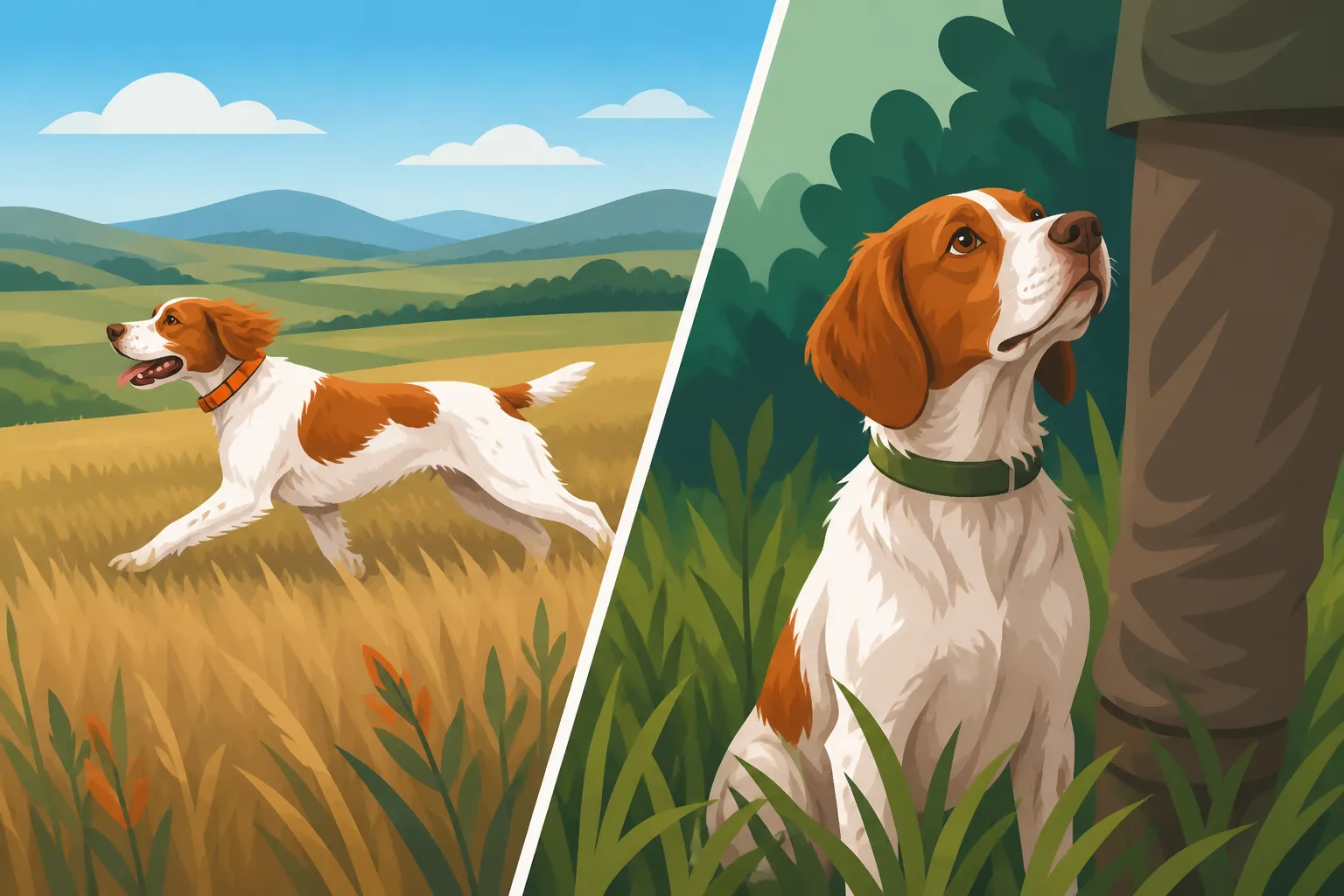
An American Brittany Ranges Wide and a French One Stays Close
One of the most common questions I get from folks looking to bring a Brittany into their lives, especially if they're hunters, revolves around how far these energetic dogs range. It's a valid concern, because what a dog does in the field directly impacts your hunting experience, your fatigue levels, and even the type of terrain you can comfortably cover. The truth is, there's a distinct difference in the typical hunting patterns between an American Brittany and its French counterpart, the Epagneul Breton. This guide will dive deep into these differences, exploring why they exist, what they mean for you, and how to choose and train the Brittany that perfectly matches your lifestyle and hunting ambitions.
Understanding the Brittany's Instinct for Range
Before we even get into the nuances between American and French lines, it's crucial to grasp what "range" truly means in the context of a pointing dog and how deeply ingrained this instinct is. These aren't just pets; they are born with a profound drive to seek, find, and point game birds.
The Genetic Drive to Hunt
Every Brittany, regardless of its lineage, carries generations of selective breeding for bird hunting. This isn't a learned behavior in the same way "sit" or "stay" is; it's an innate, hardwired program. When a Brittany hits the field, its primary instinct is to find scent and locate birds. This genetic blueprint includes a certain "search pattern" – how far out it casts, how much ground it covers, and how frequently it checks back with you, its handler. It's truly incredible to watch, as if they have an invisible map in their minds. For many, this is the very essence of why they fall in love with the breed.
This strong drive also means that an under-exercised Brittany at home can be a handful. If they don't get to express their natural instincts, that energy has to go somewhere, often into less desirable behaviors. It's why we often talk about how much exercise a Brittany needs, not just for physical health, but for mental well-being too. Their minds are wired for work, and without it, they can get bored, anxious, or destructive.
What "Range" Truly Means in a Pointing Dog
When we talk about a pointing dog's "range," we're referring to the distance the dog typically works from its handler. This isn't a static measurement; it's a dynamic concept that changes with cover, wind, bird scent, and the dog's experience. A wide-ranging dog might cast out 100-300 yards or more, disappearing over rises or into dense cover before circling back or getting on point. A close-working dog, on the other hand, might stay within 20-80 yards, always keeping you in sight or at least within earshot.
It's not just about distance, though. Range also encompasses the dog's independence, its initiative in finding birds, and its responsiveness to handler input. A dog that ranges wide but checks in regularly and responds to commands is very different from one that ranges wide and ignores you completely. This combination of natural propensity and trained responsiveness is what makes a great hunting companion. Understanding this distinction is key to enjoying your time in the field, whether you're working thick pheasant cover or open prairie.
Factors Influencing a Dog's Natural Range
While genetics play a massive role, a dog's natural range isn't the only factor determining how far it works from you. Many elements influence how a Brittany decides to cover ground. The type of cover—thick woods versus wide-open fields—naturally dictates how far a dog can realistically range while still being effective. Wind direction and strength are huge; a smart dog will often work into the wind to catch scent, which might take them further out if the wind is consistent. Bird density also plays a part; in sparse cover with few birds, a dog might range wider to find scent, whereas in a bird-rich area, they might tighten up their search.
Beyond environmental factors, the individual dog's personality and confidence level also contribute. Some Brittanys are naturally bolder, more independent, and driven to cover as much ground as possible. Others are a bit more cautious, preferring to stay within closer proximity to their human partner. Even a dog's age matters; a young, inexperienced puppy might stick closer, while a seasoned veteran might confidently stretch out, knowing exactly what they're doing. It's a complex dance between nature and nurture that shapes a Brittany's true working range.
The American Brittany: Built for Big Country
The American Brittany, often simply called a "Brittany" in North America, has been selectively bred over decades to excel in vast landscapes and competitive field trials. This has led to a dog that is known for its incredible speed, stamina, and expansive range.
Characteristics of the American Field Trial Dog
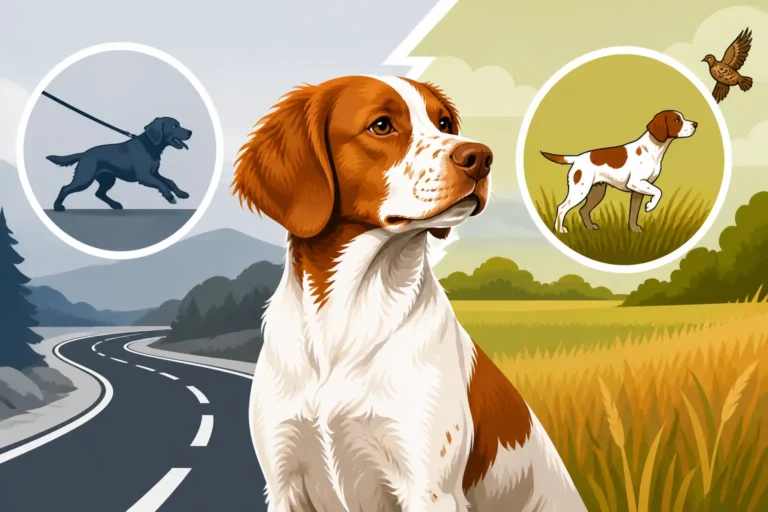
When you see an American Brittany flying across a field trial course, you're witnessing the culmination of generations of breeding for a very specific purpose: to cover immense amounts of ground with breathtaking efficiency. These dogs are athletes, lean and powerful, with an almost insatiable drive to run. Their gait is ground-covering and fast, designed to quickly locate game across open fields. This drive is so strong that often, dogs from top field trial lines will naturally cast out 100, 200, or even 300+ yards, searching for that elusive bird scent. How Far an American Brittany Ranges is a testament to their breeding and the conditions they were developed for.
This wide range is prized in trials where dogs are judged on their ability to find game independently and quickly over large areas. Handlers often ride horseback to keep up with these dogs, guiding them with subtle signals and whistles from a distance. Their points are typically statuesque and intense, holding rock-solid until the handler can reach them. They are magnificent to watch, a true spectacle of canine athleticism and instinct.
Hunting Scenarios Where a Wide Range Excels
The wide-ranging American Brittany truly shines in certain hunting environments. If you frequently hunt vast open prairies for pheasants, wide-open grasslands for quail, or expansive sagebrush flats for chukar, then an American Brittany's natural tendency to run big is a huge asset. They can cover ground much faster than a closer-working dog, increasing your chances of finding birds in sparse cover. This is particularly beneficial if you're hunting alone or with a small party and need a dog to effectively sweep a large area.
Imagine you're hunting in the Dakotas, walking mile after mile of CRP fields and corn stubble. A wide-ranging American Brittany acts like a living radar, quartering hundreds of yards out, constantly searching. When they hit scent, they lock up on point, and you know they've found something worthwhile. This allows you to conserve your energy and strategically approach the game. For hunters who value covering a lot of ground and trust their dog to work independently, the American Brittany's range is a distinct advantage.
Managing a Wide-Ranger in Everyday Life
While their field prowess is undeniable, living with a wide-ranging American Brittany also comes with its unique set of considerations. Their high energy and drive to explore don't just switch off when they come home. These dogs require significant daily exercise, not just a casual stroll around the block. Without ample opportunity to run, they can become restless, prone to destructive behaviors like digging, chewing, or excessive barking. How Much Exercise a Brittany Needs Off Season is a critical question for any potential owner.
Managing their range in non-hunting environments is also key. A wide-ranging Brittany off-leash in an unfenced park might quickly be out of sight, especially if they catch an interesting scent. Reliable recall is absolutely non-negotiable, and many owners find themselves investing in e-collars for safety and control, even if they prefer not to use them for training. Training needs to be consistent, fair, and engaging, as these intelligent dogs can become bored easily. They need mental stimulation as much as physical, so puzzle toys, training sessions, and even agility or scent work can be great outlets.
The French Brittany (Epagneul Breton): A Hunter's Close Companion
The French Brittany, or Epagneul Breton as it's known in its homeland, evolved under different hunting conditions and traditions, resulting in a dog that typically works much closer to the handler.
Defining the Epagneul Breton's Work Style
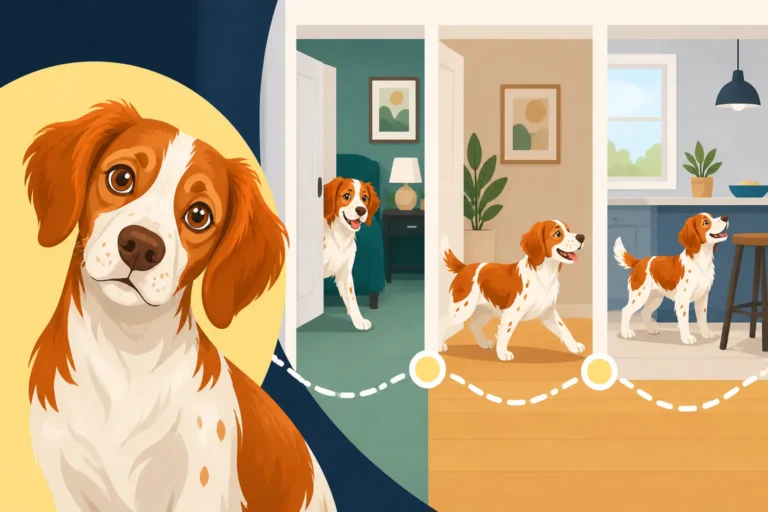
The Epagneul Breton embodies the ideal of a "foot hunter's dog." They are bred to work in close cooperation with their human partner, typically staying within easy gun range, often 30-80 yards. This isn't to say they lack drive or bird sense; quite the opposite. They are intensely focused on finding birds, but they do so in a methodical, thorough manner, often with frequent checks back to ensure they are working in concert with the hunter. How Close a French Brittany Hunts is a hallmark of their style.
Their search pattern is typically tighter, quartering back and forth in front of the hunter, systematically covering the ground. They are known for their intelligence and biddability, often described as very "people-pleasing" dogs. This makes them highly responsive to commands and a joy to hunt over, as you're always part of the action. While they might not cover miles of open ground at top speed, they are incredibly efficient at finding every bird in a given patch of cover.
Why a Closer Range Appeals to Many Hunters
A closer-working dog, like the Epagneul Breton, offers distinct advantages for many hunting styles and preferences. For starters, it's perfect for walking hunters who don't want to break into a sprint every time their dog goes on point. It's also ideal for hunting in thicker cover—think woodlands, brushy areas, or smaller plots of land—where a wide-ranging dog would quickly disappear and be difficult to locate. With an Epagneul Breton, you typically always know where your dog is, making it easier to follow their movements and get into position for the shot. Whether a French Brittany Suits a Walking Hunter is a question with a resounding yes for many enthusiasts.
Furthermore, a closer range can reduce the amount of shouting or whistling needed to communicate with your dog, leading to a more natural and less disruptive hunting experience. It fosters a very intimate partnership, where the hunter and dog work as a cohesive unit. This style is also generally safer in areas with roads, other hunters, or livestock, as the dog is less likely to venture far afield into potential hazards. For those who prioritize a deep connection and constant communication with their dog in the field, the Epagneul Breton's closer range is highly desirable.
The "Pocket Pointer" Ideal
The term "pocket pointer" is often affectionately used to describe the Epagneul Breton, not just because of their generally smaller size compared to many other pointing breeds, but because of their adaptable and companionable nature. They are truly versatile dogs, eager to hunt hard all day, yet just as happy to curl up at your feet by the fireplace in the evening. This makes them an excellent choice for individuals or families who want a dedicated hunting partner that also seamlessly integrates into home life.
Their biddability and desire to please mean they are often easier to train for general obedience and make wonderful house dogs. They are not prone to the same level of restlessness or destructive tendencies as some of the more extreme wide-ranging lines, provided they get adequate exercise. This combination of strong hunting instinct and agreeable temperament makes the Epagneul Breton a fantastic choice for many first-time bird dog owners or those living in more suburban environments who still want a serious hunting companion.
Why the Differences in Range Evolved
The divergence in range between the American Brittany and the Epagneul Breton isn't arbitrary; it's a fascinating example of how breeding priorities, geography, and hunting traditions shape a breed over time.
Divergent Breeding Goals and Standards
The primary reason for the difference in range lies in the distinct breeding goals established in France and the United States. In France, the breed standard for the Epagneul Breton has consistently emphasized a dog that works in close cooperation with the foot hunter. The focus has been on intelligence, biddability, and a methodical search pattern within gun range. The French ideal dog is a versatile companion, adept at pointing and retrieving, but always mindful of its handler.
In the United States, particularly after the breed gained popularity in the mid-20th century, a significant emphasis was placed on field trials designed to test a dog's ability to cover vast expanses of ground quickly and independently. American field trials often involve large, open fields, and the dogs that excelled were those with the greatest speed, endurance, and range. This led to a selective breeding process that favored these traits, pushing the American Brittany towards a wider-ranging style. Why an American Brittany Was Bred to Run Bigger directly addresses this historical context. The American Kennel Club (AKC) also influenced this by originally dropping "Spaniel" from the breed's name in 1982, further solidifying its identity as a true pointing breed, distinct from flushing spaniels, and often compared with wider-ranging setters and pointers.
The Influence of Terrain and Hunting Traditions
The landscapes and hunting traditions in France versus North America also played a crucial role in shaping the breed's working style. France, with its smaller agricultural plots, dense woods, and tradition of walking hunts, naturally favored a dog that worked efficiently in closer quarters. Hunters needed a dog that wouldn't disappear into the next farmer's field or get lost in thick cover. The focus was on finding birds in a defined area and maintaining close contact.
North America, on the other hand, boasts vast open prairies, sprawling agricultural lands, and a culture of covering large territories, sometimes on horseback, in pursuit of birds like pheasants, grouse, and quail. Here, a dog that could quickly and effectively sweep a massive field was highly valued. This difference in hunting grounds and methods reinforced the selective breeding for either a closer or wider-ranging dog, depending on the continent. It's a classic case of form following function, adapted to the specific needs of hunters in different parts of the world.
Separation of American and French Gene Pools
Over time, the differing breeding goals and performance standards led to a significant separation of the American and French Brittany gene pools. While both types originated from the same root stock, their paths diverged dramatically. Dogs from strong American field trial lines rarely have direct ancestors from French lines in recent generations, and vice-versa. This means that the traits, including range, became more fixed within each population.
While both are still recognized as the same breed (Brittany/Epagneul Breton), the functional differences are substantial enough that they are often discussed as two distinct "types." This separation is evident in their physical characteristics too, with American Brittanys often appearing slightly leggier and more rangy, while French Brittanys are typically more compact and square-bodied. This genetic isolation meant that characteristics like range, temperament, and biddability were honed along different trajectories, resulting in the distinct working styles we see today.
Choosing the Right Brittany for Your Hunting Style
Deciding between an American and a French Brittany for hunting is a significant choice, and it really comes down to understanding your own preferences, physical abilities, and the environments you'll typically hunt in.
Matching Dog to Terrain and Personal Preference
This is perhaps the most critical factor. Honestly assess the type of cover you primarily hunt. Are you busting through thick cattails and dense plum thickets for pheasants in the Midwest? Or are you striding across wide-open plains after fast-running quail? If your hunting involves large, expansive areas, and you appreciate a dog that takes initiative to find birds far out, then the American Brittany's wide range might be a perfect match. You'll cover more ground and potentially find more birds, though you'll also be doing more walking (or riding) to catch up.
However, if your hunting grounds are smaller, more varied, or heavily wooded—think ruffed grouse in dense timber, or bobwhite quail in patchy cover—a wide-ranging dog can quickly become a liability. You'll spend more time trying to locate them and less time actually hunting. For these situations, or if you simply prefer a more intimate, cooperative hunt where your dog is always within sight, the closer-working Epagneul Breton is likely a better fit. Consider your personal preference for control and interaction; do you want to be more of a director or an observer?
Considering Your Physical Abilities and Pace
Let's be realistic here. Hunting can be physically demanding. If you're a younger, highly athletic individual who can maintain a brisk pace for hours on end, or if you hunt from horseback, then keeping up with a wide-ranging American Brittany might not be an issue. You can let them stretch their legs and cover ground, and you'll be right there to back them up when they go on point.
However, if you're a more casual walker, prefer a slower pace, or if age and physical limitations mean you can't be sprinting across fields all day, a wide-ranging dog could quickly become frustrating. You'll constantly feel like you're playing catch-up, missing points, or worrying about where your dog has gone. In these scenarios, the Epagneul Breton's closer range allows for a much more relaxed and enjoyable hunting experience. You maintain control, enjoy the scenery, and still get to experience those thrilling moments of a solid point, without the physical exhaustion of trying to match a canine marathon runner.
The Importance of Breeder Research
Regardless of whether you lean towards an American or French type, doing thorough research on breeders is paramount. Not all American Brittanys are extreme wide-rangers, and not all French Brittanys are ultra-close. There's a spectrum within each type. A good breeder will be transparent about the typical range and temperament of their lines. They should be able to tell you about the working style of the sire and dam, and ideally, show you videos or let you observe the parents in the field.
Don't be afraid to ask specific questions about the parents' range, biddability, and temperament. Talk to other owners who have dogs from that breeder. A breeder who truly understands their lines will be able to guide you towards a puppy that is a good match for your hunting aspirations and home environment. Organizations like the American Brittany Club (ABC) and Club de l'Epagneul Breton des États-Unis (CEB-US) can also be invaluable resources for finding reputable breeders and understanding the nuances of each type. This careful selection process is one of the most important steps in ensuring a successful partnership.
Training to Influence Range (Without Crushing Instinct)
While genetics set a baseline for a Brittany's range, training absolutely plays a significant role in refining and managing that range. The goal isn't to eliminate their natural drive but to channel it effectively.
Early Socialization and Obedience for Control
The foundation for any well-behaved dog, especially a hunting dog, starts with early socialization and consistent obedience training. A well-socialized puppy is more confident, less likely to spook, and more receptive to learning. Basic commands like "come," "heel," "stay," and "whoa" are not just polite manners; they are critical safety commands in the field. A strong "come" (recall) is your most powerful tool for controlling a dog's range, allowing you to bring a wide-runner back into closer proximity or preventing a close-worker from venturing into danger. How Long a Brittany's Training Session Should Be is important to consider – short, positive, and frequent sessions are far more effective.
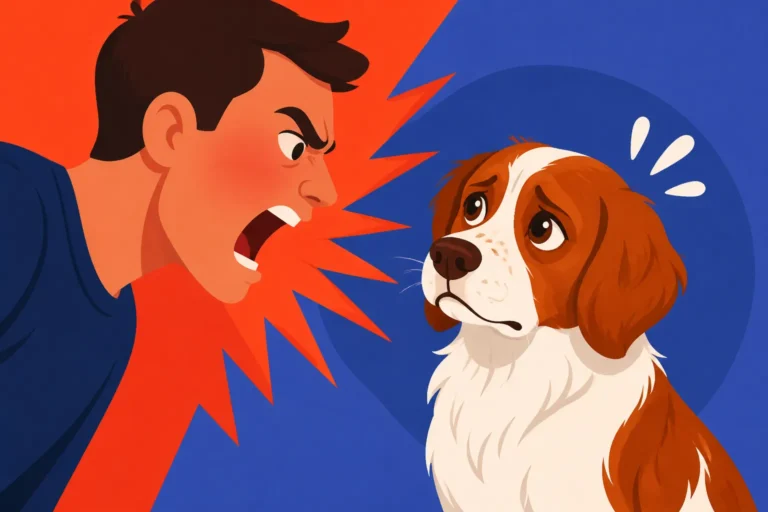
The goal is to build a dog that wants to work with you, that sees you as the center of its universe even when surrounded by exciting bird scent. Positive reinforcement, patience, and consistency are key. Never shout or resort to harsh corrections, as the Brittany is a sensitive breed and can become timid or shut down if handled roughly. What Happens When You Shout at a Brittany can be detrimental to their training progress. A solid relationship built on trust will make all subsequent range training much more effective.
Using Tools: Whistles, Check Cords, and E-Collars
When it comes to managing a Brittany's range, a few essential tools become invaluable. A good whistle is often more effective than voice commands in the field, as it carries further and cuts through wind or dense cover. Different whistle commands can be taught for recall, stop (whoa), or casting directions. A long check cord, sometimes 20, 30, or even 50 feet long, is excellent for teaching and reinforcing control at a distance. You can allow the dog to range out, then gently check them back when they exceed an acceptable distance, teaching them the boundaries of their "work zone."
For more advanced control, especially with wide-ranging American Brittanys, an e-collar can be an incredibly useful tool. It provides a reliable means of communication at a distance, particularly for reinforcing recall or the "whoa" command. However, e-collars should only be used after a dog understands the commands and in conjunction with positive reinforcement. They are not a shortcut and require careful, knowledgeable application. Many training programs, like those offered by BAXTER & Bella, can guide owners on proper e-collar use. The goal is always communication, not punishment. Whether a Brittany Needs an E Collar depends heavily on your hunting style and the dog's natural tendencies.
Strategies for Shortening or Extending Range
If you have a naturally wide-ranging Brittany and need to tighten their work, there are strategies you can employ. Firstly, focus on hunting in denser cover, which naturally encourages the dog to stay closer. Secondly, frequent "check-ins" are vital. Call your dog back more often, reward them heavily for coming in, and then send them back out. This teaches them that staying in communication with you leads to good things. Using a check cord for control at longer distances can help establish boundaries. Over time, you can gradually increase the distance between check-ins as the dog understands the acceptable range. How to Shorten a Brittany's Range often involves consistent, repetitive work and positive reinforcement.
Conversely, if you have a closer-working dog and wish to encourage them to extend their range slightly, you can introduce them to more open cover. Gradually allow them more freedom, praising them when they venture out and find birds. Avoid constantly calling them in, which might inhibit their initiative. Sometimes, hunting with another, slightly wider-ranging dog can encourage a closer dog to stretch out a bit, seeing what the other dog is doing. However, it's important to remember that genetics set the primary inclination, and while training can modify range, it can't fundamentally change a wide-ranger into a close-worker or vice-versa. Whether Range Can Be Trained Into a Brittany is possible to a degree, but there are always limits.
Living with a Wide-Ranging or Close-Working Brittany
The choice between a wide-ranging American Brittany and a close-working French Brittany extends beyond the hunting field, impacting daily life, safety, and the overall family dynamic.
Exercise Needs and Off-Season Management
A dog bred to cover vast distances will naturally have higher energy requirements, even outside of hunting season. An American Brittany from field lines will demand significant physical exercise daily – often multiple long runs, bike rides, or intense fetch sessions. Simply letting them out in a small backyard won't cut it. Their minds also need stimulation; they thrive on challenges and training. If these needs aren't met, you'll likely find yourself with a restless, possibly destructive dog. They might turn to digging, chewing, or incessant barking to burn off pent-up energy.
A French Brittany, while still an active sporting dog, generally has slightly more manageable exercise needs. They still require daily vigorous activity, but often a couple of solid walks or runs, combined with interactive play, will satisfy them. They are often content to relax indoors after their exercise, making them excellent house companions. This difference in baseline energy is a crucial consideration for potential owners, especially if you live in an apartment or have a less active lifestyle. Whether a Brittany Can Live in an Apartment hinges heavily on your commitment to meeting their exercise demands.
Safety Concerns: Visibility and Tracking
The range of your Brittany has direct implications for their safety, particularly when off-leash in the field or even on walks in open areas. A wide-ranging American Brittany can quickly disappear from sight, especially in rolling terrain or dense cover. This necessitates excellent recall training, a reliable e-collar for communication, and often a GPS tracking collar. Losing sight of a dog in unfamiliar territory can be terrifying, and a GPS collar, easily found on platforms like Amazon, offers peace of mind. High-visibility vests are also a must during hunting season to keep them safe from other hunters.
With a close-working French Brittany, visibility is generally less of an issue as they tend to stay within easy sight. However, they still possess a strong prey drive and can get tunnel vision when on scent. Therefore, even with a close-worker, a solid recall, a reliable whistle, and vigilance are always essential. Regardless of range, being prepared for emergencies – like cuts, scrapes, or foxtails – with a field first-aid kit is always smart.
Impact on the Family and Home Environment
Both types of Brittanys are generally affectionate and good-natured, making wonderful family pets. However, their energy levels and inherent drive can influence the home environment. A wide-ranging American Brittany might be more boisterous indoors if not adequately exercised, potentially knocking over small children or being too much for older family members. They might struggle more with being left alone for long periods, potentially developing separation anxiety or becoming destructive out of boredom.
The Epagneul Breton's more contained energy often makes them a slightly easier fit for families looking for a dual-purpose dog that can transition seamlessly from field to fireside. They are known for their calm demeanor indoors, once their exercise needs are met. Both types are generally good with children and other animals, provided they are properly socialized. A Brittany With Children and Other Animals generally thrives, but individual temperament and early exposure always play a role. Ultimately, choosing the right type of Brittany means honestly assessing your family's lifestyle and what you can realistically provide in terms of exercise, training, and companionship.
| Characteristic | American Brittany (Typical) | French Brittany (Epagneul Breton, Typical) |
|---|---|---|
| Primary Range | 100-300+ yards | 20-80 yards |
| Hunting Style | Covers vast open ground quickly, independent search | Methodical, thorough, close cooperation with hunter |
| Ideal Terrain | Open prairies, large fields, expansive sagebrush | Dense cover, small plots, woodlands, varied terrain |
| Handler Pace | Faster pace, horseback hunting, long walks/runs | Walking hunter, moderate pace |
| Energy Level | Very high, requires significant daily exercise | High, but often more manageable for family life |
| Biddability | Good, but often more independent and driven | Excellent, eager to please and responsive |
| Physical Build | Often slightly leggier, more athletic, rangy | More compact, squarer build, traditional "spaniel" look |
| Primary Breeding Goal | Field trial success, covering ground quickly | Foot hunter's versatile companion, close work |
Common Misconceptions and Nuances
The discussion about American vs. French Brittany range is often painted in broad strokes, but it's important to remember that these are generalizations. There's a lot of individual variation and a few key nuances to understand.
The Spectrum of Range Within Both Types
While it's convenient to categorize American Brittanys as wide-ranging and French Brittanys as close-working, the reality is more of a spectrum. You can find American Brittanys that work closer than expected, perhaps from lines that prioritize biddability and shorter range within the American context, or simply individuals with a naturally more conservative search pattern. Similarly, some Epagneul Bretons, particularly those from very strong hunting lines, might stretch out a bit further than the typical 50 yards, especially in open country or with lots of wind.
It's not a rigid binary. Think of it as a bell curve within each type; most dogs will fall within the typical range, but there will always be outliers on either side. This is why getting to know the specific parents and their working styles is so critical when choosing a puppy. A reputable breeder won't just tell you "it's an American" or "it's a French"; they'll describe the specific working characteristics of their particular dogs.
Training vs. Genetics: Which Wins Out?
This is the age-old question in dog training, and with range, it's a bit of both. Genetics provide the blueprint, the inherent tendency for a certain range. A dog from generations of wide-ranging parents will have a strong genetic inclination to cast out far. A dog from close-working lines will be genetically wired to stay tighter. You can certainly train to modify these tendencies. You can teach a wide-ranging dog to check in more frequently or work a bit closer in dense cover. You can encourage a close-working dog to stretch out and take more initiative.
However, training can only go so far. You cannot fundamentally transform a 300-yard wide-ranging American Brittany into a consistent 40-yard close-worker, nor can you turn a natural "pocket pointer" into a horseback trial champion. Attempting to force a dog to work drastically against its genetic grain can lead to frustration for both dog and handler, potentially damaging the dog's confidence and natural hunting style. It's about working with your dog's natural abilities, not against them. Whether Range Can Be Trained Out of a Brittany is possible to an extent, but it requires continuous effort and may never truly override strong genetic predispositions.
The Blurring Lines in Modern Breeding
In recent years, with increased communication and globalization, there has been some cross-pollination of ideas and even a few individual dogs between American and French lines, though it's still rare for direct breeding. Some American breeders might seek out French lines to introduce more biddability or a slightly closer range, and occasionally, French breeders might be interested in the athleticism of American lines. However, the official standards and the majority of breeders on both sides largely maintain their distinct breeding programs.
For the most part, if you are looking for a true American Brittany, you will find breeders focused on the American field trial and show standards. If you are looking for an Epagneul Breton, you will seek out breeders adhering to the French standard. This informal "splitting" of the breed into two functional types is well-established, and while the lines may occasionally blur at the edges, the core characteristics of range generally remain quite distinct.
Disclaimer
This article is for general informational purposes only and does not constitute professional advice. Laws, prices and regulations vary by location and change over time. Consult a qualified professional for guidance on your specific situation.