Why a Brittany Creeps on Point
It's incredibly frustrating, isn't it? You've worked hard with your Brittany, seen that beautiful, staunch point emerge, only to have them start inching forward, slowly but surely, disturbing the bird before you can get there. This behavior, often called "creeping" on point, is a common challenge for many Brittany owners, especially those training their own bird dogs. This guide is going to dig deep into why your Brittany might be creeping on point and, more importantly, give you practical, empathetic strategies to address it and get that rock-solid, confident point back.
Understanding "Creeping" in a Brittany
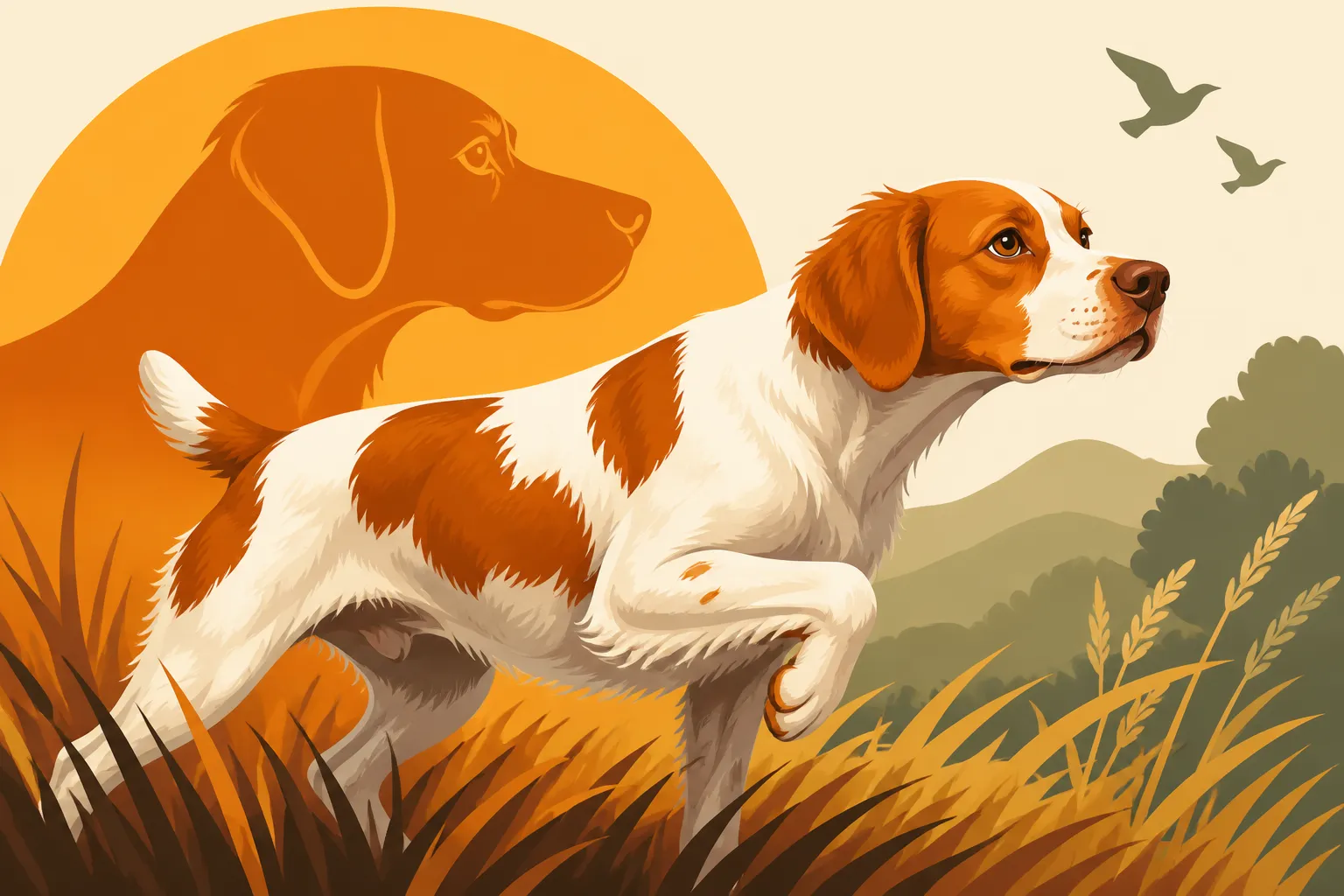
When we talk about a Brittany "creeping" on point, we're describing a scenario where the dog initially finds and points a bird, but then, instead of holding absolutely still, it starts to move forward slowly, often one paw at a time. It’s not breaking point entirely, but it’s definitely not holding staunchly either. This subtle forward motion can be just enough to make the bird nervous, causing it to flush prematurely and ruining the shot opportunity. For a hunter, it's maddening; for the dog, it's often a sign of confusion or an uncontrolled surge of instinct.
This isn't about your dog being disobedient in a malicious way. Brittanys are renowned for their intense bird drive and natural pointing ability. The Brittany Points, It Does Not Flush. They live for finding birds, and sometimes that drive, combined with an eagerness to get closer or a lack of understanding of boundaries, can manifest as creeping. It’s a delicate balance to nurture their natural instincts while instilling the discipline needed for a finished bird dog. You want them keen and excited, but also steady and patient.
Creeping is particularly vexing because it's a half-measure. It shows the dog knows it should be pointing, but something else is overriding that staunch hold. It's not a full bust, which is often easier to correct because it's a clear violation. Creeping is subtle, almost apologetic, and can be harder to pinpoint and correct effectively without understanding its underlying causes. It demands a nuanced approach, acknowledging the dog's drive while reinforcing the desired behavior.
The Instinct vs. Training Dynamic
Brittanys are hardwired to find birds. It's in their DNA. When they hit scent, their body is practically vibrating with instinct. That moment of point is a beautiful, primal display. However, holding that point, resisting the urge to pounce, is where training comes in. This is where we ask them to override a very powerful natural impulse. The creep often happens at the intersection of powerful instinct and insufficient training reinforcement. The dog's brain is saying "bird, bird, bird!" and their body is trying to obey the "whoa" command, but the raw drive is still pulling them forward.
It's similar to a child who desperately wants a cookie before dinner. They know they shouldn't, but the temptation is immense. They might inch closer to the cookie jar, even if they don't grab one. Your Brittany feels that same pull towards the bird. This breed is also known for being incredibly sensitive, The Brittany Is the Softest of the Pointing Breeds, so harsh corrections can be counterproductive, potentially making the dog hesitant or even less confident on point. We need to be firm, but fair and understanding of their inherent nature.
The goal isn't to extinguish their drive, but to channel it. We want them to maintain that intense focus and bird-finding passion, but to express it in a controlled, deliberate manner. When a Brittany creeps, it's a signal that this channeling isn't quite perfected yet, and often, it points to areas where our "whoa" training might need a tune-up, or where the dog's confidence in holding point needs a boost.
Common Reasons a Brittany Creeps
Creeping isn't usually a sign of defiance. Instead, it typically stems from a combination of eagerness, incomplete training, or a bit of insecurity. Let’s break down the most common culprits.
Incomplete "Whoa" Command Reinforcement
This is, hands down, the most frequent reason a Brittany (or any pointing dog) creeps. The "whoa" command is the bedrock of staunch pointing. It means "stop, and stay stopped, no matter what." If your Brittany hasn't had this command thoroughly instilled and proofed in a variety of situations and around increasing distractions, that creep is likely an expression of an incomplete understanding or an inconsistent expectation.
Think about it: have you only practiced "whoa" in controlled environments with minimal distractions? When you move to actual bird work, the excitement level skyrockets. A bird dog, especially one with a high drive like a Brittany, needs to understand "whoa" so deeply that it's almost a reflex, even when a pheasant is practically buzzing its nose. If the whoa breaks down under pressure, the dog will often default to a slow, creeping advance because the instinct to get closer to the bird is so powerful. Teaching a Brittany Whoa should be a continuous process, not just a one-time lesson.
Another aspect of this is how the "whoa" command was taught. Was it always associated with a positive outcome, or sometimes with frustration or confusion? If the dog isn't absolutely clear on what "whoa" means, or if they've learned that they can get away with a little movement, they will. We often unwittingly teach them this by allowing a small creep to go uncorrected, thinking "oh, it's just a little bit." But a little bit quickly becomes a habit.
Over-Excitement and Intense Drive
Brittanys are bundles of energy and bird-finding enthusiasm. When they hit scent, their adrenaline spikes. For some dogs, the sheer excitement and overwhelming drive to get closer to the bird and capture it can override their training. They aren't trying to be disobedient; they just can't quite contain their eagerness. This is particularly true for younger dogs or those new to consistent bird work.
Imagine a child on Christmas morning, seeing their favorite toy under the tree. They know they have to wait for parents to say "go," but their body is practically vibrating with the urge to pounce. That’s your Brittany on point, with a bird right there. This intense drive is what makes them such fantastic hunting companions, but it's also why steadying them on point requires such careful and consistent training. How Much Exercise a Brittany Needs Off Season can also play a role; an under-exercised dog might be even more prone to uncontrollable bursts of energy and excitement in the field.
This type of creeping is less about not understanding "whoa" and more about having that understanding overwhelmed by instinct. The dog wants to hold, but the internal pressure is immense. This is where patience and repeated, controlled scenarios are vital, reinforcing that holding steady ultimately leads to the reward of the bird.
Lack of Confidence or Pressure
Sometimes, creeping can stem from the opposite problem: a lack of confidence or feeling too much pressure. A dog that is unsure of itself or has experienced harsh corrections might creep forward as a way to "test the waters" or to relieve anxiety. They might be thinking, "If I move just a little, will I get in trouble? Or will I be closer to the bird, which is what I really want?"
Brittanys are famously sensitive, and if training has been too heavy-handed or inconsistent, it can create a dog that is tentative. Instead of holding a bold, confident point, they might try to sneak forward, hoping to avoid a correction while still satisfying their urge to be near the bird. What Happens When You Shout at a Brittany or apply too much pressure can have unintended consequences, leading to this kind of anxious creeping rather than a staunch point.
A dog needs to feel secure in its role on point. It needs to know that holding steady is the right thing to do, and that you will handle the flush and retrieve. If they don't trust the process or fear correction, they might try to take matters into their own paws. This is why positive reinforcement and clear, consistent expectations are so crucial for a Brittany.
Previous Training Inconsistencies
Dogs thrive on consistency. If your Brittany has been allowed to creep sometimes but not others, or if different handlers have had different expectations, the dog will be confused. They won't know what the rules truly are, and they’ll experiment. This often manifests as creeping – trying to see how much they can get away with.
Consider a scenario where you're hunting with friends. One friend might allow a slight creep, figuring it's "close enough," while another insists on absolute staunchness. Your Brittany, being intelligent and observant, will pick up on these varying expectations. They might think, "Well, sometimes it's okay, so maybe I'll try it again." Inconsistent training is a silent killer of good habits and a major promoter of undesirable behaviors like creeping.
This is why it's so important for everyone who handles your dog in the field to be on the same page regarding commands, expectations, and corrections. A unified approach helps solidify the dog's understanding and reinforces the desired behavior every single time. Without it, you're essentially giving your Brittany mixed signals, and they'll always lean towards what their powerful bird drive tells them to do.
How to Address and Correct Creeping
Correcting creeping requires patience, consistency, and a clear, systematic approach. It's about rebuilding and reinforcing that staunch point.
Revisiting the "Whoa" Command
The first and most critical step is to go back to basics with the "whoa" command. Forget about birds for a moment. Work on "whoa" in a distraction-free environment, then gradually introduce minor distractions. Use a long check cord to control your dog's movement.
Here’s a typical progression:
- Controlled Environment: Start in your backyard or a quiet field. Walk your Brittany on a check cord, then give the "whoa" command and gently stop them. Praise heavily when they remain still, even for a few seconds. Gradually increase the duration.
- Adding Movement: While on "whoa," you should move around them. Walk circles, walk away and come back. If they move, gently correct them with the check cord, repeating "whoa," and put them back in the exact spot they were. Don't be angry; just be firm and clear.
- Introducing Visual Distractions: Once they are solid on "whoa" with you moving around them, introduce a rolling retrieve dummy, a ball, or another dog. The key is to progress slowly, ensuring success at each stage.
- Flanking and Pressure: Teach your dog to "whoa" and stay put as you walk past them, simulate a shot (start far away with a starter pistol), and even pick up an imaginary bird. The goal is for "whoa" to mean absolute immobility under any circumstance you present.
This rebuilding phase needs to be rock solid before you introduce birds again. Remember, Brittanys are intelligent and eager to please, How Biddable a Brittany Is, but they need clear guidance.
Using a Check Cord and Planted Birds
Once your "whoa" is getting strong in general scenarios, it's time to reintroduce birds, but in a very controlled manner. This is where the check cord truly shines.
- Planted Birds: Start with planted birds in light cover. Quail are excellent for this as they typically hold well. Place the bird, then bring your Brittany into the scent cone on a long check cord.
- Point and Whoa: When your dog hits point, immediately give a firm "whoa." If they creep, use the check cord to stop their forward motion. A gentle but immediate tug, coupled with the "whoa" command, will remind them of the expectation. Walk them back a step or two to their original point position if they moved significantly.
- Flushing the Bird: Once your Brittany is staunchly holding point, you, the handler, walk in and flush the bird. This reinforces that you control the bird’s departure, not them. They need to stay "whoa" until the bird is gone. This might require holding the check cord and even gently stepping on it to ensure they stay put.
- Repetition: This isn't a one-and-done lesson. You'll need many, many repetitions. Each time, your Brittany learns that holding staunchly leads to the bird being flushed, which is what they ultimately want, and that creeping achieves nothing but a correction. It helps them understand that their patience is rewarded.
Introducing Electronic Collars (Carefully)
For some Brittanys, especially those with particularly high drive or persistent creeping habits, an electronic collar (e-collar) can be an incredibly effective tool, when used correctly and humanely. This is not about punishment; it's about communication and precise timing.
- Low-Level Stimulation: Start with very low-level stimulation. The goal is to get your dog's attention, not to make them yelp. You want them to associate the light sensation with the "whoa" command and stopping movement. Many good training programs, like those offered by brands such as Dogtra or SportDOG, will guide you through this process. You can find these collars on platforms like Amazon.
- Nick and Whoa: When your Brittany starts to creep on point, give the "whoa" command and a momentary "nick" (a quick, low-level stimulation). The timing is absolutely crucial. It must happen as they start to move, not after they've taken several steps. This immediate feedback helps them understand, "Movement after 'whoa' equals this sensation."
- Consistency is Key: Just like with the check cord, the e-collar needs to be used consistently. Every single time your Brittany creeps, the sequence of "whoa" + nick (if needed) should occur. This consistency is what builds reliability. Whether a Brittany Needs an E Collar is a personal decision, but for correcting persistent creeping in a dog with strong drive, it can be invaluable.
- Professional Guidance: If you're new to e-collar training, seriously consider seeking guidance from a professional gun dog trainer. They can help you learn proper timing, stimulation levels, and how to use the tool to enhance communication, not just to suppress behavior.
Building Confidence and Patience
Beyond specific corrections, foster an environment that builds your Brittany's confidence and teaches patience.
- Praise and Reward: When your Brittany does hold a staunch point, even for a short time, lavish them with praise. Make it a huge deal! They need to know they did exactly what you wanted. Sometimes, the "reward" is simply you walking in and flushing the bird, fulfilling their instinct to hunt.
- Controlled Flushes: Ensure that when you flush the bird, it's a positive experience. Don't let your dog bust the bird or chase wildly after it initially. Control the flush, make the shot, and then potentially send for the retrieve (after they've demonstrated steadiness).
- Varying Scenarios: Don't just work on planted birds. Introduce different types of cover, different weather conditions, and eventually, controlled wild bird encounters. This builds their experience and confidence in holding steady no matter the environment.
- Patience on Your Part: Remember, training a bird dog, especially to overcome ingrained habits like creeping, takes time. Your patience and understanding will go a long way in helping your Brittany succeed. Don't rush, and celebrate every small victory.
Preventing Creeping in Young Brittanys
The best way to deal with creeping is to prevent it from happening in the first place! Laying a strong foundation from puppyhood can make all the difference.
Solid Foundation Training
Before you even think about birds, your Brittany puppy needs a solid foundation in basic obedience. Commands like "sit," "stay," "come," and especially "whoa" should be introduced early and reinforced consistently. Whether a Brittany Needs Puppy Class is a resounding yes in my book, as it provides early socialization and a structured learning environment.
- Early "Whoa" Introduction: Start teaching a simple "whoa" at a young age, even before bird work. Use a check cord and practice in non-distracting environments. This early exposure helps them understand the concept of stopping and staying put.
- Leash Manners: A dog that walks politely on a leash and understands pressure from the collar will be much easier to control on a check cord when bird work begins.
- Positive Reinforcement: Brittanys respond incredibly well to positive reinforcement. Use treats, praise, and toys to reward desired behaviors. Harsh methods can backfire, making a sensitive Brittany fearful or hesitant. How Long a Brittany's Training Session Should Be is usually short and frequent for puppies, keeping it fun and engaging.
Online programs like BAXTER & Bella offer comprehensive puppy training courses that focus on positive reinforcement and building a strong foundation, which can be immensely helpful for first-time owners or those looking for structured guidance. Building this solid partnership and communication early on means less confusion and fewer bad habits later.
Gradual Introduction to Birds
When it comes to introducing your young Brittany to birds, slow and steady wins the race. Don't rush the process or throw them into overwhelming situations.
- Scent First: Start by simply exposing your puppy to bird scent. Use training wings or pigeons in a controlled environment, allowing them to investigate the scent without any pressure.
- Wing on a String: A wing on a string can be a fantastic tool to ignite their prey drive and pointing instinct in a fun, low-pressure way. Let them point and chase the wing briefly, then start introducing the "whoa" command as they point.
- Planted Birds in Steps: Once their pointing instinct is clearly established and they have a good grasp of "whoa" on a check cord, then introduce planted birds. Start with soft-mouthed birds like quail in light cover, where success is highly probable. The first few encounters should be about building confidence and reinforcing the point, not about perfection. When a Brittany Puppy Should Meet Its First Bird is usually around 4-6 months, but always dependent on the individual dog's development and temperament.
- Control the Flush: From the very beginning, ensure that you are in control of the flush. Never let a young dog bust a bird off point. This teaches them that their job is to find and hold, and your job is to handle the rest.
Consistent Expectations
This cannot be stressed enough: consistency is paramount. Every member of your household and any hunting partners should understand and adhere to the same training philosophy and commands.
- Unified Commands: Ensure everyone uses the same commands for "whoa," "heel," "come," etc. Avoid variations that can confuse your dog.
- Zero Tolerance for Creeping: From the moment you introduce birds, have a zero-tolerance policy for creeping. Every tiny inch forward should be met with a gentle, immediate correction (e.g., check cord tug and "whoa" command) and a repositioning. It's much easier to correct a small creep than a deeply ingrained habit.
- Regular Practice: Training isn't a weekend activity; it's an ongoing process. Short, frequent training sessions are far more effective than long, sporadic ones. This maintains consistency in your dog's mind.
By being meticulous and consistent in these early stages, you teach your Brittany that a staunch, motionless point is the expected and rewarded behavior, heading off creeping before it ever becomes an issue.
When to Seek Professional Help
Sometimes, despite your best efforts, a persistent creeping habit can be incredibly difficult to break on your own. There’s no shame in admitting you need a little help! Professional gun dog trainers have a wealth of experience and tools at their disposal that can make a profound difference.
Here are some scenarios where calling in a pro is a really smart move:
- Stagnation or Backsliding: If you feel like you're making no progress, or worse, your Brittany is actually regressing despite consistent training, it's a clear sign you might need an outside perspective. A trainer can observe your interactions and identify subtle issues you might be missing.
- Aggravated or Anxious Dog: If your attempts at correction are making your Brittany stressed, anxious, or even gun shy, stop immediately and seek professional guidance. A sensitive breed like the Brittany can easily be "ruined" by incorrect training methods, and a pro can help restore confidence.
- Lack of Proper Equipment or Facilities: Do you lack access to planted birds, proper training grounds, or the right training tools? Professional trainers often have all of these, creating an ideal environment for focused work.
- Time Constraints: Life gets busy. If you simply don't have the dedicated time needed for intensive, consistent training, sending your Brittany for a "board and train" program with a reputable gun dog trainer can be a highly effective solution. This isn't cheap, but the investment can pay off in a well-trained hunting partner. What a Professional Gun Dog Trainer Charges for a Brittany will vary widely, so do your research.
- First-Time Gun Dog Owner: If this is your very first gun dog, especially a high-drive breed like a Brittany, a few sessions with a professional can provide invaluable guidance and save you from making common mistakes. Whether a Brittany Suits a First Time Owner often depends on the owner's commitment to consistent training.
A good professional trainer won't just train your dog; they'll often train you too, teaching you the skills and techniques to maintain the training once your Brittany comes home. Think of it as an investment in a more enjoyable and productive partnership with your loyal hunting companion.
Here’s a quick comparison of DIY vs. Professional Training:
| Feature | DIY Training (Owner) | Professional Training (Trainer) |
|---|---|---|
| Cost | Lower initial cost (tools only) | Higher initial investment |
| Time Commitment | High, daily consistency required | Lower for owner during board & train, higher for trainer |
| Expertise | Varies, often learning as you go | High, specialized knowledge and experience |
| Facilities/Resources | Limited (backyard, local fields, purchased birds) | Access to diverse grounds, planted birds, equipment |
| Problem Solving | Trial and error, self-correction | Targeted, experienced solutions for specific issues |
| Consistency | Dependent on owner's discipline and understanding | High, consistent application of proven methods |
| Risk of Errors | Higher for inexperienced owners, potential for setbacks | Lower due to expert handling, less risk of creating fear |
| Long-Term Relationship | Builds strong owner-dog bond through shared experience | Can jumpstart training, owner learns to maintain |
Ultimately, the decision to seek professional help is a personal one. But don't let pride or frustration stop you from giving your Brittany the best chance to be the staunch, reliable bird dog you know they can be.
Disclaimer
This article is for general informational purposes only and does not constitute professional advice. Laws, prices and regulations vary by location and change over time. Consult a qualified professional for guidance on your specific situation.