What a Brittany Weighs and How Tall It Stands
One of the first questions many prospective Brittany owners grapple with is, "Just how big do these dogs get?" It's a completely fair and important consideration, impacting everything from the size of crate you'll need to how much food you'll buy, and even how easily they'll fit into your home and vehicle. Understanding the typical weight and height of a Brittany Spaniel is crucial for ensuring you can provide them with a suitable living environment and prepare for their care as they grow. This guide will walk you through everything you need to know about the Brittany's stature, from breed standards to growth patterns and the practical implications for your family.
Deciphering the Brittany Standard: What's the Ideal Size?
When you’re looking at a purebred dog, the breed standard is like a blueprint, detailing what the ideal specimen should look like. For the Brittany, these standards aren't just about aesthetics; they define a functional, athletic dog capable of working tirelessly in the field. Understanding these guidelines gives you a clear picture of what to expect, even if individual dogs might vary slightly. It helps you recognize a well-bred Brittany and appreciate the careful thought that went into preserving their unique characteristics.
The Official AKC and FCI Height Guidelines
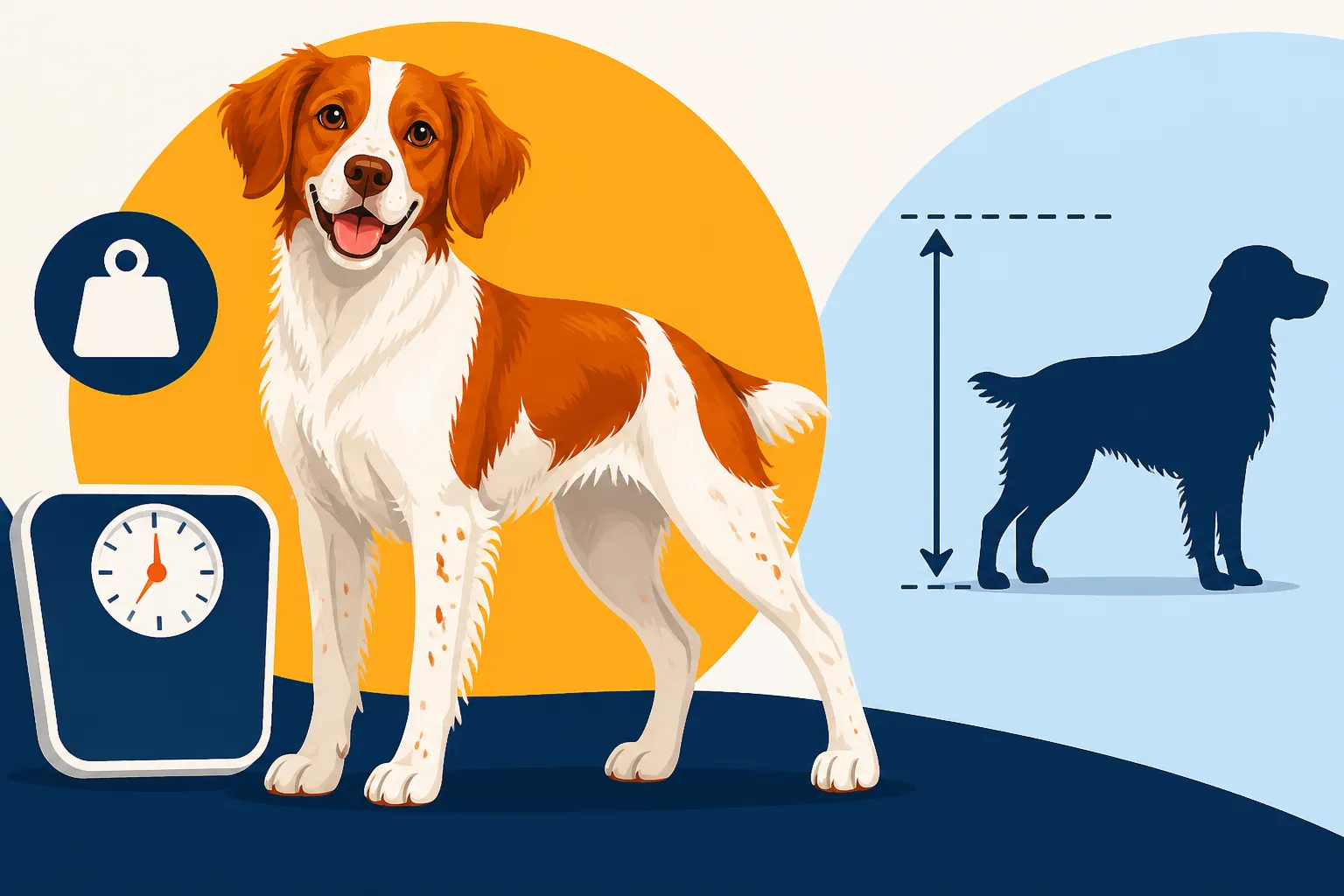
Both the American Kennel Club (AKC) and the Fédération Cynologique Internationale (FCI) – which governs the Epagneul Breton in Europe – have clear guidelines for the Brittany's height. These measurements are taken at the highest point of the dog's shoulder blades, known as the withers. For American Brittanys, the AKC standard specifies a height range of 17.5 to 20.5 inches. This makes them a medium-sized dog, compact enough to navigate dense cover but leggy enough to cover ground efficiently. A dog significantly outside this range, either too short or too tall, would be considered a deviation from the ideal.
In contrast, the FCI standard for the Epagneul Breton (French Brittany) is slightly different. Males typically range from 19.3 to 20.1 inches (49 to 52 cm), and females from 18.5 to 19.3 inches (47 to 50 cm). You can see there's a bit of overlap, but generally, the French Brittany tends to be on the smaller end of the spectrum compared to its American counterpart. This slight difference in height often correlates with their preferred hunting styles, with the French lines historically developed for closer-working foot hunters. These are not massive dogs by any stretch, which is part of their charm and practicality.
Understanding the Weight Range: It's More Than Just a Number
While height is a pretty straightforward measurement, weight can be a bit more fluid, influenced by a dog's build, muscle mass, and overall condition. The AKC standard typically places the Brittany's weight range between 30 and 40 pounds. However, this isn't a hard and fast rule, as a lean, well-muscled male on the taller end of the spectrum might comfortably weigh a bit more without being overweight. Similarly, a smaller female might be perfectly healthy at the lower end of that range. The key is balance and condition.
For French Brittanys, their weight usually aligns with their slightly smaller stature, often falling between 30 and 38 pounds (13.5 to 17 kg). Again, a slight variance is normal. What's truly important is that the dog is well-proportioned for its frame, neither too heavy nor too light. A Brittany should always appear athletic, with a tucked-up abdomen and a noticeable waist when viewed from above. We'll delve deeper into how to assess a healthy weight later, but for now, remember that these numbers are guides, not strict mandates, and a healthy, active Brittany will naturally carry a different amount of muscle than a sedentary one.
Why the Standard Matters for Breeders and Owners
The breed standard isn't just some arbitrary set of rules; it’s a living document that guides the preservation and improvement of the breed. For breeders, adhering to the standard helps ensure they are producing dogs that are sound, healthy, and capable of performing the tasks they were bred for. This includes vital characteristics like size, which directly impacts their ability to hunt through tough cover or maintain endurance over long days. Breeders who consistently produce dogs within the standard are contributing to the overall health and integrity of the Brittany breed.
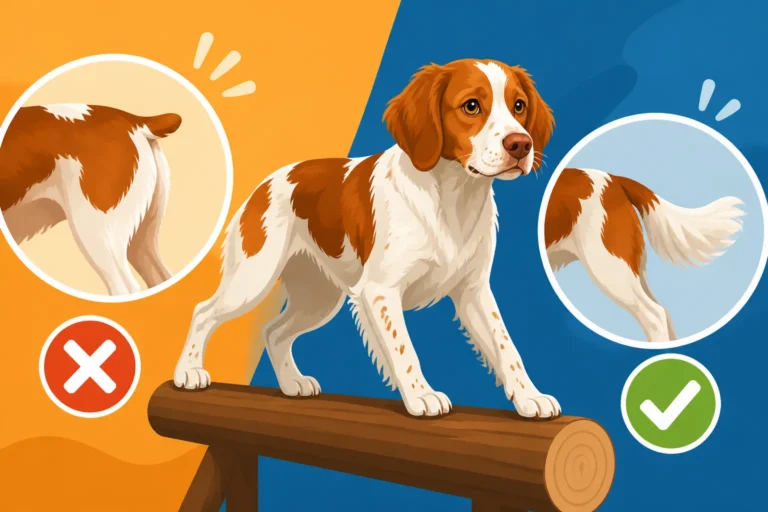
For owners, understanding the standard provides a framework for expectations. If you're looking for a working partner, knowing the typical size helps you visualize how the dog will perform in the field. If you're primarily seeking a family companion, the compact size often means they're easier to manage in various living situations, from suburban homes to smaller dwellings. It also empowers you to ask informed questions of breeders, helping you recognize responsible breeding practices and the commitment to maintaining the breed's characteristics. Think of it as a quality assurance stamp for your future canine companion. Whether a Brittany Should Be Square is a great article to read if you want to understand more about the Brittany's ideal proportions.
The Intricate Dance of Genetics and Environment on Brittany Size
While the breed standard provides a target, several factors work together to determine a particular Brittany's final size. It's never just one thing; rather, it's a complex interplay of inherited traits and the environment in which a puppy grows up. As a responsible owner, understanding these influences allows you to support your Brittany's healthy development, ensuring they reach their full potential, both in size and overall well-being.
How Lineage and Breeding Choices Shape a Puppy's Future Size
Genetics are, of course, the primary determinant of how large a Brittany will grow. A puppy inherits its potential size from both its dam and sire. If both parents are on the larger end of the breed standard, their offspring are more likely to be larger as well. Conversely, puppies from smaller parents tend to follow suit. This is why looking at the parents and even grandparents (if possible) of a puppy can give you a very good indication of its eventual size. Responsible breeders don't just breed for physical traits; they also consider temperament, health clearances, and working ability, all of which are genetically influenced.
Beyond the immediate parents, the specific lines of a Brittany also play a role. As discussed in American Brittany and Epagneul Breton Went Separate Ways, American Brittanys and French Brittanys (Epagneul Bretons) have diverged slightly, with French lines often being a bit more compact. A breeder focusing on French lines will likely produce dogs consistently at the lower end of the AKC standard for height and weight. This genetic predisposition means that even with optimal nutrition, a puppy from a line of smaller dogs isn't likely to become a giant.
Nutrition's Role from Puppyhood to Adulthood
While genetics sets the ceiling for size, nutrition is the scaffolding that helps a puppy reach it. Proper nutrition, especially during the critical growth phases, is paramount. A high-quality puppy food, formulated for medium-sized breeds, provides the necessary balance of protein, fats, vitamins, and minerals. Overfeeding, particularly with diets too high in calcium, can actually be detrimental, leading to rapid growth that puts undue stress on developing joints and bones. It’s a common misconception that more food equals a bigger, stronger dog; in reality, it often leads to skeletal issues.
For a Brittany puppy, consistent, measured meals are far better than free-feeding. As they transition to adulthood, their nutritional needs change. A working Brittany might require a performance-focused diet with higher caloric density, whereas a less active companion dog would need a maintenance formula to prevent weight gain. Brands like Chewy offer a wide range of specialized foods, making it easier to find one that supports your Brittany through all life stages, ensuring they get exactly what they need without excess. Why a Brittany Puppy Should Grow Slowly is a must-read for new puppy owners, emphasizing the importance of careful feeding during this sensitive period.
Exercise and Lifestyle: Impact on Bone and Muscle Development
Exercise is another critical environmental factor influencing a Brittany's overall development and physique. While it won't necessarily make a genetically small dog grow taller, proper exercise contributes significantly to healthy bone density and muscle development. Puppies need appropriate exercise, but not excessive, high-impact activities that can damage still-forming growth plates. Moderate, consistent play and short walks are ideal, gradually increasing in intensity as they mature.
As an adult, a Brittany needs a lot of exercise to maintain its athletic build. Without sufficient activity, even a dog with excellent genetics can become soft, lose muscle tone, and gain excess fat, which will negatively impact its perceived "size" and, more importantly, its health. A lean, muscled Brittany will carry its weight differently than an overweight one, even if they're numerically similar on the scale. A lifestyle that encourages regular physical activity, whether it's daily runs, hiking, or dedicated field work, is key to developing and maintaining the strong, agile body the breed is known for. Remember, a Brittany's build is intrinsically tied to its active purpose.
The Tale of Two Brittanys: American vs. French Size Differences
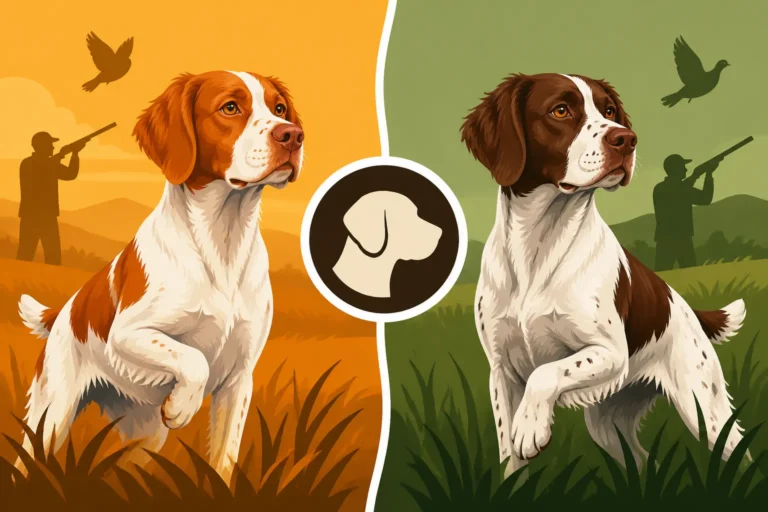
It’s easy to assume all Brittanys are created equal, but once you delve into the breed, you quickly learn about the fascinating divergence between the American Brittany and its European cousin, the Epagneul Breton (often called the French Brittany). This isn't just a matter of different names; it reflects distinct breeding philosophies and historical influences that have led to subtle, yet noticeable, differences in size and build. Knowing which type you have, or are interested in, can significantly inform your expectations.
Distinct Standards: How American and French Brittanys Diverge in Stature
As touched upon earlier, the American Brittany and the French Brittany adhere to slightly different breed standards set by their respective kennel clubs. The AKC Brittany standard allows for a slightly taller dog, ranging from 17.5 to 20.5 inches at the withers. This generally translates to a dog that appears a bit more leggy and covers ground with a longer stride, suited for the expansive open fields often found in American bird hunting. Their weight, typically 30-40 pounds, is proportionate to this build, favoring a more powerful, ground-covering frame.
The Epagneul Breton, governed by the FCI, tends to be more compact. Males usually stand 19.3 to 20.1 inches (49-52 cm), and females 18.5 to 19.3 inches (47-50 cm). This makes them, on average, a little shorter. Their weight, between 30 and 38 pounds (13.5-17 kg), reflects this more moderate stature. The overall impression is often one of a slightly denser, more square dog. These distinctions are not drastic, but they are consistently observed and are part of the breed's rich history. You can learn more about these fascinating differences in How Much Shorter a French Brittany Is.
Practical Experience: Hunting Styles and Their Influence on Build
These subtle differences in size are not accidental; they developed in response to the specific hunting cultures of their regions. The American Brittany, with its slightly larger frame and longer legs, was historically bred for a wider-ranging hunt, often suitable for open country and for hunters who might cover ground on horseback. This build allows them to effortlessly quarter large fields, providing a grand show of athleticism as they search for birds. Their endurance and scope are optimized by their somewhat more extended frame.
In contrast, the French Brittany was developed for a closer-working style, often with a walking hunter in more varied or dense terrain, like hedges, smaller woodlots, or mixed cover. A more compact dog with slightly shorter legs is often more agile in tight spaces and naturally works closer to the hunter. This doesn't mean they lack drive or range; it simply means their natural inclination is to hunt within a more confined area, making them ideal companions for those who prefer to explore fields on foot. Their size makes them wonderfully efficient for this type of work, effortlessly weaving through brush that might slow a larger dog.
Why Understanding the Type You Own Is Crucial
Knowing whether your Brittany descends primarily from American or French lines, or even a blend of both, can help you set realistic expectations for their adult size. While mixed lines can still produce excellent dogs, if you are specifically looking for a very compact dog, you might lean towards French lines, or if you prefer a wider-ranging, slightly larger build, American lines might be more appealing. This understanding isn't about preference for one over the other; it's about appreciation for the diversity within the breed.
Furthermore, it can influence your training approach and expectations in the field. A dog with a natural inclination to range wider might need more specific recall training for a walking hunter, while a closer-working dog might excel with less modification. When you consider adopting, or purchasing a puppy, asking a breeder about the lineage and type of Brittany they specialize in is a great way to ensure you find a dog whose natural attributes align with your lifestyle and hunting preferences. It’s also important context for understanding articles like American Brittany and Epagneul Breton Went Separate Ways, which delves into the historical reasons behind these differences.
The Journey to Full Size: Tracking Your Brittany's Growth
Bringing home a Brittany puppy is an exciting time, and watching them grow is one of the most rewarding parts of puppy ownership. But how fast do they grow, and when do they actually stop? It’s a common question, and understanding the typical growth trajectory can help you ensure your pup is developing properly and hitting their milestones.
Puppy Growth Spurts and What to Expect Each Month
Brittany puppies, like many medium-sized breeds, grow quite rapidly during their first few months. You'll likely notice significant changes week to week!
- 0-3 Months: They'll gain weight and height quickly, doubling or tripling their birth weight in a short period. This is a time of rapid skeletal development.
- 3-6 Months: Growth continues at a strong pace. They start to look less like a chubby puppy and more like a miniature dog, with legs growing longer and bodies lengthening. This is often where you can start to get a good estimate of their adult size.
- 6-12 Months: The rapid growth typically slows down. While they'll still be gaining height and weight, it won't be as dramatic as the earlier months. They start to fill out and gain muscle mass.
It’s important to monitor their growth but not to encourage excessively fast growth with overfeeding, which can stress developing joints. A vet can help you track your puppy's progress and ensure they’re on a healthy growth curve. You'll also want to make sure they are on a high-quality puppy food during this time. Chewy offers many excellent options formulated specifically for growing puppies.
When Your Brittany Puppy Stops Growing Taller
Most Brittanys will reach their full adult height somewhere between 9 and 12 months of age. While they might appear to be almost full-grown around 8 months, they can still add an inch or two in height during that final stretch. By their first birthday, it’s generally safe to assume they've hit their maximum height. However, this doesn't mean they're done developing entirely.
Think of it like human teenagers: they reach their adult height first, but then they still have some filling out to do. Your Brittany will likely continue to mature physically beyond 12 months, adding muscle and filling out their chest and body. This is a crucial distinction to remember; while the measuring tape might not show much change after a year, their body composition and overall robustness will continue to evolve.
Reaching Full Muscular Maturity and Weight Stabilization
Even after they stop growing taller, Brittanys continue to develop in terms of muscle mass and overall weight for another year or so. Most Brittanys will reach their mature, adult weight and physique between 18 and 24 months of age. This "filling out" phase is where they gain the powerful, athletic build characteristic of the breed. During this time, proper exercise and continued good nutrition are essential to support muscle development and prevent unhealthy weight gain.
It's during this phase that you'll see them transform from a gangly teenager into a finely tuned athlete. Their chests will deepen, their muscles will become more defined, and they'll settle into their adult proportions. When a Brittany Reaches Full Weight explains this process in more detail. This full maturation is why many breeders recommend waiting until a Brittany is at least two years old before engaging in very strenuous activities or breeding, to ensure their skeletal and muscular systems are fully developed. A mature Brittany is a magnificent sight, a testament to careful upbringing and inherent athleticism.
Living with a Brittany: How Their Size Impacts Daily Life
Knowing the typical size of a Brittany is more than just a fun fact; it has real, practical implications for daily life with your dog. From where they sleep to how you travel, their compact yet athletic build plays a significant role in how they integrate into your home and lifestyle. Understanding these aspects beforehand can help you prepare and ensure a smooth, happy coexistence.
Housing Considerations: From Crate to Couch Space
A Brittany’s moderate size makes them incredibly adaptable to various living situations, which is one of their many appeals. Unlike giant breeds that demand vast amounts of space, a Brittany can be quite comfortable in a modest home or even an apartment, provided they get enough exercise. They aren't prone to knocking over furniture with a wagging tail like a Great Dane, but they do enjoy stretching out. A standard large dog crate (typically 36-42 inches long) is usually sufficient for an adult Brittany to stand, turn around, and lie down comfortably. This size crate will be used for house-training as a puppy and providing a safe den throughout their lives.
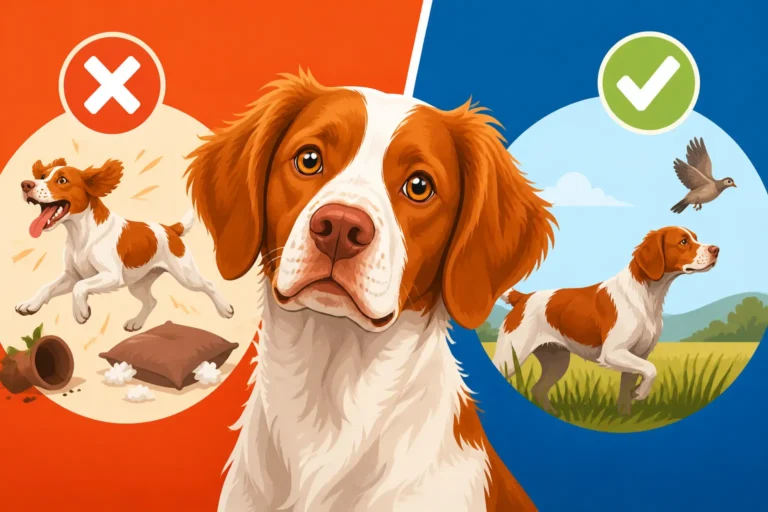
Indoors, Brittanys tend to be relatively calm when their exercise needs are met. They'll happily curl up on a dog bed in a corner, or let's be honest, often on the couch right next to you! Their size allows them to be excellent house dogs without being overwhelming. You won't feel like you're tripping over a horse. However, remember their boundless energy; a Brittany that isn't sufficiently exercised, regardless of house size, will find ways to entertain themselves, often leading to destructive behaviors. What an Under Exercised Brittany Does at Home illustrates this perfectly. So, while their physical size is manageable, their mental and physical exercise requirements are non-negotiable. Whether a Brittany Needs a Yard also offers great insights into how their activity level impacts home life.
Equipment and Gear: Sizing Up Collars, Harnesses, and Kennels
The Brittany’s size is a blessing when it comes to purchasing gear. You'll typically be looking at medium-to-large sizes for most items.
- Collars and Harnesses: An adult Brittany will generally wear a medium to large collar, often in the 16-22 inch range, depending on their neck size. Harnesses will usually be a medium or large size as well. Always measure your dog to ensure a comfortable and secure fit, especially for hunting vests or tracking harnesses.
- Leashes: Standard 6-foot leashes are perfect, but consider a longer check cord (20-50 feet) for training in open areas, giving them space to range while still under your control.
- Kennels and Dog Boxes: For travel, a standard plastic travel crate (often labeled for dogs 30-50 lbs) or a mid-sized dog box for a truck will fit an adult Brittany comfortably. Ensure adequate ventilation and space for them to stand and turn.
- Beds: Again, medium to large dog beds will accommodate them perfectly. You can find a vast array of beds, crates, and other essentials on sites like Chewy, making it easy to outfit your Brittany.
The advantage of their size is that specialized, expensive oversized equipment isn't usually necessary, making ownership a little more budget-friendly in this regard. This means more money for training birds!
Travel and Transportation: Fitting Your Brittany into Your Lifestyle
A Brittany's size makes them excellent travel companions. They fit comfortably in the back seat of most cars, either loose with a seatbelt harness or secured in a crate. For truck owners, a single dog box in the bed provides a safe and secure way to transport them to and from the field. Their moderate size means they don't take up an excessive amount of space, allowing for other gear or passengers.
Furthermore, if you're a traveler who likes to take your dog along, a Brittany's size is often manageable for hotels and pet-friendly accommodations, which might have weight restrictions for larger breeds. They can curl up discreetly under a restaurant table or tuck into a smaller corner of a camper, making them versatile companions for road trips or camping adventures. This convenience is a huge plus for active owners who want to share their lives, and their adventures, with their dogs. Their inherent athleticism means they’re usually enthusiastic travel buddies, ready for the next escapade as soon as the car door opens.
Maintaining a Healthy Weight: Assessing Your Brittany's Body Condition
It’s easy to get caught up in numerical weight ranges, but what truly matters for your Brittany’s health and longevity is their body condition. A dog that is too thin or carrying too much weight faces various health risks, from joint problems to reduced stamina. Learning how to assess your dog’s physique is a crucial skill for any responsible Brittany owner.
The Body Condition Score: Beyond Just the Scale
Instead of relying solely on the number on the scale, veterinarians and experienced dog owners use something called a Body Condition Score (BCS). This is a visual and tactile assessment, typically on a scale of 1 to 9 (with 5 being ideal) or 1 to 5 (with 3 being ideal). The goal is to evaluate fat coverage over bones.
- Ideal (BCS 5/9 or 3/5): Your Brittany should have easily palpable ribs (you can feel them without pressing hard) but they shouldn't be visibly prominent. You should see a distinct waist tuck when viewed from above, and an abdominal tuck (an upward slope from the chest to the belly) when viewed from the side.
- Underweight: Ribs, hip bones, and vertebrae are easily visible. There's little to no fat cover.
- Overweight: Ribs are difficult to feel under a layer of fat. The waist is absent, and the belly might sag.
This system provides a more accurate picture of your dog's health than just weight alone, as a heavily muscled Brittany might weigh more but still be in ideal condition. Regularly checking your Brittany's BCS, especially before and during hunting season, can help you make appropriate adjustments to their diet and exercise.
Identifying When Your Brittany Is Too Thin or Overweight
It can be difficult for owners to objectively assess their own dog's weight, especially when they see them every day.
- Signs your Brittany is too thin: Ribs, hip bones, and shoulder blades are very prominent and easily seen without much effort. Their energy levels might be low, or conversely, they might seem restless as their body tries to compensate for insufficient calories. They might have a dull coat. This is a common concern for very active hunting dogs during a strenuous season if their caloric intake isn't increased sufficiently. Whether a Brittany Can Be Too Thin explains the challenges of keeping weight on a working dog.
- Signs your Brittany is overweight: You can't easily feel their ribs without pressing firmly. They have no visible waist tuck when viewed from above, and their belly might sag. Their energy levels might decrease, and they might seem less enthusiastic about exercise. Overweight Brittanys are at higher risk for joint problems (especially hips and elbows), heart disease, diabetes, and reduced heat tolerance. Signs a Brittany Is Overweight is an essential read for any owner concerned about their dog's weight.
If you suspect your Brittany is either too thin or overweight, a vet visit is always the best first step. They can rule out underlying medical conditions and help you develop a safe and effective plan to achieve a healthy weight.
Adjusting Diet and Exercise to Achieve Optimal Health
Once you've identified a weight issue, the good news is that both diet and exercise can be adjusted.
- For Underweight Brittanys:
- Increase caloric intake gradually. This might mean feeding a higher-calorie performance food, or simply increasing the amount of their current food.
- Add healthy, digestible fats, like a small amount of cooked chicken or fish oil.
- Ensure they are not carrying a heavy parasite load, which can prevent nutrient absorption.
- Consider feeding more frequent, smaller meals if one large meal causes stomach upset.
- For Overweight Brittanys:
- Reduce caloric intake. This might involve switching to a 'light' or 'weight management' dog food.
- Increase exercise frequency and intensity gradually. More walks, longer runs, or adding swimming can help burn calories.
- Eliminate unhealthy treats and table scraps. Use low-calorie vegetables like carrots or green beans as treats.
- Measure food precisely; don't just eyeball it.
Finding the right balance is key. Websites like Chewy offer specialized diets for weight management or performance, which can be invaluable tools. Consistency is critical, and making changes slowly will prevent digestive upset and allow your Brittany to adapt comfortably. This proactive approach ensures your Brittany remains strong, agile, and ready for whatever adventures you have planned, whether in the field or at home. What an Adult Brittany Should Weigh provides further insight into maintaining optimal weight.
The Brittany's Compact Power: Why Their Size is a Hunter's Asset
Far from being a drawback, the Brittany’s moderate size is one of its greatest strengths, especially in the context of its original purpose as a bird dog. This isn't a breed built for sheer power or intimidating presence; it's a finely tuned athlete, and its compact frame contributes directly to its effectiveness and versatility both in the field and as a companion.
Agility and Endurance: Small Stature, Big Performance
A Brittany's moderate height and weight are perfectly engineered for agility and endurance. They are not so large that they become cumbersome in tight spaces, nor so small that they lack the power to cover ground quickly. This balance allows them to zig-zag through dense brush, leap over obstacles, and change direction on a dime – all crucial skills when scenting and pointing birds in varied terrain. Their lighter body weight also means less impact on their joints over thousands of miles covered in a lifetime of hunting, contributing to their impressive longevity and stamina.
Think of it like a marathon runner: they aren't bulky, but lean and efficient. The Brittany can maintain a fast, energetic pace for hours on end, a testament to their well-proportioned athleticism. This endurance allows them to continue hunting long after larger, heavier breeds might begin to tire, making them invaluable partners on long hunting days. They are truly built for sustained, powerful performance, packed into a relatively small package.
Navigating Dense Cover: A Size Advantage in the Field
One of the most significant advantages of a Brittany's size reveals itself when they're working in heavy cover. Their compact build allows them to slip through thickets, briar patches, and tall grasses that would be impassable or deeply uncomfortable for a larger dog. They can maneuver effortlessly under low-hanging branches or through dense undergrowth, getting into places where birds hide, without expending excessive energy or getting hung up. This is a critical factor for hunting success, as wild birds often seek refuge in the densest available cover.
Their shorter legs, particularly in French Brittanys, can be an asset here, keeping them closer to the ground where scent is stronger and enabling them to duck and weave more effectively. While a setter might cruise over the top of cover, a Brittany dives right in, making them incredibly efficient at locating game in challenging environments. This natural ability is a joy to watch and highlights the functional brilliance of their design. How Much Smaller a Brittany Is Than a Setter explores these comparative advantages in more detail.
Fitting into the Family: The Brittany's Versatility Beyond the Hunt
Beyond their prowess in the field, the Brittany's size is a huge factor in their versatility as a family companion. They are large enough to be substantial, active dogs, yet small enough to live comfortably in most homes and participate in a wide array of activities without being overwhelming. They fit easily into cars, often curl up on laps (if permitted!), and don't require specialized oversized equipment. This makes them highly adaptable to various lifestyles, from avid hunters to active families who enjoy hiking, running, or dog sports.
Their size also contributes to their reputation as a "pointing breed you can live with." They have the energy and drive for serious outdoor adventures, but once those needs are met, they transition beautifully into a calm and affectionate house dog. This balance is a huge part of their enduring appeal. You get a serious hunting dog in a wonderfully manageable package, ready to switch from field to family mode with ease.
| Characteristic | American Brittany (AKC) | French Brittany (FCI) |
|---|---|---|
| Height (Males) | 17.5 – 20.5 inches | 19.3 – 20.1 inches (49-52 cm) |
| Height (Females) | 17.5 – 20.5 inches | 18.5 – 19.3 inches (47-50 cm) |
| Weight | 30 – 40 pounds | 30 – 38 pounds (13.5-17 kg) |
| Build Tendency | Slightly leggier, broader range | More compact, slightly squarer |
| Hunting Style | Wider-ranging, open fields | Closer working, dense/varied cover |
Disclaimer
This article is for general informational purposes only and does not constitute professional advice. Laws, prices and regulations vary by location and change over time. Consult a qualified professional for guidance on your specific situation.