Orange, Liver and the Colors a Brittany Comes In
One of the first things that often catches a new owner's eye when looking at Brittany puppies is the dazzling array of coat colors and patterns. It can be a little confusing, especially when you're trying to understand what's considered standard, what's rare, and what really makes one Brittany different from another beyond their lively personalities. This comprehensive guide will walk you through the beautiful spectrum of Brittany colors, from the classic orange and white to the less common roans and tricolors, helping you appreciate the unique aesthetics of this wonderful pointing breed.
The Brittany's Coat: More Than Just Color
When we talk about a Brittany's coat, it's not just about the hues of orange, liver, or white. It's about the texture, the pattern, and how all these elements come together to create that distinctive look we all adore. While specific colors catch the eye, understanding the overall characteristics of their coat is key to appreciating its beauty and knowing how to care for it.
What Defines a Brittany's Coat
A Brittany's coat is typically dense, flat, or slightly wavy, never curly. It provides protection in the field against brush and weather, which is absolutely essential for a working dog. You'll find it soft to the touch, with a noticeable difference in texture between the shorter body coat and the longer "feathering" on their legs, ears, and belly. This feathering, while beautiful, is also a magnet for burrs and debris when your dog is out working or simply enjoying a romp in tall grass. The overall appearance is neat and functional, reflecting the breed's heritage as an active bird dog. What a Brittany's Coat Is Like goes into more detail about these characteristics.
The coat also includes an undercoat, which varies in density depending on the climate and time of year. In colder months, that undercoat thickens up to provide extra insulation. This means that while Brittanys aren't known for excessive shedding year-round like some breeds, they will definitely "blow their coat" seasonally, usually in spring and fall. That's when you'll really notice hair around the house and need to step up your brushing routine. It's a small trade-off for such a capable and handsome companion.
Why Color Matters (And Why It Doesn't)
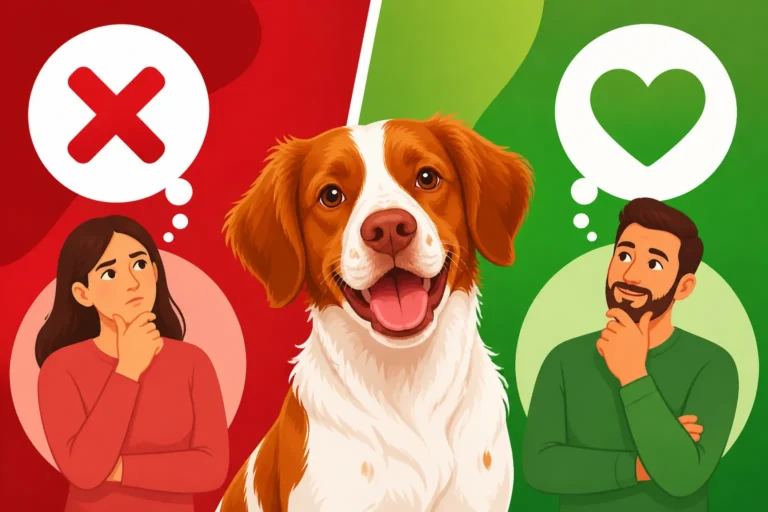
For many prospective owners, color is a huge factor in choosing a puppy. There's nothing wrong with having a preference, of course! Some people might find an orange and white Brittany more visually striking, while others are drawn to the richer tones of liver and white. Breeders also pay close attention to color and markings to ensure they are adhering to the breed standard, especially if they are involved in conformation showing. Color can indeed be a point of pride and identification for specific lines or individual dogs.
However, it's really important to remember that coat color has absolutely no bearing on a Brittany's health, temperament, or hunting ability. A bright orange and white dog will be just as keen in the field, just as loving at home, and just as healthy as a liver and white or roan-marked one, assuming they come from good breeding. Focusing solely on color can sometimes lead people to overlook other, far more critical aspects of a puppy's background, like health clearances, temperament of the parents, and overall breeding practices. Whether Color Says Anything About a Brittany's Hunting dives deeper into why color is merely aesthetic.
The Classic Brittany Colors: Orange & White and Liver & White
When most people picture a Brittany, they likely imagine one of these two classic color combinations. They are the most common and widely recognized, forming the foundation of the breed's visual identity. Both are stunning in their own right, and each has its dedicated admirers.
Orange and White Brittanys
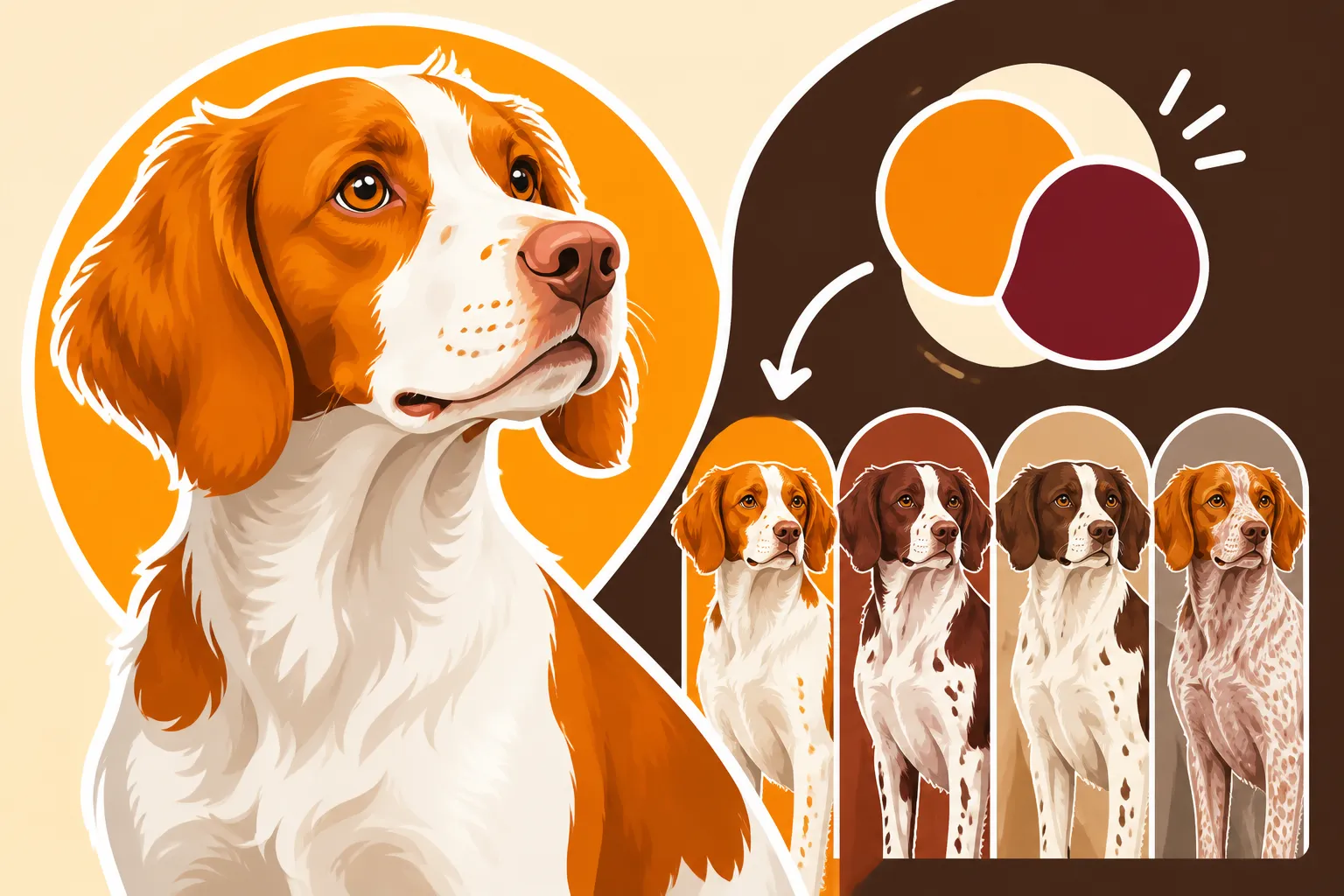
Ah, the iconic orange and white Brittany! This is perhaps the most quintessential look for the breed, instantly recognizable by its vibrant, rich orange patches against a crisp white background. The orange can vary in intensity, from a lighter, almost golden apricot to a deep, burnished russet. It's truly a beautiful sight to behold, especially when you see one working in a sun-drenched field, their colors practically glowing against the landscape. What an Orange and White Brittany Looks Like provides a visual description of this popular coloring.
The distribution of these patches can differ wildly from dog to dog. Some might have large, distinct areas of orange, perhaps a saddle-like marking across their back, or a cap over their head and ears, with clean white legs and chest. Others might have smaller, more scattered patches, creating a lively, almost mosaic-like pattern. The white areas often have ticking, which are small, freckle-like spots of color that appear within the white fur, adding another layer of visual interest. We'll discuss ticking more in a bit, but it's a common and accepted characteristic with orange and white coats.
Liver and White Brittanys
Equally striking, and often preferred by those who love a slightly more subdued elegance, are the liver and white Brittanys. "Liver" refers to a rich, dark reddish-brown color that can range from a lighter chocolate hue to a deep, dark mahogany. It's a gorgeous, earthy tone that contrasts beautifully with the clean white portions of their coat. These dogs often have liver-colored noses and eye rims, which perfectly complement their darker markings, giving them a very sophisticated appearance. What a Liver and White Brittany Looks Like offers a closer look at this rich color.
Just like with the orange and white variety, the liver patches can be large and blocky or smaller and more spread out. The genetic basis for liver is different from orange, but both are considered standard and equally desirable according to breed standards in North America. You'll often hear liver referred to as "chocolate" by some enthusiasts, though "liver" is the official term in the breed standard. Many hunters appreciate the liver color as it can sometimes blend into certain types of cover more subtly than the brighter orange.
Unpacking Roan and Tricolor Markings
Beyond the clear patches of orange and white or liver and white, Brittanys can also exhibit more complex and intricate color patterns. These include roan and tricolor, which add depth and uniqueness to their appearance. These patterns are still perfectly within the breed standard and are cherished by their owners.
The Beauty of Roan Markings
Roan is a fascinating pattern where individual colored hairs are interspersed with white hairs, creating a flecked or marbled effect, rather than distinct patches. Imagine taking a handful of orange hairs and mixing them evenly with white hairs – that's the roan effect. When you see an orange roan Brittany, it's not a solid orange patch; it's a blend of orange and white hairs that gives the appearance of a lighter, faded orange or a speckled look. The same applies to liver roan, where liver and white hairs blend to create a mottled brown effect. Whether a Roan Brittany Is Standard confirms its acceptance.
This roan patterning can appear on the entire body or in specific areas, often on the white portions of a dog that also has patches. So, you might see a dog with clear orange patches on its head and back, but then its white legs and belly are heavily roaned with orange ticking, making them look almost blush-colored. This intricate blending of colors is quite beautiful and gives each roan Brittany a truly unique appearance. The density of the roaning can also vary, from light speckling to very heavy mottling that makes the white areas appear almost entirely colored.
Understanding Tricolor Brittanys
Now, tricolor Brittanys are where things get even more interesting, and sometimes a little misunderstood. A true tricolor Brittany will have two distinct base colors (usually liver and white) plus tan markings. These tan markings are typically found on the eyebrows, muzzle, under the tail, and sometimes on the chest or legs, similar to the tan points seen on a Doberman or a German Shorthaired Pointer. The most common tricolor combination you'll encounter is liver, white, and tan. Whether a Tricolor Brittany Is Standard addresses this directly.
It's important to distinguish tricolor from heavy ticking or roaning. With tricolor, the tan points are discrete markings, not just an intermingling of colors. Imagine a liver and white Brittany, then add those distinct tan "eyebrows" and splashes of tan on the cheeks. This combination creates a striking and distinct look that is highly prized by some owners. While not as common as the orange and white or liver and white, tricolor is a recognized and accepted color pattern within the breed standard for American Brittanys. It’s a bit like getting an extra dash of spice in your favorite meal!
Beyond the Standard: What About Black Brittanys?
This is a question that comes up a lot, especially from people new to the breed or those familiar with other pointing dogs that come in black. The simple answer, at least for the American Brittany, is no. Black is not a recognized color in the American Brittany breed standard.
Why You Won't Find a Standard Black Brittany
The American Kennel Club (AKC) breed standard for the Brittany explicitly states the acceptable colors as orange and white, or liver and white, in either clear or roan patterns, with or without ticking. Tricolor (liver, white, and tan) is also permissible. Black, however, is considered a disqualification in the show ring for an American Brittany. This means a dog with any black in its coat, even a single patch, cannot compete as an American Brittany in AKC conformation events. Whether a Black Brittany Is Standard clarifies this breed-specific rule.
This strict adherence to color standards is part of what defines the breed's appearance. While other pointing breeds, like the German Shorthaired Pointer or the English Setter, can come in black, the Brittany has a unique genetic makeup that does not typically produce black coats. So, if you encounter a dog advertised as a "black Brittany," it's likely either a mislabeled dog of another breed, a mix-breed, or a French Brittany (Epagneul Breton), where black is sometimes seen in certain lines, though it's still not universally accepted in all European standards.
The French Brittany Exception (Sometimes)
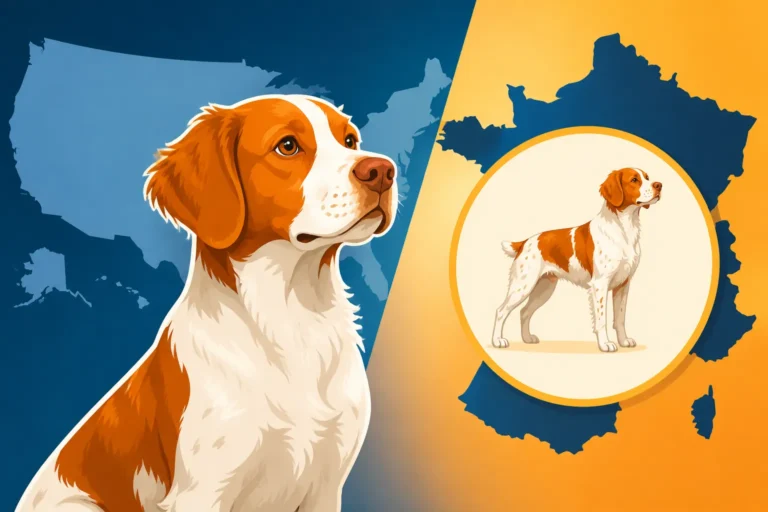
It's worth noting that the Epagneul Breton, or French Brittany, which is the original breed from France, has slightly different color standards than its American counterpart. While orange and white, and liver and white are still primary, some European standards do permit black and white or tricolor (black, white, and tan) in the Epagneul Breton. This is a key difference between the two distinct lines that evolved independently.
However, even in France, black is not universally embraced and can sometimes be a point of contention among breeders. It's a much rarer color for the French Brittany compared to the standard orange or liver. So, while you might hear whispers of a "black Brittany" from Europe, it's crucial to understand it's a specific lineage and standard that differs from the commonly recognized American Brittany. The two types really did go their separate ways, as explored in American Brittany and Epagneul Breton Went Separate Ways.
Color Genetics: A Peek Behind the Patterns
Understanding how a Brittany gets its particular coat color can be a little like a detective game, involving genes inherited from both parents. While we won't delve into a full genetics lesson, a basic grasp of the underlying science helps explain why certain colors appear and others don't.
How Pigment Genes Work
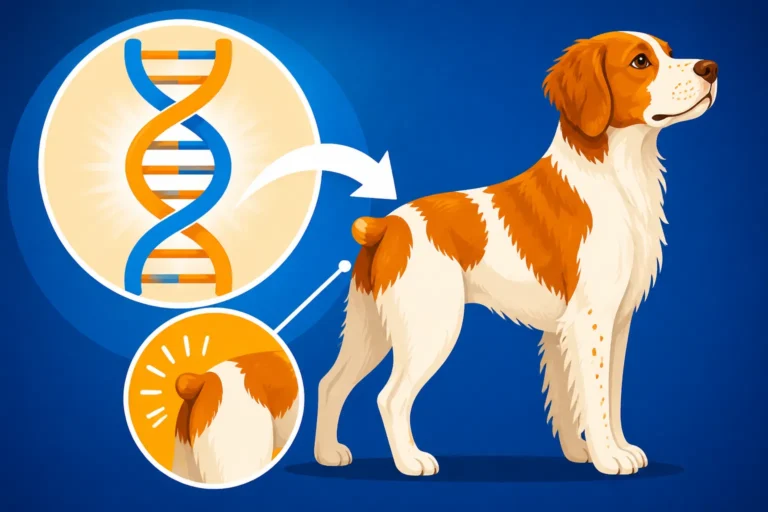
At a very simplified level, a dog's coat color is determined by a handful of genes that control two primary pigments: eumelanin (which creates black and liver colors) and phaeomelanin (which creates red, yellow, and orange colors). For Brittanys, the key lies in how these pigments are expressed or modified. The "liver" color, for instance, is a diluted form of black. A dog with two copies of the "bb" gene will be liver, regardless of other factors. If it has at least one "B" gene, it will produce black pigment. Since Brittanys don't have the genes for expressing black, they only express liver.
The orange color comes from the phaeomelanin pigment. The intensity of this orange can be influenced by other modifying genes, which is why you see a range from pale apricot to deep russet. The white areas on a Brittany, which make it a "piebald" or "parti-color" dog, are due to a separate set of genes that prevent pigment from being produced in those areas. This is why you see clear patches of color against a white background, rather than a solid-colored dog.
Ticking and Roan: Adding Intricacy
Ticking and roan patterns are fascinating genetic expressions that add complexity to the Brittany's coat. Ticking refers to the small, isolated spots of color found within the white areas of the coat. These spots typically appear a few weeks after birth and become more pronounced as the puppy grows. It's almost like the white canvas gets subtly splattered with tiny paint droplets of the dog's main color. Whether Ticking Is Allowed on a Brittany confirms this is a standard and expected trait.
Roan, as we discussed, is a more even intermingling of colored and white hairs. Genetically, roan is often thought to be a more extreme expression of the same gene that causes ticking. A dog can be a "clear" orange and white (meaning minimal or no ticking/roan), or it can be heavily ticked or roaned. This explains why some Brittanys appear to have "faded" white areas or intricate speckling. It all adds to the charm and individuality of each dog, ensuring that no two Brittanys are exactly alike, even if they share the same base colors.
Does Color Affect Temperament or Hunting Ability?
This is a really important question, and it's where we need to separate fact from myth. In short: absolutely not. The color of a Brittany's coat has no bearing whatsoever on its personality, intelligence, trainability, or prowess in the field.
Debunking Color Myths
It's a common misconception with many breeds that certain colors are associated with specific temperaments or health issues. For example, some people might mistakenly believe that a liver Brittany is calmer, or an orange Brittany is more high-strung. These are simply old wives' tales and have no scientific basis. A dog's temperament is a complex interplay of genetics (from health and behavioral lines), early socialization, training, and environment, not the color of its fur.
What truly dictates a Brittany's character is its breeding – specifically, the temperament of its parents and grandparents – and how it's raised. A well-bred Brittany from a reputable breeder who focuses on health, temperament, and working ability will consistently produce outstanding dogs, regardless of whether they are orange and white, liver and white, or roan. If you're looking for a hunting partner, focus on Which Brittany Line to Buy for Wild Birds and the proven abilities of the parents, not their coat color. A responsible breeder will emphasize these traits over aesthetics.
What Really Matters for a Working Brittany
When you're choosing a Brittany, especially if you intend for it to be a hunting companion, you should be looking for things like genetic health clearances, a strong pedigree of proven bird dogs, and a puppy that displays curiosity and confidence. A puppy's color is a cosmetic trait. What matters for hunting is its nose, its drive, its intelligence, and its biddability. These are traits carefully cultivated by breeders who select for working ability, not by selecting for a specific shade of orange or liver.
The notion that certain colors perform better in the field is also unfounded. While an orange dog might stand out more against a brown background, and a liver dog might blend in better with certain cover, these are minor aesthetic considerations that don't impact the dog's actual hunting effectiveness. A good Brittany will find birds and hold point regardless of its coat color. The focus should always be on the dog's health and inherent abilities, not its outward appearance.
Maintaining the Brittany's Coat for All Colors
Regardless of whether your Brittany is a striking orange and white, a rich liver and white, or features intricate roan markings, proper coat care is essential. Their functional coat needs regular attention to stay healthy, comfortable, and free from field debris. This isn't just about looking good; it's about their overall well-being.
Regular Brushing and Bathing
Brittanys, while not requiring extensive grooming like some long-haired breeds, do benefit from regular brushing. Aim for at least 2-3 times a week, and more frequently during shedding seasons. This helps remove loose hair, prevent mats, and distribute natural oils, keeping their coat healthy and shiny. How Much a Brittany Sheds highlights the importance of this. A good pin brush or a slicker brush works well for the body, and a comb can be useful for the feathering on their legs and ears, where mats are more prone to form. Don't forget their tail feathering either!
Bathing should be done as needed, typically every few weeks or whenever your dog gets particularly dirty from field work or muddy adventures. Using a high-quality dog shampoo that is gentle on the skin is important. After a hunt, especially if they've been in dense cover or wet areas, a good rinse and thorough drying are crucial to prevent skin irritations or hot spots. Products like those available on Chewy can help you find suitable shampoos and conditioners formulated for active dogs that might encounter a lot of dirt and grime. Always ensure they are completely dry, paying special attention to their ears and feathering.
Post-Hunt Checks and Ear Care
This is perhaps the most critical aspect of coat maintenance for any active Brittany. After every single outing, especially if your dog has been in the field or through thick brush, you must perform a thorough check. Their feathering, particularly on the legs, belly, and ears, is a magnet for burrs, foxtails, and other plant matter. These can quickly become embedded, cause irritation, or even burrow into the skin. What to Check on a Brittany After Every Outing gives a detailed list.
Brittanys are also prone to ear infections because of their long, drop ears that trap moisture and reduce airflow. So, a meticulous ear check is non-negotiable. Look for any redness, discharge, or foul odor. If their ears seem dirty or wet, use a veterinarian-approved ear cleaner to gently clean them. Ensuring their ears are dry after swimming or baths is paramount. You might even consider trimming the hair on the underside of their ears to improve airflow, though discuss this with your vet or a professional groomer first. Ignoring ear care can lead to painful, chronic infections, so make it a habit after every adventure.
The Importance of Reputable Breeders and Color
When you're bringing a Brittany into your life, the breeder you choose is far more important than any specific color preference. A reputable breeder prioritizes health, temperament, and adherence to the breed standard, all of which contribute to a happy, healthy dog, no matter its coat color.
Prioritizing Health Over Aesthetics
An ethical breeder understands that a beautiful coat is secondary to a sound body and mind. They will perform all recommended health clearances on their breeding stock, such as hip evaluations (like OFA or PennHIP), eye certifications (CERF or OFA Eye), and genetic tests for conditions like C3 deficiency. These tests are expensive and time-consuming, but they are essential for minimizing the risk of inherited diseases in puppies. Asking about these health certifications is a non-negotiable step when choosing a breeder, far more important than asking if they have an orange and white pup versus a liver and white one. What a Brittany Spaniel Breeder Should Have Tested provides a comprehensive overview of essential screenings.
A good breeder will also be transparent about the health history of their lines, answer all your questions thoroughly, and welcome you to visit their facility to meet the parent dogs. They are breeding to improve the breed, not just to produce puppies for sale. They will also likely have a waiting list, which is usually a good sign that they are dedicated and responsible.
Understanding Breed Standards and Color
For breeders involved in conformation showing, understanding and adhering to the breed standard is paramount. The standard describes the ideal physical characteristics, including permissible colors and markings. While a dog with a "non-standard" color (like black for an American Brittany) would be disqualified from the show ring, it doesn't mean it can't be a wonderful pet or hunting companion. However, responsible breeders will strive to produce dogs within the standard's guidelines.
The breed standard is a blueprint for preserving the breed's unique traits and ensuring its health and function. It helps maintain the integrity of the Brittany. A breeder who focuses too heavily on producing rare or unusual colors, especially if it's at the expense of health testing or temperament screening, is a red flag. Always remember that a Brittany's true value lies in its delightful personality and innate abilities, not just the shade of its coat. You want a companion that embodies The Brittany Is the Pointing Breed You Can Live With, regardless of its markings.
Living with a Brittany of Any Color
Once you bring a Brittany home, you'll quickly realize that their vibrant spirit, keen intelligence, and unwavering loyalty far overshadow any aesthetic differences in their coat. Whether you have an orange roan, a liver and white, or a striking tricolor, you're getting a whole lot of dog packed into a medium-sized, energetic package.
Exercise and Mental Stimulation are Universal Needs
Every Brittany, regardless of color, is a high-energy dog bred to work for hours in the field. This means they require significant daily exercise and mental stimulation to be happy and well-behaved family members. A quick walk around the block simply won't cut it. They need opportunities to run, explore, and use their incredible noses. Think long hikes, vigorous games of fetch, or even structured training sessions that challenge their minds. How Much Exercise a Brittany Needs Off Season emphasizes this critical need.
Without adequate outlets for their energy, Brittanys can become bored and destructive, potentially developing problem behaviors like excessive barking, digging, or chewing. Investing in durable toys (perhaps from Chewy!), puzzle feeders, and plenty of outdoor adventures will pay dividends in a happy and well-adjusted dog. Their color doesn't dictate their energy levels; their genetics as a working breed do.
The Brittany Personality: Consistent Across the Spectrum
Brittanys are known for their affectionate, eager-to-please, and intelligent personalities. They are typically good with children and often get along well with other pets, making them fantastic family dogs. They thrive on companionship and want to be a part of everything you do. This "velcro dog" tendency is a hallmark of the breed, present in every color variation. What a Brittany's Temperament Is Really Like delves into this more.
They are also sensitive dogs, responding best to positive reinforcement and gentle training methods. Harsh corrections can shut them down. Whether your Brittany is orange, liver, or roan, they will all share that characteristic "softness" that makes them such a joy to train with patience and kindness. So, while you might pick a puppy for its appealing color, you'll fall in love with its incredible heart and personality – traits that are consistent across the entire colorful spectrum of the Brittany breed.
Summary of Brittany Coat Colors and Characteristics
To help clarify the various colors and patterns, here's a quick overview:
| Color/Pattern | Description | AKC Standard (American Brittany) | General Appearance |
|---|---|---|---|
| Orange & White | Clear patches of vibrant orange against a white background. | Standard | Bright, eye-catching. Orange can range from light to deep. White areas may have ticking. |
| Liver & White | Distinct patches of dark reddish-brown (liver) against a white background. | Standard | Rich, earthy tones. Liver can vary from chocolate to mahogany. White areas may have ticking. Liver nose/eye rims. |
| Orange Roan | Interspersed orange and white hairs, creating a flecked or marbled orange. | Standard | Softer, speckled orange appearance, often with more uniform color distribution than clear patches. |
| Liver Roan | Interspersed liver and white hairs, creating a flecked or marbled brown. | Standard | Softer, speckled brown appearance. Liver nose/eye rims. |
| Tricolor (Liver) | Liver and white patches, with distinct tan markings on eyebrows, muzzle, etc. | Standard | Striking combination, often described as "liver and white with tan points." |
| Black & White | Black patches against a white background. | Disqualification | Not recognized in American Brittany. May be seen in some European Epagneul Breton lines. |
| Black Tricolor | Black and white patches, with distinct tan markings. | Disqualification | Not recognized in American Brittany. May be seen in some European Epagneul Breton lines. |
This table provides a quick reference, but remember, the beauty is truly in the eye of the beholder, and every Brittany is a unique individual.
Disclaimer
This article is for general informational purposes only and does not constitute professional advice. Laws, prices and regulations vary by location and change over time. Consult a qualified professional for guidance on your specific situation.