Signs a Brittany Is Overweight
A common concern for many Brittany owners, especially as our energetic companions age or their hunting seasons wind down, is silently creeping weight gain. It's so easy for those extra pounds to sneak up on us, hiding under that beautiful coat, and before you know it, your agile bird dog might be carrying more than just field experience. This guide will walk you through the clear, unmistakable signs that your beloved Brittany might be overweight, helping you spot the subtle and not-so-subtle clues so you can take action.
Why a Brittany's Weight Matters
Brittanys are built for athleticism. They are lean, energetic, and designed for long days in the field, bursting with a tireless drive. When they start to carry extra weight, it's not just a cosmetic issue; it's a serious health concern that can dramatically shorten their lifespan and diminish their quality of life. As a breed known for its robust health and incredible working ability, we owe it to them to maintain their optimal condition, allowing them to live up to their full potential both in and out of the field.
Health Risks of Extra Weight in Brittanys
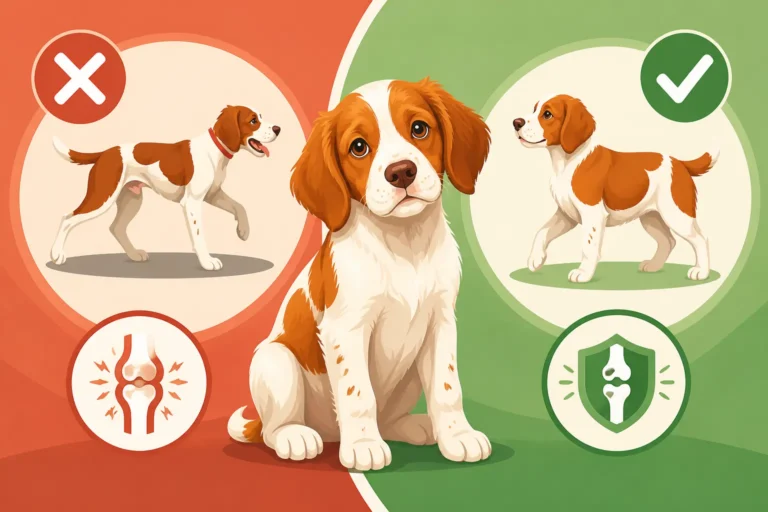
When a Brittany is overweight, their body is under immense strain. Every extra pound puts more pressure on their joints, which are already prone to issues like hip dysplasia or Elbow Dysplasia in a Brittany. This added stress can accelerate the onset and severity of arthritis, making simple movements painful and turning their beloved field time or even a casual stroll into a chore. Imagine the impact on a dog whose entire joy comes from running, pointing, and retrieving; restricted movement can truly dampen their spirit. This isn't just about discomfort, but a fundamental challenge to their very nature.
Beyond joint issues, obesity significantly increases the risk of other serious health problems that can severely impact a Brittany's longevity. Overweight dogs are more susceptible to heart disease, putting a strain on their cardiovascular system that just isn't designed for carrying excess bulk. They can develop respiratory difficulties, making it harder to breathe and cool down, especially during vigorous activity. Even certain types of cancer have been linked to obesity. Furthermore, they can develop diabetes, a condition that requires constant management, drastically alters their daily life, and can lead to secondary complications. Conditions like hypothyroidism can also be exacerbated by or even mistaken for weight gain, so it's vital to know the difference and understand that weight issues often have far-reaching effects beyond just the extra rolls. The excess fat acts like an endocrine organ itself, producing hormones that can further disrupt metabolism and lead to a vicious cycle of weight gain and illness.
Impact on Performance and Enjoyment
A Brittany’s true happiness often lies in its ability to work, run, and explore. An overweight Brittany will struggle significantly to keep up in the field, its stamina severely compromised. What was once an effortless day of quartering and pointing becomes a struggle against overwhelming fatigue and an increased risk of overheating. This isn't just about winning ribbons or bagging birds; it's about the pure, unadulterated joy they derive from engaging their natural instincts, from the thrill of the hunt to the simple pleasure of a long, vigorous run.
Even outside the hunting season, extra weight saps their energy and reduces their overall zest for life. A dog that once bounded through the yard with exuberant leaps might now be content to lie around, seeming less enthusiastic about walks, playtime, or even greeting you at the door. This reduction in activity creates a negative feedback loop: less activity leads to more weight gain, which further reduces activity, slowly eroding their vibrant personality. It robs them of their inherent enthusiasm and can leave both dog and owner feeling a bit disheartened, missing that spark. While it's crucial to recognize What Changes in an Aging Brittany, it's equally important to distinguish normal age-related slowing from sluggishness caused by preventable weight gain. An active life is a happy life for a Brittany, and maintaining a healthy weight is fundamental to that.
The Visual Clues: What to Look For
Our Brittanys are masters of camouflage, and that gorgeous feathering and thick coat can hide a multitude of sins, including those insidiously creeping extra pounds. However, with a keen eye and a bit of purposeful observation, you can often spot the visual cues that indicate your dog might be tipping the scales a bit too heavily. It requires stepping back and looking at their overall silhouette, not just their adorable face.
Ribs You Can't Feel
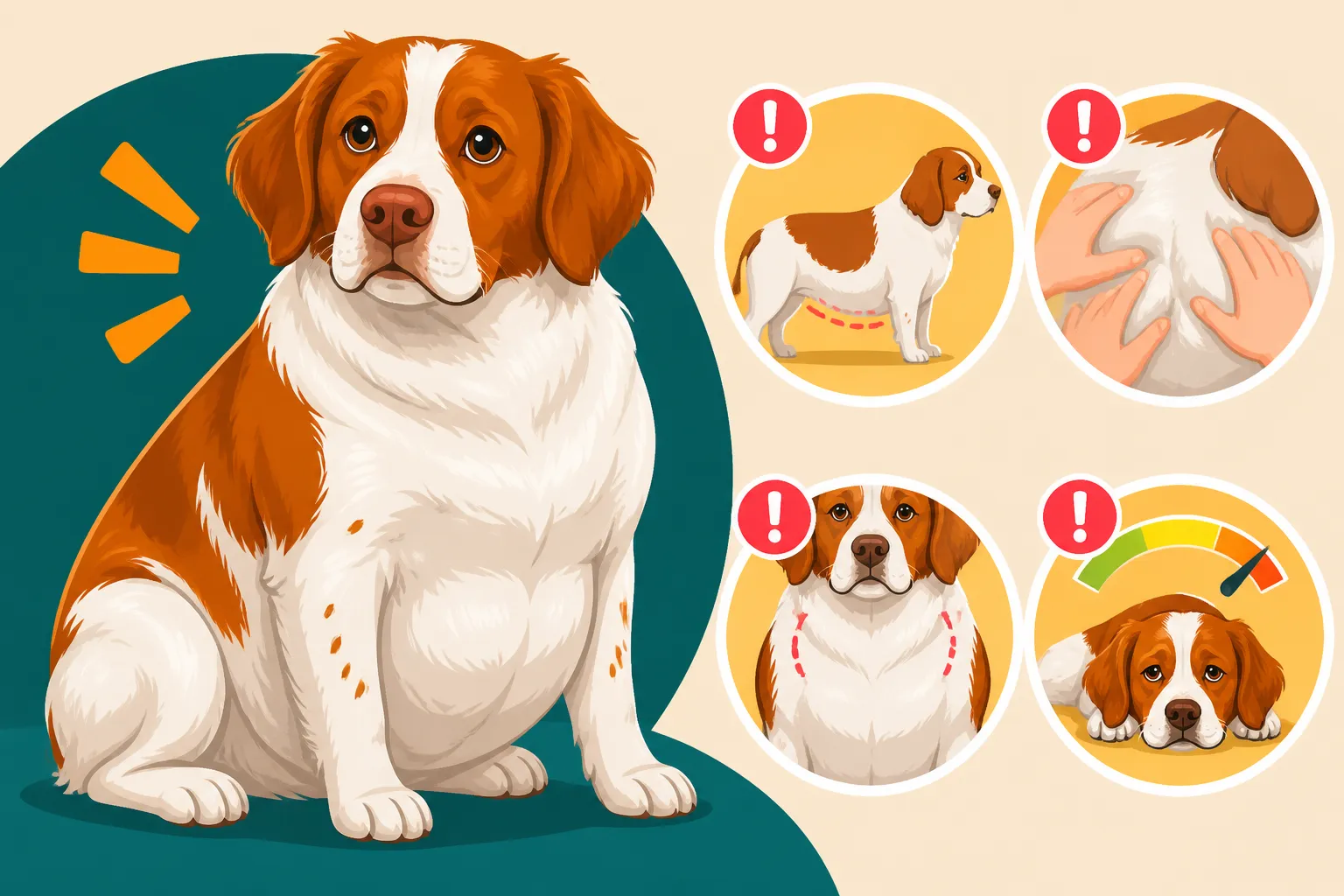
One of the most immediate and telling signs of an appropriate weight in a Brittany is the ability to easily feel their ribs. You shouldn't necessarily be seeing them protrude excessively, but when you run your hands along their sides, you should be able to distinctly feel each individual rib bone with minimal pressure. They should feel like a washboard under a thin blanket, not a solid, padded surface. If you have to press firmly to locate them, or if you can't feel them at all, that's a significant red flag that a layer of fat is obscuring them.
Think about the ideal physique of a human athlete, perhaps a middle-distance runner – lean, muscular, but not emaciated. Your Brittany should embody this athletic ideal. If their ribs feel padded and indistinct, like pressing into a plush cushion, it means there's a blanket of fat obscuring what should be a clear anatomical landmark. This is often one of the first places excess fat accumulates, even before it becomes overtly visible elsewhere, so it’s a crucial indicator for early detection.
Loss of a Defined Waistline
Brittanys naturally possess a distinct "tuck-up" or waistline, a hallmark of their agile and athletic build. When viewed from directly above, their body should narrow noticeably between their rib cage and their hips, creating an elegant, hourglass-like shape. From the side, their abdomen should rise gracefully up towards their flank, not hang low or appear straight across from the chest. This elegant silhouette is not just for aesthetics; it reflects their natural athleticism.
If you look down at your Brittany and see a body that's more like a straight cylinder, or worse, bulging outwards from ribs to hips, that clear waistline has disappeared under a layer of fat. This rounding indicates generalized fat accumulation. Similarly, if their belly sags or creates a straight line from chest to hindquarters when viewed from the side, it's a strong indicator of excess weight. This loss of definition might be subtle at first, just a slight rounding where there used to be a definite curve, but it progresses noticeably as weight accumulates, signaling a shift away from their lean, fit physique.
Bulging Belly and Fat Deposits
While the disappearance of the waistline is a key sign, an obviously bulging belly is a more advanced and unmistakable indicator of an overweight Brittany. This isn't just a full stomach after a hearty meal; it's a persistent, rounded appearance that suggests significant abdominal fat has taken hold. Beyond the belly, you might also notice distinct fat deposits accumulating in other, less obvious areas, which can be easily missed if you're not specifically looking for them.
Common areas for fat accumulation include the base of the tail, where you might feel a thick layer of fat rather than prominent, bony hip structures. You might also notice small rolls of fat around the neck, which can make their collar fit tighter, or around the shoulders, making them appear bulkier. The "drumstick" area of their hind legs might appear less muscular and more rounded, losing its athletic definition. These fat pads can feel soft and spongy to the touch. If your Brittany's overall body shape has shifted from sleek and athletic to more squat and rounded, especially around the middle, it's definitely time to reassess their diet and exercise routine. This visual change is often a clear signal that it's time for intervention.
The Tactile Test: Getting Hands-On
Sometimes, a Brittany's luscious feathering and thick coat can fool the eye, making it harder to visually assess their true body condition. That beautiful, protective coat, while lovely, can be a master of disguise for creeping pounds. This is where a hands-on examination becomes indispensable. Feeling your dog's body can give you much more accurate, concrete information than just looking at them from a distance. This tactile assessment should become a regular, integral part of your grooming routine, right alongside checking for Burrs, Foxtails and Ticks on a Brittany after every outing.
The Rib Check Method
The rib check is arguably the most important tactile test you can perform to gauge your Brittany's weight. With your Brittany standing comfortably and relaxed, place both hands on their sides, just behind their front legs, and gently run your fingers along their rib cage. You should be able to feel each individual rib bone distinctively, much like feeling the knuckles on the back of your hand when your palm is flat. There should be a slight, thin layer of fat and muscle covering them, enough to make them feel smooth rather than sharp or bony, but not so much that you have to press hard to detect them.
If you struggle to feel the ribs without significant pressure, or if the entire area feels uniformly soft, padded, and indistinct, your Brittany is likely carrying too much weight. This indicates a cushion of fat is obscuring the bony structure. Conversely, if the ribs are extremely prominent and feel sharp, or are easily visible without touching, your dog might be underweight – a different concern, but also important to address. This technique is a cornerstone of responsible pet ownership and is routinely taught and emphasized by veterinarians, as it offers a quick, reliable indicator of body condition.
Palpating the Spine and Hip Bones
Moving along your Brittany's back, gently run your hands down their spine, applying light pressure. You should be able to feel the individual bumps of the vertebrae, again with a minimal layer of muscle and fat over them. They shouldn't feel sharply pronounced, nor should they be completely hidden beneath a thick, smooth pad of flesh. Similarly, gently feel for their hip bones – these are the bony protrusions on either side of their lower back, near the base of the tail. These should be easily palpable but not sharply angular or sticking out excessively.
If the spine feels like a smooth, indistinct ridge, or if you can't easily locate the hip bones without digging your fingers in, it's another indicator of excess fat accumulation. These areas, particularly the hips, are critical for a Brittany's mobility and athletic function, and carrying extra weight here directly impacts their comfort and agility. Regularly checking these spots, perhaps during a quick massage session after a walk, can help you catch subtle changes early and monitor their condition. It's a key part of understanding How to Feel a Brittany's Ribs and other bony landmarks.
Checking the Base of the Tail
The base of the tail is another very common spot for fat deposits to accumulate, especially in breeds like Brittanys where the tail itself is often docked short or naturally bobbed. The area where the tail meets the body, right above the hips, can be a real tell-tale sign of extra pounds. Gently feel around this area. In a healthy weight Brittany, this area should feel firm and bony, with minimal fat padding obscuring the underlying structure. You should be able to feel the natural curve and structure of the pelvic bones.
If you feel a soft, squishy pad of fat around the base of the tail, almost like a small cushion or a thick, undefined mound, it's a clear sign of obesity. This fat can sometimes make the tail appear thicker or less mobile than it should be, or even cause slight discomfort. Don't confuse this with natural musculature; the texture of fat is distinctively softer, spongier, and less defined than lean muscle tissue. This tail base check is often overlooked but provides a clear snapshot of overall fat reserves that can be harder to spot under a thick coat elsewhere on the body.
Behavioral and Activity Changes
Beyond the physical signs, an overweight Brittany will often exhibit noticeable changes in their behavior and activity levels. These changes can be subtle at first, easily dismissed as "just getting older," but over time, they become more pronounced and can greatly impact your dog's quality of life. As a veteran blogger, I've seen countless owners struggle with this, often attributing these shifts to age rather than weight. It's easy to make that mistake, especially if your dog is approaching The Age a Brittany Is Considered Senior. But it’s vital to differentiate between natural aging and weight-induced sluggishness.
Reduced Stamina and Reluctance to Move
One of the most heartbreaking signs of an overweight Brittany is a noticeable decline in their trademark boundless energy. These are dogs bred to run for hours, covering ground with incredible enthusiasm and an unwavering drive. If your Brittany starts lagging behind on walks, refusing to jump into the truck as readily, or showing significantly less enthusiasm for play sessions, weight might be a significant contributing factor. They might also appear less agile, struggling with stairs, finding it harder to get up from a lying position, or even hesitating before performing a simple jump onto the couch.
During hunting season, this reduced stamina becomes even more apparent and problematic. A dog that once quartered tirelessly and pointed with unwavering focus might now tire quickly, returning to your side prematurely, or struggling to maintain its customary range. You might notice them panting heavily much earlier than usual, or needing longer, more frequent rest breaks, indicating their body is working overtime. This isn't just about age; it's about the increased effort required to move a heavier body. Imagine constantly carrying a weighted vest all day – it's utterly exhausting! Even simple acts like a vigorous shake after a bath might seem more effortful and less complete. How Long a Brittany Can Hunt in a Day will be dramatically shortened if they're carrying extra pounds, impacting their performance and enjoyment.
Increased Panting and Heat Intolerance
Overweight dogs often have a significantly harder time regulating their body temperature, making them much more susceptible to overheating. The insulating layer of excess fat acts like a thick blanket, trapping heat within their body, and their cardiovascular system has to work much harder to circulate blood and cool the body down. This struggle to dissipate heat often manifests as increased panting, even during mild activity or in moderately warm weather that a healthy-weight Brittany would normally tolerate with ease.
You might notice your Brittany panting excessively after a relatively short walk, or struggling on days that previously wouldn't have bothered them at all. This is particularly concerning for a high-energy hunting breed like the Brittany that is expected to operate in varying temperatures and exert itself significantly. Signs a Brittany Is Overheating in the Field become far more prevalent and dangerous for an overweight dog. They might seek out cooler, shady spots more frequently, or seem generally uncomfortable and lethargic. This isn't just an inconvenience; it can be a serious health risk, potentially leading to heatstroke, especially during active periods or warmer months.
Changes in Eating Habits
While you might instinctively think an overweight dog would constantly be begging for food, sometimes their eating habits manifest in more complex ways. They might eat more quickly, almost frantically, or seem perpetually hungry, even immediately after a meal, often indicative of insufficient satiety from their current diet or portion sizes. Owners might find themselves giving extra treats or slightly larger meals, mistakenly thinking their dog is still growing, needs more energy, or is simply "always hungry," when in fact, the opposite is true.
Alternatively, some overweight dogs might become less enthusiastic about eating, or develop selective appetites, perhaps because their metabolism is sluggish or they feel generally unwell due to their weight. It's not uncommon for owners to mistakenly believe their dog needs more food because they seemingly love it so much, often offering table scraps or excessive, high-calorie treats. Brands like Chewy offer a wide variety of portion-controlled treats and specialized weight management foods that can help curb this tendency while still providing a satisfying and nutritious meal. Keeping meticulous track of exactly How Much an Adult Brittany Eats is vital, especially if you're suspecting weight gain, as even small overages can add up quickly.
How to Objectively Measure Weight Status
Guessing whether your Brittany is overweight can be incredibly tricky. What looks "normal" to one person might be considered significantly overweight by a veterinarian, and our perceptions can be skewed by seeing many overweight pets. That's why objective tools are so important. These methods provide a standardized, science-backed way to assess your dog's body condition, taking the guesswork out of the equation and giving you clear, actionable data.
Understanding Body Condition Scoring (BCS)
Body Condition Scoring (BCS) is a universally recognized, simple, and effective tool used by veterinarians and animal nutritionists worldwide. It's a numerical scale, usually ranging from 1 to 5 (with 3 being ideal) or 1 to 9 (with 4 or 5 being ideal), that assesses your dog's fat reserves and muscle mass. A score of 3/5 or 4-5/9 is generally considered ideal for most dogs, including lean and athletic breeds like Brittanys, indicating they are in prime condition.
The BCS system comprehensively combines both visual and tactile assessments. It guides you to systematically evaluate your dog's ribs, waistline, abdominal tuck, and fat deposits at the base of the tail. This holistic approach provides a more nuanced and accurate picture than just a number on a scale or a simple weight measurement, because it accounts for individual variations in bone structure and build. For example, a larger-boned Brittany might naturally weigh more than a fine-boned one, yet both could be at the same ideal body condition. Many veterinary clinics and even some reputable pet food websites (such as Ollie, which often includes personalized feeding guides) offer charts that clearly illustrate the different BCS levels with descriptions and images, making it much easier for owners to compare their dog and understand where they fall on the spectrum.
| Body Condition Score (BCS) – 5 Point Scale | Description | Visual & Palpation Cues |
|---|---|---|
| 1 (Emaciated) | Ribs, lumbar vertebrae, pelvic bones, and all bony prominences are evident from a considerable distance. There is no discernible body fat. Obvious and severe loss of muscle mass. | Visual: Bones clearly visible and protruding, with no muscle or fat covering. Head appears too large for body. Palpation: No fat covering. Ribs, spine, hip bones, and shoulders feel sharp and prominent. Severe abdominal tuck. |
| 2 (Thin) | Ribs, lumbar vertebrae, and pelvic bones are easily visible. There is no discernible body fat. Minimal other fat. Minimal muscle mass. | Visual: Ribs, spine, and hip bones are easily seen but not sharply protruding. Minimal muscle definition. Palpation: Ribs, spine, and hip bones are easily felt with minimal muscle and no fat covering. Marked abdominal tuck. |
| 3 (Ideal) | Ribs are easily palpable without excess fat covering. A distinct and visible waist is observed behind the ribs when viewed from above. An abdominal tuck is apparent when viewed from the side. | Visual: Ribs not readily visible, but easily felt. Clear, well-defined waist when viewed from above. Abdominal tuck is evident from the side. Smooth body contour. Palpation: Ribs are easily palpable with a thin layer of fat. Spine and hip bones easily felt but not prominent. |
| 4 (Overweight) | Ribs are palpable with difficulty; there is a slight fat covering. The waist is indiscernible or completely absent when viewed from above. The abdominal tuck is absent or minimal when viewed from the side. | Visual: Ribs require firm pressure to feel. Waistline is less defined or completely absent. Belly appears straight from the side, slight rounding. Palpation: Ribs are palpable only with firm pressure due to moderate fat covering. Spine and hip bones are difficult to feel. Fat deposits developing over lumbar area and at the base of the tail. |
| 5 (Obese) | Ribs are not palpable under heavy fat covering. There is obvious abdominal distention, and the abdomen may sag. Extensive fat deposits are evident over the lumbar area, face, limbs, and base of the tail. | Visual: Ribs are completely unpalpable. No waist or abdominal tuck. Obvious bulging belly that may hang low. Body appears uniformly rounded and bulky. Palpation: Ribs, spine, and hip bones are not palpable due to very heavy fat covering. Extensive fat deposits evident on neck, back, tail base, and limbs. Significant abdominal distention. |
The Role of a Veterinarian in Assessment
While home assessments using BCS are incredibly valuable and a great first step, a veterinarian offers the most accurate, objective, and informed evaluation of your Brittany's weight status. They can not only determine your Brittany's precise BCS with expert hands but also rule out any underlying medical conditions that might be contributing to weight gain, such as Signs a Brittany's Thyroid Is Low or other metabolic disorders. Your vet has access to specialized knowledge about your dog's breed-specific needs, individual health history, and overall condition.
During a routine check-up, your vet will perform a thorough physical examination, including a professional BCS, and have an in-depth discussion about your Brittany's current diet, treat intake, and exercise routine. They can provide tailored, evidence-based recommendations, set realistic and healthy weight loss goals, and help you create a safe and effective plan that considers your dog's unique needs. This professional guidance is invaluable, especially if you're unsure how to start, or if your dog has other health considerations that need careful management. How Often a Brittany Needs a Wellness Exam should be at least yearly for preventive care, but more frequently if weight is a concern, allowing your vet to closely monitor progress and make necessary adjustments.
Taking Action: Addressing Overweight Issues
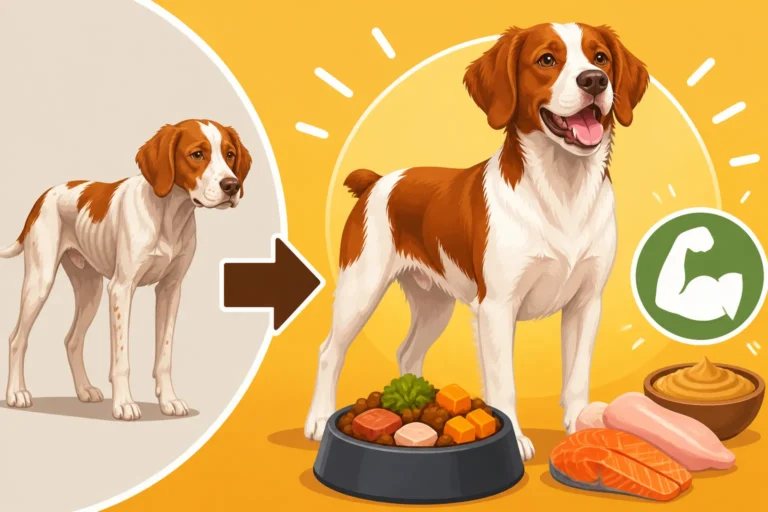
Discovering your Brittany is overweight can feel disheartening, perhaps even a bit guilt-inducing, but it's also incredibly empowering. This knowledge gives you the power to make positive, impactful changes that will lead to a healthier, happier, and longer life for your cherished companion. The truly good news is that even moderate weight loss can make a monumental difference in their overall well-being, comfort, and longevity, often transforming their energy levels and zest for life. Taking action now is the greatest gift you can give them.
Adjusting Diet and Food Portions
The first and most critical step in addressing an overweight Brittany is to meticulously re-evaluate their diet. It's often not just what they eat, but how much. Start by accurately measuring their food portions at every single meal. Many people eyeball servings or use generic scoops, which can easily lead to significant overfeeding without even realizing it. Invest in a dedicated, accurate measuring cup and use it consistently. Consult the feeding guidelines on your dog's specific food bag, but be prepared to reduce them, especially if your dog is less active than the "average" dog those generalized guidelines are based on.
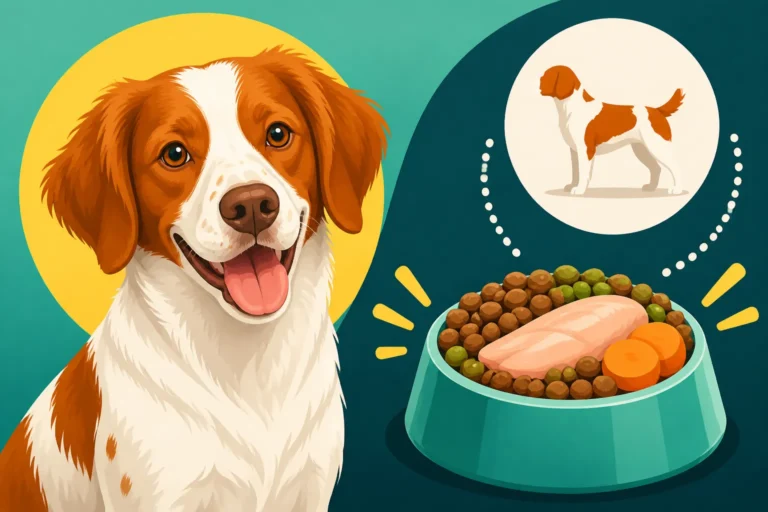
Consider switching to a high-quality weight management formula or a reduced-calorie food. These specialized foods are typically lower in calories and fat but are carefully formulated to still provide all the essential nutrients and fiber necessary to help your dog feel full and satisfied between meals. Brands like Purina Pro Plan Veterinary Diets or Royal Canin have specific weight-loss formulas often recommended by veterinarians for their efficacy. You can find these readily available at reputable pet supply stores or online retailers like Chewy or Amazon. Remember, treats contribute significantly to calorie intake too! Opt for low-calorie training treats, or even small pieces of plain, dog-safe vegetables like carrots, green beans, or cucumber as healthy alternatives. It's also paramount to ensure the whole family is on board with the new feeding plan, firmly resisting those adorable, begging eyes.
Increasing Appropriate Exercise
Dietary changes absolutely must go hand-in-hand with an appropriate increase in physical activity for effective and healthy weight loss. However, it's crucial to start slowly and very gradually increase the intensity and duration of exercise, especially if your Brittany has been inactive for a while or is significantly overweight. Pushing them too hard too fast can lead to injury, muscle strain, or joint discomfort, making them even more reluctant to move in the future.
Begin with more frequent, shorter walks, then progressively lengthen them over weeks. Introduce varied activities like swimming (which is wonderfully low-impact for joints!) or gentle games of fetch that get them moving without too much strain. If your Brittany is a hunting dog, dedicated off-season conditioning is absolutely essential to get them ready for fieldwork, and How Much Exercise a Brittany Needs Off Season is often underestimated by owners. Aim for daily activity that gets their heart rate up and allows them to expend energy without causing excessive panting, limping, or exhaustion. If they're showing signs of discomfort or overheating, stop immediately and allow them to rest. A good rule of thumb is to always monitor their breathing, gait, and overall energy levels, especially on warmer days. Investing in a good quality, comfortable leash and collar, perhaps from a trusted brand found on Amazon, can make these increased walks more enjoyable and safe for both of you.
Seeking Professional Guidance
Please, do not hesitate to involve your veterinarian in your Brittany's weight loss journey. They are your absolute best resource for creating a safe, effective, and sustainable plan tailored specifically for your dog. Your vet can accurately help you determine the ideal target weight for your individual Brittany, calculate their appropriate daily calorie intake based on their age and activity level, and recommend a specific diet that meets their nutritional needs while promoting weight loss. They can also provide invaluable guidance on safe and appropriate exercise routines, particularly if your Brittany has pre-existing conditions like arthritis or has reached The Age a Brittany Gets Arthritis.
Sometimes, weight gain can be a frustrating symptom of an underlying medical issue, so a comprehensive vet check-up is absolutely vital to rule out problems like low thyroid function or other metabolic disorders that might be contributing to their increased weight. They can also refer you to a board-certified veterinary nutritionist for a highly personalized and detailed diet plan, or guide you through options for Whether a Brittany Needs Joint Supplements that might aid in comfort and mobility during their increased exercise regimen. Regular weigh-ins at the clinic can keep you accountable, provide objective feedback, and allow your vet to track progress, making adjustments as needed. This proactive partnership with your veterinarian is the key to long-term success and ensures your Brittany returns to its optimal, energetic, and happy self.
Disclaimer
This article is for general informational purposes only and does not constitute professional advice. Laws, prices and regulations vary by location and change over time. Consult a qualified professional for guidance on your specific situation.