When a Brittany Reaches Full Weight
It’s such an exciting time watching your Brittany puppy grow, isn't it? One minute they're a tiny bundle of fluff, and the next, they're leaping like a deer in the field. But with all that rapid development, a common question often pops up: When exactly will my Brittany settle into their adult size and weight? It’s a perfectly normal concern, and this guide is here to walk you through the fascinating journey of your Brittany's growth, helping you understand the milestones and what to expect as they mature.
The Typical Growth Trajectory of a Brittany Puppy
Watching a Brittany puppy mature is a whirlwind. They go from a tiny, clumsy explorer to a lean, athletic companion in what feels like the blink of an eye. Understanding their typical growth trajectory can help you manage expectations and ensure they're developing healthily. It's not always a straight line, but there are definite phases you'll observe.
Early Growth Spurts: From Wee Pup to Awkward Teenager
In those first few months, your Brittany puppy will experience rapid, almost unbelievable growth. It's not uncommon for them to double or even triple their birth weight within weeks, and their limbs seem to grow longer overnight, sometimes leading to that adorable, slightly gangly "awkward teenager" look. This initial phase is characterized by significant gains in both height and weight, as their bones and muscles are forming at an incredible pace. You might feel like you’re constantly adjusting their collar or needing a bigger crate every couple of months. During this time, proper nutrition is absolutely vital. They need a diet formulated for puppies, rich in the right balance of protein, fat, and essential nutrients to support this intense development without overstressing their growing joints. Many new owners wonder about specific feeding guidelines. You can often find a good selection of appropriate puppy foods on sites like Chewy, ensuring your little one gets what they need. If you're wondering What a Brittany Puppy Eats, you'll find that maintaining consistent, high-quality nutrition during these early, explosive growth spurts is paramount for long-term health.
By around 4 to 6 months, while still growing quickly, you might notice the rate of growth start to moderate slightly, though they'll still be gaining weight and height steadily. Their coordination improves, and they begin to look more like a miniature version of an adult dog, rather than a tiny baby. This is also a crucial time for bone development, and while it's tempting to let them run wild, moderation in high-impact exercise is wise to protect their vulnerable growth plates. Remember, a Brittany's enthusiasm often outstrips their physical maturity, so it's up to us to guide their activity levels. Whether a Brittany Puppy Should Run on Hard Ground is a common question, and generally, gentle, varied exercise is better than intense, repetitive impact during these formative months.
The Slowing Pace: Approaching Adulthood
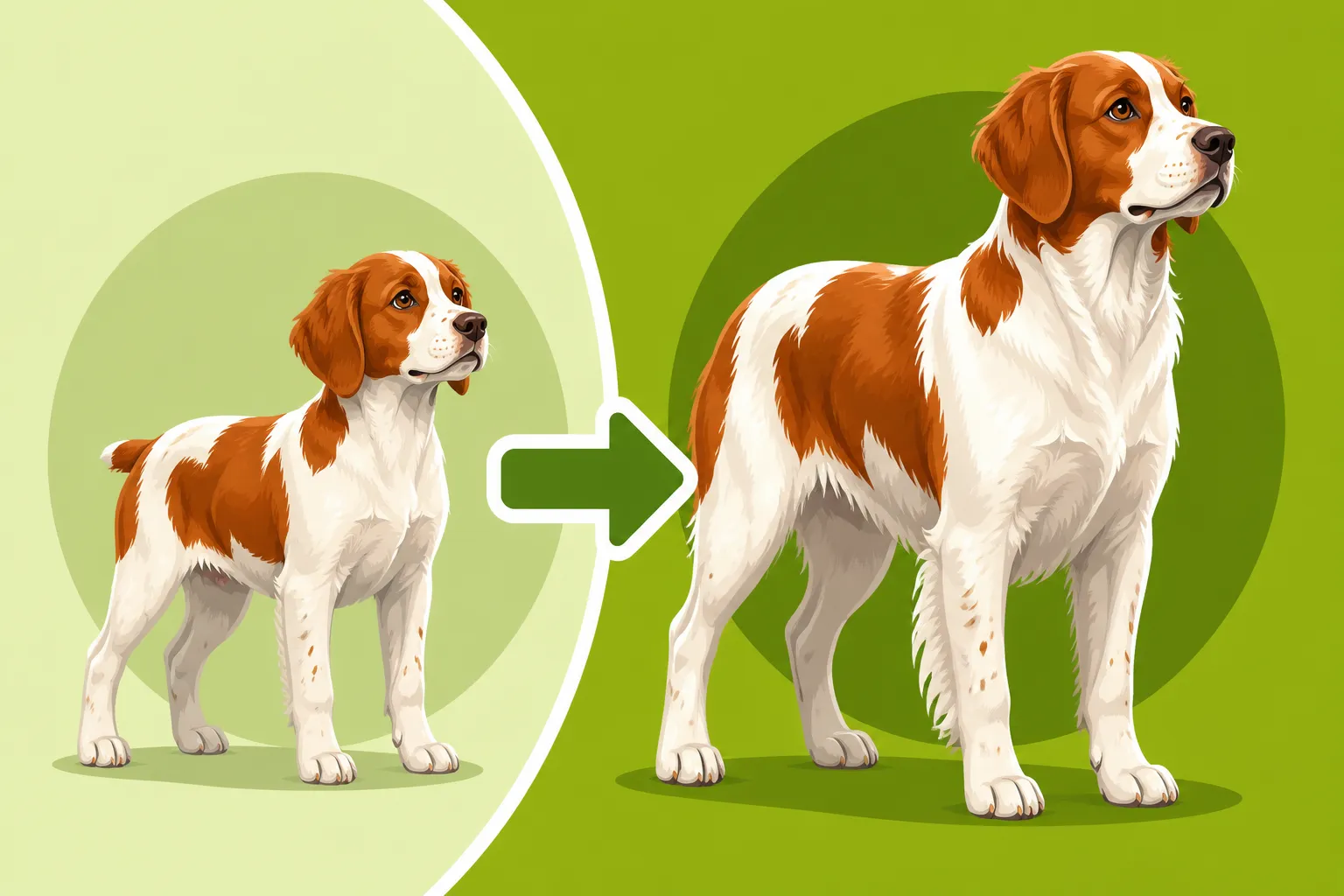
As your Brittany moves past the 6-month mark, the frantic pace of early puppyhood begins to wind down. While they'll still gain some weight and height, these changes become less dramatic. Most Brittanys will reach the majority of their height by about 8 to 10 months old, though they may continue to "fill out" in terms of muscle mass and chest depth for several more months. This filling out process contributes to their final adult weight and stature, giving them that powerful, athletic build characteristic of the breed. It’s during this period that their frame really solidifies.
Many owners find themselves constantly checking their growing pup against breed standards, wondering if they're on track. It's important to remember that every dog is an individual, and there can be natural variations within the breed. However, by 12 months, most Brittanys have reached their full height, though their weight might still creep up slightly as they develop more muscle tone. For instance, a male might continue to broaden across the chest and neck, adding a few more pounds. This is also the time when many owners transition their pups from puppy food to adult dog food. Understanding When a Brittany Puppy Moves to Adult Food is key to maintaining healthy growth without overfeeding. You might even start considering specialized diets from brands like Ollie, which can offer tailored nutrition plans as your dog matures into adulthood.
Factors Influencing a Brittany's Final Size and Weight
While there's a general blueprint for Brittany growth, several factors can influence just how tall and heavy your individual dog will become. These aren't just minor details; they can genuinely shape your dog's development.
Genetics: What Their Parents and Grandparents Tell You
The most significant predictor of your Brittany's adult size and weight lies in their genetic heritage. Think about it: they're essentially a living blueprint inherited from their parents, and to some extent, their grandparents. If both parents are on the larger side of the Brittany standard, it's highly probable your puppy will also mature into a larger-than-average dog. Conversely, if the parents are smaller, your pup is more likely to fall into the lower end of the weight and height spectrum for the breed. This is why a reputable breeder will always share information about the parents, and often even show you the dam in person. Looking at your puppy's lineage gives you the best glimpse into their future physical development.
Beyond just the immediate parents, some lines within the breed tend to produce slightly larger or smaller dogs. This isn't a hard and fast rule, but it's a general trend. If you're curious about your dog's potential maximum size, asking the breeder about the typical size and weight of dogs from their past litters, or even looking at photographs of adult siblings from previous pairings, can be very insightful. It's a bit like predicting a child's height based on their parents – not an exact science, but a strong indicator.
Nutrition: Fueling Healthy Development
Just as crucial as genetics is the quality and quantity of the food your Brittany receives, particularly during their rapid growth phases. Feeding a high-quality, balanced diet specifically formulated for puppies is non-negotiable. Undernourishment can lead to stunted growth and developmental issues, while overfeeding can cause rapid, unhealthy growth that puts excessive strain on developing joints, potentially leading to orthopedic problems later in life. This is why veterinarians often emphasize Why a Brittany Puppy Should Grow Slowly, advocating for lean growth rather than chunky puppy fat.
The type of food matters, too. A diet with appropriate protein and fat levels supports muscle and bone development. Many owners opt for well-regarded commercial foods found on platforms like Amazon or specialized options. It’s not just about filling the bowl; it's about providing the right fuel. For instance, a puppy food designed for large breeds might sometimes be recommended even for Brittanys, if their growth rate is particularly fast, as these foods often have adjusted calcium-to-phosphorus ratios to support slower, healthier bone development. Regular monitoring of your puppy's body condition, ensuring you can feel their ribs without seeing them, is more important than focusing solely on the numbers on the scale.
Exercise and Activity Levels: Building Bone and Muscle
Exercise plays a vital role in developing strong bones and muscles, but with growing puppies, it's a delicate balance. While adequate exercise is essential for a Brittany's physical and mental health, excessive or high-impact activity during their formative months can be detrimental. Activities like jumping off high surfaces, prolonged running on hard pavement, or intense agility training before their growth plates have closed can lead to injuries or long-term joint issues. When a Brittany's Growth Plates Close is important to know for this reason.
Controlled, moderate exercise, on the other hand, helps build lean muscle mass and strengthens bones without overstressing them. Think walks, supervised play in the yard, and gentle introduction to field work. As your Brittany matures, their need for exercise will skyrocket, and it will be key to maintaining their adult weight and conditioning. A Brittany is an active breed through and through, and a properly exercised dog will develop a more athletic, muscular physique, which contributes to their overall weight and health. Conversely, a sedentary Brittany, even if fed properly, might lack the muscle tone that contributes to the breed's ideal weight.
Recognizing When Your Brittany Is Fully Grown
It's a common observation that while your Brittany might reach their adult height relatively quickly, they often continue to "fill out" for several more months. This maturation process involves more than just a number on the scale; it's a combination of physical and behavioral milestones.
Physical Signs of Maturity
Most Brittanys will hit their full adult height between 8 to 12 months of age. You might notice that at a year old, they seem to stop growing upwards. However, the filling out process, where they gain muscle mass and depth in their chest, can continue until they are 18 to 24 months old. This is particularly true for males, who tend to broaden and develop a more substantial, masculine appearance during this later stage. They'll gain that solid, powerful build that distinguishes an adult working dog from a leggy adolescent.
A good way to gauge physical maturity is by observing their overall body condition and proportions. An adult Brittany should have a well-muscled physique, with a deep chest and a tucked-up abdomen. You should be able to easily feel their ribs when running your hands along their sides, but not see them prominently. Their head will also appear more proportionate to their body, losing some of that "big head, little body" look of puppyhood. Comparing your dog to breed standards for How Tall a Brittany Stands and How Much a Brittany Weighs can offer a general guide, but always remember that individual variations are normal.
Here's a general table of typical Brittany weight development:
| Age (Months) | Approximate Weight Range (Pounds) | Description |
|---|---|---|
| 2 | 10 – 20 | Rapid growth, still quite small and puppy-like. |
| 4 | 20 – 30 | Significant growth spurt, starting to look gangly. |
| 6 | 25 – 35 | Nearing adult height, still filling out in weight. |
| 9 | 30 – 40 | Close to adult height, continuing to add muscle. |
| 12 | 30 – 40 | Mostly adult height, still gaining some muscle/filling out. |
| 18 | 30 – 40 | Reaching full physical maturity, muscle development complete. |
| 24+ | 30 – 40 | Fully mature, ideal adult weight maintained. |
Note: These are general ranges, and individual Brittanys can vary based on genetics, sex, and activity level. Consult your vet for personalized growth assessments.
Behavioral Maturity: More Than Just Body Size
Physical maturity often precedes full behavioral maturity. While your Brittany might look like an adult at 18 months, their mind might still be catching up! Many Brittanys don't fully "settle" behaviorally until they are two, or even three years old. This behavioral maturity manifests in a variety of ways: they might become less impulsive, more focused during training, and generally calmer in the home environment. The boundless, sometimes chaotic energy of puppyhood might be channeled into more productive activities.
This doesn't mean their hunting drive diminishes; in fact, a mature Brittany often becomes an even more reliable and steady hunting partner, benefiting from their physical strength and mental focus. They learn to self-regulate better, making them more enjoyable companions both in the field and at home. You might notice they are less prone to destructive chewing, better at holding their bladder, and more responsive to commands. This shift can be a huge relief for owners who've endured the "teenage" phase of a Brittany!
Why You Shouldn't Rush Growth
It's natural to want your puppy to grow big and strong, but rushing their growth can have serious long-term consequences. Overfeeding a puppy, especially with high-calorie adult foods, can lead to excessively rapid weight gain. This extra weight puts undue stress on their still-developing bones and joints, increasing their risk of orthopedic conditions like hip and elbow dysplasia. While genetics play a role in these conditions, environmental factors like nutrition and exercise can exacerbate them. This is a key reason why discussions around Whether a Brittany Puppy Needs Large Breed Food often come up, even for a medium-sized dog like the Brittany – it's about controlling growth rate, not just size.
The goal is steady, lean growth. A healthy puppy is active and energetic, but not overweight. Resist the temptation to free-feed or give too many treats, especially during those critical first 12-18 months. Work closely with your veterinarian to ensure your puppy is on an appropriate diet and that their body condition is ideal for their age. Remember, a slightly leaner puppy is often a healthier adult dog in the long run.
Managing an Adult Brittany's Weight
Once your Brittany reaches their full adult weight, the focus shifts from managing growth to maintaining a healthy, ideal body condition throughout their life. This is a dynamic process, as their needs will change with age, activity levels, and even the seasons.
Maintaining an Ideal Body Condition
An adult Brittany should be lean, athletic, and well-muscled. They are purpose-bred hunting dogs, and their physique should reflect that. This means you should be able to easily feel their ribs when you run your hands along their sides, much like feeling the knuckles on your hand. You should also see a distinct "tuck-up" at their waist when viewed from the side, and a visible waistline when viewed from above. If you can't feel their ribs or see their waist, they might be carrying too much weight, even if it's just a few extra pounds. Learning How to Feel a Brittany's Ribs is a practical skill every owner should master.
Regularly assessing your Brittany's body condition score (BCS) is far more informative than simply relying on their weight on a scale, as individual Brittanys can vary in bone structure and muscle mass. A vet can show you how to do this effectively. Maintaining an ideal body condition is crucial for their overall health, longevity, and ability to perform in the field. Excess weight puts strain on joints, organs, and can lead to a host of health issues, including Whether a Brittany Bloats, which can be exacerbated by being overweight.
Adjusting Diet and Exercise for the Adult Dog
The amount of food your adult Brittany needs will depend heavily on their activity level. A Brittany that is actively hunted for several hours a day during hunting season will require significantly more calories than one enjoying a more sedentary off-season life or living primarily as a family pet. Many owners find they need to adjust their dog's food intake not just yearly, but seasonally. For instance, you might feed a "performance" or "high-energy" kibble during hunting season, and then switch to a slightly lower-calorie maintenance food in the off-season. Products from brands like Purina Pro Plan or Eukanuba, often available through retailers like Chewy or Amazon, offer specific formulas for active dogs.
How Much an Adult Brittany Eats can vary, but generally, a working Brittany in season will consume more. It's not uncommon for their daily food intake to increase by a cup or more during periods of intense activity to prevent weight loss. Conversely, if your Brittany is less active, reducing their food intake is crucial to prevent them from becoming overweight. Regular, vigorous exercise remains vital for an adult Brittany. This isn't just about weight management; it's about their mental well-being and fulfilling their natural drive. Daily long walks, runs, hikes, or field training sessions are essential. A bored, under-exercised Brittany is more prone to behavioral problems and weight gain. Remember, their energy levels are a huge part of What a Brittany's Temperament Is Really Like, and that energy needs an outlet!
Disclaimer
This article is for general informational purposes only and does not constitute professional advice. Laws, prices and regulations vary by location and change over time. Consult a qualified professional for guidance on your specific situation.