Whether a Brittany Needs a Yard
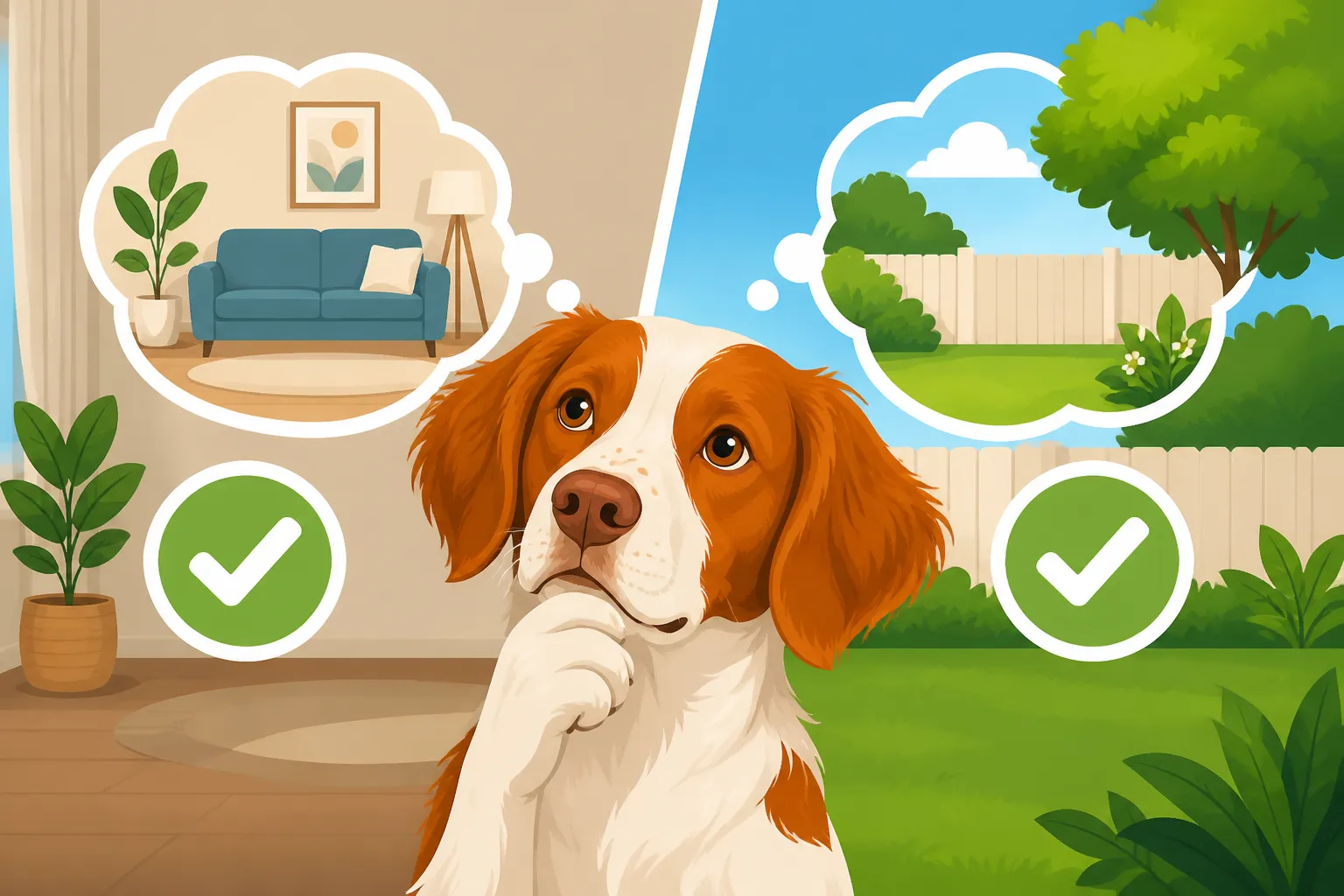
It’s a common misconception that if you want to bring a high-energy, intelligent sporting dog like a Brittany into your home, you absolutely need a sprawling yard for them to run wild in. Many aspiring owners feel blocked by the idea that without acres, they can't possibly provide a good life for this breed. This guide will explore whether a Brittany genuinely needs a large yard to thrive, what that means for their well-being, and how to successfully manage their exercise and mental stimulation regardless of your outdoor space.
The Myth of the Massive Yard for a Brittany
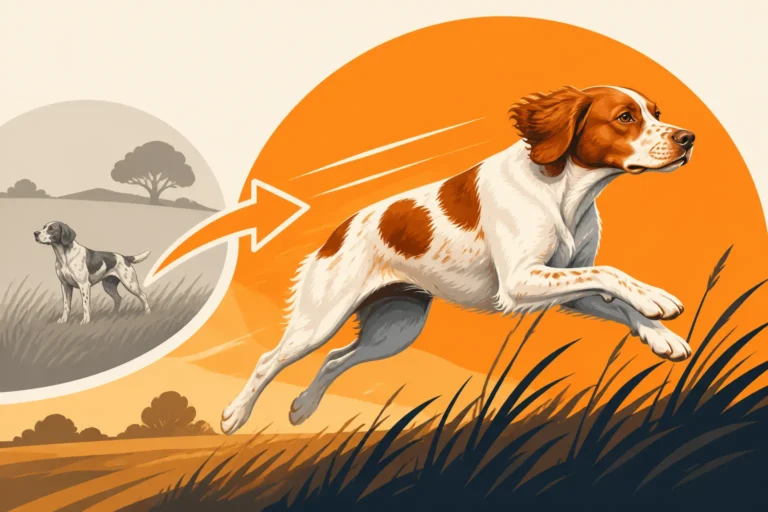
Let's be honest, when you picture a Brittany Spaniel, you probably imagine them bounding through an open field, nose to the ground, tail wagging a mile a minute. It’s easy to assume that this image translates directly into a daily requirement for a massive, fenced yard. And while a large, secure yard can certainly be a convenience, it’s not the be-all and end-all of Brittany ownership. The truth is, a yard, no matter how big, is just space. It's not a substitute for dedicated interaction, training, and structured exercise.
Think about it this way: a Brittany left alone in a huge yard all day with nothing to do will likely invent its own entertainment. This often manifests as digging craters, barking incessantly at squirrels, or worse, finding a weak spot in the fence and embarking on an adventure. What an Under Exercised Brittany Does at Home isn't always pretty, and a large yard doesn't inherently prevent boredom-driven behaviors. The key isn't the size of the yard, but the quality and consistency of the physical and mental stimulation your Brittany receives. A large yard, by itself, is a passive environment. Your Brittany needs active engagement.
Many owners who do have large yards still find themselves walking their dogs daily, taking them to dog parks, or enrolling them in training classes. Why? Because the dog craves interaction, leadership, and a job to do. Simply letting them out to "do their business" and wander around isn't enough to satisfy their keen intellect and boundless energy. It's the difference between a child having a giant playroom full of toys and a child whose parent plays with them using those toys. The interaction is what truly matters.
Prioritizing Exercise Over Acreage
When it comes to a Brittany, their exercise needs are non-negotiable, but the location of that exercise is incredibly flexible. These dogs were bred to hunt all day, covering miles in pursuit of game birds. This means they require a significant amount of physical activity to stay healthy and happy. However, that doesn't mean it all has to happen in your backyard.
Consider the daily life of a Brittany: they need vigorous aerobic exercise. This could be long, brisk walks, runs alongside a bicycle (once they're fully grown and conditioned), hikes on trails, or dedicated playtime at a dog park. Mental stimulation is just as crucial. A Brittany’s mind is always working, always sniffing, always solving. Structured training sessions, puzzle toys from retailers like Amazon, and even scent work games engage their brain and can tire them out almost as much as a physical run. Remember, a tired dog is usually a good dog, and a mentally stimulated dog is even better. How Much Exercise a Brittany Needs Off Season is a fantastic resource for understanding the intensity required.
For example, an owner living in a city apartment might start their day with a 45-minute power walk or jog around the neighborhood, allowing plenty of sniff time. In the evening, another substantial walk, combined with a 15-20 minute training session focused on new tricks or obedience commands, can be incredibly fulfilling for a Brittany. Weekend trips to open fields, dog-friendly beaches, or even enrolling in agility or flyball classes can provide the intense bursts of activity they crave. The point is, the exercise happens, it just might not happen entirely within your property lines.
| Activity Type | Description | Benefits for a Brittany |
|---|---|---|
| Brisk Walks/Jogs | Daily, consistent physical activity in varied environments (neighborhoods, parks, trails). | Builds stamina, satisfies urge to explore, offers mental stimulation through new smells. |
| Running/Hiking | More intense cardiovascular exercise, ideal for covering long distances and engaging natural instincts. | Burns energy efficiently, strengthens muscles, provides a "job" for the dog. |
| Dog Parks/Social | Supervised play with other dogs in a secure area. | Socialization, off-leash running, learning canine communication. |
| Training Sessions | Short (10-20 min) bursts of learning new commands, tricks, or practicing obedience. | Mental stimulation, strengthens bond, reinforces good behavior, builds focus. |
| Puzzle Toys/Chews | Toys that dispense treats as the dog manipulates them, or durable chews. | Occupies the mind, reduces boredom and destructive chewing, provides independent engagement. |
| Scent Work/Fetch | Indoor or outdoor games involving finding hidden treats or retrieving toys. | Taps into natural hunting instincts, provides mental challenge, great for rainy days. |
Making an Apartment or Small Home Work for Your Brittany
Living in an apartment or a smaller home with a Brittany is absolutely doable, but it requires commitment and creativity. It's less about the square footage of your home and more about the square footage of effort you're willing to put in. Many owners successfully raise happy, well-adjusted Brittanys in urban environments, proving that Whether a Brittany Can Live in an Apartment is a resounding yes with the right approach.
Your daily routine becomes paramount. Early morning and late evening walks are essential. Think 30-60 minutes in the morning and another 30-60 minutes in the evening, with shorter potty breaks throughout the day. These aren't just strolls; they need to be active, engaging outings where your Brittany gets to sniff, explore, and move at a good pace. Consider a retractable leash for safe exploration in appropriate areas, or a sturdy 6-foot leash from a reputable brand on Amazon for controlled walks.
Inside the home, mental enrichment is key. Invest in a variety of puzzle toys that dispense treats slowly, or KONG toys that can be stuffed and frozen to provide long-lasting engagement. Rotate these toys to keep things fresh and exciting. Structured play like indoor fetch in a long hallway, hide-and-seek with treats or toys, or even just regular obedience practice for 10-15 minutes a few times a day can make a huge difference. Enroll in online training programs, such as those offered by BAXTER & Bella, which provide structured lessons you can do in your living room. These programs are invaluable for channeling a Brittany's intelligence and energy into productive tasks, preventing boredom and destructive behaviors. Whether a Brittany Needs Puppy Class is a great question, and the answer is usually yes, even if it's an online version, to establish good habits early.
It's also crucial to teach your Brittany an "off switch." While they have immense energy outdoors, they should learn to settle calmly indoors. Crate training is incredibly helpful for this, providing a safe den where they can relax without being stimulated. A comfortable dog bed in a quiet corner of the living room can also become their designated "chill-out" spot. Consistency in routine, clear boundaries, and ample mental and physical exercise will ensure your Brittany thrives, even without a huge yard. Whether a Brittany Settles Indoors depends heavily on how well their needs are met outside and how consistently you reinforce calm indoor behavior.
The Secure Yard as a Bonus, Not a Requirement
If you do happen to have a yard, consider it a wonderful bonus, not a mandatory prerequisite for Brittany ownership. A securely fenced yard (and we mean secure – Brittanys are notoriously clever escape artists who can scale, dig under, or squeeze through surprisingly small spaces, so a 6-foot privacy fence is often recommended) offers a convenient space for quick potty breaks, a bit of supervised free play, or short training sessions. It’s a great place to toss a ball for a few minutes while you're drinking your morning coffee or to let them stretch their legs between longer outings.
However, even with a yard, the same rules apply: it doesn't replace the need for interactive exercise and mental stimulation. A yard is a tool to be used, not a set-it-and-forget-it solution. Make sure you're still taking your Brittany on walks, runs, or to dog parks. Utilize the yard for specific purposes, like practicing recall, working on retrieve drills, or just enjoying some quality bonding time. Think of it as an extension of your indoor living space, not a self-sufficient exercise machine. Whether a Brittany Escapes a Fence is a real concern, so never leave them unattended for long periods, even in a seemingly secure yard.
Ultimately, whether you live in a sprawling country home or a cozy city apartment, the most important "yard" a Brittany needs is the one you create through your commitment, consistency, and understanding of their unique needs. It's a "yard" made of long walks, engaging training, interactive play, and plenty of love.
Disclaimer
This article is for general informational purposes only and does not constitute professional advice. Laws, prices and regulations vary by location and change over time. Consult a qualified professional for guidance on your specific situation.