Whether a French Brittany Hunts Closer by Nature
A French Brittany is often described as a close-working bird dog, which can sound ideal if you hunt on foot and want to keep your dog in view. But “closer by nature” is a tendency, not a promise: breeding, training, cover, wind, and the individual dog all shape range. This guide explains what to expect and how to choose and work with a Brittany that fits your hunting style.
What “closer by nature” means in a French Brittany
A closer-working tendency, not a fixed distance
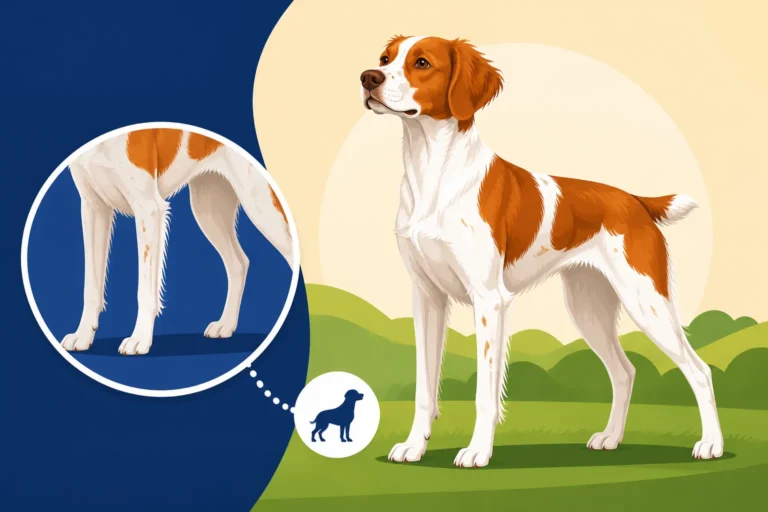
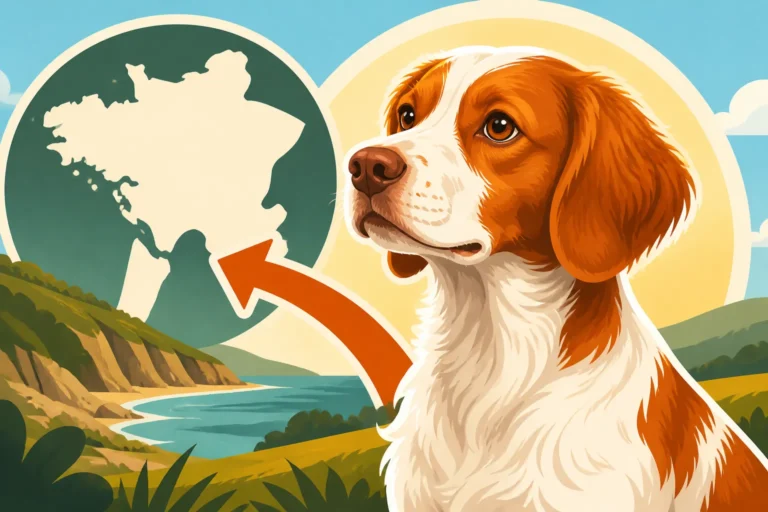
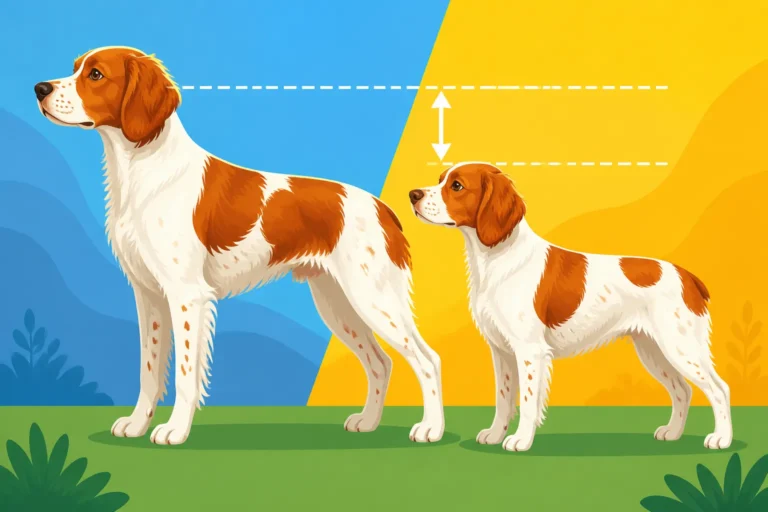
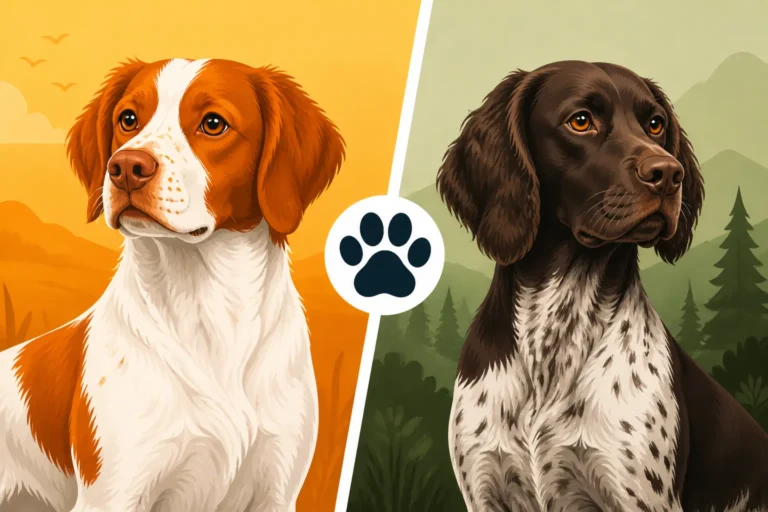
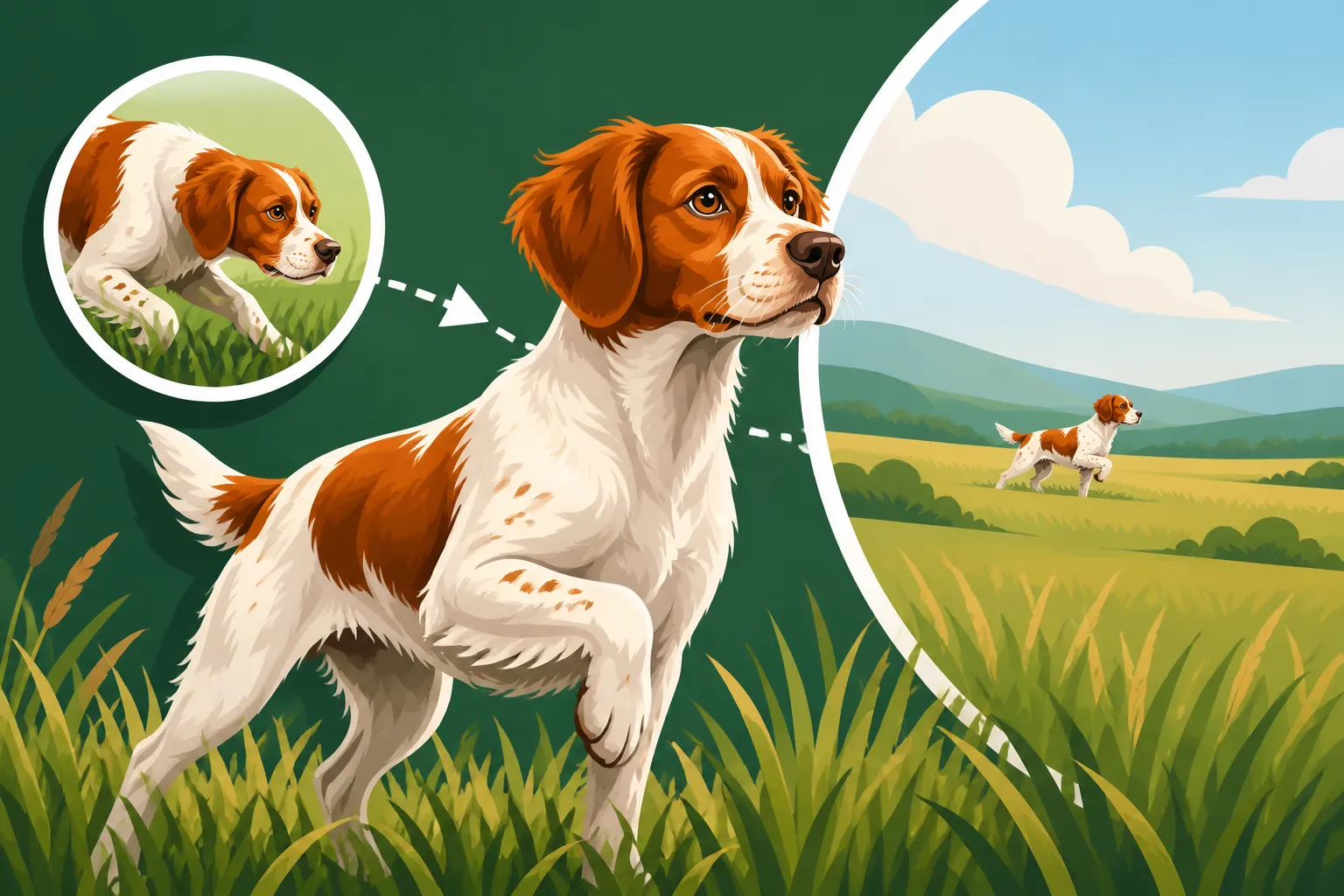
French Brittany usually refers to the Epagneul Breton, the French form of the breed. Compared with many American Brittanys, French Brittanys are often described as working at a more moderate range and staying more connected to a walking hunter. That can mean a dog that checks in often, hunts within a comfortable visual distance, and spends less time disappearing over the next rise.
It does not mean every French Brittany will hunt close, or that there is a dependable distance you can expect from every dog. A young dog with lots of enthusiasm may range farther when it encounters exciting scent or open country. Another may naturally work nearer, especially in dense cover or when hunting closely with a handler. Even littermates can develop different patterns.
Think of the French tendency as a starting point rather than a setting you can select with certainty. A dog’s parents and relatives can offer clues, but they cannot tell you exactly how your puppy will hunt. If staying connected is important, ask a breeder how the adult dogs work in the field, not just whether the line is French or American.
Why breeding history and hunting style matter
The French Epagneul Breton developed in a hunting tradition where a dog working within reach of a walking hunter can be practical. In that setting, a close, cooperative pattern may help the handler keep track of the dog and get into position when it finds birds. That background is part of why French Brittanys have a reputation for a closer range.
The American Brittany developed within its own sporting and field-trial culture, and many American lines are selected for a bigger, faster-ranging style. That is a broad comparison, not a rule that divides the two types neatly. American Brittanys can work close, and French Brittanys can range out. Individual breeding goals vary, and breeders may prioritize different traits even within the same type.
If you are trying to decide which dog fits your needs, consider more than range. A dog’s pace, responsiveness, pointing style, stamina, and comfort in your usual terrain matter too. The distinction between the types is explored further in How a French Brittany Differs From an American One and How Close a French Brittany Hunts. For a broader look at the breed’s working pattern, see An American Brittany Ranges Wide and a French One Stays Close.
What affects a Brittany’s range in the field
Terrain, cover, wind, and birds
A Brittany’s range can look very different from one outing to the next. In thick brush, young forest, or uneven cover, a dog may naturally work closer because there is less room to see, move, or scent-check at a distance. In an open field with a steady breeze, the same dog may travel farther while quartering into the wind and searching for scent.
Birds also change the picture. A dog may tighten its pattern in birdy cover, where scent is frequent, or reach farther when it has been searching without finding anything. That does not necessarily mean it has stopped paying attention to you. It may be responding to the information available in the field.
Weather and footing can matter as well. Heat, fatigue, rough ground, or a difficult day in heavy cover can shorten a dog’s working radius. A fit dog on easy ground may cover more space. When assessing a Brittany’s natural range, look for a repeated pattern across different outings rather than judging from one exciting run.
The dog’s experience and relationship with the handler
Age and experience influence how a dog uses the field. A puppy may bounce between the handler and interesting smells without showing a settled hunting pattern. A young dog may also run farther as confidence grows. Later, with experience, some dogs learn to check in, respond to changes in direction, and adjust their search to the handler’s pace.
Training can shape range, but it works best when it builds communication rather than simply trying to suppress the dog’s drive. A dog that understands where the handler is going and has learned to respond to a recall or turn cue may hunt more usefully within the desired area. Repeatedly calling a dog in without a clear reason, on the other hand, can interrupt its search and make field time confusing.
Pay attention to the quality of the check-ins, not just the distance. A dog may range farther than you prefer yet regularly turn back, respond to you, and work the ground in a useful pattern. Another dog may stay physically close but ignore changes in direction. The breed comparison How Many Yards a French Brittany Works can provide context, but real-world behavior is better judged by observing the dog with you in the kind of cover where you hunt.
How to choose a French Brittany for your hunting style
Ask about the parents’ actual field behavior
If a close-working dog is a priority, ask the breeder to describe how the sire and dam hunt in conditions similar to yours. “Close” can mean different things to different people, so ask what the dogs do when the handler walks through cover, how often they check back, and whether they stay connected when the terrain opens up.
If possible, watch the adult dogs work. A short demonstration is useful, but ask how they behave across a full outing and in more than one type of cover. A dog that appears close in a small field may range differently on open ground. Ask whether the breeder has seen the dogs hunt with foot hunters, and how their range changes as they gain experience.
Also ask about the dogs’ temperament and training. A cooperative dog may be easier to handle, but cooperation is not the same thing as naturally close range. For more guidance on evaluating a breeder’s claims, see Which Questions to Ask a Brittany Breeder and Whether a Brittany Breeder Should Let You See the Dam Hunt. Those conversations help you assess the dog’s background without treating a label as a guarantee.
Match the dog to the places you hunt
Picture a typical day in your own hunting country. If you walk through tight cover, want to keep your dog in sight, and prefer frequent interaction, a French Brittany from close-working relatives may be a sensible option to investigate. If you hunt large, open areas and want a dog that searches farther ahead, a closer tendency may feel limiting unless the individual dog has more range.
Be honest about your own pace and comfort. A dog can be close-working and still move quickly, while a dog with a moderate range can feel far away if you are hunting in brush where visibility is poor. If you are new to pointing dogs, the ability to read your dog’s body language and respond to its movements may matter more than whether it fits a simple close-or-wide description.
Range is only one part of a good match. Consider how the dog responds to training, handles birds, settles at home, and fits your family and routine. Whether a French Brittany Suits an American Hunter and Which Brittany Type Suits a Foot Hunter Better offer useful perspectives on matching type to use. You can also compare the breed’s wider working traits in The Brittany Is the Smallest of the Versatile Pointing Breeds.
Helping a French Brittany stay connected without flattening its drive
Build recall and check-ins before expecting field control
A useful field pattern starts with basic communication. Practice recall in safe, low-distraction places first, rewarding the dog for returning promptly. Add distractions gradually rather than expecting a puppy to respond perfectly the first time it sees birds or catches an exciting scent. Short, successful sessions tend to teach more than repeatedly calling when the dog is too distracted to respond.
A long check cord can help you practice turns and check-ins while maintaining control in an appropriate open area. Let the dog explore, then change direction or call it in when there is a clear reason. Reward attention and returning to you. The goal is not to keep the dog under constant tension or prevent it from searching; it is to make paying attention to the handler worthwhile.
Choose equipment that suits the dog and the setting, and learn how to use it safely. If you are assembling basic field gear, a retailer such as Chewy may be one place to compare check cords, whistles, and other supplies. The important part is choosing gear that fits your training plan rather than expecting equipment to create a close-working pattern on its own. For a closer look at handling a dog that gets too far out, see How to Bring a Wide Running Brittany In.
Let the dog learn the field while keeping expectations realistic
Avoid trying to force a particular range before the dog understands hunting. A puppy needs opportunities to explore scent, cover, and birds in a safe, age-appropriate way. If you interrupt every outward movement, you may reduce confidence or make the dog unsure about using its nose. If the dog is simply ranging too far for your situation, work on recall and direction changes in manageable settings and gradually build those skills into field outings.
Notice what prompts the dog to range out. Is it following a familiar pattern, reacting to open ground, or getting excited by birds? Does it turn back when you change direction? Does it respond when you call? These details help distinguish a dog that is simply enthusiastic from one that is not yet connected to the handler. If the dog’s behavior changes suddenly or seems linked to discomfort or fatigue, consider whether health, conditioning, or the conditions of the outing may be involved.
Be patient as the dog matures. A French Brittany’s tendency to work closer can be a useful advantage for a walking hunter, but it does not remove the need for training, observation, and a good match between dog and terrain. Chewy may be convenient for comparing practical items such as a whistle or field water gear, but no product can replace consistent handling and safe field habits. If you are unsure how to build a reliable response without dampening the dog’s enthusiasm, a qualified pointing-dog trainer can help you plan the next steps.
Disclaimer
This article is for general informational purposes only and does not constitute professional advice. Laws, prices and regulations vary by location and change over time. Consult a qualified professional for guidance on your specific situation.