How a French Brittany Differs From an American One
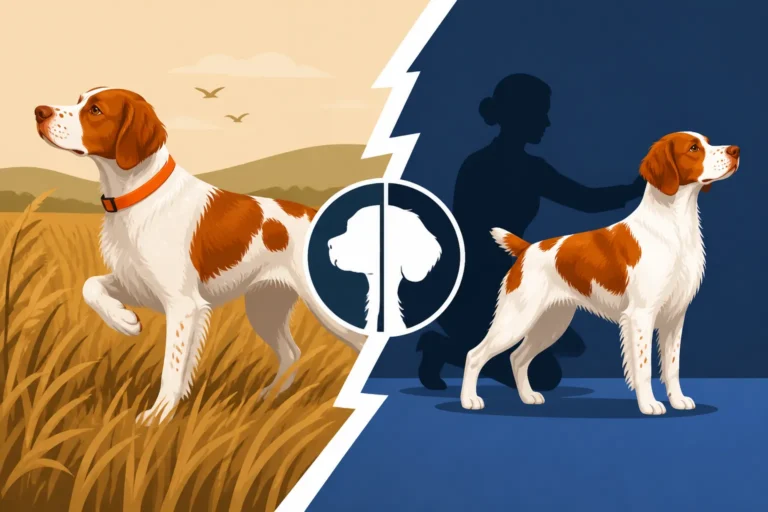
It's easy to look at a Brittany and think, "A dog's a dog, right?" But for those of us who live and breathe these incredible bird dogs, there's a subtle yet significant conversation that often comes up: the differences between a French Brittany (Epagneul Breton) and its American counterpart. While they share a common ancestor and a boundless love for the field, their paths have diverged over the decades, leading to distinct physical traits, temperaments, and hunting styles. If you're considering bringing one of these amazing companions into your life, understanding these nuances is key to finding the right fit for your home and your hunting aspirations. This guide will walk you through the fascinating evolution and characteristics that set these two beloved Brittany types apart.
The Forks in the Road: A History of Divergence
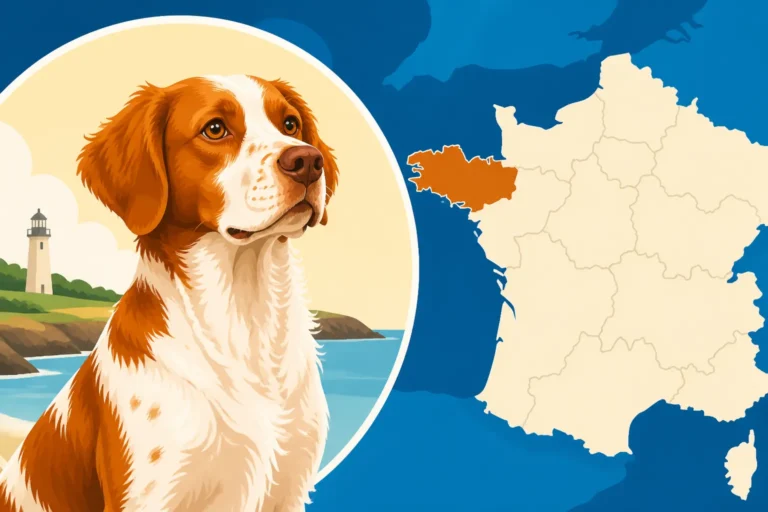
The Brittany, or Epagneul Breton as it's known in its native France, began its journey as a versatile gundog in the rugged, bird-rich region of Brittany. For centuries, these dogs were the companions of poachers and working-class hunters, prized for their ability to point and retrieve in diverse terrain. However, once the breed began to gain international recognition, particularly after its arrival in North America, its development started to take distinct paths driven by different breeding philosophies and hunting landscapes. This historical split is fundamental to understanding why the two types exhibit the characteristics they do today.
European Roots and the French Ideal
In France, the Epagneul Breton remained largely true to its original form and purpose. The French breed standard emphasized a compact, sturdy dog, perfectly suited for the foot hunter navigating varied and often dense cover. The focus was on a close-working dog, efficient and thorough, not necessarily covering vast amounts of ground but instead methodically sweeping an area. Breeders aimed for a dog that could operate effectively within sight of its handler, a partner rather than a far-ranging scout. This approach preserved many of the traits that early French hunters valued most. The history of the breed in France, and the establishment of clubs like the Club de l'Epagneul Breton, reinforced a certain look and working style. You can learn more about this foundational history by exploring Where the Brittany Comes From.
The philosophy guiding French breeding was often rooted in the idea of the "total dog"—one that excelled in both form and function, without extreme specialization. While French Epagneuls are certainly beautiful dogs, their conformation was always seen through the lens of their utility in the field. This meant maintaining a moderate size, a keen intelligence, and an inherent biddability that made them a joy to train and hunt with. The terrain and game birds in France often favored this closer, more deliberate hunting style, where a dog that could handle heavy cover and retrieve game from tight spots was more valuable than one that raced across open plains.
The American Influence and a New Horizon
When the Brittany arrived in America, particularly in the early 20th century, it encountered a very different hunting culture and landscape. The vast expanses of the American West, with its wide-open prairies and fast-moving game birds, demanded a different kind of bird dog. American breeders began to selectively breed for dogs that could cover more ground, at a faster pace, and with a stronger, bolder desire to find game. This shift wasn't a rejection of the original French type, but rather an adaptation to new demands. The focus gradually moved towards a more athletic, leggy dog capable of extended casts and covering hundreds of yards in search of birds.
The American Kennel Club (AKC) recognized the breed in 1934, initially as the "Brittany Spaniel," a name that lingered despite the dog's pointing rather than flushing tendencies. The "Spaniel" was dropped in 1982, reflecting the growing understanding of its pointing characteristics. This change also signaled a clear distinction from true flushing spaniels. American field trials, which often prioritize dogs that demonstrate impressive range and speed, further shaped the breeding direction. This emphasis on range and speed led to a slightly different physical build and a distinct hunting style that we now associate with the American Brittany. The American Brittany and Epagneul Breton Went Separate Ways article delves deeper into this fascinating split.
Physical Distinctions: More Than Meets the Eye
While both French and American Brittanys share that undeniable, intelligent Brittany sparkle in their eyes, there are definite physical differences that have emerged over their separate developmental paths. These aren't just cosmetic; they often reflect the functional roles each type was bred to perform. From their overall size and bone structure to subtle variations in coat and color, these distinctions paint a clear picture of how much they've diverged.
Size and Build: Compact vs. Leggy
One of the most immediate visual differences you might notice is in their overall stature. The French Brittany (Epagneul Breton) tends to be a more compact, squarer dog. They are typically shorter at the shoulder and often weigh a bit less than their American cousins. Think of a French Brittany as being built like a sturdy, all-terrain vehicle, designed for agility and endurance in denser cover. Their bone structure is often described as slightly heavier for their size, contributing to that robust, solid feel. You can read about How Much Shorter a French Brittany Is to get a more precise idea. This smaller, stockier build makes them incredibly efficient at navigating thick brush and timber, where a larger dog might struggle or expend unnecessary energy. They're built for turning quickly and working methodically.
On the other hand, the American Brittany generally presents a more athletic, leggy appearance. They are typically taller and often carry a bit more weight, giving them a more extended, powerful stride. American breeders prioritized dogs that could cover vast distances quickly, and a longer leg and leaner build naturally facilitate this. Imagine a sleek, fast runner built for sprinting across open fields. Their frame is often described as finer-boned, but don't mistake that for fragility – they are still incredibly robust and capable dogs designed for demanding work. This difference in build reflects the different demands placed on them by their respective hunting environments and trial traditions.
Coat, Color, and Head Shape: Subtle but Meaningful
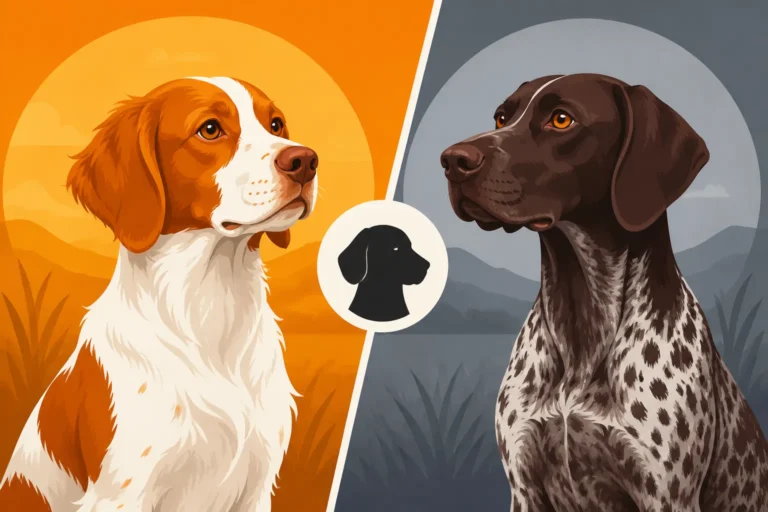
Both types of Brittanys share the same general coat characteristics – dense, fine hair that can be flat or wavy, with feathering on the legs and ears. However, there can be subtle differences. While both allow for orange and white, liver and white, and roan patterns, one key distinction often surprises people: the allowance of black in the French standard. A true French Epagneul Breton can be black and white or tricolor (black, white, and orange/tan), a color pattern that is explicitly disqualified in the American Brittany standard. This is a point of pride for some French Brittany enthusiasts and a clear visual identifier. For more on this, check out Whether Black Is Allowed in a French Brittany.
Beyond color, you might notice slight variations in head shape. French Brittanys often have a slightly shorter muzzle and a more pronounced stop, giving their face a somewhat softer, perhaps more "spaniel-like" expression, though they are certainly not spaniels in their working style. The American Brittany tends to have a slightly longer muzzle, which can contribute to a more chiseled, cleaner appearance. Eye color can also show a subtle difference; while both should have intelligent, expressive eyes, some French lines are known for slightly lighter, amber-colored eyes, though dark eyes are still preferred. The article Whether a French Brittany Has Amber Eyes explores this interesting nuance. These subtle facial differences often contribute to the overall impression each type gives off.
Temperament and Hunting Style: Where the Rubber Meets the Road
This is arguably where the most significant practical differences lie, especially for hunters. While both types are intelligent, eager-to-please, and possessive of that renowned "Brittany bird drive," their approach to finding and pointing game, as well as their general demeanor, can vary considerably due to generations of selective breeding.
Range and Speed: The Foot Hunter vs. The Wide Runner
The hallmark distinction between the French and American Brittany is their hunting range. The French Brittany is, by design, a close-working dog. They are bred for the foot hunter, staying within gun range, often working in a rhythmic pattern, or "quartering," typically within 30-50 yards of the handler. This allows the hunter to stay in control, work dense cover thoroughly, and keep track of their dog without needing extensive electronic aids. Their pace is often described as efficient and deliberate, ensuring no bird is missed in their sweep. If you prefer to walk the fields and want your dog to work in partnership, always checking in and staying visible, a French Brittany might be exactly what you're looking for. How Close a French Brittany Hunts explains this style in detail.
Conversely, the American Brittany is famous for its expansive range. These dogs are bred to cover vast distances at high speed, often ranging 100-200 yards or more from the hunter, particularly in open country. This style is ideal for covering large fields quickly, making them popular in horseback field trials where speed and a wide sweep are highly valued. They are still biddable and will check in, but their natural inclination is to hunt for distant scent and cover a lot of ground. For hunters who want to cover maximum ground and trust their dog to find birds far afield, the American Brittany's range is a huge asset. How Far an American Brittany Ranges offers more insight into this characteristic. This difference in range means that the equipment and training methods might also differ; a GPS collar, for instance, might be more of a necessity for an American Brittany working big country than for a French Brittany staying close.
Biddability and Trainability: Nuances in Sensitivity
Both types are renowned for their biddability and intelligence, making them generally easier to train than many other pointing breeds. However, there's a subtle difference in their sensitivity. The Brittany, in general, is considered a "soft" dog, meaning they respond best to positive reinforcement and gentle correction. Harsh training methods can quickly shut them down or make them timid. This characteristic is particularly true for the French Brittany, which is often described as being exquisitely tuned into its handler's moods and intentions. Their close-working style demands a high degree of cooperation and a strong bond, often built on subtle cues and trust. They want to please, and they thrive on positive interaction.
The American Brittany, while still sensitive, might tolerate a slightly firmer hand, especially if they are particularly bold and driven to range. This isn't to say they should be trained harshly, but their independent hunting style often necessitates clear, consistent communication, sometimes with the aid of an e-collar for recall over long distances. They are still incredibly intelligent and eager, but their focus can be so intense on finding birds that they might need a bit more reminding to check back in or hold a command in distracting environments. Understanding that The Brittany Is the Softest of the Pointing Breeds is crucial for both types, but the application of that understanding might vary slightly depending on the individual dog's drive and which side of the Atlantic its ancestors were bred on.
| Characteristic | French Brittany (Epagneul Breton) | American Brittany |
|---|---|---|
| Origin & Focus | France, preserving original compact form & close hunt | North America, adapted for wide-ranging, fast hunting |
| Size & Build | More compact, squarer, slightly heavier bone for size | Taller, more leggy, athletic, often finer boned |
| Typical Height | Generally 18-20 inches at shoulder | Generally 18.5-20.5 inches at shoulder |
| Weight Range | Typically 30-40 lbs | Typically 30-50 lbs |
| Allowed Colors | Orange & white, liver & white, roan, black & white, tricolor | Orange & white, liver & white, roan (no black) |
| Muzzle/Head Shape | Often slightly shorter muzzle, more pronounced stop | Slightly longer muzzle, cleaner lines |
| Hunting Range | Close working, 30-50 yards, ideal for foot hunters | Wide ranging, 100-200+ yards, ideal for covering ground |
| Hunting Speed | Efficient, deliberate, methodical | Fast, powerful, covers ground quickly |
| Biddability | Highly biddable, very sensitive to handler's cues | Highly biddable, can be bolder/more independent |
| Ideal Hunter | Foot hunter, dense cover, wants close partnership | Horseback hunter, open fields, covers vast areas |
Registration and Breed Standards: A Tale of Two Clubs
The most concrete evidence of the divergence between these two Brittany types lies in their recognition by different kennel clubs and their distinct breed standards. While both ultimately trace back to the same French origins, the separate paths taken by breeders in France and North America have resulted in different ideals for what a Brittany should be, both physically and in terms of working ability.
The French Standard and CEB US
In France, the official breed club is the Club de l'Epagneul Breton, and the breed is recognized by the Fédération Cynologique Internationale (FCI), the global canine organization. The French standard is quite specific and places a strong emphasis on maintaining the breed's original characteristics, including its compact build, moderate range, and the allowance of black in the coat. For American enthusiasts who appreciate the French type, the Club de l'Epagneul Breton des États-Unis (CEB US) serves as the primary organization. This club works to promote and preserve the French standard in North America, often registering dogs that conform to the European ideal and participate in events that mimic the French hunting style.
For an owner of a French Brittany, understanding the CEB US and its criteria is crucial. Registration with CEB US typically means your dog meets the specific French standard for conformation and often demonstrates the appropriate hunting aptitude. These clubs often emphasize a particular approach to testing and titling that values efficiency and control in the field over sheer speed and range. If you are looking for a true "Epagneul Breton" experience in North America, becoming familiar with CEB US is essential, as the AKC does not differentiate between the two types in its registry or events. The question of Whether a French Brittany Registers With the AKC is a common one, and the answer is usually that they register as "Brittanys" without specific distinction, which can sometimes be confusing for those seeking pure French lines.
The American Standard and the AKC
The American Brittany is recognized by the American Kennel Club (AKC), which has its own breed standard. This standard reflects the breeding trends that developed in the United States, favoring a slightly taller, more leggy dog with a wider hunting range. Crucially, the AKC standard explicitly disqualifies black in the coat, which is why you will never see an AKC-registered American Brittany with black markings. The American Brittany Club (ABC) is the parent club for the breed in the U.S. and works to uphold the AKC standard through conformation shows, field trials, and hunting tests.
The AKC's emphasis on field trials, particularly those designed for fast, wide-ranging dogs, has had a profound impact on the American Brittany's development. While there are certainly AKC Brittanys that work closer, the champions in the field trial world are often celebrated for their ability to cover immense amounts of ground with speed and power. This can lead to a dog that, while brilliant in its own right, might be a different proposition for a foot hunter than a French Brittany. When considering an American Brittany, understanding the specific lineage—whether it comes from strong field trial lines or conformation lines (or both, for the highly prized Dual Champions)—is important, as this can influence its natural working style and temperament. You might wonder if Whether a French Brittany Suits an American Hunter, and the answer really depends on the hunter's preferred style.
Living with a French vs. American Brittany: Practical Considerations
Beyond the historical and standard-based differences, what does this all mean for someone living with or considering a Brittany? The choice between a French and an American Brittany often comes down to lifestyle, hunting preferences, and what you're looking for in a canine companion. Neither is inherently "better" than the other; they are simply different tools for different jobs, and different personalities for different families.
Exercise Needs and Lifestyle Compatibility
Both types of Brittanys are high-energy dogs, absolutely. They were bred to hunt all day, and that innate drive doesn't simply disappear because they're living as family pets. However, the intensity and type of exercise they need can differ subtly. An American Brittany, with its genetics geared towards wide-ranging speed, often requires more sustained, high-intensity exercise to truly be content. Think long runs, intense games of fetch, or extended sessions of off-leash exploration. If an American Brittany doesn't get enough physical and mental stimulation, you might see behaviors like excessive barking, destructive chewing, or general restlessness – a bored Brittany is not a happy Brittany, and it definitely won't be a happy you! You can find many enriching toys and exercise tools on sites like Chewy to help manage their energy.
A French Brittany, while still requiring significant exercise, might be more content with a vigorous daily walk, consistent training sessions, and plenty of yard time, provided they are also getting mental stimulation. Their closer-working nature means they might be satisfied with a more focused, shorter burst of activity rather than a mile-eating marathon. They still need to run, no doubt, but perhaps less distance or sustained speed to feel fulfilled. This isn't a hard and fast rule, as individual dogs vary, but it's a general tendency. For instance, Whether a French Brittany Suits a Walking Hunter is often answered with a resounding "yes" precisely because of this difference in inherent range and exercise needs.
Finding a Breeder and Assessing Suitability
When you're looking for a Brittany puppy, understanding the distinctions is crucial for finding a reputable breeder. If you desire a French Brittany, you'll want to seek out breeders who specifically advertise their Epagneul Bretons, are affiliated with CEB US, and can show you pedigrees that trace back to French lines. They will emphasize traits aligned with the French standard, both in conformation and hunting style. You should always expect a breeder to be transparent about the health testing they conduct, regardless of type, including common concerns like hip dysplasia. What a Brittany Spaniel Breeder Should Have Tested provides excellent guidance on this.
For an American Brittany, you'll look for breeders registered with the AKC and often members of the American Brittany Club. These breeders will typically focus on the AKC standard and may highlight their dogs' achievements in AKC field trials or conformation shows. Again, health testing is paramount. Always ask about the parents' hip scores, eye certifications, and any other relevant health screenings. Visiting a breeder and observing the temperament of the parent dogs is invaluable. Pay attention to how the dogs interact with their environment, other dogs, and people. A good breeder will be able to articulate the differences between their lines and why they've chosen to breed for certain characteristics.
Training and Field Application
The training approach, while fundamentally similar for both types (positive, consistent, patient), will be adapted to their natural tendencies. With a French Brittany, the focus will often be on refining their close-working style, reinforcing methodical quartering, and ensuring a strong, consistent check-in. They are often incredibly sensitive to subtle hand signals and voice commands, making them a joy to guide in the field. Training can be focused on building that close, responsive partnership.
For an American Brittany, while the basics are the same, more emphasis might be placed on solidifying a reliable recall over long distances and channeling their expansive drive. An electronic collar, used responsibly and correctly, can be a valuable tool for communicating with a wide-ranging American Brittany, especially in open country where verbal commands might not carry. The goal is to harness their incredible desire to hunt without stifling their natural talent for covering ground. Whether a Brittany Needs an E Collar depends on the individual dog and hunting style, but it's often more common with American Brittanys. Regardless of type, early socialization, consistent puppy training, and exposure to various environments and sounds (including guns, introduced carefully) are essential for a well-adjusted gun dog and family companion.
Ultimately, both the French and American Brittanys are magnificent dogs, full of life, intelligence, and an unparalleled passion for birds. The "best" choice isn't about which is superior, but which one aligns best with your individual hunting style, living situation, and personal preferences for a canine partner.
Disclaimer
This article is for general informational purposes only and does not constitute professional advice. Laws, prices and regulations vary by location and change over time. Consult a qualified professional for guidance on your specific situation.