Whether a Brittany Breeder Should Let You See the Dam Hunt
When you're looking for a Brittany Spaniel puppy, especially one you hope will join you in the field, there's often a lot of talk about genetics and natural ability. You might hear breeders boast about their lines, but how do you really know what you're getting? One of the most common questions, and a very valid one, is whether you can actually see the dam (the mother dog) hunt. It’s a completely reasonable request, as seeing a parent in action can tell you a huge amount about what to expect from her offspring, both in terms of instinct and temperament. This guide will help you understand why this is such an important question and what to consider when evaluating a breeder's response.
The Deep Importance of Seeing the Dam Hunt
It’s easy for a breeder to tell you their dogs are great hunters, that they come from champion lines, or that they have incredible bird drive. But words are just words. Actually seeing the dam—the very mother of your potential puppy—perform in a hunting scenario is like getting a sneak peek into your puppy's future. It’s not just about proving the breeder’s claims; it’s about understanding the innate qualities that are passed down through generations.
Instinct and Natural Ability in Action
Brittanys are renowned for their natural bird-finding abilities and their intense desire to hunt. This isn't just something you train into them; a significant portion of it is genetic. When you observe the dam, you're watching her instincts at play. Does she quarter the field effectively? Does she work with her nose high, really scenting the air, or is she more ground-focused? Does she demonstrate a strong, confident point? These aren't just parlor tricks; they're the foundational behaviors that make a Brittany a phenomenal hunting companion. If the dam shows a lack of interest, or struggles to find birds, it raises legitimate questions about the strength of those instincts in her puppies. You want to see that spark, that drive, that clear understanding of the hunt, because it’s a powerful indicator of what her pups will inherit.
Temperament Under Pressure
Hunting isn't just about finding birds; it's also about a dog's composure, focus, and biddability in a high-stimulus environment. A good hunting dog needs to be enthusiastic yet controllable, driven yet responsive to its handler. Observing the dam allows you to assess her temperament when she's "on." Is she overly anxious or distracted? Does she get easily frustrated? Or does she maintain a calm focus, even as she’s intensely working a bird? A skittish or overly independent dam might pass those traits on, making your training journey more challenging. You want a dog that's bold but not reckless, persistent but not stubborn. A dam that works cooperatively and happily with her handler, even amidst the excitement of the hunt, is a strong indicator of a desirable temperament for her puppies. This observation can also give you insight into What a Brittany's Temperament Is Really Like in a working environment.
Proving a Breeder's Claims
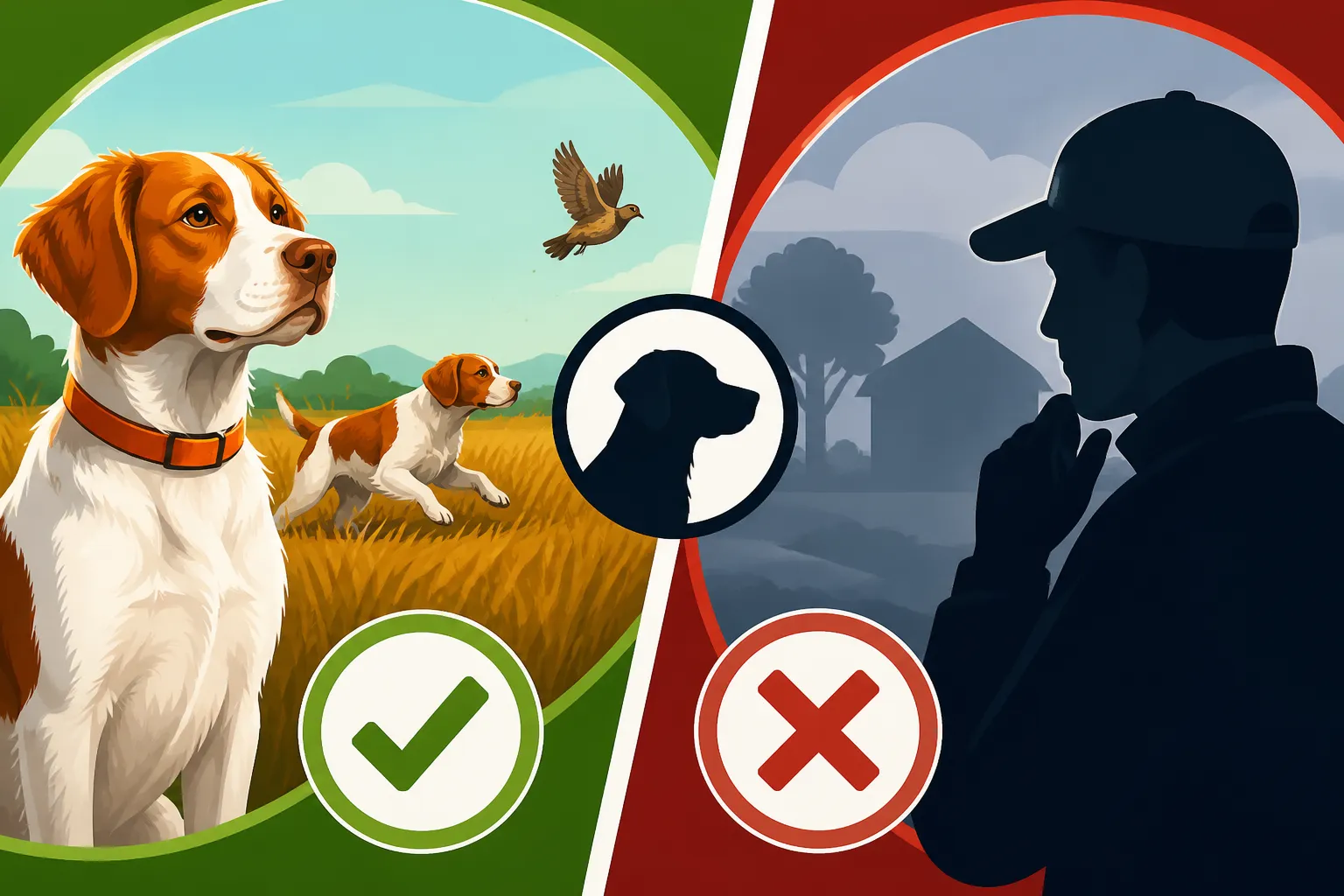
Any reputable breeder will be proud to show off their dogs. If a breeder is confident in their breeding program and the hunting prowess of their dogs, they should welcome the opportunity to demonstrate it. Being able to witness the dam hunt confirms that the breeder isn't just selling "paper dogs" with impressive pedigrees but actual, proven working animals. It adds a layer of transparency and trust that simply looking at titles or certificates cannot provide. It shows they walk the talk. After all, you're making a significant investment in a puppy, both financially and emotionally, and you deserve to feel confident in its potential. Asking Which Questions to Ask a Brittany Breeder often includes this very point.
What to Look For When Observing a Hunting Dam
So, you've managed to arrange a viewing (or perhaps the breeder has videos, which is a good alternative!). What exactly should you be scrutinizing during the dam's hunt? It's more than just seeing if she finds a bird. It's about the entire process.
Bird Finding and Scenting Ability
The hallmark of a great pointing dog is its nose. Pay close attention to how the dam uses her scenting ability. Does she quarter the field methodically, covering ground efficiently while working the wind? Or does she run aimlessly, seemingly relying on luck? A Brittany should be a natural at using the wind to its advantage, working into it to pick up bird scent. Watch if she makes subtle changes in direction or pace when she hits scent, indicating she's processing the information. A truly talented dam will consistently find birds in varied cover and conditions, demonstrating a keen nose and intelligent searching pattern. This is the core skill that makes a Brittany so effective, a foundational trait that a puppy needs to inherit to truly flourish in the field. This directly relates to How a Brittany Finds Its First Bird.
The Point: Intensity and Steadiness
Once she’s found a bird, how does she point? Brittanys are known for their intense, stylish points. You want to see a solid, unwavering point, where she locks up decisively. Does she hold her point with confidence until the handler arrives? Or does she creep, inching closer to the bird, potentially bumping it and causing it to flush prematurely? Steadiness is key. While some creeping can be corrected with training, an inherently unsteady dog can be frustrating. Also, observe her body language: Is her tail high and vibrating? Is she fully focused, almost mesmerized by the scent? A strong, natural point is a thing of beauty and a vital trait for any pointing breed. Remember, The Brittany Points, It Does Not Flush, so a strong point is paramount.
Handling and Biddability
Even the most talented bird dog needs to work with its handler. Watch how the dam responds to commands. Does she come when called, even when excited by bird scent? Does she obey "whoa" (if she's already trained on it) or other directional cues? A good hunting Brittany is a team player. You don't want a dog that's so independent it ignores you, no matter how many birds it finds. This demonstrates biddability – her willingness to be trained and to work cooperatively. If she’s constantly running out of range or ignoring her handler, it could be a sign of a challenging temperament for a puppy, and you might find yourself needing a lot more training time, potentially incurring costs for professional help if you struggle with her range, as discussed in What a Professional Gun Dog Trainer Charges for a Brittany.
| Trait Category | What to Look For | Potential Red Flags |
|---|---|---|
| Bird Sense | Methodical quartering, high nose, adjusts to wind. | Running aimlessly, missing obvious scent, bumping birds. |
| Pointing Style | Intense, confident, steady, unwavering lock-up. | Creeping, breaking point, hesitant or half-hearted point. |
| Temperament | Focused, calm under pressure, responsive to handler. | Skittish, overly anxious, easily distracted, stubborn. |
| Physicality | Energetic, covers ground easily, good stamina. | Appears lethargic, tires quickly, shows discomfort. |
| Drive/Desire | Passionate, persistent, eager to find and work. | Appears bored, easily gives up, lacks enthusiasm. |
Practicalities and Challenges of Seeing a Dam Hunt
While seeing the dam hunt is ideal, it’s not always possible, and a good breeder will be upfront about the realities. There are legitimate reasons why a direct observation might be difficult.
Seasonality and Timing
The most obvious challenge is hunting season. Most upland bird seasons are relatively short, typically running from fall into early winter. If you're looking for a puppy in the spring or summer, it's simply not hunting season. Breeders often have litters throughout the year, so aligning your puppy search with hunting season can be tricky. Asking to see a dam hunt in July for a November litter isn't realistic. A breeder might, however, be able to demonstrate in a training situation with planted birds, which can still provide valuable insight, even if it's not a true wild bird hunt.
Logistics and Location
Hunting typically takes place in specific, often remote, locations. It’s not always practical for a breeder to invite every prospective puppy buyer out to a private hunting lease or remote public land. Access can be limited, and sometimes safety is a concern, especially during live bird hunts. Furthermore, if you're not local to the breeder, traveling a great distance to observe a hunt can be a significant undertaking, both in terms of time and cost.
Alternatives to Direct Observation
If a direct hunt observation isn't feasible, don't immediately dismiss the breeder. A good breeder will have alternatives. They might offer extensive video footage of the dam hunting, working birds, or performing in hunt tests or field trials. These videos can be incredibly informative, showing you her range, point, retrieve, and overall style. They might also provide references from other puppy buyers who have seen the dam hunt or from professional handlers or judges who have evaluated her. Another excellent alternative is to attend a local hunt test or field trial where the dam (or her close relatives) might be competing. This allows you to see the dogs work in a competitive, yet structured, environment. Many breeders also participate in these events and would be happy to discuss their dogs and show you relevant documentation. You might even find yourself inspired to pursue titles like What a Brittany Needs to Earn a Junior Hunter Title with your own future pup!
Red Flags and Other Ways to Assess a Breeder
While a direct demonstration of hunting ability is fantastic, its absence isn't always a deal-breaker. However, how a breeder responds to your request is very telling.
Breeder Transparency and Communication
A red flag isn't necessarily that the breeder can't show you the dam hunt, but how they handle the request. If a breeder is evasive, defensive, or dismissive when you ask about seeing the dam hunt, that should give you pause. A truly reputable breeder will be transparent. They’ll explain why a direct observation might not be possible (e.g., "it's out of season, but I have this extensive video library" or "my hunting grounds are private, but I can introduce you to my hunting buddies who have seen her in action"). They should be eager to provide any and all evidence of their dogs' working ability. Be wary of breeders who only talk about pedigrees and titles but offer no real-world proof.
Pedigree and Performance Records
Even without seeing the dam hunt, a breeder should be able to provide a comprehensive pedigree that's rich with titled dogs – especially Field Champions (FC), Amateur Field Champions (AFC), and Dual Champions (DC). Look for titles that indicate proven hunting ability, not just show conformation titles (though those are great too!). Ask about the sire's (father's) hunting abilities as well, and ideally, you would see evidence of his performance too, whether in person or via video. Breeders should also be able to discuss the health clearances of both parents, including hips, elbows, and eyes. This holistic approach ensures you’re not just getting a dog with potential, but a healthy one too. Many breeders use services that track health results, and a responsible breeder will be happy to show you these.
Observing the Dam in Other Settings
If you can't see her hunt, observe the dam in her home environment. Even in a backyard, you can gauge her energy levels, alertness, and overall demeanor. Does she seem keen, intelligent, and physically fit? Is she attentive to her owner? While this won't show you her point or quartering skills, it can give you a sense of her general athleticism and intelligence, which are vital for a hunting dog. Pay attention to how she interacts with people, other dogs, and her surroundings. A healthy, well-adjusted Brittany, regardless of hunting performance, should be energetic and curious. Make sure to ask about her daily routine and how much exercise she gets, especially during the off-season. A working Brittany needs substantial exercise even when not hunting to stay fit, and some owners might rely on premium food brands like Ollie or quality supplies from Chewy to keep their dogs in top condition year-round. They might also need specific care to manage their energy and health, as covered in topics like Whether a Brittany Needs More Food in Season or addressing What a Brittany's Field Injuries Cost in a Season if they are indeed hunting regularly.
Breeder's Knowledge and Passion
A truly dedicated Brittany breeder lives and breathes these dogs. They should be able to talk endlessly about the breed's history, their specific lines, the challenges and joys of training, and the nuances of hunting with a Brittany. They should ask you just as many questions about your experience, your lifestyle, and your goals for the puppy as you ask them. Their passion and knowledge are often reflected in the quality of their dogs, even if a direct hunting demonstration isn’t possible. They might even be able to share insights on things like Whether a Brittany Is Easy to Ruin With a Gun, showing their understanding of sensitive training needs.
In conclusion, while seeing the dam hunt is a fantastic window into your future puppy's potential, it's one piece of a larger puzzle. A reputable breeder will always strive for transparency, whether through direct demonstration, videos, references, or a thorough discussion of their dogs' proven abilities and health records. Do your homework, ask the tough questions, and trust your gut feeling about the breeder and their dogs. Looking into pet insurance options from providers like Healthy Paws can also give you peace of mind knowing your future hunting companion will be covered for any unforeseen vet bills that might arise.
Disclaimer
This article is for general informational purposes only and does not constitute professional advice. Laws, prices and regulations vary by location and change over time. Consult a qualified professional for guidance on your specific situation.