Whether a Brittany Needs Snacks in the Field
As a Brittany owner and avid outdoors enthusiast, I've seen firsthand the sheer boundless energy these dogs possess when they're out doing what they love – hunting. It's exhilarating to watch them work, but it also brings a very real concern for their well-being: do our Brittanys actually need snacks in the field to keep that fire going, or are their regular meals enough? This guide will dive deep into the nutritional demands of a working Brittany and explore practical strategies for fueling them effectively during those long, active days.
The Energy Demands of a Working Brittany
Let's be honest, a Brittany isn't just a dog; it's a finely tuned, feathered athlete built for endurance and explosive bursts of energy. When you unleash your Brittany in the field, you're not just taking them for a stroll; you're engaging them in an intense, full-body workout that burns calories at an astonishing rate. Ignoring these unique energy demands can lead to fatigue, decreased performance, and even potential health issues over time.
Fueling a High-Performance Machine
Think about yourself on a long hike or a strenuous run. You wouldn't just rely on breakfast to carry you through hours of intense activity, would you? The same principle applies, perhaps even more so, to our Brittanys. These dogs are constantly on the move, quartering fields, pushing through thick cover, and holding steady points. All of this demands a constant supply of easily accessible energy. Their metabolism is working overtime, drawing on glycogen stores in their muscles and liver. Without replenishment, these stores can deplete rapidly, leading to a noticeable drop in their drive and stamina. It's a cruel irony to see a dog, bred for such enthusiasm, start to flag because their tank is empty. We often discuss How Much a Working Brittany Eats in a Month or How Much More a Brittany Eats in Hunting Season, but sometimes, even increased meal portions aren't enough to cover the immediate demands of a hunt.
Imagine a crisp autumn morning. Your Brittany is tearing across a stubble field, nose to the ground, absolutely dialed in. After an hour or two of this intense work, pushing through tall grass and navigating varied terrain, those muscles are burning through fuel. Their body is prioritizing energy for movement, heat regulation, and mental focus. If you haven't provided easily digestible fuel, they'll start dipping into reserves, which isn't sustainable for multiple hours or multiple days in a row. This isn't just about performance; it's about preventing the physical strain that comes from running on empty.
When a Brittany Needs More Than Just Meals
While a high-quality performance dog food is the foundation of a working Brittany's diet, there are specific scenarios where field snacks become not just beneficial, but arguably essential. Long hunting days, especially those extending beyond a few hours, are the most obvious. If you're planning a full morning or an all-day hunt, relying solely on a morning meal is setting your dog up for a crash. Similarly, multi-day hunting trips demand consistent energy input. A single big meal isn't enough to sustain energy and recovery over several consecutive days of strenuous activity.
Weather conditions also play a huge role. Cold weather forces your Brittany's body to burn more calories just to stay warm, even when resting. Add intense exercise to that, and their energy needs skyrocket. Conversely, working in hot, humid conditions, where overheating is a concern, can also sap energy quickly, as their body works harder to cool down. In such cases, easily digestible snacks can provide a needed boost without adding heavy bulk. Think about a dog recovering from a long retrieve in cold water; a quick, energy-dense snack can help them rebound and regulate body temperature more efficiently. This careful management ties into topics like Keeping a Brittany Warm and Cool in the Field and How Much a Brittany Should Drink on a Hunt.
Types of Field Snacks and Their Benefits
Choosing the right type of snack is crucial. It's not just about giving them anything; it's about providing the right kind of fuel for their specific needs in the field. We're looking for things that are highly digestible, energy-dense, and won't upset their stomach.
Quick Energy Boosters
For those moments when your Brittany needs an immediate pick-me-up, quick energy boosters are your best friend. These snacks are typically high in simple carbohydrates or easily metabolized fats, providing a rapid infusion of glucose or fatty acids into the bloodstream. Think of them as the canine equivalent of a sports gel for human athletes.
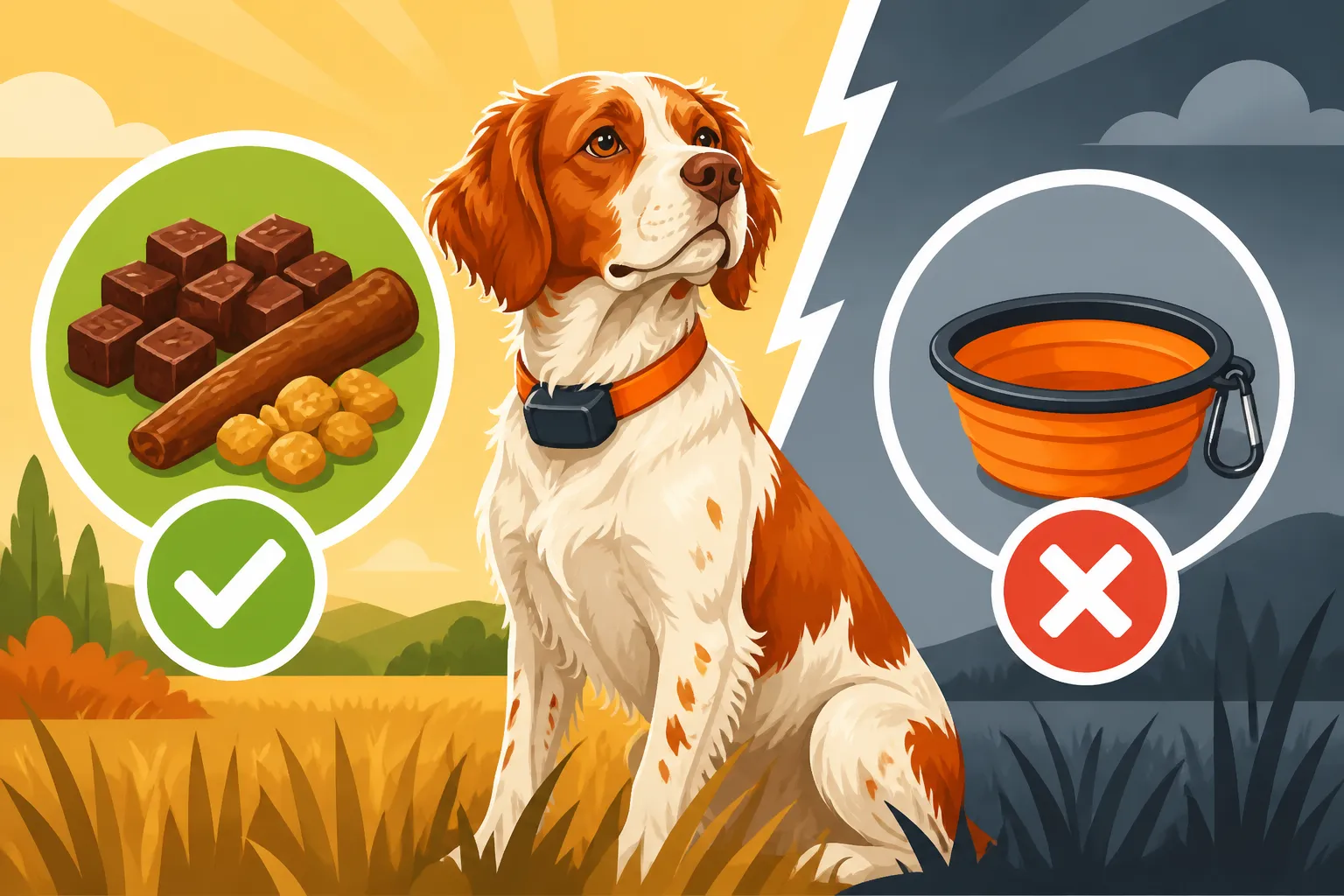
One excellent option is cooked, unseasoned sweet potato or pumpkin. These are packed with natural sugars and digestible fiber, offering a quick energy burst that's gentle on the stomach. Many commercial training treats also fall into this category, designed for quick reward and energy. Look for options with real meat or fruit as primary ingredients. Another surprisingly effective booster can be a small amount of honey or even a commercial canine energy paste (often found on Amazon or Chewy). These are fantastic for a dog that's starting to slow down mid-morning or needs a little extra push for that last bird. Just a small dollop can make a difference. The key is small portions that can be quickly absorbed without causing digestive distress.
Sustained Release Options
For longer stretches between breaks or to maintain steady energy throughout the afternoon, you'll want snacks that offer a more sustained release of energy. These typically contain a balance of complex carbohydrates, proteins, and healthy fats, which are broken down more slowly, providing a consistent fuel supply.
Lean cooked meats, like chicken breast or turkey, are fantastic. They offer high-quality protein for muscle repair and sustained energy without being overly fatty. Hard-boiled eggs are another excellent source of protein and fat, providing a slow-burning fuel. Some performance-focused dog biscuits or bars, designed for active dogs, also fit this bill. When exploring options, you might find that services like Ollie, known for their fresh, human-grade dog food, can even inspire homemade field snack ideas that you can portion out and bring along. These types of snacks help to prevent the sharp energy dips that can come with relying solely on quick boosters. They help keep your Brittany's blood sugar stable, allowing them to maintain their focus and drive for extended periods.
Hydration and Electrolytes
While not strictly "snacks," proper hydration and electrolyte replenishment are absolutely critical and often go hand-in-hand with field nutrition. Water is paramount; without it, no amount of food will keep your Brittany performing. Dehydration significantly impacts stamina and can lead to serious health problems, especially when your dog is working hard. Always carry ample fresh water and offer it frequently. How Much Water a Brittany Needs on a Hunt is a critical question every owner should ask themselves before heading out.
Electrolyte supplements, often found in powders or liquid forms, can be mixed into water. These replace essential salts and minerals lost through sweating and heavy exertion, helping to maintain fluid balance and nerve function. They're particularly useful on hot days or during exceptionally strenuous hunts. Some owners even freeze diluted chicken or beef broth in small containers to offer as an icy treat that provides both hydration and a palatable electrolyte boost. These aren't meant to replace water but to complement it, especially when you notice your dog is panting heavily or has been working consistently for hours. Remember, field setup should always include What a Brittany's Field Water Setup Costs and how to effectively use it.
Practical Considerations for Field Snacking
It's one thing to know what to feed, but how and when you do it is just as important. Thoughtful planning prevents mess, waste, and potential stomach upset.
Timing and Frequency
The golden rule for field snacks is "little and often." Large amounts of food given at once can cause stomach upset, lead to bloat (a serious concern for deep-chested breeds like Brittanys), or simply weigh your dog down. Instead, offer small portions every 1-2 hours, or during planned breaks.
A common strategy is a small, easily digestible snack about an hour into the hunt, followed by another mid-morning, and then a more substantial snack during a longer lunch break. If you're out all afternoon, repeat the smaller, quick-energy snacks. Always observe your dog; if they seem lethargic or are lagging, it might be time for a snack break. However, avoid feeding immediately before or right after intense exercise. Give them about 20-30 minutes to cool down and relax before offering food, and ensure they have access to water throughout. This helps prevent gastrointestinal issues and allows their body to focus on digestion rather than strenuous activity.
Portability and Storage
Field snacks need to be practical. That means easy to carry, resistant to spoilage, and simple to administer. Ziploc bags, small airtight containers, or reusable silicone pouches are excellent for keeping individual portions fresh and preventing smells from attracting unwanted attention (or critters!). You'll want to avoid anything that melts easily in warm weather or freezes solid in cold weather.
Consider a dedicated treat pouch that clips to your belt or vest for quick access. Collapsible silicone bowls are perfect for offering water or wet food/broth without taking up much space. If you're preparing homemade snacks, cooking and dehydrating lean meats into jerky-like strips can make them incredibly portable and shelf-stable. For commercial options, many brands offer individually wrapped bars or chews that are designed for rugged outdoor use. Always pack a few extra napkins or wipes for sticky hands and dirty muzzles! Finding durable and practical gear is easy on sites like Amazon or Chewy.
Avoiding Common Pitfalls
Even with the best intentions, there are a few traps Brittany owners can fall into when it comes to field snacking. First and foremost, avoid "people food" that isn't specifically dog-safe. While a small piece of plain cooked chicken might be fine, rich, seasoned, or fatty human foods can cause severe stomach upset, pancreatitis, or even be toxic. Stick to known safe ingredients.
Secondly, don't introduce new foods on a hunt. Always test any new snack at home first to ensure your Brittany tolerates it well without any digestive issues. The last thing you want is a sick dog miles from the truck. Also, be mindful of overfeeding. While your dog is burning a lot of calories, excessive snacking can still lead to weight gain or an upset stomach. It's a delicate balance. Remember that Whether a Brittany Bloats is a real concern, so manage meal sizes carefully. Finally, ensure all packaging and waste are properly disposed of. Leaving wrappers or uneaten food behind is not only bad for the environment but can attract wildlife or become a hazard to other dogs.
Choosing the Right Snacks for Your Brittany
With so many options out there, how do you narrow down the best choices for your specific Brittany? It comes down to understanding ingredients, considering commercial versus homemade, and finding what works best for your dog's individual needs.
Reading Labels and Ingredients
When you're looking at commercial dog snacks, flip that package over and read the ingredient list carefully. For working dogs, you want to see real meat as the first ingredient – chicken, beef, turkey, or lamb. Look for whole food sources of carbohydrates like sweet potato, brown rice, or oats, rather than fillers like corn, wheat, or soy, which can be harder to digest for some dogs and offer less nutritional value.
Avoid artificial colors, flavors, and preservatives. While some preservatives are necessary for shelf stability, opt for natural ones like mixed tocopherols (Vitamin E). Added sugars should be minimal, if present at all, and definitely not among the first few ingredients. You're looking for nutrient-dense options that provide sustained energy and support muscle function. If you're still uncertain about performance foods, you might want to look into Whether a Working Brittany Needs a Performance Food.
Brand Considerations
There are many reputable brands out there that cater to active and working dogs. Sites like Chewy and Amazon offer a vast selection of performance-oriented treats, from high-protein jerky to energy bars specifically formulated for canine athletes. Companies like Purina Pro Plan Sport, Eukanuba, and even some smaller, specialized brands often have lines designed to meet the rigorous demands of hunting dogs.
When selecting, consider the texture and size of the snack. A small, easily chewed piece is better for a quick field break than something large and crumbly. Some owners also prefer fresh food options. As mentioned, services like Ollie provide human-grade, fresh dog food which can sometimes be portioned into appropriate field snacks, or at least inspire the kind of high-quality ingredients you should be looking for in any commercial treat. Always check reviews, but remember that what works for one dog might not work for another.
Homemade vs. Commercial
Both homemade and commercial snacks have their place in a working Brittany's diet. Homemade snacks offer ultimate control over ingredients, allowing you to tailor them precisely to your dog's dietary needs and preferences. You can make batches of cooked chicken, sweet potato bites, or even dehydrated liver treats. This can often be more cost-effective in the long run and ensures no questionable additives.
| Snack Type | Pros | Cons | Best Use Case |
|---|---|---|---|
| Cooked Meats (chicken, turkey) | High protein, easily digestible, palatable | Requires preparation, shorter shelf life | Sustained energy, muscle support |
| Sweet Potato/Pumpkin | Quick carbs, fiber, gentle on stomach | Can be messy, needs cooling | Quick energy boost, digestive aid |
| Hard-Boiled Eggs | Protein, healthy fats, portable | Can be messy if not peeled cleanly | Sustained energy, rich nutrition |
| Commercial Performance Treats | Convenient, balanced, energy-dense | Ingredient quality varies, can be pricey | Quick boost, easy travel, specific nutrient profiles |
| Dehydrated Meats | Long shelf life, high protein, lightweight | Requires dehydrator/time, can be expensive | Sustained energy, high reward |
| Electrolyte Supplements | Replenishes vital minerals, aids hydration | Not a food source, some dogs dislike taste | Hot weather, long duration, intense exertion |
| Peanut Butter (Xylitol-free!) | High fat/protein, energy-dense, palatable | Sticky, high calorie, portion control needed | High reward, quick energy, cold weather |
The downside of homemade is the time and effort involved, plus the challenge of keeping them fresh in the field without refrigeration. Commercial snacks, on the other hand, offer unparalleled convenience and often come with scientifically formulated nutritional profiles for working dogs. They're designed for portability and shelf stability. The drawback can be the cost and the need to scrutinize ingredients carefully to avoid fillers or artificial additives. Many Brittany owners find a balance, using homemade options when possible and relying on trusted commercial brands for convenience on the go. Regularly assessing Whether a Brittany Needs Joint Supplements or Whether a Brittany Needs Fish Oil might also influence your choice of commercial treats that include these beneficial ingredients.
Ultimately, whether your Brittany needs snacks in the field comes down to the intensity and duration of their activity. For short outings, their regular meals might suffice. But for long hunting days, multi-day trips, or particularly challenging conditions, smart, well-chosen field snacks are an invaluable tool to keep your loyal hunting partner performing at their best, healthy, and happy. It's about proactive care, ensuring their engine never runs out of fuel when they're living their best, bird-driven life.
Disclaimer
This article is for general informational purposes only and does not constitute professional advice. Laws, prices and regulations vary by location and change over time. Consult a qualified professional for guidance on your specific situation.