Whether a Brittany’s Collar Rubs on a Long Day
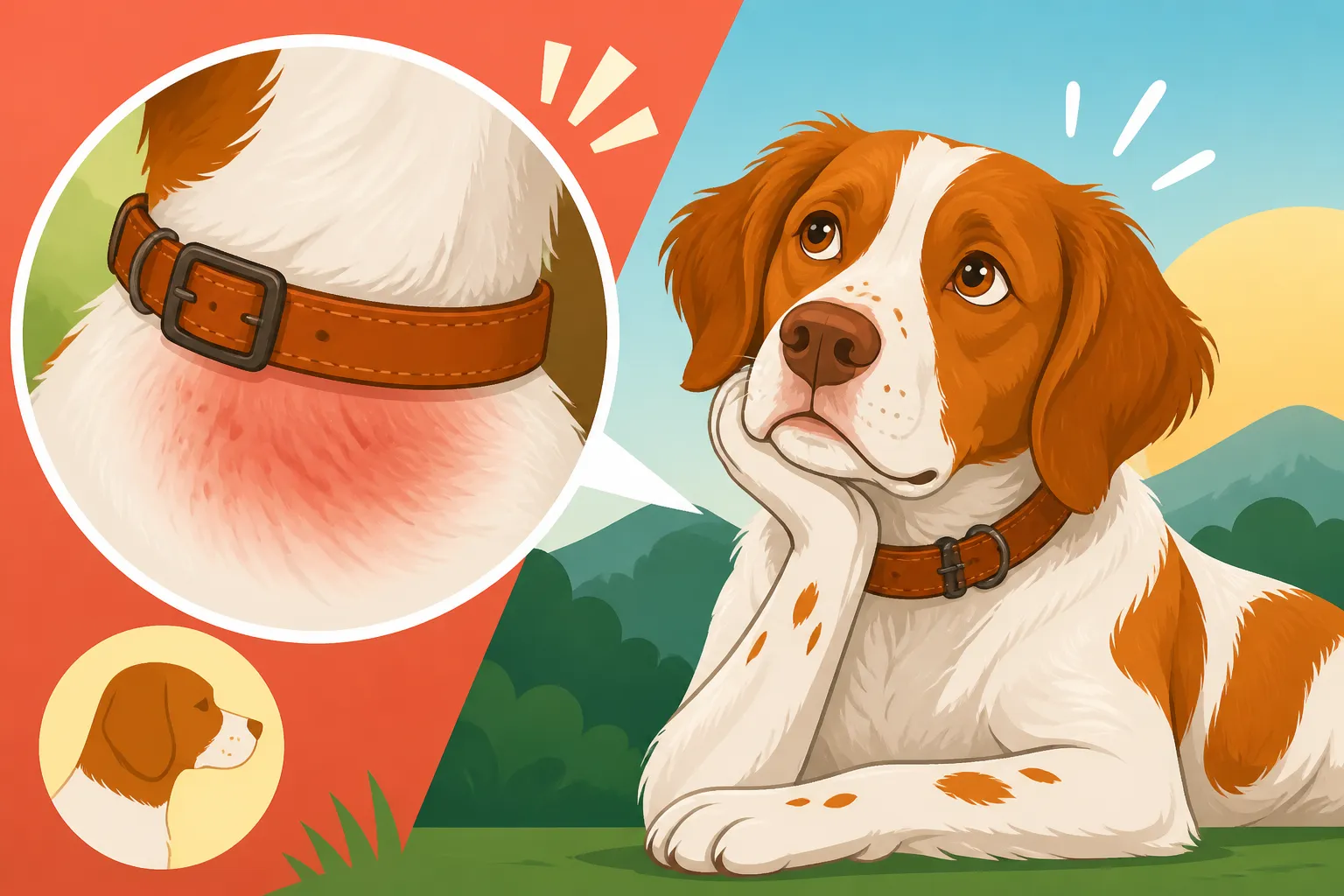
It’s a scenario every Brittany owner knows all too well: you’ve had a long, fantastic day out in the field, your Brittany has worked its heart out, and as you’re giving them their post-hunt rub-down, you notice something unsettling around their neck. Redness, a patch of worn-away hair, maybe even a tender spot or a developing sore. That’s a collar rub, and it’s a frustrating issue that can quickly turn a glorious day into a worry. This guide will walk you through why these rubs happen, how to prevent them, and what to do if your beloved bird dog suffers from one.
Understanding the Risk: Why Collars Can Rub and What to Look For
Brittanys are dynamic, high-energy dogs, bred for tireless work in diverse terrains. Their active nature, combined with the equipment they wear, makes them susceptible to various forms of chafing and skin irritation, with collar rubs being a particularly common culprit. When a dog is constantly moving—running, pointing, retrieving, pushing through thick cover—their collar moves with them, but not always smoothly. This constant friction, especially over many hours, can take a toll on their skin and coat.
The Mechanics of Collar Rubs
Think of it like a new pair of shoes rubbing a blister on your heel. The principle is much the same for your Brittany. The repetitive back-and-forth or side-to-side motion of the collar against the skin generates friction. This friction can irritate the epidermal layer, leading to redness, inflammation, and eventually, hair loss as the delicate strands are rubbed away. In more severe cases, the skin can break, creating open sores that are not only painful but also ripe for bacterial infection, especially in the dirty, damp environments where Brittanys often thrive. This can be a real setback for a hunting dog, as a painful neck can make them reluctant to wear a collar or even work effectively.
Identifying the Signs of a Rub
Early detection is key to preventing a minor irritation from escalating into a serious problem. After every long day, or even a particularly energetic walk, make it a habit to thoroughly check your Brittany's neck area. Gently part their fur and look for:
- Redness: This is often the first sign, appearing as a pink or reddish patch where the collar sits. It might be subtle at first, especially on a dog with darker skin, so look closely.
- Hair Loss or Thinning: You might notice the fur around the collar line becoming sparse or completely worn away. This is a clear indicator of sustained friction. Why a Brittany's Feathering Hides Skin Trouble also highlights how their dense coat can hide these issues, making a thorough check even more important.
- Skin Irritation or Bumps: The skin might feel rough, bumpy, or slightly swollen. Sometimes, small pustules can form if bacteria have invaded.
- Scabbing or Open Sores: This indicates a more advanced rub. Scabs are the body’s attempt to heal, but open sores are vulnerable and painful.
- Tenderness or Sensitivity: If your Brittany flinches, pulls away, or shows discomfort when you touch their neck area, it's a strong sign something is amiss. They might also scratch or rub their neck more frequently.
- Moisture or Odor: If the rub has progressed to a wound, you might notice dampness or an unpleasant smell, signaling infection.
Catching these signs early means you can address the issue before it impacts your Brittany's comfort, health, or desire to perform.
Factors Contributing to Collar Rubs in Brittanys
Several elements combine to increase the likelihood of collar rubs. It’s rarely just one thing, but often a perfect storm of circumstances that leads to irritation. Understanding these factors can help you mitigate the risks effectively.
Collar Type and Material
The very thing designed to keep your dog safe and identifiable can sometimes be the source of their discomfort. Not all collars are created equal, especially when considering the demanding life of a Brittany.
- Nylon Collars: These are common, durable, and affordable. However, some rougher nylon materials can be quite abrasive, especially when wet or gritty. The edges can be sharp and cut into the skin. If a nylon collar is too narrow, the pressure isn't distributed well, increasing the chance of a rub.
- Leather Collars: Quality leather collars, particularly rolled leather, are often gentler on the coat and skin. They tend to soften with age and conform to the dog's neck. However, cheaper or stiff leather can still rub, and if not properly cared for, leather can dry out, crack, and become abrasive. It also takes longer to dry if it gets soaked, which can lead to moisture-related skin issues.
- Chain or Martingale Collars: While effective for training and preventing escapes, these are not designed for long-duration wear, particularly during intense activity. The metal links can pinch, pull hair, and create intense friction, leading to severe rubs and discomfort. These are best reserved for specific training sessions and removed immediately afterward.
- Rubber/Biothane Collars: These are popular for hunting dogs because they are waterproof and easy to clean. However, some materials can be less breathable than others, trapping moisture against the skin. While smooth, if not properly fitted, they can still cause friction burns.
Fit: The Goldilocks Principle
The fit of the collar is arguably the most crucial factor. It needs to be "just right."
- Too Loose: A collar that's too loose can slide around excessively, creating constant friction. It also allows the dog to potentially get a paw or jaw caught, or even slip out of the collar entirely, which is a significant safety hazard in the field. The constant movement can also cause the collar to bunch up the fur, leading to mats and rubs underneath.
- Too Tight: Conversely, a collar that's too tight applies constant pressure, restricting blood flow, pressing on the trachea, and potentially causing severe irritation and even open sores. It can also be incredibly uncomfortable for your Brittany, affecting their breathing and ability to swallow naturally.
The "two-finger" rule is a good general guideline: you should be able to comfortably slide two fingers between the collar and your dog's neck. However, even this needs to be adapted for different situations and a dog's specific build.
Activity Level and Duration
A sedentary house dog might wear the same collar for years without a single rub, but a Brittany out for a full day of upland hunting is a different story entirely.
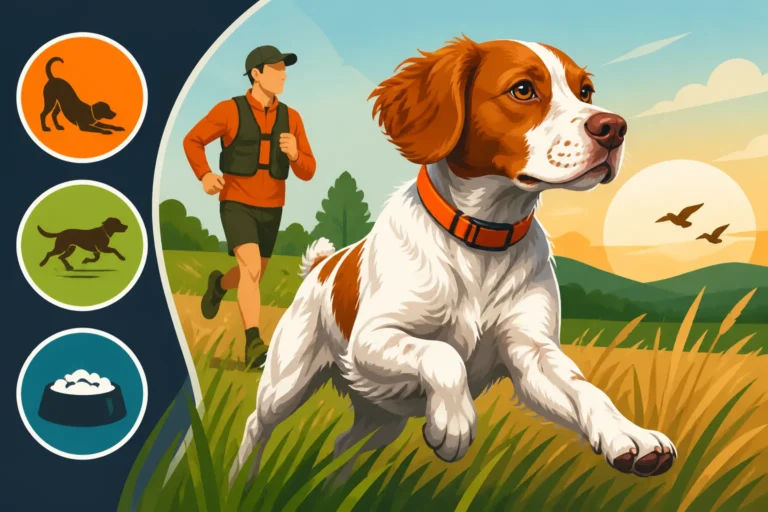
- Prolonged Activity: Hours of running, jumping, and navigating dense cover mean hours of continuous collar movement.
- Environmental Factors: Wet grass, rain, snow, or even splashing through a creek can soak a collar, making it heavier and increasing friction against the damp skin. Mud, dirt, and sand can also get trapped under the collar, acting like sandpaper.
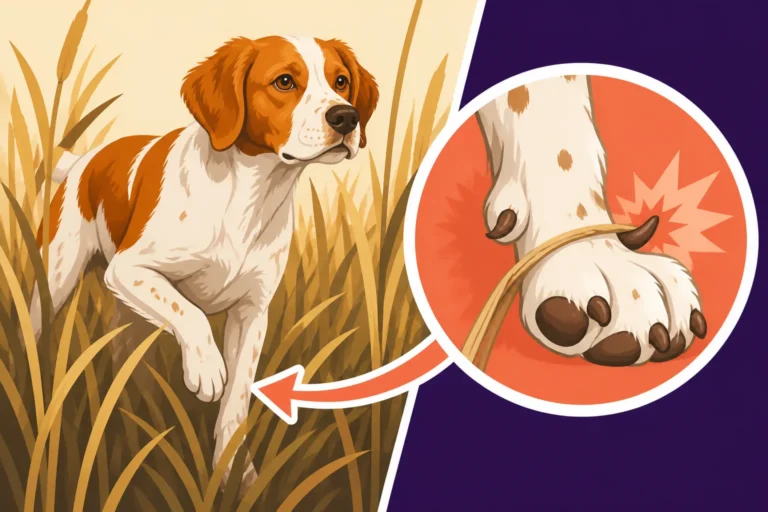
- Cover Density: Pushing through briars, tall grasses, and thick brush causes the collar to snag, shift, and pull, exacerbating friction. Your Brittany is constantly maneuvering, and their collar is constantly being jostled.
Coat Type and Condition
The Brittany's coat, while beautiful, can sometimes contribute to rubbing issues, especially their distinctive feathering.
- Feathering: Brittanys have feathering on their legs and ears, but their neck and chest areas also have a thicker coat than some breeds. This feathering, while offering some protection, can also get matted or compressed by an ill-fitting collar, leading to irritation underneath. The Feathering on a Brittany's Legs and Ears discusses this unique coat feature.
- Shedding: During shedding seasons, loose hair trapped under a collar can exacerbate rubbing and irritation.
- Moisture Retention: A thick coat, combined with a wet collar, can create a damp, warm environment perfect for skin irritation, and even hot spots. Whether a Brittany Gets Hot Spots is a related concern, as collar rubs can easily develop into these painful skin infections.
Preventative Measures: Choosing the Right Collar and Fit
The best offense is a good defense when it comes to collar rubs. Proactive measures can save your Brittany a lot of discomfort and you a lot of worry.
Collar Selection: More Than Just a Pretty Color
When choosing a collar, prioritize function and comfort over aesthetics, especially for a working dog.
- Width Matters: Opt for a wider collar, especially for extended wear or active days. A wider surface area distributes pressure more evenly across the neck, reducing the intensity of friction in any one spot. For example, a 1-inch or 1.5-inch wide collar is often better than a narrow ½-inch one for a Brittany in the field.
- Material Choice: Consider a high-quality, pliable material. Rolled leather collars are excellent for their smooth, non-abrasive surface, which is gentle on both skin and coat. Biothane or similar coated webbing collars are fantastic for wet conditions as they don't absorb water, reducing drying time and the chance of water-logged friction. Make sure any stitching or hardware is smooth and doesn't protrude. You can find a good selection of these materials from online retailers like Chewy or Amazon.
- Quick-Release or Breakaway: For safety in heavy cover, a quick-release buckle is a wise choice. If the collar gets snagged on a branch or fence, it can break away, preventing choking or serious injury. Some specialty hunting collars are designed with this feature.
- Avoid Constant Contact: If your Brittany wears a tracking collar or e-collar, ensure it's not the primary everyday collar. These often have thinner straps and can cause more concentrated pressure. Rotate them or use them only when necessary.
Here's a quick comparison of common collar types and their potential for rubs:
| Collar Type | Pros | Cons | Rub Potential (Field Use) |
|---|---|---|---|
| Flat Nylon | Durable, affordable, many colors | Can be abrasive, sharp edges, absorbs water | Moderate to High |
| Rolled Leather | Soft, conforms well, gentle on coat | Can be expensive, needs care, absorbs water slowly | Low to Moderate |
| Flat Biothane | Waterproof, easy to clean, durable | Can be less breathable, some types stiff | Low to Moderate |
| Chain/Martingale | Good for training, prevents escapes | Pinches, pulls hair, metal on skin, heavy | Very High (not for wear) |
| Padded Collars | Extra comfort, cushioning | Can be bulky, padding can absorb moisture | Low |
Achieving the Perfect Fit
Even the best collar won't help if it doesn't fit correctly.
- The Two-Finger Rule, Revisited: You should be able to slide two fingers comfortably between the collar and your Brittany's neck. This ensures it's snug enough not to shift excessively but loose enough not to choke or apply constant pressure.
- Adjust for Activity: Consider if your Brittany's neck circumference changes when they're excited or panting heavily during exercise. A collar that feels perfect when they're relaxed might become too tight when they're working hard. Conversely, if their coat gets very wet and flattened, the collar might become slightly looser, increasing movement.
- Regular Checks: Before every outing, double-check the collar's fit. Over time, buckles can slip, or your dog's weight might fluctuate slightly.
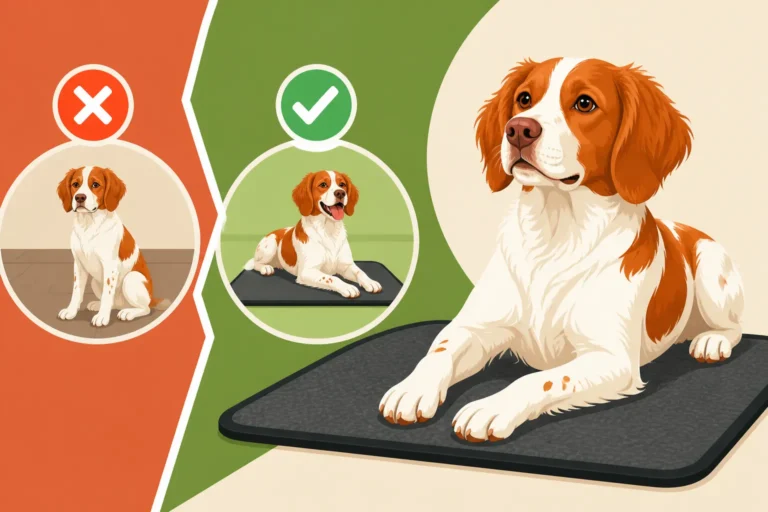
- Collar-Free Time: Whenever possible, remove the collar. At home, especially overnight, let your Brittany go collar-free to give their skin and coat a break. This is particularly important for allowing any minor irritations to heal.
Coat Care and Post-Hunt Routine
Your Brittany’s coat, while beautiful, requires attention to prevent skin issues.
- Keep it Clean and Dry: A clean coat is less likely to harbor grit that can cause friction. After a wet hunt, ensure the collar and neck area are thoroughly dried. Dampness can soften the skin, making it more susceptible to rubs and potential bacterial growth. What to Do With a Brittany After Every Hunt provides comprehensive advice on post-hunt care, including drying your dog properly.
- Regular Brushing: Brushing helps remove loose hair and dirt, preventing matting under the collar. This also gives you a chance to inspect the skin.
- Trim if Necessary: Some owners trim the feathering around their Brittany's neck if it becomes particularly dense and prone to matting under the collar. Discuss this with a groomer or your vet to ensure it's done correctly and doesn't expose sensitive skin.
Dealing with Collar Rubs: Treatment and Management
Despite your best efforts, collar rubs can still happen. When they do, quick and appropriate action is crucial to prevent further discomfort and infection.
Initial Steps: Clean and Soothe
The moment you spot a rub, take these immediate actions:
- Remove the Collar: First and foremost, remove the collar. Your Brittany needs a break from the source of irritation.
- Clean Gently: Using a mild antiseptic solution, such as diluted chlorhexidine or a saline wash, gently clean the affected area. Avoid harsh soaps or alcohol, which can further irritate already tender skin. Pat dry thoroughly with a clean, soft cloth.
- Apply a Soothing Ointment: For minor redness or hair loss, a thin layer of a soothing, pet-safe balm or antibiotic ointment can help. Look for products containing ingredients like aloe vera, vitamin E, or calendula. Consult your vet for recommendations, especially if you're unsure which product is safe for your dog if licked.
- Monitor Closely: Keep a close eye on the area for the next few days. Does the redness subside? Is new hair growing back? Is there any sign of worsening?
Temporary Solutions for Continued Activity
If your Brittany absolutely must wear a collar for a short period during healing, or if you're trying to prevent future rubs, consider these temporary measures:
- Wider, Padded Collar: Switch to a much wider, perhaps padded, collar that distributes pressure over a larger area. Make sure it's softer than the offending collar.
- Bandana or Neck Gaiter: Some owners place a soft cotton bandana or a purpose-made dog neck gaiter under the collar. This adds a layer of soft fabric between the collar and the skin, reducing direct friction. Ensure the fabric is breathable and doesn't trap moisture.
- Chest Harness (Temporary): For short-term leash walks while the neck heals, a well-fitting chest harness can be a good alternative, completely removing pressure from the neck. However, harnesses can have their own rub points, so inspect them carefully too.
When to See the Vet
While many minor rubs can be managed at home, there are times when professional veterinary attention is necessary. Don't hesitate to contact your vet if you observe:
- Open Sores or Bleeding: Any broken skin is a gateway for infection. Your vet might prescribe oral antibiotics or stronger topical treatments. How to Close a Brittany's Field Laceration details veterinary care for deeper skin injuries, which a severe collar rub can mimic.
- Signs of Infection: Pus, foul odor, excessive swelling, increased pain, or warmth around the area are all red flags.
- Persistent Redness or Worsening: If the rub doesn't show signs of improvement within a few days of home care, it's time for a vet visit.
- Systemic Symptoms: If your Brittany seems lethargic, loses appetite, or develops a fever, it could indicate a more serious infection.
Remember, a healthy, comfortable Brittany is a happy, effective hunting partner. Preventing and promptly treating collar rubs is an important part of their overall care and ensuring their well-being in and out of the field. A full veterinary exam can also rule out other underlying skin conditions that might be making your Brittany more susceptible to rubs. Whether a Brittany Needs a Preseason Vet Check emphasizes the importance of a vet visit before the season starts, which can help catch any existing skin sensitivities.
Long-Term Management and Prevention
Once a rub has occurred, it's a clear signal to re-evaluate your current collar setup and routine.
- Trial and Error with Collars: You might need to try different brands and materials until you find what truly works best for your Brittany. What works for one dog might not work for another. Consider brands that specifically cater to active dogs, which you can often find on Chewy or Amazon.
- Dedicated Field Collar vs. Everyday Collar: Many experienced owners use a specific, robust, and comfortable collar for field work and a lighter, often looser, collar for around the house. This reduces wear and tear on the field collar and gives the dog's neck a break from heavy-duty gear.
- Hydration and Nutrition: A healthy skin barrier is more resilient. Ensure your Brittany is well-hydrated and on a balanced diet rich in essential fatty acids, which support skin and coat health.
- Regular Inspections: Make checking for rubs a non-negotiable part of your routine after every significant outing. How Often a Brittany's Pads Should Be Checked reminds us of the importance of checking all potential problem areas after time in the field, and the neck is certainly one of them.
- Consider a First Aid Kit: Having a well-stocked first aid kit specifically for your dog can be invaluable for immediate treatment of minor scrapes and rubs in the field. What a First Aid Kit for a Brittany Should Hold will give you ideas on what to include.
- Bathing After Field Work: If your Brittany gets particularly muddy or dirty, a gentle bath after the hunt, focusing on rinsing and drying the neck thoroughly, can prevent embedded grit from causing future rubs. Whether a Brittany Should Be Bathed After Every Hunt delves into this.
By being mindful of collar choice, fit, and your dog's post-activity care, you can significantly reduce the chances of your Brittany experiencing uncomfortable and potentially painful collar rubs, allowing them to enjoy every moment in the field to the fullest.
Disclaimer
This article is for general informational purposes only and does not constitute professional advice. Laws, prices and regulations vary by location and change over time. Consult a qualified professional for guidance on your specific situation.