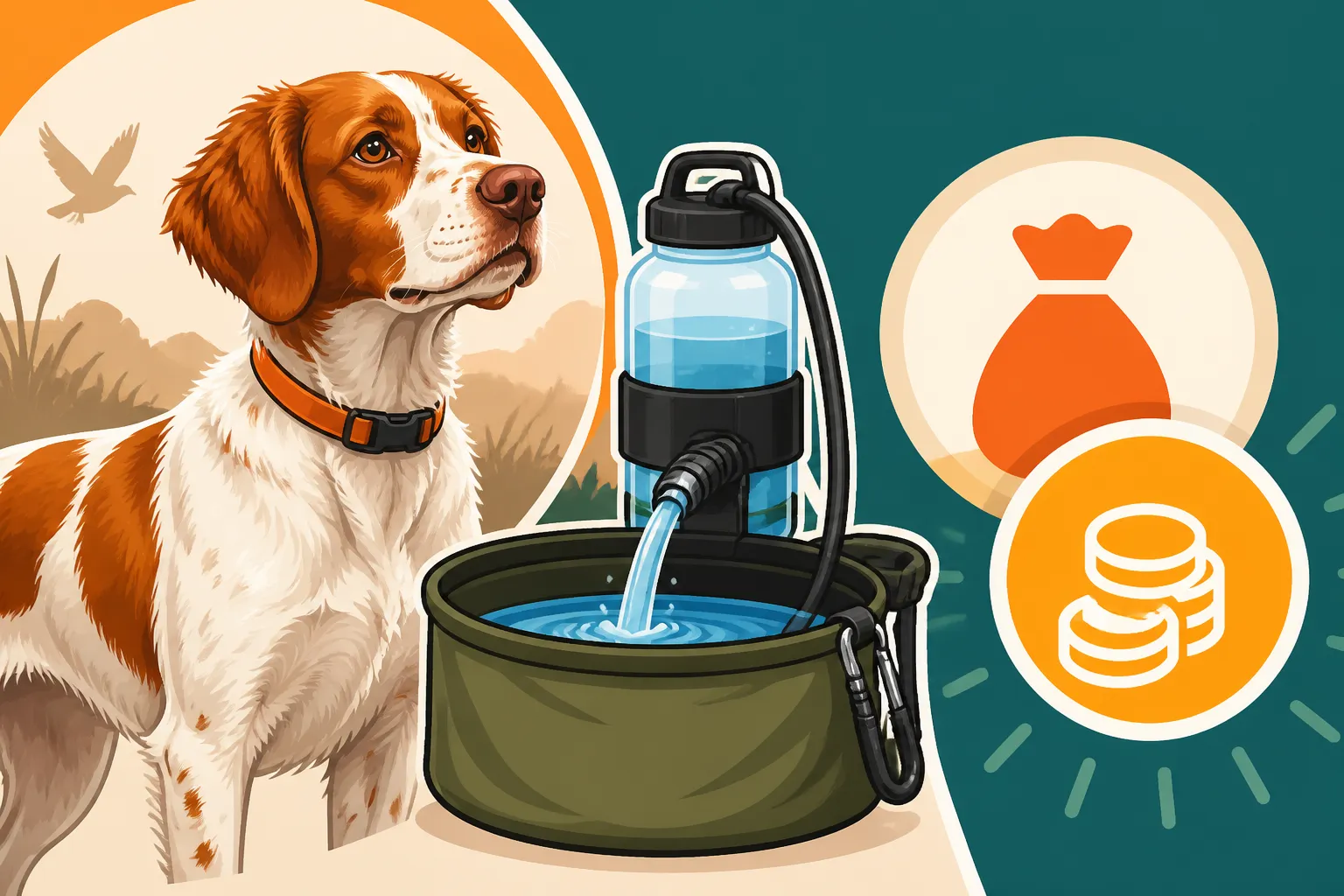
What a Brittany’s Field Water Setup Costs
One of the most common worries I hear from fellow Brittany owners, especially as hunting season approaches or during those hot summer training days, is how to keep their high-energy companions properly hydrated in the field. It’s easy to grab a water bottle and a collapsible bowl, but for a truly active dog like a Brittany, that often just isn't enough, leading to concerns about their health and performance. This guide is here to break down exactly what goes into a practical, efficient field water setup for your Brittany, exploring the costs and options to ensure your hunting partner always has access to the fresh water they need.
Why a Dedicated Field Water Setup Is Non-Negotiable for Your Brittany
Let's be honest, our Brittanys aren't couch potatoes. They're bred for tireless work, covering ground with incredible enthusiasm, often in conditions that can quickly deplete their hydration reserves. Skimping on their water supply in the field isn't just inconvenient; it can be genuinely dangerous.
The Dangers of Dehydration in the Field
Imagine a beautiful autumn morning, the air crisp, scenting perfect for birds. Your Brittany is tearing through cover, quartering back and forth, their tail a blur. They might run for miles, pushing themselves hard because that's what they love to do. But all that exertion, especially if the temperature rises even a few degrees, means they're losing a lot of fluid. Dehydration isn't just about feeling thirsty; it can quickly escalate into serious health issues.
Overheating is a huge concern. A Brittany's dense coat and relentless drive make them susceptible, and insufficient water makes it worse. Without enough fluid to help regulate their body temperature, their core temperature can rise rapidly, leading to heatstroke. You might notice signs like excessive panting, bright red gums, or staggering. This is an emergency. We've talked before about Signs a Brittany Is Overheating in the Field and Whether a Brittany Overheats on an Early Season Hunt, and proper hydration is your first line of defense. Another less obvious but equally serious risk is exertional rhabdomyolysis, where muscle tissue breaks down due to extreme exertion and dehydration, potentially leading to kidney damage. Your dog's well-being, and even their life, can depend on consistent access to clean water.
Beyond a Bowl: Why Standard Methods Fall Short
Sure, a small collapsible bowl and a bottle of water might suffice for a quick walk around the neighborhood. But when you're out for hours, miles from the truck, or running multiple dogs, those methods just don't cut it. Think about how much water your Brittany actually needs on a hunt; it's often far more than we initially estimate. How Much a Brittany Should Drink on a Hunt really highlights this.
Standard water bottles run out quickly, and constantly refilling a tiny bowl from a gallon jug can be a messy, time-consuming chore, especially with an excited, panting dog. Then there's the issue of cleanliness. Letting your Brittany drink from a questionable puddle or stream might seem harmless in the moment, but it opens the door to parasites like Giardia, which can lead to nasty digestive issues and unexpected vet bills. Whether a Brittany Gets Giardia From Field Water is a real concern for us hunters. A dedicated field water setup ensures the water is stored cleanly, dispensed efficiently, and always available, safeguarding your dog's health and allowing you both to focus on the hunt.
Essential Components and Their Costs: Building Your Field Hydration Station
When it comes to setting up a reliable field hydration station for your Brittany, you've got options, ranging from basic, budget-friendly choices to more robust systems designed for serious hunters with multiple dogs. The "cost" isn't just the sticker price; it's the investment in your peace of mind and your dog's health.
Water Storage Solutions
The foundation of any good field water setup is how you store your water. You need something durable, easy to transport, and capable of holding enough water for the duration of your outing.
-
Large Water Jugs (5-7 gallons): These are perhaps the most common and budget-friendly starting point. Think of the sturdy plastic jugs you can find at any hardware or camping store. They're usually around $15 to $30. While they're simple, they can be a bit unwieldy to pour from, and they don't always keep water as cool as you might like on warmer days. However, for sheer volume on a budget, they're hard to beat. You might consider having two or three of these if you're out for a full day with a high-drive dog or multiple Brittanys.
-
Dedicated Water Dispensers with Spigots: These are a step up in convenience. Brands like Igloo or Coleman offer insulated water coolers, typically in 5 to 10-gallon sizes, with a built-in spigot. These are fantastic because the spigot makes dispensing water much easier and less messy than tilting a heavy jug. The insulation helps keep the water cooler for longer, which is a huge plus. Expect to pay anywhere from $30 to $70 for a good quality insulated dispenser. This is a solid mid-range option that offers good value and improved functionality.
-
Truck-Mounted or Larger Portable Tanks: For the serious hunter or those with a kennel full of Brittanys, larger tanks are a game-changer. These can range from 15-gallon portable tanks with handles and wheels to custom-fitted tanks designed to sit in the bed of a truck or even integrate into a dog box system. These are a more significant investment, often starting around $100 and going up to several hundred for specialized setups. They offer massive capacity and can be incredibly convenient, especially when paired with a pump system (which we'll discuss next). While the initial cost is higher, the sheer volume and ease of use over many seasons can make them worthwhile for dedicated field enthusiasts. They eliminate the need for constant refilling during long trips or multi-day hunts.
Drinking Vessels for the Field
Once you've got your water stored, you need a way for your Brittany to actually drink it. This isn't just about a bowl; it's about portability, hygiene, and efficiency.
-
Collapsible Bowls (Silicone or Fabric): These are a staple for any dog owner on the go. Made from silicone or durable fabric, they fold down flat or small, making them easy to stash in a vest pocket or hunting pack. You can find them for as little as $5 to $15. Silicone bowls are generally easier to clean, while fabric ones are incredibly lightweight. I always carry at least two when I'm out with my Brittany – one for water, and one in case I need to give him a snack or some supplements. They're cheap enough that you won't mourn if one gets lost in the brush. You can pick these up readily at pet supply stores or online retailers like Chewy.
-
Portable Dog Water Bottles with Integrated Bowls: These clever devices combine a water bottle and a small drinking trough or cup into one unit. You squeeze the bottle, and water fills the attached bowl, then sucks back in when you release. This is great for minimizing waste. They typically range from $15 to $30 and are perfect for shorter outings or as a personal water source for your dog, rather than a communal one. They're generally easy to carry on a belt loop or in a backpack.
-
Water Dishes for the Truck/Crate: For before and after the hunt, or during breaks, having sturdy, spill-resistant dishes in your truck or dog crate is invaluable. Stainless steel bowls are hygienic and durable, while some plastic designs are specifically made with a lip or anti-spill feature to minimize sloshing during transit. Expect to pay $10 to $25 per bowl for good quality ones. Having a few of these means you can quickly offer water when you get back to the vehicle, allowing your Brittany to rehydrate comfortably.
Pumping and Dispensing Systems (Optional but useful)
If you're dealing with larger water tanks or simply want to make dispensing water even easier, a pumping system can be a smart addition.
-
Gravity-Fed Systems: If your water tank or jug can be elevated (e.g., on the tailgate of your truck or a sturdy stand), you can use a simple spigot and gravity. This is the most cost-effective "system," as it essentially just involves a well-placed container. The main cost here would be the initial water dispenser with a spigot, as mentioned above.
-
Hand Pumps: For tanks without spigots or when you need more controlled dispensing, a manual hand pump that can be inserted into a large water bottle or jug can work. These are relatively inexpensive, usually $10 to $25, and require no power source. They can be a bit slower but are reliable.
-
Battery-Operated Pumps: These are excellent for efficiency and convenience, especially with larger tanks. A small, submersible battery-operated pump can quickly transfer water from a large tank into a drinking bowl or another container. They are typically powered by AA batteries or a small rechargeable battery pack. Prices range from $30 to $60. While they add another item to your gear list, the speed and ease of use, particularly when your hands are full or you're trying to water multiple dogs quickly, can be well worth the investment. Think of the time saved and the comfort for your thirsty Brittany.
Advanced Considerations and Long-Term Value
Investing in a robust field water setup is more than just buying some jugs and bowls. It's about thinking ahead, maintaining hygiene, and ultimately, safeguarding your Brittany's long-term health and performance. This proactive approach saves you headaches and potential vet bills down the line.
Keeping Water Cool and Clean
There's nothing worse than lukewarm, stagnant water when you're parched, and your Brittany feels the same way. Keeping their water cool and pristine is crucial for encouraging them to drink and for preventing health issues.
-
Insulated Coolers and Jugs: As mentioned, opting for insulated water dispensers (like those from Igloo or Coleman) is a huge step. They might cost a little more upfront, but they keep water cool for hours, even on a warm day. For truly hot weather, adding ice to your water container before you leave can make a significant difference. The cost for these is factored into the initial storage solution, but the value they provide in keeping water palatable for your dog is immeasurable. A well-hydrated dog is a happy and effective hunting dog.
-
Filtering Options and Water Quality: While a field water setup is miles better than unknown puddles, some owners go a step further. If you're filling from a questionable tap at a remote cabin or a hand pump, consider a portable water filter. These can range from basic filter bottles ($20-$50) to more robust pump filters ($50-$100) that can process larger volumes. For most situations, starting with clean potable water from home is ideal. Remember the goal: clean, accessible water. Buying large bottles of purified water from the grocery store is another option, though the cost adds up quickly over a season. It might be worthwhile if you’re particularly concerned about local water sources.
-
Hygiene and Maintenance: This is where the long-term value truly comes in. Regardless of your setup, regular cleaning is paramount. Wash all jugs, bottles, and bowls after every outing. Algae and bacterial films can quickly develop, especially in warm conditions, making the water unappealing and potentially unhealthy. A simple scrub with warm, soapy water and a thorough rinse is usually all it takes. For deeper cleaning, a weak bleach solution (followed by copious rinsing) can be used occasionally. Investing a little time in hygiene means your equipment lasts longer and, more importantly, your Brittany stays healthier. This proactive care complements a good diet, like the wholesome options from Ollie, ensuring your dog is fueled and hydrated for optimal performance.
Transport and Accessibility
Having a great water setup doesn't help if you can't get it to your dog easily when they need it most. Thoughtful transport and accessibility make all the difference.
-
Securing Water in the Vehicle: A full 5-gallon jug of water weighs over 40 pounds, and you certainly don't want it sloshing around or tipping over in your truck. Use bungee cords, cargo nets, or dedicated crates to secure your water containers. If you have a dog box, some models include specific slots or trays for water bowls or smaller jugs. The cost here is minimal, perhaps $10-$30 for straps or a small bin, but it prevents spills, damage, and frustration. It's also important to have a What a First Aid Kit for a Brittany Should Hold easily accessible, and spills can complicate accessing supplies.
-
Ease of Access in the Field: How will you get the water to your Brittany when you're deep in cover? For shorter hunts, a portable dog water bottle or a collapsible bowl and a small water bottle in your vest might suffice. For longer treks or multiple dogs, a dedicated hydration pack for yourself, or even a smaller, easily carried soft-sided cooler with water and a bowl, could be beneficial. Remember to plan for those necessary water breaks, especially after intense retrieves or long points. How to Cool a Brittany Down After a Run often starts with offering water immediately. The cost here varies widely, from a $20 hydration bladder for your backpack to a $50-$100 specialized dog hydration vest if you need to carry their water on them (though many Brittanys don't appreciate vests in the field).
-
Considering Weight and Portability: Always balance capacity with portability. A 10-gallon tank is great for the truck, but you won't be lugging it miles into the woods. A smart setup usually involves a large primary water source at the vehicle and smaller, portable options for direct field use. This staggered approach ensures you're always prepared, whether you're working close to the truck or venturing far out.
The Investment in Your Brittany's Health
Ultimately, the cost of a Brittany's field water setup isn't just about dollars and cents; it's an investment in your dog's health, safety, and performance. A well-hydrated Brittany is a healthier, happier, and more effective hunting partner.
-
Preventing Heatstroke and Illness: Think of the potential vet bills from a severe case of heatstroke or a parasitic infection. These can easily run into hundreds, if not thousands, of dollars. Compared to that, even a top-tier field water setup costing a few hundred dollars is a bargain. Proactive care truly is preventative medicine. Having pet insurance, like a plan from Healthy Paws, can help cushion the blow if your dog does suffer an injury or illness, but preventing it in the first place is always the best strategy. We often discuss What a Brittany's Field Injuries Cost in a Season, but don't forget the hidden costs of illness from poor hydration.
-
Optimizing Performance and Longevity: A dehydrated dog is a tired dog. Their stamina drops, their focus wanes, and their ability to perform tasks like pointing or retrieving suffers. By providing consistent, clean water, you're not just preventing illness; you're actively supporting their peak performance. This investment ensures your Brittany can sustain their incredible drive throughout the hunt, perform at their best, and enjoy a longer, healthier working life. How Long a Brittany Can Hunt in a Day is directly impacted by how well they are hydrated. Coupled with a high-quality performance food, like those available through Chewy or specifically formulated meals from Ollie, proper hydration is a cornerstone of a working Brittany's regimen. Whether a Working Brittany Needs a Performance Food and proper hydration go hand in hand.
-
Peace of Mind: Knowing your Brittany always has access to clean, cool water means one less thing to worry about when you're focused on the hunt. That peace of mind is truly priceless. You're giving your beloved dog the best possible chance to enjoy their passion safely.
Consider the options presented in this table as you plan your ideal setup:
| Setup Type | Key Components | Estimated Initial Cost | Pros | Cons |
|---|---|---|---|---|
| Basic | Large water jugs, 1-2 collapsible bowls | $20 – $50 | Very affordable, easy to find | Less convenient to dispense, water warms quickly, requires manual pouring |
| Intermediate | Insulated water dispenser (5-10 gal), 2-3 collapsible bowls, portable dog water bottle | $50 – $120 | Keeps water cooler, easier dispensing with spigot, more personal options | Heavier than basic jugs, still requires manual refilling of bowls |
| Advanced | Truck-mounted tank (15+ gal), battery pump, multiple sturdy bowls, insulated portable field jug, cleaning supplies | $150 – $500+ | High capacity, ultimate convenience, water stays cool, very efficient for multiple dogs | Significant upfront investment, requires vehicle space, more components to maintain |
No matter your budget or hunting style, there's a field water setup that can meet your needs and keep your Brittany thriving. It's a small price to pay for their health and happiness in the field.
Disclaimer
This article is for general informational purposes only and does not constitute professional advice. Laws, prices and regulations vary by location and change over time. Consult a qualified professional for guidance on your specific situation.