Signs a Brittany’s Ear Needs a Vet
Those floppy, adorable ears are a hallmark of our beloved Brittanys, but they're also often the source of frustrating, recurring issues. As active dogs who love to plunge through fields and splash in water, Brittanys are incredibly prone to ear infections, and knowing when a simple home cleaning isn't enough and it's time to call the vet can save your furry friend a lot of discomfort and prevent more serious problems down the line. This guide will walk you through the key signs that your Brittany's ears need professional attention, from subtle behavioral changes to undeniable physical symptoms.
Why Brittany Ears Are Prone to Trouble
It’s no secret to any Brittany owner that ear problems seem to be a constant battle. This isn't just bad luck; it's a combination of their unique anatomy and their enthusiastic, active lifestyle that creates the perfect storm for irritation and infection. Understanding these underlying factors can help you be more vigilant and proactive in your care.
The Anatomy of a Brittany's Ear
Our Brittanys have those charming drop ears, which, while endearing, unfortunately create a dark, warm, and often moist environment that's an ideal breeding ground for yeast and bacteria. Unlike dogs with erect ears that allow for plenty of airflow, a Brittany's ear flap covers the ear canal, essentially sealing it off from ventilation. This design traps heat and humidity, making it easy for microorganisms to flourish.
Furthermore, the canine ear canal isn't a straight shot like a human's. It's shaped like an "L," with a long vertical canal leading down to a horizontal canal, before reaching the eardrum. This bend acts like a trap, making it incredibly difficult for debris, water, or earwax to naturally drain out. Instead, everything tends to accumulate at that bend, leading to blockages and irritation. This anatomical feature is a big reason Why a Brittany's Drop Ear Traps Water and contributes significantly to the prevalence of ear issues.
This trapped moisture and poor ventilation mean that even a perfectly healthy ear can quickly become unbalanced. A little bit of yeast and bacteria are always present, but in these conditions, they can multiply rapidly, overwhelming the ear's natural defenses and leading to a full-blown infection. It's a constant struggle to keep things dry and clear in there!
Lifestyle Factors Increasing Risk
Beyond their ear structure, a Brittany's adventurous spirit and love for the outdoors contribute heavily to their susceptibility to ear problems. These are dogs bred to hunt, and that means they're often found romping through tall grasses, dense cover, and sometimes even marshy areas, all of which pose risks to their ears.
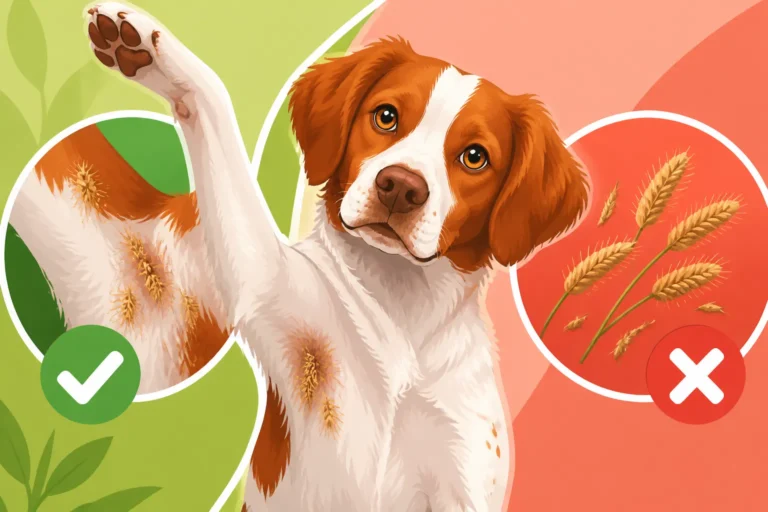
Imagine your Brittany dashing through a field of drying foxtails or burrs. These little plant awns are notorious for working their way into the ear canal, causing irritation, pain, and providing a pathway for bacteria. Similarly, a joyful retrieve from a pond or stream means water gets deep into those L-shaped canals. If not dried properly, that moisture lingers, creating a perfect humid environment for infections to take hold. This is why it's so important to know Whether a Brittany's Ears Should Be Dried After Water after every swim or damp outing.
Even everyday activities can contribute. Dust, dirt, and pollen can settle into the ear, especially during shedding season or periods of high allergens. A dog that is prone to skin allergies might also manifest those sensitivities in their ears, leading to chronic inflammation that predisposes them to secondary infections. It's a cumulative effect, where anatomy meets environment, making meticulous ear care a must for Brittany owners.
Early Warning Signs You Can Spot at Home
Before an ear infection becomes a full-blown crisis, your Brittany will often give you subtle (and not-so-subtle) clues that something is amiss. As their primary caregiver, you are the first line of defense, and recognizing these early signs can lead to prompt treatment, often preventing more severe pain and complications.
Behavioral Changes
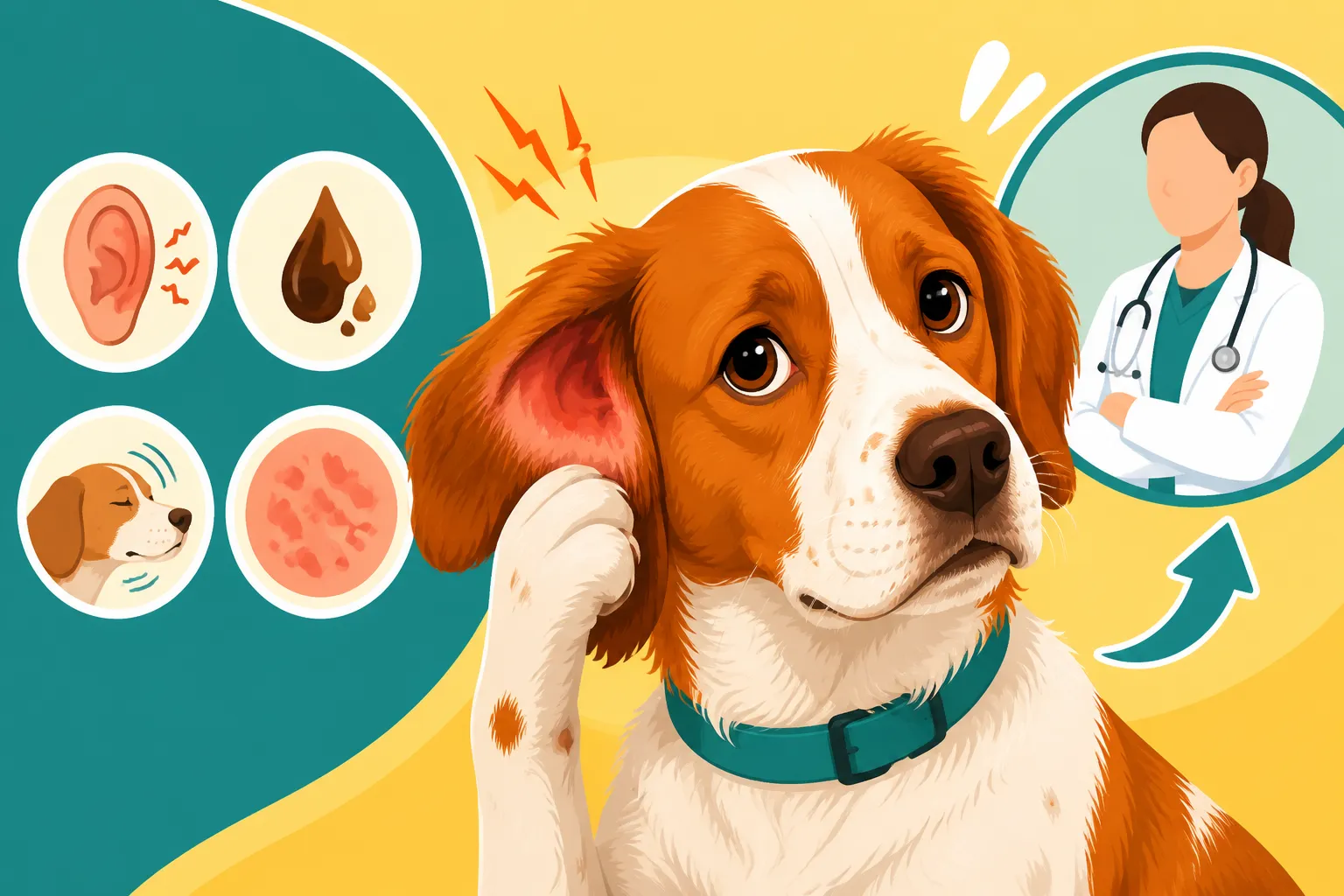
One of the first things you'll notice if your Brittany's ears are bothering them is a change in their behavior, particularly how they interact with their head and ears. The most common and obvious sign is head shaking. This isn't just a casual shake; it often becomes frantic, persistent, and sometimes even violent, as they try desperately to dislodge whatever is causing them discomfort. You might hear their ears flapping loudly as they shake.
Alongside head shaking, intense ear scratching is another major red flag. Your Brittany might use a back paw to vigorously scratch at the affected ear, sometimes even tearing the skin behind the ear or on the ear flap itself. They might also rub their head along the carpet, furniture, or against your legs, trying to find some relief from the incessant itch or pain. If you notice them whining or yelping when you gently touch their ear, or if they pull away sharply, that's a clear indication of pain and discomfort. Sometimes, a general shift in their demeanor—becoming more withdrawn, lethargic, or simply less enthusiastic about their usual activities—can also signal that they're feeling unwell due to ear pain. All these behaviors are classic Signs a Brittany's Ear Is Infected.
Visual & Olfactory Cues
Beyond how your Brittany acts, a direct visual inspection and even a sniff test can provide powerful clues about the state of their ears. Gently lift the ear flap and take a good look inside and around the opening of the ear canal. Healthy ear skin should be pale pink and clean, with no strong odor. If you see redness, swelling, or inflammation around the opening of the ear canal or on the ear flap itself, that’s a clear sign of irritation.
Discharge is another key indicator. What you see can tell you a lot about the potential cause. A dark brown, waxy discharge often points to yeast or ear mites. A yellow or green pus-like discharge is typically indicative of a bacterial infection, while a clear, watery discharge might just be moisture, but if persistent, can still lead to problems. You might also notice crusting or scabs on the inside of the ear flap, or even hair loss around the ear due to aggressive scratching. And don't forget your nose! A healthy ear has a very faint, neutral smell. If you detect a strong, unpleasant odor—whether it's a sweet, yeasty smell or a truly foul, pungent stench—it's a definite sign that something is wrong.
| Symptom Category | Specific Sign | What It Might Indicate |
|---|---|---|
| Behavioral | Head shaking | Discomfort, itchiness, foreign body |
| Ear scratching | Itchiness, irritation, pain | |
| Rubbing head | Itchiness, pain | |
| Whining/yelping | Pain, severe inflammation | |
| Lethargy | General discomfort, systemic illness | |
| Visual | Redness/swelling | Inflammation, infection |
| Discharge (dark wax) | Yeast, ear mites | |
| Discharge (pus-like) | Bacterial infection | |
| Crusting/scabs | Dermatitis, secondary to scratching | |
| Hair loss around ear | Chronic scratching | |
| Olfactory | Yeasty smell | Yeast infection |
| Foul odor | Bacterial infection |
When to Act: Clear Signals for a Vet Visit
While recognizing early signs is crucial, there are certain situations where a vet visit isn't just recommended, it's absolutely necessary. Ignoring these clear signals can lead to more entrenched infections, severe pain, and even permanent damage to your Brittany's hearing or ear structure.
Persistent and Worsening Symptoms
It’s one thing for your Brittany to have a minor itch after a particularly dusty walk, but it's another entirely if those symptoms don't resolve quickly or, worse, start to intensify. If you've been doing your routine ear checks and cleaning, perhaps using an appropriate ear cleaner recommended by your vet, and the head shaking or scratching isn't letting up after a day or two, it’s time to seek professional help. Continued irritation can cause the sensitive skin inside the ear to become even more inflamed, making it harder for any home remedy to penetrate or be effective.
Any symptom that progresses from mild to severe should be taken seriously. For example, if your Brittany initially had a bit of dark discharge but it quickly turns into a heavy, pus-like flow with a foul odor, that indicates the infection is gaining ground and requires stronger medication than what you can provide at home. Similarly, if your dog begins to show increasing pain when you try to examine the ear, or if they become defensive and snap, that’s a clear indication that the discomfort is significant and they need veterinary intervention to alleviate it. Consistent and worsening signs mean the problem is beyond basic maintenance, even if you are diligent with How Often a Brittany's Ears Need Cleaning.
Specific Concerns Requiring Immediate Attention
Some ear symptoms aren't just indications of an issue; they're flashing red lights demanding immediate veterinary attention. Any kind of significant discharge, especially if it's pus-like, green, yellow, or bloody, warrants a trip to the vet. These types of discharge almost always signal a bacterial infection that requires specific prescription antibiotics. Similarly, if you detect a truly foul, pungent odor that makes you recoil, you can bet your dog's ear is in distress.
Beyond discharge and odor, keep an eye out for swelling of the ear flap itself. If one ear flap appears puffy, swollen, and feels like a water balloon, it might be an aural hematoma. This occurs when blood vessels burst between the cartilage and skin of the ear flap, often due to aggressive head shaking or scratching. This condition is painful and requires surgical drainage and suturing to heal properly and prevent permanent disfigurement, so recognizing Whether a Brittany Gets an Aural Hematoma is vital. Other serious signs include your Brittany holding their head persistently tilted to one side, losing balance, or circling, which can indicate an inner ear infection or neurological involvement. And, of course, if you can see a foreign object, like a grass seed, deeply embedded in the ear canal, as discussed in How Grass Seeds Get Into a Brittany's Ear, do not try to remove it yourself. You could push it further in or damage the eardrum. A veterinarian has the proper tools and expertise to safely extract it.
What to Expect at the Vet
Visiting the vet for an ear issue can feel daunting, but knowing what to expect can ease some of that worry. Your veterinarian has specialized tools and knowledge to accurately diagnose the problem and prescribe the most effective treatment, getting your Brittany back to feeling comfortable and happy.
The Examination Process
When you arrive at the clinic, your vet will start with a thorough visual inspection of your Brittany’s ears, both outside and inside as far as they can see without an otoscope. They’ll look for redness, swelling, hair loss, and any obvious signs of discharge or foreign material. They will gently palpate the ear flap and the base of the ear to check for pain, swelling, or warmth, which can indicate deeper inflammation.
Next, the vet will likely use an otoscope, a specialized instrument with a light and magnifying lens, to get a clear view deep into the ear canal, right down to the eardrum. This is crucial for identifying inflammation, foreign bodies, tumors, or a ruptured eardrum, which wouldn't be visible otherwise. If your dog is in significant pain, the vet might recommend mild sedation for this part of the exam to ensure it can be done thoroughly and without causing undue stress. After the visual exam, a swab will often be taken from the ear canal. This sample will be examined under a microscope (cytology) to identify the type of organisms present—whether it's yeast, different types of bacteria, or even ear mites. In some cases, especially with recurrent or resistant infections, a culture might be sent to a lab to identify the specific type of bacteria and determine which antibiotics will be most effective, known as an antibiotic sensitivity test.
Potential Diagnoses and Treatments
Based on the examination and diagnostic tests, your vet will be able to pinpoint the cause of the ear problem. The most common culprits are typically yeast (often Malassezia), various bacteria (like Staphylococcus or Pseudomonas), or ear mites, particularly in younger puppies or rescue dogs. Sometimes, the primary issue isn't an infection but an allergic reaction, either to something environmental or food-related, which then causes inflammation that leads to secondary infections. Other possibilities include foreign bodies, polyps, or, less commonly, tumors.
Treatment plans will vary depending on the diagnosis. For yeast or mild bacterial infections, your vet might prescribe a medicated ear cleaner and a topical ear medication (drops or ointment) containing antifungals, antibiotics, and/or anti-inflammatories. These medications often require careful application at home, usually once or twice a day for a specified period. For more severe bacterial infections, oral antibiotics may be necessary. If pain and inflammation are significant, oral anti-inflammatory medications might also be prescribed to bring your Brittany relief. Addressing underlying causes is also key; if allergies are suspected, discussions about diet changes or allergy management will come up. Preventing recurrence is paramount, which involves regular ear cleaning and checking, as detailed in How Often a Brittany's Ears Should Be Checked. Your vet might also discuss whether Whether a Brittany's Ear Hair Should Be Trimmed could help with ventilation in your individual dog, though this is debated among owners. For supplies like specific ear cleaners or cotton balls, platforms like Chewy or Amazon can be convenient once your vet gives the green light on what type to use for ongoing maintenance.
Disclaimer
This article is for general informational purposes only and does not constitute professional advice. Laws, prices and regulations vary by location and change over time. Consult a qualified professional for guidance on your specific situation.