Keeping a Brittany Warm and Cool in the Field
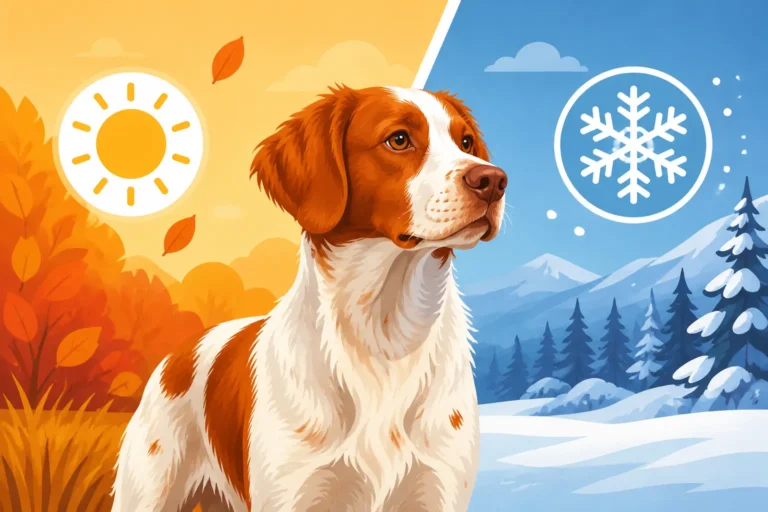
It's a common dilemma for us Brittany owners: how do you keep such a high-energy, bird-crazy dog safe and comfortable when the weather throws its worst at us in the field? Whether it's the scorching heat of an early season dove hunt or the biting cold of a late-season pheasant chase, temperature extremes pose serious risks. This guide is dedicated to helping you understand your Brittany's unique needs and implement practical strategies to ensure they stay healthy and perform their best, no matter the mercury.
Understanding Your Brittany's Thermoregulation
Our Brittanys are built for activity, for covering ground, and for finding birds. But this incredible drive, coupled with their physiology, means we have to be acutely aware of how they handle different temperatures. Their bodies are constantly working to maintain a stable internal temperature, but there are limits to what they can manage on their own, especially when exerting themselves.
Natural Adaptations and Limitations
Brittanys have a dense, yet relatively fine coat, often described as a medium length. This coat offers some insulation against the cold and a degree of protection from the sun, but it's not a heavy double coat like a Husky's, nor is it a sparse, sleek coat like a Greyhound's. In cold weather, their coat can offer decent protection, especially when dry, but add water or sustained wind, and that insulation quickly diminishes. In hot weather, while it's not thick, it can still trap heat, and their main way of cooling down is panting, which isn't always efficient enough when they're working hard. They don't sweat all over their bodies like humans do; instead, they rely on panting and sweating through their paw pads.
Their boundless energy, while a huge asset in the field, is also their biggest challenge in temperature regulation. A Brittany will often push itself beyond its physical limits, driven by instinct and a desire to please, regardless of how hot or cold it feels. This means we, as their handlers, bear the primary responsibility for monitoring their condition and dictating when enough is enough. It's easy to get caught up in the thrill of the hunt, but neglecting these physiological realities can have severe consequences for our beloved companions.
Risks of Overheating
Overheating, or hyperthermia, is a silent threat that can escalate quickly in a driven Brittany. When their body temperature rises above a safe threshold, their internal organs begin to suffer damage. This is particularly concerning during early season hunts when temperatures can still be surprisingly high, and our dogs are eager but perhaps not yet fully conditioned. Whether a Brittany Overheats on an Early Season Hunt is a question many of us face every year. The dense muscles working hard generate a lot of internal heat, and if the ambient temperature is also high, and humidity traps that heat, their cooling mechanisms can become overwhelmed.
Dehydration plays a huge role here too. If your Brittany isn't drinking enough water, their blood volume decreases, making it harder for their body to shed heat effectively. Think about the cumulative effect of sun exposure, intense exercise, and perhaps a lack of shade or water breaks. A dog running hard, even for what seems like a short period, can quickly reach dangerous temperatures. The faster they run, the harder they breathe, and the more their core temperature rises. This isn't just about discomfort; it's about life-threatening organ damage if not addressed immediately.
Risks of Hypothermia and Frostbite
On the flip side, cold weather presents its own set of challenges. Hypothermia occurs when a dog's body temperature drops too low. While Brittanys have a decent coat, prolonged exposure to cold, especially when wet or in windy conditions, can lead to their core temperature plummeting. A classic scenario is a late-season retrieve from icy water. Whether a Brittany Needs a Neoprene Vest in Cold Water becomes a very real consideration in these situations. Their short legs mean they're closer to cold ground or snow, and their bellies can get soaked quickly.
Frostbite is another serious concern, particularly for extremities like paw pads, ears, and tails. While less common in a working Brittany that's actively moving, it can occur in very severe cold, especially if the dog stops moving or is exposed to ice for too long. Imagine a dog waiting in a cold truck between retrieves, or standing in a cold kennel after a wet hunt. The signs can be subtle at first, often appearing as numbness or discolored skin, but can lead to permanent tissue damage. We must always remember that while they are hardy hunting dogs, they are not immune to the harsh realities of extreme cold.
Strategies for Hot Weather Hunts
When the thermometer climbs, proactive measures are critical to protecting your Brittany. It's not enough to just hope for the best; you need a solid plan to manage heat stress throughout the day. Your dog's enthusiasm won't tell you it's too hot, so you have to be the responsible one.
Timing and Terrain Selection
One of the most effective ways to combat heat is to simply avoid the hottest parts of the day. This often means embracing the early morning or late evening hours for your hunts. Think about sunrise for that crisp, cool air that hasn't yet absorbed the sun's full power. As the sun gets higher and the temperature rises, it's wise to call it a day, or at least take a very long, shaded break. What Temperature Is Too Warm to Run a Brittany is a subjective question based on humidity and individual dog conditioning, but generally, anything above 70°F (21°C) with high humidity warrants extreme caution, and above 80°F (27°C) for sustained periods is often too risky for strenuous activity.
Choosing your terrain carefully also makes a huge difference. Seek out areas with ample shade, whether from dense woods or tall brush. Avoid open fields with direct sun exposure and blacktop roads, which absorb and radiate heat fiercely. Hunting near water sources, like streams or ponds (if safe), can also provide opportunities for your Brittany to cool down with a quick dip, though be mindful of water quality and potential hazards. Consider if the ground itself is hot—asphalt, rocky terrain, or even sandy soil can reach scalding temperatures, burning paw pads and adding to their overall heat load.
Hydration is Key
Constant access to fresh, cool water is non-negotiable in hot weather. Your Brittany should be offered water frequently, even if they don't seem thirsty. A good rule of thumb is to offer water every 15-20 minutes during active periods, and definitely during any breaks. Invest in a portable water bottle with an attached bowl, or a collapsible bowl that's easy to carry. Make sure to carry more water than you think you'll need; it's better to have too much than to run out. How Much a Brittany Should Drink on a Hunt depends on the intensity and duration, but always err on the side of generosity.
Beyond just drinking, you can use water externally to help cool them down. Pouring water over their head, neck, belly, and armpits can help lower their core temperature. This works because these areas have major blood vessels close to the surface, and evaporating water draws heat away from the body. Some owners even carry a small spray bottle for a fine mist on particularly hot days. Just be careful not to create a "sauna" effect if the humidity is already extremely high and there's no air movement, as this can make things worse. Providing cool, clean water should be at the top of your priority list for any hot weather outing. Look for durable, field-friendly water setups on sites like Amazon or Chewy.
Cooling Gear and Techniques
There's a variety of gear designed to help dogs stay cool. Cooling vests, bandanas, and mats work by evaporating water or using phase-change materials to draw heat away from the dog's body. These can be particularly effective during breaks or when transporting your dog in the heat. For active hunting, a lightweight, breathable vest might be an option, but ensure it doesn't restrict movement or trap too much heat.
You can also pre-cool your dog before a hunt by letting them lie on a wet towel or in a shallow tub of cool (not ice-cold) water. During breaks, find the shadiest spot available and encourage them to lie down. If you're driving to different locations, ensure your vehicle is well-ventilated or air-conditioned, and never, ever leave your dog unattended in a hot car, even for a few minutes. Even on a seemingly mild day, a car's interior temperature can rise to dangerous levels very quickly. For post-hunt cool-down, a shallow kiddie pool can be a lifesaver, allowing them to wade and gradually lower their body temperature before heading home.
Strategies for Cold Weather Hunts
Cold weather hunting brings its own set of requirements. While Brittanys can tolerate cold better than heat, they still need protection, especially when inactive or wet. It's about maintaining their core temperature and preventing energy depletion.
Insulating Gear and Protection
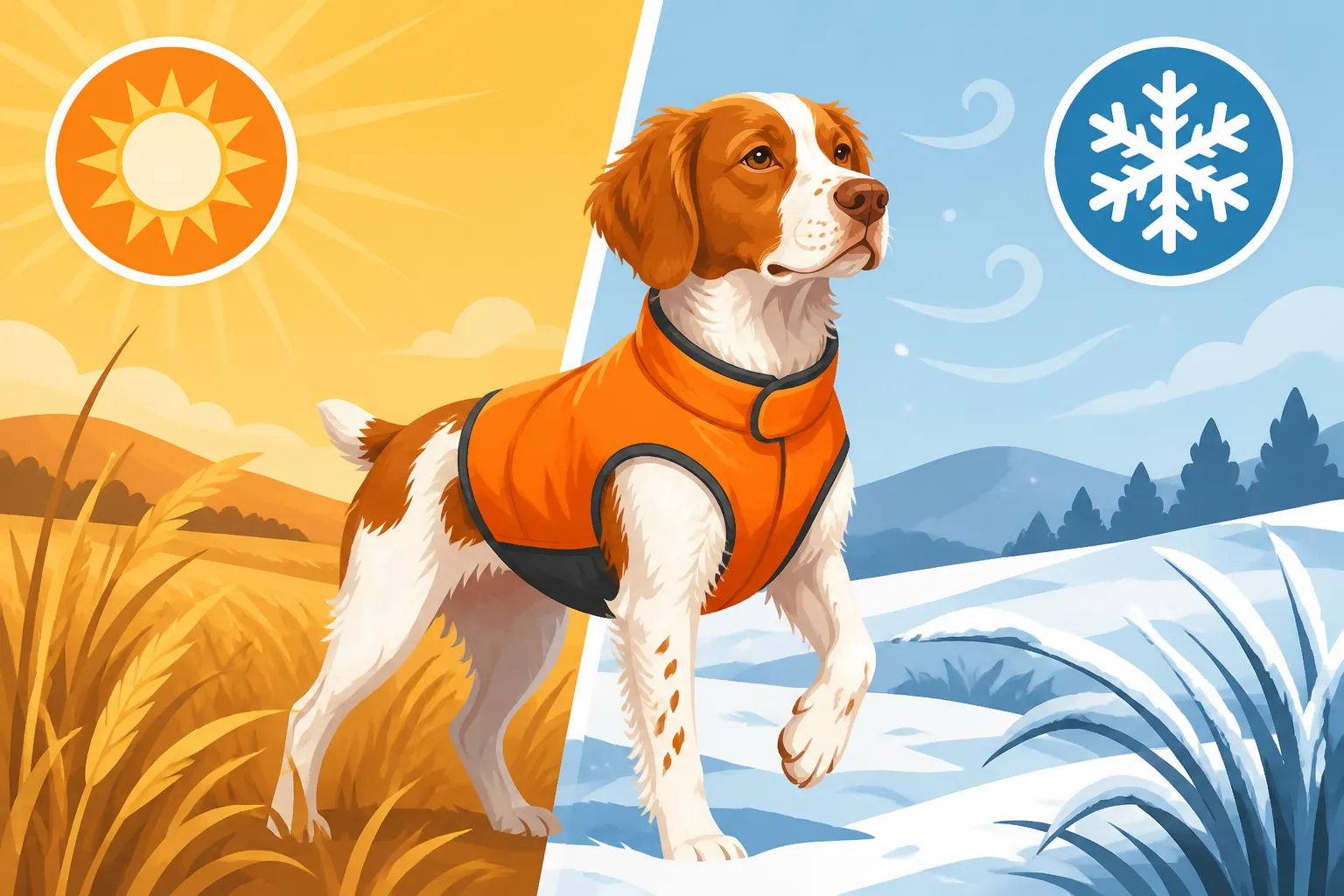
When the temperatures drop, especially if there's wind, rain, or snow, your Brittany can benefit greatly from appropriate gear. Dog vests, particularly those made of neoprene or insulated fabric, can provide crucial core warmth. A neoprene vest is especially useful if your Brittany will be making retrieves from cold water, as it provides both insulation and buoyancy. What a Brittany's Orange Vest Costs or other protective gear is a worthwhile investment. Ensure any vest fits snugly without restricting movement or causing chafing.
Consider dog boots for extremely cold or icy conditions, or if hunting over crusty snow that can cut paw pads. These protect against frostbite, chemical irritants like road salt, and physical abrasion. Not all dogs tolerate boots, so introduce them gradually during warmer weather before requiring them for a hunt. Don't forget about transportation: ensure your dog box or crate is well-insulated, perhaps with a thick mat or blankets, to prevent heat loss during drives or while waiting between hunts. A simple fleece blanket from Chewy can make a huge difference in their comfort.
Nutrition and Energy Needs
Hunting in cold weather burns significantly more calories as your dog's body works harder to maintain its core temperature. This means their dietary needs increase. You might need to adjust the amount of food they receive or switch to a higher-calorie, higher-fat performance dog food during the hunting season. How Much More a Brittany Eats in Hunting Season is a common question, and generally, an increase of 20-50% in calories might be necessary, depending on the intensity and duration of the work and the severity of the cold. Consult with your vet to determine the best nutritional plan.
Ensure they get easily digestible, energy-dense meals. Some hunters give a small, high-quality meal or snack a couple of hours before the hunt and then a larger meal after. Brands like Ollie, known for their fresh, nutrient-dense foods, can be an excellent option for providing sustained energy and supporting overall health for working dogs. Adequate hydration is still important in cold weather, as dogs can still get dehydrated, even if they don't seem as thirsty. Carry warm water in an insulated bottle to prevent it from freezing and to encourage drinking.
Preventing Frostbite and Hypothermia
Beyond gear and nutrition, strategic management is key. Avoid prolonged periods of inactivity in cold weather. If your Brittany is waiting in the truck, ensure it's running with the heater on, or that they are in a well-insulated, warm crate. Never let them lie on frozen ground or ice for extended periods. After a retrieve from cold water, towel them off immediately and get them moving or into a warm environment.
Regularly check their paw pads, ears, and tail for signs of frostbite – discolored (pale, grayish, or bluish), cold, or numb tissue. These areas are most vulnerable. Be extra vigilant if your dog is older, very young, or has any underlying health conditions, as they may be more susceptible to the cold. Remember, their enthusiasm for the hunt might override their natural instincts to conserve heat, so it's up to you to be their thermostat.
Recognizing and Responding to Heat Stress and Cold Exposure
Knowing how to react when your Brittany is struggling with temperature extremes is just as important as prevention. Early recognition and swift, appropriate action can be life-saving.
Signs of Overheating
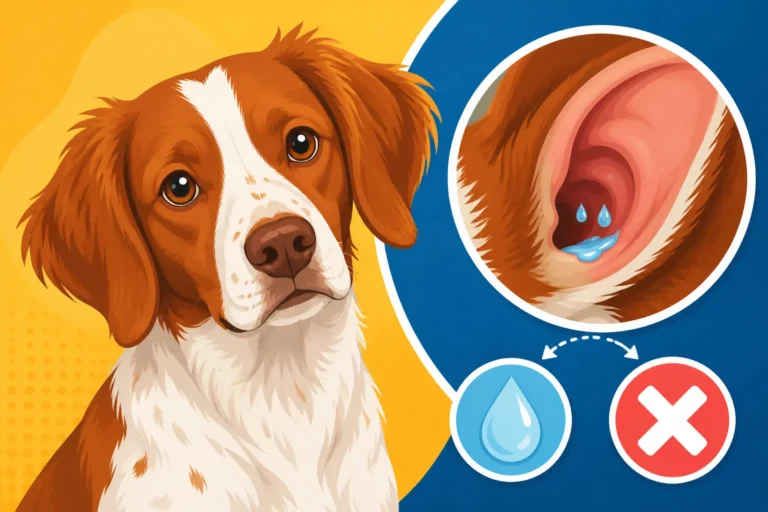
It's crucial to be able to spot the subtle and not-so-subtle signs that your Brittany is overheating. Signs a Brittany Is Overheating in the Field can include excessive panting that sounds labored or unusually loud, bright red gums, thick saliva, weakness, staggering, confusion, or a glazed look in their eyes. They might also lie down and refuse to move, or seek shade frantically. As it progresses, you might see vomiting, diarrhea, tremors, or even seizures.
Don't wait for these severe symptoms. If you notice your dog's panting becoming more intense, their stride shortening, or any hesitation, consider it a warning sign. Feel their ears; if they are unusually hot, it's a good indicator their core temperature is rising. Their body language might also tell you something is off—a usually tireless dog suddenly lagging or losing interest is a red flag. Always trust your gut instinct; if something feels wrong, it probably is.
First Aid for Heatstroke
If you suspect your Brittany is overheating, immediate action is vital.
- Stop activity immediately: Get your dog to the coolest, shadiest spot available.
- Cool with water: Start applying cool (not ice-cold) water to their body, focusing on the armpits, groin, belly, and paw pads. You can use towels soaked in cool water. Avoid ice water, as it can cause peripheral blood vessels to constrict, trapping heat in the core, and can induce shock.
- Encourage drinking: Offer small amounts of cool water. Do not force them to drink if they are unresponsive or vomiting.
- Increase airflow: If possible, fan your dog or position them in front of a portable fan or vehicle's AC vent to help evaporate the water and cool them down.
- Seek veterinary care: Even if your dog seems to recover quickly, it's imperative to get them to a veterinarian as soon as possible. Heatstroke can cause internal organ damage that isn't immediately apparent. Transport them in an air-conditioned vehicle, continuing to cool them on the way.
Signs of Hypothermia/Frostbite
Recognizing cold stress is equally important. Signs of hypothermia can include shivering (initially intense, then stopping as it worsens), lethargy, weakness, stiff muscles, shallow breathing, pale gums, and a low body temperature to the touch (especially ears and paws). They might become disoriented or unresponsive.
Frostbite typically affects extremities. Affected skin may appear pale, grayish, or bluish, and feel cold or brittle. It might be numb at first, and then painful, swollen, or blistered as it thaws. In severe cases, the tissue can turn black and die. The Injuries a Brittany Picks Up in the Field can unfortunately include these types of environmental injuries. Pay close attention to these delicate areas after a cold outing.
First Aid for Cold Exposure
If your Brittany is suffering from hypothermia or frostbite:
- Remove from cold: Get your dog to a warm, dry environment immediately.
- Warm gradually: Wrap them in warm blankets or towels. You can use warmed towels (from a dryer or hot water bottle) but ensure they are not scalding hot and place them against your dog's core (chest and abdomen). Avoid electric blankets directly against their skin, as these can cause burns.
- Offer warm liquids: If conscious and able to drink, offer small amounts of warm broth or water.
- Address frostbite: For frostbitten areas, gently warm them with lukewarm water (around 100-104°F or 38-40°C). Do not rub or massage the affected areas, as this can cause further tissue damage. Do not apply direct heat.
- Seek veterinary care: As with heatstroke, immediate veterinary attention is crucial for hypothermia and frostbite, even if symptoms seem to improve. Internal damage or secondary infections can be serious.
Pre-Season Conditioning and Preparation
A well-conditioned Brittany is a resilient Brittany. Preparing your dog physically for the demands of hunting in varying temperatures will significantly reduce their risk of heat stress or cold exposure.
Acclimatization Training
Just like human athletes, dogs need to acclimate to environmental conditions. If you're planning to hunt in hot weather, gradually introduce your Brittany to exercise during warmer parts of the day, but always prioritize safety. Start with short sessions and slowly increase duration and intensity over weeks. This helps their body adapt its cooling mechanisms. Similarly, for cold weather, spending increasing amounts of time outdoors in cooler temperatures will help their coat thicken and their body adjust to conserve heat more efficiently.
This isn't about pushing them to their limits in extreme conditions, but rather building their tolerance slowly and safely. Pay attention to weather forecasts and adjust your training schedule accordingly. A sudden jump from cool summer training to a sweltering early-season hunt, or from warm fall training to a bitter winter day, can be a shock to their system and increase the risk of problems. Ease them into it, letting their body gradually build resilience. How to Condition a Brittany in Hot Weather is something every owner should look into.
Maintaining Ideal Weight and Muscle
A Brittany at its ideal weight and with good muscle tone is better equipped to handle temperature fluctuations. Overweight dogs are far more prone to overheating because extra fat acts as insulation, trapping heat. They also have to work harder, generating more internal heat. Underweight dogs, on the other hand, have less fat insulation and can struggle to maintain core temperature in the cold.
Regular exercise throughout the off-season is key to maintaining a healthy weight and strong musculature. This includes a mix of aerobic activities (running, swimming) and strength-building exercises. A lean, fit Brittany has efficient energy utilization and better thermoregulation. Monitor their weight closely and adjust their diet as needed. How Much an Adult Brittany Eats can vary significantly depending on activity level, so tailor their food intake to their individual needs and the demands of the season.
Vet Checks and Health Considerations
Before the hunting season begins, a comprehensive veterinary check-up is paramount. Your vet can assess your Brittany's overall health, ensuring there are no underlying conditions that could predispose them to temperature-related issues. This might include checking their heart, lungs, and bloodwork. Discuss your hunting plans with your vet, especially if you anticipate hunting in extreme conditions. They can offer specific advice tailored to your dog's age, breed, and health status.
Be aware that certain medications can affect a dog's ability to regulate temperature. For example, some heart medications can impact hydration or blood pressure, which in turn affects heat dissipation. Always inform your vet about any medications your dog is taking. Older Brittanys or those with chronic conditions may require more careful management in the field, potentially needing shorter hunt times or more frequent breaks. Caring for an Old Brittany often means extra vigilance regarding their comfort and safety in various temperatures.
Essential Field Gear for Temperature Control
Having the right gear in your hunting pack can make all the difference in keeping your Brittany safe and effective in the field. This isn't just about comfort; it's about preparedness.
Hydration Systems and Water Transport
As discussed, water is critical. A robust hydration system is a must. This could be a specialized dog water bottle with a built-in bowl, a collapsible fabric bowl that fits easily into your vest, or a dedicated water bladder in your own pack with a hose attachment. For longer hunts or when multiple dogs are involved, a larger water jug kept in the truck and easily accessible at breaks is essential. Some owners even carry a small, portable pump or filter if relying on natural water sources, though this should be a secondary option due to the risk of parasites like Giardia.
Consider an insulated water bottle for yourself and your dog in both hot and cold weather. In summer, it keeps water cool and refreshing; in winter, it prevents water from freezing and offers a slightly warm drink that can be more appealing. There are many options available on Amazon or Chewy, from simple silicone bowls to more elaborate hydration packs designed for dogs. What a Brittany's Field Water Setup Costs depends on how elaborate you want to get, but even a basic setup is invaluable.
Protective Vests and Apparel
Protective vests serve multiple purposes beyond just temperature control. In cold weather, an insulated or neoprene vest provides a crucial layer of warmth, especially if your Brittany is working in or near water. In dense cover, an orange or brightly colored vest improves visibility, and a tough canvas or Cordura vest can help protect against thorns, burrs, and minor cuts. While not primarily for cooling, a lightweight, light-colored vest in hot weather can provide some sun protection, just ensure it's breathable and doesn't trap heat.
When selecting a vest, fit is paramount. It should be snug enough not to shift or snag, but not so tight that it restricts movement or rubs. Look for adjustable straps and durable, quick-drying materials. Always check for chafing points, especially around the armpits and chest, after the first few uses. Many brands offer vests specifically designed for hunting dogs, taking into account their range of motion and the types of hazards they encounter.
Emergency Kit Essentials
Beyond water and vests, your field emergency kit should include items specific to temperature regulation.
- Cooling towels/bandanas: For hot weather, these can be quickly soaked and applied.
- Insulated blankets/foil emergency blanket: For cold weather, to help retain body heat if your dog becomes hypothermic.
- Electrolyte solution/powder: To mix with water for rehydration after heavy exertion in the heat. Check with your vet on appropriate brands and dosages.
- Paw balm/wax: In cold weather, to protect paw pads from ice, snow, and rough terrain.
- Small, portable fan: Battery-operated fans can provide crucial airflow during heat emergencies.
- Thermometer: A rectal thermometer is essential for accurately monitoring your dog's core temperature in an emergency.
- Vet contact info: Always have your vet's number and the number for the nearest emergency vet clinic readily available.
A well-stocked first aid kit, as outlined in What a First Aid Kit for a Brittany Should Hold, goes a long way in managing minor issues before they become major problems, including those related to temperature.
| Condition | Prevention Strategy | Essential Gear | Emergency Response |
|---|---|---|---|
| Hot Weather | Early/Late Hunting Hours, Shade Seeking | Portable Water, Collapsible Bowl, Cooling Vest | Stop Activity, Cool Water on Core, Vet ASAP |
| Cold Weather | Insulated Vest, Warm Transport, High Calories | Neoprene Vest, Dog Boots, Insulated Crate | Move to Warm, Gradual Warming, Vet ASAP |
| General | Proper Conditioning, Hydration, Vet Checks | First Aid Kit, GPS Collar, Emergency Contacts | Monitor Body Temp, Prevent Secondary Issues |
Post-Hunt Care and Recovery
The care your Brittany receives immediately after a hunt, and in the hours that follow, is crucial for their recovery and ongoing health, especially after exposure to temperature extremes. This phase is just as important as the hunt itself.
Immediate Post-Hunt Checks
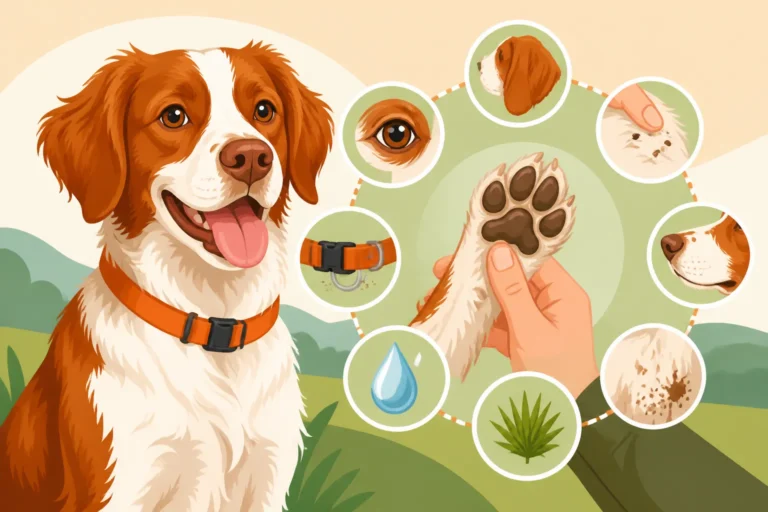
As soon as the hunt is over, take a moment to thoroughly check your Brittany. This quick routine helps you catch any issues related to temperature exposure before they worsen. Feel their ears and paws to gauge their core temperature—are they excessively hot or alarmingly cold? Check their gums for color; pale gums could indicate shock or hypothermia, while very red gums might point to overheating. Observe their breathing; is it still labored, or has it returned to normal?
Pay particular attention to their paw pads. In hot weather, look for blistering or redness from hot ground. In cold weather, check for cracks, cuts, or signs of frostbite. Their ears are another vulnerable area, especially after cold, wet conditions. A quick glance over their coat can reveal ice balls, excessive wetness, or the presence of burrs or foxtails which can cause irritation and discomfort, further stressing their system. Address any minor issues with your portable first aid kit. How to Treat a Brittany's Torn Pad or other minor injuries promptly can prevent them from escalating.
Warm-up/Cool-down Protocols
Just as you wouldn't sprint without a warm-up, your Brittany needs a proper cool-down after intense activity, especially in extreme temperatures. After a hot hunt, allow them to gradually cool down. Provide ample cool water, and if safe, let them wade in shallow, cool water or hose them down gently with cool (not cold) water. Avoid locking them in a hot dog box immediately. Let them relax in a shaded, breezy area.
After a cold hunt, ensure they are thoroughly dried, especially if they've been wet. A good toweling off and then wrapping them in a warm, dry blanket helps prevent further heat loss. Get them into a warm vehicle or home environment quickly. Avoid rapid rewarming with direct, intense heat, as this can be dangerous. A gradual return to normal body temperature is always preferred. A comfortable, dry bed in the truck or at home, preferably away from drafts, is essential for their recovery.
Nutrition and Rest
Post-hunt nutrition is about replenishment. After burning a significant amount of calories, especially in cold weather, your Brittany needs a good, digestible meal. This isn't the time for new foods; stick to their regular high-quality kibble. Whether a Working Brittany Needs a Performance Food is often answered with a resounding yes, and post-hunt is when these foods really shine. Ensure they continue to have access to fresh water, as rehydration continues long after the active hunt.
Crucially, allow them adequate rest. Hunting is incredibly taxing, both physically and mentally. A good, long sleep in a warm, comfortable spot is essential for muscle repair and overall recovery. Don't plan another strenuous outing too soon, especially if the previous hunt involved battling tough environmental conditions. Listen to your dog; if they seem lethargic or stiff the next day, it's a clear sign they need more time to recuperate. A happy, healthy Brittany is one that is properly fueled and rested, ready for the next adventure.
Disclaimer
This article is for general informational purposes only and does not constitute professional advice. Laws, prices and regulations vary by location and change over time. Consult a qualified professional for guidance on your specific situation.