Whether Trimming a Brittany’s Feathering Helps in Burrs
Oh, the battle against burrs in a Brittany's feathering! It's a tale as old as time for those of us who share our lives with these incredible, energetic dogs, especially if they spend any time at all doing what they love – whether that's quartering a field for birds or just romping through tall grass on a hike. You bring your beloved Brittany home after an adventure, and suddenly, their beautiful, flowing feathering has transformed into a tangled, burr-laden nightmare. The question of whether trimming that gorgeous plumage actually helps in this never-ending fight is a common and totally valid frustration, and this guide is here to dive deep into that very dilemma, offering practical insights and solutions.
The Feathering Dilemma: Beauty vs. Practicality
Brittanys are renowned for their striking appearance, and a significant part of that charm comes from their flowing feathering. But for many owners, especially those whose dogs are active in the field, this beauty often comes with a practical headache. It’s a classic case of form meeting function, or rather, malfunction when those pesky burrs decide to make a home.
What is Brittany Feathering and Why Does it Exist?
Let's talk about that feathering. It's not just for looks, though it certainly adds to the Brittany's elegant profile. You'll find this longer, softer hair primarily on the ears, the back of the legs (both front and hind), and along the belly and tail. This isn't the thick, dense undercoat you might find on some northern breeds, but rather a protective layer of guard hairs that helps shield the dog's delicate skin from environmental elements.
In its natural state, this feathering acts as a barrier against briars, tall grass, and even some light weather conditions, keeping the skin beneath safe from scratches and scrapes while a dog pushes through cover. For a breed like the Brittany, developed to be a close-working bird dog, this natural protection was essential. It's part of their hardy, athletic design. However, what offers protection in one sense can become a magnet for trouble in another, particularly when it comes to the thorny gifts of the outdoors. The texture itself, often slightly wavy and fine, is almost perfectly designed to catch and hold onto anything it brushes against, whether it’s a tiny seed or a formidable cocklebur.
The Unwelcome Intruders: Understanding Burrs and Foxtails
The bane of many a Brittany owner's existence, burrs and foxtails are more than just annoying; they can be downright painful and lead to serious health issues if not dealt with promptly. They are the field's equivalent of glitter – once they're in, they're everywhere.
Burrs come in many shapes and sizes, from the tiny, sticky seeds of beggar's ticks to the larger, spiky cockleburs or burdock burrs. What they all have in common is their ingenious design for hitchhiking. They have hooks, barbs, and sticky surfaces that latch onto anything fibrous, and your Brittany's feathering is a prime target. Once embedded, they cling tenaciously, quickly forming dense, painful mats that pull at the skin. Imagine having dozens of tiny, barbed hooks tugging at your hair all day; that's what your Brittany experiences. This can cause significant discomfort, skin irritation, and even open sores if the dog tries to chew or scratch them out, potentially leading to secondary infections.
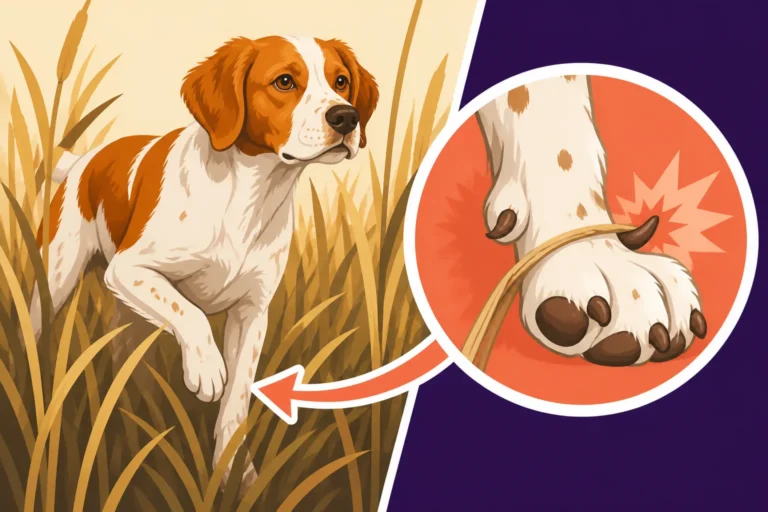
Foxtails, on the other hand, are arguably even more insidious. These dried seed heads from certain grasses are arrow-shaped and designed to burrow forward, not backward. They can work their way into ears, nostrils, paw pads, and yes, even through the skin, causing abscesses and serious internal damage. While feathering might initially trap them, their ability to migrate means they can pose a grave danger if not caught quickly. The frustration of spending what feels like hours after every outing, meticulously combing and picking through dense feathering, is something every active Brittany owner knows intimately. It's not just a chore; it's a critical part of ensuring your dog's well-being.
To Trim or Not to Trim: Weighing the Options
When faced with the constant struggle against field debris, many Brittany owners inevitably ponder the clipper. Is sacrificing some of that beautiful feathering worth the practical benefits? It's a decision that involves balancing aesthetics, ease of care, and your dog's comfort and health.
The Case for Trimming: Less Burrs, Easier Maintenance
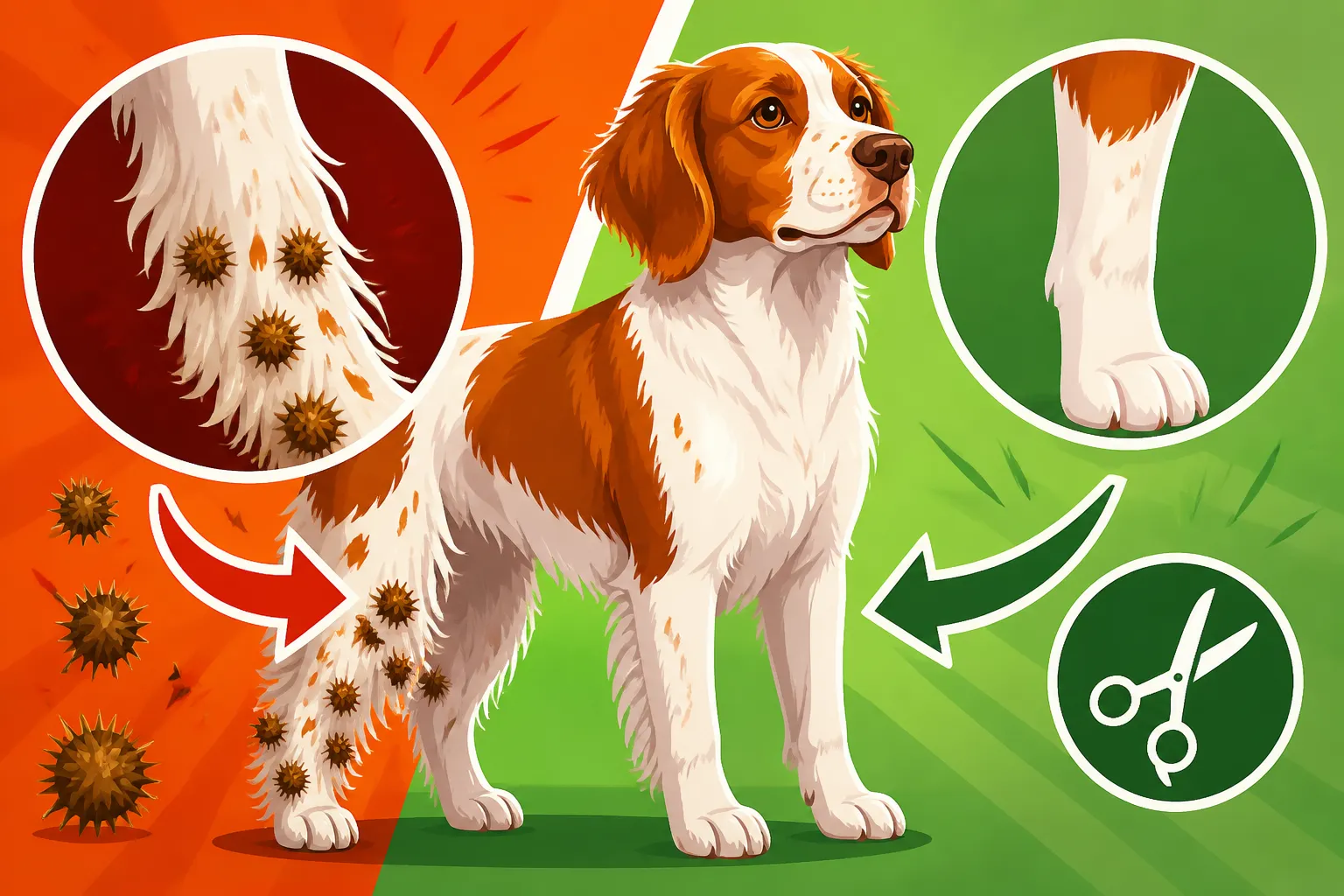
Let's be honest: less hair generally means less to catch burrs. This is the primary driver behind trimming. When you strategically shorten the feathering, especially in high-contact areas, you dramatically reduce the surface area available for burrs and foxtails to latch onto. Think about the feathering on the belly, the "pants" on the back legs, and those magnificent ear fringes. These are prime collection zones.
Trimming these areas to a more manageable length can turn a 45-minute post-hunt grooming session into a quick 10-minute check. Imagine the time saved! Not only that, but a shorter coat dries much faster. If your Brittany is prone to splashing through creeks or working in damp conditions, quicker drying means less risk of skin issues like hot spots or ear infections, which are common concerns for breeds with drop ears. Why a Brittany's Ears Get Infected Every Season is a common frustration, and a shorter ear feathering can certainly help.
For a true working dog, whose primary job is to hunt, practicality often trumps show-ring aesthetics. Many hunters swear by trimming their Brittanys' feathering, finding that the reduction in tangles and debris collection is well worth the altered look. It simplifies their routine and, more importantly, keeps their dog more comfortable and healthier in the long run.
The Arguments Against Trimming: Aesthetics and Natural Protection
Of course, there's another side to the coin. Many Brittany owners adore the breed's natural look, and trimming can certainly alter that. For those who enjoy showing their dogs in conformation events, any significant trimming would go against breed standards. Even for pet owners, the long, silky feathering is a hallmark of the Brittany's charm, and some simply prefer to keep their dog looking as natural as possible.
Beyond aesthetics, there's the argument about natural protection. That feathering isn't just ornamental; it provides a layer of defense. On a cold, windy day, longer hair offers a bit more insulation. When pushing through dense undergrowth, it can help protect the skin from scratches and cuts. Some argue that removing this natural barrier leaves the dog more vulnerable to the very elements you're trying to protect them from. For example, The Feathering on a Brittany's Legs and Ears provides some level of physical shield.
It's a valid point to consider. While trimming might reduce burr collection, it could potentially expose the skin to other minor abrasions. However, many working dogs wear protective vests or boots, which can compensate for any lost natural protection in highly exposed areas. Ultimately, the decision often comes down to individual lifestyle and priorities.
Practical Approaches to Managing Brittany Feathering in the Field
So, you've weighed the pros and cons. If you're leaning towards trimming, or even if you're not, there are practical steps you can take to make life with a field-loving Brittany much easier. It's all about strategic management.
Strategic Trimming for the Working Brittany
If you decide to trim, it doesn't mean you have to shave your Brittany like a Poodle. The key is strategic trimming. You want to target the areas that are most prone to collecting debris while preserving as much of the natural coat and protection as possible.
- Belly and Armpits: These are absolute magnets for burrs, especially when your Brittany is plunging through thick cover. A shorter trim on the belly and under the armpits makes a massive difference. You can use electric clippers with a longer guard comb (like a #7F or #10 blade if you want it pretty short, or scissor over comb for a more natural, slightly longer look) to keep these areas neat and tidy. This also aids in cooling and drying after a swim or a hot hunt.
- "Pants" on Hind Legs: The feathering on the back of the hind legs, often called the "pants," can become a tangled mess. Trimming this down, again with clippers or scissors, to just above the hock can significantly reduce burr collection. You don't need to take it all off; just shorten it enough so it doesn't drag through every seed pod.
- Ear Feathering: While beautiful, long ear feathering is notorious for collecting burrs and can also lead to more frequent ear infections by trapping moisture and debris. Why a Brittany's Drop Ear Traps Water is a real issue. A good compromise is to trim the hair on the underside of the ear flap, and to thin out the longer feathering around the edges with thinning shears. This helps air circulate and reduces the surface area for burrs, without entirely sacrificing the classic Brittany ear fringe. You're aiming for practicality, not a show-ring buzz cut.
- Tail Feathering: Many Brittanys have wonderful plumes on their tails. If this feathering is constantly collecting burrs and getting matted, consider a slight trim or thinning. You can layer it a bit shorter to reduce density and length, making it less of a burden.
When performing any trimming, always use sharp, good quality clippers and scissors designed for dog grooming. Go slowly, and always comb the hair out first to remove any tangles before you cut. If you're unsure, consulting with a professional groomer experienced with sporting breeds, or an experienced Brittany owner, can provide valuable guidance on where and how much to trim. You can also look up "field trim" guides from reputable Brittany clubs for visual examples. Whether a Hunting Brittany Should Be Trimmed Shorter explores this further.
Alternative and Complementary Strategies for Burr Prevention
Trimming isn't the only tool in your arsenal. Even with trimmed feathering, burrs are an inevitability for a hunting dog. Combining trimming with other proactive measures will give you the best defense.
- Coat Conditioners and Sprays: A smooth, well-conditioned coat is less likely to hold onto burrs than a dry, rough one. Before heading out, consider applying a leave-in conditioner or a special anti-static, detangling spray. Products designed to make the coat slick can help burrs slide off or make them much easier to remove. Many reputable brands offer these, and you can often find them on Chewy or Amazon.
- Protective Gear: Don't underestimate the power of physical barriers. A protective vest can shield your Brittany's chest and belly from the worst of the burrs and briars. Dog boots, while they take some getting used to, are fantastic for protecting paw pads and the sensitive hair between the toes from burrs, foxtails, and abrasive terrain. Whether a Brittany Needs Boots in the Field is a question many ask, and for heavy cover, they are invaluable.
- Regular Grooming Routine: Whether you trim or not, consistent grooming is paramount. How Often a Brittany Needs Brushing is crucial, especially in season. Daily brushing, particularly after a hunt, is your first line of defense. A slicker brush followed by a greyhound comb will help catch loose debris before it has a chance to set in. Pay special attention to the feathering on the legs, ears, and belly.
- Nutrition for Coat Health: A healthy coat starts from within. Ensure your Brittany is on a high-quality diet that supports skin and coat health. Some owners supplement with fish oil, which can improve coat luster and reduce dryness. Brands like Ollie focus on fresh, whole ingredients that contribute to overall health, including a shiny, resilient coat. A well-nourished coat is simply more resilient to environmental challenges.
After the Hunt: Burr Removal and Coat Care
Even with the best preventative measures, some burrs are bound to make it home with your Brittany. The key then becomes efficient and gentle removal, followed by thorough coat care to keep your dog comfortable and healthy.
Step-by-Step Burr Removal from Feathering
This is where patience becomes a virtue. Rushing through burr removal can cause pain to your dog and damage their coat. Get comfortable, grab your tools, and make it a bonding experience, if possible. What to Check on a Brittany After Every Outing is a good checklist to follow.
- Gather Your Tools: You'll need a sturdy metal comb (a greyhound comb works wonderfully), a slicker brush, a pair of blunt-tipped scissors (for cutting into stubborn mats, never against the skin!), a detangling spray or a coat conditioner, and maybe even a small dish of coconut oil or baby oil for extra slippery aid.
- Start with a Detangling Spray: Generously spray the burr-laden feathering with your detangling product. Let it sit for a minute or two to help loosen the burrs and coat the hair shafts. This is where products from Amazon can be a lifesaver, as you can order various detanglers for dogs.
- Work in Small Sections: Don't try to tackle the whole mess at once. Isolate a small section of feathering with burrs. Hold the hair firmly at the base, close to the skin, to minimize pulling on your dog's skin.
- Careful Combing: Start at the very ends of the hair and gently work your comb through, one burr at a time. If you encounter a cluster of burrs, try to gently break them apart with your fingers first. The detangling spray should help them slide. For especially stubborn burrs, you can apply a tiny bit of coconut oil directly to the burr and the surrounding hair to help it slip free. Whether Coconut Oil Helps Burrs Slide Off a Brittany can be surprisingly effective.
- Scissors for Mats (with extreme caution): If burrs have formed a dense, impenetrable mat, you might need scissors. Never cut straight into a mat against the skin. Instead, use the blunt-tipped scissors to carefully snip into the mat from the outer edge, perpendicular to the hair growth, creating small channels. This helps break up the mat so you can then comb it out. Only as a last resort should you consider cutting the entire mat out, as this leaves a bald patch and reduces protection.
- Check All Areas: Be meticulous. Pay extra attention to the areas where burrs love to hide: behind the ears, armpits, between the toes, the belly, and the "pants." Where a Brittany's Feathering Mats First are often these sensitive areas.
- Reward and Inspect: Once you're done, give your Brittany a well-deserved treat and praise. Do a final visual and tactile inspection to ensure you haven't missed any hidden burrs or irritated spots.
This process can be time-consuming, sometimes taking How Long Burr Removal Takes on a Brittany depending on the severity. But it's essential for your dog's comfort and to prevent skin issues.
Maintaining a Healthy Coat, Trimmed or Untrimmed
Regardless of whether you choose to trim your Brittany's feathering, ongoing coat care is essential for their overall health and well-being. A healthy coat is more resilient and easier to manage.
- Regular Brushing: This can't be stressed enough. Daily or every-other-day brushing, even when not hunting, helps distribute natural oils, removes loose hair, and prevents minor tangles from becoming major mats.
- Bathing as Needed: While you don't want to over-bathe and strip natural oils, a bath after a particularly dirty or muddy outing is a good idea. Use a gentle, dog-specific shampoo and conditioner. Pay special attention to rinsing thoroughly, as leftover shampoo can irritate the skin. How Often a Brittany Should Be Bathed depends on their activity level.
- Drying: After baths or swims, ensure your Brittany is thoroughly dried, especially in the feathering and around the ears. A damp coat can lead to fungal or bacterial infections. A powerful dog dryer can speed up the process.
- Skin Health: Keep an eye on your Brittany's skin. Redness, flakiness, or excessive scratching can indicate irritation or allergies. A healthy diet, as mentioned earlier, is crucial for skin health, and some dogs may benefit from specific supplements if recommended by a vet. If you notice persistent issues, consult your veterinarian.
- Seasonal Adjustments: Your Brittany's coat needs change throughout the year. In warmer months, ensure they don't overheat, and consider whether a slightly shorter trim might aid in cooling. In colder weather, a healthy, untrimmed coat offers more natural insulation, though a vest might still be necessary for extreme conditions. A Brittany's Coat Is Low Maintenance Until It Hits Cover is a common misconception until you experience a full season of field work!
Here's a quick comparison of trimming versus not trimming for field work:
| Feature | Trimming Feathering (Strategic) | Not Trimming Feathering |
|---|---|---|
| Burr & Debris Collection | Significantly reduced | High, especially in dense cover |
| Post-Hunt Cleanup Time | Faster and easier | Longer, more intensive |
| Risk of Matting | Lower | Higher |
| Drying Time | Faster, reduced risk of skin/ear issues | Slower, increased risk of damp-related problems |
| Natural Protection | Slightly reduced, but can be compensated with gear | Maintained, natural barrier against elements |
| Aesthetics | Altered from natural show-ring look, more practical field trim | Classic, natural Brittany appearance |
| Skin Irritation Risk | Lower due to less pulling/matting | Higher if burrs and mats are not removed promptly |
Ultimately, the decision to trim your Brittany's feathering is a personal one, weighing the aesthetic appeal against the practical realities of owning an active field dog. For many, a strategic trim offers a fantastic compromise, allowing their Brittany to enjoy the field with less discomfort and their owner to spend less time in the battle against burrs, and more time enjoying their amazing companion.
Disclaimer
This article is for general informational purposes only and does not constitute professional advice. Laws, prices and regulations vary by location and change over time. Consult a qualified professional for guidance on your specific situation.