Whether a Brittany Needs a Preseason Vet Check
As hunting season approaches, many of us are itching to get our Brittanys out into the field, picturing those perfect points and retrieves. But before you dust off the bird launcher, there's one crucial step often overlooked: a preseason vet check. This isn't just about ticking a box; it's about proactively ensuring your beloved hunting companion is in peak physical condition to avoid heartbreaking injuries or illnesses that could cut your season short.
Why a Preseason Vet Check Isn't Just "Nice to Have" – It's Essential
It's easy to look at your Brittany, full of boundless energy, and think they're ready for anything. After all, these dogs are built for activity, and they often mask discomfort with incredible stoicism and a high pain tolerance, especially when their prey drive kicks in. But the demands of a full hunting season—long days in varied terrain, exposure to elements, and intense physical exertion—can quickly reveal underlying health issues that were dormant during the off-season. A preseason vet check acts as your dog's personal physical therapist and diagnostician, looking for the tiny whispers of trouble before they become shouts.
Catching Subtle Issues Before They Become Big Problems
Brittanys, like many working breeds, live for the hunt. This incredible drive means they often won't show obvious signs of pain or discomfort until an issue is quite advanced. Imagine your dog silently battling a touch of arthritis in their hips, perhaps only a slight stiffness you've dismissed as post-play fatigue. Once they hit the field, navigating uneven terrain, jumping logs, and pushing through thick cover, that minor stiffness can escalate into debilitating pain, a torn ligament, or a full-blown lameness that requires immediate veterinary attention and sidelines them for weeks or even permanently.
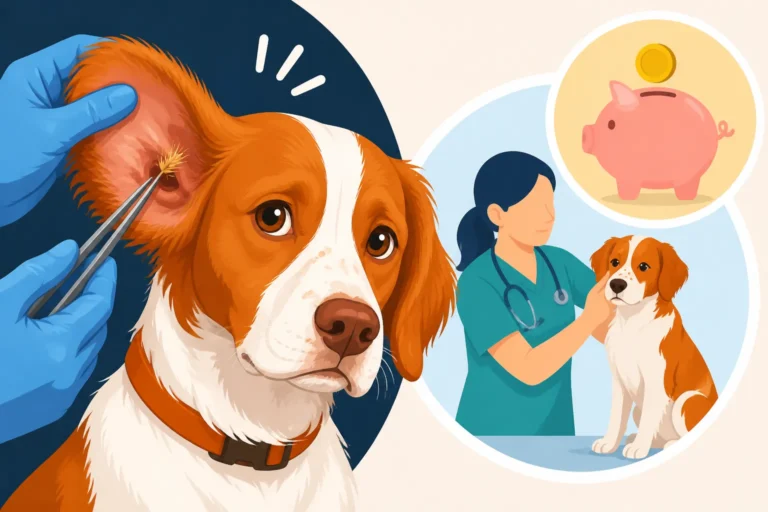
A thorough vet check can uncover these hidden conditions. The vet might notice subtle changes in gait, detect early signs of dental disease that could lead to systemic infection, or spot an ear infection just beginning to brew deep inside that characteristic drop ear, which, left untreated, could cause serious discomfort and affect their hearing in the field. They can feel for joint effusions, assess muscle symmetry, and identify areas of tenderness that your dog has been stoically enduring. This proactive approach saves you both money and heartache down the line, preventing an emergency vet visit when you're miles from home. You'll want to review Signs a Brittany's Hips Hurt to understand what to look for at home.
Tailoring Your Brittany's Health Plan for the Field
Every hunting season presents its own unique set of health challenges, from changing parasite threats to the specific terrain you'll be covering. A preseason vet check is the perfect opportunity to discuss these factors with your veterinarian and tailor a health plan specifically for your Brittany's upcoming adventures. This isn't a one-size-fits-all approach; it's about optimizing their protection and performance.
Your vet will ensure your Brittany is up-to-date on all necessary vaccinations. Beyond the core vaccines, they might recommend additional protection against diseases prevalent in your hunting grounds, such as Leptospirosis, which can be contracted from contaminated water sources common in rural areas, or Lyme disease, carried by ticks. They’ll also advise on the most effective flea, tick, and heartworm preventatives. Given the sheer number of ticks a Brittany can pick up, you might want to read How Many Ticks a Brittany Picks Up in a Season. This personalized strategy minimizes risks, allowing your dog to focus on what they do best without you constantly worrying about preventable illnesses.
What Exactly Happens During a Preseason Vet Check?
So, what exactly does a "preseason vet check" entail? It's more than just a quick glance. Think of it as a comprehensive health audit designed to ensure every part of your Brittany is ready for the rigors of the field. It’s a deep dive into their physical state and internal workings, giving you peace of mind.
The Comprehensive Physical Exam
During the physical exam, your veterinarian will systematically go over your Brittany from nose to tail, literally. They’ll start with the basics: checking their weight and body condition score to ensure they're at an optimal fitness level for the season. Next, they'll meticulously examine their eyes for any signs of irritation, cataracts, or other issues that could impair their vision, which is crucial for marking birds. Speaking of vision, it's a good idea to know How Often a Brittany's Eyes Should Be Certified.
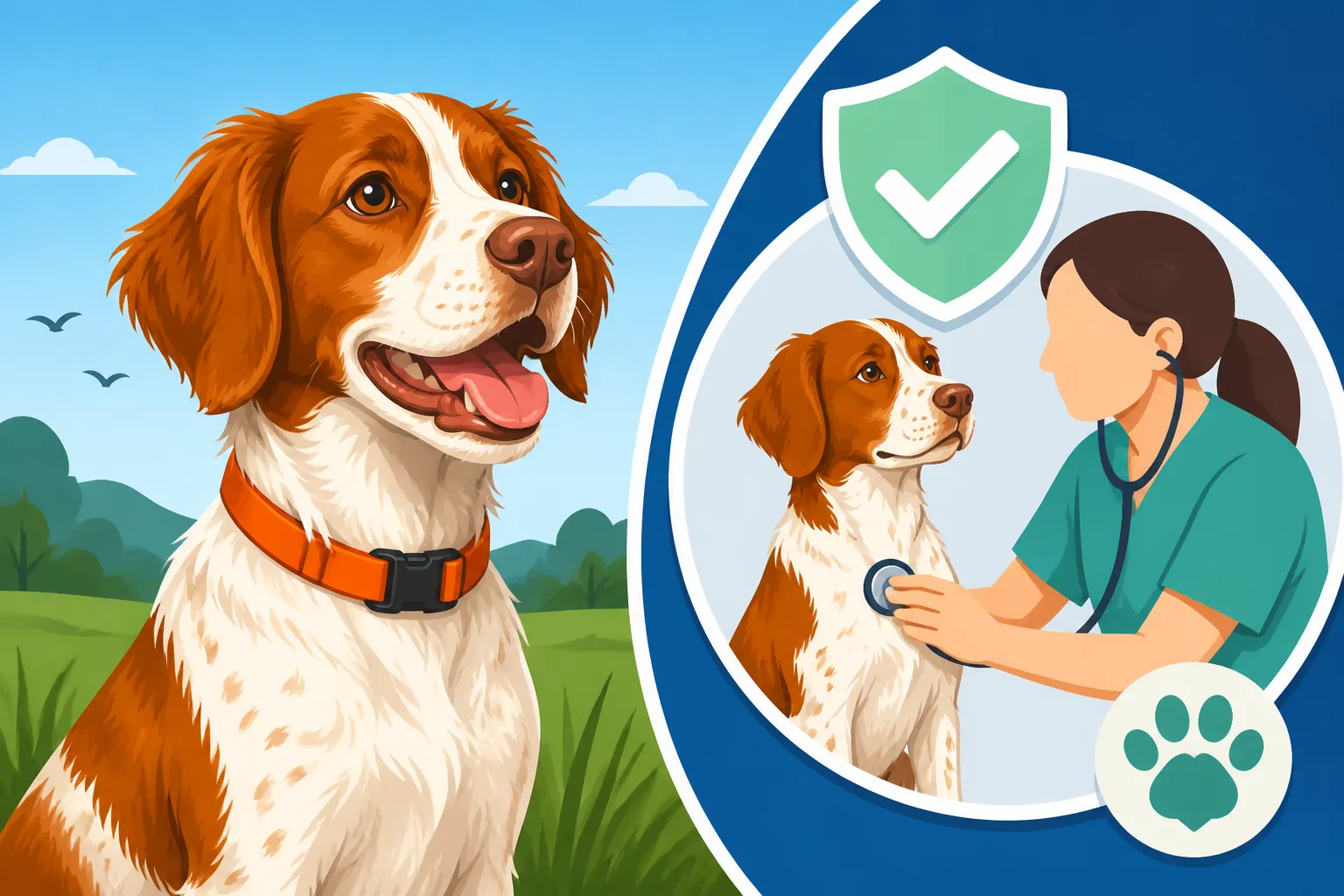
The vet will then move to those characteristic drop ears, peering deep inside to look for redness, discharge, or any foreign bodies like grass awns that might be lodged there, which can easily lead to painful infections. They’ll open your Brittany's mouth to check teeth and gums for dental disease, which can be a silent source of pain and infection. Heart and lung sounds will be carefully assessed with a stethoscope to ensure no murmurs or breathing issues exist that could compromise stamina. Finally, and crucially for a hunting dog, the vet will perform a thorough musculoskeletal evaluation, palpating joints, checking range of motion, and looking for any signs of pain or instability in hips, elbows, and stifles, especially if your dog is getting a bit older. This entire process is about finding subtle clues your dog may have been hiding.
Beyond the Physical: Bloodwork and Other Diagnostics
While a thorough physical exam is the cornerstone of any vet check, what's happening inside your Brittany is just as important. This is where diagnostic tests, like bloodwork, come into play. A complete blood count (CBC) can reveal underlying infections, inflammation, or even anemia, which would severely impact your dog's endurance. A chemistry panel provides insights into organ function, checking the liver, kidneys, and other vital systems that will be working overtime during hunting season.
This bloodwork creates a baseline, too. If your Brittany gets sick or injured during the season, having those healthy baseline values makes it much easier for your vet to diagnose and treat any new problems effectively. For older Brittanys, or those showing any subtle signs of lethargy or weight changes, a thyroid panel might also be recommended, as hypothyroidism can significantly affect energy levels and coat health. Understanding What a Brittany's Preseason Bloodwork Costs can help you budget for this important step. In some cases, if the vet suspects a hidden injury or chronic condition, they might suggest X-rays, especially of hips or stifles, to get a clearer picture of joint health.
Planning Ahead: Timing and Cost Considerations
Nobody likes surprises, especially when it comes to vet bills or realizing your dog isn't ready for opening day. Planning your preseason vet check effectively means thinking about timing and understanding the financial investment, which ultimately contributes to a healthier, happier hunting partner and a more enjoyable season for both of you.
When to Schedule That Preseason Visit
Timing is everything. You don't want to wait until the week before opening day to schedule your Brittany's vet check. Ideally, you should aim to get this done several weeks, or even a couple of months, before the season officially kicks off. This lead time is crucial for several reasons. First, it allows ample opportunity for any necessary booster vaccinations to be administered and for their immunity to build up. You also need time for any new parasite preventatives to take full effect.
More importantly, if the vet does uncover an issue—be it a budding ear infection, early arthritis, or a dental problem—you'll have enough time to pursue treatment, recovery, or even a specialized conditioning plan without jeopardizing your hunting season. Imagine discovering your Brittany needs a course of antibiotics or a few weeks of restricted activity just as you planned to head out. Proactive scheduling prevents these stressful situations and ensures your dog is truly ready to perform. It also aligns well with the start of their conditioning regimen, making sure they're structurally sound before increasing their workload.
Understanding the Investment in Your Brittany's Health
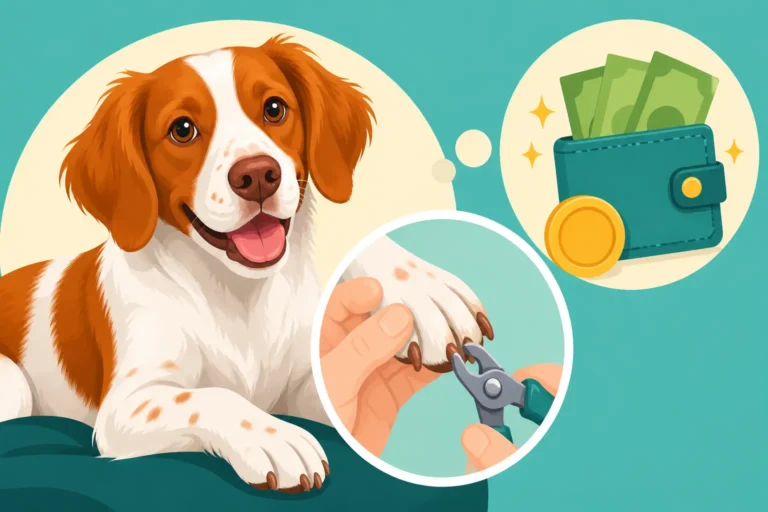
Let's be real: veterinary care is an investment. The cost of a preseason vet check will vary depending on your location, your vet's fees, and what specific diagnostics (like bloodwork or additional vaccines) are recommended for your Brittany. It's often comparable to a regular annual wellness exam, plus any specialized tests or treatments. While it might seem like an extra expense upfront, consider it an investment that can prevent much larger, emergency vet bills down the line. A single field injury or severe illness requiring hospitalization can easily cost many times more than a preseason check.
Many owners opt for pet insurance to help manage these costs, and it's worth exploring plans from providers like Healthy Paws, especially for active hunting dogs. It can provide peace of mind knowing that if your Brittany tears a pad or suffers an injury in the field, you'll have support. Beyond the vet visit itself, factor in the cost of high-quality performance food—maybe you're looking at a brand like Ollie for fresh, tailored nutrition, or stocking up on specialized kibble from Chewy—and any recommended joint supplements or specific grooming tools. Taking What a Brittany Costs Over Its Lifetime into account, these early, preventative investments are minimal compared to the overall commitment.
Practical Steps to Prepare for the Season (and the Vet!)
Once you've scheduled that all-important preseason vet check, there are several things you can do to ensure both your Brittany and you are fully prepared for the hunting season. It's a holistic approach, encompassing their physical readiness, nutritional needs, and the gear that keeps them safe and effective in the field.
Conditioning and Nutrition Hand-in-Hand
Your vet check might give you a clean bill of health, but that's just the starting line. Getting your Brittany into peak physical condition requires a gradual, consistent conditioning program. This isn't about running them ragged for a few days; it's about building stamina, strength, and resilience over several weeks or even months. Start with shorter, controlled runs, gradually increasing duration and intensity. Incorporate different terrains to strengthen muscles and toughen paw pads. Swimming is an excellent, low-impact way to build cardiovascular fitness and muscle. Remember, a Brittany that runs two hours a day during season needs sustained energy, so revisit Feeding a Brittany That Runs Two Hours a Day.
Nutrition plays a massive role here. A working Brittany needs more than just a maintenance diet. Talk to your vet about performance-formula foods that are higher in protein and fat, designed to fuel active dogs. Brands like Ollie offer fresh, nutrient-dense options that can support sustained energy and muscle recovery. Ensure they're getting adequate hydration, especially as you increase their exercise. You might also discuss specific supplements, like glucosamine and chondroitin for joint support, or fish oil for overall health and a healthy coat.
Gear and Field Safety Prep
Beyond your dog's physical state, use the preseason as an opportunity to review and prepare all your hunting gear. Check your e-collar to ensure it's functioning correctly and the battery holds a charge. Test your GPS collar—it's absolutely invaluable for finding a wide-ranging Brittany in dense cover. Examine your check cords, whistles, and bird launchers for any wear and tear. Make sure your dog's orange vest is intact and fits snugly; visibility is paramount for safety.
Perhaps most importantly, assemble or refresh your field first-aid kit. This kit should be comprehensive, including items like bandages, antiseptic wipes, sterile saline, tweezers for burrs and splinters, clotting powder, and any prescribed medications for your specific dog. Knowing What a First Aid Kit for a Brittany Should Hold can literally save the day if an injury occurs far from veterinary care. Practicing how to use these items and understanding basic canine first aid can make all the difference in an emergency, allowing you to stabilize your Brittany until you can reach a professional.
| Component of Preseason Vet Check | Purpose | Key Benefits for a Hunting Brittany |
|---|---|---|
| Comprehensive Physical Exam | Assess overall health, identify subtle issues | Detects early arthritis, dental problems, ear infections, heart/lung issues. |
| Vaccination Review & Update | Ensure protection against common diseases | Guards against Leptospirosis, Lyme, rabies, distemper prevalent in field. |
| Parasite Control Discussion | Strategize for fleas, ticks, heartworm, intestinal | Prevents debilitating illnesses, maintains energy, reduces disease transmission. |
| Bloodwork (CBC & Chemistry) | Evaluate internal organ function, detect infection | Uncovers hidden infections, organ stress, establishes healthy baseline values. |
| Musculoskeletal Assessment | Check joints, gait, and pain response | Identifies potential lameness, stiffness, or injury risks before heavy exertion. |
| Nutrition & Conditioning Advice | Tailor diet and exercise for optimal performance | Fuels sustained energy, promotes muscle recovery, prevents injuries from fatigue. |
Disclaimer
This article is for general informational purposes only and does not constitute professional advice. Laws, prices and regulations vary by location and change over time. Consult a qualified professional for guidance on your specific situation.