How Long a Brittany Can Hunt in a Day
It’s a question every passionate bird hunter with a Brittany asks: just how long can my dog go? You look at their boundless energy, their unwavering focus, and you want to believe they could hunt from sunup to sundown. But the reality is, pushing your Brittany too far isn't just detrimental to their performance; it can be downright dangerous for their health. This guide will walk you through the many factors that dictate how long your furry hunting partner can safely and effectively stay in the field, helping you learn to read their signals and make smart decisions for their well-being and your shared success.
Factors Influencing How Long Your Brittany Can Hunt
The truth is, there's no single magic number for how many hours a Brittany can hunt in a day. It's not like a vehicle with a full tank of gas that just runs until it's empty. Instead, it's a dynamic equation influenced by a whole host of variables, from their personal fitness to the environment around them. Understanding these nuances is key to being a responsible hunting partner.
Your Brittany's Conditioning Level and Age
Think of your Brittany like an athlete. A well-conditioned human runner can tackle a marathon, while someone who only jogs occasionally might struggle with a 5k. The same goes for your dog. A Brittany that has been diligently conditioned throughout the off-season, building up stamina and muscle, will naturally have a much longer effective hunting window than one who has mostly been lounging on the couch. This conditioning isn't just about physical endurance; it also builds mental toughness, allowing them to maintain focus and drive even when tired. If you're wondering about getting your dog ready, you might be interested in reading How Many Weeks a Brittany Needs to Get Fit.
Age plays a huge role here too. A vibrant, fit three-year-old Brittany is likely to have peak stamina, able to cover ground with seemingly endless energy. Contrast that with a young pup, who needs shorter, more frequent breaks to avoid burnout and injury, or an older, senior Brittany. As our beloved dogs enter their golden years, typically around eight or ten, their endurance naturally wanes. They might still have the heart and the desire to hunt, but their bodies can't keep up the same pace for as long. A senior Brittany might enjoy a few hours in good cover, but expecting them to keep up a full day's pace could lead to exhaustion or injury. The Age a Brittany Is Considered Senior offers more insight into what to expect as your Brittany ages.
Environmental Conditions: Weather, Terrain, and Cover
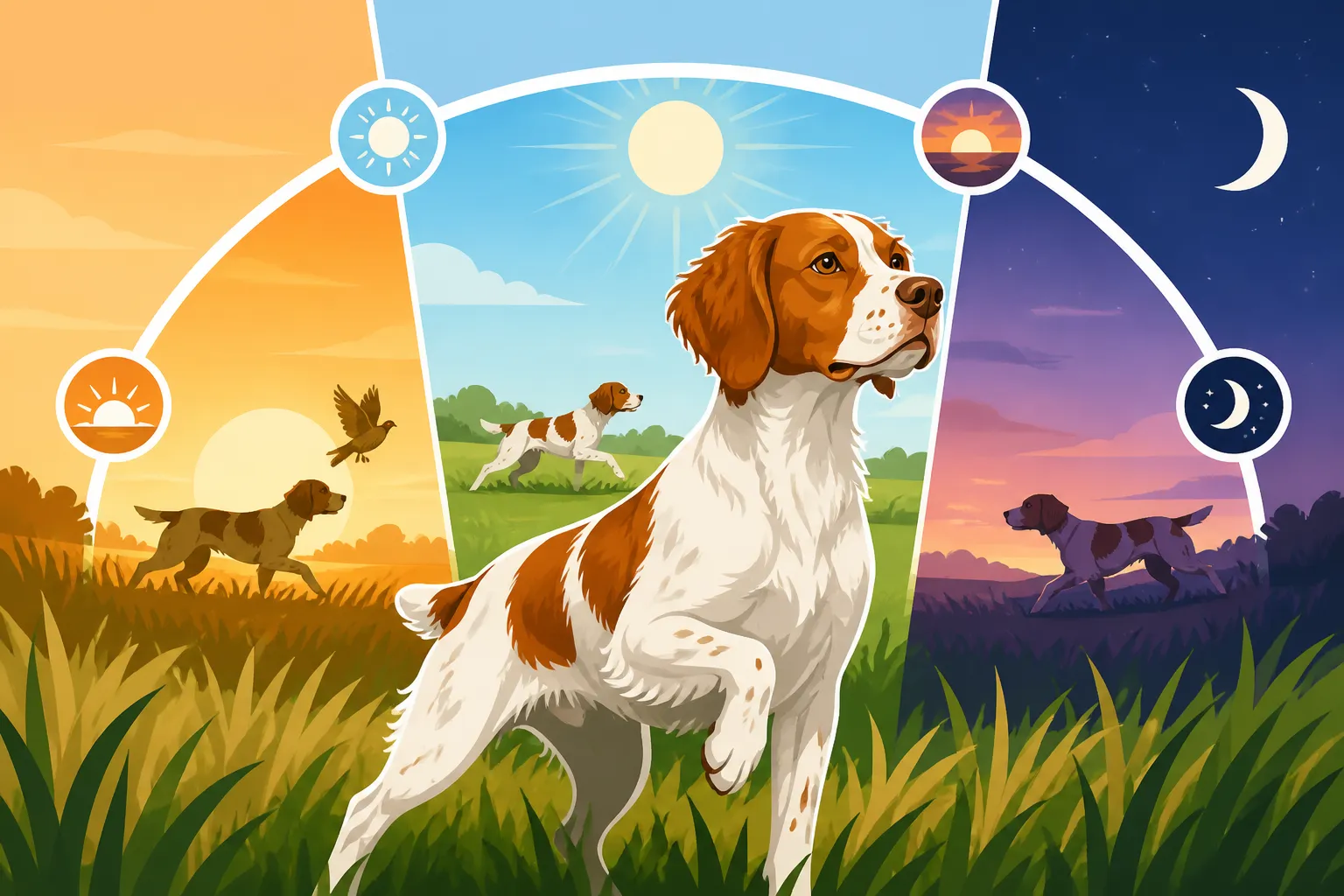
The world outside is arguably the biggest external factor in your Brittany's hunting duration. A cool, crisp autumn day with light wind and open fields is an entirely different beast than a sweltering early-season hunt in heavy, boggy cover or a late-season slog through deep snow.
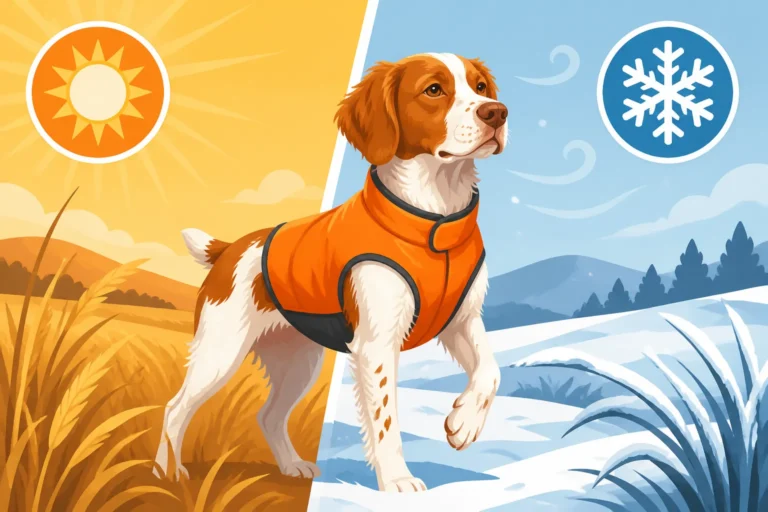
Heat and humidity are notorious energy sappers and dangerous adversaries for any working dog. Even with access to water, a Brittany can overheat quickly in direct sunlight or high humidity, especially if they're working hard. Their natural drive means they won't always stop themselves, so it's up to you to be vigilant. Knowing What Temperature Is Too Warm to Run a Brittany is critical for their safety. Dense cover, like thick briars or marsh grass, forces your dog to expend far more energy navigating and pushing through than open stubble fields. Imagine yourself wading through waist-high water for hours versus walking on a paved path – the difference in effort is immense. Similarly, hilly or mountainous terrain adds another layer of physical demand compared to flatlands. Cold weather, while often better for preventing overheating, brings its own challenges. If your Brittany is constantly breaking ice or slogging through deep snow, their energy reserves will deplete faster, and they'll need more calories and proper insulation to maintain core body temperature.
Genetic Predisposition and Individual Temperament
Just like people, every Brittany is an individual. While the breed generally boasts incredible stamina and an insatiable desire to hunt, there can be variations. Some lines might be known for more extreme endurance, bred over generations for all-day field trial performance, while others might be geared towards a slightly closer working, foot-hunting pace.
Beyond genetics, individual personality plays a role. You might have one Brittany who, even on a tough day, seems to bounce back quickly after a short rest, ready to go again with a wagging tail. Another, perhaps more sensitive or less driven, might show signs of mental fatigue quicker, losing focus even if their body isn't completely spent. It's a subtle difference, but one a keen owner learns to recognize. For example, some Brittanys are notoriously "soft" and can be mentally shut down by harsh corrections or repeated frustration, which impacts their willingness to continue working. You want to avoid pushing them past their mental breaking point, just as much as their physical one.
Recognizing Signs of Fatigue and Overexertion
Your Brittany can't tell you in words when they're tired, but they'll certainly communicate it through their body language and performance. Learning to interpret these signals is paramount to ensuring their safety and preventing serious health issues. Ignoring these signs can lead to injury, heatstroke, or even long-term damage.
Subtle Early Warnings
Often, the first signs of fatigue are subtle, easy to miss if you're not paying close attention. Your usually exuberant Brittany might start to lose a little of their characteristic "snap" in their tail or their trot. Instead of their usual energetic quartering, they might start taking shorter arcs, or maybe they’re not ranging quite as wide as they usually do. Their focus might waver slightly, perhaps taking a moment longer to respond to a whistle command, or missing a scent cone they would normally lock onto instantly.
You might notice a change in their breathing. While heavy panting is normal for a working dog, unusually shallow or rapid panting, even during a brief rest, can be an early indicator of overheating or excessive exertion. Pay attention to their tongue and gums; a very dark red, almost purplish, tongue or gums are a serious red flag, indicating potential heat stress, but even a slightly darker shade than normal can be a warning sign. Don't wait for extreme signs – these subtle cues are your dog's way of whispering, "I'm starting to get tired."
Obvious Distress Signals
If you miss the early warnings, your Brittany will eventually escalate to more obvious signs of distress. These are the signals that demand immediate action and often mean it's time to end the hunt, or at least take a very extended, cool-down break. Lagging behind you, stumbling, or exhibiting an uncoordinated gait are clear indicators of physical exhaustion. They might start refusing to jump over small obstacles they'd normally clear with ease, or they might appear disoriented.
Excessive drooling, thick ropey saliva, or foamy saliva around the mouth are serious red flags, often associated with heatstroke. Vomiting or diarrhea in the field is also a very concerning sign and necessitates an immediate stop and assessment. If your Brittany collapses, shows signs of muscle tremors, or has glassy eyes, it's an emergency. These are clear indicators of significant overexertion or heat stress, such as Signs a Brittany Is Overheating in the Field, and require prompt cooling measures and veterinary attention. Remember, your dog's drive can sometimes override their sense of self-preservation, making it even more crucial for you to be their advocate.
Monitoring Body Temperature
While their outward appearance tells a story, internal body temperature is the ultimate indicator of your Brittany's well-being, especially on warmer days. A dog's normal temperature ranges from 100 to 102.5 degrees Fahrenheit. Anything above 104 degrees F (about 40 degrees C) is cause for concern, and above 105 degrees F (about 40.5 degrees C) is considered a medical emergency. Carrying a small, digital rectal thermometer is a smart move, especially during early season hunts or in hot climates.
Checking their temperature periodically, especially if you notice any subtle warning signs, can help you make an informed decision before a situation escalates. If their temperature is elevated, even if they seem okay otherwise, it's a clear signal to slow down, cool off, and offer water. Don't wait for obvious distress signals; proactive monitoring can be a lifesaver. This simple tool, readily available on platforms like Amazon, can provide critical data when your gut feeling isn't quite enough.
| Sign of Fatigue/Distress | Early Warning | Serious Concern | Action Required |
|---|---|---|---|
| Gait/Movement | Slightly slower pace, shorter arcs, less spring in step | Lagging, stumbling, uncoordinated, collapse | Rest, cool down, assess |
| Panting/Breathing | Rapid, shallow panting, even at rest | Excessive panting, heavy mouth breathing, difficulty catching breath | Immediate cool down, water, vet if no improvement |
| Mentality/Focus | Delayed response to commands, less enthusiasm, less wide ranging | Disoriented, unresponsive, glassy eyes | Immediate cool down, water, vet if no improvement |
| Saliva/Gums | Slightly thicker saliva, darker tongue/gums | Foamy saliva, very dark red/purplish gums, dry mucous membranes | Immediate cool down, water, vet immediately |
| Overall Demeanor | Appears less interested, takes more breaks | Vomiting, diarrhea, muscle tremors, refusal to move | Immediate cool down, water, vet immediately |
Optimizing Your Brittany's Stamina for Longer Hunts
While you can't magically give your Brittany infinite energy, there are many proactive steps you can take to help them perform at their best and safely extend their time in the field. It’s all about preparation, smart management, and providing the right support.
Proper Hydration and Nutrition
This is foundational. Just like us, a Brittany running hard needs consistent, clean water. On a hunting day, their hydration needs skyrocket. Plan for frequent water breaks, offering water every hour or two, more often if it's hot or they're working intensely. Don't just offer it once and expect them to be good; actively encourage them to drink. Some dogs are too focused to remember, so make it readily available. Portable water bowls and squeeze bottles that stream water directly into their mouth are invaluable tools. For multiday hunts, consider carrying electrolyte solutions or dog-specific hydration supplements.
Nutrition is equally vital. A Brittany that is working hard through a hunting season needs a high-quality, high-performance dog food. These foods are typically denser in calories, higher in fat, and provide sustained energy. Feeding a regular maintenance diet during hunting season is a recipe for weight loss and exhaustion. Discussing this with your vet can help determine the best food for your working dog. Many excellent brands, available through retailers like Chewy or even specialized fresh food services like Ollie, offer performance formulas designed for active dogs. Whether a Working Brittany Needs a Performance Food delves deeper into this topic. It’s also important to feed at the right times – often, feeding a smaller meal a few hours before the hunt and the main meal after they’ve cooled down can prevent digestive upset and ensure energy is available when needed.
Strategic Resting and Rotation
Sometimes, the best way to extend a hunt is to break it up. Instead of pushing your Brittany for four continuous hours, consider a solid two-hour hunt, followed by a good 30-60 minute rest in the shade with plenty of water, and then another two hours. This allows their body to recover, cool down, and mentally reset. During these breaks, check their paws, ears, and coat for burrs, cuts, or ticks.
If you're fortunate enough to hunt with multiple dogs, rotating them throughout the day is an excellent strategy. One dog can be actively hunting while the other rests in the truck or at camp. This keeps both dogs fresher for longer and allows you to cover more ground effectively without overworking any single animal. Even if you only have one dog, alternating between intense cover work and lighter field exploration can help conserve energy.
Appropriate Gear and Foot Protection
Think of gear as providing marginal gains that add up over a long day. A well-fitting, bright orange vest not only makes your Brittany visible for safety but can offer a layer of protection against briars and sharp sticks, preventing minor cuts and scrapes that can become painful distractions. In extremely cold conditions, a neoprene vest can provide crucial insulation during water retrieves or in freezing temperatures.
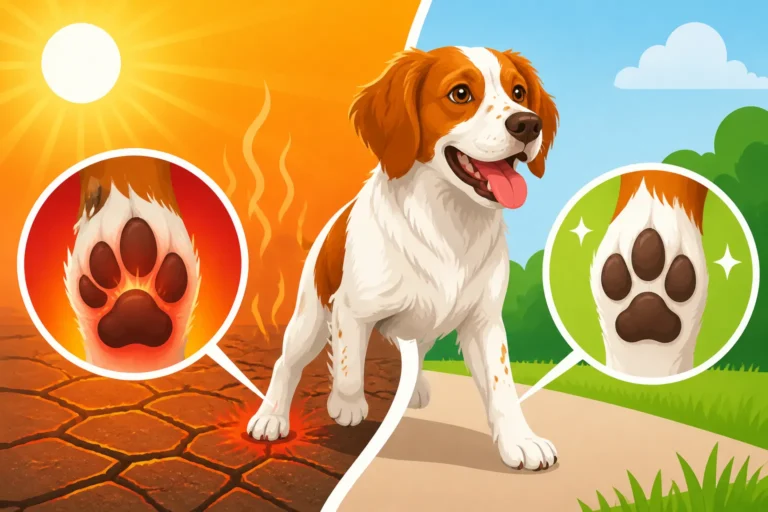
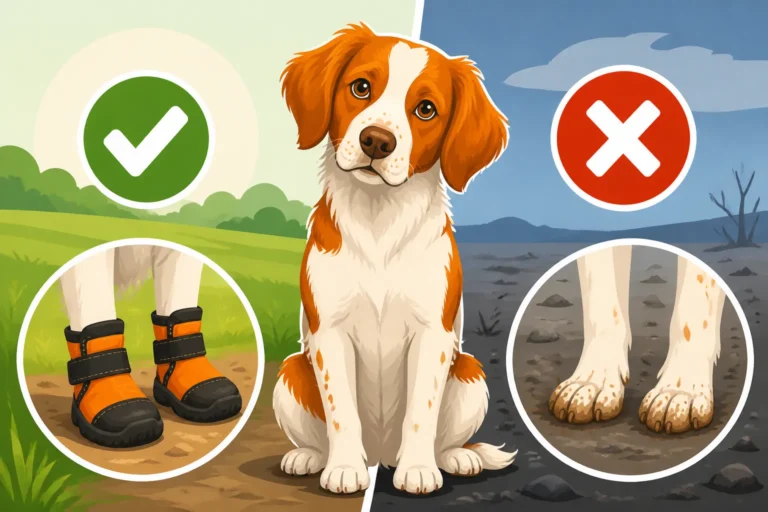
Foot protection is non-negotiable for many serious hunters. Long days on abrasive terrain, frozen ground, or through sharp stubble can quickly wear down pads, leading to cracks, soreness, and even bleeding. Dog boots, particularly those made for hunting, can provide an essential barrier. While some dogs resist them initially, proper fitting and gradual introduction can help your Brittany adapt. Carrying a paw wax or toughener can also help condition pads over time, but boots offer immediate protection. Don't forget a first-aid kit, readily available on Amazon, with supplies for paw care, just in case. Protecting their paws means they can keep going comfortably and safely. You might be interested in Whether a Brittany Needs Boots in the Field for more information.
Post-Hunt Care for Optimal Recovery
The hunt doesn't end when you hang up your shotgun. What you do for your Brittany in the immediate aftermath, and in the hours that follow, profoundly impacts their recovery, their readiness for the next day, and their long-term health. Think of it as their cooldown and recharge cycle.
Immediate Checks and Cool Down
As soon as the hunt is over, your first priority is to get your Brittany comfortable and beginning the recovery process. This means a thorough head-to-tail check. Start with their eyes, making sure no debris or seeds have become lodged. Move to their ears, a common spot for grass awns, foxtails, and burrs, which can work their way deep into the ear canal and cause serious infections if not removed. What to Check on a Brittany After Every Outing offers a detailed list.
Next, feel their legs and belly for any cuts, scrapes, or embedded thorns. Pay special attention to their paws: check between the toes for burrs, cuts, or torn pads. Even minor injuries can become exacerbated if left untreated. If it's a warm day, a slow, gentle cool-down is crucial. Don't crate them immediately in a hot truck. Instead, walk them slowly for 10-15 minutes, offer water, and hose them down with cool (not icy) water if they're overheated. Get them into a shaded, well-ventilated area to allow their core temperature to come down naturally.
Sustained Recovery and Next-Day Readiness
Once the immediate checks are done, focus on providing a comfortable and supportive environment for deeper recovery. This includes a quiet, comfortable place to rest, away from drafts or excessive heat. Offer a good, substantial meal if they're ready for it (ensure they've cooled down sufficiently first to avoid issues like bloat). This is where that high-quality performance food truly pays off, replenishing their spent energy stores.
For multi-day hunts, consider giving them a joint supplement or anti-inflammatory if recommended by your vet, especially for older dogs or those prone to stiffness. A gentle massage can also help soothe tired muscles and improve circulation. The goal is to get them as rested and rebuilt as possible, so their body is ready to go the next day. Sometimes, this means giving them an entire day off between hunts if the previous day was particularly grueling. Remember, consistency in care across their lifespan contributes to their ability to hunt well into their senior years. Caring for an Old Brittany addresses specific considerations for aging hunting dogs.
Knowing When to Call It a Day
Ultimately, deciding how long your Brittany can hunt in a day is a judgment call that only you, as their owner and partner, can make. It requires a deep understanding of your dog, a vigilant eye, and a willingness to prioritize their well-being over bagging another bird. There will be days when the birds are flying, the conditions are perfect, and your Brittany seems tireless. And there will be days when, after just a couple of hours, you see those subtle signs of fatigue, and you know it's time to call it quits.
Choosing to stop early isn't a failure; it's a testament to your responsibility and love for your dog. A well-rested, healthy Brittany will give you many more seasons of joyful hunting than one pushed beyond their limits. By being attuned to their needs, you ensure a long, happy, and successful partnership in the field.
Disclaimer
This article is for general informational purposes only and does not constitute professional advice. Laws, prices and regulations vary by location and change over time. Consult a qualified professional for guidance on your specific situation.