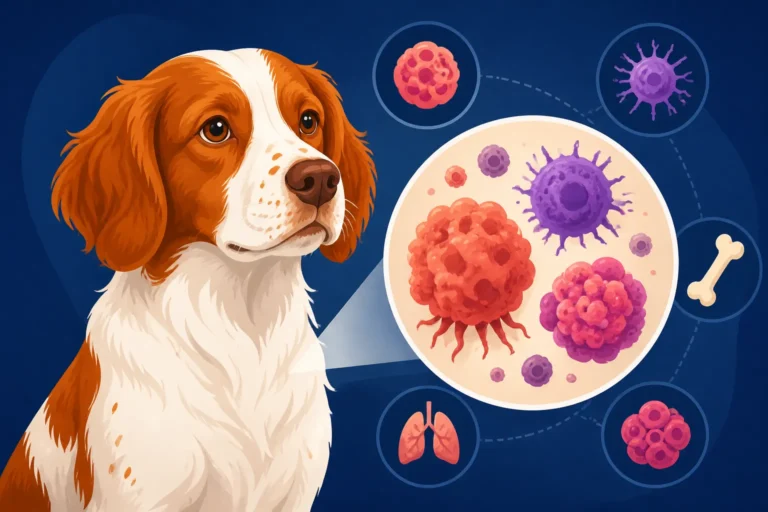
The Brittany Is One of the Healthiest Sporting Breeds
It’s a common fear for any dog owner, but especially for those of us who share our lives with active, driven breeds like the Brittany: the looming worry of health problems. We pour our hearts into these incredible companions, and the thought of them suffering, or facing astronomical vet bills, can be truly overwhelming. This comprehensive guide is here to cut through the confusion, offering a deep dive into the specific health profile of the Brittany, debunking myths, and arming you with the knowledge to ensure your orange and white (or liver and white!) dynamo lives a long, vibrant, and healthy life.
Understanding the Brittany's Robust Nature
When you look at a Brittany, you see an athlete — lean, energetic, and always ready for action. It’s no surprise that they’ve earned a reputation as one of the healthier sporting breeds out there. However, "healthy" doesn't mean "invincible." It means they tend to avoid some of the more severe, widespread genetic issues seen in certain other breeds, and with proper care, they often lead wonderfully long lives. But understanding their inherent strengths and potential vulnerabilities is key to truly maximizing their health potential.
General Health Profile of the Brittany
Brittanys are generally known for their vigor and longevity. Unlike some larger breeds that are prone to complex musculoskeletal issues or certain giant breeds with shorter lifespans, the Brittany’s medium size and athletic build contribute to their resilience. They are bred to run all day, navigate dense cover, and maintain focus, which requires a strong, well-coordinated body and an efficient internal system. This active lifestyle often keeps their metabolism humming and their joints in good working order, provided they are properly conditioned and nourished.
Many owners will attest that their Brittanys bounce back quickly from minor scrapes or fatigue, a testament to their overall hardy constitution. However, this hardiness can sometimes mask underlying issues if we're not paying close attention. They are stoic dogs by nature, often pushing through discomfort to continue their beloved activities. This means it's crucial for us, as their caretakers, to be vigilant and aware of subtle changes in their behavior or physical condition that might indicate a problem brewing beneath the surface. Regular check-ups become even more vital when you have a dog that excels at hiding pain.
The Importance of Responsible Breeding Practices
While Brittanys are generally healthy, this fortunate status isn't by accident; it's a direct result of decades of dedicated breeders who prioritize health and working ability above all else. A responsible breeder is not just selling a puppy; they are an ambassador for the breed, committed to improving it generation after generation. This involves extensive health testing of parent dogs before breeding, ensuring that known genetic conditions are not passed down.
For the Brittany, this specifically means screening for conditions like hip dysplasia, elbow dysplasia, and certain eye diseases. More recently, genetic testing for conditions like C3 Deficiency Is the Brittany's Own Genetic Disease has become a critical part of the puzzle. When you acquire a Brittany from a reputable source, you're not just buying a dog; you're investing in a lineage that has been carefully curated for health, temperament, and hunting prowess. Without these rigorous breeding practices, even the healthiest breeds can quickly succumb to widespread genetic problems, making your choice of breeder one of the most impactful decisions for your puppy's future health.
Common Misconceptions About Brittany Health
One common misconception is that because Brittanys are "sporting dogs," they are somehow immune to health issues. While their athletic lifestyle does contribute to overall fitness, it also exposes them to specific types of injuries and conditions. For example, a dog that spends hours running through fields is more susceptible to pad injuries, cuts from barbed wire, or foreign bodies like foxtails in their ears or paws. Their long, floppy ears, while adorable, also make them prone to ear infections, a constant battle for many Brittany owners.
Another myth is that all Brittanys are built the same, genetically speaking. While the breed generally shares a common pool, specific lines can carry different predispositions. An American Brittany, for example, which is often bred for a wider-ranging hunt, might have slightly different musculoskeletal demands than a French Brittany, which typically hunts closer. Understanding the nuances of your dog's specific lineage and the demands of its intended activities is paramount. This breed's reputation for good health is well-deserved, but it relies heavily on proactive ownership and a keen awareness of their specific needs and vulnerabilities, rather than a blissful ignorance based on a general reputation.
Navigating Orthopedic Challenges
Even in a breed as agile and athletic as the Brittany, orthopedic issues can, unfortunately, arise. Given their high-impact activities – jumping, running, twisting through rough terrain – their joints take a significant amount of stress. While often less severe or prevalent than in some much larger breeds, these conditions can still profoundly impact a Brittany's quality of life and ability to do what they love most: run and hunt. Proactive screening and early intervention are crucial for managing these challenges effectively.
Hip Dysplasia: A Persistent Concern
Hip dysplasia is perhaps the most well-known orthopedic issue in many dog breeds, and Brittanys are no exception. It’s a complex condition where the hip joint, a ball-and-socket joint, doesn't form correctly. This can lead to looseness in the joint, painful arthritis, and impaired mobility over time. The severity can vary widely; some dogs might show only minor discomfort, while others can be severely debilitated. Many new owners are often surprised to learn that even athletic breeds can be affected, especially when they associate it more with giant breeds.
The good news is that breeders have made significant strides in reducing the incidence of severe hip dysplasia through generations of selective breeding and rigorous screening. Programs like the Orthopedic Foundation for Animals (OFA) have been instrumental in documenting hip health. What Hip Screening Did for the Brittany Spaniel outlines how these efforts have positively impacted the breed. Reputable breeders will always provide OFA certifications for both parent dogs, indicating their hips are rated "Fair," "Good," or "Excellent." If you're getting a puppy, asking to see these certifications is not just a good idea, it's essential. Even with certified parents, the risk isn't entirely eliminated, as environmental factors like rapid growth, excessive exercise in puppyhood, and nutrition also play a role. However, starting with genetically sound parents significantly tips the odds in your favor for a healthy future.
Elbow Dysplasia and Other Joint Issues
While less common than hip dysplasia in Brittanys, elbow dysplasia is another orthopedic condition that can affect their front limbs. This is a general term for several different developmental abnormalities of the elbow joint that result in incongruity or malformation, leading to pain and lameness. Similar to hips, elbow dysplasia can range from mild to severe, and early signs might include limping, reluctance to exercise, or a stiff gait. Because Brittanys are so active, even subtle lameness can sometimes be dismissed as a minor tweak from an outing, making it important to recognize persistent or worsening symptoms.
Beyond the major dysplasias, Brittanys can also experience other joint-related issues. Ligament tears, particularly cruciate tears in the knee, are not unheard of, especially in dogs that engage in strenuous activities that involve sudden stops, twists, and jumps. Patellar luxation, where the kneecap slips out of place, can also occur, though it's less common in Brittanys compared to some smaller breeds. These conditions often manifest as acute lameness or intermittent skipping in their gait. Managing these issues can range from conservative treatments like rest, anti-inflammatory medications, and physical therapy to surgical intervention in more severe cases. Pet insurance, like policies offered by Healthy Paws, can be a real lifesaver here, helping to offset the potentially high costs associated with diagnostics, specialized treatments, and rehabilitation for these types of injuries.
Managing Arthritis in Aging Brittanys
As our beloved Brittanys age, just like us, they become more susceptible to arthritis, also known as osteoarthritis or degenerative joint disease. This is a progressive condition characterized by the breakdown of cartilage in the joints, leading to pain, stiffness, and reduced mobility. While a diagnosis of hip or elbow dysplasia early in life can certainly predispose a dog to earlier or more severe arthritis, even Brittanys with perfect joints can develop it due to years of wear and tear from their active lifestyles. The Age a Brittany Gets Arthritis can vary, but it often starts becoming noticeable around 8-10 years old.
Recognizing the signs of arthritis in a Brittany can be tricky because of their stoic nature. You might notice subtle changes: a slower pace on walks, difficulty jumping into the car or onto furniture, stiffness after resting, or a decreased enthusiasm for their favorite activities. They might not limp overtly, but rather show a general reluctance or fatigue. Management typically involves a multi-modal approach: weight management to reduce stress on joints, prescription anti-inflammatory medications (NSAIDs), joint supplements containing glucosamine and chondroitin, physical therapy, and sometimes alternative therapies like acupuncture or cold laser. The goal isn't to cure arthritis, but to manage pain, maintain mobility, and ensure your aging Brittany remains comfortable and enjoys their golden years as much as possible.
Genetic Health Conditions to Be Aware Of
While Brittanys are often celebrated for their robust health, like any purebred dog, they are predisposed to certain genetic conditions. Understanding these specific vulnerabilities is incredibly important for prospective owners and current Brittany families alike. Knowledge about these conditions allows for proactive screening, early detection, and often, more effective management, ensuring our companions lead the best possible lives.
C3 Deficiency: The Brittany's Unique Immune Challenge
One of the more unique genetic health issues specific to the Brittany breed is C3 deficiency, also known as Complement 3 Deficiency. This is a rare, inherited immune system disorder that leaves affected dogs highly susceptible to severe, recurrent bacterial infections. The "C3" refers to a protein that is a crucial component of the complement system, which is part of the innate immune system responsible for identifying and clearing pathogens. Without enough functional C3, a Brittany’s body struggles to mount an effective defense against common bacteria.
The condition is inherited in an autosomal recessive pattern, meaning a puppy must inherit two copies of the defective gene (one from each parent) to be affected. Dogs that inherit only one copy are carriers, perfectly healthy themselves, but capable of passing the gene on. C3 Deficiency Is the Brittany's Own Genetic Disease and it can lead to a range of severe infections, from widespread skin infections to pneumonia and septicemia, often appearing in puppyhood or early adolescence. Unfortunately, without aggressive and often lifelong antibiotic therapy, affected dogs historically had a poor prognosis. Thankfully, a DNA test now exists to identify both affected dogs and carriers, allowing responsible breeders to avoid breeding two carriers together and effectively eliminate the risk of producing affected puppies. This highlights the critical role of genetic testing in managing breed-specific diseases.
Understanding Epilepsy in Brittanys
Epilepsy, a neurological disorder characterized by recurrent, unprovoked seizures, is another condition that can affect Brittanys. While seizures can be caused by various factors, idiopathic epilepsy (meaning the cause is unknown) is often suspected to have a genetic component in breeds where it is common, and the Brittany is one such breed. Witnessing your dog have a seizure can be a terrifying experience for any owner, filled with anxiety and helplessness. These seizures can range from mild focal events (like twitching a limb or staring blankly) to grand mal seizures involving loss of consciousness, full-body convulsions, and vocalization.
The Age Epilepsy Appears in a Brittany typically ranges from 6 months to 6 years, with most cases presenting between 1 to 3 years of age. Diagnosis usually involves ruling out other potential causes for seizures, such as metabolic disorders, toxins, or brain tumors, through blood tests, urinalysis, and sometimes advanced imaging like an MRI. If idiopathic epilepsy is diagnosed, management often involves anticonvulsant medications prescribed by a veterinarian. While epilepsy cannot be cured, medication can often significantly reduce the frequency and severity of seizures, allowing affected Brittanys to lead relatively normal lives. Responsible breeders should be transparent about any history of epilepsy in their lines, as genetics are believed to play a significant role in its occurrence.
Thyroid and Eye Health Concerns
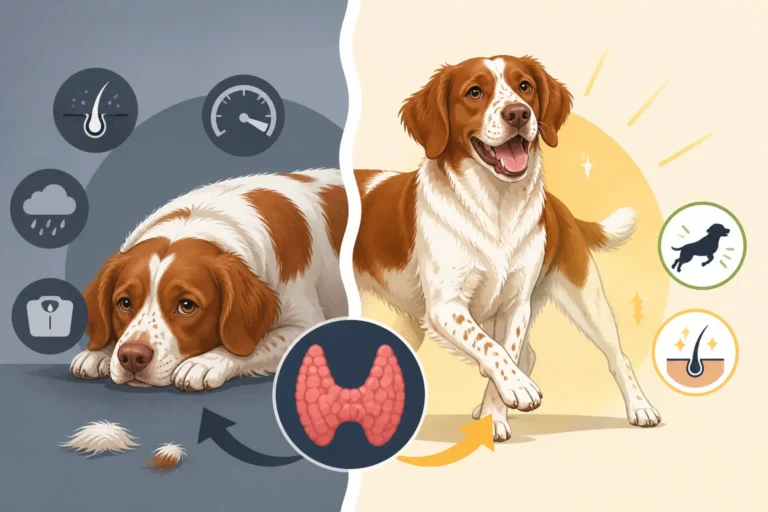
Beyond the more discussed orthopedic and immune issues, Brittanys can also be prone to other health conditions, including those affecting the thyroid gland and the eyes. Hypothyroidism, a condition where the thyroid gland doesn't produce enough thyroid hormone, is seen in Brittanys. This hormone is crucial for regulating metabolism, so a deficiency can lead to a variety of symptoms: weight gain despite no change in diet, lethargy, a dull or thinning coat, and skin issues. It's often subtle at first, and owners might attribute a change in energy to aging or just a "lazy day."
Signs a Brittany's Thyroid Is Low can be non-specific, making diagnosis require specific blood tests to measure thyroid hormone levels. Fortunately, hypothyroidism is usually very manageable with lifelong daily thyroid hormone replacement medication, which is relatively inexpensive and effective. In terms of eye health, while Brittanys are generally clear, conditions like Retinal Dysplasia in a Brittany Spaniel and Glaucoma in a Brittany Spaniel can occur. Reputable breeders should have their breeding stock undergo yearly eye examinations by a board-certified veterinary ophthalmologist to screen for hereditary eye diseases, a certification provided by the Canine Eye Registry Foundation (CERF) or OFA Eye Certification. These screenings help ensure that parents are free of observable eye conditions that could be passed on to their offspring, contributing to the breed's overall good health.
Keeping Your Active Brittany Sound in the Field
A Brittany thrives on activity, especially in the great outdoors. Whether they're pointing pheasants in a stubble field or retrieving ducks from a marsh, their bodies are put to the test. This athletic prowess, while magnificent to behold, also means they are uniquely susceptible to certain types of injuries and irritations that come with their working lifestyle. As owners, it's our job to anticipate these challenges and have strategies in place for prevention and rapid treatment.
Preventing and Treating Field Injuries
The thrill of a Brittany working cover is truly unmatched, but that excitement comes with inherent risks. Running through thick brush, over varied terrain, and around obstacles means minor injuries are almost a guarantee over a hunting season. Common culprits include cuts and scrapes from thorns, barbed wire, or sharp rocks; torn paw pads from rough ground or excessive running; and muscle strains or sprains from sudden movements. These injuries might seem small, but they can quickly sideline a dog if not addressed promptly.
Beyond the minor scrapes, more serious injuries can occur. A dog might step into a hole and suffer a sprain, a fracture, or a Cruciate Tears in a Brittany. Encountering wildlife also carries risks, from snake bites to porcupine quills. Carrying a well-stocked first-aid kit specifically designed for dogs is non-negotiable for any field outing. This kit should include items like antiseptic wipes, sterile gauze, self-adhering bandages, tweezers for thorns or splinters, and saline solution for flushing wounds or eyes. Knowing basic canine first aid, such as how to properly clean a wound or apply a temporary bandage, can make a huge difference in mitigating damage until you can reach a veterinarian. Regular inspection of your Brittany after every hunt – paws, legs, ears, and belly – is paramount for early detection of any issues.
Ear Health: A Constant Battle for Sporting Dogs
If there's one thing almost every Brittany owner can commiserate about, it's ear infections. Their lovely, pendulous ears, which frame their expressive faces so perfectly, are also a perfect breeding ground for bacteria and yeast. The long flap of the ear covers the ear canal, trapping moisture, heat, and debris, creating an ideal environment for infections to flourish. This is compounded by their love of water and their penchant for running through fields that can introduce all sorts of foreign bodies.
Why a Brittany's Ears Get Infected Every Season is a question many owners ask. The answer lies in this combination of ear anatomy and lifestyle. After swimming, bathing, or even just running through damp grass, water can become trapped deep within the ear canal. Additionally, debris like grass seeds, foxtails, or burrs can easily work their way into the ear, causing irritation, inflammation, and providing a starting point for infection. Regular ear cleaning with a vet-approved solution and thorough drying after any water exposure are crucial preventative measures. Learning to recognize the early signs of an ear infection – head shaking, scratching at the ear, redness, odor, or discharge – is also vital for prompt treatment and to avoid more serious complications.
Skin Issues and Allergies From the Elements
Brittanys have a beautiful, dense coat with feathering that protects them in the field, but this doesn't make them immune to skin issues. Their exposure to various environmental factors means they can develop a range of dermatological problems, from minor irritations to chronic allergies. Contact dermatitis, for example, can occur when their skin comes into contact with irritating plants, pesticides, or chemicals encountered during a hunt or even in the backyard. This usually manifests as redness, itching, and sometimes small bumps where the skin made contact.
Beyond contact irritations, Brittanys can also suffer from environmental allergies (atopy), just like people. These allergies often present as itchy skin, particularly on the paws, belly, ears, and armpits. They might chew at their paws incessantly, rub against furniture, or develop recurrent ear infections as a symptom of their underlying allergies. Food allergies are less common but can also cause skin issues. The feathering on their legs and belly, while protective, can also trap burrs, dirt, and moisture, leading to skin irritation and mats if not brushed out regularly. Promptly removing any foreign bodies and bathing with a gentle, hypoallergenic shampoo after particularly dirty outings can help prevent many common skin woes, but for true allergies, a vet consultation and often medication or specialized diets are necessary.
The Lifespan Journey: From Puppyhood to Golden Years
Bringing a Brittany into your home is a commitment to a decade or more of boundless energy, unwavering loyalty, and unparalleled hunting enthusiasm. Understanding their lifespan trajectory, from their boisterous youth to their dignified senior years, helps us provide the best care at every stage. It’s a journey filled with joy, challenges, and the inevitable slowing down that comes with age.
Average Lifespan and Factors Influencing Longevity
Brittanys, on average, enjoy a relatively long lifespan compared to many other purebred dogs. Most Brittanys live to be between 12 to 14 years old, with many well-cared-for individuals living even longer. How Long a Brittany Spaniel Lives on Average is a question that often comes up for prospective owners, and this range gives a good indication of the commitment involved. Several factors contribute to this healthy longevity. Their medium size means they don't experience the same rapid aging or joint stress as giant breeds. Their active nature, when properly managed, keeps them physically fit and mentally stimulated throughout their lives.
However, "average" means there's a range, and while genetics play a significant role, daily care is paramount. A balanced diet, consistent exercise tailored to their age and condition, regular veterinary care including vaccinations and parasite prevention, and a loving, stimulating home environment all contribute immensely to a Brittany reaching the upper end of its lifespan potential. Avoiding obesity, which can exacerbate joint problems and increase the risk of other health issues, is also key. Owners who are proactive in addressing any health concerns promptly and consistently provide excellent preventative care often find themselves cherishing their Brittany's companionship well into their teens.
Recognizing Signs of Aging in Your Brittany
It often feels like our Brittanys are perpetual puppies, but eventually, the signs of aging will begin to appear. Recognizing these subtle changes early allows us to adapt their care and make their senior years as comfortable and enjoyable as possible. What Changes in a Brittany After Ten is a natural question, and the answers often involve a gradual shift in their physical and mental capabilities. You might first notice a slight decrease in their energy levels; they may not greet you with the same frenzied enthusiasm or tire more quickly during walks or hunts.
Physical changes can include a graying muzzle, particularly around the eyes and nose, and a slight thinning or dulling of their once vibrant coat. Muscle mass might diminish, making them appear a bit bonier, even if their weight hasn't changed drastically. Stiffness after resting or difficulty getting up are common indicators of developing arthritis. Their senses might also start to decline – hearing loss or a clouding of the eyes (nuclear sclerosis) are common age-related changes. Some Brittanys might even show cognitive decline, such as confusion, disorientation, or changes in sleep patterns. It's crucial to distinguish between normal aging and signs of treatable medical conditions, so regular vet check-ups are essential to monitor these changes and intervene if necessary.
Providing Senior Care for Your Beloved Companion
Caring for a Brittany Past Ten requires a thoughtful adjustment to their routine and a heightened awareness of their needs. Just as they gave us their all during their active years, they deserve our best care and consideration as they enter their golden years. The focus shifts from high-impact activities to maintaining comfort, mobility, and mental well-being. This often means switching to a senior-specific dog food, which is typically lower in calories to prevent weight gain and fortified with joint-supporting supplements like glucosamine and chondroitin.
Exercise should still be regular but adapted to their capabilities. Shorter, more frequent walks are often better than one long, strenuous outing. Swimming can be an excellent low-impact exercise for arthritic seniors. Providing orthopedic beds, ramps for getting into vehicles or onto furniture, and ensuring easy access to food and water can significantly improve their quality of life. Regular veterinary check-ups become even more critical, often twice a year, to monitor for common senior ailments like arthritis, dental disease, heart issues, and cancer. Don't be afraid to discuss pain management options with your vet; many medications and therapies can dramatically improve comfort. Most importantly, continue to engage them mentally with gentle games, puzzle toys, and plenty of loving interaction to keep their minds sharp and their spirits high.
Proactive Health Management and Preventative Care
Being proactive about your Brittany's health is the most effective way to ensure they lead a long, vibrant life, full of exciting hunts and joyful companionship. It’s not just about reacting to problems when they arise, but about implementing a consistent strategy of preventative care that anticipates potential issues and maintains their overall well-being. This ongoing commitment to their health forms the backbone of responsible Brittany ownership.
Regular Veterinary Check-ups and Screenings
One of the cornerstones of proactive health management is a routine schedule of veterinary check-ups. For adult Brittanys, this typically means an annual visit, but as they reach their senior years, twice-yearly visits are highly recommended. These appointments are far more than just getting vaccines; they are an opportunity for your veterinarian to conduct a thorough physical examination, assess any subtle changes that you might have missed, and discuss your Brittany's lifestyle, diet, and behavior.
During these visits, your vet will check everything from their teeth and gums to their heart and lungs, palpate their abdomen, and assess their joint mobility. They'll also update necessary vaccinations, conduct fecal exams to check for intestinal parasites, and discuss appropriate flea, tick, and heartworm prevention. For older Brittanys or those with existing conditions, routine bloodwork and urinalysis may be recommended to screen for age-related diseases like kidney disease, liver disease, or early signs of other systemic illnesses. Early detection of many conditions often leads to more effective and less invasive treatment, improving outcomes and potentially extending their healthy years.
Nutrition and Exercise for Optimal Health
The adage "you are what you eat" holds true for our canine companions, especially for active breeds like the Brittany. Providing a high-quality, balanced diet specifically formulated for active dogs is crucial for maintaining their energy levels, supporting healthy muscle mass, and promoting overall vitality. During the hunting season, a working Brittany's caloric needs increase significantly, and they may benefit from performance-oriented dog foods with higher protein and fat content to sustain their endurance. Off-season, it’s important to adjust their food intake to prevent unhealthy weight gain, which puts undue stress on their joints.
Equally important is consistent, appropriate exercise. Brittanys are not couch potatoes; they need regular, vigorous activity to be happy and healthy. This means daily opportunities to run, explore, and burn off their considerable energy, whether that's through long walks, runs, fetch, or dedicated training sessions. However, exercise should always be tailored to their age, health status, and the weather conditions. For puppies, it’s vital to avoid over-exercising or high-impact activities that can stress their developing joints. As they age, the intensity and duration of exercise may need to be modified to accommodate any emerging arthritis or other physical limitations. A well-nourished and appropriately exercised Brittany is far less likely to develop behavioral issues stemming from boredom or pent-up energy, and far more likely to maintain a healthy weight and strong musculoskeletal system.
Considering Pet Insurance for Peace of Mind
Let's face it, veterinary care can be incredibly expensive, especially when unexpected accidents or serious illnesses strike. While we all hope our Brittanys remain robustly healthy throughout their lives, unforeseen circumstances like field injuries, sudden illnesses, or chronic conditions can lead to thousands of dollars in veterinary bills. This is where pet insurance can provide immense peace of mind. Instead of facing the agonizing choice between your dog's health and your financial stability, a good pet insurance policy can help cover a significant portion of these costs.
Companies like Healthy Paws offer comprehensive coverage that can help with everything from accident care (think a broken leg from a fall in the field) to unexpected illnesses (like a sudden onset of pancreatitis) and even chronic conditions that require ongoing treatment. Many policies cover diagnostics, surgeries, medications, and even alternative therapies. While preventative care like routine exams and vaccinations typically aren't covered by accident/illness plans (though some offer wellness add-ons), having insurance for the unexpected frees you to make healthcare decisions based on what’s best for your Brittany, rather than what you can afford out-of-pocket. It’s an investment in your dog’s future and your financial security, especially when you consider the potential costs of managing conditions like How Common Hip Dysplasia Is in Brittany Spaniels or an emergency like a snake bite.
Deciphering Breeder Health Certifications
When you're looking for a Brittany puppy, choosing a responsible breeder is perhaps the single most important decision you'll make for your dog's future health. A good breeder doesn't just produce puppies; they carefully select breeding pairs based on temperament, conformation, working ability, and, critically, comprehensive health clearances. Understanding these certifications and what they mean is essential for distinguishing truly health-conscious breeders from those who might cut corners.
Essential Health Clearances for Breeding Stock
Reputable Brittany breeders will conduct a battery of health tests on their breeding dogs (the dam and sire) before ever contemplating a litter. These aren't just "vet checks"; they are specific screenings for conditions known to affect the breed. For Brittanys, the core tests typically include hip evaluations for hip dysplasia, elbow evaluations for elbow dysplasia, and eye examinations. Beyond these, tests for conditions like C3 deficiency and sometimes thyroid panels are also becoming more common and recommended. What a Brittany Spaniel Breeder Should Have Tested is a question every potential owner should ask, and a good breeder will be able to provide clear, verifiable answers and documentation.
These clearances aren't just for show; they are critical tools in minimizing the risk of passing on heritable diseases. While no breeder can guarantee a puppy will never develop a health issue (genetics are complex, and environmental factors play a role), responsible testing significantly stacks the odds in your favor. A breeder who proudly presents these certifications and can explain their significance is demonstrating a genuine commitment to the health and welfare of their dogs and the future of the breed. Conversely, a breeder who shrugs off health testing or claims their dogs are "vet checked" (which is not the same as specific genetic and orthopedic clearances) is a red flag you should heed.
Understanding OFA and PennHIP Evaluations
When discussing hip and elbow clearances, you'll most commonly hear about the Orthopedic Foundation for Animals (OFA) and possibly PennHIP. Both are established methods for evaluating hip joint conformation and screening for hip dysplasia, though they differ in their approach. OFA is a widely recognized certification body that evaluates radiographs (X-rays) of a dog's hips and elbows. Dogs are typically screened at two years of age (When a Brittany's Hips Should Be X Rayed), and their hips are given a rating of Excellent, Good, Fair (all considered passing), Borderline, or Dysplastic (Mild, Moderate, or Severe). Elbows are simply rated Normal or Dysplastic.
PennHIP is another valuable hip evaluation method that can be performed earlier, sometimes as young as 16 weeks, offering breeders earlier insights. It uses a specific type of X-ray to quantitatively measure hip laxity (looseness), which is a key indicator of susceptibility to hip dysplasia. PennHIP provides a distraction index (DI) score, which is a measure of hip laxity, and compares it to other dogs of the same breed. Both OFA and PennHIP data are crucial for breeders to make informed decisions about breeding pairs. A responsible breeder will use one or both of these methods to ensure their breeding stock has sound joints, contributing to the overall health of their lines and reducing the likelihood of you facing costly orthopedic surgeries down the road.
The Role of DNA Testing in Preventing Genetic Diseases
Beyond physical and radiographic evaluations, DNA testing has become an invaluable tool in the arsenal of responsible Brittany breeders. For diseases like C3 deficiency, which is inherited in a recessive pattern, a dog can be a "carrier" without ever showing symptoms. Without a DNA test, such carriers would unknowingly pass on the gene to their offspring. DNA tests allow breeders to identify whether a dog is clear (does not carry the gene), a carrier (carries one copy), or affected (carries two copies and will likely develop the disease).
This genetic information is incredibly powerful. A responsible breeder can use DNA test results to ensure they never breed two carriers together, which is the only way an affected puppy can be produced. They might breed a carrier to a "clear" dog, producing puppies who are 50% clear and 50% carriers, but no affected puppies. This strategic breeding helps to reduce the prevalence of genetic diseases within the breed while maintaining genetic diversity. As genetic science advances, more DNA tests become available for various conditions. Asking a breeder about their DNA testing protocols and seeing the results for relevant conditions is a sign of their commitment to preventing genetic health issues in the Brittany breed.
Emergency Situations and What to Do
Even with the best preventative care and a healthy genetic background, emergencies can happen. A Brittany's adventurous spirit and love for the outdoors mean they can sometimes find themselves in predicaments that require immediate attention. Knowing how to recognize serious signs of illness or injury and what steps to take can be critical in such moments, potentially saving your dog's life.
Recognizing Signs of Serious Illness
Sometimes, what starts as a subtle change can quickly escalate into a serious health crisis. As vigilant as we try to be, it's easy to dismiss a minor cough, a slight limp, or a day of reduced appetite as nothing serious. However, for an active breed like the Brittany, a sudden downturn can be a red flag. Signs that warrant immediate concern include severe lethargy or weakness, difficulty breathing (labored breathing, open-mouth breathing at rest, blue-tinged gums), persistent vomiting or diarrhea (especially if it contains blood), sudden severe lameness where they cannot put weight on a limb, or any signs of severe pain (whining, panting excessively, hunched posture).
Other critical indicators include a distended or bloated abdomen, especially if accompanied by retching or unproductive attempts to vomit (a potential sign of bloat, or gastric dilatation-volvulus, which is a life-threatening emergency). Seizures, collapse, or unresponsiveness are also definite emergency signals. If your Brittany is typically vibrant and suddenly becomes withdrawn, unresponsive, or shows any of these acute, severe symptoms, do not wait. Trust your gut feeling. It’s always better to err on the side of caution and have your vet check them over than to delay care for a potentially life-threatening condition.
First Aid for Common Brittany Emergencies
While a vet visit is always the ultimate goal in an emergency, knowing some basic first aid can stabilize your Brittany and provide immediate relief. For cuts and lacerations (common in the field), apply direct pressure with a clean cloth to control bleeding. Clean the wound gently with saline solution if possible, and then cover it to prevent further contamination until professional care can be given. For sprains or mild lameness, restrict movement immediately and apply a cold compress for 10-15 minutes to reduce swelling. Never give human pain medication without veterinary guidance, as many are toxic to dogs.
If your Brittany encounters a snake bite (and Depending on where you live, consider Whether a Brittany Should Have a Snake Bite Vaccine), try to keep them calm and still to slow the spread of venom, and transport them to the nearest emergency vet immediately. If they pick up porcupine quills, do not attempt to remove them yourself unless you are absolutely confident and have appropriate tools, as breaking quills or leaving fragments can cause more severe problems; this usually requires sedation and professional removal. For suspected overheating (Signs a Brittany Is Overheating in the Field), move them to a cool, shaded area, offer small amounts of water, and apply cool (not ice cold) water to their belly, armpits, and groin. Basic first aid buys time, but it is never a substitute for professional veterinary attention for serious conditions.
When to Seek Immediate Veterinary Attention
This cannot be stressed enough: if you suspect your Brittany is experiencing a genuine emergency, do not hesitate to contact your veterinarian or the nearest emergency veterinary clinic immediately. Don't wait for office hours if it's after-hours. Many conditions, such as bloat, severe trauma, uncontrolled bleeding, or toxin ingestion, have a rapidly declining prognosis if treatment is delayed even by an hour or two. A quick phone call can help the veterinary staff prepare for your arrival and provide critical guidance on how to best transport your dog.
It's a good practice to have the phone number of your regular vet and the closest emergency vet clearly posted or saved in your phone. Familiarize yourself with the quickest route to the emergency clinic. When you arrive, be prepared to give a concise history of what happened and what symptoms your Brittany is exhibiting. While it's natural to be panicked, staying as calm and clear-headed as possible will allow you to communicate effectively with the veterinary team, ensuring your Brittany receives the most appropriate and timely care. Remember, you are your dog's most important advocate, and prompt action in an emergency can make all the difference.
Disclaimer
This article is intended for informational purposes only and is not a substitute for professional veterinary advice, diagnosis, or treatment. Always seek the advice of your veterinarian or other qualified animal health provider with any questions you may have regarding a medical condition.