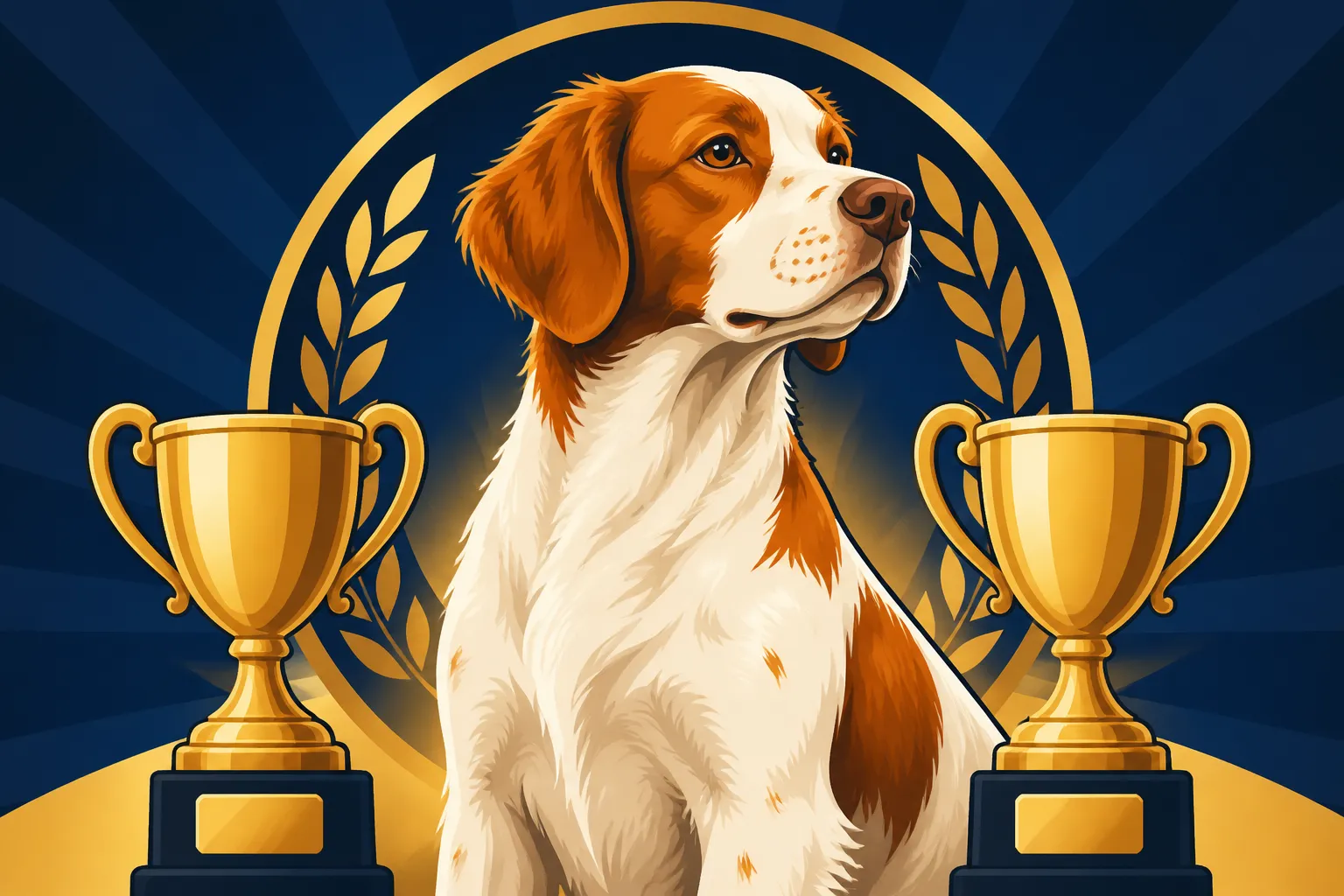
The Brittany Holds the Dual Champion Record
For many dog enthusiasts and prospective owners, the idea of a dog excelling in both the glamorous show ring and the rugged hunting field seems like a far-off dream. It's a challenge that tests a breed's innate abilities, conformation, and intelligence to their absolute limits, leaving many owners frustrated when their beloved companion struggles in one arena or the other. This comprehensive guide will delve into why the Brittany stands alone in its remarkable achievement of holding the most Dual Champions, exploring the breed's unique history, temperament, and the dedication required to reach such an elite status.
Understanding the Dual Champion Title: A Rare Feat
The Dual Champion title in the American Kennel Club (AKC) is not just a fancy designation; it's a testament to a dog's exceptional versatility, proving its worth both as a beautiful specimen of the breed and as a highly skilled working dog in its intended purpose. Many breeds have either become specialized for the show ring, emphasizing aesthetics, or for the field, prioritizing working ability and instinct. To bridge this gap successfully is incredibly difficult, demanding a dog that possesses both correct physical structure and an unwavering natural aptitude for its original function.
The Two Pillars: Conformation and Field Titles
To earn the coveted Dual Champion title, a Brittany must first achieve an AKC Conformation Champion title. This means the dog has competed in the show ring, being judged against the breed standard for physical appearance, gait, and temperament. Judges are looking for the ideal Brittany: its head, coat, body structure, movement, and overall balance. A dog earning this title is considered a prime example of the breed's physical form.
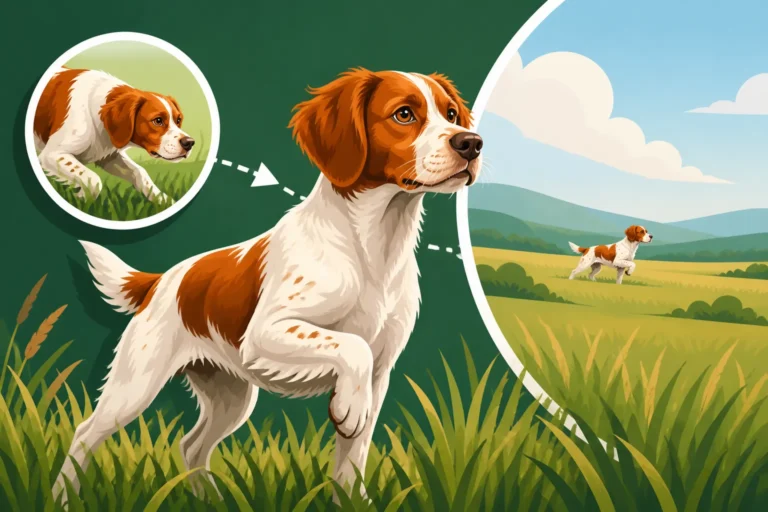
Simultaneously, or sequentially, the same Brittany must also earn an AKC Field Champion title. This is where the rubber meets the road, proving the dog's prowess as a bird dog. These trials test the dog's natural hunting instincts, including its ability to find and point birds, demonstrate scenting ability, handle gunshots, and maintain control under demanding field conditions. A dog that is too rambunctious, lacks natural hunting intelligence, or can't sustain focus will not earn this title. The combination of these two diverse disciplines truly highlights the Brittany's unparalleled adaptability.
Why It's So Difficult for Most Breeds
Think about it: a dog bred primarily for show often prioritizes traits that might not be beneficial in the field. Sometimes, an exaggerated coat, a particular gait, or even a calmer temperament suitable for standing still can be a hindrance when navigating dense cover or enduring long hours of intense activity. Conversely, a dog bred solely for field work might have immense drive and nose, but perhaps its conformation deviates from the breed standard, or it might lack the composure needed for the show ring. The genetic selection for these different qualities often leads to a divergence, creating two distinct types within many breeds. The Brittany's unique position stems from its breeders' unwavering commitment to preserving both form and function simultaneously.
The Brittany's Unique Aptitude for Versatility
The Brittany didn't achieve its Dual Champion record by accident. It's deeply ingrained in the breed's history, its compact size, and its remarkable temperament. Unlike many larger, more specialized sporting breeds, the Brittany has historically been prized for its all-around capabilities, a trait that has served it well in modern competition.
A History Rooted in Dual Purpose
Originally from the Brittany region of France, the breed, then known as the Epagneul Breton, was developed by peasants and poachers who needed a highly efficient, biddable hunting dog that could also be a manageable family companion. They didn't have the luxury of keeping multiple dogs – one for the field, one for the home. This meant the dogs had to be versatile; keen hunters during the day, yet calm and agreeable by the fireplace in the evening. This fundamental requirement for dual-purpose utility has been a cornerstone of Brittany breeding for centuries.
When the breed arrived in America, this focus on versatility continued. While some other breeds saw a distinct split between "show lines" and "field lines," Brittany breeders largely resisted this trend. There was a strong desire to maintain the breed's integrity as both a beautiful and effective hunting dog. This commitment, passed down through generations of breeders and enthusiasts, is arguably the single most important factor in the breed's Dual Champion success.
Temperament: The Secret Weapon
If you've ever spent time with a Brittany, you'll quickly understand why they excel in both demanding environments. They possess a unique blend of intelligence, biddability, and enthusiasm that makes them incredibly trainable. They are typically The Brittany Is the Softest of the Pointing Breeds, meaning they respond best to positive reinforcement and gentle guidance rather than harsh corrections. This sensitivity, often mistaken for weakness, actually fosters a deep bond with their handler, making them eager to please and quick to learn.
Their natural bird drive is also undeniable. A well-bred Brittany comes with an inherent desire to hunt, point, and retrieve. This strong instinct, combined with their sharp minds, allows them to grasp complex field commands quickly. Yet, off the field, they are known for their affectionate, loyal, and friendly nature, making them wonderful house dogs. This balance of intense drive and gentle companionship is rare and precious, a true asset for anyone aiming for Dual Champion status. What a Brittany's Temperament Is Really Like truly sets them apart.
Physical Attributes That Allow for Both
The Brittany's medium size and athletic build are also key contributors to its versatility. They are powerful enough to cover ground tirelessly in the field, navigating various terrains and cover types. Yet, they are compact enough to be easily handled, transported, and make excellent house pets without overwhelming a smaller living space. Their dense, flat or wavy coat provides protection from the elements without requiring excessive grooming that might detract from field performance.
Their conformation – that "square" build, strong legs, and balanced proportions – is designed for endurance and agility. It's a structure that looks good in the show ring because it's precisely what makes them efficient in the field. There's less conflict between form and function in the Brittany than in many other breeds.
A Historical Look at Brittany Dual Champions
The sheer number of Dual Champions within the Brittany breed is staggering, far surpassing any other pointing breed, and indeed, most other breeds in general. This isn't a new phenomenon; it's a legacy built over decades, proving a consistent dedication to the breed's foundational principles.
The Numbers Speak for Themselves
While exact, real-time figures are hard to come by, the historical data consistently shows the Brittany with hundreds more Dual Champions than its closest competitors. This record isn't just about one or two exceptional dogs; it's a testament to a widespread commitment across the breed to maintain excellence in both domains. It suggests that the average Brittany, if properly trained and given the opportunity, has a higher likelihood of achieving this status compared to the average dog of another breed. This consistency reflects deeply ingrained genetic traits for both beauty and bird sense.
This remarkable achievement isn't just a point of pride; it serves as a powerful validation of the breed's original purpose and the successful breeding strategies employed by Brittany enthusiasts. It shows that it is possible to have a dog that excels in both worlds, defying the trend of specialization seen in many other breeds.
Significant Milestones and Influential Dogs
Throughout the Brittany's history, there have been pivotal dogs and breeders who reinforced this dual ideal. Early champions often served as benchmarks, demonstrating that it wasn't just a theoretical possibility but an achievable reality. These dogs became sought-after breeding stock, ensuring that the traits contributing to dual success were passed down.
The commitment of breed clubs, like the American Brittany Club, also played a crucial role. They actively promoted the importance of field ability alongside conformation, encouraging members to participate in both types of events. This cultural emphasis within the breed community has been instrumental in preserving the Brittany's dual nature.
The Impact on Breed Development
The pursuit of Dual Champions has fundamentally shaped the Brittany breed. It has prevented the extreme divergence into "show Brittanys" and "field Brittanys" that has afflicted some other sporting breeds. Breeders striving for Dual Champion status must select for dogs that possess both the correct physical attributes and strong natural hunting instincts. This constant balancing act helps maintain a healthy, functional, and aesthetically pleasing dog.
It means that even if you're looking for a Brittany primarily as a companion, you're still likely getting a dog with robust health, intelligence, and an inherent drive that speaks to its heritage. The Dual Champion record is not just about competition; it's about safeguarding the very essence of what a Brittany is meant to be.
How the Brittany Maintains Its Dual Threat Status
Maintaining such a high standard across both conformation and field disciplines requires a careful approach to breeding and a deep understanding of what makes the Brittany truly unique. It’s not just about luck; it’s about intentional, responsible stewardship of the breed.
Dedicated Breeders and Thoughtful Pairings
The backbone of the Brittany's Dual Champion success lies with its breeders. Responsible Brittany breeders don't just breed for pretty faces or exceptional field prowess in isolation. They look for dogs that embody the complete package: correct conformation, sound temperament, strong natural hunting ability, and good health clearances. They spend countless hours researching pedigrees, evaluating individual dogs, and making thoughtful breeding decisions to produce puppies with the potential for versatility.
Many breeders strive to produce puppies from parents who themselves have achieved titles in both arenas, or at least come from strong dual-purpose lines. They understand that while training is vital, the raw material – the genetics – must be there from the start. They prioritize a balance, ensuring that neither the beauty nor the bird-finding ability is compromised. This means they are often Which Questions to Ask a Brittany Breeder about their breeding goals and the parents' accomplishments in both fields.
Emphasis on Natural Abilities
Unlike some breeds where extensive, highly specialized training is required to bring out field abilities, the Brittany often exhibits strong natural instincts from a young age. Many Brittany puppies will start pointing instinctively, a clear sign of their inherent bird drive. This means that a significant portion of their field training can focus on refining these natural talents rather than trying to instill them from scratch. When a Brittany Puppy Should Meet Its First Bird is often much earlier than other breeds.
This isn't to say that training a Dual Champion is easy – far from it – but the dog's natural predisposition gives it a significant head start. Whether a Brittany Points Naturally and Whether a Brittany Retrieves Naturally are key questions answered with a resounding "yes" for most well-bred Brittanys. This innate talent makes the journey to a Field Championship more accessible, freeing up time and energy for the demands of conformation training.
Balanced Training Philosophies
The Brittany community often embraces training methods that are adaptable to both types of competition. A dog that is accustomed to positive reinforcement and clear communication in the field will also perform well in the show ring, where confidence and responsiveness are key. The soft nature of the Brittany means that harsh training can quickly backfire, making the dog shut down or lose its desire to work. Therefore, successful trainers of Dual Champion Brittanys are masters of gentle, consistent, and encouraging methods.
They understand that a dog needs to love its work, whether that's pointing pheasants or gaiting around a show ring. This balanced approach to training ensures that the dog remains eager, confident, and enthusiastic in both environments. Products found on sites like Chewy.com, such as clickers, positive reinforcement treats, and durable training dummies, are essential tools for these balanced training philosophies.
The Demands of Training a Dual Champion Brittany
While the Brittany possesses an incredible innate capacity for versatility, achieving a Dual Champion title is by no means an easy feat. It requires immense dedication, time, and consistency from the owner and handler. It's a journey that builds a deep, unbreakable bond between dog and human.
The Time Commitment Is Significant
Think about what's involved: regular conformation classes, attending dog shows, extensive field training sessions, travel to field trials, and continuous reinforcement at home. This isn't a weekend hobby; it's a lifestyle. Owners must be prepared to dedicate hours each week to training, often splitting their focus between the precise movements required for the show ring and the instinctual responses needed in the field. This can be particularly challenging for busy individuals, but the rewards are profound.
For instance, you might spend a Saturday morning practicing stacked poses and smooth gaits with your Brittany for a conformation show, followed by an afternoon in the field working on "whoa" commands and quartering patterns. It's a constant juggle, requiring careful scheduling and a deep commitment to both aspects of your dog's development.
Specialized Skills for Each Arena
Training for conformation involves teaching your Brittany to stand still and "stack" perfectly, allowing the judge to examine its structure. It means learning to gait at just the right pace, with its head up and tail wagging, to showcase its movement. It requires hours of practice walking on a lead, maintaining focus amidst distractions, and presenting a confident, happy demeanor.
Field training, on the other hand, demands a different set of skills. Your Brittany needs to develop a keen nose, learn to range appropriately for the cover, hold a staunch point, respond to whistle commands, and retrieve gently. What a Brittany Needs to Earn a Master Hunter Title involves a rigorous demonstration of advanced field skills over multiple tests. Both disciplines require precision, but of a very different kind. Balancing the intensity of field work with the composure needed for the show ring is an art form.
The Mental and Physical Toll on Dog and Handler
The journey to Dual Champion is demanding for both dog and handler. The dog must be physically fit to withstand the rigors of field trials, often running for extended periods over varied terrain. It must also have the mental fortitude to remain focused under pressure, whether that's ignoring other dogs in the show ring or holding a point with birds flying overhead and gunshots echoing. Regular conditioning, proper nutrition (perhaps a performance food from Chewy.com during hunting season), and veterinary care are paramount.
For the handler, it's a test of patience, consistency, and problem-solving. You'll face frustrating training plateaus, disappointing show results, and the occasional challenging day in the field. But it's through overcoming these obstacles together that the bond with your Brittany deepens, and the satisfaction of achieving the Dual Champion title becomes all the more meaningful. What Training a Dual Champion Brittany Takes is a journey of unwavering dedication.
Impact of the Dual Champion Record on the Breed
The Brittany's unprecedented number of Dual Champions has had a profound and overwhelmingly positive impact on the breed as a whole. It’s not just a statistic; it’s a living legacy that defines the breed’s identity and guides its future.
Preserving Form and Function
In many breeds, the split between show and field lines has led to dogs that look dramatically different from their working counterparts, and sometimes even suffer from health issues due to an overemphasis on certain aesthetic traits. The Brittany's Dual Champion record stands as a powerful counter-narrative. It proves that form and function are not mutually exclusive; in fact, they can be mutually reinforcing. A dog built correctly for structure is often more durable and efficient in the field, and a dog with strong working instincts carries itself with confidence and purpose.
This commitment helps ensure that Brittanys remain physically sound, athletic, and true to their heritage. It safeguards against exaggerations that could lead to health problems or diminished working ability. When you see a Brittany, whether in a show ring or hunting pheasants, you're seeing a dog that is still very much connected to its roots. Whether Show and Field Brittanys Have Split is a question that the Dual Champion record answers with a firm "no," at least in the traditional sense seen in other breeds.
A Beacon for New Owners and Breeders
For prospective owners, the Dual Champion record is a strong indicator of the breed's intelligence, trainability, and overall health. It signals that if you're looking for a dog that can do it all – be a wonderful family pet, a capable hunting companion, and even a show dog – the Brittany is an excellent choice. It’s a testament to their inherent good nature and versatility. Whether a Brittany Suits a First Time Owner often comes down to the owner's willingness to engage in training and exercise, but the breed's biddability certainly helps.
For breeders, it serves as a guiding star, encouraging them to continue prioritizing dual qualities in their breeding programs. It provides a clear, measurable goal that incentivizes responsible breeding practices. Breeders who strive for Dual Champions are, by necessity, breeding for health, temperament, and genetic soundness, as these are prerequisites for success in either arena.
Enhanced Reputation and Recognition
The Dual Champion record has solidified the Brittany's reputation as a top-tier versatile pointing breed. It's a widely known and respected achievement within the dog world, bringing prestige and recognition to the breed. This recognition isn't just about bragging rights; it helps ensure the breed's continued popularity and the preservation of its unique characteristics.
The breed's success in achieving this title so frequently is a direct reflection of its deep well of natural ability, something that is incredibly valuable and often hard to find in a single dog. It speaks to the integrity of the breed and the unwavering dedication of those who love and promote it.
Comparing the Brittany to Other Versatile Breeds
While the Brittany stands alone in the sheer number of Dual Champions, it's worth examining how it stacks up against other versatile breeds that also aim for excellence in both the field and the show ring. This comparison highlights the Brittany's specific strengths and why its path has been so successful.
Other Sporting Breeds with Dual Champions
Several other sporting breeds do produce Dual Champions, including German Shorthaired Pointers, English Setters, Pointers, and Labrador Retrievers. These breeds are also known for their intelligence, athleticism, and strong hunting instincts. However, for many of them, the path to a Dual Championship is often more challenging, or the numbers are significantly lower than the Brittany's.
For instance, while a German Shorthaired Pointer is incredibly versatile and intelligent, How a Brittany Differs From a German Shorthaired Pointer often comes down to subtleties in temperament and range. Some GSPs can be more intense or require a firmer hand in training, which might make the nuanced presentation of the show ring a bigger hurdle for a field-bred dog. Similarly, English Setters and Pointers can have very broad ranges in the field, making them fantastic for expansive landscapes, but perhaps a bit too "big" for some hunters or more challenging to manage in certain show scenarios.
Why the Brittany's Temperament Makes a Difference
The Brittany's biddable and cooperative nature is a distinct advantage. As mentioned earlier, they are The Brittany Is the Softest of the Pointing Breeds. This means they are often more forgiving of handler errors and eager to please, which can shorten the learning curve in both disciplines. Their eagerness to form a partnership with their handler translates into a dog that is highly responsive to commands, whether it's holding a point steadfastly or presenting elegantly for a judge.
Other versatile breeds might have equal intelligence and drive, but their temperament might be a bit more independent or "hard-headed," requiring different training approaches that might not translate as smoothly between the field and the show ring. The Brittany's adaptable personality makes it easier to mold into a dual-purpose superstar.
Size and Manageability
The Brittany is often referred to as Whether the Brittany Is the Smallest Pointing Breed, and its compact size contributes greatly to its versatility. Being a medium-sized dog, they are easier to travel with, whether to a dog show or a remote hunting location. They are also more manageable in a home environment compared to larger breeds, which can be a significant factor for owners who want their dog to be a true family member first and foremost.
A large, high-drive sporting dog, while magnificent in the field, can sometimes be a handful indoors or in a show ring if not perfectly channeled. The Brittany strikes a near-perfect balance, being robust enough for serious hunting yet refined enough for the show ring and calm enough for home life. This practical advantage, coupled with their innate abilities, makes them exceptionally well-suited for achieving dual excellence.
| Trait / Breed Comparison | Brittany | German Shorthaired Pointer | English Setter |
|---|---|---|---|
| Typical Size | Medium (compact, "leggy spaniel" type) | Large (athletic, powerful build) | Large (elegant, flowing lines) |
| Temperament | Biddable, sensitive, eager to please, affectionate; "soft" | Energetic, strong-willed, intelligent, can be boisterous | Gentle, friendly, high stamina, can be independent |
| Natural Range | An American Brittany Ranges Wide and a French One Stays Close; adaptable | Often wider, very fast | Wide-ranging, graceful |
| Conformation | Square, balanced, athletic; less exaggerated features | Muscular, deep chest, clean lines | Elegant, refined, substantial coat |
| Show/Field Split | Historically less pronounced; dual-purpose focus maintained | More common to see distinct show/field lines | Can vary; some dual-purpose, others specialized |
| Training Response | Responds well to positive, gentle methods | Can require firm, consistent handling | Benefits from positive reinforcement; patience needed |
Supporting Your Future Dual Champion
If you're inspired by the Brittany's incredible Dual Champion record and dream of embarking on a similar journey with your own dog, understanding the practical aspects of support and care is crucial. This path requires more than just a talented dog; it demands a dedicated owner.
Choosing the Right Puppy
The journey begins with selecting a puppy from a reputable breeder who prioritizes health, temperament, and dual ability. Look for breeders who actively compete their dogs in both conformation and field events, and who can show you the health clearances (like OFA hip and elbow certifications, eye exams, and C3 deficiency tests) for both parents. Ask to see the parents work in the field if possible, and evaluate their temperaments. A puppy from strong dual-purpose lines will have the best genetic foundation for success. What a Brittany Spaniel Breeder Should Have Tested provides a great guide for questions to ask.
Don't be swayed by breeders who only focus on one aspect or the other. True dual-purpose breeders will be passionate about the whole dog. Remember that while the Brittany is naturally versatile, individual dogs will still have varying aptitudes.
Nutrition and Health Care
A Brittany training for Dual Champion status is an athlete, and its diet and health care must reflect that. During intense training periods and hunting seasons, they will require a high-quality performance dog food that provides adequate protein and fat for sustained energy. Brands like Purina Pro Plan Sport or Eukanuba Sport are often favored by working dog owners and can be conveniently purchased from Chewy.com. Always ensure your dog has access to plenty of fresh water, especially during field excursions.
Regular veterinary check-ups are essential, including preventative care, vaccinations, and prompt attention to any injuries or illnesses. Field work can expose dogs to various hazards, so being prepared for minor scrapes or more serious issues is important. The Injuries a Brittany Picks Up in the Field can range from torn pads to foxtail irritations, so a well-stocked first aid kit is a must-have.
Ongoing Training and Socialization
Even with a naturally talented Brittany, consistent training and socialization are non-negotiable. Puppy classes are a great start for basic obedience and exposure to new sights and sounds. As they grow, advanced obedience, conformation handling classes, and structured field training will build upon their foundation. Keep training sessions positive, short, and fun to maintain your Brittany's enthusiasm and avoid burnout.
Socialization isn't just about meeting other dogs; it's about exposing your Brittany to different environments, people, and situations so they become confident and well-adjusted. A dog that is fearful or uncomfortable in new places will struggle in the bustling atmosphere of a dog show or the unpredictable environment of a field trial. A calm, confident dog is a successful dog, and that comes from consistent, positive exposure.
Building a Support Network
The journey to a Dual Championship is often a team effort. Connect with other Brittany owners, experienced handlers, and professional trainers in your area. Mentors can offer invaluable advice, support, and encouragement. Joining your local Brittany club or a national organization like the American Brittany Club can provide access to resources, training events, and a community of like-minded individuals who understand the unique challenges and rewards of owning a Brittany. This network can be a lifeline when you encounter challenges or need guidance on the next steps in your dog's development.
Disclaimer
This article is for general informational purposes only and does not constitute professional advice. Laws, prices and regulations vary by location and change over time. Consult a qualified professional for guidance on your specific situation.