How a Brittany Differs From a German Shorthaired Pointer
Choosing between a Brittany and a German Shorthaired Pointer can feel like trying to decide between two incredible athletes who excel in different sports – they're both fantastic, but their styles and needs vary significantly. Many aspiring bird dog owners or active families find themselves wrestling with this very decision, wondering which breed will truly fit their lifestyle and hunting aspirations. This guide will meticulously break down the core differences between these two beloved pointing breeds, from their historical roots and physical traits to their temperaments, training approaches, and daily care, helping you make the most informed choice for your next canine companion.
Origin and History: Old World Charm vs. German Engineering
Understanding where a breed comes from is often the key to understanding its very nature. Both Brittanys and German Shorthaired Pointers (GSPs) are phenomenal bird dogs, but their foundational purposes and geographical origins set them on distinct paths. This divergence isn't just a historical footnote; it deeply influences their instincts, physical builds, and even their personalities today.
The Brittany: A French Poacher's Best Friend
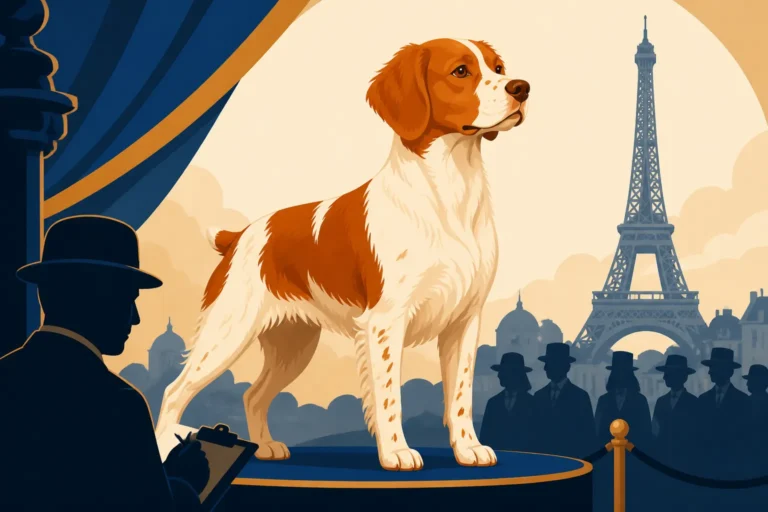
Our beloved Brittany hails from the rugged, marshy lands of Brittany, a region in northwest France. Historically, these dogs were the companions of peasants and poachers, bred for their quiet efficiency and close-working style. They needed to be dogs that could hunt all day without ranging too far from their walking owner, and then curl up by the fire at night, blending seamlessly into family life. This dual role meant they had to be highly intelligent, biddable, and adaptable. Unlike some of the larger, more aristocratic pointing breeds bred for vast estates and mounted hunters, the Brittany was always intended for the foot hunter, often in dense cover. The focus was on a dog that could meticulously cover ground, point with intensity, and retrieve downed game, all while staying within sight. It's truly fascinating to learn about Where the Brittany Comes From and how its purpose shaped its development. The breed's ability to hunt varied game, from partridge to rabbit, and its manageable size made it incredibly valuable to its owners.
This humble beginning imbued the Brittany with a certain sensitivity and an innate desire to please its human companion. They weren't bred to be independent operators; rather, they thrived on partnership. This historical context explains why so many Brittanys today still exhibit that remarkable blend of intense hunting drive and affectionate, almost "velcro" personality at home. They were, and still are, dogs meant to be a part of the family, sharing both the hunt and the hearth.
The German Shorthaired Pointer: The All-Around Gun Dog
In contrast, the German Shorthaired Pointer is a testament to meticulous German breeding. Developed in the 19th century, the goal was to create the ultimate versatile gun dog – a single canine partner that could do it all. The Germans didn't just want a pointer; they wanted a dog that could track, point, retrieve on land and from water, and even guard the homestead if necessary. They carefully blended various breeds, including Spanish Pointers, English Pointers, and local German scent hounds and track-and-trail dogs like the old German Bird Dog, to achieve this ambitious goal. The result was a dog of incredible athleticism, stamina, and a strong prey drive, designed to work tirelessly across diverse terrains and conditions.
This "do-it-all" mandate means GSPs generally possess a stronger will and a more independent streak than Brittanys. They were bred to range more widely, handle tougher cover, and possess a robust constitution suitable for long days in the field, often ahead of a hunter on horseback. Their drive is often described as relentless, and their energy levels are famously high. When you look at What the Brittany Was Bred to Hunt, you see a common thread of bird hunting, but the GSP's scope was much broader from the outset. This heritage manifests as a dog that requires a confident, consistent handler and ample opportunity to burn off energy and satisfy its powerful working instincts. The GSP's physical capabilities and mental fortitude were carefully engineered for supreme performance in a wide array of hunting scenarios.
Physical Characteristics: Size, Coat, and Look
One of the most immediate and noticeable differences between a Brittany and a German Shorthaired Pointer lies in their physical appearance. While both are medium-sized dogs built for athleticism, they present a distinct silhouette, coat type, and overall impression that reflects their divergent histories and preferred working styles.
The Compact and Feathered Brittany
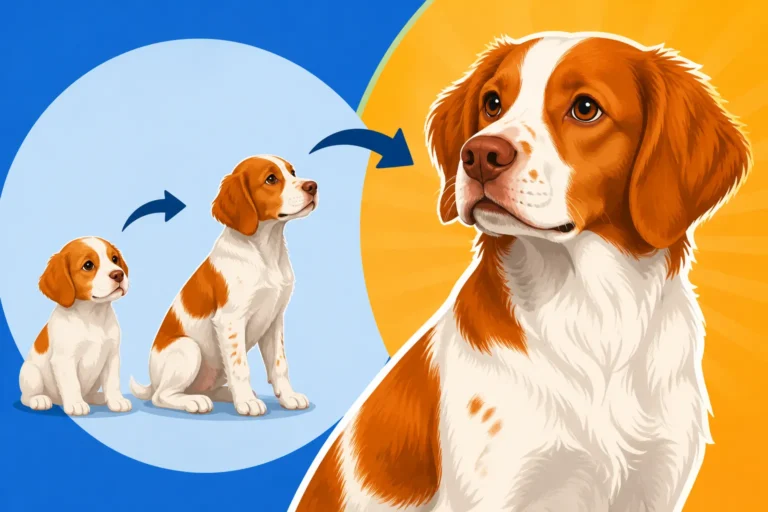
The Brittany is often described as the largest of the "small" dogs or the smallest of the "large" dogs, depending on your perspective. They are notably more compact and lighter-boned than a GSP, carrying a more athletic, agile frame that speaks to their foot-hunting heritage. A typical Brittany stands between 17.5 and 20.5 inches at the shoulder and weighs anywhere from 30 to 40 pounds. This moderate size allows them to navigate dense cover with ease and makes them excellent house companions without being overwhelming. To get a better sense, check out How Tall a Brittany Stands and How Much a Brittany Weighs.
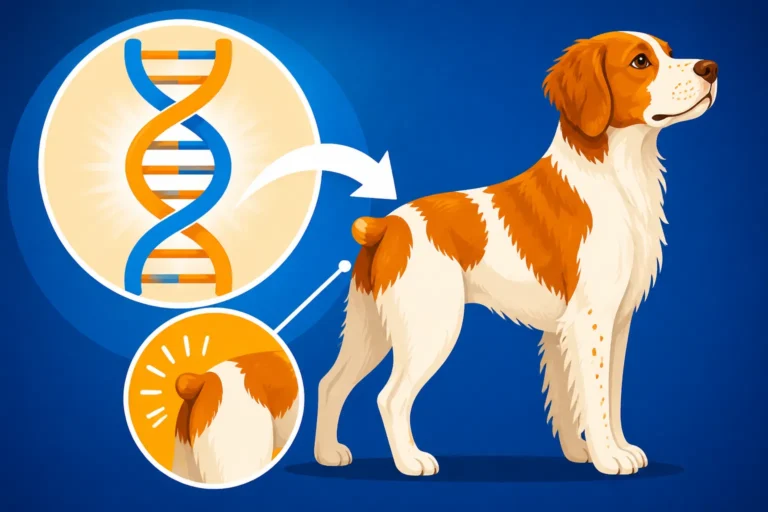
Their coat is another defining feature. Brittanys possess a medium-length, dense coat that can be flat or wavy, with distinctive "feathering" on their legs, ears, and belly. This feathering, while beautiful, also serves a practical purpose, offering some protection from briars and cold. Common colors include orange and white, liver and white, or tri-color (liver, orange, and white). The roan patterns are also quite striking. Unlike many pointing breeds, Brittanys can also be born with a natural bobtail, a trait that adds to their unique charm and distinguishes them visually.
The Lean and Muscular German Shorthaired Pointer
The German Shorthaired Pointer, on the other hand, presents a picture of lean power and athletic prowess. They are noticeably larger and more substantial than Brittanys, built with a robust bone structure and a deep chest designed for endurance and speed. GSPs typically stand 23 to 25 inches at the shoulder and weigh between 45 and 70 pounds, often looking quite imposing in comparison. Their build is undeniably more powerful, reflecting their need to cover vast distances and retrieve heavier game with authority.
Their coat is short, thick, and coarse, providing excellent protection from the elements and making them relatively low maintenance in terms of grooming. This short coat, while not as visually ornate as the Brittany's feathering, is incredibly practical for a dog that dives into icy water or crashes through thickets. GSPs are typically liver and white, or solid liver. They can have ticking or patched patterns. Occasionally, black and white or solid black GSPs appear, though liver is the more traditional color. Their tails are customarily docked, giving them a distinctive, streamlined look that sets them apart from the Brittany.
| Feature | Brittany | German Shorthaired Pointer |
|---|---|---|
| Size (Height) | 17.5-20.5 inches | 23-25 inches |
| Size (Weight) | 30-40 pounds | 45-70 pounds |
| Build | Compact, agile, lighter boned | Lean, muscular, robust bone structure |
| Coat Type | Medium length, flat or wavy, feathering on legs/ears | Short, thick, coarse |
| Common Colors | Orange & white, Liver & white, Tri-color | Liver & white, Solid liver |
| Tail | Can be naturally bobtailed or docked | Customarily docked |
| Overall Look | Energetic, eager, medium-sized, often "spaniel-like" head | Powerful, athletic, larger, more "pointer-like" head |
Temperament and Drive: The Brittany's Sensitivity vs. the GSP's Intensity
When it comes to personality and inherent drive, Brittanys and German Shorthaired Pointers offer two distinct experiences. Both breeds are intelligent, active, and devoted, but their approach to life and work can feel worlds apart. Understanding these differences is paramount for any prospective owner, as it dictates how they'll fit into your family and respond to training.
The Affectionate and Eager Brittany
The Brittany is widely known for its sweet, eager-to-please, and highly affectionate nature. They thrive on human companionship and are often described as "velcro dogs," preferring to be wherever their people are. This strong bond makes them incredibly loyal and devoted family members. They are typically good with children and other pets, provided they are socialized appropriately from a young age. Their sensitivity is a hallmark of the breed; they respond best to positive reinforcement and gentle, consistent training. Harsh corrections can easily make a Brittany shut down or become withdrawn. This is why it's crucial to understand How Sensitive a Brittany Is to Correction and adapt your approach accordingly.
In the field, Brittanys are renowned for their intense, methodical hunting style. They are natural pointers, often demonstrating incredible bird sense from a young age. While they possess a strong prey drive, they are also inherently biddable and generally want to work with their handler. Many Brittanys naturally retrieve, and they excel at quartering ground efficiently, often adjusting their range to the cover and terrain. Their energy is abundant but often seems more contained than a GSP's, making them perhaps a bit easier to manage for some active families. They're intelligent and love having a job, but they can get bored if not mentally stimulated, leading to mischievous behavior. You'll often hear about What a Brittany's Temperament Is Really Like, and it almost always involves words like "happy," "devoted," and "smart."
The Energetic and Driven German Shorthaired Pointer
German Shorthaired Pointers are often characterized by their boundless energy, robust personalities, and intense drive. They are powerful, assertive, and undeniably boisterous, especially in their youth. A GSP's enthusiasm for life is infectious, but it also demands a committed owner who can channel that energy constructively. They are incredibly intelligent and eager to work, but their independence means they need a firm, consistent hand in training. While affectionate with their families, they may not be as outwardly "cuddly" as a Brittany, often expressing their love through vigorous play and shared outdoor adventures.
In the field, the GSP is a powerhouse. They are known for their wide-ranging search patterns, incredible stamina, and ability to handle the toughest conditions. A GSP's prey drive is typically stronger and more overt than a Brittany's, driving them to pursue game with relentless focus. They are truly versatile, excelling at pointing, retrieving from land and water, and even tracking. Their intense drive requires significant outlets, and without proper exercise and mental stimulation, a GSP can become destructive, anxious, or develop undesirable behaviors. This is a dog that needs a job, whether it's hunting, agility, or competitive obedience. They thrive on physical challenges and require an owner who shares their active lifestyle.
Training and Work Ethic: Softness vs. Stamina
Both Brittanys and German Shorthaired Pointers are highly intelligent and trainable working dogs, but their innate temperaments and historical purposes dictate different approaches and expectations during training. Understanding these nuances is crucial for success, whether you're aiming for a field champion or simply a well-behaved family companion.
Training the Thoughtful Brittany
Brittanys are known for being highly biddable and keen to please, making them generally delightful to train. However, their sensitivity means that positive reinforcement methods are not just preferred, but essential. They respond beautifully to praise, treats, and gentle guidance. A harsh word or a heavy hand can quickly cause a Brittany to lose confidence, become timid, or simply shut down, making progress difficult. Long, repetitive training sessions can also bore them, so keeping sessions short, fun, and varied is key to maintaining their engagement. When considering how to introduce a young dog to the field, thinking about Whether a Brittany Points Naturally is helpful, as many do with little prompting.
In the field, Brittanys are natural hunters with an inherent bird sense. They typically develop a strong point early and are often amenable to retrieving. While American Brittanys can range widely, they tend to check in with their handler more frequently than some other wide-ranging breeds. French Brittanys are specifically bred to hunt closer, making them perfect for foot hunters in denser cover. Their desire to work with their handler makes them excellent partners for hunters who appreciate a more collaborative approach. They are often quick to learn complex commands and enjoy mental challenges, whether it's navigating an obedience course or figuring out a scent puzzle. Because they are so people-oriented, consistent training helps to channel their energy and prevent common issues like separation anxiety if left alone too long.
Training the Resilient German Shorthaired Pointer
Training a German Shorthaired Pointer requires a different kind of dedication. GSPs are incredibly smart and quick to learn, but their high energy, strong will, and independent nature mean they need a confident and consistent leader. They thrive on structure and benefit greatly from early and ongoing socialization and obedience training. Unlike the sensitive Brittany, a GSP can sometimes test boundaries and requires a handler who can be firm without being harsh, maintaining control while fostering a strong bond. Their resilience allows them to shake off minor corrections more easily than a Brittany, but their exuberance needs careful channeling.
In the field, GSPs are relentless. Their powerful drive, stamina, and wide-ranging search patterns make them ideal for covering vast territories and finding birds efficiently. They are natural pointers and retrievers, often demonstrating incredible athleticism when working. However, their strong prey drive and desire to run can make recall a significant training focus. An e-collar, when used responsibly and correctly as a communication tool, is often employed by GSP owners to reinforce commands over distance, especially when dealing with How Far an American Brittany Ranges, which can sometimes be even wider than a Brittany's. GSPs need a lot of physical and mental stimulation to prevent boredom and destructive behaviors. They excel in activities like hunt tests, field trials, agility, and even dock diving, where their natural athleticism and drive can be fully expressed. Consistent exercise is not just a recommendation; it's a necessity for a well-adjusted GSP.
Care and Living: Grooming, Exercise, and Home Life
Bringing either a Brittany or a German Shorthaired Pointer into your home means committing to their specific care requirements. While both are active breeds, their grooming needs, daily exercise demands, and suitability for different living environments present clear distinctions.
The Brittany: A Manageable and Adaptable Companion
Brittanys generally have fairly manageable grooming needs. Their medium-length coat requires regular brushing, especially the feathering on their legs and ears, to prevent mats and remove burrs after a hunt. Shedding is moderate year-round, with seasonal increases. Bathe them as needed, particularly after a messy outing. Their drop ears require routine cleaning to prevent infections, a common concern for many floppy-eared breeds. You can find many grooming supplies, from brushes to ear cleaners, on sites like Chewy.
When it comes to exercise, Brittanys are active dogs, but their needs are often slightly less intense than a GSP's. They still require a good amount of daily physical activity – think long walks, runs, fetch, or off-leash play in a secure area. Without adequate exercise, a Brittany can become bored and destructive, leading to issues like excessive barking or chewing. However, they are also excellent "off-switch" dogs, content to curl up on the couch with their family after a good workout. This makes them quite adaptable to various living situations, including suburban homes, as long as their exercise needs are met. Many owners find that a solid hour or two of vigorous activity a day keeps them happy and well-behaved. They truly want to be part of the family, often following you from room to room. Check out How Much Exercise a Brittany Needs Off Season for more specific guidance.
The German Shorthaired Pointer: High Energy, Low Grooming
German Shorthaired Pointers have a distinct advantage in the grooming department due to their short, dense coats. They are relatively low maintenance, requiring minimal brushing beyond what's needed to remove loose hair (they do shed!) and keep their coat healthy. Their short coat also means fewer burrs and less mud clinging after a run through the field. Like Brittanys, their drop ears need regular cleaning to prevent ear infections. For tough mud or odor, specialized dog shampoos are available from retailers like Chewy.
The GSP's exercise requirements are, without a doubt, significantly higher than a Brittany's. These are dogs bred for endurance and speed, and they have an almost inexhaustible supply of energy. A GSP needs at least an hour or two of intense, vigorous exercise every single day, preferably off-leash running in a safe, expansive area. Simply walking around the block won't cut it. Without sufficient outlets for their energy, GSPs are notorious for becoming destructive, anxious, hyperactive, or even aggressive. They thrive in active households that can provide consistent opportunities for running, swimming, hiking, or structured dog sports. Living in an apartment can be challenging for a GSP unless the owner is incredibly dedicated to providing outdoor adventures daily. They are not content to be couch potatoes and require a lifestyle that matches their high-octane drive.
Health and Lifespan: Breed-Specific Concerns
Both Brittanys and German Shorthaired Pointers are generally healthy, robust breeds with similar average lifespans, typically ranging from 12 to 14 years. However, like all purebred dogs, they are prone to certain genetic and hereditary health conditions. Responsible breeders for both breeds will conduct health screenings on their breeding stock to minimize the incidence of these issues.
Brittany Health Considerations
Brittanys are generally considered a healthy breed, but potential owners should be aware of a few key concerns. Hip and elbow dysplasia are conditions that can affect their joints, leading to arthritis and pain. Many breeders participate in programs like the Orthopedic Foundation for Animals (OFA) to screen for these conditions. Another significant health concern for the Brittany is Canine Leucocyte Adhesion Deficiency (CLAD) or more accurately, C3 Deficiency, which is an immune system disorder. While rare, it's a serious condition, and DNA testing is available for breeders to identify carriers. C3 Deficiency Is the Brittany's Own Genetic Disease is a good resource for learning more about this.
Other conditions that can affect Brittanys include epilepsy, hypothyroidism, and various eye conditions such as retinal dysplasia or cataracts. Responsible breeders will usually test for hips, thyroid, and eyes. Overall, a well-bred Brittany from health-tested parents tends to be a resilient and long-lived companion. Regular veterinary check-ups, a balanced diet, and appropriate exercise are key to maintaining their health throughout their The Twelve to Fourteen Years a Brittany Gets.
German Shorthaired Pointer Health Considerations
German Shorthaired Pointers also share some common health concerns with Brittanys, notably hip and elbow dysplasia. Given their larger size and powerful build, maintaining healthy joints is especially important for GSPs. Another notable condition in GSPs is Von Willebrand's Disease (vWD), a bleeding disorder that affects blood clotting. DNA tests are available for vWD, and responsible breeders will screen for it.
GSPs can also be prone to certain eye conditions, heart conditions (like dilated cardiomyopathy), and gastric dilatation-volvulus (GDV), commonly known as bloat. Bloat is a life-threatening emergency, particularly in deep-chested breeds like the GSP, and owners should be educated on its signs and prevention. While not as prone to specific immune deficiencies as Brittanys, their active lifestyle can make them susceptible to various field injuries, much like any working dog. Comprehensive health screening, including hips, elbows, eyes, heart, and genetic tests for vWD, is standard practice for ethical GSP breeders. Products to support joint health, like supplements, can be found on Chewy.
Which Breed is Right for You? Making the Choice
Deciding between a Brittany and a German Shorthaired Pointer isn't just about comparing their looks; it's about evaluating which breed's innate characteristics and needs align best with your lifestyle, your hunting ambitions, and what you're prepared to offer a canine companion for the next decade or more. Both breeds are magnificent, loyal, and capable, but their differences are significant enough to warrant careful consideration.
The Brittany: The Agile, Affectionate Partner
If you're a foot hunter who appreciates a methodical, close-working dog, or an active family looking for a devoted companion that can transition seamlessly from an intense outdoor adventure to a cozy evening indoors, a Brittany might be your ideal match. Their compact size makes them easier to transport and manage in a home environment. They thrive on companionship and respond beautifully to positive, gentle training, making them a great choice for those who want a truly cooperative partner.
A Brittany suits someone who:
- Prefers hunting on foot in diverse or dense cover, valuing a dog that stays within a more manageable range.
- Is drawn to a highly affectionate, "velcro" dog that wants to be deeply integrated into family life.
- Is prepared for moderate exercise demands, including daily vigorous activity, but appreciates an "off-switch" at home.
- Enjoys a sensitive, intelligent dog that responds best to positive reinforcement and builds a strong, trusting bond.
- Can commit to regular brushing of their feathered coat and routine ear care.
The Brittany offers an incredible blend of intense hunting prowess and gentle domesticity. They can be just as happy on a long hike through the woods as they are cuddling up on the couch. Their adaptability and eagerness to please often make them a very rewarding choice for active individuals or families who understand their need for both physical and mental engagement.
The German Shorthaired Pointer: The High-Octane, Versatile Athlete
If your vision of a dog involves boundless energy, relentless drive, and the capacity for wide-ranging, all-day hunts, then a German Shorthaired Pointer could be your ultimate companion. This is a breed for the truly active, whether you're a serious upland bird hunter, a waterfowl enthusiast, a marathon runner, or someone deeply involved in dog sports. Their powerful build and robust nature are designed for endurance and versatility in the field.
A GSP is likely a better fit for someone who:
- Engages in extensive hunting, often covering large tracts of land, possibly on horseback, and needs a dog with exceptional stamina and range.
- Leads an extremely active lifestyle and can commit to at least one to two hours of intense, vigorous exercise every single day, rain or shine.
- Seeks a dog with a strong, assertive personality that requires consistent, confident leadership and firm training.
- Appreciates a low-maintenance, short coat that sheds less but still provides protection in tough cover.
- Is prepared for the exuberance and boisterousness of a high-energy dog, especially during its younger years.
The GSP is not a dog for the faint of heart or the sedentary. They are an unstoppable force of nature in the field and demand a lifestyle that can match their incredible drive. However, for those who can meet their needs, a GSP offers an unparalleled partnership, pushing you to new limits and excelling at whatever job you give them with unwavering enthusiasm.
Ultimately, the choice between a Brittany and a German Shorthaired Pointer comes down to an honest assessment of your own capabilities, lifestyle, and preferences. Both breeds are remarkable athletes and loyal companions, but they each bring a distinct set of characteristics to the table. Take your time, research thoroughly, and consider visiting breeders or rescue groups to spend time with both breeds before making your final decision.
Disclaimer
This article is for general informational purposes only and does not constitute professional advice. Laws, prices and regulations vary by location and change over time. Consult a qualified professional for guidance on your specific situation.