How Often a Brittany Needs a Wellness Exam
Bringing a Brittany into your home is an incredible adventure, full of boundless energy and feathered companionship. But along with all that joy comes the very real responsibility of keeping them healthy, and sometimes it feels like a guessing game knowing just how often you need to trek to the vet. Between vaccine schedules, yearly check-ups, and those mysterious changes you notice, it’s easy to feel overwhelmed. This guide will walk you through a clear, age-appropriate schedule for wellness exams, helping you ensure your Brittany gets the consistent care they deserve without unnecessary worry.
The Critical First Year: Puppy Wellness Exams for Your Brittany
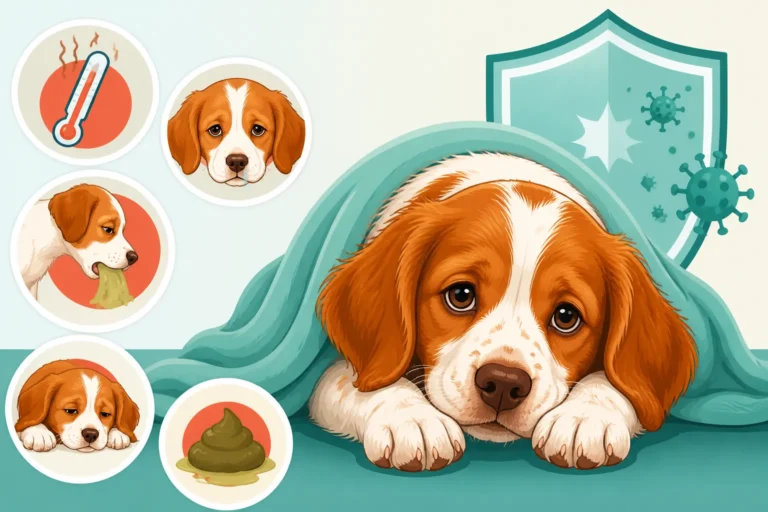
The first year of a Brittany's life is a whirlwind of growth, learning, and developing immunity. It's a period where regular veterinary visits aren't just recommended, they're absolutely essential for laying a strong foundation for a long, healthy life. Puppies are particularly vulnerable to common illnesses, and a consistent vet schedule helps catch potential issues early and protect them as their immune systems mature.
The Initial Puppy Visits and Vaccinations
When you first bring home your Brittany puppy, especially if they're still quite young, you'll be spending a fair bit of time at the veterinary clinic. Most puppies begin their vaccination series between 6 and 8 weeks of age, followed by boosters every 3-4 weeks until they are around 16 weeks old. This typically means anywhere from two to four visits during these crucial early months. Each visit isn't just about a shot; it's a comprehensive physical exam where your vet will check everything from their nose to their tail. They'll listen to their heart and lungs, examine their eyes and ears, palpate their abdomen, and check their teeth and gums. This is also the prime opportunity to discuss proper nutrition, parasite prevention (which is so important for puppies), and even early socialization tips.
For example, a Brittany puppy might come home at 8 weeks. Their first vet visit with you would likely be within a few days to a week to establish care, get their first booster, and potentially a deworming. Then, you'd follow up at 12 weeks for another set of boosters, and again at 16 weeks for their final puppy vaccines, including rabies. These frequent visits allow your veterinarian to monitor their development closely, ensuring they're growing at a healthy rate and addressing any concerns before they become serious. It's also a chance to discuss important topics like When a Brittany's Growth Plates Close to ensure you're not over-exercising a young dog, which can impact their developing joints.
Early Health Screenings and Preventative Care
Beyond vaccinations, these early puppy visits are vital for initiating other critical preventative care. Your vet will likely recommend stool sample checks to screen for intestinal parasites, which are very common in puppies and can cause serious health issues if left untreated. They'll also discuss flea and tick prevention, which is non-negotiable for an active breed like the Brittany, especially if you plan on them being a Whether a Working Brittany Wears Its Joints Out.
Another important conversation during these initial visits often revolves around spaying or neutering. While the traditional advice was often to spay or neuter around 6 months, more recent research suggests potential benefits to waiting until a Brittany is closer to maturity, especially for males, to allow for full growth plate closure. Your vet can discuss the pros and cons based on your individual puppy's health and your lifestyle. They might also discuss genetic predispositions specific to Brittanys, such as the potential for C3 Deficiency Is the Brittany's Own Genetic Disease or How Common Hip Dysplasia Is in Brittany Spaniels, and what early signs to look for, although formal screenings usually happen later. Establishing a relationship with a trusted veterinary clinic during this formative period is invaluable, as they become your primary resource for all questions and concerns regarding your Brittany's health.
Maintaining Health: Adult Brittany Wellness Exams
Once your Brittany sails past their first birthday, they're generally considered an adult. This period, from roughly one year to seven or eight years of age, often sees a shift in the frequency of veterinary visits, but their importance doesn't diminish one bit. For most adult Brittanys, especially those without pre-existing health conditions, a yearly wellness exam is the gold standard.
Annual Check-ups for the Active Adult
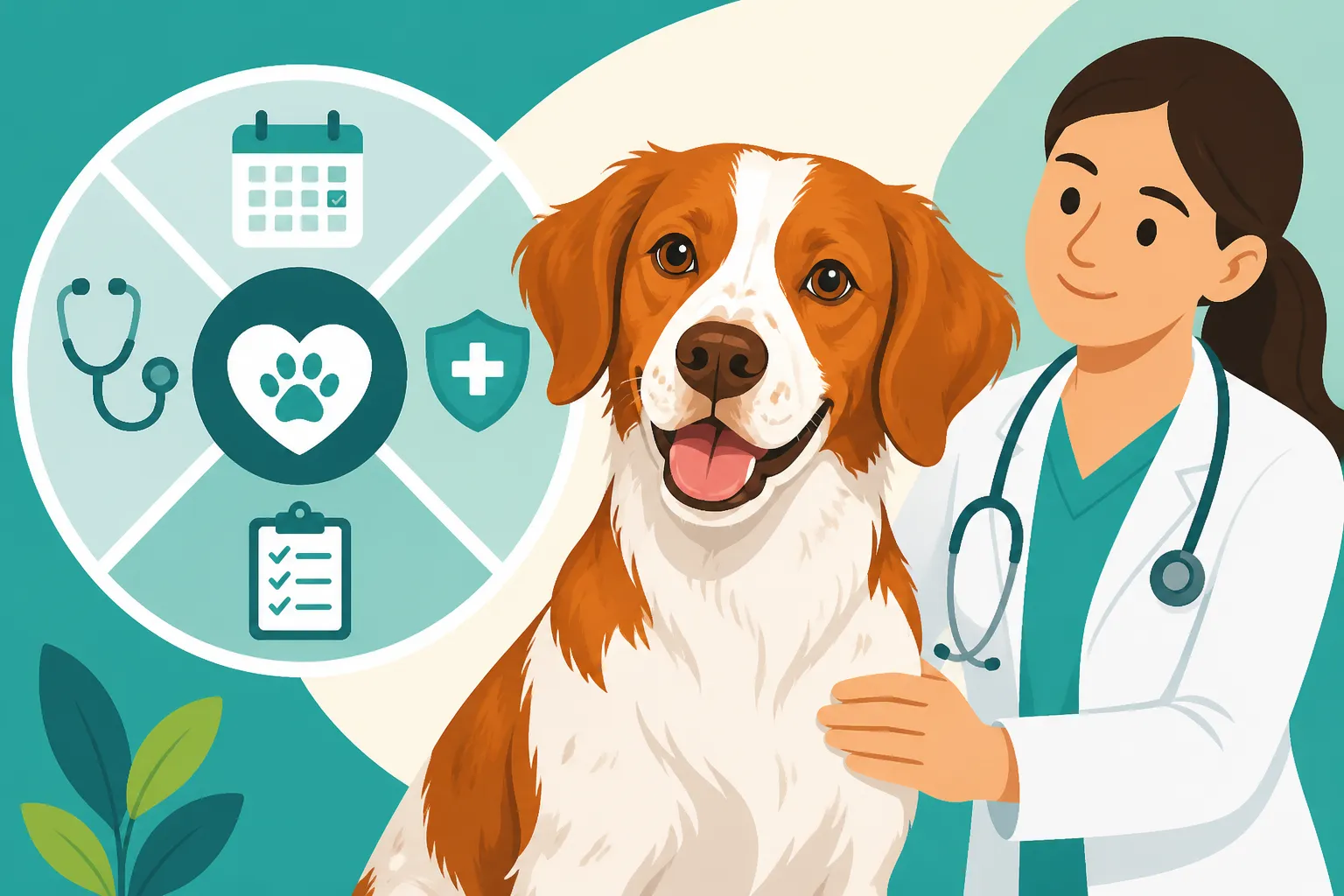
An annual wellness exam for your adult Brittany is much more than just a quick glance over. It's a comprehensive health assessment designed to catch subtle changes that might indicate an underlying problem, even if your dog seems perfectly fine at home. During these yearly appointments, your vet will perform a thorough physical examination, checking their weight, body condition score, teeth, gums, eyes, ears, skin, coat, and palpating their lymph nodes and abdomen. They'll listen carefully to your Brittany's heart and lungs, assess their joints and gait, and generally get a full picture of their physical well-being. This consistency helps establish a baseline for your dog's health, making it easier for your vet to spot any deviations year after year.
These visits are also when booster vaccinations are typically given, ensuring your Brittany remains protected against common diseases they might encounter, whether in the field or at the dog park. Discussing parasite prevention, dental health, and nutrition remains a key part of these annual conversations. If your Brittany is an avid hunter, your vet might also recommend specific preventative measures, such as a Whether a Brittany Needs a Leptospirosis Shot or a Whether a Brittany Should Have a Snake Bite Vaccine, depending on your geographical location and where you hunt. Pet insurance providers, like Healthy Paws, often emphasize the importance of these annual wellness checks as a cornerstone of preventative care, as they can help reduce the likelihood of more expensive treatments down the road by catching issues early.
Understanding Routine Diagnostics and Preventative Measures
Beyond the physical exam and vaccinations, annual wellness visits for adult Brittanys often include routine diagnostic tests. A fecal exam is typically recommended at least once a year to check for intestinal parasites, even if your dog is on a monthly preventative, as some parasites are resistant or acquired differently. Heartworm testing is also a yearly staple, particularly crucial for Brittanys who spend a lot of time outdoors in areas where mosquitoes are prevalent.
Your vet might also suggest routine bloodwork, especially as your Brittany approaches middle age. While What a Brittany's Yearly Bloodwork Should Cover often varies by individual circumstances, general panels can check organ function, blood cell counts, and thyroid levels, helping to detect early signs of conditions like What Hypothyroidism Does to a Brittany before clinical symptoms even appear. These routine tests provide a deeper insight into your dog's internal health and can be invaluable for establishing baseline values. Should your Brittany ever become ill or require medication, having previous bloodwork to compare against can significantly aid in diagnosis and treatment. For active dogs, regular checks on joints and mobility are also critical, as The Age a Brittany Gets Arthritis can vary, and early intervention makes a big difference.
Addressing Lifestyle and Activity Level
The "how often" question for adult Brittanys isn't always a one-size-fits-all answer. Your dog's lifestyle and activity level play a huge role. A Brittany that is regularly out in the field, hunting multiple days a week, will naturally face different health challenges and exposures than one that is primarily a beloved house pet with daily walks. For a hunting Brittany, a Whether a Brittany Needs a Preseason Vet Check is often a smart move, even if they've had their annual wellness exam earlier in the year. This targeted visit focuses on ensuring they are physically conditioned for the demands of the season, checking for any subtle lameness, ensuring pads are tough, and reviewing parasite prevention protocols relevant to the game you'll be pursuing.
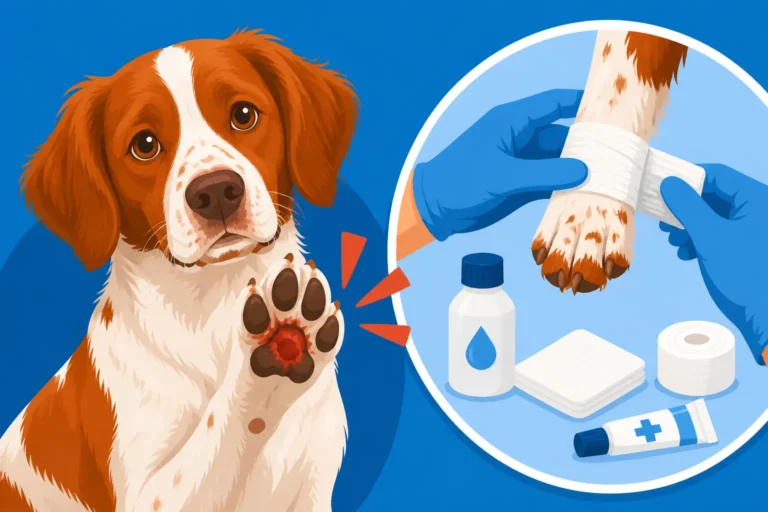
If your Brittany is particularly active or prone to minor injuries from their adventures, you might find yourself at the vet more frequently for specific issues like How to Treat a Brittany's Torn Pad or suspected foxtail removals. These aren't necessarily "wellness exams" but highlight the importance of prompt veterinary attention for any concerns. Your vet can also offer advice on conditioning, nutrition adjustments for performance dogs, and even specialized gear like Whether a Brittany Needs Boots in the Field to help prevent common field injuries.
| Age Group | Recommended Wellness Exam Frequency | Key Focus Areas | Common Diagnostics |
|---|---|---|---|
| Puppy (8-16 weeks) | Every 3-4 weeks (2-4 visits) | Vaccinations, deworming, growth monitoring, early socialization, parasite prevention | Fecal exams |
| Adult (1-7 years) | Annually | Vaccinations, physical exam, dental health, weight management, parasite prevention | Heartworm test, fecal exam, occasional bloodwork |
| Senior (8+ years) | Every 6 months | Early disease detection, pain management, joint health, cognitive function | Comprehensive bloodwork, urinalysis, blood pressure |
Navigating Seniority: Wellness Care for Your Aging Brittany
As your beloved Brittany enters their senior years, typically starting around 8-10 years old, their veterinary care needs will naturally evolve. Just like with people, aging dogs are more susceptible to certain health conditions, and early detection becomes paramount. What worked for a spry adult might not be enough for a dignified senior.
Increased Frequency for Older Companions
The general recommendation for senior Brittanys is to increase wellness exams to twice a year, or every six months. This might sound like a lot, but it's a proactive measure that significantly improves the chances of catching age-related diseases in their earliest, most treatable stages. Brittanys can be quite stoic and good at hiding pain or discomfort, so these more frequent vet visits provide crucial opportunities for your veterinarian to identify subtle changes that might otherwise go unnoticed until a condition is more advanced. The Age a Brittany Is Considered Senior can vary slightly, but generally, 8 years old is a good benchmark to start this more intensive care regimen.
During these twice-yearly visits, your vet will pay extra attention to signs of arthritis, dental disease, cognitive dysfunction, and changes in organ function. They'll also monitor weight carefully, as both unexpected weight loss and unexplained weight gain can be indicators of underlying health problems. Discussions during these appointments will often shift towards quality of life, pain management options, and how to make your home more comfortable for an aging dog. Considering a robust pet insurance plan early in your Brittany's life, such as one from Healthy Paws, can be a huge relief when these more frequent and comprehensive senior care costs start to add up, covering diagnostic tests and medications that become more common.
Common Concerns and Specialized Senior Diagnostics
With senior Brittanys, the wellness exam becomes even more comprehensive, often including a broader panel of diagnostic tests. Full bloodwork, including a complete blood count and a chemistry panel, is usually recommended every six months to monitor kidney, liver, and thyroid function, among other things. A urinalysis is also critical for detecting urinary tract infections, kidney issues, or even diabetes. Blood pressure checks can become a routine part of senior exams, as hypertension can lead to other serious health problems.
Vets will also focus on specific breed-related conditions that become more prevalent with age. For Brittanys, this includes watchful monitoring for signs of cancer (Which Cancers a Brittany Spaniel Gets), particularly lymphoma or mast cell tumors, as well as cardiac conditions. Mobility issues are very common, and your vet can recommend supplements, anti-inflammatory medications, or even physical therapy to help manage The Age a Brittany Gets Arthritis. Dental health is another critical area; many senior dogs develop significant dental disease, which can lead to pain, infection, and impact other organ systems. While Caring for a Brittany Past Ten can be incredibly rewarding, it often comes with increased veterinary oversight to manage these age-related changes effectively and ensure their comfort and happiness.
Beyond the Exam Room: Proactive Health Management
While regular wellness exams are the cornerstone of your Brittany's health, what happens between those visits is just as important. You, as their owner, are on the front lines, observing their daily behavior and well-being. Being vigilant and proactive can make a huge difference in catching potential problems early and ensuring your Brittany lives a full, vibrant life.
Recognizing Changes Between Visits
Your veterinarian sees your Brittany for a snapshot in time, often for less than an hour, once or twice a year. You, however, see them every single day. This means you are uniquely positioned to notice subtle changes in their behavior, appetite, energy levels, or physical condition that could indicate a brewing problem. Is your usually enthusiastic Brittany a little slower to greet you? Are they drinking more water than usual? Have they gained or lost weight unexpectedly? Are they itching more, or is their coat looking dull?
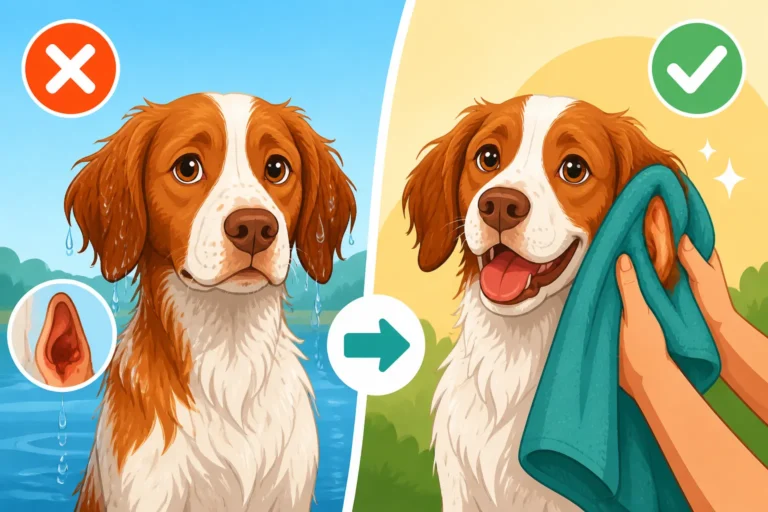
Keeping an eye on things like Why a Brittany's Ears Get Infected Every Season and checking their ears regularly, or making sure their paws are healthy after a hunt are crucial daily or weekly habits. Even small things, like noticing a slight limp that comes and goes, or a change in their stool consistency, warrant a call to your vet. You don't need to wait for their next scheduled wellness exam if you have a genuine concern. Trust your instincts; if something feels off, it probably is. Your vet would much rather hear from you about a potential issue early than deal with a more advanced problem later. This proactive approach is a partnership between you and your vet, working together for your Brittany's best interests.
The Role of Comprehensive Pet Insurance
Even with diligent preventative care and regular wellness exams, unexpected illnesses or accidents can happen. This is where comprehensive pet insurance can be a game-changer for Brittany owners. Policies from providers like Healthy Paws can help soften the financial blow of emergency vet visits, specialized diagnostics (like MRIs or advanced bloodwork), surgeries, and long-term medications for chronic conditions. Thinking about What a Brittany Costs Over Its Lifetime often reveals that vet bills can be one of the most unpredictable and substantial expenses.
For an active breed like the Brittany, who might encounter The Injuries a Brittany Picks Up in the Field or be prone to certain genetic conditions, having insurance means you can focus on getting them the best possible care without having to make difficult decisions based on cost. While wellness exams themselves are usually elective and often not fully covered by standard accident/illness policies, the diagnostic tests and treatments that might stem from those exams, or from an unexpected illness, typically are. It’s definitely worth researching different plans and understanding what they cover, especially for an energetic companion that might live to be The Twelve to Fourteen Years a Brittany Gets. Investing in pet insurance is an act of responsible pet ownership, providing a safety net that complements your commitment to regular veterinary care.
Disclaimer
This guide is intended for informational purposes only and does not constitute veterinary advice. Always consult with a qualified veterinarian for any health concerns or before making any decisions regarding your Brittany's medical care. Individual needs may vary.