Whether a Brittany Needs Boots in the Field
As Brittany owners, we pour our hearts into their training and conditioning, only to worry if a sharp rock, patch of ice, or abrasive stubble will sideline our beloved hunting partners. Deciding whether your energetic Brittany needs boots in the field isn't a simple 'yes' or 'no' – it's about understanding the specific challenges they face and making informed choices for their well-being. This guide dives deep into protecting your Brittany's paws, evaluating when boots are a necessity, and exploring comprehensive care strategies to keep them happy and healthy on every adventure.
The Great Paw Debate: To Boot or Not to Boot Your Brittany
The question of whether to equip your Brittany with boots for their excursions isn't just about fashion; it’s a critical consideration for their health and longevity in the field. Brittanys are renowned for their boundless energy, relentless drive, and incredible stamina, covering vast amounts of ground in pursuit of game. This passion, however, can put their paws through immense stress, encountering environments that are far from the manicured lawns of suburbia.
Many of us look at our dogs' tough pads and think they're invincible, but that's a common misconception. While nature designed their pads to be resilient, they weren't necessarily designed for prolonged exposure to certain extreme conditions or man-made hazards we now encounter. Thinking about the sheer mileage a Brittany puts in during a single hunting trip, it becomes clear why their paws are often the first point of vulnerability. It’s not just about acute injury; it’s also about cumulative wear and tear that can lead to chronic issues.
Understanding the Vulnerabilities of a Brittany's Paws
A Brittany's paw pads are intricate structures, comprised of thick, fatty tissue, elastic fibers, and a tough outer layer of keratinized skin. This design provides shock absorption, insulation, and grip. However, even these marvels of canine engineering have their limits. The skin, while tough, can be cut, scraped, punctured, or abraded. The sensitive tissues underneath, including blood vessels and nerves, are then exposed to infection and pain.
Beyond cuts and abrasions, prolonged exposure to moisture can soften pads, making them more susceptible to injury. Conversely, excessively dry conditions can lead to cracking and splitting, which are incredibly painful. Imagine walking barefoot on rough concrete all day – that’s akin to what our Brittanys endure if their paws aren't adequately prepared or protected for the demands of a long hunt. A small injury, if ignored, can quickly escalate, leading to lameness, infection, and an enforced break from their beloved activities.
Terrain and Environmental Factors that Pose Risks
The environments Brittanys navigate are often beautiful but unforgiving. Picture a stubble field after harvest, where sharp stalks of corn or wheat act like tiny daggers. Or consider a rocky hillside, where jagged edges can easily slice into a pad. Even seemingly benign environments like dense, thorny cover can wreak havoc, as briars and burrs become embedded between toes or in the delicate webbing.
Then there are temperature extremes. Hot asphalt or sun-baked earth can cause severe burns, sometimes even blistering. Conversely, ice and snow can lead to frostbite, or cause abrasive irritation from ice melt chemicals. Hidden hazards like broken glass, discarded metal, or even sharp pieces of ice are invisible until your Brittany yelps. Understanding these specific risks is the first step in deciding on the best course of action for paw protection.
When Paw Protection Becomes a Non-Negotiable Necessity
There are certainly times when boots transition from a helpful accessory to an absolute requirement for your Brittany's safety and comfort. Ignoring these situations can lead to serious injuries that not only cause your dog immense pain but can also incur significant veterinary bills. Nobody wants to see their dog limping, especially when preventative measures could have been taken.
It’s about being proactive and assessing the environment your Brittany will be working in. Sometimes, it’s not just one factor, but a combination of conditions that tips the scale toward needing robust paw protection. For instance, a long day in wet, cold, rocky terrain presents a much higher risk than a short romp in a grassy park. When you consider the deep engagement and intense focus your Brittany brings to the hunt, it’s clear they won’t always notice hazards until it’s too late.
Navigating Extreme Weather: Ice, Snow, and Scorching Earth
When temperatures plummet, and the ground is covered in snow and ice, your Brittany’s paws are highly vulnerable. Ice can be deceptively sharp, causing cuts, while prolonged contact with cold surfaces can lead to frostbite, especially on the thin skin between the pads. Even worse, road salts and ice melt chemicals used in populated areas can be corrosive, causing painful chemical burns and toxicity if ingested when your dog licks their paws. This is a prime example of where paw protection isn't just about comfort, but about preventing chemical damage and severe cold injuries.
On the opposite end of the spectrum, scorching summer days present their own dangers. Asphalt, concrete, and even dark-colored dirt or sand can reach dangerously high temperatures, easily burning your Brittany’s pads. A simple test: if you can't hold your hand comfortably on the surface for seven seconds, it's too hot for your dog's paws. In these conditions, boots are essential to create a barrier between the sensitive pads and the searing ground. Without them, your Brittany could easily suffer from severe burns, as detailed in "What a Brittany's Pads Burn on Hot Ground".
Tackling Abrasive and Hazardous Cover
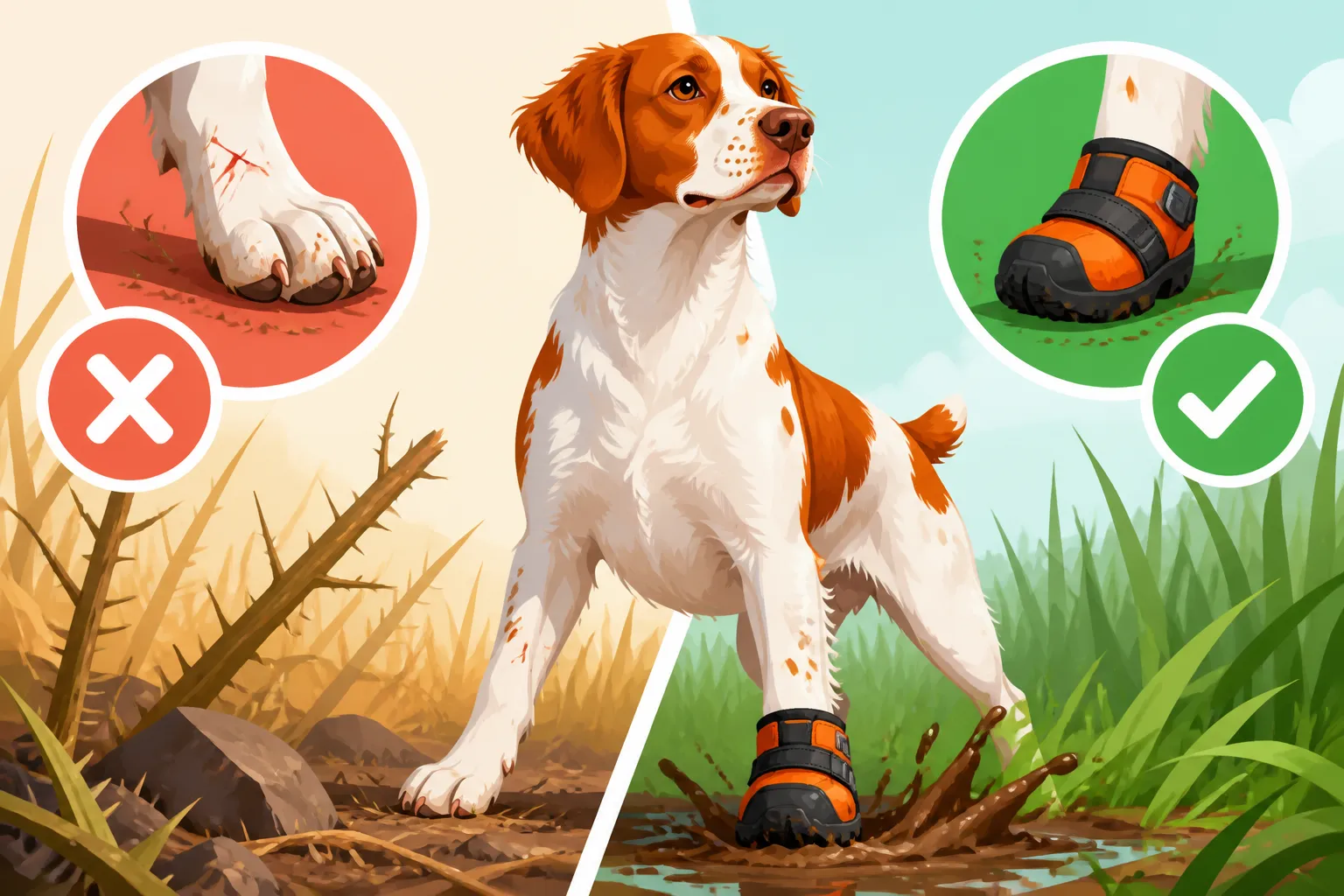
Certain types of terrain are inherently more damaging to paw pads than others, regardless of temperature. Hunting in areas with extensive stubble fields (corn, wheat, sunflower) means navigating a landscape of sharp, rigid stalks that can slice pads open with ease. Rocky areas, especially those with volcanic rock or shale, are also notorious for causing lacerations and severe abrasions. Even seemingly natural environments like dense, thorny thickets or areas laden with burrs and foxtails can pose significant threats.
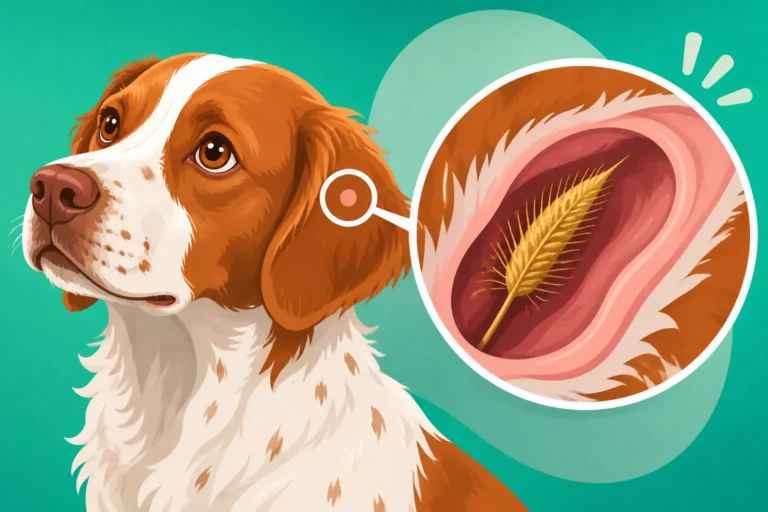
Foxtails, in particular, are insidious. Their barbed design allows them to burrow into soft tissue, including between toes, causing irritation, infection, and requiring veterinary intervention to remove. Sharp objects, like broken glass or metal debris, are unfortunately common in many hunting grounds, especially near old farmsteads or public access points. In these situations, durable boots provide a much-needed layer of protection, preventing direct contact with these dangerous elements. Thinking about "The Injuries a Brittany Picks Up in the Field" clearly highlights how crucial this type of protection can be.
Pre-existing Paw Issues or Sensitivities
If your Brittany already has sensitive paws, a history of frequent paw injuries, or specific dermatological conditions, boots can be a game-changer. Some dogs naturally have thinner, less resilient pads, or they might be recovering from an injury like "How to Treat a Brittany's Torn Pad." In such cases, boots offer an extra layer of protection, allowing the paw to heal while still enabling your dog to enjoy outdoor activities.
Additionally, certain Brittanys may be prone to allergies that manifest as itchy, irritated paws, leading to excessive licking and chewing, which further compromises the pad's integrity. While boots don't address the underlying allergy, they can provide a temporary barrier to prevent self-mutilation during flare-ups or protect medicated paws from environmental irritants. Consulting with your vet is always the best first step to address underlying issues, but boots can be a valuable part of the management strategy.
Here's a quick guide to common field scenarios and recommended paw protection:
| Scenario | Risk Level | Recommended Protection | Notes |
|---|---|---|---|
| Hot Pavement/Sand | High | Boots | Prevents burns. Always check surface temperature. |
| Ice/Snow/Salted Roads | High | Boots | Prevents frostbite, cuts, and chemical burns. |
| Stubble Fields (Corn/Wheat) | High | Durable Boots | Prevents lacerations and abrasions from sharp stalks. |
| Rocky Terrain | High | Durable Boots | Protects against cuts, scrapes, and punctures. |
| Dense Briars/Thorns | Medium | Boots or Paw Wax | Boots offer better protection; wax can help prevent minor embedding. |
| Foxtail-prone Areas | Medium | Boots | Critical for preventing foxtails from burrowing between toes. |
| Wet, Muddy Conditions | Low-Medium | Paw Wax | Prevents softening of pads and subsequent vulnerability. |
| General Hiking Trails | Low | Conditioning/Paw Wax | Regular conditioning often sufficient, but boots for extended trips. |
Alternative and Complementary Paw Care Strategies
While boots are an excellent solution for specific situations, they aren't the only tool in your paw care arsenal. A comprehensive approach involves regular maintenance, conditioning, and proactive protection to ensure your Brittany's paws remain tough and resilient throughout the hunting season and beyond. Relying solely on boots might lead to a false sense of security, ignoring the fundamental health of the paw itself.
It's about creating a routine that supports optimal paw health, recognizing that even the most robust boots can't replace the benefits of naturally strong, well-cared-for pads. This holistic view ensures that your Brittany is prepared for whatever terrain they encounter, even if a boot comes off mid-hunt or a quick trip outdoors doesn't warrant full gear. For comprehensive health, a solid pet insurance plan like Healthy Paws can also offer peace of mind, covering unexpected injuries that might still occur.
Conditioning and Toughening Your Brittany's Pads
Just like an athlete trains their body, you can train your Brittany's paw pads to be tougher and more resilient. This isn't about harsh treatments but a gradual exposure to varied terrain. Regular walks on different surfaces – gravel, dirt paths, grass, and even pavement – will naturally thicken the pads over time. Avoid sudden, intense excursions on harsh terrain if your dog's paws aren't accustomed to it. Think of it as building calluses; it takes time and consistency.
You can also find detailed advice on "How to Toughen a Brittany's Pads" for specific techniques. The key is moderation. Don't go from lounging on the couch to a 10-mile hike on rocky ground overnight. Start slow, increase duration and intensity gradually, and always check your dog's paws after exercise for any signs of irritation or injury. This kind of preparatory work is essential before the hunting season really kicks off, ensuring their paws are ready for "How Long a Brittany Can Hunt in a Day."
Regular Paw Inspections and Maintenance
One of the most crucial aspects of paw care is diligent inspection, especially after every outing. Make it a routine: when you get back from a walk or a hunt, take a few minutes to carefully examine each paw. Look between the toes for burrs, foxtails, ticks, or small cuts. Check the pads themselves for cracks, punctures, or signs of excessive wear. Remember, a Brittany will often try to hide pain, so careful inspection is critical.
Beyond post-outing checks, regular maintenance is vital. Keep the hair between your Brittany's paw pads trimmed short. Excess hair can collect debris, ice balls in winter, and make it easier for foreign objects like foxtails to become lodged. Long hair also reduces traction and can contribute to matting and skin irritation. Regularly trim your Brittany's nails; overgrown nails can splay the toes, alter gait, and put unnecessary strain on their paw structure, which can contribute to "Whether a Working Brittany Wears Its Joints Out."
Topical Paw Balms and Waxes
For general conditioning and protection against less extreme conditions, paw balms and waxes are incredibly beneficial. Products like Musher's Secret or Bag Balm create a breathable barrier on the pads, protecting them from hot pavement, ice, snow, and rough terrain. They also help to prevent the pads from drying out and cracking, promoting overall paw health.
These waxes are especially useful for situations where full boots might be overkill or impractical, such as short walks in mild snow or light abrasive conditions. They can also provide a valuable layer of protection against irritation from road salts. While not offering the same puncture protection as boots, they significantly reduce friction, moisturize the pads, and provide a buffer against environmental elements. Apply them regularly, especially before outdoor activities, for maximum benefit.
Selecting and Fitting the Perfect Boots for Your Adventurous Brittany
Choosing the right boots for your Brittany can feel a bit overwhelming given the array of options available. It’s not just about picking up any dog boot; it’s about finding a pair that fits well, offers the necessary protection for your specific needs, and is comfortable enough for your dog to wear for extended periods. A poorly fitting boot can cause more harm than good, leading to chafing, blisters, or even causing your Brittany to trip.
Investing in quality boots is akin to investing in quality hunting gear for yourself. It’s an essential part of keeping your partner safe and performing at their best. Remember, if your Brittany is uncomfortable or injured, the hunt is over for both of you. And should an unforeseen injury occur despite your best efforts, having a pet insurance plan like Healthy Paws can be a real lifesaver when those vet bills come in.
Types of Boots for Different Needs
Dog boots come in various designs and materials, each suited for different conditions:
- Heavy-Duty, Durable Boots: These typically feature rugged soles made from rubber or tough synthetic materials, designed for extreme conditions like sharp rocks, broken glass, or extensive stubble fields. They often have sturdy closures (velcro straps, elastic cords) to keep them secure. Brands like Ruffwear (e.g., Grip Trex) or Ultra Paws offer excellent options in this category. They are usually thicker and provide superior puncture resistance.
- Lightweight, Flexible Boots: Ideal for less extreme conditions, like protecting against snow, ice melt, or general abrasion on trails. They offer more flexibility and may be more comfortable for dogs initially. While they protect from cold and minor scrapes, they might not hold up against sharp objects as well as their heavy-duty counterparts. These are great for daily winter walks or short hikes.
- Disposable/Temporary Boots: Brands like Pawz offer balloon-like rubber boots that provide waterproof protection and a good grip. They are excellent for short-term use, such as protecting a healing wound, preventing contact with chemicals, or offering light protection in mud or snow. They aren't designed for long-term wear or aggressive terrain but are very handy for specific, temporary needs.
Consider the primary purpose of the boots. Are you looking for protection against extreme cold, sharp objects, or general wear and tear? This will guide your selection.
Fitting and Acclimatizing Your Brittany to Boots
A proper fit is paramount. Boots should be snug enough not to slip off but not so tight that they restrict circulation or pinch. Measure your Brittany's paws carefully (width and length) and consult the manufacturer's sizing chart. It's often recommended to measure after a walk when the paws are slightly splayed. Remember that front paws can sometimes be slightly larger than hind paws, so you might need different sizes for each pair.
Once you have the boots, the next step is acclimatization. Most dogs don't take to boots immediately; they often walk funny, try to shake them off, or even chew at them. Start with short sessions indoors, offering plenty of positive reinforcement and high-value treats. Let your Brittany wear them for just a few minutes, then take them off. Gradually increase the duration. Once they're comfortable indoors, try short walks outside on familiar, easy terrain.
Never force the issue. If your Brittany is highly distressed, take a break and try again later. With patience and positive association, most Brittanys will eventually tolerate, if not entirely forget about, their boots. It's an investment in their comfort and safety, much like ensuring they have a well-stocked "What a Brittany's First Aid Kit Should Hold" for field emergencies.
A Note on Long-Term Paw Health and Prevention
Beyond boots and balms, fostering overall health contributes significantly to paw resilience. A balanced diet rich in essential fatty acids can improve skin and coat health, including the pads. Regular exercise on varied surfaces, as mentioned, naturally toughens pads. Hydration is also key; ensuring your Brittany has access to fresh water, especially during strenuous activity, helps maintain skin elasticity.
Don't underestimate the importance of genetics. Some Brittanys might simply have more delicate paws than others. If your dog frequently suffers from paw injuries despite your best efforts, it's worth discussing with your veterinarian. They might have underlying conditions or structural issues that predispose them to problems. A good veterinarian will also advise on prevention of issues like "Whether a Brittany Gets Hot Spots" which can sometimes stem from neglected paw health.
Ultimately, the decision to use boots for your Brittany in the field comes down to a careful assessment of risk versus benefit. While not every outing requires them, there are specific situations where they are invaluable. By understanding the challenges, implementing a comprehensive paw care routine, and choosing appropriate protection, you can help ensure your spirited Brittany enjoys a long, healthy, and happy life of adventures by your side.
Disclaimer
This article is for general informational purposes only and does not constitute professional advice. Laws, prices and regulations vary by location and change over time. Consult a qualified professional for guidance on your specific situation.