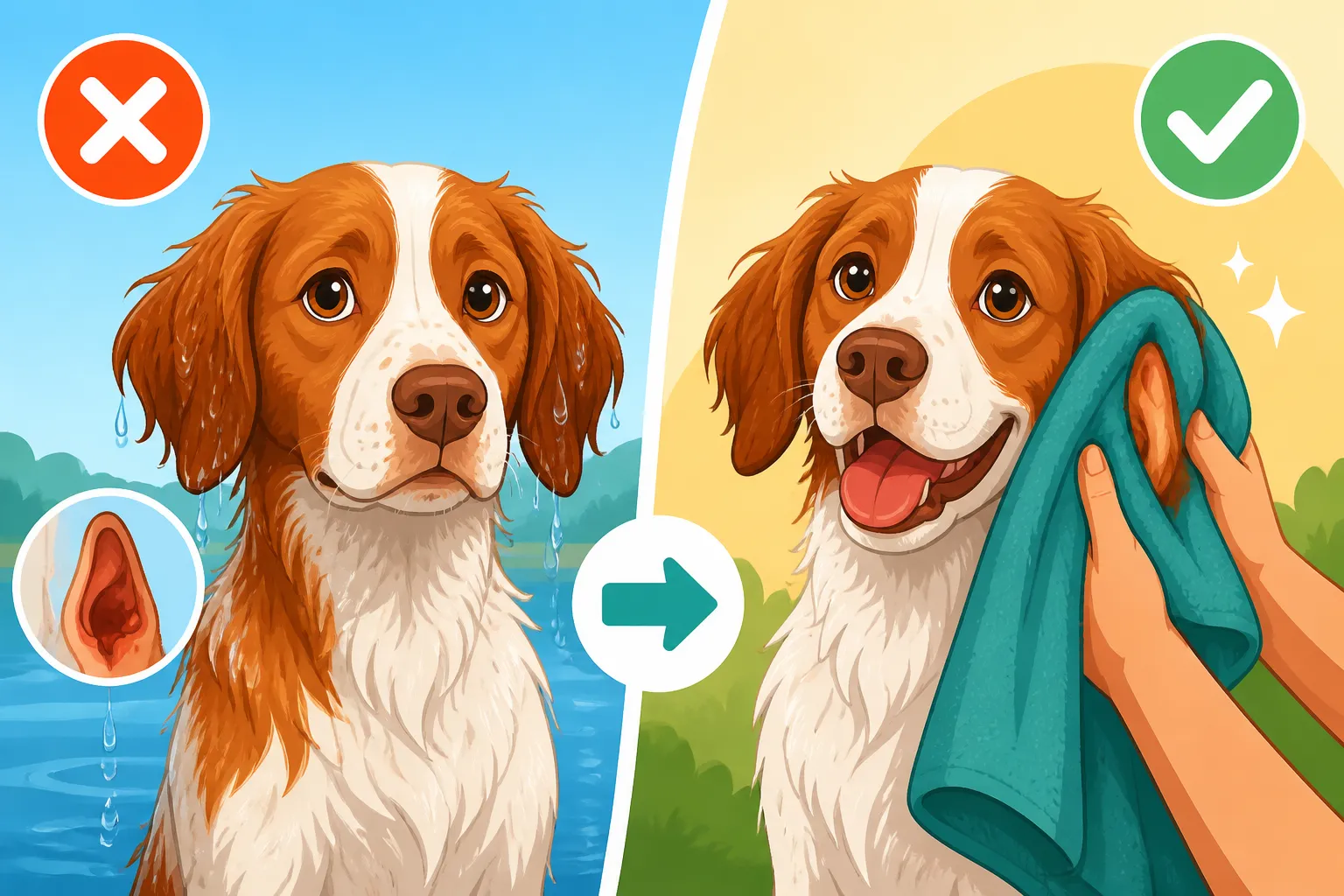
Whether a Brittany’s Ears Should Be Dried After Water
As a Brittany owner, you know the pure joy of watching your spirited companion bound through tall, wet grass on a misty morning hunt or leap enthusiastically into a cool pond on a hot summer day. It's truly a sight to behold! But that beautiful, floppy ear structure, so characteristic of our beloved breed, often comes with a hidden worry: moisture. These ears are incredibly efficient at trapping water, creating a warm, damp environment that can quickly become a breeding ground for nasty infections. This guide is dedicated to shedding light on a crucial aspect of Brittany care: understanding why drying your dog's ears after they get wet isn't just a good idea, but an absolute necessity, and how to do it effectively to keep those ears healthy and happy.
Why Brittany Ears Are Prone to Trouble
It’s not just bad luck; our Brittanys are practically designed to get ear infections if we’re not vigilant. Their ear anatomy, combined with their active, outdoorsy lifestyle, creates a perfect storm for moisture and microorganisms to thrive. It’s a frustration many of us face, trying to balance their love for adventure with the constant need for ear maintenance.
The Brittany's Unique Ear Anatomy
Take a moment to truly appreciate your Brittany's ears – they're lovely, aren't they? Soft, feathered, and expressive. But from a practical standpoint, they're a bit of a design flaw when it comes to keeping them dry. Unlike breeds with upright ears, the Brittany's ears hang down, effectively sealing off the ear canal from the outside world. This creates a dark, warm, and poorly ventilated space.
Add to this the natural feathering that grows on and around their ears. While beautiful, this long hair can easily get matted when wet, further blocking any air circulation. The ear canal itself is L-shaped, making it incredibly difficult for trapped water, debris, or wax to escape naturally. This internal structure, coupled with the external floppy nature, means moisture gets in easily but struggles immensely to get out. It's a key reason why Why a Brittany's Drop Ear Traps Water is such a common topic of conversation among owners.
Water Activities and Field Exposure
Brittanys are sporting dogs, through and through. They live for the field, whether that's pointing quail in dewy meadows, retrieving ducks from a pond, or crashing through thick, wet cover. All these activities, while essential to their well-being and purpose, inevitably lead to wet ears.
Think about a typical hunting scenario: your Brittany dives into a cattail marsh to retrieve a downed bird. Their ears are completely submerged. Or consider a morning walk after a rain shower, where they push through chest-high, soaking wet grass. Even a vigorous swim in the lake on a hot day, which is fantastic exercise, exposes their ears to prolonged dampness. It's not just big splashes; even persistent humidity or heavy dew can contribute to the problem. Every time those ears get wet, whether from a full immersion or just brushing against damp foliage, that moisture seeps into the canal and gets trapped, unable to evaporate easily.
The Perfect Storm: Warmth, Moisture, and Lack of Airflow
Once water gets into that L-shaped canal, the conditions become ideal for trouble. The ear canal is naturally warm, thanks to body heat. The floppy ear leather and dense feathering prevent airflow, meaning the moisture has nowhere to go. This creates a humid, warm, and dark environment – essentially a tropical paradise for bacteria and yeast, the most common culprits behind ear infections.
These opportunistic microorganisms, which are normally present in small numbers without causing harm, suddenly find themselves in an environment where they can multiply rapidly. If left unchecked, this proliferation leads to inflammation, itching, discomfort, and eventually, a full-blown infection. It's a cycle many Brittany owners know all too well, and it's why being proactive about drying is paramount.
The Art of Post-Water Ear Care
Understanding why their ears are susceptible is the first step; the next is knowing what to do about it. Effective post-water ear care for your Brittany isn't complicated, but it requires consistency and a gentle touch. It's about being prepared and making it a routine, just like checking for The Injuries a Brittany Picks Up in the Field after a long day out.
Immediate Action After Exposure
The golden rule for Brittany ear health after water exposure is simple: don't wait. The longer moisture sits in the ear canal, the higher the risk of bacterial or yeast overgrowth. As soon as your Brittany finishes their swim, retrieves from the water, or comes in from a particularly wet outdoor adventure, their ears should be your immediate focus.
This means having your ear care supplies readily available. Keep a small kit in your truck or by the door – a soft towel, cotton balls, and a vet-approved drying solution. Get into the habit of gently lifting their ears and checking for dampness right away. The goal is to remove as much surface moisture as possible before it has a chance to settle deep into the ear canal and start causing problems. Think of it like drying your own hair after a shower – you wouldn't let it air dry if you knew it would lead to an uncomfortable, itchy scalp, would you? The same principle applies here.
Step-by-Step Drying Techniques
Drying a Brittany's ears effectively involves a combination of gentle wiping and ensuring proper air circulation. Here’s a simple routine that can make a huge difference:
- Start with the External Ear: Use a soft, absorbent cloth or towel to gently blot and wipe the visible parts of the ear flap, both inside and out. Pay special attention to the underside of the ear and the base, where moisture tends to accumulate.
- Tackle the Inner Canal Entrance: Take a clean, dry cotton ball or a cotton pad and gently wipe around the entrance of the ear canal. Never insert cotton swabs (Q-tips) deep into the ear canal, as this can push debris further in or even damage the eardrum. You're only addressing the accessible outer portion.
- Address the Feathering: If your Brittany has long ear feathering, gently pat it dry with a towel. If it's heavily matted or still very wet, you might carefully use a low-setting hairdryer (on a cool or low heat setting, held at a safe distance and kept moving) to help dry the hair, but be extremely cautious not to overheat or startle your dog. Most Brittanys aren't keen on the noise, so introduce it slowly and make it a positive experience with treats.
- Promote Air Circulation: Once you've manually dried the ears, try to keep the ear flaps open for a few minutes. You can gently hold them up, or if your dog is cooperative, distract them with a chew toy. This allows any remaining moisture deep in the canal to begin evaporating.
Choosing the Right Drying Agent or Solution
While mechanical drying with towels and cotton is a great first line of defense, sometimes a dedicated ear drying solution can be incredibly helpful, especially for Brittanys prone to recurrent issues or those who spend a lot of time in water.
- Drying Solutions: These typically contain ingredients like boric acid or salicylic acid, which help dry out moisture and acidify the ear canal, creating an environment less hospitable to yeast and bacteria. Some even contain mild antiseptics. Always choose a product specifically formulated for dogs and consult your vet before introducing new products, especially if your dog has a history of ear problems. A quick call to your vet or a search for well-regarded brands like Vetri-Science or Zymox can give you some good options.
- Application: Follow the product instructions carefully. Generally, you'll apply a small amount into the ear canal, gently massage the base of the ear to distribute the liquid, and then let your dog shake its head. Afterwards, wipe any excess away with a cotton ball.
- Powders: Some owners use ear powders, particularly those designed for plucking ear hair, which also have drying properties. However, powders can sometimes clump with wax or moisture, potentially exacerbating issues, so use them with caution and only if recommended by your vet.
It's worth noting that preventing serious infections can save you a significant amount in vet bills. Proactive care is truly an investment in your dog's health. While pet insurance like Healthy Paws can certainly help cover unexpected costs if an infection does take hold, consistent at-home care is your best preventative medicine. For more in-depth advice on products, checking out Which Ear Cleaner Suits a Brittany can provide additional insights.
Recognizing and Preventing Ear Infections
Even with the best drying regimen, ear infections can still crop up. Brittanys are just that susceptible. Knowing the signs and taking swift action can prevent a minor irritation from turning into a severe, painful problem. It's a key part of responsible ownership, much like understanding How Often a Brittany's Ears Should Be Checked.
Common Signs of Ear Infection
Your Brittany can't tell you their ear hurts, so it's up to you to be a detective. Look for these common indicators that an ear infection might be brewing:
- Excessive Scratching or Pawing: If your dog is constantly scratching at its ears or rubbing its head against furniture, it's a huge red flag.
- Head Shaking or Tilting: Persistent head shaking, often accompanied by yelping or discomfort, or tilting their head to one side, suggests something is bothering them deeply.
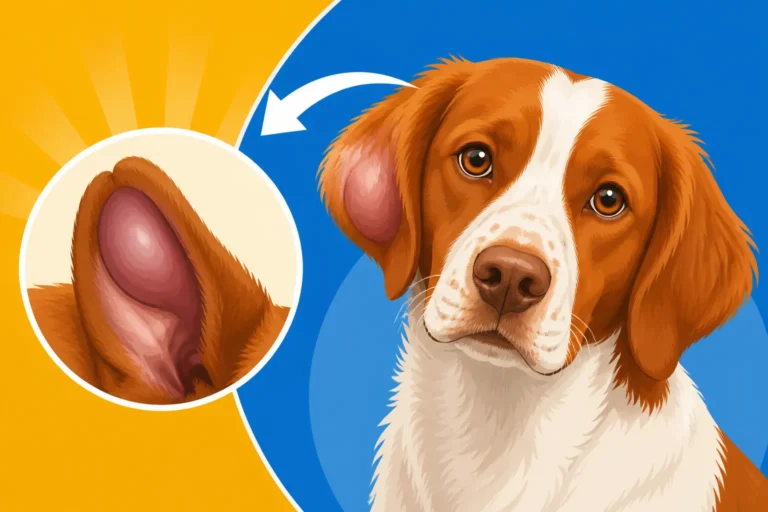
- Redness and Swelling: Gently lift the ear flap and examine the inner surface. Is it redder than usual? Swollen? These are signs of inflammation.
- Odor: A distinctive, often yeasty or foul smell coming from the ear is a strong indicator of infection. It's usually one of the first things owners notice.
- Discharge: Look for dark brown, waxy discharge (often yeast) or yellow, pus-like discharge (often bacterial). Don't ignore it.
- Pain or Sensitivity: If your Brittany flinches, cries out, or pulls away when you touch their ear, they are likely in pain.
- Behavioral Changes: Lethargy, loss of appetite, or general grumpiness can sometimes be secondary signs of discomfort.
Paying close attention to Signs a Brittany's Ear Is Infected can help you catch problems early, making treatment much easier and less uncomfortable for your dog.
The Role of Regular Checks
Drying after water is one thing, but incorporating regular ear checks into your routine is crucial for ongoing prevention. Aim to check your Brittany's ears at least weekly, and more often during hunting season or periods of high humidity.
Make it a positive experience for your dog from a young age. Gently lift their ear flaps, sniff inside, and visually inspect the canal entrance. Praise them, give treats, and keep it brief. This familiarization will make future cleanings or treatments much easier. During these checks, you're looking for any changes from the norm: new odors, slight redness, or an increase in wax production. Catching these subtle changes early means you can often intervene before a full-blown infection takes hold. The sooner you spot a problem, the sooner you can act.
When to Call the Vet
If you notice any of the signs of an ear infection, especially persistent scratching, odor, discharge, or pain, it's time to call your veterinarian. Do not attempt to self-treat a full-blown infection. Over-the-counter remedies might mask symptoms or even worsen the situation if the wrong type of infection is present (e.g., using a bacterial treatment for a yeast infection, or vice-versa).
Your vet will be able to perform a thorough examination, often using an otoscope to look deep into the ear canal and check the eardrum. They may also take a swab of any discharge to examine under a microscope (cytology) to identify whether yeast, bacteria, or mites are the culprits. This precise diagnosis is essential for prescribing the correct medication, which might include medicated ear drops, oral antibiotics, or antifungals.
Prompt veterinary care is critical not only for your dog's comfort but also to prevent the infection from spreading deeper, potentially causing middle or inner ear issues, or leading to chronic problems. Investing in a good pet insurance plan, like Healthy Paws, can be a real lifesaver when unexpected vet visits for recurring ear infections or other health issues arise, ensuring you can provide the best care without financial stress.
Beyond Drying: Comprehensive Ear Health
While drying after water is vital, maintaining optimal ear health for your Brittany is a year-round commitment that goes beyond just blotting away moisture. It involves a holistic approach to their care, considering everything from routine hygiene to underlying health issues.
Routine Cleaning Schedules
Even if your Brittany hasn't been splashing around, their ears still need regular attention. Ear wax, dead skin cells, and environmental debris can accumulate, creating another favorable environment for microorganisms.
- Frequency: For most Brittanys, a gentle ear cleaning every 2-4 weeks is a good starting point. However, dogs prone to infections or allergies might need more frequent cleaning. During hunting season, when exposure to dirt and water is constant, you might find yourself cleaning more often, perhaps even weekly or as indicated by the condition of their ears. This aligns with advice on How Often Ears Need Cleaning in the Middle of a Season.
- Method: Use a veterinarian-approved ear cleaner. Squirt the cleaner into the ear canal (following product instructions), gently massage the base of the ear for 20-30 seconds to break up wax and debris, then allow your dog to shake its head. Finally, wipe out any loosened debris and excess cleaner from the outer ear with a cotton ball or soft cloth. Again, avoid inserting anything deep into the canal.
- Products: Look for gentle, non-irritating cleaners that help dissolve wax and dry the canal. Your vet can recommend specific brands that are suitable for your Brittany's individual needs.
Diet and Allergies
It might surprise you, but what goes into your Brittany's bowl can significantly impact their ear health. Food allergies or sensitivities often manifest as skin issues, and guess what? The skin lining the ear canal is no exception. Dogs with allergies can experience chronic inflammation and itching in their ears, making them much more susceptible to secondary infections.
- Identifying Allergies: If your Brittany suffers from chronic ear infections, especially those accompanied by other skin issues like itching, redness, or paw licking, discussing potential allergies with your vet is crucial. This could involve trying a limited ingredient diet or novel protein diet to identify food triggers, or discussing environmental allergy testing. Understanding Whether a Brittany Gets Skin Allergies can provide a deeper dive into this connection.
- Balanced Nutrition: A high-quality, balanced diet supports a strong immune system and healthy skin barrier, which are both crucial for resisting infections. Ensure your Brittany is getting appropriate nutrition for their activity level, especially if they are a working dog.
Professional Vet Care and Preventative Measures
Your veterinarian is your most important partner in maintaining your Brittany's ear health. Regular wellness exams provide an opportunity for them to check your dog's ears thoroughly and address any concerns you might have.
- Routine Check-ups: Don't skip annual check-ups. Even if your Brittany seems fine, a vet can spot subtle changes you might miss. They can also provide professional cleaning if necessary, especially if there's a build-up of wax deep in the canal.
- Preventative Strategies: Discuss with your vet about specific preventative measures if your Brittany is highly prone to ear infections. This might include specific drying solutions, regular cleaning protocols, or even discussing the possibility of allergy management.
- Vaccinations and Parasite Control: While not directly ear-related, maintaining overall health through proper vaccinations and robust parasite control contributes to a strong immune system, making your Brittany less vulnerable to various infections, including those in the ears.
- Pet Insurance Support: It’s worth reiterating that unexpected ear issues, particularly chronic ones, can lead to numerous vet visits, diagnostics, and medications. Having a reliable pet insurance plan, such as one from Healthy Paws, can provide invaluable financial support, allowing you to prioritize your Brittany's health without added stress. They can help cover everything from diagnostic tests to prescribed medications for chronic conditions, including ear infections.
Taking these proactive steps, from diligent drying after water exposure to routine cleaning and addressing underlying issues like allergies, will go a long way in keeping your Brittany's ears healthy, comfortable, and infection-free. It’s a small investment of time for a lifetime of happy, healthy adventures with your best friend.
| Aspect | Recommendation for Brittany Ears | Why It's Important | Best Practices |
|---|---|---|---|
| Drying After Water | Absolutely essential. Every time the ears get wet, dry them promptly. | Prevents moisture retention, which is a breeding ground for yeast and bacteria. | Blot dry with a soft towel/cotton, use low-heat dryer carefully, consider drying solution. |
| Cleaning Frequency | Weekly to bi-weekly for maintenance; more often if prone to issues. | Removes accumulated wax, debris, and maintains a healthy ear environment. | Use vet-approved cleaner, massage, wipe; never use Q-tips deep in canal. |
| Inspection | Daily after field/water, weekly otherwise. | Early detection of redness, odor, discharge, or inflammation saves discomfort and cost. | Lift ear flap, check visually, sniff, gently touch. |
| Allergy Management | Investigate if chronic infections occur; consult vet. | Allergies often manifest as ear inflammation, increasing infection risk. | Dietary trials, environmental allergy management with vet guidance. |
| Vet Visits | Annual wellness checks; immediate visit for signs of infection. | Professional diagnosis and treatment prevent worsening conditions and recurrence. | Don't self-treat infections; discuss preventative care with your vet. |
Disclaimer
This article is intended for informational purposes only and does not constitute veterinary advice. Always consult with a qualified veterinarian for any health concerns or before making any decisions about your pet's medical care.