How Common Hip Dysplasia Is in Brittany Spaniels
One of the most heart-wrenching concerns for any Brittany owner is the thought of their beloved companion suffering from a debilitating joint condition like hip dysplasia. It’s a worry that often lingers, especially with active breeds, and the tales of dogs struggling with mobility can keep us up at night. This comprehensive guide aims to shed light on how common hip dysplasia is in Brittany Spaniels, what to look for, and how we can best support our dogs through this challenge.
Understanding Hip Dysplasia in Brittanys
When you bring home a bouncy, energetic Brittany puppy, the last thing you want to think about is a future where their joy for running and retrieving is hampered by pain. Yet, hip dysplasia is a reality for many dog breeds, and Brittanys, despite their generally robust health, aren't entirely exempt. It’s crucial to understand what this condition entails and why our active companions can be susceptible.
What Exactly Is Hip Dysplasia?
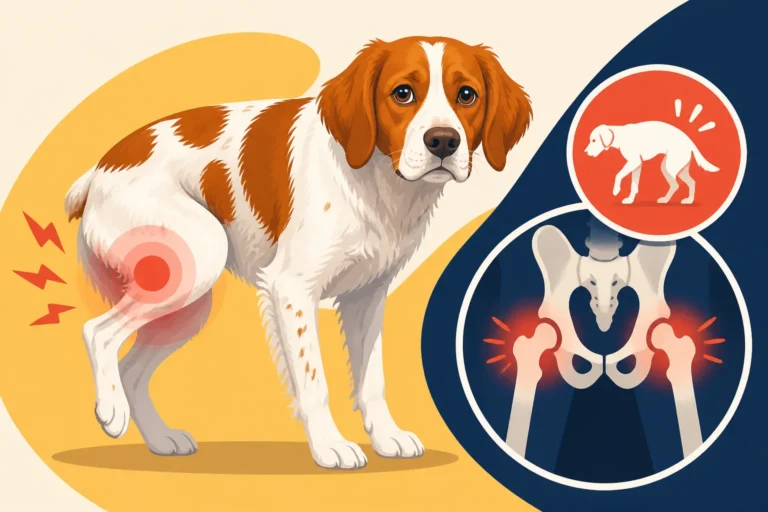
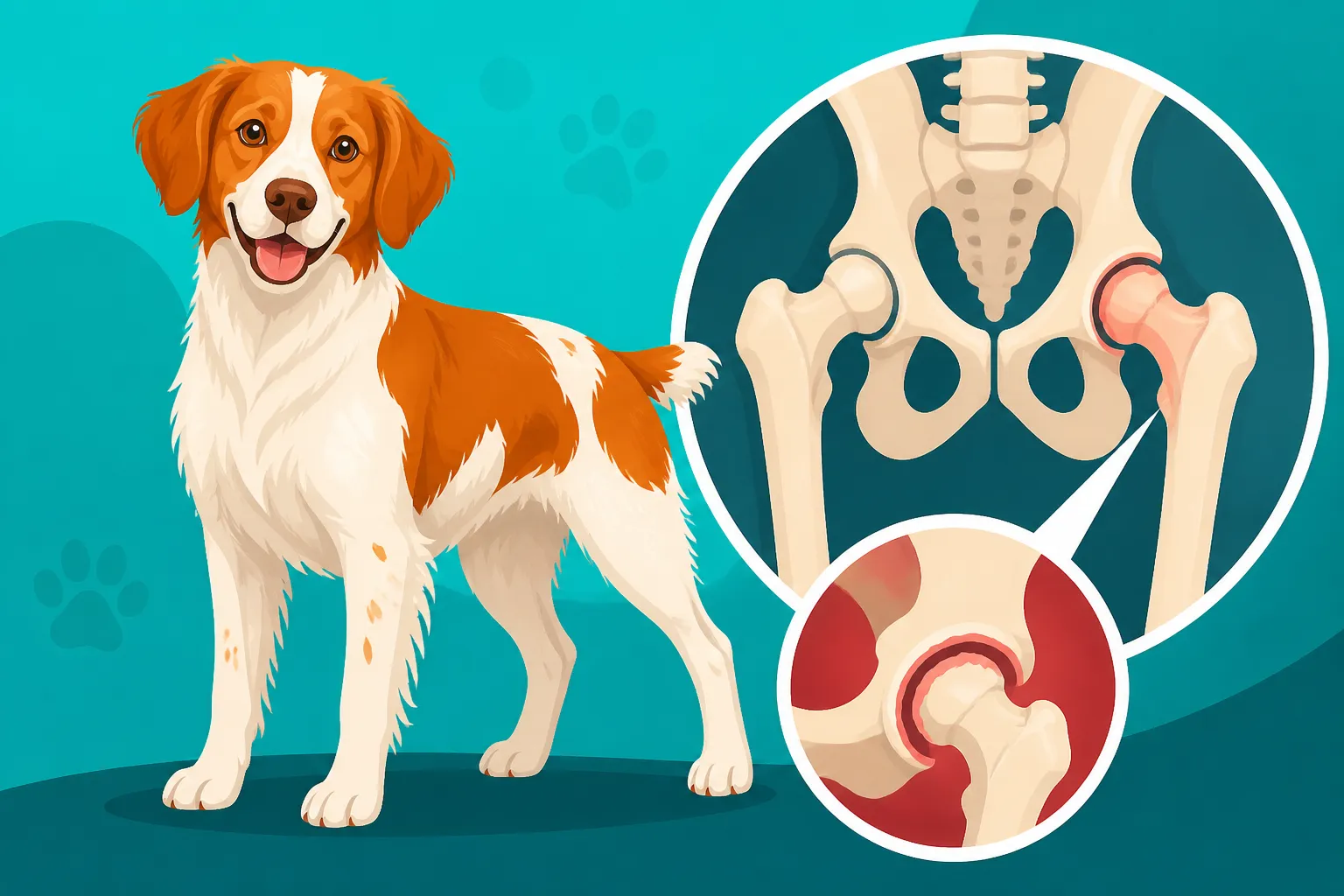
At its core, hip dysplasia is a developmental condition affecting the hip joint. Think of your dog's hip as a ball-and-socket joint. The "ball" is the head of the femur (thigh bone), and the "socket" is part of the pelvis, called the acetabulum. In a healthy hip, this ball fits snugly and moves smoothly within the socket. With hip dysplasia, this fit isn't quite right. The joint might be loose, or "lax," the socket might be too shallow, or the ball might be flattened. This poor fit causes friction and instability, leading to wear and tear over time.
This constant abnormal rubbing and grinding eventually lead to the degeneration of the joint. The body tries to compensate by laying down new bone, but this often results in painful bone spurs and further malformation. This process culminates in osteoarthritis, a chronic and progressive condition that causes pain, stiffness, and reduced mobility. It's not just a puppy problem; while it starts in development, the symptoms often become most apparent as the dog matures and the arthritic changes become significant.
Why Are Brittanys Prone to Hip Dysplasia?
While hip dysplasia is often associated with larger breeds, Brittanys, with their medium size and incredibly active lifestyles, can also be affected. The primary driver behind hip dysplasia is genetics. If a Brittany's parents or ancestors carried the genes for hip dysplasia, the puppy has an increased risk, even if the parents themselves showed no outward symptoms or were only mildly affected. This genetic predisposition means that even with the best care, some dogs are simply more vulnerable.
Beyond genetics, several environmental factors can influence the development and severity of hip dysplasia. Rapid growth, often fueled by overfeeding or diets too high in calories and certain nutrients for a growing puppy, can put undue stress on developing joints. Excessive or inappropriate exercise, such as jumping from heights or long, intense runs on hard surfaces before growth plates have closed, can also exacerbate any underlying genetic weakness. It's a complex interplay, but the dog's inherent structure and how it's developed and used all play a part. This is why understanding When a Brittany's Growth Plates Close is so important for new puppy owners.
The Real Numbers: How Common Is It?
It's one thing to hear about hip dysplasia; it's another to understand its prevalence within the Brittany breed specifically. Knowing the statistics can help you put your concerns into perspective and guide your conversations with breeders and veterinarians. We rely heavily on data from organizations like the Orthopedic Foundation for Animals (OFA) to get a clearer picture.
Interpreting OFA Statistics for Brittanys
The Orthopedic Foundation for Animals (OFA) collects and records hip evaluations from veterinarians across North America. Dogs are typically x-rayed at two years of age or older, and these radiographs are then graded by a panel of independent veterinary radiologists. The grades range from Excellent, Good, Fair (all considered "passing" or non-dysplastic), to Borderline, Mild, Moderate, and Severe (all considered dysplastic).
According to OFA data, the prevalence of hip dysplasia in Brittany Spaniels is a concern, but it's not as high as in some other breeds. Historical data shows that around 12-15% of Brittanys evaluated by the OFA receive a dysplastic rating (Borderline, Mild, Moderate, or Severe). This means that a significant majority, around 85-88%, are considered non-dysplastic. While this percentage might seem reassuring, remember that it still represents many individual dogs. It is worth looking into What the OFA Records Show About Brittany Hips for a deeper dive into the numbers.
It's also important to note that OFA statistics reflect dogs that have been screened, usually by responsible breeders. Dogs with severe hip dysplasia are often not submitted for evaluation, as breeders know they will fail. This can slightly skew the "passing" rate upwards. However, the data still provides valuable insight into the breed's overall health trajectory regarding this condition. Consistent screening over decades has contributed to some improvement in hip health within the breed. For instance, How Brittany Hip Scores Improved Over Fifty Years demonstrates the positive impact of diligent breeding practices.
Comparing Brittany Rates to Other Breeds
To fully appreciate the Brittany's hip dysplasia statistics, it helps to compare them to other breeds. While a 12-15% dysplasia rate might sound high in isolation, it's actually quite moderate when viewed in the broader context of canine orthopedic health. For example, some large and giant breeds like German Shepherds, Rottweilers, and Golden Retrievers historically show much higher rates, often ranging from 20-30% or even more in certain lines.
Consider the table below, which compares typical OFA hip dysplasia rates across a few popular breeds. This isn't to diminish the concern for Brittanys but to provide a realistic understanding of where they stand.
| Breed | Approximate OFA Dysplasia Rate (Percentage of evaluations) |
|---|---|
| German Shepherd | 19-22% |
| Golden Retriever | 20-22% |
| Labrador Retriever | 10-12% |
| Brittany | 12-15% |
| Border Collie | 4-6% |
| Greyhound | 1-3% |
(Please note: These percentages are approximate and can vary slightly based on specific years and data sets from the OFA. The data includes Borderline, Mild, Moderate, and Severe ratings.)
As you can see, Brittanys fall somewhere in the middle. They aren't as prone as some of the larger breeds, but they also have a higher incidence than breeds known for excellent hip health. This underscores the need for continued vigilance in breeding and puppy care. It's a reminder that while the Brittany is one of the healthiest sporting breeds overall, no breed is entirely free from genetic health concerns. Responsible pet insurance providers like Healthy Paws often cover hip dysplasia as long as it's not a pre-existing condition, highlighting its commonality across many breeds.
Recognizing the Early Signs and Symptoms
One of the most challenging aspects of hip dysplasia is that its onset can be incredibly subtle, especially in an energetic dog like a Brittany. Their high pain tolerance and immense desire to please or hunt can often mask discomfort until the condition has progressed significantly. Learning to recognize the earliest cues is vital for timely intervention and better outcomes.
Subtle Clues in Puppies and Young Adults
When your Brittany is still a pup or just entering young adulthood, the signs of hip dysplasia might be fleeting and easily dismissed. You might notice a slight "bunny hopping" gait when they run, where both back legs move together rather than independently. This is a common compensatory mechanism to avoid extending and flexing the painful hip joint. They might also show a reluctance to engage in strenuous play, or tire more quickly than their littermates or other Brittanys. A sudden unwillingness to jump into the car or climb stairs can be another early indicator.
Watch how they sit or lie down. A dog with hip pain might avoid sitting squarely, preferring to "frog-sit" with one or both legs splayed out to the side. They might also shift their weight predominantly to their front legs, developing a more muscular appearance in their shoulders and chest, while their hindquarters seem less developed. Pay close attention after exercise; an affected puppy might be noticeably stiffer or more reluctant to move after a strenuous session. While some of these signs could be attributed to normal puppy clumsiness, if they persist or worsen, it’s always best to consult your vet.
Advanced Symptoms in Mature Brittanys
As a Brittany with hip dysplasia matures and the degenerative changes of osteoarthritis take hold, the symptoms become more pronounced and harder to ignore. Pain, often evident as whining, yelping, or even snapping when touched around the hips, becomes a more consistent issue. You might observe a marked stiffness, especially after resting or in cold, damp weather. Getting up from a lying position can become a slow, arduous process, and they may struggle to gain traction on smooth floors.
You’ll often see a noticeable change in their gait, with a pronounced lameness or a swaying motion in the hindquarters. The muscle mass in their hind legs can begin to atrophy due to disuse, making their hindquarters appear thinner compared to their front. This muscle loss further compounds the instability and pain. A mature Brittany who once loved to run may now prefer short walks, and their enthusiasm for retrieving or hunting might diminish significantly. These advanced signs mean the disease has progressed, and while treatment can still provide relief, early detection offers more options and a better quality of life in the long run. If your dog is showing Signs a Brittany's Hips Hurt, it's time for a vet visit.
Diagnosis and Screening Protocols
Diagnosing hip dysplasia accurately is the first critical step toward managing the condition. This process typically involves a combination of your veterinarian's physical examination and specific imaging techniques, often conducted at key stages in a Brittany's life.
The Role of X-Rays and Veterinary Exams
When you bring your Brittany to the vet suspecting hip issues, the examination will usually begin with a thorough physical assessment. Your vet will observe your dog's gait, feel their hips for any signs of pain, grinding, or laxity (looseness) in the joint, and assess their range of motion. They might perform specific maneuvers, like Ortolani or Barden tests, to check for hip laxity. However, these physical tests are often subjective and may not reveal the full picture, especially in dogs with well-developed musculature that can mask instability.
The definitive diagnosis of hip dysplasia relies on radiographs, or X-rays, of the hip joint. For these X-rays, your Brittany will usually need to be sedated or anesthetized. This isn't just to keep them still; it's essential to ensure proper positioning, which allows the veterinarian to get clear, standardized views of the hip joint without muscle tension interfering. These images allow the vet to assess the depth of the acetabulum, the shape of the femoral head, and the overall congruity of the joint. They will look for signs of subluxation (partial dislocation), flattening of the femoral head, and any early osteoarthritic changes like bone spurs.
Different Screening Methods: OFA vs. PennHIP
When it comes to formal hip screening, there are two primary methods commonly used in North America: the Orthopedic Foundation for Animals (OFA) evaluation and PennHIP. Both aim to assess hip health, but they differ significantly in their methodology, interpretation, and the age at which they can be performed.
The OFA method requires dogs to be at least 24 months (two years) of age. This is because the hip joints are generally considered mature at this age, and any laxity or changes indicative of dysplasia are more reliably apparent. As mentioned, X-rays are taken and submitted to the OFA, where three independent veterinary radiologists review them and assign one of seven grades: Excellent, Good, Fair, Borderline, Mild, Moderate, or Severe. This method has been the gold standard for many years and provides a consensus evaluation. Many breeders will proudly share their dogs' OFA numbers, proving they have undergone this screening. You can find out more about What a Brittany Spaniel Breeder Should Have Tested and what these results mean.
PennHIP (Pennsylvania Hip Improvement Program) is a newer, more quantitative method that can be performed on dogs as young as 16 weeks (4 months). It uses three distinct X-ray views: a distraction view, a compression view, and a hip-extended view. The key difference lies in the distraction view, which measures the amount of laxity in the hip joint, providing a "distraction index." This index is a numerical value that reflects how loosely the femoral head fits into the acetabulum. The higher the distraction index, the greater the hip laxity, and thus the higher the risk of developing hip dysplasia and osteoarthritis. PennHIP also provides a percentile ranking, showing how your dog's hips compare to other Brittanys in the database. What PennHIP Tells a Brittany Owner is often seen as a more proactive screening tool, allowing breeders to make earlier decisions. Both methods are valuable, and some breeders opt for both to get the most comprehensive understanding of their breeding stock's hip health.
Managing Hip Dysplasia: Treatment Options
Receiving a diagnosis of hip dysplasia for your Brittany can be overwhelming, but it's important to remember that there are many effective ways to manage the condition and ensure your dog maintains a good quality of life. Treatment strategies range from conservative, non-surgical approaches to more advanced surgical interventions, depending on the severity of the dysplasia and the dog's symptoms.
Non-Surgical Approaches for Comfort
For many Brittanys, especially those with mild to moderate hip dysplasia or those who are not candidates for surgery, conservative management can provide significant relief and slow the progression of osteoarthritis. The cornerstone of non-surgical treatment is pain management. This often involves non-steroidal anti-inflammatory drugs (NSAIDs) like carprofen (Rimadyl), meloxicam (Metacam), or firocoxib (Previcox) to reduce pain and inflammation. Your vet might also prescribe other pain relievers or joint-specific medications like gabapentin or amantadine.
Joint supplements are also a popular and often effective part of the regimen. Glucosamine, chondroitin, MSM, and Omega-3 fatty acids can help support cartilage health, reduce inflammation, and improve joint lubrication. Brands like Dasuquin, Cosequin, and GlycoFlex are commonly recommended by veterinarians. Weight management is absolutely critical; even a few extra pounds can put immense strain on compromised joints. Maintaining a lean body condition is one of the most impactful things an owner can do. This applies throughout a Brittany's life, as What Changes in an Aging Brittany can sometimes include a tendency to gain weight.
Physical therapy and controlled exercise play a huge role. Low-impact activities like swimming or walking on soft surfaces can help build and maintain muscle mass around the hip, providing better support without excessive joint stress. Hydrotherapy, where dogs exercise in water, is particularly beneficial. Additionally, cold laser therapy and acupuncture are increasingly used by vets to alleviate pain and promote healing in dysplastic hips. Even simple environmental modifications, such as providing orthopedic beds and ramps to avoid jumping, can make a big difference in your Brittany's daily comfort. Pet insurance from providers like Healthy Paws can often help cover the costs of these long-term management therapies.
Surgical Interventions for Severe Cases
When non-surgical treatments no longer provide adequate comfort or if the hip dysplasia is severe and significantly impacting a Brittany's quality of life, surgical options may be considered. The choice of surgery depends on the dog's age, size, the severity of the dysplasia, and the presence of osteoarthritis.
One common procedure for younger dogs (typically under 10-12 months) with significant hip laxity but minimal arthritic changes is a Triple Pelvic Osteotomy (TPO) or Juvenile Pubic Symphysiodesis (JPS). JPS is performed on puppies as young as 16-20 weeks, aiming to fuse part of the pelvis to allow the remaining growth to create a more stable hip socket. TPO involves surgically cutting the pelvis in three places and rotating the segments to improve the coverage of the femoral head by the acetabulum, providing a more stable joint. These procedures aim to prevent or delay the onset of severe osteoarthritis.
For older dogs or those with advanced arthritis, a Femoral Head Ostectomy (FHO) or a Total Hip Replacement (THR) might be recommended. An FHO involves surgically removing the head and neck of the femur, allowing a "false joint" to form where muscle and scar tissue create a cushion. While it doesn't recreate a normal hip, it eliminates the painful bone-on-bone grinding and can significantly reduce pain, especially in smaller to medium-sized dogs. A THR is the most invasive but also the most effective surgical option, replacing both the damaged ball and socket with artificial implants. This procedure offers the best chance for a pain-free, fully functional hip. However, it is also the most expensive option, and What Hip Surgery Costs on a Brittany can be substantial, making pet insurance a wise investment for many owners. While a working Brittany may face Cruciate Tears in a Brittany and other injuries, hip dysplasia surgery is a major undertaking that requires careful consideration.
Prevention and Responsible Breeding
While hip dysplasia can't always be completely prevented due to its genetic component, proactive steps in breeding and early puppy care can significantly reduce its incidence and severity. As future or current Brittany owners, understanding these measures empowers you to make informed decisions.
Choosing a Reputable Breeder
This is arguably the most crucial step in preventing hip dysplasia. A reputable Brittany breeder is deeply committed to the health and well-being of their dogs and the future of the breed. They will not only be able to show you health clearances for the parents of your puppy but will insist on it. For hip dysplasia, this means both the dam (mother) and sire (father) should have passing OFA (Excellent, Good, or Fair) or PennHIP scores. They should be transparent about these results, often providing official certificates with OFA numbers.
Beyond just the parents, a responsible breeder will also be knowledgeable about the hip health of the dogs in their pedigrees, looking at grandparents and other close relatives. They understand that hip dysplasia is polygenic (influenced by multiple genes) and that even healthy parents can produce dysplastic offspring if there's a history in the wider lineage. They will also discuss their breeding practices, how they select mates, and their overall philosophy for health screening. Be wary of any breeder who cannot provide health clearances, dismisses the importance of hip screening, or makes excuses about why their dogs haven't been tested. They should also be able to explain What a Brittany Spaniel Breeder Should Have Tested in detail.
Early Life Care and Environmental Factors
Once you bring your Brittany puppy home, environmental factors during their crucial growth period become immensely important. While genetics set the stage, how you raise your puppy can significantly influence whether they develop hip dysplasia and how severe it becomes. One key aspect is nutrition. Growing puppies need a balanced diet formulated for their life stage, providing appropriate levels of protein, fat, and minerals. Overfeeding, leading to rapid weight gain, is a major culprit in exacerbating hip dysplasia. Ensure your puppy maintains a lean body condition, with ribs easily felt but not seen. Consult your vet or breeder for recommendations on high-quality puppy food and feeding guidelines.
Controlled exercise is another critical factor. While Brittanys are active, high-impact activities like excessive jumping, long-distance running on hard surfaces, or repetitive stair climbing should be limited until their growth plates have fully closed, typically around 12-18 months. Instead, focus on moderate, consistent exercise on soft ground, like grass or dirt, and allow for plenty of natural, free play. Short, frequent walks are better than long, strenuous sessions for a growing pup. Preventing slips and falls on slick floors is also important, as sudden twists or spreads can injure developing joints. By managing these environmental factors alongside responsible breeding, you give your Brittany the best possible chance for healthy, functional hips throughout their active lives. This careful approach also reduces the risk of other joint issues, such as Patellar Luxation in a Brittany.
Living with a Brittany with Hip Dysplasia
A diagnosis of hip dysplasia doesn't mean the end of an active life for your Brittany. Many dogs live long, fulfilling lives with proper management. It simply means adapting and being more mindful of their needs.
Adapting Exercise Routines
For a Brittany, whose very essence is boundless energy and a love for the field, adapting exercise routines can be a psychological hurdle for both dog and owner. The key is quality over quantity and consistency over intensity. Instead of long, grueling runs, especially on uneven or hard terrain, focus on shorter, more frequent sessions. Swimming is an excellent low-impact exercise that builds muscle without stressing joints. Consider a local dog pool or a calm lake.
In the field, you might need to adjust your hunting style. Perhaps opting for shorter hunts, or hunting in areas with softer ground cover. It might be worthwhile exploring if Whether an Arthritic Brittany Can Still Hunt is a viable option, perhaps with shorter outings. Always warm up your Brittany with a gentle walk before strenuous activity and cool down afterward. Pay close attention to their signals – any limping, stiffness, or reluctance to move means it's time to rest. Days of bad weather, particularly cold and damp conditions, often warrant lighter exercise, as arthritis can flare up.
Long-Term Management and Quality of Life
Managing hip dysplasia is a marathon, not a sprint. It requires a commitment to a lifelong care plan that prioritizes your Brittany's comfort and mobility. Regular veterinary check-ups are essential to monitor the progression of the disease and adjust treatment as needed. Your vet might recommend periodic X-rays to assess joint changes. Many owners find benefit in consulting with a veterinary rehabilitation specialist who can design a tailored physical therapy program, including exercises you can do at home.
Beyond medication and supplements, focus on providing a comfortable home environment. Orthopedic beds can make a huge difference in joint comfort, especially as your Brittany ages. Ramps for accessing cars or furniture can prevent painful jumps. Keeping your Brittany at an ideal weight cannot be overstated in its importance for long-term joint health. Regular grooming helps you spot any changes in their gait or muscle mass. With diligent care, a Brittany with hip dysplasia can continue to enjoy many happy years, reminding us that their spirit and desire to be with us often outweigh their physical limitations. Pet insurance can be a real lifeline here, with companies like Healthy Paws offering extensive coverage for chronic conditions like hip dysplasia if enrolled before symptoms appear. This ongoing management is part of Caring for a Brittany Past Ten, ensuring their comfort into their senior years.
Disclaimer
The information provided in this article is for general informational purposes only and does not constitute veterinary advice. Always consult with a qualified veterinarian for any health concerns or before making any decisions about your dog's medical care.