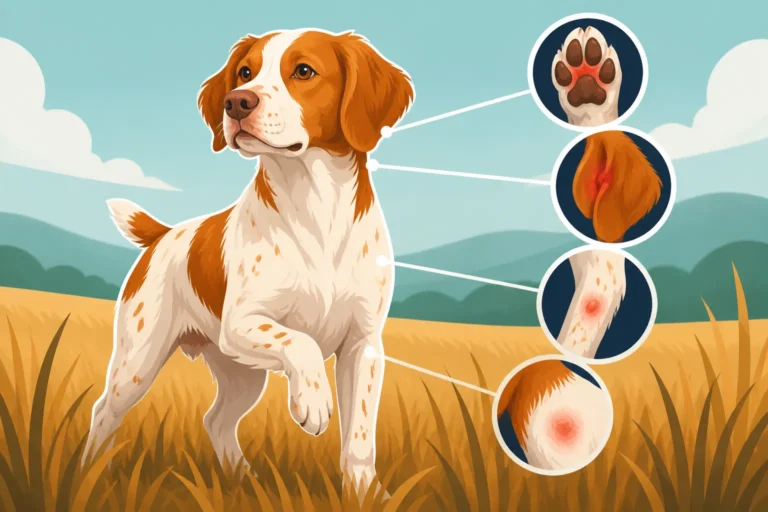
The Age a Brittany Is Considered Senior
It’s a moment every dog owner faces with a mix of love and a touch of wistfulness: seeing those first hints of gray around your beloved Brittany’s muzzle, noticing a slight slowing in their once boundless energy, or realizing they’re not quite as quick to leap onto the couch. When exactly does a Brittany transition from its energetic prime into its senior years? It’s not a switch that flips overnight at a specific birthday, but rather a gradual evolution, and understanding this journey is key to providing the best care for your cherished companion. This comprehensive guide will walk you through the nuanced process of recognizing and responding to the signs of aging in your Brittany, ensuring their golden years are as comfortable and joyful as possible.
Understanding the Shifting Sands of Seniority for Your Brittany
Defining "senior" for a dog isn't as simple as circling a number on a calendar. Unlike humans, where a specific age often denotes senior status, dogs age at different rates depending on their breed, size, and even individual genetics and lifestyle. For Brittanys, known for their incredible vigor and endurance, the transition into seniority can be particularly subtle, often catching owners off guard.
Why Age Isn't Just a Number for Brittanys
You might hear a general rule of thumb that dogs are considered senior around 7 years old. While this is a common guideline, it doesn't tell the whole story, especially for an active, medium-sized breed like the Brittany. Larger breeds tend to age more quickly and enter their senior years earlier, sometimes as young as 5 or 6, while smaller breeds might not show significant signs of aging until 9 or 10. Brittanys fall in the middle, generally hitting their stride into seniority somewhere between 7 and 9 years of age.
However, a Brittany's working background and individual activity level play a huge role. A Brittany that has spent its life as a vigorous field dog, covering miles of terrain every season, might show signs of joint weariness earlier than a Brittany that has led a more sedate life as a family pet, even if they're the same chronological age. It’s less about the exact number of candles on their birthday cake and more about the physiological changes occurring within their body. The key is observation – noticing those subtle shifts that indicate their body is moving into a new life stage. It's about recognizing that their metabolism, organ function, and joint health aren't what they once were, even if their spirit still burns bright.
Early Versus Established Seniority
Think of seniority as a spectrum rather than a single point. There’s "early senior" and "established senior," and your Brittany will move through these phases. In their early senior years (roughly 7-9 years old), you might notice very minor changes: perhaps they take a little longer to get up after a nap, or their recovery time after a long run is slightly extended. Their coat might start to thin a bit or show some grays, particularly around the muzzle and eyes. Their hearing might not be quite as sharp, or they might seem a little more particular about certain foods.
As they move into established seniority, typically around 10 years and beyond, these changes become more pronounced. This is when you'll likely see more significant signs like reduced stamina, increased sleep, more noticeable stiffness, and potential changes in their senses, such as vision or hearing. This later stage often requires more direct intervention in their daily care and a closer partnership with your veterinarian. This age range aligns with the overall lifespan of the breed; generally, a Brittany lives for about The Twelve to Fourteen Years a Brittany Gets on average, so hitting double digits means they're well into their senior phase. Understanding this progression helps us anticipate their needs and adjust our care proactively, rather than reactively, which is a much less stressful approach for both you and your furry friend.
The Subtle Physical Transformations in a Maturing Brittany
As your Brittany ages, their body undergoes a variety of changes, some obvious and some much more subtle. These transformations are a natural part of the aging process, but understanding what to look for can help you identify potential issues early and provide appropriate support.
Mobility and Joint Health Concerns
One of the most common and impactful changes in an aging Brittany is a decline in mobility. Their joints, which have supported years of running, jumping, and pointing, start to show wear and tear. You might notice your Brittany hesitating before jumping into the car, struggling with stairs, or moving more slowly on walks. This stiffness can often be attributed to arthritis, a degenerative joint disease that affects many older dogs. For a breed known for its athleticism, this can be particularly frustrating for them.
It's important to differentiate between general stiffness and signs of actual pain. While a little morning stiffness is common, consistent limping, yelping when touched, or a reluctance to move altogether are clear indicators of discomfort. Brittanys, being stoic by nature, can often try to How a Brittany Hides Pain, so you need to be observant. Look for changes in gait, a reduced desire to play fetch, or difficulty settling into a comfortable position. Regular, gentle exercise is still crucial to maintain muscle mass and joint flexibility, but the intensity and duration might need to be adjusted. Supplements like glucosamine and chondroitin can often help, and your vet might suggest anti-inflammatory medications to manage discomfort. Ignoring these signs can lead to a reduced quality of life, so proactive management is key.
Changes in Vision, Hearing, and Dental Health
Beyond mobility, an aging Brittany often experiences changes in their sensory organs and overall health. Their eyesight might begin to dim, leading to cloudiness in their eyes (often due to nuclear sclerosis, a normal aging change, or cataracts, which can be more problematic). They might bump into furniture, seem disoriented in new environments, or startle more easily if you approach them from their blind side. Similarly, hearing loss is common. You might find yourself needing to speak louder, or your Brittany might not respond as readily to commands, especially from a distance. They might even sleep through sounds that used to rouse them instantly.
Dental health is another critical area. Over the years, plaque and tartar can accumulate, leading to gum disease, infections, and even tooth loss. Bad breath is a strong indicator of dental issues, which can impact their ability to eat comfortably and even lead to systemic health problems. Regular dental check-ups and cleanings, potentially more frequent as they age, are vital. Don't forget their skin and coat, too. An aging Brittany’s coat might become drier, thinner, or more brittle, and their skin can become more prone to lumps, bumps, or dry patches. These changes aren't just cosmetic; they can signal underlying health issues, so keep an eye out for anything unusual during your regular grooming sessions.
Navigating Behavioral and Mental Changes in Your Senior Companion
Aging isn't just about the physical body; a Brittany's mind and emotional state also evolve as they enter their senior years. These changes can sometimes be more challenging for owners to understand, as they often impact the very personality traits we cherish in our dogs.
Shifts in Energy Levels and Sleep Patterns
One of the first behavioral changes many Brittany owners notice is a decrease in their boundless energy. The dog that once seemed to run on an endless battery might now prefer shorter walks, spend more time napping, or simply not have the same enthusiasm for a game of fetch. While a reduced energy level is normal, a sudden, dramatic drop could signal an underlying health issue. It's about finding the right balance – encouraging gentle activity to keep muscles strong and joints flexible, but respecting their need for more rest.
Along with decreased activity, senior Brittanys often develop altered sleep patterns. They might sleep more during the day, but then become restless at night, pacing, whining, or seeming disoriented. This can be disruptive for both dog and owner. Possible reasons include discomfort from arthritis, a need to urinate more frequently, or even cognitive decline. Providing a comfortable, orthopedic bed can help with joint pain, and a consistent routine, including a late-night potty break, can help manage nighttime restlessness. If erratic sleep persists, it's worth a conversation with your vet.
Cognitive Decline and Emotional Sensitivity
Just like humans, dogs can experience cognitive decline as they age, often referred to as Canine Cognitive Dysfunction (CCD). This can manifest in various ways, such as disorientation (getting "stuck" in corners or seeming confused in familiar surroundings), changes in interaction with family members (less affectionate or more irritable), altered sleep-wake cycles, house-soiling accidents, and decreased activity levels. Sometimes, an aging Brittany will also show increased anxiety or noise sensitivity, perhaps becoming more fearful of thunderstorms or fireworks. This might be linked to diminishing senses, making the world a more unpredictable place, or a direct result of changes in their brain.
An aging Brittany can also become more emotionally sensitive. They might be less tolerant of boisterous children or other pets, or they might seek more comfort and reassurance from their primary caregiver. This isn't necessarily a sign of a bad mood; it often stems from increased discomfort, confusion, or a general feeling of vulnerability. Creating a calm, predictable environment, maintaining consistent routines, and providing plenty of gentle, positive interaction can help manage these emotional shifts. If you notice significant changes in their cognitive abilities or emotional well-being, discussing these observations with your vet is crucial, as some forms of cognitive decline can be managed with medication or dietary supplements.
Tailoring Daily Care for Your Brittany's Golden Years
As your Brittany transitions into its senior years, their daily needs will shift. What worked for a high-energy adult might not be appropriate for a dog facing the challenges of aging. Adapting their routine and environment is key to maintaining their comfort and happiness.
Nutritional Adjustments for Senior Brittanys
One of the most important aspects of senior care is nutrition. As your Brittany ages, their metabolism slows down, and their activity levels typically decrease. This means they often require fewer calories to maintain a healthy weight. Continuing to feed them the same amount of food they ate in their prime can easily lead to weight gain, which puts extra strain on already aging joints and organs. Many senior-specific dog foods are formulated with lower calorie counts, often higher fiber for digestive health, and sometimes added joint-supporting nutrients like glucosamine and chondroitin.
However, some senior Brittanys might actually lose weight, especially if they have underlying health issues or dental problems that make eating difficult. In these cases, your vet might recommend a higher-calorie, more palatable diet, or even supplements to ensure they're getting adequate nutrition. Regular weight checks are essential – aim to keep them lean, but not underweight. You should be able to feel their ribs easily, but not see them prominently. Discussing your Brittany's specific nutritional needs with your veterinarian is always the best approach, as their recommendations will be tailored to your dog's individual health profile.
Adapting Exercise Routines and Environment
While your senior Brittany might not be able to keep up with their younger self, regular exercise remains incredibly important. It helps maintain muscle mass, supports joint flexibility, prevents boredom, and aids in digestive health. The key is adaptation. Instead of long, strenuous runs, opt for shorter, more frequent walks. Gentle swimming, if they enjoy it, can be an excellent low-impact exercise for joint health. Pay close attention to their cues: if they lag behind, seem stiff, or want to turn back, respect their limits. For an aging Brittany, the desire to Whether an Aging Brittany Still Wants to Hunt may still be there, but their body might not agree.
Making environmental modifications can also significantly improve their quality of life. Provide soft, orthopedic beds to cushion aching joints. Use ramps or steps to help them get onto furniture or into vehicles, reducing strain on their back and legs. Ensure they have easy access to food, water, and outdoor potty areas. If their vision is declining, try to keep furniture in consistent locations to minimize confusion and anxiety. Non-slip rugs on slick floors can prevent falls, which can be particularly dangerous for older dogs. These small adjustments can make a huge difference in their comfort and confidence as they navigate their world.
Proactive Health Management: When to Consult Your Vet About Aging Brittanys
As your Brittany enters its golden years, regular veterinary check-ups become even more crucial. Early detection of age-related conditions can lead to more effective treatment and a better quality of life for your beloved companion. Don't wait for obvious symptoms to appear; proactive care is your best defense.
The Importance of Routine Senior Check-ups
Think of senior vet visits not as a reaction to illness, but as a vital part of preventative care. While an adult Brittany might see the vet once a year, an older Brittany often benefits from bi-annual (every six months) check-ups. These visits allow your veterinarian to monitor subtle changes that might otherwise go unnoticed, such as slight weight fluctuations, early signs of dental disease, or changes in heart and lung sounds. Early detection of conditions like kidney disease, liver issues, diabetes, or even certain cancers can significantly improve outcomes.
During these check-ups, your vet will perform a thorough physical examination, checking their joints, teeth, eyes, ears, and coat. They’ll discuss any behavioral changes you've observed, changes in appetite or thirst, and ask about their exercise tolerance. They might recommend specific diagnostic tests tailored to senior dogs, such as What a Brittany's Yearly Bloodwork Should Cover, which can include a complete blood count, biochemistry panel, and urinalysis. These tests provide invaluable insights into organ function and can catch problems before they become critical. Remember, investing in these routine check-ups is one of the best ways to ensure your Brittany remains healthy and happy for as long as possible. Many owners find that pet insurance, such as plans from Healthy Paws, can help manage the costs associated with more frequent senior vet visits and diagnostic tests, making comprehensive care more accessible.
Recognizing Signs Requiring Immediate Veterinary Attention
While routine changes are expected, some signs warrant immediate veterinary attention. It’s crucial to know the difference so you can act quickly when your Brittany needs help. Sudden changes in their health or behavior should always be taken seriously, as they could indicate a serious underlying problem.
Table: Common Aging Signs vs. Urgent Veterinary Concerns
| Category | Common Aging Sign (Monitor) | Urgent Veterinary Concern (Seek Vet Care Immediately) |
|---|---|---|
| Mobility | Occasional stiffness after rest, slightly slower gait | Sudden lameness, inability to stand, severe pain, dragging limbs |
| Appetite/Thirst | Slight decrease in appetite, slightly increased water intake | Complete refusal to eat or drink, excessive thirst, vomiting, diarrhea |
| Urination/Defecation | More frequent urination, minor accidents | Straining to urinate/defecate, blood in urine/stool, uncontrolled urination/defecation |
| Energy/Behavior | Increased napping, less playful, mild disorientation | Sudden lethargy, severe confusion, aggression, persistent restlessness, seizures |
| Breathing | Occasional sighing | Persistent coughing, labored breathing, rapid shallow breathing, blue gums |
| Weight | Gradual weight gain or loss (minor) | Rapid, unexplained weight loss or gain |
| Lumps/Bumps | Small, slow-growing fatty lumps (lipomas) | Rapidly growing lumps, open sores, any new lump with changing texture |
| Eyes | Mild cloudiness (nuclear sclerosis), slightly reduced vision | Sudden blindness, red/painful eye, discharge, squinting |
If you observe any of the signs in the "Urgent Veterinary Concern" column, don't hesitate. Contact your veterinarian immediately. These could be indicators of acute conditions like bloat, kidney failure, severe infection, or a stroke, all of which require prompt professional intervention. Even what seems like a minor change, like a slight increase in thirst, could be a subtle sign of a serious condition like diabetes or kidney disease. When in doubt, it’s always better to be safe and have your vet check your Brittany over. Pet insurance, like that offered by Healthy Paws, can provide peace of mind during these emergency situations, ensuring you can make decisions based on your Brittany's needs rather than financial worries.
Supporting Your Brittany Through Its Golden Years
Watching your energetic Brittany slow down can be tough, but their senior years can also be incredibly rewarding. With thoughtful care and attention, you can help them navigate this new chapter with dignity and joy, ensuring their comfort and happiness remain paramount.
Maintaining Mental Stimulation and Emotional Connection
Just because your Brittany's body is slowing down doesn't mean their mind has to. Mental stimulation is just as important as physical exercise for older dogs. Engaging their minds can help slow cognitive decline and prevent boredom. Continue to play gentle games that don't put strain on their joints, like "find the treat" or puzzle toys. Short, familiar training sessions, reviewing basic commands, can keep their minds sharp and reinforce your bond. Even a sniff-walk in a new area can be incredibly enriching, allowing them to explore the world through their most powerful sense.
Emotional connection becomes even more vital in these later years. Senior Brittanys often seek more comfort and reassurance. Spend quality time together, whether it’s gentle petting, quiet cuddles, or just sitting close. Talk to them, reassure them, and let them know they are loved and secure. Their world might be changing, but your consistent presence and affection provide an anchor of stability. Be patient with any changes in behavior, understanding that they might stem from discomfort or confusion, and respond with compassion rather than frustration. Your presence and understanding mean the world to them.
Planning for End-of-Life Care and Quality of Life
This is perhaps the hardest part of having a senior dog, but it's a conversation every owner needs to have. Planning for end-of-life care isn't about giving up; it's about making informed, compassionate decisions that prioritize your Brittany's quality of life. Start by openly discussing your Brittany's prognosis and potential future challenges with your veterinarian. They can help you understand what to expect as their condition progresses and outline treatment options.
One invaluable tool for decision-making is a "quality of life" assessment. This involves honestly evaluating several aspects of your Brittany's daily existence: their appetite, pain levels, hygiene (can they keep themselves clean?), happiness, mobility, and their "good days" versus "bad days." When the bad days start to outweigh the good, and medical interventions are no longer providing sufficient comfort or joy, it might be time to consider difficult but loving choices. Being prepared for What a Brittany's Final Illness Costs can also help alleviate stress during an already emotional time. Having a plan in place, even if it feels premature, allows you to focus on your Brittany's comfort and dignity when the time comes, rather than making rushed decisions under emotional duress. It’s the ultimate act of love for a companion who has given you so many years of unwavering devotion.
Disclaimer
The information provided in this article is for general informational purposes only and is not a substitute for professional veterinary advice. Always consult with a qualified veterinarian for any health concerns or before making any decisions related to your pet's care.